

Nearly 60% of all chronic diseases in the United States link directly to poor nutrition. The food we eat supports long-term energy and physical health. Mastering our daily dietary needs can raise energy and help us maintain a healthy body weight.
Balanced meals help meet our daily dietary needs and give our bodies nutrients to work well. Choosing healthy foods and proper portions helps shield us from serious health risks. It can help protect against heart disease, diabetes, and stroke.
Healthy eating is not about restriction or temporary fixes. It is a lasting lifestyle choice that supports longevity and strength. This guide offers a practical roadmap for using these principles every day.
Key Takeaways
- Nutrition is a primary factor in preventing chronic illnesses like heart disease and cancer.
- Understanding your body’s requirements helps in achieving and maintaining a healthy weight.
- Balanced meals are essential for sustaining consistent energy levels throughout the day.
- Portion control and food quality are the two pillars of a successful wellness plan.
- Small, consistent changes to your eating habits lead to significant long-term health improvements.
What Are Daily Dietary Needs?
Daily dietary needs describe the energy, macronutrients, micronutrients, and fluids our bodies need each day. Understanding these nutritional requirements supports a vibrant, healthy life.
Definition of Daily Dietary Needs
Our bodies work like complex machines and need the right fuel each day. Nutritional requirements include substances needed for growth, tissue repair, and energy for physical activity. We can meet these needs by following five core principles:
- Adequacy: Providing enough essential nutrients and energy.
- Balance: Consuming the right proportions of food groups.
- Moderation: Avoiding excess intake of sugar, sodium, and saturated fats.
- Diversity: Eating a wide variety of foods to ensure a broad nutrient profile.
- Safety: Preparing and storing food to prevent illness.
Importance of Meeting Dietary Needs
Meeting our nutritional requirements does not follow one plan for everyone. Needs change with age, gender, lifestyle, and physical activity levels. A professional athlete’s peak-performance needs differ greatly from those of a sedentary office worker or growing teenager.
“Food is the most powerful tool we have to change our health, our environment, and our future.”
Focusing on our body’s specific needs can improve immune function, mental clarity, and long-term disease prevention. Remember that quality matters as much as quantity. Nutrient-dense foods meet our body’s needs without routinely exceeding limits for calories or harmful additives.
The Role of Macronutrients
Our bodies need three main macronutrients for life, growth, and daily movement. These essential nutrients give us energy for breathing, exercise, and other activities. Balanced amounts support long-term health and vitality.
Carbohydrates: Your Body’s Energy Source
Carbohydrates fuel the brain and muscles. Choose unrefined carbohydrates from whole grains, vegetables, fruits, and pulses for steady daily energy.
These complex foods provide fiber and vitamins that processed, sugary foods often lack. Whole foods can help prevent energy crashes linked to refined sugars.
Proteins: Building Blocks of Life
Proteins build muscles, skin, and enzymes. We get these essential nutrients from many animal and plant sources.
Good animal-based choices include lean meats, poultry, fish, and eggs. People who choose plant-based diets can meet their needs with beans, lentils, nuts, and seeds in daily meals.
Fats: Essential for Hormones and Brain Health
Although people once misunderstood fats, they support cell function and hormone production. We must choose fat types carefully to protect heart and brain health.
Focus on unsaturated fats from olive oil, avocados, and fatty fish. Limit saturated fats and avoid industrially produced trans fats whenever possible.
| Macronutrient | Primary Role | Healthy Sources |
|---|---|---|
| Carbohydrates | Energy production | Whole grains, fruits, legumes |
| Proteins | Tissue repair | Fish, poultry, beans, nuts |
| Fats | Hormone support | Avocados, olive oil, seeds |
The Importance of Micronutrients
Macronutrients fuel our bodies, while micronutrients act as spark plugs that keep our systems working well. Good health takes more than counting calories; it also requires micronutrients from nutrient-rich foods. These vitamins and minerals help shape long-term health by regulating immunity and bone density.
Vitamins: Vital for Immune Function
Vitamins are organic compounds that our bodies need in small amounts to live and prevent disease. They play a critical role in immune function, helping us fight infections and recover from illness. Without enough vitamins, we may face serious problems, such as scurvy or impaired cognitive development.
Instead of relying on synthetic supplements, choose a varied diet to get many vitamins. Eating colorful produce each day offers a reliable way to meet these needs. Choosing nutrient-rich foods gives our bodies natural compounds that work together to support health.
Minerals: Key to Bone and Heart Health
Minerals are inorganic elements from the earth and water that enter the plants and animals we eat. They help build strong bones, steady the heartbeat, and support proper nerve signals. A shortage can cause anemia, weak bones, and even neural tube defects.
To protect our health, include many mineral sources in your diet. Build your plate with these essential categories:
- Iron-rich options: Beans, lentils, and lean meats are excellent for blood health.
- Calcium sources: Dairy products or fortified plant-based alternatives support skeletal strength.
- Iodine sources: Seafood and iodized salt are vital for thyroid function.
Choose foods from every food group to avoid the problems caused by a narrow diet. Focusing on nutrient-rich foods provides the balanced minerals needed for lasting energy and health. A varied plate is the best foundation for a healthy life.
How to Calculate Your Daily Caloric Needs
Your body needs a certain amount of energy to function, but needs differ from person to person. Many people seek one recommended daily intake, but these numbers are estimates. Your needs change with your biology and lifestyle.
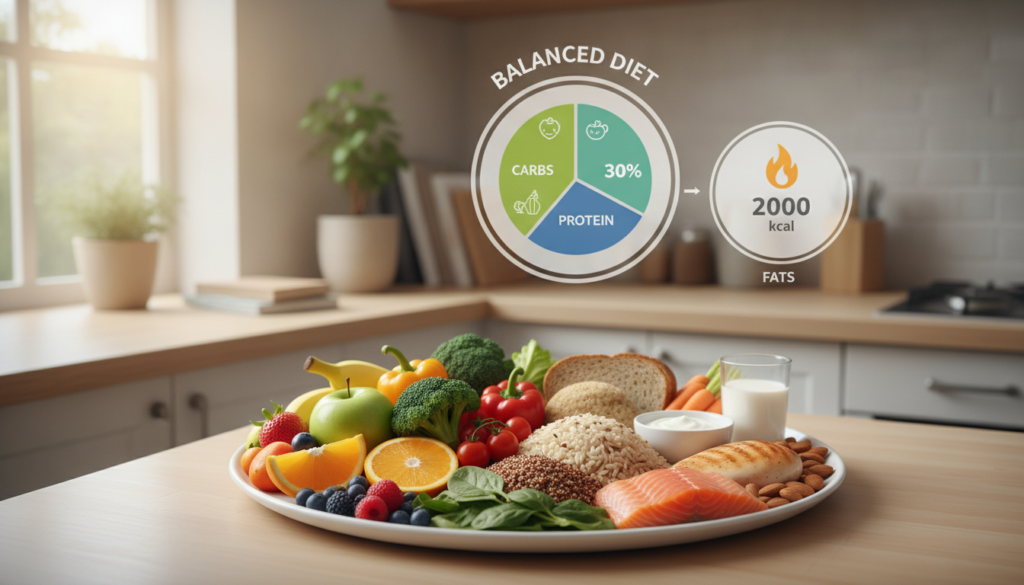
Factors Influencing Caloric Requirements
Several biological and environmental factors affect how much energy you use each day. Your metabolic rate changes as you move through different stages of life.
These key factors affect your energy needs:
- Age and Sex: Metabolism typically slows as we age, and men often require more calories due to higher muscle mass.
- Body Size and Composition: Larger bodies and those with more muscle tissue generally burn more energy at rest.
- Growth and Pregnancy: Periods of rapid development or gestation significantly increase the body’s demand for nutrients and energy.
- Physical Activity Level: The more you move, the more fuel your body demands to sustain performance and recovery.
- Health Status: Certain medical conditions or recovery processes can alter your baseline caloric requirements.
Tools and Apps for Caloric Calculation
Technology now makes estimating your energy needs easier. Mobile apps and online calculators offer a useful starting point for tracking your recommended daily intake.
Use these tools as guides, not strict rules. For a clearer estimate, consider these resources:
- Food-Tracking Apps: These help you log meals and monitor your progress toward specific health goals.
- Nutrition Labels: Use these to understand the density of your food choices.
- Registered Dietitians: A professional can provide a personalized plan that accounts for your specific health history.
When calculating your needs, remember that calorie quality matters as much as quantity. Choose nutrient-dense foods and watch your intake of free sugars, sodium, and total fats. This balance gives your body the quality fuel it needs to thrive.
Understanding Portion Sizes
Managing your daily food intake starts with knowing how much food you place on your plate. Small portion changes can improve your overall health and energy. Recognizing suitable amounts helps match your eating habits to your body’s needs.
Visual Aids for Portion Control
Simple visual guides make it easier to track your daily food intake without weighing every meal. The Healthy Eating Plate suggests half your plate hold fruits and vegetables, one-quarter whole grains, and one-quarter healthy protein.
One portion of fresh fruit or vegetables usually equals 80 grams. Dried fruit has more calories, so a standard portion usually stays at 30 grams. For more guidance, explore resources on understanding portion sizes to improve your approach.
Common Portion Size Mistakes
Even with good intentions, easy mistakes can increase your daily food intake. Restaurant servings often contain two or three times more food than a standard portion. People may assume a served meal is the right amount for one sitting.
Another mistake involves liquid calories and hidden additives. Some people treat fruit juice as unlimited nutrition, but it lacks whole fruit’s fiber and has concentrated sugars. Toppings such as dressings, nuts, and seeds can quickly turn a light salad into a heavy meal.
Finally, be careful with the “health halo” effect linked to low-fat labels. A low-fat product may still be high in calories and low in nutritional quality. Check the serving size on the nutrition label to avoid eating more than intended.
Special Dietary Considerations
Our nutrition needs change as we pass through different life stages. Standard dietary guidelines offer a useful base, but our bodies may need age-based changes.

Dietary Needs for Different Age Groups
Nutrition needs change greatly from infancy through the senior years. Children under age two have special growth needs that adult measures cannot assess. Focusing on nutrient-dense foods during these early years supports healthy development.
During adolescence and adulthood, priorities often shift toward energy balance and chronic disease prevention. Older adults may need fewer calories but more concentrated vitamins and minerals for bone density and immune health. Getting the right daily nutrients remains a lifelong process as metabolism slows or activity changes.
Nutritional Needs for Pregnant Women
Pregnancy is a unique body state that calls for careful dietary guidelines. Instead of using one meal plan, expectant mothers should prioritize nutrient density and high-quality protein for fetal growth.
A varied diet helps provide a wide range of vitamins and minerals during pregnancy. Pregnant individuals should seek medical advice based on their health history. For medical conditions, food allergies, or restrictive diets, consult a doctor or registered dietitian for safe, effective care.
The Impact of Lifestyle on Dietary Needs
Adding healthy eating guidelines to a busy modern life takes more than willpower. Daily routines, work demands, and movement patterns affect how our bodies use fuel. Matching food choices to energy use can improve long-term health.
Physical Activity Level and Its Influence
Activity level strongly shapes our calorie and macronutrient needs. People who exercise hard and often may need more protein for muscle repair and recovery. People with sedentary jobs may need less energy and closer portion control.
It is essential to match food intake with daily movement. Active bodies use carbohydrates more efficiently for steady energy. Consistent healthy eating guidelines provide muscles with needed nutrients without excess empty calories.
Stress and Nutrition Connection
High stress can disrupt hunger cues and shape the foods we crave. Many people choose processed convenience foods when time or pressure runs high. This pattern can cause poor meal timing and too many snacks without the nutrients needed to manage stress effectively.
We can counter these habits with practical strategies that support well-being during busy weeks. Following healthy eating guidelines is easier when we prepare for surprises. Consider these simple habits to keep your nutrition on track:
- Plan portable snacks: Keep nuts, fruit, or yogurt on hand to avoid reaching for processed vending machine options.
- Prioritize hydration: Often, we mistake thirst for hunger, so keep a water bottle nearby throughout the workday.
- Simplify meal prep: Focus on preparing basic, whole-food meals in batches to save time during the week.
- Use movement for balance: Incorporate light activity, such as walking, to help regulate appetite and support weight control.
Noticing how our surroundings and stress affect choices helps us make better decisions. Small, steady changes in daily routines can greatly improve overall health and vitality.
Planning Balanced Meals
Following a structured visual guide makes a balanced diet easier. It helps our bodies get the nutrients they need to work well all day.
Consistency supports long-term success. A simple nutrition plan reduces the mental effort linked to healthy eating.
Components of a Balanced Plate
Picture your plate in sections to build an effective meal. Fill half with colorful vegetables and fruits for essential vitamins and minerals.
Split the other half equally between whole grains and lean protein sources. This mix provides steady energy, supports muscles, and helps us feel full.
Aim for at least five daily portions of produce and 25 grams of naturally occurring fiber. Choose high-fiber starches, such as quinoa or brown rice, to stay full longer and support digestion.
Meal Prep Tips for Busy Lifestyles
With busy schedules, preparation helps maintain a balanced diet without stress. Batch cooking on weekends can save significant time during the work week.
Use these strategies to simplify your kitchen routine:
- Create a consistent shopping list to avoid impulse buys.
- Utilize freezer-friendly ingredients like pre-cooked beans or frozen vegetables.
- Prepare healthy, portion-controlled snacks in advance to avoid processed alternatives.
- Prioritize hydration by keeping water or unsweetened beverages readily available.
If food alone does not meet your nutritional requirements, consider daily vitamins for busy adults to bridge any potential gaps. Small, repeatable habits lead to lasting health improvements. Planning ahead makes it easier to choose the right foods every day.
Resources for Further Education
Taking charge of your health requires lifelong learning. Seek credible sources to understand your daily dietary needs as your body changes over time.
Educational Materials and Digital Learning
Books like Intuitive Eating by Evelyn Tribole and Elyse Resch offer useful frameworks for a healthy relationship with food. Explore platforms such as Coursera or edX for evidence-based human nutrition courses. Check publication dates so information matches current scientific standards.
Professional Guidance for Personalized Health
General advice offers a starting point, but medical conditions or pregnancy require expert oversight. A registered dietitian creates plans that safely meet your unique daily dietary needs. Consult a physician for persistent symptoms or before starting a highly restrictive eating pattern.
Sustainable wellness grows from informed choices and steady habits. Choose varied whole foods and suitable portions to build a strong foundation for long-term vitality. Contact qualified experts when you need support reaching your goals.