

Humans are among the few mammals that cannot make this essential nutrient for daily health. Because it dissolves in water, the body cannot store it for long periods. Replenish it often through food or a high-quality vitamin C supplement to maintain peak wellness.
Many people find standard acidic options cause digestive discomfort. This is where buffered formulas make Buffered vitamin C gentler for people seeking immune support with vitamin C. By neutralizing acidity, they offer the same health benefits without harsh effects on your stomach.
This guide explains how to select the right formulation for your needs. It covers optimal dosage, timing, and potential side effects. Our goal is to help you add this nutrient to your daily routine safely and effectively.
Key Takeaways
- Humans cannot produce or store this essential nutrient, making daily intake necessary.
- Buffered formulas are designed to be gentle on the digestive system.
- Proper selection depends on your specific health goals and sensitivity levels.
- Consistent timing helps maintain stable levels within your body.
- Always consult a healthcare professional before starting any new regimen.
What is Buffered Vitamin C?
We often seek ways to improve our health. Understanding the science behind buffered vitamin C is a helpful start. Regular vitamin C works well, but its acid may upset sensitive stomachs.
Understanding Buffered vs. Regular Vitamin C
Regular vitamin C usually comes as pure ascorbic acid. This potent nutrient has a low pH that may cause stomach upset or heartburn. Buffered vitamin C combines ascorbic acid with mineral salts, such as calcium, magnesium, or potassium.
This process creates mineral ascorbates. These compounds are gentler on the digestive tract while keeping the same biological activity. A high quality vitamin C supplement may provide needed support with fewer unwanted side effects.
The Role of pH in Buffered Vitamin C
To understand buffering, we must look at the pH scale. Pure ascorbic acid is highly acidic and may irritate the stomach lining. Adding minerals raises the pH and moves the supplement closer to neutral.
This change makes the nutrient easier for the body to process. It can help people who take larger doses each day. Lower acidity may help keep digestion comfortable throughout the day.
Health Benefits of Buffered Vitamin C
Adding this supplement to your routine offers many vitamin C benefits beyond basic immune support. These benefits can support long-term wellness and physical performance.
- Immune Function: It helps strengthen our natural defenses against environmental stressors.
- Antioxidant Protection: It neutralizes harmful free radicals that damage our cells.
- Collagen Formation: It is essential for healthy skin, joints, and connective tissues.
- Iron Absorption: It significantly improves how our bodies take in iron from plant-based foods.
Choosing a high quality vitamin C supplement supports our overall vitality. These vitamin C benefits work together to help our bodies function well and keep us energized and resilient.
How Buffered Vitamin C Supports the Immune System
Our immune system needs a steady supply of essential vitamins. buffered vitamin C offers a gentle, powerful choice for daily use. It reduces the acidity found in standard ascorbic acid, helping us maintain high nutrient levels with greater digestive comfort.
This formulation helps our internal defenses work smoothly. However, this supplement supports normal immune defenses; it does not guarantee prevention or treatment of specific infections.
Strengthening Immune Function
The main vitamin C benefits include support for cellular functions that help keep our bodies resilient. This nutrient assists white blood cell production and activity, supporting our natural response to outside challenges.
Because this version is buffered, we can often tolerate higher doses without the stomach upset linked to traditional supplements. This consistency is essential for maintaining long-term health and gives our bodies the resources needed to work well.
Antioxidant Properties
Beyond immunity, buffered vitamin C acts as a powerful antioxidant. It protects our cells from oxidative stress caused by normal metabolism and environmental factors.
By neutralizing free radicals, this supplement helps maintain cellular integrity throughout the body. We view immune support with vitamin C as a foundation of wellness because it helps limit the damage daily stressors can cause in our systems.
Choosing the right form of this nutrient helps ensure we receive all the vital antioxidant protection we need. It offers a simple, effective way to prioritize our health every day.
Who Can Benefit from Buffered Vitamin C?
Some people experience better daily wellness after switching to buffered formulas. Standard ascorbic acid works well, but its high acidity may bother sensitive systems. Buffered options offer important vitamin C benefits without unnecessary discomfort.
Individuals with Sensitive Stomachs
Traditional supplements can cause heartburn or stomach trouble because of their high acidity. Buffered vitamin C uses mineral salts, such as calcium or magnesium ascorbate, to reduce this acidity. This gentle approach suits people prone to acid reflux or stomach sensitivity.
These formulas also help your body receive essential nutrients regularly. Choose them for a natural vitamin C option or a supplement that feels easier to take. Buffering supports regular use without fear of irritation.
“The foundation of a healthy life is built upon the choices we make for our bodies every single day.”
Active Individuals and Athletes
Athletes and active people place heavy demands on their bodies, which can increase oxidative stress. Intense exercise can briefly weaken immune function, so this nutrient supports recovery. Buffered forms offer a highly bioavailable option during heavy training.
People under chronic stress, smokers, and those with limited access to fresh produce may also benefit. We recommend that people with health concerns, or those who are pregnant or breastfeeding, consult a healthcare professional. Personalized guidance helps provide support for your lifestyle and nutritional needs.
How to Choose the Right Buffered Vitamin C
Choosing nutritional supplements gets easier when you know what to look for. To find the best vitamin C for your needs, check product labels and manufacturing standards. Focus on transparency and purity so your daily intake supports your wellness goals.
Key Ingredients to Look For
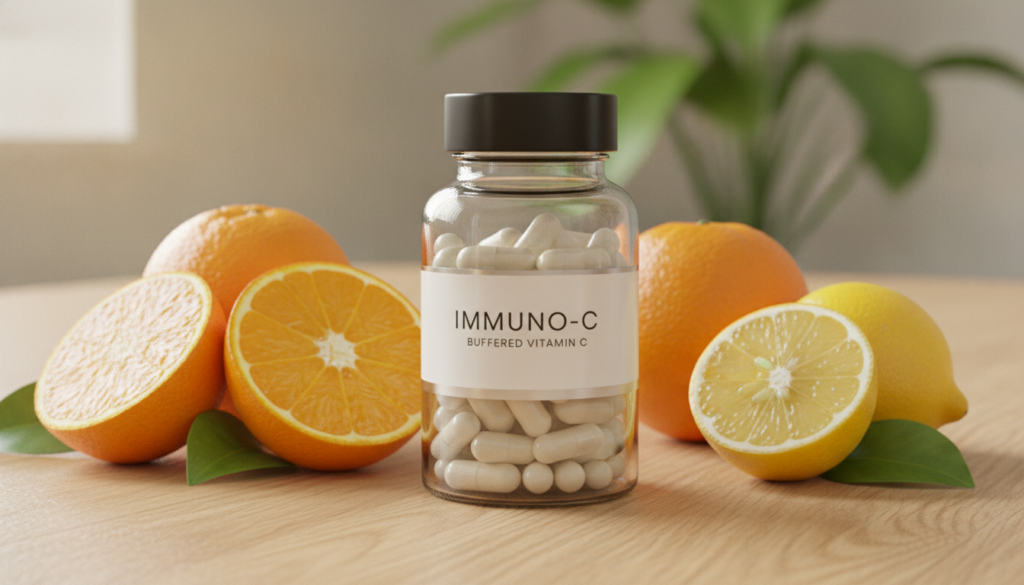
When shopping for a high quality vitamin C, check which mineral ascorbate form appears on the ingredient list. Look for calcium, magnesium, or potassium ascorbate because these minerals buffer ascorbic acid’s acidity. Also, check the serving size to match your personal health requirements.
Avoid products with unnecessary fillers, artificial colors, or common allergens such as soy and gluten. Reputable companies provide third-party testing results for the potency and purity of their vitamin C supplement. Use the table below to choose the delivery method that best fits your lifestyle.
| Feature | Buffered Powder | Capsules |
|---|---|---|
| Flexibility | High (Adjustable dose) | Low (Fixed dose) |
| Convenience | Requires mixing | Easy to swallow |
| Absorption | Fast | Standard |
| Portability | Moderate | Excellent |
Brand Recommendations
Choose reliable brands that make evidence-based claims and use clear labels. Look for manufacturers that follow Good Manufacturing Practices (GMP) and fully disclose their sourcing. A buffered vitamin C powder from a trusted source often offers the best value for higher daily amounts.
“Quality in a supplement is not just about the primary ingredient; it is about the integrity of the entire formulation and the transparency of the manufacturing process.”
Ultimately, the best vitamin C should be free of contaminants and come from a trusted source. You may choose a vitamin C supplement in capsules or a versatile powder, but prioritize batch-specific testing. This quality commitment helps ensure you receive a high quality vitamin C product that supports your immune system.
Recommended Dosages for Buffered Vitamin C
Finding your ideal dosage of buffered vitamin C means balancing your health needs with your daily diet. Each person has different needs, so no single dose works for everyone.
Age, health, and activity levels can affect how much you need. Smokers and people under high physical stress often need more to maintain healthy levels.
Daily Intake Guidelines
Use standard reference values as general guidance, not a prescription for everyone. Many vitamin C capsules provide a 1,000-milligram serving. This amount often exceeds basic daily needs for a healthy adult.
Many people choose this higher dose for immune support with vitamin C. Still, count vitamin C from food and supplements. If your diet includes many fruits and vegetables, a lower supplement dose may meet your goals.
| Factor | Impact on Dosage | Recommendation |
|---|---|---|
| Dietary Intake | High fruit/veg consumption | Lower supplemental dose |
| Physical Activity | High intensity/Athletes | Higher intake may be needed |
| Lifestyle Habits | Smoking or high stress | Increased requirement |
| Health Goals | General wellness | Standard maintenance dose |
Timing of Consumption
Consistency helps you get the most from your buffered vitamin C routine. Take supplements with or soon after a meal for better comfort and absorption.
If you take a higher daily amount, split it into smaller doses during the day. This may keep immune support with vitamin C steady in your system.
Notice how your body responds to the timing of your vitamin C capsules. Some people find them mildly stimulating late at night. If you are sensitive to energy changes, take them earlier.
Potential Side Effects of Buffered Vitamin C
We want you to understand possible reactions from taking a buffered vitamin C supplement. This form is gentler on the digestive tract, but side effects can still occur.
Common Reactions
Even with a high-quality vitamin C supplement, some people may have mild digestive issues. These may include loose stools, nausea, abdominal discomfort, or cramping.
These effects usually depend on the dose. Buffering improves tolerability, but very large amounts at once can still upset the digestive system. Start with smaller doses and watch how your body responds before increasing your intake.
When to Consult a Healthcare Professional
Professional medical advice is essential before starting a new regimen in some situations. If you have a history of kidney disease, metabolic disorders, or are pregnant or breastfeeding, speak with your doctor first.
If you take prescription medications, check for possible interactions. If symptoms continue after you stop the supplement, seek guidance from a healthcare provider to rule out underlying issues.
| Potential Reaction | Primary Cause | Recommended Action |
|---|---|---|
| Loose Stools | High single dose | Reduce dosage |
| Abdominal Cramping | Sensitivity to acidity | Take with food |
| Nausea | Rapid absorption | Split daily dose |
| Persistent Discomfort | Underlying condition | Consult a doctor |
Incorporating Buffered Vitamin C into Your Diet
Wellness often starts with nutrient-dense meals and a high-quality vitamin C supplement. Supplements provide a reliable boost, but they work best with whole foods. Together, they help provide essential nutrients throughout the day.
Natural Sources of Vitamin C
To maximize our intake of natural vitamin C, choose colorful produce. Bell peppers, broccoli, strawberries, and citrus fruits like oranges or grapefruits make excellent kitchen staples. These foods provide vitamins, fiber, and phytonutrients that support overall health.
Nutrient content can change with produce storage and preparation. Heat and light often damage these delicate vitamins, so eat vegetables raw or lightly steamed when possible. Store fresh produce in a cool, dark place to preserve its nutrients until you eat it.
Supplement Formulations
When our diet needs extra support, we can choose from several delivery methods. Many prefer a buffered vitamin C powder because flexible dosing lets us adjust intake for individual needs. Vitamin C capsules offer convenience for busy, on-the-go lifestyles.
Other options include tablets, liquid drops, and effervescent products. Each form offers different benefits for absorption, additives, and ease of swallowing. We summarized these differences below to help you choose an informed health routine.
| Formulation | Convenience | Dosage Flexibility | Best For |
|---|---|---|---|
| Buffered Powder | Moderate | High | Customized dosing |
| Capsules | High | Low | Travel and ease |
| Effervescent | Moderate | Moderate | Hydration support |
| Liquid Drops | High | High | Sensitive digestion |
Buffered Vitamin C vs. Other Vitamin C Forms
Choosing a high quality vitamin C means looking beyond the label. Your body processes each form differently. Standard ascorbic acid is common, while other options may improve comfort or delivery for your lifestyle and digestive health.

Comparing Bioavailability
Bioavailability shows how much of a nutrient your body can absorb and use. Regular ascorbic acid is highly bioavailable, but its acidity may cause discomfort for some users. Buffered vitamin C combines the vitamin with minerals like calcium or magnesium, to reduce acidity while supporting effective absorption.
Other forms, such as liposomal vitamin C, use lipid bubbles to protect the nutrient through digestion. This method may help the nutrient bypass traditional absorption barriers. However, the best vitamin C for you depends on health goals and how your body responds to different delivery systems.
Efficacy and Absorption Rates
Tolerance matters when you compare effectiveness. Some studies suggest certain forms enter the body faster. Yet most high quality vitamin C supplements provide similar health benefits, so regular use matters more than small absorption differences.
Use this comparison to guide your choice:
| Form | Key Benefit | Stomach Comfort |
|---|---|---|
| Ascorbic Acid | Cost-effective | Low |
| Buffered Vitamin C | pH-balanced | High |
| Liposomal | Enhanced delivery | High |
| Ester-C | Longer retention | High |
The best vitamin C is one you can take regularly without digestive distress. Choose a buffered vitamin C for a gentler profile, or select another form for its delivery method. Choose reputable manufacturers, and balance your budget, stomach sensitivity, and intended dose for effective immune support.
Frequently Asked Questions About Buffered Vitamin C
Most healthy adults tolerate Buffered vitamin C well, but some people need extra caution. People with kidney conditions or metabolic disorders should ask a medical professional before use. Ask first if you take prescription medications or have special nutritional needs.
Is Buffered Vitamin C Safe for Everyone?
Safety depends on your health history. Check products like the once daily multivitamin to ensure the dosage fits your needs. Buffered vitamin C offers gentle immune support with vitamin C, but it cannot replace a balanced diet.
Can You Overdose on Vitamin C?
Vitamin C dissolves in water, so your body usually removes extra amounts through urine. Very high intake can still cause digestive discomfort or diarrhea for some people. Follow serving instructions carefully to gain vitamin C benefits and avoid needless side effects.
Choose whole foods to meet your daily goals. Use supplements to fill nutrition gaps, not as your main source. Steady, moderate intake supports long-term wellness.