
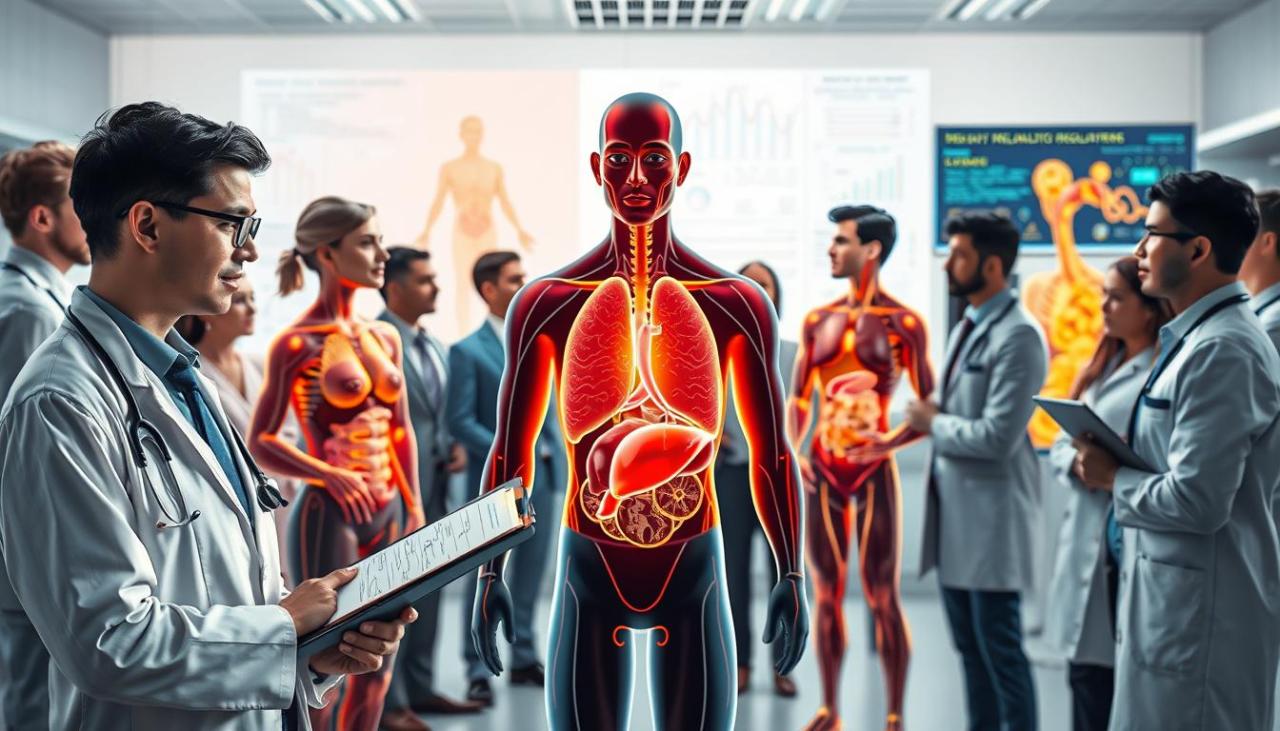
Did you know your body makes enough heat each day to boil half a gallon of ice-cold water? This constant inner fire comes from complex biological processes that keep us alive and moving. These systems turn food into fuel for every heartbeat and thought.
Scientists like Antoine Lavoisier first showed that our inner chemistry works like a furnace and needs oxygen to sustain life. We must distinguish total chemical activity in our tissues from the speed of these processes. Understanding energy metabolism helps explain how our systems maintain vital functions throughout the day.
Achieving a healthy energy balance is essential for long-term wellness. This state reflects equilibrium between the calories we consume and the amount our bodies burn. Mastering this relationship can improve control over physical health and daily performance.
Key Takeaways
- Our bodies act like biological furnaces, constantly producing heat to sustain life.
- Oxygen is a critical component in the chemical process of converting food into fuel.
- There is a clear distinction between total chemical activity and the rate of these processes.
- Maintaining a proper intake versus expenditure ratio is vital for health.
- Lavoisier’s early experiments laid the foundation for our modern understanding of respiration.
What is Energy Metabolism?
Our bodies act like power plants, managing energy through complex pathways. Every movement, thought, and heartbeat needs fuel from the food we eat.
This system gives us the power to survive and thrive. Understanding it shows how our health works at the cellular level.
Definition of Energy Metabolism
Energy metabolism is the network of chemical reactions that produces, uses, stores, and changes energy. It includes more than how quickly we burn calories.
While mitochondria are called the cell’s powerhouses, energy metabolism covers much more. It includes the body’s ability to manage resources and power every organ.
Importance of Energy Metabolism
These processes are vital to health. Without efficient metabolic pathways, cells lack fuel to repair tissue, control temperature, and support thinking.
“The body is a self-regulating system that constantly seeks balance through the transformation of energy.”
When these systems work well, we have steady energy and strong physical performance. Problems in these pathways can cause fatigue or serious health challenges.
Key Processes Involved
The body relies on two opposing forces: catabolism and anabolism. Catabolism breaks down complex molecules to release energy. Anabolism uses that energy to build muscle, bone, and other essential parts.
These metabolic pathways depend on special proteins called enzymes. Enzymes speed up reactions that would otherwise move too slowly to support life.
Nutrients such as vitamins and minerals also help enzymes work properly. Without these helpers, energy production would stop.
How Energy Metabolism Works
Human vitality depends on how cells manage chemical energy each second. Complex metabolic pathways give each organ and muscle the fuel needed to work. By breaking down nutrients, the body supports life and physical activity.
Catabolism vs. Anabolism
Metabolism uses two opposing forces to keep the internal environment stable. Catabolism breaks large molecules into smaller units and releases stored energy for immediate use. This process lets us gain power from food.
In contrast, anabolism uses that energy to build proteins, fats, and DNA. It creates tissues and cells needed for growth and repair. Together, these processes stay in a constant, delicate balance.
Role of ATP in Energy Metabolism
A molecule called Adenosine Triphosphate, or ATP, drives this energy exchange. ATP is the energy currency of the cell because it stores and moves chemical energy where needed. Without efficient ATP production, cells would soon lack power for basic biological tasks.
When energy is needed, the body breaks down ATP and releases a phosphate group. This fuels muscle contraction and nerve signaling. Creating and using ATP maintains daily energy levels and links food with body work.
Energy Conversion Processes
Cells generate energy through a sequence called cellular respiration. It starts by breaking down glucose and leads to the Krebs cycle, where carbon molecules yield high-energy electrons. These electrons enter oxidative phosphorylation, the final stage, which produces most ATP.
Through connected metabolic pathways, cells turn chemical bonds into usable biological power. This system of cellular respiration supports high activity throughout the day. Optimizing ATP production supports long-term health and metabolic efficiency.
Types of Energy Metabolism
The human body uses two main metabolic systems to produce energy. Cells choose the best path based on activity intensity and oxygen supply. This change helps keep us moving.
Aerobic Metabolism
During sustained, low-to-moderate activity, the body relies on aerobic metabolism. It needs steady oxygen to break down nutrients such as glucose and fatty acids. Through the complex cycle of cellular respiration, cells produce significant energy as ATP.
This system mainly works inside mitochondria, the powerhouses of our cells. A key step is oxidative phosphorylation, which efficiently converts energy over long periods. Because it works well, this pathway is our main fuel source for endurance tasks such as walking or light jogging.
Anaerobic Metabolism
In contrast, anaerobic metabolism supplies energy when oxygen demand exceeds supply. This system is incredibly fast and powers short, explosive activity bursts. During sprinting or heavy weightlifting, muscles depend on this quick energy release.
This pathway supports high-intensity efforts but cannot last long. It makes energy without oxygen, but metabolic byproducts build up. We can sustain this output briefly before recovery restores the body’s balance.
The Role of Carbohydrates
Carbohydrate metabolism helps explain how the body manages energy. After we eat, our bodies turn nutrients into energy we can use. This process supports daily physical and mental performance.
Breakdown of Sugars
Digestion starts by breaking complex carbohydrates into simple sugars, such as glucose. Glucose enters the bloodstream and travels to cells for glycolysis. This pathway begins ATP production and gives cells immediate energy.
“Glucose is the primary fuel for the brain and the preferred energy source for high-intensity physical activity.”
Glycogen Storage
Our bodies prepare for future energy needs. When glucose is plentiful, the liver and muscles change it into glycogen for storage. This reserve fuel serves as a backup, ready to return to the bloodstream when energy needs rise or food intake falls.
Impact on Energy Levels
Glucose availability affects how we feel throughout the day. Stable blood sugar supports steady focus and physical stamina, but quick changes can cause fatigue. By optimizing our carbohydrate metabolism, we can better control our internal fuel supply and improve our overall ATP production during exercise.
| Carbohydrate Type | Metabolic Speed | Primary Use |
|---|---|---|
| Simple Sugars | Fast | Immediate Energy |
| Complex Starches | Moderate | Sustained Release |
| Dietary Fiber | Slow/None | Digestive Health |
The Role of Fats in Energy Production
Our bodies use a complex process to turn stored fat into energy for muscles and organs. Carbohydrates provide quick bursts of power, but fats offer dense, lasting fuel for low-intensity activity. Learn more about what do fats do in the body to understand fats’ structural and energy roles.
Fat Oxidation Process
The process of turning fat into fuel begins with lipolysis, which breaks stored triglycerides into glycerol and free fatty acids. These fatty acids travel through the bloodstream to our cells, where they undergo beta-oxidation. This metabolic pathway systematically clips fatty acid chains into smaller units.
These units become acetyl-CoA, the main entry point for the Krebs cycle. Inside this cycle, fat oxidation produces large amounts of ATP, the energy currency of cells. This form of lipid metabolism is highly efficient, producing more than twice the energy per gram of carbohydrates.
Ketogenesis and Energy Use
When energy needs rise but carbohydrate availability falls, the body uses an alternative pathway called ketogenesis. This process occurs mainly in the liver, where fatty acids become ketone bodies. These molecules fuel the brain and muscles when glucose levels are too low.
Although fat stores much energy, the body processes it more slowly than sugar. Therefore, fat supports endurance better than rapid, high-intensity movement. The following table shows key differences among these primary energy substrates.
| Energy Source | Storage Form | Energy Density | Mobilization Speed |
|---|---|---|---|
| Carbohydrates | Glycogen | Moderate | Fast |
| Fats | Triglycerides | High | Slow |
| Proteins | Muscle Tissue | Moderate | Very Slow |
The Significance of Proteins
While fats and carbohydrates often provide fuel, proteins have a unique, vital role in metabolism. They build and repair tissues, create enzymes, and regulate hormones. When needed, the body can also use these building blocks for energy.
Proteins as an Energy Source
Normally, the body saves protein for structural work. With enough calories from other sources, protein helps maintain muscles and organs. Inadequate nutrient intake forces the body to change priorities for survival.
During prolonged fasting or extreme caloric restriction, the body breaks down stored protein. This process supplies a needed secondary fuel source that keeps body systems running. Frequent use of this pathway can cause several harmful effects:
- Significant loss of lean muscle mass.
- Reduced metabolic rate over time.
- Increased strain on the kidneys to process nitrogen waste.
- Impaired immune system function due to protein depletion.
Amino Acid Metabolism
The complex conversion of protein into energy is called amino acid metabolism. After proteins break down, individual amino acids enter pathways that produce glucose or intermediate compounds. This process helps maintain blood sugar when dietary carbohydrates are scarce.
A key part of this process is gluconeogenesis. It occurs mainly in the liver and makes glucose from non-carbohydrate sources, including certain amino acids. This fuel supplies vital organs, especially the brain, with steady energy during difficult metabolic states.
Factors Influencing Energy Metabolism
Your metabolic profile reflects biology, environment, and lifestyle choices. Simple answers rarely explain how metabolic regulation responds to many internal and external influences. These differences show why one plan cannot work for everyone.
Age and Gender Effects
Aging changes how the body burns fuel. Muscle mass usually declines over time, which can slow resting metabolic rate. This shift can make maintaining energy balance harder with age.
Biological sex also affects these processes. Men often have more lean muscle, which needs more energy to maintain than fat. Women may experience different metabolic changes from hormone cycles and body composition.
Hormonal Impact on Metabolism
Hormones are chemical messengers that guide how cells use energy. Key players in this system include:
- Thyroid hormones: These regulate the speed of our basal metabolism.
- Insulin: This hormone is critical for managing blood sugar and fat storage.
- Cortisol: Often called the stress hormone, it can influence how we store energy during high-pressure situations.
Balanced hormones help body systems work well. Imbalances can disrupt metabolic regulation and make a steady state harder to maintain.
Influence of Diet and Nutrition
Food choices and meal timing are among the most controllable health factors. Meal ratios of protein, fat, and carbohydrates directly affect energy production, while Strategic timing may steady internal systems.
Total energy intake versus energy expenditure shapes long-term energy balance. Nutrient-dense foods and steady habits can support metabolic health. Individual differences are normal, so listening to your body helps you find what works for you.
Energy Metabolism During Exercise
Exercise quickly changes how our metabolic systems work. When we move, muscles need fuel to support contractions and power our efforts.
Different Energy Systems Used
Our bodies use several pathways to make energy. First, stored phosphocreatine supports rapid ATP production for explosive, short movements.
As activity continues, anaerobic glycolysis takes over. It breaks down glucose without oxygen during high-intensity bursts. Later, aerobic systems use oxygen for longer exercise.
Effects of Intensity and Duration
Workout intensity decides which fuel source leads. High-intensity efforts rely on carbohydrate metabolism for quick energy. As exercise lasts longer and intensity drops, lipid metabolism helps preserve limited glycogen stores.
“The body is a masterpiece of efficiency, constantly recalibrating its fuel sources to match the demands of the moment.”
This balance helps us perform many activities. By adopting daily vitamin guide habits for a stronger metabolism, we can support these complex energy changes.
Recovery and Energy Replenishment
Recovery after exercise matters as much as the workout. We must restore depleted glycogen stores and provide nutrients for tissue repair.
- Hydration: Restoring fluid balance is essential for metabolic function.
- Nutrition: Consuming a mix of proteins and carbohydrates aids in muscle recovery.
- Rest: Adequate sleep allows our systems to reset and prepare for future activity.
These recovery steps help keep our bodies resilient. Meeting our metabolic needs supports strong performance over time.
Metabolic Disorders
When these systems fail, metabolic disorders can develop. They affect how the body processes nutrients, makes energy, and maintains internal metabolic regulation. Disrupted pathways can upset energy balance and cause serious health problems.
Common Metabolic Disorders
Metabolic disorders include many conditions that affect organs and body systems. Some prevent the body from breaking down nutrients or controlling blood sugar. Diabetes mellitus is one example; the body cannot regulate glucose, which affects overall metabolic regulation.
Other conditions involve enzyme deficiencies that block the proper breakdown of fats or proteins. These disorders may be inherited or develop through lifestyle and environmental factors. A stable energy balance is often the main goal during treatment.
Symptoms and Diagnosis
Diagnosis often starts when people notice subtle changes in feelings or daily function. Common signs include unusual fatigue, unexplained weight changes, and persistent blood glucose abnormalities. Some people also have growth or tissue maintenance issues without an obvious cause.
Clinicians use several methods to reach a diagnosis. They review medical history, perform physical exams, and order specific laboratory tests. Blood and urine tests can reveal irregularities in normal metabolic pathways.
Treatment Approaches
Treatment for these conditions is rarely the same for everyone. Healthcare providers create individualized treatment plans for each patient’s needs. Plans often combine diet changes, medication, and regular monitoring to restore health.
The following table shows common indicators clinicians monitor during diagnosis and treatment:
| Indicator | Typical Concern | Clinical Focus |
|---|---|---|
| Blood Glucose | Hyperglycemia or Hypoglycemia | Insulin sensitivity |
| Body Weight | Unexplained shifts | Nutrient absorption |
| Energy Levels | Chronic fatigue | Mitochondrial function |
| Growth Markers | Developmental delays | Metabolic efficiency |
Working closely with medical professionals can help people manage symptoms and improve quality of life. Regular follow-up care keeps treatment effective as the body’s needs change.
The Gut Microbiome’s Role
New research suggests the gut microbiome acts as a hidden engine for metabolism. This large community lives in our digestive tract and does more than break down food. These bacteria help our bodies manage energy and support overall health.
Impact of Gut Bacteria on Metabolism
Gut bacteria affect how we process compounds, which can change our metabolic rate. These microbes communicate with our immune system through complex signals. This immune signaling helps control inflammation, a key part of metabolic efficiency.
The health of our intestinal lining strongly affects nutrient absorption. With a healthy microbial balance, our bodies pull essential vitamins and minerals from food more effectively. When that balance changes, we may struggle to use energy from our diet.
Dietary Fiber and Energy Utilization
We often view fiber as a digestive aid, but it also fuels beneficial gut bacteria. Through a process called intestinal fermentation, these microbes turn dietary fiber into short-chain fatty acids. These compounds give energy to cells lining the colon.
This partnership shows that our enzymes cannot unlock all food energy alone. Our microbiome helps maximize nutrient absorption from complex plant materials. Eating enough dietary fiber supports healthy microbes and helps metabolic systems run smoothly.
Enhancing Energy Metabolism
We can shape our internal energy systems through intentional lifestyle choices. Sustainable habits help our bodies process fuel efficiently and support long-term metabolic health. Small, steady changes can greatly improve our overall vitality.
Dietary Strategies for Metabolic Health
Nutrition forms the foundation of how our bodies generate and use power. We recommend whole foods, including lean proteins, complex carbohydrates, and healthy fats, to provide needed micronutrients.
Individual needs vary with activity level, age, and genetics. Follow these core principles to maintain energy balance:
- Prioritize fiber-rich vegetables to support steady blood sugar levels.
- Maintain adequate hydration, as water is essential for all chemical reactions in energy metabolism.
- Listen to your body’s hunger cues rather than strictly following rigid calorie counts.
- Incorporate high-quality protein sources to support muscle tissue maintenance.
Role of Regular Exercise
Movement helps improve how our bodies store and burn fuel. Regular physical activity improves metabolic flexibility, helping our bodies switch between fuel sources more effectively.
Building and maintaining muscle mass supports metabolic health. Muscle tissue is active, so it uses more energy even when we rest. We encourage resistance training and cardiovascular exercise to improve our energy balance over time.
Importance of Sleep and Stress Management
Recovery matters as much as diet and workouts. Chronic stress triggers hormonal responses that can harm our energy metabolism, causing fatigue or inefficient fuel storage.
Quality sleep lets our bodies repair and regulate hormones that control hunger and fullness. We suggest these practices to support your metabolic health:
- Aim for seven to nine hours of restorative sleep each night.
- Practice mindfulness or deep breathing to lower cortisol levels.
- Monitor your personal health feedback, such as energy levels throughout the day.
- Seek guidance from qualified professionals if you feel your energy balance is consistently off-track.
Future Research and Developments
Scientific research keeps changing how we understand the body’s use of fuel. The body is a complex, active system, and metabolic regulation responds to genetics, nutrition, and daily habits.
Emerging Scientific Frontiers
Researchers study how personalized nutrition plans may improve cellular respiration. They examine how nutrient timing affects carbohydrate, fat, and protein use for ATP production.
Innovative Therapeutic Strategies
New medical approaches target specific hormonal pathways to treat metabolic disorders. Scientists also study how circadian biology shapes our internal clocks and energy balance. These findings may support more precise treatments soon.
The Role of Modern Technology
Digital tools like the Dexcom G6 continuous glucose monitor show how food choices affect internal systems. These devices reveal personal metabolic regulation patterns in real time. They help us make informed choices about sleep, stress management, and physical activity for long-term health.
Stay curious about your own health journey. By tracking your responses to diet and exercise, you can help manage your vitality. Your body is a remarkable machine that can adapt when given the right environment.