
Exploring Daily vitamin for immune support reveals a world where nutrition meets wellness, providing essential insights into how vitamins can bolster our immune systems. With a mix of scientific backing and practical advice, we dive into the vital roles various vitamins play in maintaining robust immunity, highlighting how deficiencies can compromise our health.
The journey begins with understanding the critical functions of these nutrients, the best sources from our diets, and the science behind supplementation. Together, we will uncover actionable strategies to enhance our vitamin intake and, ultimately, our immune resilience.
The Role of Vitamins in Immune Support
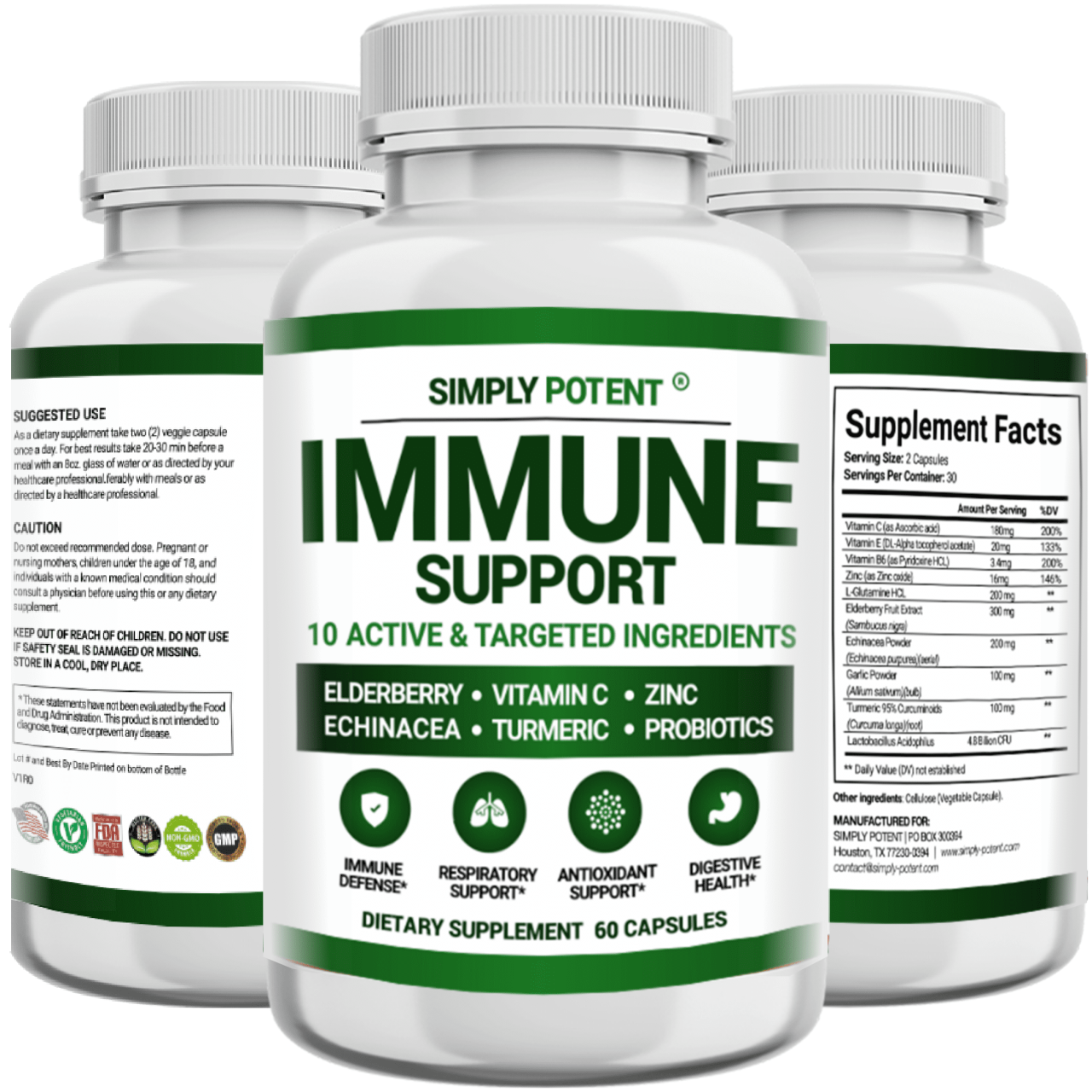
A robust immune system is essential for protecting the body against infections and diseases. Vitamins play a crucial role in maintaining and enhancing immune function, acting as essential nutrients that help the body combat pathogens. Understanding how different vitamins contribute to immune health can guide individuals in optimizing their dietary choices to bolster their defenses.
Vitamins are organic compounds that the body requires in small amounts for various physiological functions, including immune support. Each vitamin contributes uniquely to the immune system, and deficiencies can lead to impaired immune response and increased susceptibility to illnesses. For instance, Vitamin C is renowned for its immune-boosting properties; it helps stimulate the production of white blood cells, which are vital for fighting infections. Inadequate levels of Vitamin C can result in a weakened immune system, making the body more vulnerable to colds and other infections.
Vitamin D plays a significant role in immune modulation, enhancing the pathogen-fighting effects of monocytes and macrophages—white blood cells that are crucial in the defense against pathogens. A deficiency in Vitamin D has been linked to an increased risk of respiratory infections and autoimmune diseases.
Vitamin A is another critical player, essential for maintaining the structure and function of mucosal cells in the respiratory and gastrointestinal tracts, thus serving as a barrier against infections. Insufficient Vitamin A can lead to increased susceptibility to respiratory infections and reduced immune responses.
Vitamin E, with its antioxidant properties, protects the immune cells from oxidative stress, enabling them to function optimally in defending the body. A lack of Vitamin E can hinder the immune system’s ability to respond effectively to pathogens.
Zinc, while not a vitamin, is often mentioned alongside vitamins due to its significant role in immune function. It is essential for the development and activation of T-lymphocytes, which are vital to the adaptive immune system. Zinc deficiency is known to impair immune function, leading to increased risk of infections and slower recovery from illnesses.
In summary, the interplay of these vitamins and minerals is crucial for maintaining a robust immune system. Ensuring adequate intake through a balanced diet rich in fruits, vegetables, nuts, and whole grains can help support immune health and reduce the risk of deficiencies that could compromise the body’s ability to fend off infections.
Daily Vitamin Sources for Immune Strength
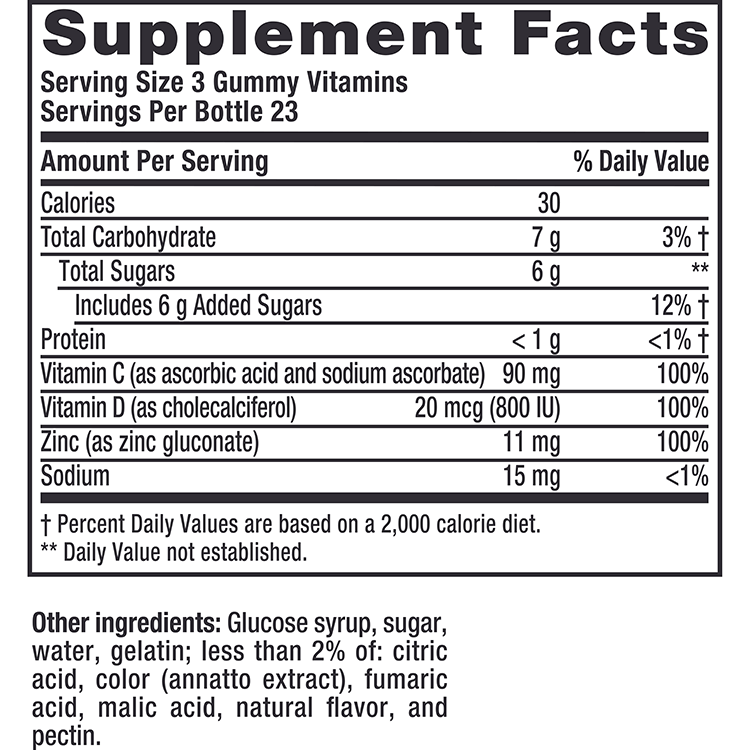
A strong immune system is essential for maintaining health and wellness, particularly in times when viruses and bacteria are prevalent. One of the most effective ways to support immune health is through adequate intake of essential vitamins from various dietary sources. These vitamins play a crucial role in enhancing the body’s natural defenses and promoting overall well-being.
Incorporating vitamins into your diet directly from food sources can often provide additional nutrients and beneficial compounds that supplements may lack. Here are three key vitamin sources that contribute to immune strength:
Key Vitamin Sources for Immune Support
Understanding the importance of specific vitamins can help guide dietary choices that enhance immune function. The following are three significant sources of vitamins that are particularly beneficial for immune health:
- Citrus Fruits: Rich in vitamin C, citrus fruits like oranges, lemons, and grapefruits are well-known for their immune-boosting properties. Vitamin C promotes the production of white blood cells, which are vital for fighting infections.
- Leafy Greens: Vegetables such as spinach and kale are excellent sources of vitamin A and vitamin C. These vitamins are crucial for maintaining the integrity of immune cells, helping the body respond more effectively to pathogens.
- Nuts and Seeds: Almonds and sunflower seeds are packed with vitamin E, an antioxidant that helps combat oxidative stress in the body. Vitamin E is essential for immune function and can enhance the body’s ability to fend off illnesses.
To better visualize the vitamin content in these food sources, the following table summarizes their contributions to immune support:
| Food Source | Vitamin Content | Immune Benefits |
|---|---|---|
| Citrus Fruits (Oranges, Lemons) | High in Vitamin C | Boosts white blood cell production, enhances skin barriers |
| Leafy Greens (Spinach, Kale) | Rich in Vitamin A and C | Supports immune cell integrity and response |
| Nuts and Seeds (Almonds, Sunflower Seeds) | High in Vitamin E | Acts as an antioxidant, helps combat oxidative stress |
Obtaining vitamins through food offers an array of benefits beyond what supplements provide. Nutrient-rich foods often come packed with fiber, other vitamins, and minerals that work synergistically to enhance their effects. Additionally, whole foods can improve absorption rates and reduce the risk of potential side effects associated with high-dose supplements. Emphasizing a diet rich in natural sources of vitamins can lead to more sustainable immune support and overall health.
The Science Behind Vitamin Supplements and Immunity
The relationship between vitamins and immune health is well-documented, with numerous studies investigating how specific vitamins can bolster the immune system. Vitamins such as C, D, A, and various B vitamins have shown promise in enhancing immune responses, making them critical in the prevention and treatment of infections. This segment delves into the scientific research supporting the efficacy of vitamin supplements in promoting immune health.
Recent studies provide compelling evidence of the benefits of vitamins for immune support. For instance, a review published in the journal *Nutrients* highlighted that vitamin C plays a pivotal role in numerous immune functions, such as the proliferation of lymphocytes and the production of antibodies. The research indicated that individuals with lower vitamin C levels were more susceptible to infections. Statistics reveal that supplementation could reduce the duration of respiratory infections by up to 8% in adults and 14% in children.
Vitamin D has also garnered attention for its immune-modulating effects. A meta-analysis found that vitamin D supplementation significantly reduced the risk of respiratory infections, especially in individuals with pre-existing low levels of this vitamin. In one study, participants who received vitamin D3 showed a 50% reduction in the incidence of influenza A compared to those who did not receive supplementation.
The mechanisms by which vitamins influence immune responses are multifaceted. Vitamins function as essential co-factors in various biochemical processes that support immune cell function. For example, vitamin C is crucial for the synthesis of collagen, which helps maintain the integrity of the skin and mucosal barriers, the first line of defense against pathogens. Additionally, it acts as an antioxidant, reducing oxidative stress during immune responses, thereby preventing tissue damage.
Vitamin A is another key player. It supports the development and differentiation of immune cells, particularly T-lymphocytes, which are vital for adaptive immunity. A deficiency in vitamin A can lead to impaired immune responses and increased susceptibility to infections. This vitamin also aids in maintaining the epithelial barrier, reinforcing the body’s defenses against invading pathogens.
Vitamin E, known for its antioxidant properties, protects immune cells from oxidative damage and enhances the function of B and T cells. Studies suggest that individuals with adequate levels of vitamin E have a more robust immune response, particularly in older adults, who often experience immune senescence.
Overall, the science supports the notion that vitamin supplements can enhance immune health. Regular intake of essential vitamins not only aids in maintaining optimal immune function but also provides the body with the necessary tools to fend off infections effectively. As research progresses, the understanding of these relationships continues to evolve, underscoring the importance of adequate nutritional intake for robust immune health.
Recommended Daily Allowance for Immune-Boosting Vitamins
Understanding the recommended daily allowance (RDA) for vitamins that support the immune system is crucial for maintaining optimal health. These vitamins play an essential role in enhancing the body’s defenses against infections and diseases. Adhering to the RDA can help ensure that the immune system functions effectively, while also preventing potential deficiencies or excess consumption.
The implications of exceeding or falling short of the recommended doses can be significant. Insufficient intake may lead to weakened immunity, increased susceptibility to infections, and prolonged recovery times. On the other hand, excessive consumption of certain vitamins can result in toxicity and adverse health effects. Therefore, it is vital to be informed about the RDA for key immune-boosting vitamins.
Recommended Daily Allowances of Key Immunity Vitamins
The following chart displays the recommended daily allowances for various vitamins that are instrumental in supporting the immune system. Each vitamin contributes uniquely to immune functions and overall health.
| Vitamin | RDA (Adults) | Food Sources |
|---|---|---|
| Vitamin C | 90 mg (men), 75 mg (women) | Citrus fruits, strawberries, bell peppers, broccoli |
| Vitamin D | 600 IU (15 mcg) | Sun exposure, fatty fish, fortified dairy products |
| Vitamin A | 900 mcg (men), 700 mcg (women) | Carrots, sweet potatoes, spinach, liver |
| Vitamin E | 15 mg | Nuts, seeds, spinach, broccoli |
| Vitamin B6 | 1.3 mg | Chicken, fish, potatoes, bananas |
| Vitamin B12 | 2.4 mcg | Meat, dairy products, fortified cereals |
Inadequate intake of these vitamins can compromise immune function, leading to increased risks of infections. For example, a study indicated that individuals with low levels of Vitamin D had higher incidences of respiratory infections. Conversely, excessive intake, particularly of fat-soluble vitamins like A, D, E, and K, can accumulate in the body and lead to toxicity. It is essential to strike a balance, ensuring that one neither exceeds nor falls short of the recommended daily allowances to maintain a strong, resilient immune system.
Lifestyle Factors That Enhance Vitamin Absorption
Incorporating certain lifestyle choices can significantly boost the absorption of vitamins that support your immune system. By paying attention to hydration, diet, and physical activity, individuals can maximize the efficacy of the vitamins they consume. Understanding these factors can lead to more effective immune support and overall health improvement.
Hydration plays a crucial role in nutrient absorption. When the body is well-hydrated, it efficiently transports vitamins and minerals through the bloodstream to where they are needed most. Additionally, a balanced diet rich in healthy fats, fiber, and a variety of nutrients enhances the body’s ability to absorb fat-soluble vitamins like A, D, E, and K. Physical activity not only promotes overall health but also improves digestion and helps regulate the body’s metabolic processes.
Hydration and Nutrient Absorption
Adequate water intake is essential for optimal nutrient absorption. Staying well-hydrated facilitates the digestive process and helps in the breakdown of food, allowing vitamins to be released and utilized effectively. Here are some actionable tips to ensure proper hydration:
- Carry a reusable water bottle throughout the day to encourage regular sipping.
- Set reminders on your phone to drink water at regular intervals.
- Incorporate hydrating foods into your diet, such as cucumbers, oranges, and watermelon.
Diet Quality and Vitamin Absorption
A well-rounded diet not only provides the necessary vitamins but also contains components that enhance their absorption. Foods rich in antioxidants and healthy fats can significantly improve the uptake of essential vitamins. The following dietary choices can aid in better vitamin absorption:
- Include foods high in omega-3 fatty acids, like salmon and flaxseeds, to enhance the absorption of fat-soluble vitamins.
- Consume vibrant fruits and vegetables, which are rich in vitamins and antioxidants that work synergistically for better immune support.
- Pair vitamin C-rich foods (like bell peppers and strawberries) with iron-rich foods (like spinach and lentils) to boost iron absorption.
Physical Activity and Metabolism
Regular physical activity not only benefits overall health but also enhances the body’s ability to absorb nutrients. Exercise stimulates circulation, which helps transport vitamins and minerals throughout the body. To integrate more physical activity into your routine:
- Incorporate at least 30 minutes of moderate exercise into your day, such as brisk walking or cycling.
- Engage in strength training exercises a few times a week to improve muscle mass and metabolic activity.
- Join group classes or find a workout buddy to stay motivated and make exercise more enjoyable.
Maintaining proper hydration, a balanced diet, and regular physical activity are key lifestyle factors that enhance vitamin absorption for optimal immune support.
Myths and Misconceptions About Daily Vitamins for Immunity
Daily vitamins have gained significant attention for their purported benefits on immune health, but along with this interest comes a plethora of myths and misconceptions. These misunderstandings can lead to misguided health choices and may diminish the potential advantages of proper vitamin intake. It’s essential to sift through the noise and discern fact from fiction to make informed decisions about daily vitamins and their impact on immunity.
One of the most prominent myths is the belief that taking high doses of vitamins can prevent illness entirely. While certain vitamins, such as Vitamin C and D, play crucial roles in supporting immune function, excessive intake does not equate to invulnerability against infections. The truth is that while vitamins are essential for optimal immune health, they work best in conjunction with a balanced diet and a healthy lifestyle.
Common Myths Surrounding Daily Vitamins
Understanding these common myths is vital for navigating the landscape of vitamin supplementation effectively. Below are prevalent misconceptions and the factual realities that dispel them:
-
Myth: Taking vitamins can replace a healthy diet.
The reality is that vitamins are supplements designed to complement, not substitute, a balanced diet rich in fruits, vegetables, whole grains, and proteins. Whole foods provide a complex array of nutrients that work synergistically, which cannot be replicated by pills alone. -
Myth: More vitamins lead to better immunity.
While vitamins are necessary for immune health, more is not always better. Some vitamins, particularly fat-soluble ones like A, D, E, and K, can accumulate to toxic levels if consumed in excess. The key is to maintain adequate levels rather than over-supplementing. -
Myth: Natural vitamins are always better than synthetic ones.
Research indicates that synthetic vitamins can be just as effective as natural sources in many cases. What matters most is that the vitamins meet the recommended daily allowances and are of high quality, regardless of their origin. -
Myth: Vitamin C can cure the common cold.
Although Vitamin C may reduce the duration of a cold in some individuals, it is not a cure. Evidence suggests that it may help bolster the immune system, but it’s not a guarantee against respiratory infections. -
Myth: You can get all necessary vitamins from a multivitamin.
While a good multivitamin can help cover nutritional gaps, it should not be relied upon solely. A varied diet rich in different food groups provides a broader spectrum of nutrients and health benefits.
Misinformation surrounding vitamin intake can have significant consequences on public health decisions, leading individuals to make uninformed choices about their health. For instance, believing that vitamin supplements alone can prevent diseases may result in neglecting healthier lifestyle choices, such as proper nutrition and exercise. This can undermine overall health efforts and lead to poorer outcomes.
By clarifying these misconceptions, individuals can make better-informed decisions regarding their vitamin intake and health practices, ultimately fostering a healthier population.
The Impact of Age and Health Conditions on Vitamin Needs
As individuals progress through different stages of life and encounter various health conditions, their vitamin requirements shift significantly. Adequate vitamin intake is crucial for optimal immune function, and understanding how both age and specific health conditions influence these needs can help in crafting tailored supplementation strategies.
Vitamin needs vary not only with age but also in response to underlying health issues. For instance, children require certain vitamins for growth and development, while older adults may need different nutrients to maintain their immune health. The unique requirements of different age groups necessitate a careful approach to daily vitamin intake.
Unique Considerations for Age Groups
The vitamin requirements across various age groups illustrate the importance of adapting intake to support immune health effectively. The following details the specific needs for different life stages:
- Children: Essential vitamins such as Vitamin D and Vitamin C are crucial for growth and developing a robust immune system. Insufficient intake may lead to increased susceptibility to infections.
- Adolescents: This age group experiences rapid growth, necessitating higher amounts of vitamins, particularly Vitamin A and B-complex vitamins, to support energy levels and developmental changes.
- Adults: Maintaining adequate levels of Vitamin E and Zinc is vital for adult immune function, especially under stress or during illness. A balanced diet often suffices but might require supplementation in some cases.
- Older Adults: As the body’s ability to absorb nutrients diminishes with age, Vitamins B12, D, and Calcium become increasingly important to prevent deficiencies that could lead to immune decline and bone health issues.
Health Conditions Requiring Increased Vitamin Supplementation
Certain health conditions may necessitate a higher intake of specific vitamins to bolster immune health. The following conditions are known to impact vitamin needs:
- Diabetes: Individuals with diabetes may have an increased need for Vitamin D and antioxidants, which can help manage blood sugar levels and reduce complications associated with the condition.
- Chronic Inflammatory Diseases: Conditions such as rheumatoid arthritis often require increased amounts of Omega-3 fatty acids and Vitamin D to help mitigate inflammation and support immune function.
- Digestive Disorders: Conditions like Crohn’s disease or celiac disease can impair nutrient absorption, prompting the need for higher doses of B vitamins and Zinc to support overall immune health.
- Autoimmune Disorders: Patients with autoimmune diseases might benefit from increased Vitamin D and C supplementation to help modulate immune responses and reduce flare-ups.
Understanding and adjusting vitamin intake based on age and health conditions is essential for maintaining optimal immune support.
Natural vs. Synthetic Vitamins
When it comes to supporting our immune system, the choice between natural and synthetic vitamins can be a critical one. Each type of vitamin offers unique properties that can influence their effectiveness in bolstering our immunity. Understanding the differences between these two categories is essential for making informed decisions about dietary supplements.
Natural vitamins are derived from whole food sources and are generally recognized for their bioavailability—the extent and rate at which the active ingredient or active moiety is absorbed and becomes available at the site of action. Synthetic vitamins, on the other hand, are manufactured in laboratories and often designed to mimic their natural counterparts. While both types aim to provide essential nutrients, their effectiveness can vary based on factors such as absorption rates and the presence of additional compounds found in natural sources.
Comparison of Natural and Synthetic Vitamins
Exploring the advantages and disadvantages of both natural and synthetic vitamins provides insight into their role in immune support. This comparison will highlight the potential benefits and drawbacks, helping you understand which option may be better suited for your needs.
- Natural Vitamins
- Higher bioavailability due to the presence of co-factors found in food.
- Typically free from artificial additives and preservatives.
- May enhance overall health through a broader spectrum of nutrients.
- Synthetic Vitamins
- More affordable and widely available in various formulations.
- Standardized dosages make it easier to measure intake.
- Some may provide targeted support for specific deficiencies.
Despite their benefits, both natural and synthetic vitamins also have their drawbacks. It’s important to weigh these factors carefully when considering your options for immune support.
- Natural Vitamins
- Higher cost compared to synthetic alternatives.
- Limited shelf life and can be more difficult to store.
- Availability may be restricted to specific health food stores.
- Synthetic Vitamins
- Potential for lower bioavailability and incomplete absorption.
- May contain fillers and binders that some individuals prefer to avoid.
- Risk of overdosing if not monitored closely, especially with fat-soluble vitamins.
Understanding the distinctions between natural and synthetic vitamins is crucial for optimizing immune support through dietary choices.
Ending Remarks
In conclusion, prioritizing Daily vitamin for immune support is not just a health trend; it’s a fundamental aspect of maintaining overall well-being. By understanding the significance of vitamins in immune function, ensuring adequate intake through diet or supplements, and debunking common myths, we can take proactive steps towards a healthier future. Remember, every small change can make a significant impact on your immune health.
FAQs
What are the best vitamins for immune support?
Vitamins C, D, and zinc are among the most important for immune health, as they play crucial roles in immune responses.
Can I get all the vitamins I need from food?
Yes, a balanced diet rich in fruits, vegetables, whole grains, and proteins can provide most essential vitamins, but some individuals may still need supplements.
How do I know if I have a vitamin deficiency?
Symptoms of vitamin deficiencies can vary but may include fatigue, weakened immunity, and other health issues. A blood test can confirm specific deficiencies.
Are synthetic vitamins as effective as natural ones?
Both synthetic and natural vitamins can be effective, but some studies suggest that natural sources may provide additional benefits due to their accompanying phytonutrients.
Is it safe to take vitamin supplements daily?
Generally, it is safe for most people, but it’s important to adhere to recommended dosages and consult with a healthcare provider, especially if you have health conditions.