
Daily vitamin routine for health is essential for maintaining optimal well-being and preventing deficiencies that can lead to various health issues. Vitamins play crucial roles in multiple bodily functions—from boosting the immune system to enhancing energy levels and supporting mental clarity. By incorporating a daily vitamin routine, you can ensure your body receives the necessary nutrients it requires for long-term vitality.
With the abundance of vitamins available, understanding their specific benefits and the importance of proper intake becomes vital. Knowing which vitamins to include in your routine and how they support your health can empower you to make informed decisions about your dietary needs.
The Importance of a Daily Vitamin Routine for Overall Well-being
Establishing a daily vitamin routine is essential for maintaining overall health and well-being. In today’s fast-paced lifestyle, many individuals find it challenging to obtain adequate nutrition solely from food. Supplements can play a crucial role in bridging these gaps, ensuring that the body receives the necessary nutrients to function optimally. Regular intake of vitamins can enhance physical performance, boost the immune system, and support mental health.
Vitamins are organic compounds that the body requires in small amounts for various physiological functions. They play pivotal roles in processes such as energy production, immune function, blood clotting, and cell division. Different vitamins contribute uniquely to our health; for instance, Vitamin C is vital for the growth and repair of tissues in the body and is a powerful antioxidant, while Vitamin D aids in calcium absorption, essential for bone health. When taken consistently, vitamins can significantly impact long-term health, reducing the risk of chronic diseases.
Health Issues Linked to Vitamin Deficiencies
The consequences of insufficient vitamins can be severe, leading to a range of health issues. Understanding these potential problems highlights the importance of a daily vitamin regimen. Below are some common health complications associated with vitamin deficiencies:
- Vitamin A Deficiency: This can lead to impaired vision, particularly in low-light conditions, and may increase the risk of infections.
- Vitamin C Deficiency: Known as scurvy, this deficiency can cause fatigue, swollen gums, and joint pain.
- Vitamin D Deficiency: Lacking this vitamin can result in weakened bones, making individuals more susceptible to fractures and osteoporosis.
- Vitamin B12 Deficiency: This can cause anemia, fatigue, and neurological issues, including memory loss and mood changes.
- Folate Deficiency: Important in pregnancy, a lack of folate may lead to neural tube defects in developing fetuses and can also result in anemia.
Being aware of these deficiencies is crucial for preventive health care. Regularly including a variety of vitamins in daily routines can serve as a protective measure against these health issues. For instance, individuals with a busy lifestyle might consider consulting with healthcare professionals to tailor a vitamin regimen that suits their dietary gaps and lifestyle needs, ensuring they maintain a balanced intake of essential nutrients for optimal well-being.
“A comprehensive vitamin routine is not just about supplementation; it’s an investment in long-term health.”
Essential Vitamins to Include in a Daily Routine

Maintaining optimal health requires a well-rounded intake of essential vitamins. These vitamins support various bodily functions, enhance immunity, and promote overall well-being. Including the right vitamins in your daily routine can make a significant difference in your health.
Understanding the specific vitamins you need and their benefits is crucial for anyone looking to improve their health. Below is a detailed guide that Artikels the essential vitamins, their recommended daily values for adults, and the health benefits they provide.
List of Essential Vitamins
The following table provides a comprehensive overview of essential vitamins, their daily recommended values, health benefits, and food sources.
| Vitamin Name | Recommended Daily Value | Health Benefits | Food Sources |
|---|---|---|---|
| Vitamin A | 900 mcg | Supports vision, immune function, and skin health. | Carrots, sweet potatoes, spinach, and mangoes. |
| Vitamin B1 (Thiamine) | 1.2 mg | Helps convert carbohydrates into energy, supports nerve function. | Whole grains, pork, and legumes. |
| Vitamin B2 (Riboflavin) | 1.3 mg | Essential for energy production and the metabolism of fats, drugs, and steroids. | Dairy products, eggs, and green leafy vegetables. |
| Vitamin B3 (Niacin) | 16 mg | Promotes healthy skin, nerves, and digestion. | Poultry, fish, whole grains, and peanuts. |
| Vitamin B6 | 1.3 mg | Involved in amino acid metabolism and the production of neurotransmitters. | Fish, beef liver, potatoes, and non-citrus fruits. |
| Vitamin B12 | 2.4 mcg | Crucial for red blood cell formation and neurological function. | Meat, fish, dairy products, and fortified cereals. |
| Vitamin C | 90 mg | Antioxidant that supports immune system function and skin health. | Citrus fruits, strawberries, bell peppers, and broccoli. |
| Vitamin D | 600 IU | Essential for calcium absorption, bone health, and immune function. | Fatty fish, fortified milk, and sunlight exposure. |
| Vitamin E | 15 mg | Acts as an antioxidant, protecting cells from damage. | Nuts, seeds, and green leafy vegetables. |
| Vitamin K | 120 mcg | Important for blood clotting and bone health. | Green leafy vegetables, broccoli, and Brussels sprouts. |
Incorporating a variety of these vitamins into your daily routine can significantly enhance your health and well-being.
How to Choose the Right Vitamins for Your Lifestyle
Choosing the right vitamins is crucial for maintaining a healthy lifestyle. Various factors such as age, gender, dietary restrictions, and individual lifestyle choices significantly influence vitamin needs. Understanding these aspects can empower you to make informed decisions about your vitamin intake, ensuring that you support your health effectively.
Different forms of vitamins are available, including pills, gummies, and powders. Each form has its unique benefits and drawbacks that may impact your choice. Effectiveness can vary based on individual absorption rates and preferences.
Factors Influencing Vitamin Needs
Several factors play a crucial role in determining vitamin requirements. Recognizing these aspects can help tailor your vitamin regimen to your specific needs.
- Age: As we age, our bodies may require different vitamins, such as increased vitamin D and B12 for older adults, to support bone health and cognitive function.
- Gender: Women might need more iron and folic acid during pregnancy, while men may require additional vitamin D for muscle health.
- Dietary Restrictions: Vegetarians or vegans may lack certain nutrients like B12, iron, and omega-3 fatty acids, necessitating targeted supplementation.
- Lifestyle: Physically active individuals may need more vitamins to support energy metabolism, while those with sedentary lifestyles may have different needs.
Comparison of Different Forms of Vitamins
Understanding the different forms of vitamins and their effectiveness can guide your decision on which to take. Here’s a brief overview of the most common forms of vitamin supplements:
- Pills: These are often the most concentrated form and allow for precise dosing. However, some may find them hard to swallow.
- Gummies: These are popular due to their taste and ease of consumption, particularly for children and those who dislike pills. However, they may contain added sugars and are often lower in vitamin concentration.
- Powders: Typically mixed with water or smoothies, powders can be versatile and easily adjustable in dosage. They can also be more easily absorbed, but require preparation.
Assessing Personal Needs for Supplements
To make informed choices about vitamin supplements, consider the following strategies:
Assess your diet and lifestyle to identify gaps that can be filled with vitamin supplementation.
- Consult a Healthcare Professional: A healthcare provider can conduct blood tests to determine any deficiencies and recommend appropriate supplements.
- Keep a Food Diary: Track your daily food intake to identify potential nutrient shortfalls.
- Research Brands: Not all supplements are created equal. Look for brands that undergo third-party testing to ensure quality and efficacy.
- Listen to Your Body: Pay attention to how you feel after starting a new supplement. Changes in energy levels, skin health, or mood can indicate how well a supplement is working for you.
The Best Time of Day to Take Vitamins for Maximum Absorption
Taking vitamins can significantly enhance our health and well-being, but timing can make all the difference when it comes to absorption. Understanding the science behind vitamin absorption helps to optimize when we take our supplements, ensuring that we receive their full benefits. Different vitamins have distinct characteristics that can dictate the best time for consumption, and pairing them with the right foods can further enhance their effectiveness.
The absorption of vitamins varies based on their solubility. Fat-soluble vitamins—A, D, E, and K—are better absorbed when taken with dietary fats. On the other hand, water-soluble vitamins—such as B vitamins and vitamin C—are typically best absorbed on an empty stomach or with water. This differentiation lays the groundwork for a structured vitamin intake schedule.
Structured Schedule for Vitamin Intake
To maximize absorption, a structured schedule for vitamin intake can be beneficial. Here’s a suggested timeline to consider for your daily vitamin routine:
- Morning (on an empty stomach): Taking water-soluble vitamins like B complex and vitamin C helps enhance absorption. Pair these with a glass of water to kickstart your metabolism.
- Breakfast: Fat-soluble vitamins such as A, D, E, and K should be taken with a meal containing healthy fats (e.g., avocado, nuts, or eggs) to promote optimal absorption.
- Midday (with lunch): If you’re taking additional water-soluble vitamins or minerals such as magnesium, do so during lunch. This timing can help maintain energy levels throughout the day.
- Evening (with dinner): Fat-soluble vitamins can also be taken with your evening meal, ensuring they are absorbed alongside dietary fats.
Pairing vitamins with food is crucial for enhancing their absorption. For example, taking vitamin D with a meal high in fats can increase its bioavailability, while vitamin C can improve the absorption of non-heme iron when consumed together.
“For maximum absorption, it’s essential to pair fat-soluble vitamins with dietary fats and to consume water-soluble vitamins on an empty stomach.”
This structured approach ensures that each vitamin has the best chance of being absorbed effectively by the body, optimizing their health benefits and supporting your overall wellness.
Potential Risks and Side Effects of Over-supplementation
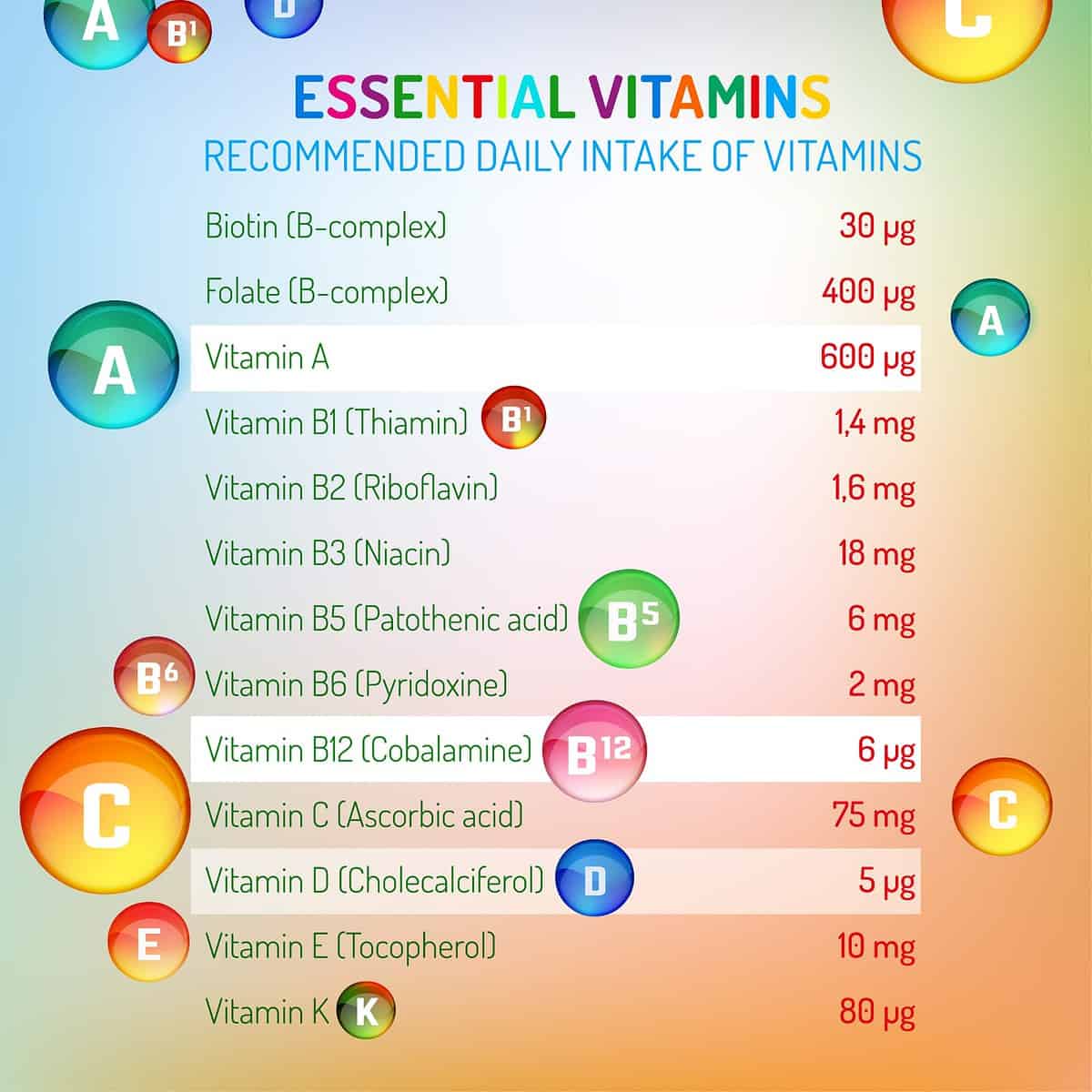
While vitamins are essential for maintaining health, taking them in excess can pose serious risks. Over-supplementation occurs when the intake of vitamins exceeds the body’s requirements, leading to toxic effects. Understanding these risks is crucial for anyone considering a vitamin regimen, as it helps to establish safe practices and the importance of moderation.
Excessive intake of vitamins can lead to various health complications, and the severity often depends on the type of vitamin consumed. For instance, fat-soluble vitamins like A, D, E, and K can accumulate in the body, potentially leading to toxicity. Water-soluble vitamins, while generally safer, can also cause issues if taken in excessively high doses. Recognizing the signs of over-supplementation is vital for preventing long-term health problems.
Risks Associated with Over-supplementation
The potential risks of taking excessive amounts of vitamins are diverse and can manifest in different ways. Below are some serious health complications linked to over-supplementation:
- Vitamin A Toxicity: Excessive vitamin A can lead to liver damage, headaches, dizziness, and even birth defects during pregnancy.
- Vitamin D Toxicity: High doses may cause hypercalcemia, leading to nausea, weakness, and kidney stones.
- Vitamin E Toxicity: Overconsumption can increase the risk of bleeding and may interfere with blood clotting.
- Vitamin K Toxicity: While rare, excessive amounts may interfere with anticoagulant medications, impacting blood clotting.
- Vitamin B6 Toxicity: Chronic high intake can lead to nerve damage and numbness in the extremities.
Understanding safe dosage levels is paramount to avoid these complications. Each vitamin has established recommended dietary allowances (RDAs) that serve as guidelines for safe consumption. It’s advisable to refer to these guidelines, seeking a balance between dietary sources and supplementation.
“Consulting a healthcare professional before starting any new vitamin regimen ensures personalized advice and minimizes health risks.”
Recognizing symptoms of over-supplementation is equally important. Common indicators include nausea, fatigue, irritability, and unusual headaches. If any of these symptoms arise after beginning a new vitamin regimen, it’s crucial to reassess your intake and consult with a healthcare provider.
Before embarking on any vitamin supplementation, it is highly recommended to consult a healthcare professional. They can provide tailored advice based on individual health conditions, dietary habits, and specific nutritional needs. This proactive approach helps in avoiding the pitfalls of over-supplementation and promotes overall well-being.
Personalizing Your Vitamin Routine Based on Dietary Preferences
Personalizing your vitamin routine is essential for achieving optimal health, especially when considering varying dietary preferences. Whether you follow a vegan, vegetarian, or any other specific diet plan, tailoring your vitamin intake can help you meet your nutritional needs effectively.
Adjusting your vitamin routine based on dietary preferences involves recognizing the unique challenges and nutritional gaps that may arise from different eating habits. For example, individuals following a vegan diet may lack certain vitamins that are primarily found in animal products, while vegetarians might need to supplement specific nutrients to maintain overall health. Understanding these dietary nuances is crucial for selecting the right supplements and food sources.
Adjustments for Various Dietary Needs
When creating a vitamin routine, it’s important to consider alternative food sources rich in essential vitamins that align with your dietary preferences. Below are some key dietary considerations and examples:
– Vegan Diet Adjustments:
– Vegans often lack Vitamin B12, which is primarily found in animal sources. Consider fortified foods or B12 supplements.
– Iron is crucial; opt for plant-based sources such as lentils, chickpeas, and fortified cereals.
– Omega-3 fatty acids can be sourced from flaxseeds, chia seeds, and algae oil supplements.
– Vegetarian Diet Adjustments:
– Ensure adequate protein intake from sources like tofu, tempeh, and legumes.
– Calcium can be obtained from fortified plant milks, leafy greens, and almonds.
– Incorporate a variety of fruits and vegetables to cover the spectrum of vitamins.
– Other Dietary Plans (e.g., Keto, Paleo):
– Keto dieters may need to focus on magnesium and potassium intake from avocados, nuts, and leafy greens.
– Paleo dieters should ensure they are obtaining sufficient Vitamin D through sunlight exposure or supplements.
Consider the following dietary considerations when choosing supplements:
- Check for allergens or intolerances in supplement formulations.
- Review the absorption rate of the vitamins and whether they complement your diet.
- Consider the bioavailability of nutrients from supplements versus whole food sources.
- Consult with a healthcare provider to tailor your vitamin intake to your specific health needs.
- Look for certifications, such as vegan or non-GMO, if these are important for your dietary choices.
“Incorporating a variety of nutrient-dense foods and supplements can significantly enhance your overall well-being.”
Tracking Your Vitamin Intake for Optimal Health Outcomes
Maintaining a consistent vitamin intake is essential for achieving optimal health. One effective strategy is to track your vitamin consumption and any changes in your health status. By keeping a log or journal, you can accurately reflect on your dietary habits and their impact on your well-being.
Tracking your vitamin intake not only helps you stay accountable but also enables you to recognize patterns over time. Keeping a record can highlight which vitamins positively influence your health and any deficiencies that may need addressing. By being proactive in your tracking, you can make informed decisions about dietary adjustments or supplementation.
Methods for Tracking Supplements
There are various methods available for tracking your vitamin intake, each catering to different preferences and lifestyles. Utilizing these methods can simplify the process and ensure that you remain consistent.
Mobile apps are increasingly popular for tracking vitamins and supplements. Many of these applications allow users to input their daily intake and provide reminders for when to take each supplement. They often come with features that analyze your dietary habits and suggest adjustments based on your health goals. Prominent apps include MyFitnessPal and Cronometer, which enable you to log not only supplements but also entire meals, providing a comprehensive view of your nutrition.
For those who prefer simpler and more personalized methods, a spreadsheet can be an excellent alternative. Creating a straightforward table allows you to jot down your daily vitamin intake alongside notes about your mood, energy levels, or any health changes you experience. This method is highly customizable, letting you tailor the tracking process to fit your specific needs.
“Keeping a journal of your vitamin intake can lead to a deeper understanding of your health journey.”
Setting Personal Health Goals
Setting personal health goals related to vitamin consumption is a proactive approach to enhancing your overall well-being. By defining clear and achievable objectives, you can monitor your progress and make necessary adjustments along the way.
Start with specific goals, such as increasing your vitamin D intake if you have low levels or ensuring you meet the recommended daily intake for vitamin C. To monitor these goals effectively, consider the following steps:
- Define your goals: Specify the vitamins you want to focus on and set realistic intake targets based on guidelines from health authorities.
- Track your progress: Regularly update your log or journal to reflect your vitamin intake and any changes in your health. This could be done weekly or monthly, depending on your preference.
- Evaluate your health: After a set period, review your notes to assess any changes in your health status. Look for improvements in energy levels, mood, or any specific health conditions related to vitamin deficiencies.
By regularly assessing your progress, you can make informed decisions about your vitamin intake, ensuring that your dietary choices align with your health goals. This proactive approach not only fosters accountability but also empowers you to take charge of your health.
Summary
In conclusion, establishing a daily vitamin routine not only aids in meeting your nutritional requirements but also significantly contributes to enhancing your overall health. By personalizing your vitamin intake based on lifestyle and dietary preferences, tracking your consumption, and being mindful of absorption, you set yourself up for a healthier future. Prioritizing these practices can lead to improved well-being and a more vibrant life.
FAQ Compilation
What are the signs of vitamin deficiency?
Common signs include fatigue, weakness, indigestion, and frequent illnesses, which can vary based on the specific vitamin lacking.
Can I get all necessary vitamins from food alone?
While a balanced diet can provide most vitamins, some individuals may require supplements due to dietary restrictions or specific health conditions.
Is it safe to take multiple vitamin supplements at once?
It can be safe, but it’s essential to consult a healthcare professional to avoid potential interactions and ensure you’re not exceeding recommended dosages.
How long does it take to notice the benefits of taking vitamins?
Benefits can vary, but many individuals may start to notice improvements in energy and overall health within a few weeks of consistent intake.
Are natural vitamins better than synthetic ones?
Both natural and synthetic vitamins can be effective, but some studies suggest natural sources may offer better absorption and efficacy.