
 Chloe Lily
Daily vitamin for skin health and acne is not just a catchy phrase; it’s a gateway to understanding how essential vitamins can transform your skin. As we dive into this topic, we uncover the critical role vitamins play in maintaining skin vitality, preventing acne, and promoting overall skin wellness. With a plethora of vitamins available, each one uniquely contributes to skin health, making it essential to know which ones to include in your daily routine.
From combating deficiencies that lead to skin troubles to exploring the relationship between vitamin intake and acne reduction, this discussion will equip you with the knowledge to enhance your skincare regimen. Let’s embark on this journey to discover the vitamins that can rejuvenate your skin and help manage acne effectively.
Understanding the Importance of Daily Vitamins for Skin Health
Vitamins play a crucial role in maintaining skin health, acting as essential nutrients that support various functions within the skin. The skin, being the largest organ of the body, relies on a myriad of vitamins to protect itself, heal, and regenerate. A balanced intake of vitamins not only keeps the skin looking vibrant and youthful but also fortifies it against common issues such as acne, dryness, and aging.
Deficiencies in specific vitamins can lead to a plethora of skin problems. For instance, a lack of Vitamin A can result in dry, flaky skin and increase the risk of developing acne due to hyperkeratinization of hair follicles. Similarly, insufficient Vitamin C may impair collagen production, leading to sagging skin and increased wrinkles. On the other hand, Vitamin E acts as a powerful antioxidant, and its deficiency can render the skin more vulnerable to oxidative stress, resulting in premature aging and dullness. These examples illustrate how vital it is to maintain adequate vitamin levels for optimal skin health.
Common Vitamins Beneficial for Skin Health
Several vitamins are particularly beneficial for maintaining and enhancing skin health. Understanding these can assist in making informed dietary choices.
- Vitamin A: Known for its role in skin cell production and repair, Vitamin A helps maintain skin elasticity and combat acne. Foods rich in Vitamin A include carrots, sweet potatoes, and spinach.
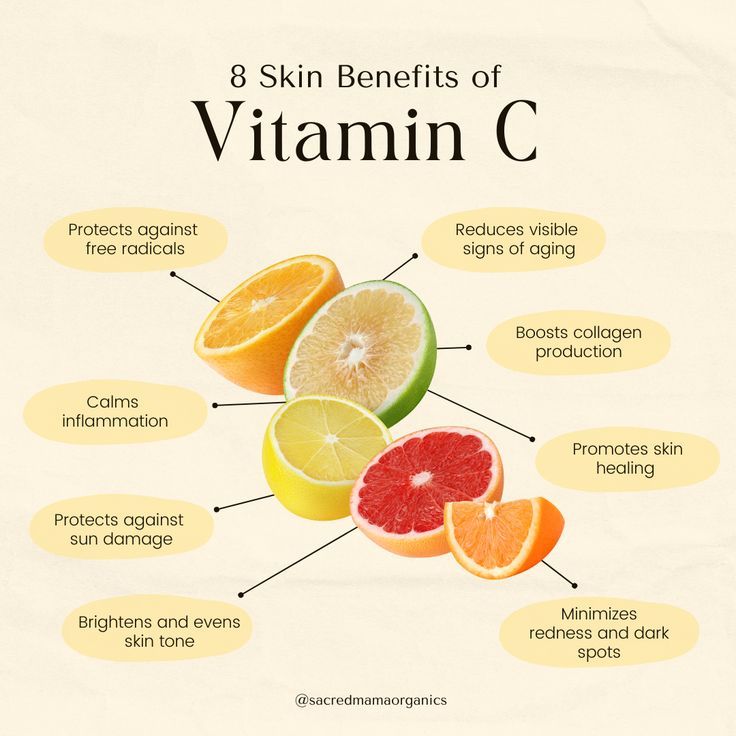
- Vitamin C: This vitamin is a powerful antioxidant that protects the skin from damage caused by UV rays and pollution. It is essential for collagen synthesis, making foods like oranges, strawberries, and bell peppers vital for youthful skin.
- Vitamin E: Another antioxidant, Vitamin E, helps to neutralize free radicals, protecting the skin from oxidative stress. Nuts, seeds, and green leafy vegetables are excellent sources of Vitamin E.
- Vitamin D: Produced by the body when exposed to sunlight, Vitamin D plays a role in skin cell growth and repair. A deficiency can lead to skin conditions such as psoriasis. Fatty fish, fortified foods, and sunlight are key sources.
- Vitamin B complex: B vitamins, including B3 (niacin) and B5 (pantothenic acid), are important for maintaining skin hydration and elasticity. Whole grains, eggs, and legumes are beneficial sources.
“The right balance of vitamins can significantly improve skin health, helping to prevent and treat various skin conditions.”
These vitamins work synergistically to enhance skin appearance and health. Integrating a variety of nutrient-rich foods into your diet can create a more resilient and radiant complexion while warding off skin issues.
The Connection Between Vitamins and Acne
Acne, a common skin condition that affects millions, has been linked to various factors, including hormonal changes, diet, and lifestyle. However, a growing body of research suggests that vitamins may play a crucial role in managing acne. The right vitamins can help regulate skin health, reduce inflammation, and improve overall skin appearance.
Several vitamins have been identified for their potential acne-fighting properties. Notably, vitamins A, D, E, and B complex, particularly B6 and B12, have shown promise in studies linking their intake to reduced acne severity and frequency. Vitamin A is essential for skin cell production and can help prevent clogged pores. On the other hand, Vitamin D is known for its anti-inflammatory properties, which can help calm irritated skin and reduce acne flare-ups.
Vitamins Known for Acne-Fighting Properties
Research indicates that the following vitamins may contribute to acne reduction and overall skin health:
- Vitamin A: Known for its ability to promote healthy skin cell turnover, vitamin A can help prevent the buildup of dead skin cells that lead to clogged pores. Studies have shown that retinoids, a derivative of vitamin A, are effective in treating acne.
- Vitamin D: This vitamin functions as a hormone in the body and has been linked to improved immune response and inflammation reduction. A study published in the Journal of Investigative Dermatology suggested that individuals with acne often have lower levels of vitamin D.
- Vitamin E: With strong antioxidant properties, vitamin E helps combat oxidative stress in the skin, which can lead to inflammation. Some studies suggest that supplementing with vitamin E may improve acne lesions.
- B Vitamins: Specifically, vitamin B6 plays a role in regulating hormones, which may help reduce acne flare-ups. Moreover, high doses of vitamin B12 have been shown to exacerbate acne in some individuals, highlighting the need for balanced intake.
Evidence supporting the role of vitamins in acne management continues to grow. For instance, a clinical trial found that vitamin D supplementation significantly improved acne symptoms in participants who were deficient in this vitamin. Similarly, incorporating vitamin A-rich foods, such as sweet potatoes and carrots, into the diet has been linked to a decrease in acne severity. These findings underscore the importance of a nutrient-rich diet for maintaining skin health and managing acne effectively.
“Maintaining adequate levels of essential vitamins can lead to healthier skin and potentially mitigate acne outbreaks.”
Key Vitamins to Include in Your Daily Routine for Skin Health
A well-rounded diet rich in essential vitamins can significantly enhance skin health, combat acne, and promote a youthful appearance. Incorporating these vitamins into your daily routine may prevent skin issues and improve overall skin vitality. Different vitamins support various functions in the skin, so understanding their benefits is crucial for anyone looking to boost their skin health.
Essential Vitamins for Skin Health
The following table Artikels key vitamins that are beneficial for skin health, along with their sources, benefits, and recommended daily allowances (RDAs).
| Vitamin | Sources | Benefits | Recommended Daily Allowance (RDA) |
|---|---|---|---|
| Vitamin A | Carrots, sweet potatoes, spinach, dairy products | Promotes skin cell production, reduces acne, and improves skin texture. | 900 mcg for men, 700 mcg for women |
| Vitamin C | Citrus fruits, strawberries, bell peppers, broccoli | Boosts collagen production, protects against UV damage, and aids in healing. | 90 mg for men, 75 mg for women |
| Vitamin E | Nuts, seeds, spinach, avocados | Acts as an antioxidant, protects skin from oxidative stress, and enhances moisture. | 15 mg for adults |
Incorporating these vitamins into your diet can be straightforward. For Vitamin A, consider adding a serving of carrots or sweet potatoes to your meals. A citrus fruit or bell pepper can be a refreshing snack or salad addition for Vitamin C. Including a handful of nuts or avocado in your daily meals will help you meet your Vitamin E needs. By making small adjustments to your meals, you can ensure you’re providing your skin with the nutrients it requires for optimal health.
A balanced diet rich in these vitamins not only supports skin health but also enhances overall well-being.
The Best Food Sources for Skin-Healthy Vitamins
Eating a balanced diet rich in vitamins can have a profound impact on skin health, providing essential nutrients that promote a vibrant complexion and help combat issues like acne. Instead of turning to supplements, incorporating natural food sources into your meals can yield better results for skin vitality. This section will explore the best food sources for skin-friendly vitamins and discuss the advantages of nutrient-rich diets over supplements.
Food Sources Rich in Skin-Healthy Vitamins
Certain foods are abundant in vitamins that play crucial roles in maintaining skin health. Consuming a variety of these foods can ensure that your skin receives the necessary nutrients it needs to thrive. Below is a list of some of the most beneficial food sources:
- Vitamin A: Sweet potatoes, carrots, and spinach are excellent sources that help promote skin cell production and repair.
- Vitamin C: Citrus fruits (oranges, lemons), strawberries, and bell peppers are high in antioxidants that protect against skin damage and boost collagen production.
- Vitamin E: Nuts (especially almonds), seeds, and avocados provide this vital vitamin, which helps protect the skin from oxidative stress.
- Vitamin D: Fatty fish (like salmon), egg yolks, and fortified dairy products contribute to overall skin health and may combat acne.
- Omega-3 Fatty Acids: Found in walnuts, flaxseeds, and fish oil, these fats help maintain skin barrier integrity and reduce inflammation.
Effectiveness of Vitamin Supplements Versus Natural Food Sources
While vitamin supplements can provide a concentrated source of nutrients, they often lack the synergistic benefits that come from whole food sources. The body absorbs vitamins from natural foods more effectively due to the presence of other nutrients and compounds that assist in absorption. Supplements may also lead to excess intake of certain vitamins, which can be harmful. A diet rich in fruits, vegetables, and whole foods not only delivers vitamins but also provides fiber and antioxidants, enhancing overall health.
Meal Planning for Adequate Vitamin Intake
Effective meal planning can significantly improve your ability to meet daily vitamin requirements for skin health. By consciously selecting a variety of nutrient-dense foods, you can create balanced meals that cover a broad spectrum of vitamins. Here are some tips for incorporating skin-healthy vitamins into your meal planning:
- Plan meals around seasonal fruits and vegetables to maximize freshness and nutrient content.
- Incorporate a variety of protein sources, such as lean meats, fish, legumes, and dairy, which provide essential vitamins and minerals.
- Experiment with different cooking methods, like steaming or roasting, to preserve vitamin content in vegetables.
- Prepare snacks with nuts, seeds, or fruit to ensure a continuous intake of skin-supporting nutrients throughout the day.
“A diverse and nutrient-rich diet is the cornerstone of healthy skin; prioritize whole foods over supplements for optimal results.”
Supplements vs. Natural Sources
When it comes to skin health, the debate between vitamin supplements and natural food sources is ongoing. While both can play significant roles in maintaining healthy skin and combating issues like acne, there are distinct differences between them. Natural food sources, rich in vitamins, minerals, and antioxidants, offer a wide range of nutrients that work synergistically to promote optimal skin health. In contrast, supplements provide concentrated doses of specific vitamins and minerals, often targeting particular deficiencies or health concerns.
Natural food sources are generally considered the best option for skin health due to their holistic benefits. Foods such as fruits, vegetables, nuts, and seeds are packed with essential vitamins like Vitamin C, E, and A, which contribute to skin repair and regeneration. These foods often contain additional phytochemicals and fiber, which not only enhance skin health but also support overall body functions. For example, a diet rich in colorful fruits and vegetables can provide a robust supply of antioxidants, which help combat oxidative stress that can lead to premature aging and skin disorders.
Potential Risks of Excessive Supplementation
While supplements can be beneficial, excessive intake can pose serious risks. Over-supplementation can lead to toxicity, which can manifest in various ways, depending on the vitamin. For instance, too much Vitamin A can lead to liver damage and skin irritations, while an excess of Vitamin E may increase the risk of bleeding. Moreover, some supplements can interact negatively with medications, leading to unintended side effects. Therefore, it’s crucial to approach supplementation with caution and ideally under the guidance of a healthcare professional.
Despite these risks, there are specific circumstances where supplementation may be necessary for skin health. Individuals with dietary restrictions, such as vegans or those with food allergies, might find it challenging to obtain sufficient vitamins solely from their diet. Additionally, those with specific skin conditions, like acne or eczema, may benefit from targeted supplementation to address nutrient deficiencies. For example, studies suggest that Vitamin D and omega-3 fatty acids can positively impact skin inflammation and overall skin health. In such cases, supplements can serve as a valuable tool to complement a balanced diet and ensure adequate nutrient intake for maintaining healthy skin.
The Role of Antioxidants in Skin Health
Antioxidants play a crucial role in maintaining skin health, primarily by protecting it from damage caused by free radicals. Free radicals are unstable molecules produced by environmental factors such as UV radiation, pollution, and stress. When left unchecked, these reactive species can lead to premature aging, inflammation, and even acne flare-ups. By incorporating antioxidants into your skincare routine and diet, you can enhance your skin’s resilience and reduce the risk of various skin issues.
Understanding how antioxidants function is key to appreciating their importance. Vitamins A, C, and E are well-known antioxidants that provide significant benefits for the skin. Vitamin A, often found in retinoids, helps regulate skin cell production and promotes the repair of damaged tissues. This vitamin is essential for maintaining a healthy complexion and minimizing the appearance of fine lines.
Vitamin C is another powerhouse antioxidant that protects the skin against oxidative stress while also promoting collagen synthesis. Collagen is vital for skin elasticity and firmness, making vitamin C a must-have ingredient for those looking to maintain youthful skin. Furthermore, vitamin C can help reduce hyperpigmentation and brighten the overall complexion.
Vitamin E, a fat-soluble antioxidant, works to neutralize free radicals and enhance the skin’s moisture retention. By creating a barrier that prevents moisture loss, vitamin E ensures your skin remains hydrated and supple. Combined, these vitamins offer a robust defense against oxidative damage and contribute to an overall healthier appearance.
To maximize the protective effects of antioxidants, it’s beneficial to include a variety of antioxidant-rich foods in your diet. These foods not only support skin health but also provide essential nutrients that enhance overall well-being. Consider incorporating the following into your meals:
- Berries: Blueberries, strawberries, and raspberries are packed with antioxidants that fight inflammation and protect skin cells.
- Leafy Greens: Spinach and kale are rich in vitamins A and C, contributing to skin repair and protection.
- Nuts and Seeds: Almonds and sunflower seeds provide vitamin E, promoting skin hydration and barrier function.
- Citrus Fruits: Oranges, grapefruits, and lemons are excellent sources of vitamin C, boosting collagen production.
- Dark Chocolate: Contains flavonoids that protect the skin from sun damage and improve hydration.
Including these antioxidant-rich foods in your diet can significantly enhance skin health and provide a natural defense against acne and other skin issues. By prioritizing antioxidants, you invest in your skin’s long-term vitality and resilience.
Daily Vitamin Intake Recommendations for Different Skin Types
Understanding the unique needs of your skin type is essential for optimal health and appearance. Different skin types—oily, dry, and sensitive—require tailored vitamin intake to support their specific conditions. This guide will help you navigate daily vitamin requirements based on your skin type, ensuring you give your skin the nourishment it needs.
Vitamins play crucial roles in skin health, from regulating oil production to enhancing hydration and reducing inflammation. The table below Artikels the recommended daily vitamin intake for different skin types, aiding in the selection of supplements or dietary sources to meet these needs.
Vitamin Needs Comparison by Skin Type
The following table summarizes vitamin intake recommendations based on various skin types, taking into account their individual characteristics and requirements.
| Skin Type | Vitamin A (mcg) | Vitamin C (mg) | Vitamin E (mg) | Vitamin D (IU) | Vitamin B12 (mcg) |
|---|---|---|---|---|---|
| Oily | 700 | 90 | 15 | 600 | 2.4 |
| Dry | 900 | 75 | 15 | 600 | 2.4 |
| Sensitive | 700 | 90 | 15 | 600 | 2.4 |
For oily skin types, a balanced intake of vitamins A and C can help regulate sebum production and promote healthy cell turnover. Vitamin E adds an extra layer of protection against environmental stressors. Dry skin often benefits from higher doses of vitamin A and adequate hydration through vitamins D and E. Sensitive skin requires a focus on vitamins A and C to support healing and reduce redness, along with antioxidants to combat irritation.
Lifestyle Factors Influencing Vitamin Requirements
Various lifestyle factors can significantly influence the vitamin needs for maintaining skin health. Below are some key considerations that may affect your daily vitamin intake:
– Dietary Choices: A diet rich in fruits, vegetables, and healthy fats can provide the necessary vitamins naturally. Incorporating foods high in omega-3 fatty acids, such as fish or flaxseed, can boost skin hydration.
– Hydration Levels: Sufficient water intake is essential for skin health. Dehydration can lead to dryness, signaling a need for increased vitamin intake, especially vitamins A and E.
– Sun Exposure: Frequent sun exposure can increase the body’s requirement for vitamins D and E, as they help protect against UV damage.
– Stress Levels: Chronic stress may deplete certain vitamins, such as B vitamins, necessitating a higher intake to support skin recovery and health.
– Physical Activity: Regular exercise enhances blood circulation, which can improve nutrient delivery to the skin. Active individuals may require more vitamins to support recovery.
Incorporating these considerations into your routine can help ensure that your skin receives adequate nutritional support according to its specific needs.
Lifestyle Changes to Enhance Vitamin Absorption for Skin Health

To achieve glowing skin and combat acne, it’s essential to not only consume the right vitamins but also to enhance their absorption in the body. Many individuals overlook the importance of lifestyle choices that can optimize the benefits of vitamins for skin health. By adopting specific habits, you can significantly improve how your body utilizes these vital nutrients, ultimately leading to healthier skin.
Several lifestyle changes can enhance the absorption of vitamins and contribute to overall skin health. Adequate hydration, a balanced diet rich in healthy fats, and mindful consumption of certain foods play crucial roles. Incorporating these habits can make a remarkable difference in how effectively your body absorbs vitamins essential for skin health like A, C, E, and Omega-3 fatty acids.
Habits That Improve Vitamin Absorption
A few straightforward lifestyle changes can help increase the efficacy of vitamin absorption for radiant skin:
1. Stay Hydrated: Drinking enough water is fundamental for optimal nutrient absorption. Hydration helps transport vitamins through your bloodstream and ensures your cells receive the nutrients they need.
2. Incorporate Healthy Fats: Vitamins A, D, E, and K are fat-soluble, meaning they require dietary fat for absorption. Including sources of healthy fats, such as avocados, nuts, and olive oil, in your meals can enhance the uptake of these vitamins.
3. Eat a Rainbow of Foods: Consuming a wide variety of fruits and vegetables not only provides different vitamins but also ensures that your body gets synergistic nutrients that can enhance absorption. For example, vitamin C-rich foods, like oranges and bell peppers, can boost iron absorption from plant sources.
4. Limit Processed Foods: Highly processed foods can hinder nutrient absorption due to additives and preservatives that may interfere with the digestive process. Focus on whole, minimally processed foods for better vitamin uptake.
5. Mind Your Meal Timing: Consuming certain vitamins with meals (especially fat-soluble ones) can improve absorption. For instance, taking vitamin E with a meal that includes healthy fats can ensure better utilization.
6. Avoid Excessive Caffeine and Alcohol: Both substances can lead to dehydration and impair nutrient absorption. Moderation is key to maintaining good skin health.
“Your skin reflects what you eat, so nourishing your body with the right nutrients is crucial for a radiant complexion.”
By implementing these lifestyle changes, you can not only enhance vitamin absorption but also foster long-term skin health. Common mistakes include neglecting to incorporate fats in your meals or consuming too many processed foods, which can inhibit your skin’s ability to benefit from the vitamins you intake. Prioritizing a balanced diet and conscious eating practices will help ensure that your skin receives the vital support it needs for the best possible health.
Myths and Misconceptions About Vitamins and Skin Health
The relationship between vitamins and skin health is often surrounded by a cloud of myths and misconceptions. These misunderstandings can lead individuals to adopt ineffective or even harmful skincare practices. It’s essential to clear the air regarding the truths behind vitamins and their effects on the skin, enabling better health decisions.
One prevalent issue arises from misinformation, which can skew public perception and practices concerning skincare. Many people cling to myths that might promise miraculous skin transformations through vitamins, leading to disappointment and confusion regarding actual results. By debunking these myths, we can provide a clearer understanding of how vitamins genuinely impact skin health.
Common Myths About Vitamins in Skincare
Misunderstandings about vitamins often propagate misleading beliefs that can detract from effective skincare routines. It’s important to address these misconceptions and replace them with accurate information.
-
Myth: High doses of vitamin E can cure acne.
While vitamin E is known for its antioxidant properties and skin healing potential, excessive use can lead to clogged pores and worsen acne in some individuals.
-
Myth: Vitamin C can replace sunscreen.
Although vitamin C is beneficial for brightening the skin and fighting free radicals, it does not provide sufficient UV protection. Sunscreen remains essential for sun protection.
-
Myth: Taking vitamins alone can clear up your skin.
Vitamins can support skin health, but they are not magic solutions. A holistic approach, including a balanced diet, hydration, and a proper skincare routine, is vital for achieving clear skin.
-
Myth: All vitamins are equally effective for every skin type.
Different skin types may react differently to vitamins. For example, oily skin may benefit from vitamin A, while dry skin may need more vitamin E or C.
Addressing these myths is crucial in reshaping how individuals approach skincare. Accurate information can empower people to make informed choices about their skincare products and routines. This understanding reinforces the importance of consulting with dermatologists or skincare professionals when incorporating vitamins into one’s regimen for personalized advice that best suits individual skin needs.
Personalized Vitamin Regimens for Optimal Skin Health
Creating a personalized vitamin regimen is essential for addressing individual skin concerns effectively. Factors such as skin type, lifestyle, age, and specific issues like acne, dryness, or sensitivity play significant roles in determining the right vitamins for optimal skin health. A tailored approach not only enhances skin appearance but also promotes overall well-being.
A sample personalized vitamin regimen could be designed based on specific skin concerns. For instance, consider a 25-year-old woman dealing with mild acne and occasional dryness. Her regimen might include the following:
1. Vitamin A (Retinol): Essential for skin cell turnover and reducing acne. A dose of 5000 IU per day can help in minimizing breakouts.
2. Vitamin C: An antioxidant that brightens skin and combats free radical damage. A daily intake of 500 mg can boost collagen production, aiding skin elasticity.
3. Vitamin E: This vitamin supports skin repair and reduces inflammation. A dosage of 400 IU can help soothe irritated skin.
4. Zinc: Important for acne management, a daily intake of 30 mg can help reduce oil production and promote healing.
5. Omega-3 Fatty Acids: These are vital for maintaining skin hydration and reducing inflammation. A daily supplement of 1000 mg can greatly enhance skin moisture levels.
6. Biotin: A B-vitamin that supports skin health and may improve the skin’s texture. A dosage of 300 mcg can be beneficial, especially for individuals prone to dryness.
Tailoring vitamin intake according to individual skin needs involves understanding the relationship between diet, lifestyle, and skin condition. For example, a person with a hectic lifestyle may benefit from a simpler regimen focused on quick-to-consume vitamins like capsules or gummies, while someone with a more stable routine might prefer incorporating vitamins through whole foods. It’s crucial to consider dietary restrictions, as certain individuals may require alternatives or specific formulations to meet their needs.
To track and adjust vitamin intake effectively over time, individuals can keep a journal where they note daily vitamin consumption, skin reactions, and overall skin health changes. Regular check-ins, perhaps every month, can help assess what is working and what may need modification. Consulting with a dermatologist or a healthcare provider is recommended to ensure that the regimen is safe and effective, particularly if there are any underlying health conditions that could be impacted by vitamin intake.
“A personalized vitamin regimen not only addresses specific skin concerns but also enhances overall skin health.”
End of Discussion
In summary, understanding the role of daily vitamins for skin health and acne is pivotal for anyone looking to improve their complexion and reduce breakouts. By incorporating essential vitamins through food sources or supplements, tailoring your vitamin intake to fit your skin type, and making lifestyle changes that support absorption, you can pave the way for healthier skin. The journey to radiant skin is not just about what you apply externally but also what you nourish your body with daily.
FAQ Compilation
What are the best vitamins for acne?
Vitamins A, C, E, and D, along with B vitamins like niacin, are often recommended for acne management due to their roles in skin repair and anti-inflammatory properties.
Can vitamins alone clear up acne?
While vitamins can significantly improve skin health, they should be part of a comprehensive skincare routine that includes proper cleansing, moisturizing, and possibly other treatments.
How long does it take to see results from vitamins for skin health?
Results can vary; typically, it may take several weeks to a few months of consistent vitamin intake to observe noticeable improvements in skin health.
Are there any side effects of taking vitamin supplements for skin health?
Excessive intake of certain vitamins can lead to side effects, such as nausea or skin reactions. It’s best to consult with a healthcare provider before starting any supplement regimen.
Can I get enough vitamins from my diet alone?
Yes, a well-balanced diet rich in fruits, vegetables, nuts, and whole grains can provide sufficient vitamins for optimal skin health, but some individuals may require supplements for specific deficiencies.