
Daily vitamin for vegans is a crucial topic for those embracing a plant-based lifestyle. Understanding the specific nutritional needs and potential deficiencies can empower vegans to make informed dietary choices. With the right vitamins and minerals, vegans can enjoy a healthy and balanced diet while avoiding common pitfalls associated with nutrient gaps.
In this exploration, we will dive into the essential vitamins that vegans should prioritize, the best sources for these nutrients, and how to seamlessly incorporate them into daily meals. From understanding the role of supplementation to the impact of vitamin deficiencies on health, this guide aims to equip vegans with the knowledge needed to thrive.
Understanding the Nutritional Needs of Vegans
A vegan diet can be incredibly nutritious and beneficial for health, but it’s essential to understand the specific nutritional needs associated with it. Vegans typically avoid all animal products, including meat, dairy, and eggs, and this dietary choice can lead to certain nutrient deficiencies if not properly managed. To ensure optimal health, individuals following a vegan lifestyle must pay close attention to their nutrient intake, including key vitamins and minerals that may be lacking in plant-based foods.
One of the primary considerations for vegans is ensuring adequate intake of essential nutrients that are commonly found in animal products. This includes vitamins such as B12, which is crucial for nerve function and blood cell production, and is almost exclusively found in animal-derived foods. Similarly, iron is another nutrient that requires attention; while plant sources like lentils and beans are rich in iron, the non-heme form of iron found in these foods is less efficiently absorbed by the body compared to heme iron from meat.
Key Vitamins and Minerals Often Lacking in a Vegan Diet
Addressing potential deficiencies is vital for anyone following a vegan diet. Below are several key nutrients that are often insufficient in vegan diets, along with their significance:
- Vitamin B12: This vitamin is essential for maintaining healthy nerve cells and red blood cells. Vegans must consider fortified foods or supplements, as natural food sources are limited.
- Iron: While plant foods provide iron, the body absorbs non-heme iron poorly. Combining iron-rich foods with vitamin C sources can enhance absorption.
- Calcium: Important for bone health, calcium can be sourced from fortified plant milks, tofu, and green leafy vegetables, but vigilance is necessary to meet daily requirements.
- Omega-3 Fatty Acids: These are critical for heart health and brain function. Vegans can obtain them from flaxseeds, chia seeds, and walnuts; however, conversion of ALA to EPA and DHA is inefficient in many individuals.
- Zinc: Vital for immune function and metabolism, zinc from plant sources can be less bioavailable. Foods like legumes, nuts, and seeds can be included to promote intake.
- Vitamin D: This vitamin is important for bone health and often requires supplementation or fortified foods—particularly in regions with limited sunlight exposure.
Common misconceptions suggest that vegans cannot meet their nutritional requirements adequately. However, with careful planning, it is entirely possible to achieve a well-balanced diet rich in essential nutrients. Many believe that a vegan diet is inherently deficient, but numerous studies show that well-structured vegan diets can support health across various life stages. It’s also a myth that plant-based diets lack protein; many sources such as legumes, nuts, seeds, and whole grains provide ample amounts of protein.
In summary, while a vegan diet can present challenges in meeting certain nutritional needs, a well-planned approach ensures sufficient intake of essential vitamins and minerals. Understanding these needs helps individuals thrive on a vegan diet while avoiding common pitfalls related to nutrient deficiencies.
Essential Daily Vitamins for Vegans
Vegan diets can provide all the nutrients necessary for a healthy lifestyle, but certain vitamins become more crucial due to the absence of animal-based foods. Understanding which vitamins are essential for vegans and how to incorporate them into daily meals can significantly enhance overall health and wellness.
A range of vitamins plays vital roles in ensuring bodily functions operate smoothly. For vegans, being mindful of vitamin intake can prevent deficiencies that may adversely affect health. Here’s a detailed look at the essential daily vitamins that should be considered in a vegan diet.
List of Essential Vitamins for Vegans
Vegan diets can sometimes lack certain vitamins that are abundant in animal products. Here are the essential vitamins that should be prioritized:
- Vitamin B12
This vitamin is crucial for nerve function, red blood cell formation, and DNA synthesis. Vegans are at risk of deficiency since B12 is primarily found in animal products.
Sources: Fortified plant-based milks, nutritional yeast, and B12 supplements.
- Vitamin D
Vitamin D supports bone health and immune function. It can be challenging to obtain sufficient levels from diet alone, especially in areas with limited sunlight.
Sources: Fortified foods like orange juice and cereals, as well as mushrooms exposed to UV light.
- Omega-3 Fatty Acids
While not a vitamin, omega-3s are essential for heart and brain health. They are often found in fish, which can make it challenging for vegans to consume enough.
Sources: Flaxseeds, chia seeds, hemp seeds, and walnuts.
- Iron
Iron is vital for creating hemoglobin and transporting oxygen in the blood. Plant-based iron (non-heme iron) is less easily absorbed than iron from animal sources.
Sources: Lentils, beans, tofu, quinoa, and fortified cereals. Pairing these with vitamin C-rich foods can enhance absorption.
- Calcium
Calcium is essential for strong bones and teeth, muscle function, and nerve signaling. Vegans need to seek alternative sources to dairy products.
Sources: Fortified plant milks, leafy green vegetables, tofu made with calcium sulfate, and almonds.
- Zinc
Zinc supports the immune system and helps in wound healing. It can be less bioavailable in plant foods.
Sources: Legumes, nuts, seeds, whole grains, and fortified foods.
Incorporating Vitamins into Daily Meal Plans
Incorporating these essential vitamins into daily meals can be both delicious and simple. Here are easy ways to ensure adequate intake:
Start your day with a fortified breakfast. For instance, enjoy a bowl of oatmeal topped with chia seeds and a glass of fortified almond milk. Add some fruit to enhance flavors and boost vitamin C intake, which aids iron absorption.
For lunch, a hearty quinoa salad packed with mixed greens, chickpeas, and sunflower seeds can provide a wealth of nutrients. Drizzle with a lemon-tahini dressing for an extra vitamin C kick.
Snacks can be nutritious too. Consider hummus paired with carrot sticks or whole-grain crackers sprinkled with nutritional yeast for a cheesy flavor while boosting B12 intake.
For dinner, a stir-fry featuring tofu, broccoli, and bell peppers served over brown rice can be both fulfilling and rich in iron and calcium. End the day with a dessert of almond yogurt mixed with berries and a sprinkle of flaxseeds.
“When planning meals, aim for diversity in foods to ensure all essential vitamins are represented.”
These meal ideas can help vegans meet their daily vitamin needs while enjoying a range of flavors and textures.
The Role of Supplementation in Vegan Diets
A well-planned vegan diet can provide most of the essential nutrients needed for optimal health. However, due to the exclusion of animal products, there are certain vitamins and minerals that may be lacking in a vegan’s daily intake. This is where supplementation becomes crucial. Ensuring adequate nutrient levels through supplements can help vegans maintain their health and energy levels.
For many vegans, supplementation serves as a practical solution to bridge nutrient gaps that may arise from dietary restrictions. While whole foods should be the cornerstone of any diet, there are instances where supplements can play a significant role. For instance, vitamin B12 is primarily found in animal products, making it essential for vegans to consider B12 supplementation or fortified foods to prevent deficiency. Similarly, omega-3 fatty acids, often sourced from fish, can be supplemented through algae-based products for vegans.
Common Supplements for Vegans
Understanding the common supplements available for vegans is important for maintaining a balanced diet. Here are some key supplements to consider, along with their recommended dosages and safety information:
- Vitamin B12: Essential for nerve function and the production of DNA and red blood cells. Recommended dosage is 250-500 mcg daily or 1000 mcg once a week. It’s important to choose a reliable brand to ensure purity and efficacy.
- Vitamin D: Crucial for bone health and immune function. A dosage of 600-2000 IU per day is often recommended, especially in areas with limited sunlight, to support adequate levels.
- Iron: Vital for oxygen transport in the blood. Vegans should aim for 18 mg of iron daily. Plant-based iron sources are less absorbable, so pairing with vitamin C can enhance absorption.
- Omega-3 Fatty Acids: Important for heart and brain health. Algal oil supplements can provide a vegan source of DHA and EPA, with recommended dosages typically ranging from 200-600 mg per day.
- Zinc: Supports immune function and wound healing. A daily intake of 8-11 mg is recommended for adults, with supplementation sometimes necessary due to lower absorption rates from plant sources.
Supplements can be an effective way to ensure adequate nutrient intake but should complement a well-rounded diet rather than replace it. Whole food sources provide additional benefits such as fiber and phytonutrients that are not found in supplements.
Whole foods provide a wealth of nutrients and health benefits that cannot be replicated by supplements alone.
Comparing the efficacy of vitamins from whole foods versus supplements reveals that while supplements can help address deficiencies, they often lack the comprehensive health benefits found in whole foods. For instance, whole fruits and vegetables come packed with vitamins, minerals, fiber, and antioxidants that work synergistically to promote health. In contrast, isolated vitamins in supplement form may not deliver the same effects as obtaining them from a diverse array of foods.
In conclusion, while it’s possible to meet nutritional needs through a vegan diet, supplementation may be necessary for specific nutrients. By understanding the role of these supplements and incorporating them wisely, vegans can enhance their overall health and well-being.
The Impact of Vitamin Deficiencies on Vegan Health
The health benefits of a vegan diet are widely acknowledged, but it is essential to understand the potential risks associated with vitamin deficiencies that can arise from it. Vegan diets, while rich in plant-based nutrients, may lack certain critical vitamins, leading to health complications over time. Awareness of these deficiencies and their effects is vital for maintaining optimal health on a vegan diet.
Vegan diets can sometimes fall short in providing adequate levels of essential vitamins such as B12, D, and Omega-3 fatty acids. These deficiencies pose significant health risks, as they are crucial for various bodily functions, including energy production, immune response, and brain health. The absence of these nutrients can lead to several symptoms and health issues that, if not addressed, could result in long-term consequences.
Health Risks Associated with Vitamin Deficiencies
Vitamin B12 deficiency is particularly common among vegans, as this vitamin is predominantly found in animal products. Its deficiency can lead to symptoms such as fatigue, weakness, constipation, and neurological issues, which may manifest as numbness or tingling in the hands and feet. Long-term deficiency can cause irreversible nerve damage and anemia.
Vitamin D is crucial for bone health and immune function. A lack of this vitamin can result in symptoms like fatigue, bone pain, and muscle weakness. Inadequate vitamin D levels have been linked to increased risk of chronic diseases, including heart disease and certain cancers.
Omega-3 fatty acids, primarily found in fish, play a vital role in heart and brain health. Deficiency in Omega-3 can lead to symptoms such as dry skin, mood swings, and cognitive decline. Studies have shown that low Omega-3 levels can increase the risk of depression and anxiety.
To maintain a balanced vegan diet and prevent these deficiencies, it’s important to adopt proactive measures. Here are some strategies to ensure adequate intake of essential vitamins:
- Regularly consume fortified foods, such as plant-based milks and cereals, which often contain added B12 and D.
- Incorporate nutritional yeast into meals for a B12 boost and a cheesy flavor.
- Consider taking vegan supplements for B12, D, and Omega-3, especially if blood tests indicate deficiencies.
- Get regular sun exposure to naturally boost vitamin D levels, or consider a UV lamp during winter months.
- Include flaxseeds, chia seeds, and walnuts in your diet as plant-based sources of Omega-3 fatty acids.
- Monitor your health with periodic blood tests to check levels of essential vitamins and adjust your diet or supplements accordingly.
“By taking these preventative measures, vegans can significantly reduce the risk of vitamin deficiencies and ensure a healthy, balanced diet.”
Creating a Balanced Vegan Meal Plan
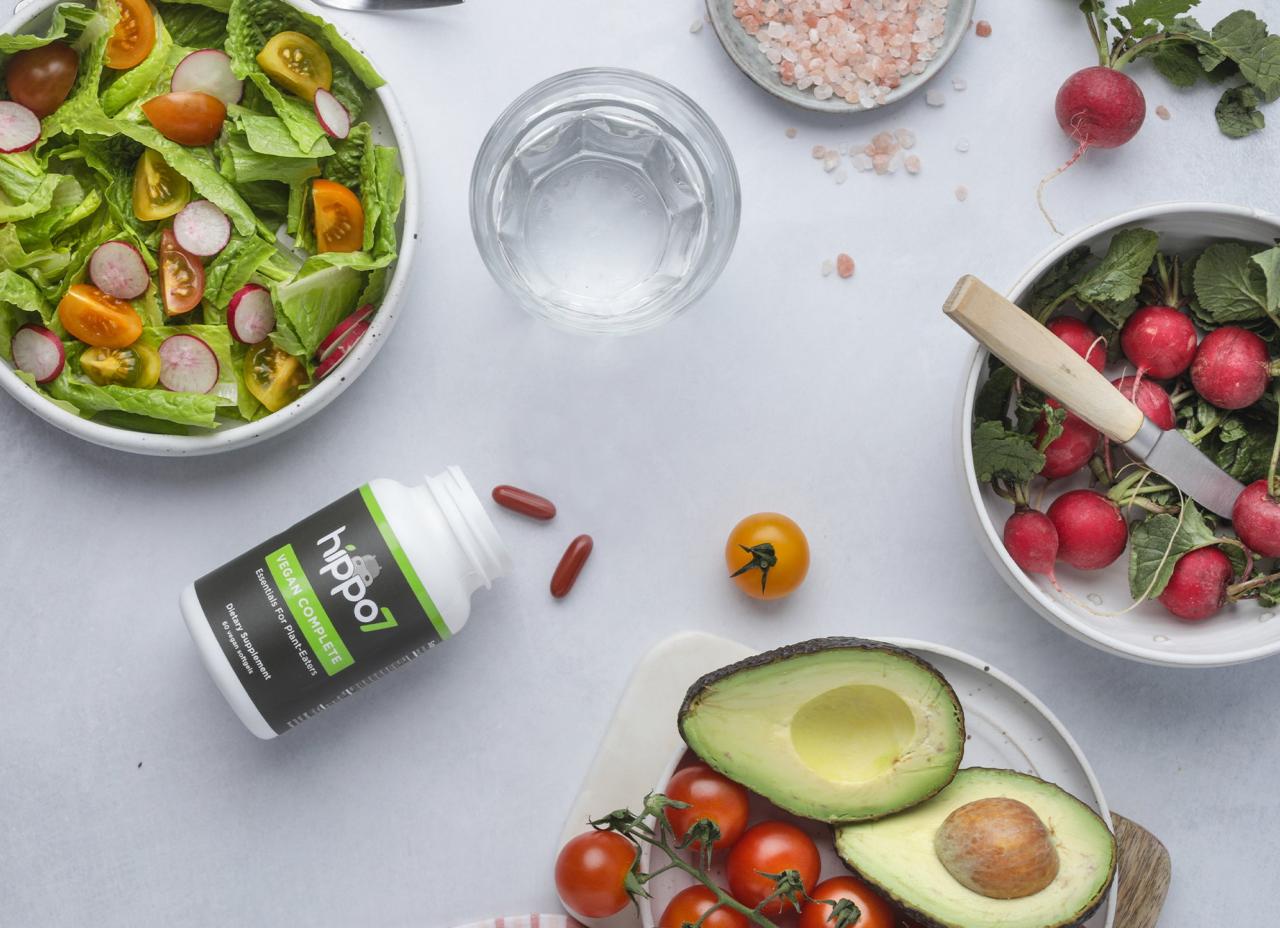
A well-structured vegan meal plan is essential for ensuring that you receive all the necessary vitamins and nutrients. By designing meals that are both nutritious and flavorful, you can make maintaining a vegan lifestyle enjoyable and healthful. This guide provides insights into creating a sample meal plan, meal prepping strategies, and tips for making meals visually and tastefully appealing.
Sample Meal Plan for a Week
Creating a weekly vegan meal plan helps in ensuring a variety of nutrients are consumed. Below is a simple yet nutritious meal plan that incorporates essential vitamins for vegans:
| Day | Breakfast | Lunch | Dinner |
|---|---|---|---|
| Monday | Oatmeal topped with mixed berries and chia seeds | Quinoa salad with chickpeas, cucumber, and olive oil dressing | Stir-fried tofu with broccoli and brown rice |
| Tuesday | Smoothie with spinach, banana, flaxseeds, and almond milk | Whole grain wrap with hummus, bell peppers, and spinach | Lentil soup with a side of whole wheat bread |
| Wednesday | Chia pudding with almond milk and fresh fruit | Vegetable sushi rolls with avocado and sesame seeds | Stuffed bell peppers with brown rice and black beans |
| Thursday | Toast with almond butter and sliced bananas | Kale and quinoa bowl with roasted sweet potatoes | Vegetarian chili with kidney beans and corn |
| Friday | Vegan pancakes topped with maple syrup and walnuts | Spinach salad with strawberries, sunflower seeds, and balsamic dressing | Eggplant curry with basmati rice |
| Saturday | Fruit salad with a variety of seasonal fruits | Falafel platter with tahini sauce and pita bread | Coconut curry with chickpeas and vegetables |
| Sunday | Granola with plant-based yogurt and kiwi slices | Vegetable stir-fry with sesame oil and tofu | Black bean tacos with avocado and salsa |
Guidelines for Meal Prepping
Meal prepping is an effective way to maintain a balanced diet and ensure that you meet your vitamin requirements throughout the week. Here are some key guidelines to follow:
- Choose a day to dedicate to meal prep, such as Sunday, to prepare meals for the week ahead.
- Batch cook grains, legumes, and vegetables. Store them in airtight containers to retain freshness.
- Portion meals into individual containers to make it easy to grab and go during busy days.
- Incorporate a variety of colors and textures to each meal to enhance visual appeal and nutritional value.
- Label containers with dates to ensure you consume meals while they are fresh.
Making Meals Appealing
Visual presentation can significantly enhance the enjoyment of meals while ensuring they meet vitamin requirements. Consider the following tips:
- Use a variety of vibrant vegetables to create visually striking dishes. For example, combine dark leafy greens with bright bell peppers and purple cabbage.
- Experiment with different textures by mixing crunchy nuts or seeds with soft grains or creamy sauces.
- Utilize herbs and spices generously to elevate flavor without added calories, making meals more exciting.
- Garnish dishes with fresh herbs or edible flowers for a restaurant-quality presentation.
- Incorporate colorful plates and bowls to enhance the visual appeal of your meals, making the eating experience more enjoyable.
“Variety is the spice of life, especially when it comes to vegan meals.”
The Importance of Consulting Healthcare Professionals
Consulting with healthcare professionals is an essential step for vegans aiming to ensure they are meeting their nutritional needs. With the potential for nutrient deficiencies in a vegan diet, having expert guidance can lead to better health outcomes and more informed dietary choices. Healthcare providers can help vegans navigate their unique nutritional landscape and address any concerns that may arise.
Healthcare professionals play a critical role in assessing vitamin intake and overall nutrition. They can help identify any deficiencies and recommend appropriate supplementation, ensuring that vegans receive all the essential nutrients they require for optimal health. Additionally, these consultations provide an opportunity for vegans to discuss their dietary habits in detail, which can lead to tailored advice that better suits individual lifestyle choices and health goals.
Questions for Healthcare Providers
It is important for vegans to come prepared with questions when meeting with a healthcare provider. By doing so, they can gain a clearer understanding of their nutritional needs and receive personalized recommendations. Here are key questions that vegans should consider asking:
- What specific vitamins and minerals should I monitor in my vegan diet?
- Are there particular foods or supplements you recommend to prevent deficiencies?
- How can I ensure I’m getting enough protein, calcium, and iron from plant-based sources?
- What tests can be done to check for nutrient deficiencies?
- How often should I schedule follow-up appointments to monitor my health status?
These inquiries can facilitate a productive dialogue that empowers vegans to take charge of their health and nutritional well-being.
The Role of Dietitians in Vegan Nutrition
Dietitians can provide invaluable assistance to vegans seeking to achieve a balanced vitamin intake. They offer specialized knowledge in plant-based nutrition and can craft personalized meal plans that align with individual dietary preferences and health requirements. By assessing a vegan’s entire dietary pattern, dietitians can help ensure that all nutrient needs are met without the risk of deficiencies.
Moreover, dietitians can educate vegans about nutrient-dense foods and how to prepare them, maximizing the health benefits of a plant-based diet. They also stay updated on the latest research in nutrition science, which can be crucial for addressing any emerging dietary trends or concerns.
The guidance of a dietitian can transform a vegan diet from being simply plant-based to being nutritionally complete.
Through their expertise and targeted advice, dietitians play a pivotal role in helping vegans thrive on their dietary journey and achieve their health goals effectively.
Myths and Facts About Vegan Vitamins
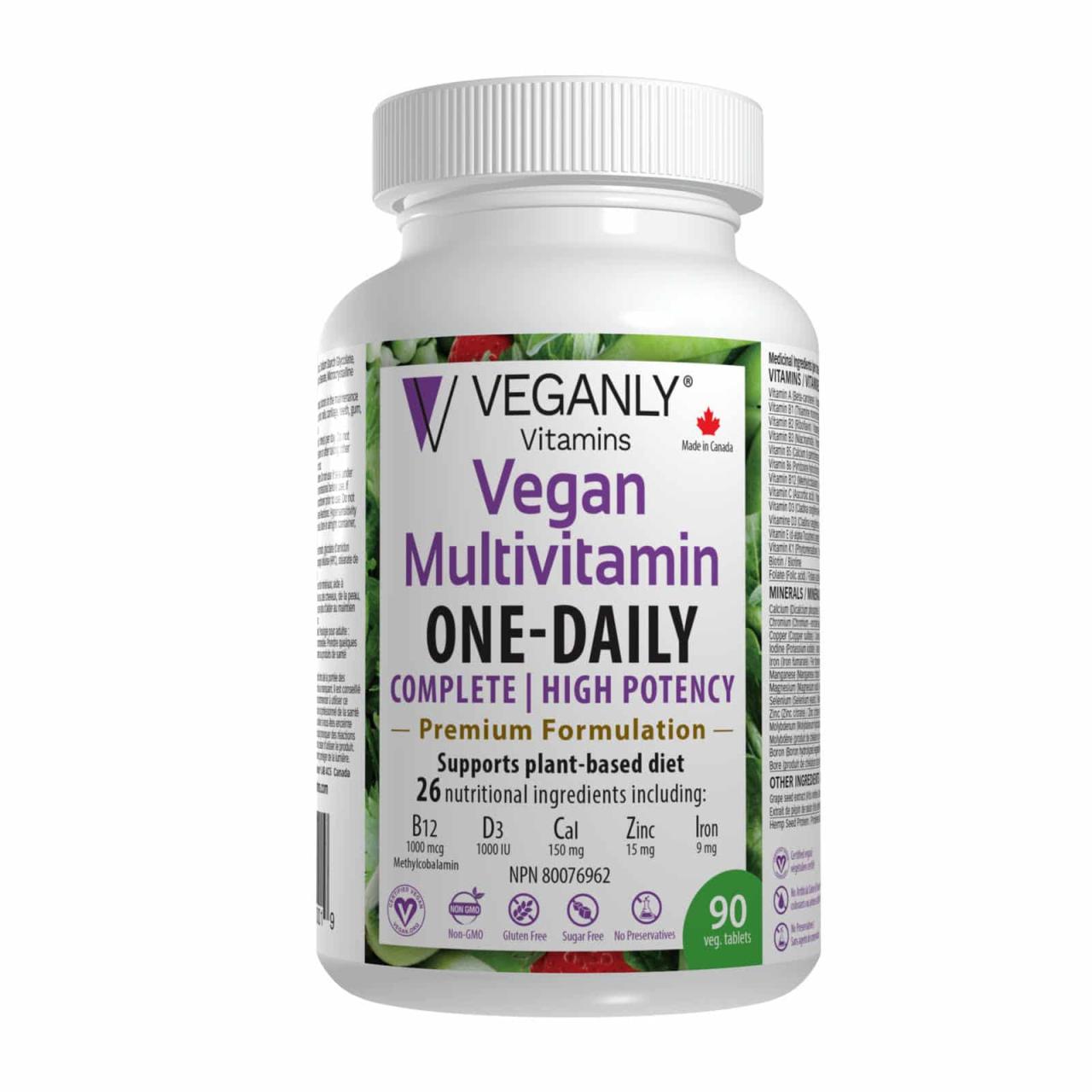
The vegan lifestyle is often surrounded by misconceptions, particularly regarding the intake of vitamins and nutrients. Many believe that a vegan diet is deficient in essential vitamins, which can discourage individuals from embracing this healthier way of living. Understanding the myths versus the facts is crucial for anyone considering or currently following a vegan diet, as it fosters a more informed approach to nutrition.
Common Myths and Corresponding Facts
Veganism is often misunderstood, leading to several pervasive myths about vitamin intake. It is essential to dispel these myths to encourage informed dietary choices. Here are some popular myths and the factual information that refutes them:
- Myth: Vegans cannot get enough protein.
- Myth: Vegan diets are devoid of vitamin B12.
- Myth: Vegans have to constantly worry about nutrient deficiencies.
- Myth: Vegan diets are high in sugar and low in nutrients.
Fact: Numerous plant-based sources, such as lentils, chickpeas, quinoa, and tempeh, provide ample protein. In fact, many plant foods contain all essential amino acids, making them complete proteins.
Fact: While vitamin B12 is primarily found in animal products, vegans can obtain it through fortified foods (like plant-based milks and breakfast cereals) and supplements. Regular testing for B12 levels is advisable.
Fact: With a well-planned vegan diet that includes a variety of foods, it is entirely possible to meet all nutrient needs. A focus on whole grains, fruits, vegetables, nuts, and seeds can provide essential vitamins and minerals.
Fact: A vegan diet based on whole foods is rich in fiber, vitamins, and antioxidants, while being low in added sugars. Choosing whole fruits, vegetables, and grains can provide balanced nutrition.
Educating others about the importance of vitamins in vegan diets begins with sharing accurate information. Encouraging friends and family to read reputable sources or even join vegan community groups can help dispel myths. Additionally, facilitating discussions about personal experiences with veganism can provide relatable insights, making it easier for others to understand the benefits and realities of a vegan lifestyle. Sharing delicious vegan recipes that highlight nutrient-rich ingredients can also inspire others to explore this dietary path without fear of deficiency.
Innovative Vegan Foods Rich in Essential Vitamins
As the demand for vegan diets grows, so does the innovation in plant-based foods that provide essential vitamins. These innovative options not only cater to the nutritional needs of vegans but also offer delicious alternatives to traditional sources. By incorporating these foods into daily meals, vegans can ensure they’re obtaining the necessary vitamins for optimal health.
Many innovative vegan foods are now available that boast high levels of essential vitamins. These include nutrient-dense ingredients like nutritional yeast, spirulina, and fortified plant-based products. Each of these foods plays a unique role in enhancing a vegan diet. For instance, nutritional yeast is celebrated not just for its cheesy flavor but also for its rich Vitamin B12 content, which is typically found in animal products.
Nutritional Benefits and Meal Ideas
Exploring the nutritional benefits of innovative vegan foods reveals an array of options that can diversify a plant-based diet. Here are some foods along with delicious meal ideas that incorporate them:
- Nutritional Yeast: A powerhouse of Vitamin B12, essential for nerve function and red blood cell production. Try sprinkling it on popcorn for a cheesy snack or mixing it into vegan mac and cheese for added flavor.
- Spirulina: This blue-green algae is packed with Vitamins B1, B2, B3, and antioxidants. Blend spirulina into smoothies for a nutritional boost or mix it into energy bars for a protein-packed snack.
- Fortified Plant-Based Milks: Many brands enrich their almond, soy, or oat milk with Vitamin D and calcium. Use these milks in cereal or for making creamy vegan desserts like puddings and ice creams.
- Chia Seeds: Rich in Omega-3 fatty acids and fiber, chia seeds can be added to smoothies or used to create chia pudding by soaking them in almond milk overnight.
To emphasize the vitamin content of these innovative vegan foods, here is a comparison table that Artikels their vitamin profiles versus traditional sources:
| Food Source | Vitamin Content | Traditional Source Comparison |
|---|---|---|
| Nutritional Yeast (2 tbsp) | 7 µg B12, 2 g protein, 5 g fiber | 3 oz Beef (1.5 µg B12) |
| Spirulina (1 tbsp) | 0.5 mg B1, 0.4 mg B2, 0.5 mg B3 | 1 oz Salmon (0.3 mg B1, 0.2 mg B2, 1.5 mg B3) |
| Fortified Almond Milk (1 cup) | 2.5 µg D, 450 mg calcium | 1 cup Cow’s Milk (2.4 µg D, 300 mg calcium) |
| Chia Seeds (2 tbsp) | 5 g protein, 2.5 g Omega-3 | 1 oz Salmon (6 g protein, 1.5 g Omega-3) |
Incorporating these innovative foods into daily meals not only enhances nutritional intake but also provides variety and flavor to a vegan diet. By exploring these options, vegans can enjoy a well-rounded diet rich in essential vitamins.
Final Summary
In summary, navigating the world of vitamins as a vegan doesn’t have to be daunting. By prioritizing essential nutrients and being proactive about supplementation when necessary, vegans can maintain optimal health. With a balanced meal plan and the guidance of healthcare professionals, it’s possible to enjoy all the benefits of a vegan lifestyle while ensuring that nutritional needs are met.
Key Questions Answered
What vitamins are most commonly deficient in vegans?
The most commonly deficient vitamins in vegans include B12, D, Omega-3 fatty acids, iron, and calcium.
Do vegans need to take supplements?
While many nutrients can be obtained through a well-planned vegan diet, supplements may be necessary for nutrients like B12 and D.
Can I get all my vitamins from food alone?
It is possible, but it requires careful planning to ensure you consume sufficient amounts of all essential vitamins.
How can I enhance the absorption of vitamins from food?
Including healthy fats and pairing certain foods can enhance the absorption of fat-soluble vitamins like A, D, E, and K.
Are there any specific foods high in B12 for vegans?
Fortified plant-based milks, nutritional yeast, and certain fortified cereals are great sources of B12 for vegans.