

Multivitamins serve as a vital component in the pursuit of optimal health, providing an accessible way to address nutritional gaps in our diets. With our fast-paced lives, it’s easy to overlook the essential vitamins and minerals that our bodies require to function at their best. Incorporating a multivitamin can be a practical solution, ensuring we receive the necessary nutrients for maintaining energy levels, supporting immunity, and promoting overall wellness.
Understanding the importance of multivitamins not only enhances our daily nutrition but also empowers us to take proactive steps towards better health. Whether it’s due to dietary restrictions, busy lifestyles, or simply the inability to consume a balanced diet filled with fruits and vegetables, multivitamins can bridge the nutritional divide. They are designed to complement our diets and help prevent deficiencies that can lead to significant health issues down the line.
The Importance of Multivitamins in Everyday Nutrition
Multivitamins play a crucial role in supporting overall health and wellness by filling nutritional gaps that may arise from our everyday diets. In our fast-paced lives, it’s easy to overlook the importance of a balanced diet rich in vitamins and minerals. Multivitamins can serve as a convenient way to ensure that our bodies receive the essential nutrients needed for optimal functioning.
When we experience deficiencies in essential vitamins, the impact on our daily lives can be significant. For instance, a lack of Vitamin D can lead to weakened bones and increased susceptibility to illnesses, while insufficient Vitamin B12 may result in fatigue and cognitive decline. These deficiencies can manifest as a range of physical and mental health issues, including weakened immunity, poor concentration, and low energy levels. The body relies on a variety of vitamins to support key processes such as metabolism, immune function, and cell repair.
Impact of Vitamin Deficiencies on Daily Life
Understanding the repercussions of vitamin deficiencies highlights the importance of incorporating multivitamins into our daily routines.
– *Vitamin A Deficiency*: Insufficient levels can affect vision, leading to issues such as night blindness or more severe eye conditions. It also impairs immune function, making the body more susceptible to infections.
– *Vitamin C Deficiency*: Often associated with scurvy, a lack of Vitamin C can lead to fatigue, gum disease, and skin problems. It plays a vital role in collagen production, which is crucial for skin and joint health.
– *Vitamin D Deficiency*: This vitamin is essential for calcium absorption; without it, bone health deteriorates, increasing the risk of fractures and osteoporosis. Additionally, low vitamin D levels have been linked to mood disorders, including depression.
– *Vitamin B Complex Deficiency*: B vitamins are pivotal for energy production and brain health. Deficiency can cause symptoms ranging from irritability and mood swings to debilitating fatigue and cognitive issues.
Incorporating multivitamins into a balanced diet can offer numerous benefits. By ensuring that our bodies receive adequate vitamins and minerals, we can enhance energy levels, improve mental clarity, and bolster our immune systems. Multivitamins act as a safety net, providing essential nutrients that may be lacking in our food choices. This nutritional support can help maintain a healthy lifestyle, enabling us to tackle our daily challenges more effectively.
Understanding Different Types of Multivitamins Available

Multivitamins are essential supplements that fill dietary gaps and promote overall health. With a variety of forms available, consumers can choose what suits their lifestyle and preferences best. Understanding the different types of multivitamins will help in making an informed choice, taking into account the benefits and potential downsides of each format.
Forms of Multivitamins
Multivitamins come in several popular forms, each having distinct advantages and disadvantages. The primary types include gummies, tablets, and powders. Here’s a closer look at each type:
-
Gummies: These are chewable vitamins that often taste like candy, making them a favorite, especially among children and adults who dislike swallowing pills. Popular brands like Vitafusion and Nature’s Way offer a range of flavors and formulations.
Gummies are often easier to take but may contain added sugars and fewer vitamins than other forms.
-
Tablets: Tablets are the most common form of multivitamins and are available in various dosages. Brands like Centrum and One A Day provide comprehensive options for different age groups and gender-specific needs.
Tablets tend to have a longer shelf life and are often more potent, delivering a higher concentration of nutrients.
-
Powders: These multivitamins come in a powder form and can be mixed with water or smoothies. Brands like Garden of Life and Vega offer organic and plant-based options.
Powders can be a versatile choice, allowing for customized intake and easy digestion.
Selecting the right multivitamin can significantly impact your health. To make the best choice, consider the following factors:
- Individual Health Needs: Assess your current health status. Are there specific deficiencies or health concerns? For example, if you’re pregnant, a prenatal multivitamin with folic acid is crucial.
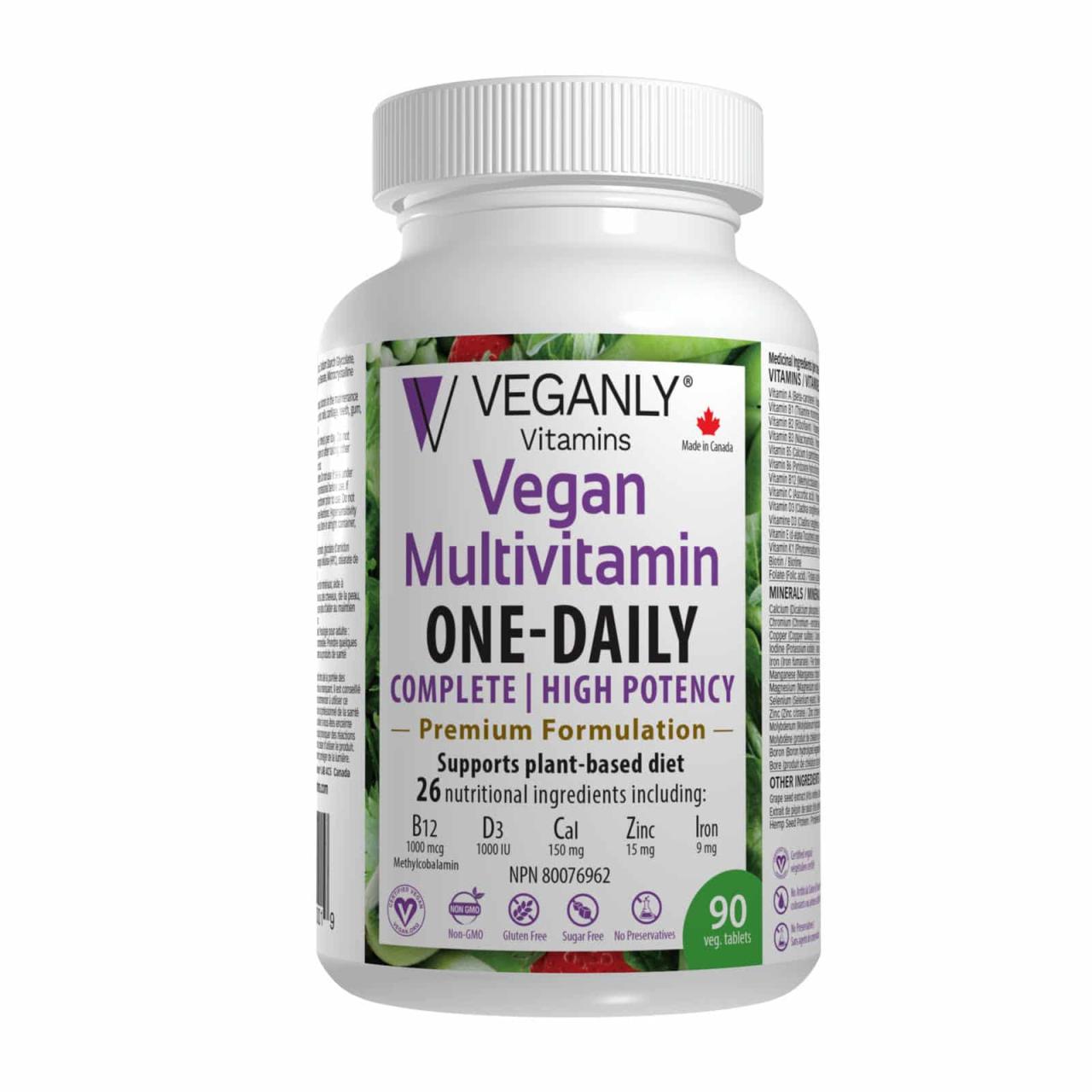
- Dietary Preferences: If you follow a specific diet (e.g., vegan), opt for a multivitamin that aligns with your dietary restrictions. Brands like Deva offer vegan-friendly options.
- Age and Gender: Nutritional needs vary by age and gender. For instance, older adults might require more vitamin D and calcium, while younger individuals may need more iron.
- Quality Assurance: Look for brands that have third-party testing and certifications. This ensures the product’s quality and that it meets safety standards.
- Consult a Healthcare Professional: It’s advisable to discuss with a doctor or nutritionist, particularly if you are on medications or have underlying health conditions. They can provide personalized recommendations based on blood tests or specific health needs.
By evaluating these factors and understanding the various forms of multivitamins, one can effectively navigate the market and find a suitable supplement that promotes optimal health and well-being.
The Science Behind Multivitamins
Multivitamins are often considered a quick fix for nutritional gaps in our diets, but their true impact on health goes far beyond that. Understanding the biochemical mechanisms through which these supplements operate can unlock their potential benefits. The intricate interplay between vitamins, minerals, and our body’s functions is a fascinating area of study that reveals how multivitamins can support our overall well-being.
The human body relies on a complex network of biochemical pathways to maintain function and health. Multivitamins provide essential nutrients that act as cofactors or precursors in numerous metabolic processes. For instance, B vitamins play a crucial role in energy metabolism by facilitating the conversion of carbohydrates, fats, and proteins into usable energy. Magnesium and zinc are also pivotal in enzyme activity that drives metabolic reactions. Research indicates that adequate levels of these vitamins and minerals can enhance mitochondrial function, leading to improved energy production at the cellular level.
Effects on Metabolism and Energy Levels
Multivitamins can significantly influence metabolism and energy levels, a key factor in maintaining an active lifestyle. Studies have shown that individuals who take multivitamins often report enhanced energy and improved metabolic rates. This is especially important in populations at risk of deficiencies, such as the elderly or those with restrictive diets.
A notable study published in the “American Journal of Clinical Nutrition” found that participants who supplemented with a daily multivitamin exhibited a 10% increase in energy expenditure over 12 weeks compared to those who did not. These findings suggest that multivitamins may help optimize metabolic function, particularly in individuals with insufficient dietary nutrient intake.
Moreover, certain vitamins, like Vitamin D, have been linked to energy levels and overall vitality. A deficiency in Vitamin D can lead to fatigue and decreased physical performance. Therefore, regular consumption of a well-formulated multivitamin can support not just metabolic functions but also enhance energy availability for daily activities.
Aid in Disease Prevention
Multivitamins are not merely supportive; they play a role in disease prevention through their antioxidant properties, immune support, and overall nutritional balance. Antioxidants such as Vitamins C and E, along with selenium, help reduce oxidative stress in the body, which is a contributing factor in many chronic diseases. By neutralizing free radicals, these nutrients can lower the risk of conditions like heart disease, diabetes, and certain cancers.
Furthermore, specific vitamins and minerals have been shown to bolster immune function. For instance, Vitamin A is crucial for maintaining the integrity of mucosal barriers, while Vitamin C enhances the production of white blood cells. Research published in “Nutrients” highlights that deficiencies in these nutrients can lead to increased susceptibility to infections. Regular intake of multivitamins ensures that individuals maintain optimal levels of these critical nutrients, thus promoting a robust immune response.
Finally, a meta-analysis in the “Journal of the American College of Nutrition” concluded that multivitamin supplementation can lead to a significant reduction in the risk of chronic diseases, particularly among those with inadequate dietary intake. These findings emphasize the importance of multivitamins as a strategic measure for health maintenance and disease prevention.
Potential Risks and Side Effects of Taking Multivitamins
Multivitamins are often seen as a harmless way to fill nutrient gaps in our diets, but this perception can lead to misconceptions about their safety. Many people believe that since they are available over the counter, they pose no risks. However, it is essential to understand that excessive intake and certain interactions can lead to adverse effects. Educating oneself about the potential side effects is key to ensuring that multivitamins complement a healthy lifestyle rather than detract from it.
Excessive intake of multivitamins can lead to various side effects, some of which may be severe. Many individuals mistakenly assume that taking more than the recommended dosage will enhance the benefits, but this is far from the truth. For instance, fat-soluble vitamins such as A, D, E, and K can accumulate in the body and result in toxicity. Symptoms of vitamin A toxicity might include dizziness, nausea, and in severe cases, liver damage. Vitamin D overdose can lead to elevated calcium levels, resulting in kidney stones and other complications.
Moreover, taking high doses of vitamin C can cause gastrointestinal disturbances, including diarrhea and stomach cramps. Excessive vitamin B6 can lead to nerve damage, resulting in symptoms such as numbness and difficulty walking. It’s essential to approach multivitamin consumption with caution, adhering to recommended daily allowances to avoid these risks.
Interactions with Medications and Pre-existing Conditions
Understanding how multivitamins may interact with medications or affect pre-existing conditions is crucial for safety. Certain vitamins can enhance or inhibit the effectiveness of specific medications. For example, vitamin K can interfere with blood-thinning medications like warfarin, potentially leading to dangerous complications.
Individuals with certain medical conditions should also be cautious. For instance, those with kidney disease must monitor their vitamin D and potassium intake, as excessive levels can exacerbate their condition. It is important to consult healthcare providers before starting any multivitamin regimen, especially for individuals already taking medications or managing chronic health issues.
To mitigate risks associated with multivitamin usage, consider the following strategies:
- Consult a healthcare professional to determine specific nutrient needs.
- Stick to the recommended dosages provided on supplement labels.
- Be aware of your current medications and discuss potential interactions with your doctor.
- Monitor how your body responds to any new supplements, noting any adverse effects.
- Focus on obtaining nutrients through a balanced diet to minimize reliance on supplements.
“An informed approach to multivitamin use can enhance health benefits while minimizing risks.”
Demographic-Specific Multivitamin Needs

Multivitamins play a crucial role in supplementing our diets, particularly as they relate to different demographic groups. Age, gender, and lifestyle significantly influence the unique nutritional requirements of individuals. Understanding these differences is essential for selecting the right multivitamin to support optimal health.
Multivitamin Recommendations for Different Demographics
It’s important to recognize how varied nutritional needs can be influenced by age and gender. Below is a comparison table illustrating recommended multivitamins for various demographic groups, which highlights their specific needs.
| Demographic Group | Key Nutrients Needed | Recommended Dosage |
|---|---|---|
| Children (1-12 years) | Vitamin D, Iron, Calcium | As per pediatrician’s advice |
| Teenagers (13-19 years) | Vitamin A, C, Zinc, Iron | As per pediatrician’s advice |
| Women (20-50 years) | Folic Acid, Iron, Calcium | Daily multivitamin as per label |
| Pregnant/Breastfeeding Women | Folic Acid, Iron, DHA, Calcium | One prenatal vitamin daily |
| Men (20-50 years) | Zinc, Magnesium, Vitamin D | Daily multivitamin as per label |
| Seniors (51+ years) | Vitamin B12, Vitamin D, Calcium | Daily multivitamin as per label |
Pregnant and breastfeeding women have unique nutritional needs that multivitamins can effectively address. During pregnancy, a woman’s body undergoes significant changes to support the growing fetus, requiring increased levels of certain vitamins and minerals. For instance, adequate folic acid is essential to prevent neural tube defects, while iron helps in the formation of hemoglobin to provide oxygen to both mother and baby.
Moreover, calcium and vitamin D are critical for the development of the baby’s bones and teeth, which are particularly crucial during the third trimester. Breastfeeding also necessitates a focus on certain nutrients like DHA, which supports the baby’s brain development. The demands for these nutrients can often exceed what can be obtained through diet alone, making a multivitamin specifically formulated for pregnant or breastfeeding women a beneficial addition to their daily routine.
A well-balanced prenatal multivitamin can help ensure that both the mother and her baby receive adequate nourishment, reducing the risk of deficiencies. Pregnant women are advised to consult with healthcare professionals to select the most suitable multivitamin that meets their specific dietary needs and health conditions.
Common Misunderstandings About Multivitamins and Their Effectiveness
The use of multivitamins has grown immensely, with many individuals believing they are a surefire way to improve health. However, several misconceptions surround these supplements, leading to confusion about their actual benefits and effectiveness. Understanding these myths is crucial for making informed decisions regarding supplementation and overall health.
Prevalent Myths Surrounding Multivitamins
Several common myths circulate regarding the role and effectiveness of multivitamins. Addressing these misconceptions can help clarify their true potential and limitations.
- Myth 1: Multivitamins can replace a healthy diet.
- Myth 2: All multivitamins are created equal.
- Myth 3: More vitamins mean better health.
- Myth 4: Multivitamins can prevent chronic diseases.
- Myth 5: It’s safe to take multivitamins without consulting a healthcare provider.
Each of these myths carries implications that can mislead individuals about their health choices. For instance, while multivitamins can supplement dietary gaps, they cannot replace whole foods rich in nutrients. Furthermore, not all multivitamins have the same quality or bioavailability, which can affect their effectiveness.
“More of a vitamin does not always equate to better health; excessive intake can lead to toxicity.”
The notion that multivitamins can prevent chronic diseases is also misleading. Research indicates that while certain vitamins are essential for health, they are not definitive preventive measures against conditions such as heart disease or diabetes.
Importance of Consulting Healthcare Professionals
Before starting any multivitamin regimen, it’s essential to consult with healthcare professionals. This step ensures that individuals receive tailored advice based on their personal health profiles and dietary needs. Healthcare providers can evaluate the specific vitamins and minerals an individual may be lacking and recommend appropriate supplements.
The importance of professional guidance is underscored by the fact that some individuals may have unique health conditions or are taking medications that can interact negatively with certain vitamins. For example, vitamin K can interfere with blood thinners, leading to serious complications.
Healthcare professionals can provide evidence-based recommendations and help avoid unnecessary supplementation, which may lead to adverse effects. They can also consider factors such as age, sex, lifestyle, and existing health conditions, which play crucial roles in determining one’s nutritional needs.
In conclusion, dispelling common myths about multivitamins and understanding the importance of professional consultation can lead to more effective health management and better overall well-being.
The Future of Multivitamins
As we move forward, the multivitamin industry is witnessing a transformative shift driven by technology, personalization, and evolving consumer preferences. The future of multivitamins promises innovative formulations that cater to individual needs, emphasizing health, sustainability, and natural ingredients.
Emerging Trends in Multivitamins
Personalized vitamins are becoming increasingly popular, allowing consumers to tailor their supplement intake based on specific health requirements, lifestyles, and even genetic makeup. This trend is supported by advancements in technology that enable the creation of customized vitamin packs delivered directly to consumers. Companies like Care/of and Vitafusion are leading this charge by offering online quizzes to determine individual needs and subsequently recommending personalized vitamin combinations.
The rise of technology-enhanced formulations is another key trend. For instance, smart supplements are being developed that use apps to track nutrient intake and health metrics. This integration of technology not only helps consumers maintain their health better but also personalizes their experience with multivitamins, making supplementation more engaging and effective.
Consumer preferences also impact the development of future multivitamin products. A growing emphasis on transparency in ingredient sourcing has led brands to focus on organic and non-GMO ingredients. Consumers are increasingly demanding products free from artificial additives and fillers, pushing manufacturers to innovate and adopt cleaner formulations.
Sustainability is becoming a non-negotiable factor in consumer choices. Brands are moving towards eco-friendly packaging and sustainable sourcing practices, aligning their products with the values of environmentally conscious consumers. This shift is illustrated by companies like Garden of Life, which focuses on whole-food-based vitamins and practices sustainability throughout their supply chain. Consumers are motivated by a desire to make a positive impact, leading to a preference for products that minimize environmental harm.
Natural ingredients are gaining traction in multivitamin formulations, with many consumers opting for plant-based options. This trend reflects a broader shift towards holistic health, where individuals seek not only nutritional benefits but also the assurance that their supplements are derived from natural sources. For example, turmeric and ashwagandha are becoming popular in multivitamins for their anti-inflammatory and stress-relief properties, respectively.
In summary, the future of multivitamins is characterized by personalization, technological integration, sustainability, and a strong preference for natural ingredients. As consumers become more informed and health-conscious, the industry must adapt to meet these evolving expectations, ensuring that the products we choose align with our values and lifestyles.
Conclusive Thoughts
In summary, multivitamins play an essential role in supporting our health and well-being by addressing nutritional gaps and enhancing our body’s function. As we’ve explored, there are various forms of multivitamins available, each catering to different needs and preferences. By understanding the scientific basis and potential risks, as well as recognizing demographic-specific requirements, we can make informed decisions about our multivitamin use. Ultimately, embracing a multivitamin regimen could be a simple yet effective step towards a healthier lifestyle.
FAQ Insights
Can I get all my vitamins from food?
While a balanced diet is the best source of vitamins, many people may still fall short due to various factors like dietary restrictions or food choices.
Are multivitamins safe to take daily?
Generally, multivitamins are safe for daily use, but it’s wise to consult with a healthcare professional to tailor your intake to your specific needs.
Do multivitamins replace a healthy diet?
No, multivitamins should complement a healthy diet, not replace it. They are meant to fill nutritional gaps rather than serve as a primary source of nutrients.
How long does it take to see benefits from multivitamins?
Benefits can vary depending on the individual and their specific health needs, but many people report feeling improvements within a few weeks of consistent use.
Can children take multivitamins?
Yes, but it’s essential to choose formulations specifically designed for children and consult with a pediatrician to ensure safety and appropriateness.










Leave a Reply