

Wellness vitamins play an essential role in our overall health, serving as a foundation for physical and mental well-being. These vitamins not only support bodily functions but also enhance our vitality and resilience against stress and illness.
With an increasing focus on health and wellness, understanding the specific benefits of various vitamins can empower individuals to make informed choices about their supplementation. From boosting immunity to improving mood, the right vitamins can significantly impact daily life.
The Importance of Wellness Vitamins for Overall Health
Wellness vitamins play a crucial role in promoting both physical and mental health. These essential nutrients help bridge the gap in our diet, ensuring our bodies function optimally. From supporting immune function to enhancing mood and cognitive performance, the benefits of vitamins are vast and significant.
Many specific vitamins contribute uniquely to our overall wellness. For example, Vitamin D is vital for bone health and immune support, while Vitamin B12 plays a key role in energy production and neurological functions. The importance of maintaining adequate levels of these vitamins can be illustrated through various studies. Research has shown that individuals with higher levels of Vitamin D are 40% less likely to develop certain chronic diseases compared to those with deficiencies. Similarly, a study published in the American Journal of Clinical Nutrition found that adequate Vitamin B12 levels are associated with improved cognitive function in older adults.
Specific Vitamins and Their Unique Benefits
Understanding the specific roles of different vitamins can help us appreciate their impact on our health. Here are some important vitamins and their distinct contributions to wellness:
- Vitamin A: Essential for vision, immune function, and skin health. It helps combat oxidative stress and supports cellular communication.
- Vitamin C: Known for its antioxidant properties, it supports the immune system, aids in collagen production, and enhances iron absorption from plant-based foods.
- Vitamin E: Acts as a powerful antioxidant, protecting cells from damage. It also plays a role in immune function and skin health.
- Vitamin K: Important for blood clotting and bone health, it helps maintain strong bones and supports cardiovascular health.
- B Vitamins: A group of vitamins that assist in energy production, red blood cell formation, and brain health. B6, for instance, supports neurotransmitter function, influencing mood and mental clarity.
The significance of vitamin intake in daily life cannot be overstated. According to the National Institutes of Health, deficiencies in certain vitamins can lead to various health issues, including anemia, weakened immune response, and cardiovascular diseases. Regular consumption of wellness vitamins, whether through diet or supplementation, is crucial to maintaining health and preventing these potential problems.
“Optimal vitamin intake is essential for overall health, influencing everything from energy levels to immune support.”
Increasing awareness of the benefits of wellness vitamins can encourage individuals to make informed dietary choices that enhance their overall well-being. By recognizing the vital roles these nutrients play, we can better prioritize our health and optimize our daily nutrition.
How to Choose the Right Wellness Vitamins for Individual Needs

Selecting the right wellness vitamins can feel overwhelming given the numerous options available. However, understanding your specific needs based on factors like age, lifestyle, and health conditions can significantly simplify the decision-making process. This guide will provide key insights to help you navigate your vitamin choices effectively.
Guidelines for Selecting Vitamins Based on Individual Factors
It’s essential to consider various factors when choosing wellness vitamins. Personal health, age, and lifestyle can all influence what vitamins you may need.
- Age: Nutritional needs change as we age. For example, older adults often require more vitamin D and calcium to support bone health, while younger individuals may need higher amounts of certain B vitamins for energy metabolism.
- Lifestyle: Active individuals may benefit from additional vitamin C and E, which help combat oxidative stress from physical activity, while those with a sedentary lifestyle might need to focus on a balanced intake of B vitamins for energy production.
- Health Conditions: Specific health conditions can dictate the need for certain vitamins. For instance, individuals with gastrointestinal issues might require vitamin B12 supplements, as absorption can be impaired.
Comparison of Vitamin Brands and Formulations
When choosing vitamin brands, it’s crucial to compare formulations and ingredients to ensure efficacy and safety. Not all vitamins are created equal; some brands prioritize bioavailability, which is how well the body can absorb and utilize the nutrients.
- Reputable Brands: Look for brands that have established a reputation for quality. Companies that undergo third-party testing ensure their products contain what they claim without harmful contaminants.
- Formulations: Choose between synthetic and natural vitamins. Natural vitamins may be more easily absorbed, but some synthetic options can be just as effective.
- Specific Formulations: Consider whether you need single vitamins, blends, or gummy vitamins. Each type has different absorption rates and amounts of fillers.
Common Misconceptions About Vitamin Supplementation
Many misconceptions surround vitamin supplementation, leading to confusion and misinformed choices. Understanding the facts can help you make better decisions.
- All Vitamins Are Necessary: Not everyone needs to take a multivitamin. A balanced diet can often meet your vitamin needs, and supplementation should be based on individual deficiencies.
- More Is Always Better: Over-supplementing can lead to toxicity. For example, excessive vitamin A can cause serious health issues.
- Natural Means Safer: While natural vitamins can be beneficial, they can also interact with medications. Always consult a healthcare provider before starting any supplementation.
“Understanding your unique health scenario is the first step in selecting the right vitamins for your wellness journey.”
The Impact of Lifestyle on Vitamin Absorption and Efficacy
The relationship between lifestyle choices and vitamin absorption is significant and multifaceted. Factors such as diet, exercise, and sleep play crucial roles in how effectively our bodies can utilize vitamins, ensuring that we reap the maximum benefits from our nutritional intake. Understanding these influences helps in formulating a holistic approach to health and wellness.
Diet, exercise, and sleep are the trifecta that can either enhance or inhibit the absorption and efficacy of vitamins in the body. A balanced diet rich in essential nutrients, consistent physical activity, and adequate sleep work synergistically to improve the body’s ability to absorb vitamins. For instance, certain foods can either boost nutrient absorption or hinder it, while lifestyle habits such as stress can impact how vitamins function at a biochemical level.
Foods that Enhance or Inhibit Vitamin Absorption
The types of foods consumed can significantly influence the bioavailability of vitamins. Here is a list of foods categorized by their impact on vitamin absorption:
Foods that Enhance Absorption:
– Healthy Fats: Foods high in healthy fats like avocados, olive oil, and nuts increase the absorption of fat-soluble vitamins (A, D, E, and K).
– Citrus Fruits: Oranges, lemons, and grapefruits boost the absorption of iron from plant sources due to their vitamin C content.
– Whole Grains: Foods like brown rice and oats contain fiber and micronutrients that facilitate overall nutrient absorption.
Foods that Inhibit Absorption:
– Calcium-rich Foods: Dairy products can inhibit the absorption of iron and zinc if consumed in excess.
– High-fiber Foods: While fiber is essential for digestion, consuming excessive amounts at the same time as vitamin supplements can reduce absorption.
– Caffeine-containing Beverages: Coffee and tea contain polyphenols that can hinder iron absorption if consumed with iron-rich meals.
Understanding the interactions between different foods is key to optimizing vitamin intake.
The Connection Between Stress Levels and Vitamin Effectiveness
Stress is known to elevate cortisol levels in the body, which can negatively impact the efficacy of vitamins. Chronic stress can lead to nutrient deficiencies, as the body demands higher levels of certain vitamins and minerals, particularly B vitamins and vitamin C, during stressful periods.
Furthermore, stress can alter digestion and metabolism, affecting how well nutrients are absorbed. For example, stress may reduce the secretion of stomach acid, which is necessary for the absorption of vitamin B12 and other nutrients. Therefore, managing stress through practices such as mindfulness, exercise, and adequate sleep can enhance vitamin effectiveness and overall well-being.
Maintaining a balanced lifestyle is crucial for optimizing vitamin absorption and efficacy.
Potential Risks and Side Effects of Overconsuming Wellness Vitamins
With the rise of wellness culture, vitamins and supplements have become staples in many people’s diets. While these nutrients can provide significant health benefits, it’s essential to recognize that overconsumption can lead to adverse effects. Excessive intake of vitamins can result in toxicity, posing potential risks to your health.
Overconsuming vitamins, particularly fat-soluble ones like Vitamins A, D, E, and K, can lead to serious health complications. Unlike water-soluble vitamins that are excreted through urine, fat-soluble vitamins are stored in the body’s fatty tissues, which can lead to dangerous levels over time. The dangers of excessive vitamin intake include liver damage, nerve damage, and even life-threatening conditions. It’s important to be mindful of the vitamins you’re taking and their recommended daily allowances.
Symptoms of Vitamin Overdose
Recognizing the early symptoms of vitamin overdose is crucial for maintaining health. Initial signs may vary depending on which vitamin has been overconsumed. Common symptoms to watch for include:
- Fatigue and weakness
- Nausea and vomiting
- Headaches
- Dizziness
- Changes in skin color or texture
Understanding these signs can help individuals take prompt action. For instance, excessive Vitamin A can lead to a condition known as hypervitaminosis A, marked by symptoms such as blurred vision and increased intracranial pressure. Early detection and medical advice can prevent further complications.
Recommended Daily Allowances for Various Vitamins
Experts often emphasize the importance of adhering to the recommended daily allowances (RDAs) for vitamins to avoid the risk of overdose. Different vitamins have specific RDAs, which are established based on age, sex, and life stages. Here are some common RDAs for adults:
- Vitamin A: 900 mcg for men, 700 mcg for women
- Vitamin C: 90 mg for men, 75 mg for women
- Vitamin D: 600 IU for adults under 70, 800 IU for those 70 and older
- Vitamin E: 15 mg for adults
These guidelines, provided by health authorities, aim to prevent both deficiencies and excesses. Overconsumption of vitamins should be avoided, as the adverse effects can be severe. Staying informed about these guidelines can help individuals manage their vitamin intake responsibly.
“Moderation is key; too much of a good thing can lead to serious health issues.” – Health Expert
Integrating Wellness Vitamins into Daily Routines
Incorporating wellness vitamins into your daily routine can significantly enhance your overall health and well-being. By establishing a structured schedule, you can ensure that you are consistently nourishing your body with essential vitamins and minerals. This approach not only supports physical health but also promotes mental clarity and energy throughout the day.
Creating a daily schedule for taking vitamins and supplements is crucial for optimal health. A well-planned routine helps in maximizing the benefits of these nutrients while aligning them with your meal times for better absorption. Here’s how you can structure your day to include your wellness vitamins effectively.
Daily Schedule for Vitamins and Supplements
Establishing a routine can be a game changer when it comes to remembering to take your vitamins. Below is a sample schedule that provides a framework for incorporating vitamins into your daily routine:
- Morning (Breakfast): Take multivitamins and vitamin D with a hearty breakfast rich in healthy fats for better absorption.
- Mid-Morning Snack: Enjoy a piece of fruit or a handful of nuts that are high in vitamin C and magnesium.
- Lunch: Include foods like leafy greens or bell peppers in your meal, which are rich in vitamins A and K.
- Afternoon (Post-Lunch): Take any additional supplements like omega-3 for brain health, ideally with a small snack.
- Evening (Dinner): Opt for vitamin-rich vegetables such as carrots, sweet potatoes, or broccoli alongside your protein source.
To enhance your consistency in taking vitamins, consider these practical tips:
Tips for Remembering to Take Vitamins
Having strategies in place can significantly improve your adherence to your vitamin plan. Here are some effective ways to remember:
- Set a daily alarm: Use your phone or a smart device to set reminders for taking your vitamins.
- Keep vitamins visible: Place them near your toothbrush or morning beverage to create a visual cue.
- Use a pill organizer: A weekly pill organizer can simplify your routine and ensure you don’t miss doses.
- Link it to another habit: Tie taking your vitamins to an established routine, such as brushing your teeth or having breakfast.
- Track your intake: Using a journal or an app to log your daily vitamin intake can help in maintaining consistency.
Incorporating vitamin-rich foods into your meals is another effective way to enhance your nutrient intake. Here are some ideas to help you create balanced meals:
Creating Balanced Meals with Vitamin-Rich Foods
A well-balanced meal not only satisfies hunger but also provides essential nutrients required for optimal health. Below are some examples of how to include vitamin-rich foods in your diet:
- Breakfast: Oatmeal topped with berries and a sprinkle of nuts is rich in vitamins B and C.
- Lunch: A quinoa salad with chickpeas, spinach, and avocado offers a robust mix of vitamins A, C, and E.
- Snack: Carrot sticks with hummus provide beta-carotene and vitamin B6, promoting eye health and energy levels.
- Dinner: Grilled salmon with broccoli and sweet potatoes ensures a hearty intake of omega-3s, vitamin D, and fiber.
“Integrating wellness vitamins into your daily routine is a proactive step towards a healthier lifestyle.”
The Role of Wellness Vitamins in Preventive Health Care
The importance of wellness vitamins in preventive health care cannot be overstated. Vitamins play a critical role in maintaining optimal health, supporting bodily functions, and preventing diseases. By integrating vitamins into a daily routine, individuals can significantly bolster their immune systems, enhance their energy levels, and promote overall well-being.
Preventive health care focuses on the proactive measures that can be taken to avoid disease and maintain health. Vitamins are essential nutrients that our bodies need in small amounts for proper functioning and disease prevention. They support various physiological processes, including metabolic functions, immune responses, and cellular repair. Some vitamins have been linked specifically to the prevention of certain diseases, making them vital components of a comprehensive health strategy.
Vitamins Linked to Disease Prevention
Several vitamins are recognized for their roles in preventing chronic diseases and maintaining health. Here are some key vitamins and their associated health benefits:
- Vitamin C: Known for its antioxidant properties, Vitamin C helps protect against cardiovascular diseases and boosts the immune system. It is also linked to a reduced risk of chronic diseases due to its role in reducing inflammation.
- Vitamin D: Often referred to as the sunshine vitamin, Vitamin D is crucial for bone health and has been associated with a lower risk of autoimmune diseases, certain cancers, and respiratory infections.
- Vitamin E: This vitamin is known for its role in protecting cells from oxidative stress. It may aid in preventing heart disease and has been linked to a reduced risk of Alzheimer’s disease.
- Folate (Vitamin B9): Folate is essential for DNA synthesis and repair. It plays a significant role in preventing neural tube defects during pregnancy and is associated with a lower risk of heart disease.
- Vitamin A: Important for vision, immune function, and skin health, Vitamin A also plays a role in reducing the risk of certain cancers.
Preventive health strategies often include traditional medical advice that emphasizes a balanced diet and lifestyle. However, holistic approaches consider the synergistic effect of vitamin supplementation as part of a wider health regimen. Holistic health practitioners may advocate for the use of vitamins not just to fill nutritional gaps but as a means to enhance the body’s natural defenses against diseases.
“Integrating wellness vitamins into your daily routine can transform your health and reduce the risk of chronic illnesses.”
Both traditional and holistic approaches recognize the need for adequate vitamin intake, yet they differ in implementation. Traditional medical advice may rely heavily on dietary sources alone, while holistic methods may include supplementation tailored to individual health needs, lifestyle, and existing medical conditions. This comprehensive view ensures that individuals are not only preventing deficiencies but also optimizing their health potential.
The Future of Wellness Vitamins in Modern Health Trends
The wellness vitamin landscape is rapidly evolving, driven by growing consumer awareness and a desire for holistic health solutions. As more individuals turn to dietary supplements as part of their wellness routines, understanding the future of wellness vitamins becomes crucial for both manufacturers and consumers. This segment explores emerging trends, innovative formulations, and changing consumer preferences shaping this dynamic market.
Emerging Trends in Wellness Vitamins
The wellness vitamin sector is seeing several notable trends that highlight the shift towards personalized health solutions. Consumers are increasingly interested in vitamins that cater to their specific needs, influenced by lifestyle, dietary preferences, and health conditions. Some of the key trends include:
- Personalized Nutrition: Tailored vitamin regimens based on genetic testing or lifestyle assessments are gaining popularity. This shift allows consumers to receive vitamins that specifically target their unique health needs, promoting greater efficacy.
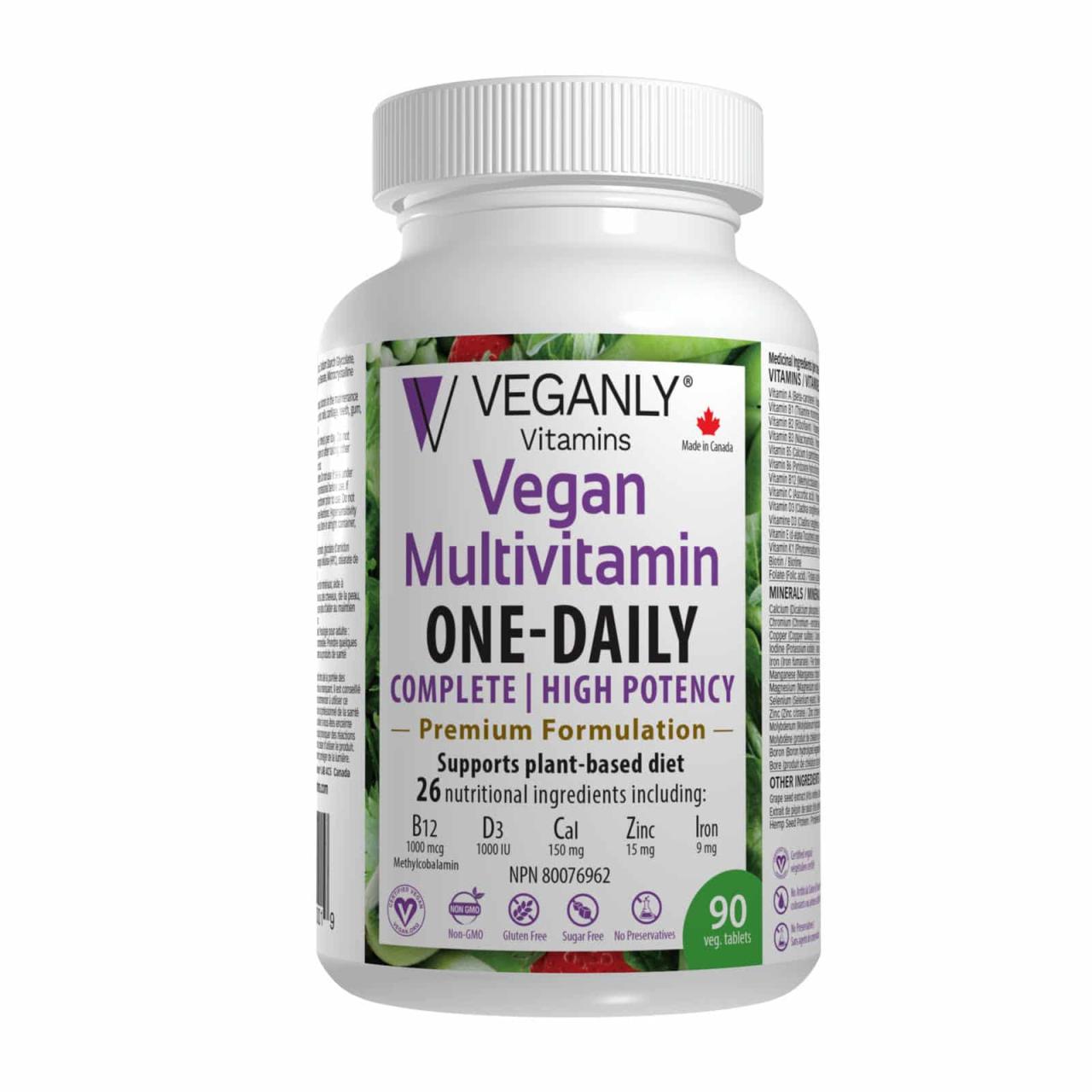
- Plant-Based and Vegan Vitamins: With the rise of plant-based diets, there’s a growing demand for vegan-friendly vitamins. Consumers are seeking out supplements made from natural sources, avoiding synthetic ingredients.
- Focus on Mental Health: Vitamins that support mental wellness, like B-complex and omega-3 fatty acids, are increasingly in demand as more people recognize the connection between nutrition and mental health.
Innovations in Vitamin Formulation and Delivery Methods
Innovative formulations and delivery methods are setting new standards in the wellness vitamin market. Advances in technology have paved the way for more effective and convenient ways to consume vitamins. Key innovations include:
- Microencapsulation: This technique protects sensitive nutrients from degradation, enhancing their stability and absorption in the body. It allows for the creation of longer-lasting and more effective vitamin products.
- Gummies and Chewables: These formats are becoming increasingly popular, especially among younger consumers who prefer tasty and convenient alternatives to traditional pills. Gummies often include a variety of vitamins and nutrients, making them a desirable option.
- Functional Beverages: Vitamins are now being infused into drinks, offering an easy and enjoyable way to incorporate nutrients into daily routines. These beverages can range from energy-boosting drinks to calming herbal infusions.
Consumer Preferences and Market Changes
Consumer preferences are transforming the wellness vitamin market, reflecting a broader societal shift towards health and self-care. With increased awareness, consumers are more discerning about their supplement choices. Key factors influencing these changes include:
- Transparency and Quality: There is a growing demand for products that offer clear labeling and transparency regarding sourcing and ingredient quality. Many consumers now prioritize brands that provide third-party testing and certifications.
- Online Shopping: The rise of e-commerce has made wellness vitamins more accessible, with consumers often seeking out reviews and recommendations before making a purchase. This digital shift has compelled brands to enhance their online presence and marketing strategies.
- Sustainability: Eco-conscious consumers are increasingly considering the environmental impact of their purchases. Brands that utilize sustainable sourcing and eco-friendly packaging are gaining traction in the wellness vitamin sector.
Final Review

In conclusion, incorporating wellness vitamins into your routine can be a game-changer for your health. By making educated choices and understanding how lifestyle factors affect vitamin absorption, you can optimize your well-being and prevent health issues before they arise.
FAQ Resource
What are wellness vitamins?
Wellness vitamins are nutrients that support various bodily functions and contribute to overall health and well-being.
Can I get all necessary vitamins from food?
While a balanced diet can provide many vitamins, some individuals may need supplements to meet their specific health needs.
How do I know which vitamins I need?
Consulting with a healthcare provider can help determine which vitamins are best suited for your age, lifestyle, and health conditions.
Are there any side effects of taking wellness vitamins?
Yes, excessive intake of certain vitamins can lead to side effects; it’s important to follow recommended dosages.
How can I remember to take my vitamins daily?
Setting a routine, using reminders, or incorporating them into your meals can help maintain consistency.
What is the best time to take wellness vitamins?
Some vitamins are best absorbed with food, while others may be taken on an empty stomach; check specific recommendations for each type.










Leave a Reply