

Health supplements have become an integral part of many people’s daily routines, often seen as a quick fix to enhance overall wellness. As we navigate the complexities of modern nutrition, understanding how these supplements fit into our diets is crucial. They come in various forms, from vitamins and minerals to herbs and amino acids, each promising unique health benefits. However, the marketplace is flooded with options, making it essential to consult healthcare professionals before introducing new supplements into our regimen.
This exploration of health supplements reveals their roles, benefits, and the science that underlies their use. By delving into different types, understanding their mechanisms, and assessing individual needs, we can make informed choices that align with our health goals. Armed with knowledge, we can better navigate the supplement landscape and enhance our nutritional intake effectively.
Health Supplements and Their Role in Modern Nutrition
In today’s fast-paced world, achieving a balanced diet can often be challenging due to time constraints, lifestyle choices, and availability of healthy food options. Health supplements have emerged as a practical solution to fill nutritional gaps and support overall well-being. They can enhance dietary intake, providing essential nutrients that may not be sufficiently consumed through regular meals alone.
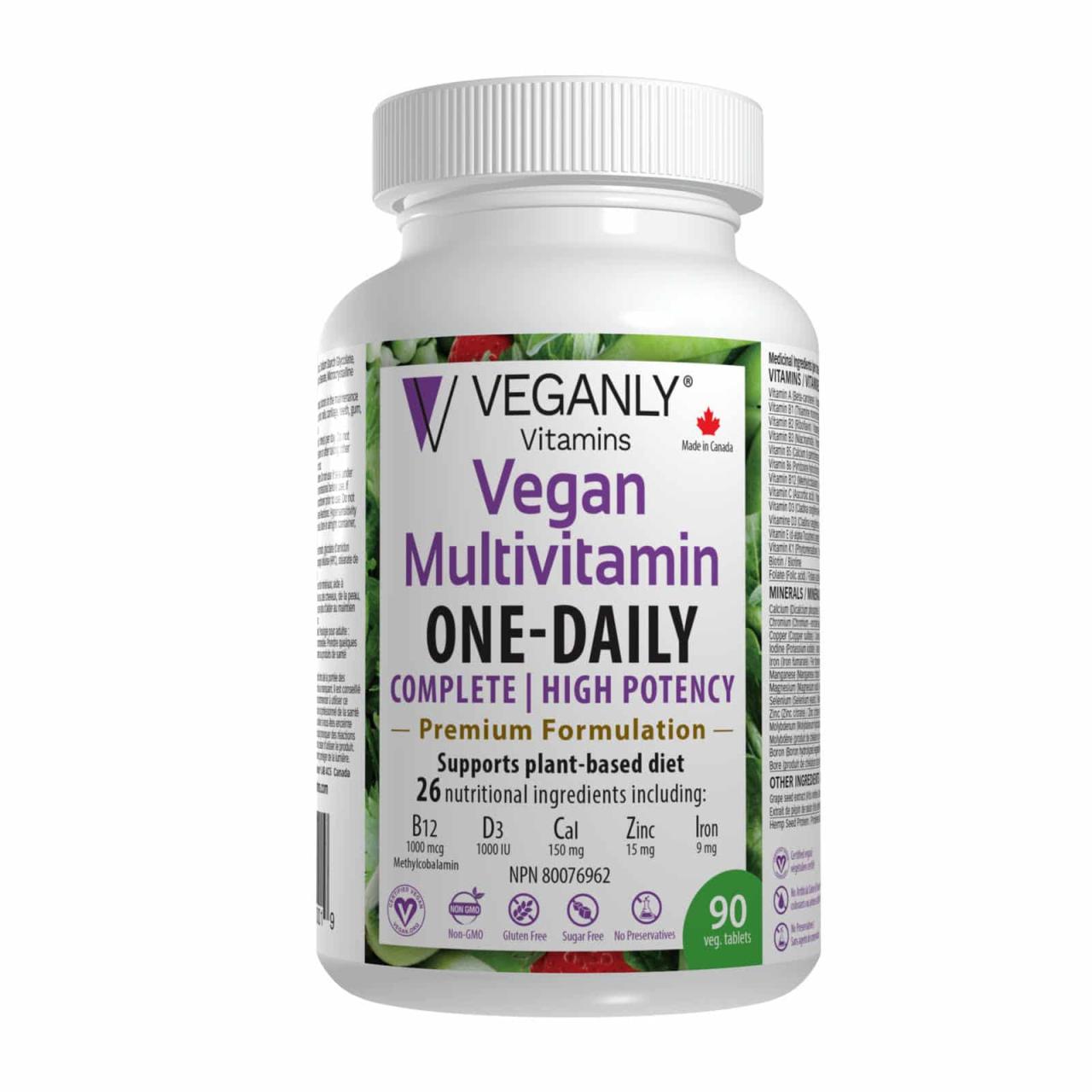
Health supplements can fit seamlessly into a balanced diet by serving as a complementary addition rather than a replacement for whole foods. They are designed to provide vitamins, minerals, amino acids, and other beneficial compounds that may be lacking in an individual’s diet. For instance, individuals with specific dietary restrictions, such as vegetarians or those with food allergies, might struggle to meet their nutritional needs solely through food. In such cases, supplements like B12, iron, or omega-3 fatty acids can help bridge the gap, ensuring that the body receives crucial nutrients necessary for optimal functioning.
Types of Health Supplements Available
The market today offers a diverse array of health supplements catering to various needs and preferences. Understanding the types available can assist consumers in making informed choices.
Various categories of health supplements include:
- Vitamins and Minerals: These are essential for numerous bodily functions. Common examples include vitamin C, vitamin D, calcium, and magnesium.
- Herbal Supplements: Derived from plants, these supplements, like echinacea and ginseng, are often used for their therapeutic benefits.
- Amino Acids: These are the building blocks of proteins and are vital for muscle repair and growth, commonly found in products like whey protein.
- Probiotics: These beneficial bacteria support gut health and can enhance digestive function.
- Fish Oils: Rich in omega-3 fatty acids, these are known for their cardiovascular benefits and overall health support.
Consulting healthcare professionals before starting any supplement regimen is crucial. A healthcare provider can evaluate individual health needs, identify potential deficiencies, and recommend appropriate supplements. This guidance is vital because not all supplements are suitable for everyone; for example, certain individuals may experience adverse reactions or interactions with medications. Additionally, excessive intake of some supplements can lead to toxicity or other health issues. By engaging with healthcare professionals, individuals can ensure they take a safe and effective approach to supplementation, enhancing their overall health journey.
Understanding Different types of Health Supplements
Health supplements play a significant role in enhancing our well-being and supporting our nutritional needs. They come in various forms and can serve multiple purposes, from filling nutritional gaps to promoting overall health. Understanding the different categories of health supplements can help individuals make informed choices about their health regimen.
Different types of health supplements are categorized based on their ingredients and health benefits. These categories include vitamins, minerals, herbs, amino acids, and more. Each type serves a specific health purpose and can contribute to one’s overall health in unique ways. Below is an overview of the main categories of health supplements and their benefits.
Categories of Health Supplements
The following categories encompass the primary health supplements available in the market:
- Vitamins: Essential organic compounds that the body needs to function properly. Examples include Vitamin C for immune support and Vitamin D for bone health.
- Minerals: Inorganic substances that play vital roles in various bodily functions. Iron is crucial for blood production, while magnesium supports muscle and nerve function.
- Herbs: Plant-based supplements that have been used for centuries for their medicinal properties. For instance, turmeric is known for its anti-inflammatory benefits, while ginseng is often used for energy and vitality.
- Amino Acids: The building blocks of proteins that are essential for muscle growth and repair. Branched-chain amino acids (BCAAs) are popular among athletes for recovery.
Each category of health supplements serves specific purposes that cater to various health needs. For example, vitamins and minerals are crucial for maintaining bodily functions, while herbs can provide additional support in areas like digestion and stress relief. Understanding these distinctions helps individuals tailor their supplement intake to their personal health goals.
Comparison of Natural and Synthetic Supplements
The choice between natural and synthetic supplements is critical for consumers seeking optimal health benefits. Both types have unique advantages and disadvantages that can influence their effectiveness and suitability for different individuals.
Natural supplements are derived from whole food sources and typically maintain a balance of nutrients. They often come with fewer additives and preservatives. However, they may vary in potency and concentration. Synthetic supplements, on the other hand, are manufactured in laboratories and can provide consistent dosages. They can also be more affordable and accessible, yet they may lack the synergistic effects found in natural sources.
“Natural supplements often provide a holistic approach to health, while synthetic options may offer more targeted solutions.”
Ultimately, the decision between natural and synthetic supplements should be based on individual health needs, preferences, and professional recommendations. Users should consider factors such as absorption rates, potential side effects, and personal health goals when making their choices. Understanding these differences empowers individuals to select the best supplements for their wellness journey.
The Science Behind Health Supplements
The role of health supplements in modern nutrition has sparked significant interest and debate. Scientific research plays a crucial role in understanding their efficacy and the biochemical mechanisms by which they operate. Although many individuals turn to health supplements to enhance their wellness, understanding the underlying science is vital for making informed choices.
Biochemical mechanisms of health supplements provide insight into how they impact bodily functions at a cellular level. For instance, vitamins and minerals often serve as co-factors in enzymatic reactions, facilitating essential processes such as energy production and immune response. Additionally, herbal supplements may contain phytochemicals, which are compounds that exert various biological effects, contributing to their health-promoting properties.
Scientific Studies Supporting Health Supplements
Numerous studies have examined the effectiveness of popular health supplements. A systematic review published in the Journal of Nutrition evaluated the impact of omega-3 fatty acids on cardiovascular health. The findings indicated that omega-3 supplementation could reduce triglyceride levels and lower the risk of heart disease in specific populations. Similarly, vitamin D supplementation has been linked to improved bone health and a lower incidence of fractures, especially in older adults.
“Omega-3 fatty acids can lower triglyceride levels and reduce the risk of heart disease.”
Furthermore, a comprehensive meta-analysis in the American Journal of Clinical Nutrition highlighted the benefits of multivitamins in reducing the risk of chronic diseases among older adults. The study concluded that adequate vitamin intake from supplements could help mitigate the impacts of aging on health.
Biochemical Mechanisms of Action
Understanding how health supplements function biochemically helps clarify their potential benefits. For example, probiotics, which are live bacteria found in certain supplements, can enhance gut health by promoting a balanced microbiome. This balance is crucial for nutrient absorption and immune function.
“Probiotics help maintain a healthy gut microbiome, essential for nutrient absorption.”
On the molecular level, antioxidants like vitamins C and E protect cells from oxidative stress by neutralizing free radicals. This activity can contribute to reduced inflammation and lower the risk of chronic diseases, such as cancer and heart disease.
Regulatory Oversight of Health Supplements
In the United States, the Food and Drug Administration (FDA) plays a significant role in regulating health supplements. Unlike pharmaceuticals, supplements are not required to undergo the same rigorous testing for safety and efficacy before reaching consumers. However, the FDA does monitor manufacturers to ensure compliance with Good Manufacturing Practices (GMP).
The FDA also mandates that dietary supplements must be labeled accurately, providing consumers with information about ingredients and dosage. Additionally, the Federal Trade Commission (FTC) oversees advertising practices to prevent misleading claims about supplement benefits. This regulatory framework aims to protect consumers while allowing access to a wide range of health products.
“The FDA ensures that dietary supplements are accurately labeled and manufactured according to safety standards.”
Overall, the science behind health supplements encompasses a variety of studies and mechanisms. As consumers become more health-conscious, understanding the scientific basis for supplement use can help navigate their choices effectively.
How to Choose the Right Health Supplements for Your Needs
Selecting the right health supplements can seem overwhelming, given the myriad of options available on the market. However, making informed choices can significantly impact your health and well-being. By considering various factors and understanding what you’re putting into your body, you can tailor your supplement intake to fit your individual needs.
When choosing health supplements, it’s essential to take a systematic approach. This ensures that you select products that genuinely align with your health goals and lifestyle. Here’s a checklist of important factors to consider:
Factors to Consider When Selecting Health Supplements
Understanding what to look for in health supplements can guide you in making the right choices. Here’s a checklist to help you through the process:
- Personal Health Goals: Define your specific goals, such as weight loss, muscle gain, or improved immunity. This will help you identify the supplements that support those objectives.
- Quality of Ingredients: Look for supplements that use high-quality, bioavailable ingredients. Research the brands and their sourcing practices to ensure safety and efficacy.
- Third-Party Testing: Choose products that have been tested by independent labs. This assures you of their potency and purity.
- Dosage Information: Check the dosage to see if it aligns with recommended amounts based on research or expert guidelines.
- Form of Supplement: Consider the delivery method that works best for you—pills, powders, or gummies—based on your preference and ease of use.
- Allergens and Additives: Always read the ingredient list to avoid unwanted allergens and unnecessary additives, such as artificial colors or preservatives.
- Price vs. Value: Don’t just buy the cheapest option; consider the overall value based on effectiveness, quality, and the number of servings in each bottle.
Reading supplement labels effectively is crucial for making informed decisions. Labels contain important information about the product, including ingredient lists, serving sizes, and health claims.
Understanding Supplement Labels
Being able to decipher supplement labels ensures you know exactly what you’re consuming. Here are some key points to focus on:
- Active Ingredients: Look for the primary ingredients that provide health benefits. These should be clearly listed at the top of the ingredient list.
- List of Ingredients: Ingredients are often listed in descending order by weight. Familiarize yourself with these ingredients to evaluate their benefits and any potential side effects.
- Serving Size: Check the serving size to understand the amount of active ingredients per dose, which is critical in assessing whether it meets your needs.
- Health Claims: Be cautious of bold health claims. Look for scientific backing or regulatory approvals that support these assertions.
Assessing your personal health goals is essential in matching them with suitable supplements. Knowing what you want to achieve can direct your choices towards products that will help you get there.
Assessing Personal Health Goals
Identifying your health aspirations lays the foundation for selecting the right supplements. Here’s how to align your goals with appropriate products:
- Consult with a Healthcare Provider: Before starting any new supplement regimen, it’s advisable to discuss your health goals with a healthcare professional who can provide personalized recommendations.
- Research Relevant Supplements: Based on your goals, research supplements known to support those specific areas. For instance, if you’re looking to increase immunity, consider options like vitamin C or elderberry extract.
- Track Your Progress: Keep a journal to note changes you experience with the supplements. This will help you evaluate their effectiveness and make necessary adjustments.
- Stay Informed: Keep up with the latest research and updates in nutritional science to ensure that your supplement choices remain relevant and beneficial.
Potential Risks and Side Effects of Health Supplements

Health supplements are often viewed as a quick and easy way to boost nutrition, enhance performance, or support overall well-being. However, it’s essential to acknowledge that, like any other product consumed for health benefits, these supplements can carry risks and potential side effects. Understanding these concerns can help individuals make informed decisions about their use.
One of the prominent issues surrounding health supplements is the variety of side effects that can arise from their consumption. While some supplements may be beneficial, others can lead to adverse reactions, especially when taken in excess or combined with other substances. It’s crucial for consumers to be aware of these common side effects and to monitor their bodies for any unusual responses.
Common Side Effects Associated with Popular Health Supplements
Many health supplements can cause side effects, and the severity often depends on individual health conditions and dosage. Here are some common side effects associated with widely used supplements:
- Vitamin C: High doses can lead to digestive disturbances, including diarrhea and stomach cramps.
- Omega-3 Fatty Acids: Can cause a fishy aftertaste, indigestion, or loose stools.
- Protein Powders: May lead to kidney strain in individuals with pre-existing conditions, along with digestive issues like bloating and gas.
- St. John’s Wort: Can cause sensitivity to sunlight, gastrointestinal upset, and fatigue.
- Iron Supplements: Can lead to constipation, nausea, or stomach pain, particularly if taken on an empty stomach.
It’s essential to consult with a healthcare professional if any severe or persistent side effects are experienced. Additionally, individuals should be vigilant about sudden changes in their health after starting any new supplement.
Interactions Between Supplements and Prescription Medications
Another significant concern regarding health supplements is their potential interactions with prescription medications. These interactions can diminish the effectiveness of medications or lead to harmful side effects. Some notable examples include:
- Ginkgo Biloba: May interfere with blood-thinning medications, increasing the risk of bleeding.
- Garlic Supplements: Can enhance the effects of anticoagulant drugs, also raising bleeding risks.
- Calcium Supplements: Can reduce the absorption of certain medications, such as antibiotics and thyroid medications.
- Vitamin K: May counteract the effects of anticoagulants like warfarin, potentially leading to dangerous clotting.
Consultation with a healthcare provider is vital before starting any new supplement, especially for individuals who are on medications.
Guidelines for Reporting Adverse Effects from Supplement Use
If adverse effects are encountered while using health supplements, it’s crucial to report them appropriately. Here are the steps to follow:
- Document Symptoms: Keep a detailed record of the symptoms, including when they started and their duration.
- Contact a Healthcare Provider: Discuss the symptoms with a doctor or pharmacist, providing as much information as possible about the supplement taken.
- Report to Regulatory Agencies: In many countries, there are regulatory bodies where consumers can report adverse effects. In the U.S., for instance, reports can be submitted to the FDA’s MedWatch program.
- Share with the Manufacturer: Providing feedback to the company that produces the supplement can help in tracking safety and efficacy.
Understanding the potential risks associated with health supplements is critical for safe consumption. By staying informed, individuals can minimize adverse effects while enjoying the benefits these supplements may offer.
Myths and Misconceptions Surrounding Health Supplements

The world of health supplements is rife with myths and misconceptions that can lead to confusion and misinformation. From exaggerated claims to misguided beliefs about their benefits, understanding the truth behind these topics is essential for making informed health choices. This section aims to clarify common misunderstandings, shedding light on the historical evolution of these myths and the role of media in shaping public perception.
Common Myths About Health Supplements
Many myths surrounding health supplements persist due to a lack of accurate information and the influence of anecdotal evidence. It’s crucial to debunk these myths to better understand the role supplements play in our health.
- Supplements Can Replace a Healthy Diet: One of the most widespread beliefs is that supplements can substitute for whole foods. However, while supplements can complement a balanced diet, they cannot replicate the complex nutritional benefits found in fruits, vegetables, and whole grains.
- More is Better: Many people assume that taking higher doses of supplements will yield better results. This misconception can lead to overdose and adverse effects, as more of certain vitamins and minerals can be harmful rather than beneficial.
- All Supplements Are Safe: There’s a common belief that natural supplements are always safe. However, some supplements can interact with medications or cause side effects, highlighting the need for caution and professional guidance.
Evolution of Misconceptions Over Time
Misconceptions about health supplements have evolved significantly throughout history. In ancient times, natural remedies were often regarded as miraculous cures, leading to a multitude of claims that lacked scientific backing.
Initially, many cultures relied on herbal remedies, assuming their natural origins guaranteed safety and efficacy. As science progressed, the understanding of nutrition and supplementation improved. The late 20th century saw a surge in the supplement industry, often driven by marketing rather than scientific evidence. The transition from traditional beliefs to a more commercialized approach has fostered continued myths, as consumers navigate a landscape filled with conflicting information.
Media Influence on Public Perception
The influence of media and social platforms plays a significant role in shaping public perceptions of health supplements. With the rise of social media, health influencers and celebrities have contributed to the spread of misinformation. Many promote supplements based on personal experiences rather than scientific research.
This phenomenon can lead to widespread misconceptions, as followers may take these endorsements at face value without critically evaluating the claims. Conversely, reputable health organizations and scientific publications often struggle to compete for attention in a crowded media landscape. As a result, consumers may prioritize sensational claims over evidence-based information.
“Understanding the role of media in shaping health supplement perceptions is essential for discerning fact from fiction.”
Trends in the Health Supplement Industry
The health supplement industry is evolving at a rapid pace, driven by consumer demand for innovative, effective, and personalized options. As health awareness grows, so does the interest in supplements that align with modern lifestyle choices, leading to exciting trends that shape the market. This discussion focuses on some of the most notable trends currently impacting the health supplement landscape.
Emerging Trends in Health Supplements
Recent years have seen a significant rise in the popularity of plant-based supplements and personalized nutrition tailored to individual health needs. These trends reflect a broader shift towards holistic health approaches that prioritize natural ingredients and tailored solutions.
Plant-based supplements have gained traction as more consumers adopt vegan and vegetarian diets, seeking alternatives to traditional animal-derived ingredients. They are often perceived as healthier and more environmentally friendly options. For example, the rise of plant-based protein powders, derived from peas, hemp, and brown rice, provides a clean source of protein that appeals to a diverse demographic.
Personalized nutrition is another captivating trend, with supplements designed to cater to individual genetic makeups, lifestyles, and health goals. Companies are now leveraging technology to offer personalized vitamin packs or tailored supplement regimens based on specific health assessments. This customization not only enhances the effectiveness of the supplements but also fosters a deeper connection between consumers and their health journeys.
Innovative Supplement Formulations
The market has recently introduced several unique formulations that highlight innovation in the health supplement sector. These innovations often combine various beneficial ingredients to address specific health concerns or enhance overall wellness.
Some notable examples include:
- Adaptogenic Blends: These formulations incorporate herbs like ashwagandha and rhodiola, known for their stress-reducing properties, alongside vitamins and minerals. They aim to support mental clarity and resilience.
- Probiotic-Infused Supplements: Combining probiotics with vitamins and minerals helps support gut health while also promoting overall immunity. This holistic approach is becoming increasingly popular among health-conscious consumers.
- Collagen Powders: These supplements, often derived from fish or bovine sources, are formulated to support skin elasticity and joint health. The rise of beauty-from-within trends has driven their popularity.
Shifts in Consumer Behavior
Consumer behavior regarding health supplement purchases has shifted notably in recent years, influenced by factors like increased health awareness and the accessibility of information. With the rise of social media and health influencers, consumers are more informed than ever about the products they choose.
Many consumers now prioritize transparency and sustainability in their supplement choices. They tend to favor brands that provide clear information on ingredient sourcing and manufacturing processes. This trend is also reflected in the growing demand for clean labels, where supplements must be free from artificial additives and fillers.
Moreover, the shift towards e-commerce has transformed how consumers purchase health supplements. Online platforms offer convenience and often a wider selection, allowing consumers to compare products easily. Subscription models have also become popular, providing convenience and ensuring consistent delivery of preferred supplements.
“The health supplement industry is rapidly evolving, driven by consumer demand for natural, personalized, and effective solutions.”
The Impact of Lifestyle on Health Supplement Effectiveness
Health supplements play a vital role in enhancing overall well-being, but their effectiveness can significantly depend on various lifestyle factors. Diet, exercise, and daily habits are key elements that can either amplify or diminish the benefits of these supplements. Understanding how these factors interact with your supplementation routine is crucial for maximizing health outcomes.
The efficacy of health supplements is influenced by an individual’s overall lifestyle. A balanced diet rich in nutrients can complement the effects of supplements, while a poor diet may hinder their potential benefits. Regular exercise is another critical aspect; it not only supports overall health but can also enhance the absorption and utilization of nutrients provided by supplements. Furthermore, lifestyle choices, such as smoking or excessive alcohol consumption, can adversely affect nutrient absorption and may lead to increased nutritional needs that supplements attempt to address.
Diet and Its Role in Supplement Effectiveness
Diet plays a foundational role in how supplements are absorbed and utilized in the body. When a diet is lacking in essential nutrients, supplements may not deliver their full potential. Here are some important points regarding diet and supplement interaction:
- Synergistic Effects: Certain vitamins and minerals work synergistically, meaning they enhance each other’s absorption and effectiveness. For example, vitamin D is essential for calcium absorption; thus, taking calcium supplements may be less effective without adequate vitamin D levels.
- Bioavailability: The presence of other foods can affect the bioavailability of supplements. For instance, taking iron supplements with vitamin C can enhance iron absorption, while calcium can inhibit it when taken together.
- Dietary Restrictions: Individuals with specific dietary restrictions or food intolerances may require careful consideration of their supplement choices to ensure they are not missing critical nutrients.
Timing and Dosage Considerations
The timing and dosage of health supplements are crucial for maximizing their effectiveness. Proper timing can optimize absorption and utilization, while inappropriate timing can negate potential benefits. Here are key considerations:
- Morning vs. Evening: Some supplements, such as B vitamins, are best taken in the morning to align with energy needs, while others, like magnesium, may be more effective when taken at night to promote relaxation.
- With Food or on an Empty Stomach: Certain supplements, like fat-soluble vitamins (A, D, E, K), should be taken with food for better absorption, while others, such as some probiotics, may be best taken on an empty stomach.
- Consistent Dosage Schedule: Taking supplements at the same time each day can help maintain steady nutrient levels in the body, enhancing their overall effectiveness.
Mental Well-Being and Nutritional Needs
Mental well-being significantly affects nutritional needs and the overall effectiveness of health supplements. Stress and anxiety can lead to changes in appetite, food choices, and nutrient absorption. Below are relevant aspects to consider:
- Stress and Nutrient Depletion: Chronic stress can deplete the body of essential vitamins and minerals, particularly B vitamins and magnesium, which can then lead to increased reliance on supplements to meet nutritional needs.
- Mood and Eating Habits: Mental health can influence eating habits; individuals under stress may opt for unhealthy food choices that lack essential nutrients, thus impacting the effectiveness of any supplements taken.
- Supplementing Mental Health: Certain supplements, such as omega-3 fatty acids or specific vitamins, may benefit mental health and help mitigate stress effects, creating a feedback loop that enhances overall well-being.
Wrap-Up
In conclusion, health supplements represent a fascinating intersection of science and nutrition, offering potential benefits for those who choose to incorporate them thoughtfully into their diets. While they can serve as valuable tools for enhancing health, it’s crucial to remain informed about their effects, possible side effects, and interactions with medications. By debunking myths and understanding the latest trends, we empower ourselves to make choices that truly benefit our well-being and complement our lifestyles.
FAQ Corner
What are health supplements?
Health supplements are products taken to enhance nutritional intake, including vitamins, minerals, herbs, and amino acids.
Are health supplements safe for everyone?
Not all supplements are safe for everyone; individual health conditions and medications can affect safety.
How do I know which supplements I need?
Consulting a healthcare professional is the best way to determine the right supplements based on your health goals.
Can I get all my nutrients from food alone?
While a balanced diet can provide most nutrients, some individuals may still need supplements to meet specific needs.
Are natural supplements better than synthetic ones?
Natural supplements can be beneficial, but synthetic options may be more effective for certain purposes; it depends on individual needs.









Leave a Reply