
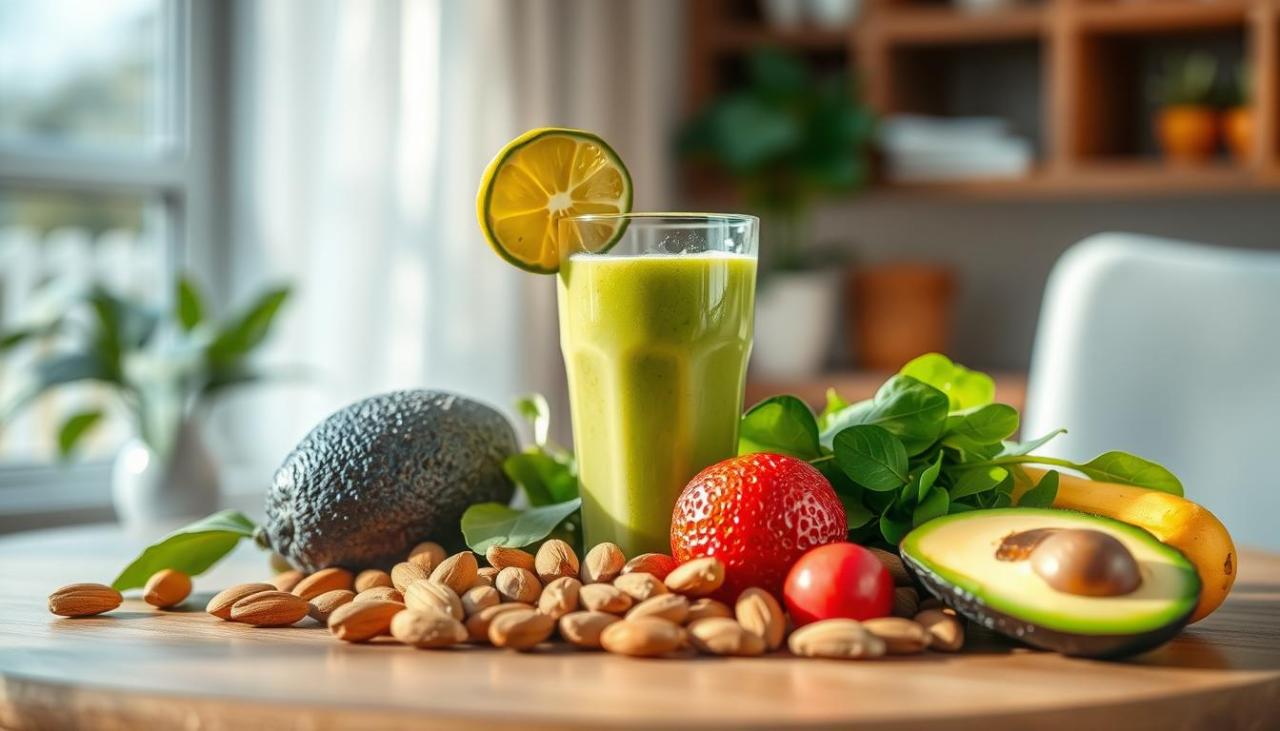
Did you know nearly half of all adults in the United States don’t get enough nutrients from their diet? This lack can make it hard for our bodies to perform well when we’re busy. Optimizing our intake is more than just taking a pill. It’s about knowing how our bodies use these important nutrients.
To really boost our health, we need to understand how our bodies absorb nutrients. By making smart choices, we can better meet our body’s complex needs. Looking into evidence-based strategies for nutrient intake helps us fill the gap between our daily habits and lasting health. Maximizing these nutritional advantages means being consistent in our food choices and supplements.
Key Takeaways
- Prioritize whole food sources to establish a strong nutritional foundation.
- Understand that absorption rates vary based on individual health and lifestyle factors.
- Consistency remains the most critical factor for achieving long-term wellness goals.
- Consult with healthcare professionals to tailor your intake to specific biological needs.
- Monitor your progress through regular screenings to ensure your strategy is working.
Understanding the Role of Vitamins in Our Health
Vitamins are tiny but mighty, affecting our energy and immune health. While we often talk about protein and carbs, vitamins are key for our well-being. They spark our body’s functions.
What Are Vitamins?
Vitamins are organic substances our bodies need in small amounts. We can’t make most of them, so we get them from food. They help our organs and tissues stay healthy.
Types of Vitamins We Need
Vitamins are divided into water-soluble and fat-soluble types. Knowing this helps us get the most from our vitamins:
- Water-soluble vitamins: These include Vitamin C and the B-complex group. They dissolve in water and are not stored in the body, meaning we need a consistent daily supply.
- Fat-soluble vitamins: These include Vitamins A, D, E, and K. They are stored in our liver and fatty tissues for later use.
Vitamin D is special because it’s fat-soluble and acts like a hormone. It helps our bodies absorb calcium and keep bones strong.
How Vitamins Support Our Bodies
Vitamins play a big role in our health. They help turn food into energy and fix damaged cells. Without them, our immune system wouldn’t work well.
Getting enough vitamins helps our bodies work at their best. They support bone growth and boost our immune system. Vitamins are the base of a healthy life.
The Science Behind Vitamin Absorption
To get the most from vitamins, we need to know how they get into our bodies. This journey from mouth to cells is complex. Our digestive health, the vitamin’s form, and our metabolism all affect how much we benefit.
Factors Affecting Absorption
Many things affect how well we absorb nutrients. A healthy gut is key for breaking down vitamins and getting them into our blood. Also, some nutrients need fats to be processed.
“Nutrition is not just about what we eat, but what we are able to absorb and utilize at a cellular level.”
Importance of Bioavailability
Bioavailability is how much of a nutrient our body can use. When looking at vitamins, the type matters. For example, vitamin D3 is better absorbed than D2.
Choosing the right nutrient form is crucial for health. We should pick high-quality, easily absorbed options. This ensures our bodies get the most benefit without wasting resources.
Timing: When to Take Vitamins
Timing our vitamin intake with meals can boost absorption. Pairing vitamins with healthy fats mimics natural digestion. This simple step helps us get the most vitamin benefits every day.
- Take fat-soluble vitamins (A, D, E, and K) with a meal containing healthy fats.
- Consistency is key; try to take your supplements at the same time each day.
- Consult with a healthcare provider to tailor your schedule to your specific needs.
Daily Sources of Essential Vitamins
Our journey to better health starts at the dinner table. Eating a diet rich in nutrients is key to getting the vitamin advantages we need. Whole foods give our bodies the essential building blocks for optimal function.
Food Sources of Common Vitamins
Nature offers a wide range of nutrients that support our bodies. For example, salmon and tuna are great sources of vitamin D. This vitamin is hard to get from food alone.
Eating a variety of colorful vegetables, fruits, and lean proteins is important. These foods give us essential vitamins better than many processed foods.
Supplement Options Available
Our busy lives or health needs might make it hard to get all the nutrients we need from food. In these cases, high-quality supplements can help fill the gap.
When using supplements, it’s crucial to choose products that have been tested by third parties. This ensures the vitamin advantages we expect are in the product we take.
How to Choose the Right Sources
Knowing how to evaluate the quality of our nutritional sources is important. Look for labels that show purity, potency, and transparency from the maker.
Talking to healthcare professionals can help us see if our diet meets our health goals. By being informed and selective, we can ensure we get the right amount of daily vitamin intake for a healthy life.
The Benefits of Vitamin A
Adding Vitamin A to our daily routine brings big vitamin advantages for our health. It’s a key player in many important body functions. It helps keep us feeling great by supporting our cells.
Role in Vision and Immune Function
Vitamin A is famous for helping our eyes see better in the dark. It turns light into signals our brain can understand. It also boosts our immune system.
This vitamin benefits for immunity helps fight off sickness. It keeps our mucosal barriers strong. This keeps our body safe all year round.
Skin Health and Repair
Vitamin A also makes our skin look good. It helps our skin cells renew, keeping our skin clear and bright. It also makes our hair stronger and more vibrant.
It helps our skin repair itself. Vitamin A keeps our skin hydrated and firm. This supports our hair follicles. Eating it regularly helps our skin and hair stay healthy.
Food Sources Rich in Vitamin A
We can get Vitamin A from whole foods. Eating colorful veggies and animal products is key. Here’s a list of foods and their health benefits.
| Food Source | Primary Benefit | Nutrient Density |
|---|---|---|
| Sweet Potatoes | Vision Support | Very High |
| Beef Liver | Immune Strength | Extremely High |
| Carrots | Eye Health | High |
| Spinach | Cellular Repair | Moderate |
Eating a variety of these foods boosts our health. Whether we choose plant-based or animal sources, our bodies benefit. It’s a simple way to care for our health.
Maximizing Vitamin C Benefits
Vitamin C is a key nutrient that gets a lot of attention. It’s important to know about vitamins like this to take care of our health. By learning how Vitamin C works, we can help our bodies every day.
Antioxidant Power of Vitamin C
Vitamin C is a strong antioxidant that protects our cells from harm. This is crucial for keeping us healthy and fighting off stress. Many people focus on its vitamin benefits for immunity to protect against environmental threats.
For more details, check out the official Vitamin C guidelines. They show how this nutrient helps us stay strong all year.
Role in Collagen Production
Vitamin C also helps make collagen, a key protein. Collagen keeps our skin, joints, and blood vessels healthy. Without enough, our bodies can’t repair tissues well.
Collagen affects our skin’s look and feel. Getting enough Vitamin C helps keep our body strong. It’s a simple yet highly effective way to stay healthy from the inside out.
Best Sources of Vitamin C
Eating foods rich in nutrients is the best way to get what we need. Adding colorful, fresh foods to our meals helps a lot. Here are some great choices:
- Citrus fruits like oranges, grapefruits, and lemons.
- Bell peppers, which are packed with Vitamin C.
- Strawberries and other berries for a sweet snack.
- Cruciferous vegetables such as broccoli and Brussels sprouts.
The Importance of Vitamin D
Vitamin D is crucial but often overlooked. Our bodies make it when we’re in the sun. Yet, 1 billion people worldwide don’t have enough.

How Vitamin D Supports Bone Health
Vitamin D helps our bodies absorb calcium and phosphorus. Without it, our bones can’t stay strong. Proper skeletal development relies on this process all our lives.
Lacking Vitamin D can make our bones thin and weak. It’s key to keeping our bones healthy and preventing fractures as we get older.
Sources: Sun Exposure vs. Supplements
We get Vitamin D from the sun’s UVB rays. But, where we live, our skin color, and sunscreen use can affect this. So, many of us use food or supplements to get enough.
- Sunlight: The most natural source, though effectiveness varies by season and latitude.
- Dietary Sources: Fatty fish, egg yolks, and fortified dairy products provide modest amounts.
- Supplements: Often necessary for those living in northern climates or with limited outdoor time.
Risks of Vitamin D Deficiency
Not having enough Vitamin D can cause serious problems. In kids, it can lead to rickets, where bones are soft. Adults might get osteomalacia, causing bone pain and muscle weakness.
Long-term lack of Vitamin D can also lead to metabolic issues. It’s vital to understand the importance of vitamins like D to avoid these problems.
| Source Type | Primary Benefit | Limitation |
|---|---|---|
| Sunlight | Natural synthesis | Weather and seasonal dependence |
| Fatty Fish | High nutrient density | Requires consistent consumption |
| Supplements | Reliable dosage | Requires medical guidance |
B Vitamins and Energy Metabolism
The health benefits of vitamins are huge, but B-complex vitamins are key. They help us stay active all day. These vitamins work as coenzymes, keeping our body’s systems running well.
How B Vitamins Aid Energy Production
B vitamins are crucial for turning food into energy. Without them, our cells can’t process food well. This is key for our energy and brain function.
Think of B vitamins as spark plugs for our body. They don’t give us energy but help our body use it. This is why they’re vital for our physical and mental health.
Key B Vitamins to Include in Our Diet
Some B vitamins are more important for energy. Vitamin B12 is key for our nerves and blood cells. Vitamin B6 helps with protein building blocks.
Folate, or Vitamin B9, supports cell growth and DNA. Getting enough of these vitamins helps us stay alert and focused. A balanced diet keeps us from feeling tired in the afternoon.
Whole Food Sources of B Vitamins
We can get B vitamins from whole foods. Whole grains like brown rice and oats are great. Legumes like lentils and chickpeas also help.
If you eat animal products, lean meats, poultry, and eggs are full of B vitamins. Eating a variety of foods gives us all the B vitamins we need. This is the best way to use health benefits of vitamins for good health.
The Benefits of Vitamin E for Skin and Health
Vitamin E is key when we talk about health benefits of vitamins. It acts as a shield for our bodies, keeping us balanced. Knowing how it works helps us see why it’s important for our health.
Antioxidant Properties
Vitamin E is a powerful antioxidant that protects our cells. It fights off free radicals, which can harm our cells. This keeps us healthy in the long run.
Role in Skin Health
People often choose vitamin benefits for skin to look young and healthy. Vitamin E makes our skin stronger by keeping moisture in. It’s found in serums and supplements.
Eating foods rich in Vitamin E helps our skin fight off pollution and sun damage. When we eat right, our skin looks better. These vitamin benefits for skin are great for anyone wanting healthy skin.
Top Food Sources of Vitamin E
We can add more Vitamin E to our diet with whole foods. Nuts, seeds, and oils are full of it. Here are some top choices for our meals.
| Food Source | Serving Size | Vitamin E Content |
|---|---|---|
| Sunflower Seeds | 1 Ounce | High |
| Almonds | 1 Ounce | High |
| Wheat Germ Oil | 1 Tablespoon | Very High |
| Spinach | 1/2 Cup (Cooked) | Moderate |
Eating these foods boosts the health benefits of vitamins. It’s easy to make our diet better with small changes. This can make a big difference in how we feel and look every day.
Myths and Misconceptions About Vitamins
We often hear claims about vitamins that don’t stand up to science. It’s easy to get caught up in marketing and online tips. But, sticking to proven facts helps us make better health choices.
Debunking Common Myths
Many think more vitamins mean better health. But, our bodies can only absorb so much. Taking too much doesn’t usually boost vitamin benefits for hair or skin.
Another myth is that supplements can replace a healthy diet. Vitamins are key, but they work best with nutrients from food. Relying only on pills can leave out important fiber and nutrients.
The Reality of Vitamin Overdose
Too much of any vitamin can be harmful. For example, Vitamin D toxicity is a serious issue for those taking too much. It can cause severe problems like anorexia and kidney stones.
“Nutrition is not just about what we put into our bodies, but how our bodies process and utilize those nutrients for optimal function.”
Following daily recommended amounts is safest. Always talk to a doctor before starting strong supplements. This way, we avoid risks and still get health benefits.
Natural Vs. Synthetic Vitamins
Some wonder if natural or synthetic vitamins matter. While they look the same, our bodies might absorb them differently. Natural sources often come with extra helpers that boost vitamin benefits for hair and nails.
| Myth | Fact | Impact |
|---|---|---|
| More is always better | Excess can cause toxicity | High risk of organ stress |
| Supplements replace food | Whole foods are superior | Lower nutrient synergy |
| Synthetic is ineffective | Bioavailability is similar | Depends on the compound |
The best plan is to eat whole foods first. Supplements should fill gaps in our diet. By knowing the facts, we keep our bodies safe and healthy.
Tips for Incorporating Vitamins into Our Daily Routine
Starting our wellness journey is easy with small changes. Making a habit of taking care of our bodies helps us stay healthy. This way, we get the nutrients we need for energy and health.
Meal Planning for Vitamin Rich Diet
Planning meals is key to eating well. We should eat lots of colorful veggies, lean proteins, and healthy fats. Consistency is crucial for better health.
Using Supplements Wisely
Supplements help fill nutritional gaps, not replace meals. Our lifestyle affects how well we absorb nutrients. For example, sunscreen can lower vitamin D absorption a lot. So, it’s important to think about how our choices affect our health.
“The secret of getting ahead is getting started. The secret of getting started is breaking your complex overwhelming tasks into small manageable tasks, and then starting on the first one.”
Keeping Track of Our Vitamin Intake
Tracking what we eat helps us stay on track. Using apps or journals is a good way to monitor our intake. This way, we can make sure we’re getting the most vitamin benefits for skin and overall health every day.
- Prioritize whole food sources first.
- Consult with a professional before starting new supplements.
- Review our progress weekly to maintain momentum.
Conclusion: Embracing Vitamin Benefits for Better Health
Putting nutrition first is key to long-term health. Knowing how nutrients help us is powerful.
At VitalSG, we think small, steady choices make a big difference. We see nutrients as vital for staying healthy.
Understanding the Value of Nutrients
Vitamins do more than just prevent deficiencies. They boost energy, help repair, and strengthen our immune system.
Building a Sustainable Routine
Our wellness journey is a lifelong path. Eating whole foods and using supplements wisely helps us get the most from vitamins every day.
Taking Action Today
We encourage you to check your habits and make a positive change this week. Paying attention to your diet helps you enjoy vitamin benefits for years.