
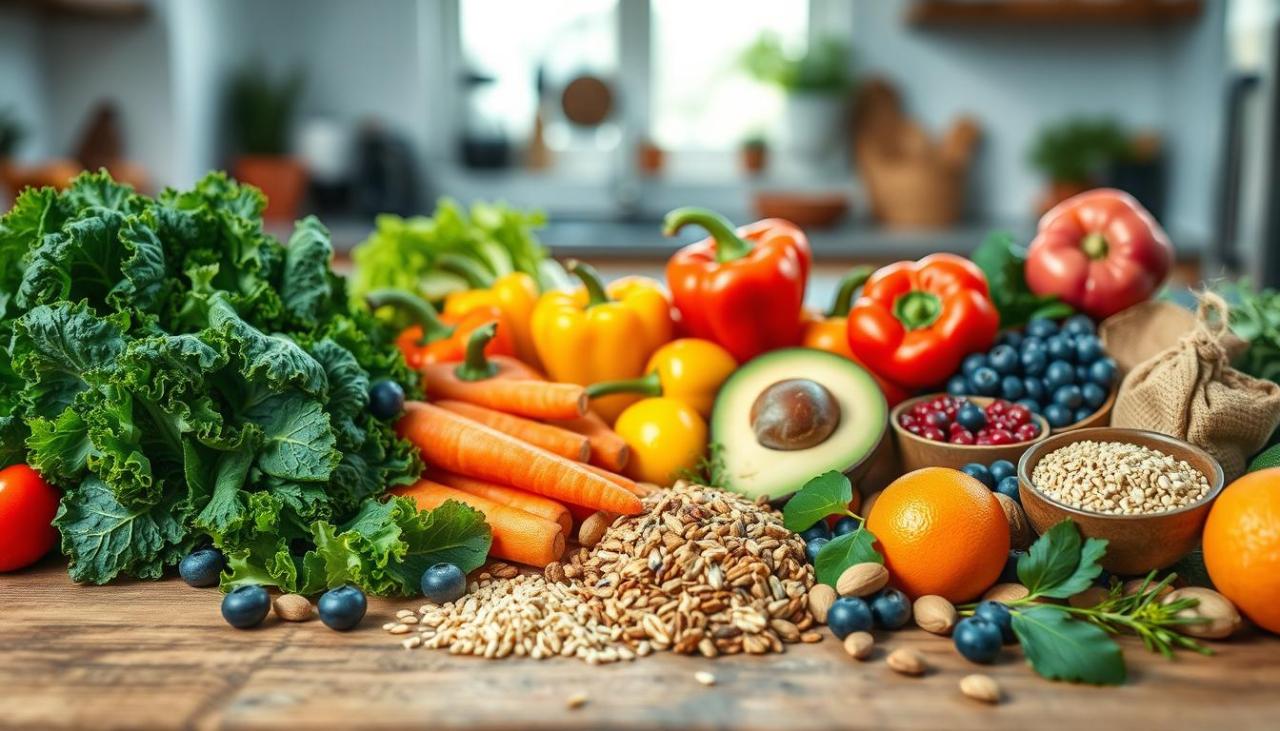
Did you know that nearly 80% of chronic diseases are linked to lifestyle choices rather than genetics? This fact shows why we must focus on what we eat. Getting complete daily nutrition isn’t about strict diets or counting calories.
We support a holistic nutrition approach for lasting health. Eating high-quality, whole foods gives us energy and helps prevent diseases. It’s key to keep our food safe from harmful chemicals and germs.
We think small, lasting changes are the best. By eating balanced meals and staying hydrated, we can feel better without feeling deprived. Let’s learn how to make smart food choices for a strong foundation in health.
Key Takeaways
- Focus on whole, high-quality foods to support long-term energy and growth.
- Adopt a balanced mindset rather than relying on extreme dietary restrictions.
- Prioritize food safety by avoiding chemical and microbial contaminants.
- Integrate hydration and physical activity as core pillars of your wellness plan.
- Make sustainable, small changes to improve your overall health outcomes.
Understanding Complete Daily Nutrition
Eating well every day is key to a lively and full life. We see complete daily nutrition as a steady eating pattern. It gives our bodies the fuel they need to work well.
Definition of Complete Daily Nutrition
Nutrition is more than just counting calories. It’s about eating proteins, healthy fats, and complex carbs. It also includes vitamins, minerals, fiber, and enough water. This mix helps our bodies repair and grow.
A balanced diet plan has five main rules: it must be adequate, balanced, moderate, diverse, and safe. These rules help us live a healthy life for the long term.
Importance of a Balanced Diet
Eating a healthy diet is key to avoiding chronic diseases and staying energetic. Eating a variety of foods helps us get all the vitamins and minerals we need.
Our nutritional needs change based on our age, how active we are, and our culture. What’s right for an athlete might not be the same for someone who sits a lot. We need to choose foods that fit our lifestyle and are fresh and whole.
Nutrients Involved in Daily Nutrition
Our bodies need both macronutrients and micronutrients to be healthy. Macronutrients like proteins and fats give us energy and structure. Micronutrients help our body’s processes work right.
Seeing meals as a chance to give our bodies a wide range of nutrients is important. By choosing nutrient-rich foods, we meet our nutritional needs and enjoy different tastes in our food.
The Role of Macronutrients
To get the best nutrition, we need to know how macronutrients help us every day. Proteins, carbohydrates, and fats work together. They help fix tissues, make hormones, and keep our energy up.
Proteins: Building Blocks of Health
Proteins are key for fixing muscles and keeping our bodies strong. You can find protein in lean meats, fish, beans, lentils, and tofu.
But, don’t overdo it. Too much protein can hurt your kidneys. So, eat a balanced diet to keep your body healthy.
Carbohydrates: The Body’s Energy Source
Carbs are our main energy source for moving and thinking. Choose complex carbs for steady energy, not quick highs.
Stick to whole grains, veggies, fruits, and pulses. They’re better than refined grains or sugars, which can make you feel tired and harm your health.
Fats: Essential for Brain and Body Functions
Healthy fats help us absorb nutrients and protect our organs. Eat unsaturated fats from avocados, nuts, seeds, and olive oil for the best nutrition.
Limit saturated fats and avoid trans fats. Making smart choices helps keep your body fueled for health and wellness.
Essential Micronutrients for Optimal Health
Macronutrients give our bodies the fuel they need. But micronutrients, like essential vitamins and minerals, are the spark plugs that keep everything running smoothly. They are needed in small amounts but are crucial for many bodily functions. Without them, our energy, immune system, and body structure suffer.
Vitamins and Their Functions
Vitamins are organic compounds our bodies need to work right. We get them from a variety of foods. Each vitamin has its own role. For example, Vitamin C boosts our immune system, and B-complex vitamins help with energy and brain health.
Vitamins A, D, E, and K are fat-soluble, stored in our fatty tissues. Vitamin D is key for strong bones, and Vitamin K helps with blood clotting. Not having enough can cause serious problems, like scurvy or brain issues.
Minerals You Can’t Live Without
Minerals come from the earth and water. They are absorbed by plants or animals, making them essential in our diet. Calcium is famous for building strong bones and teeth.
Other important minerals include:
- Iron: Needed for blood to carry oxygen; lack of it causes anemia.
- Zinc: Important for our immune system and healing wounds.
- Iodine: Crucial for thyroid function and metabolism.
Antioxidants: Protecting Your Cells
Antioxidants in colorful fruits and veggies protect our cells from damage. They fight off free radicals, keeping our cells healthy. Nature gives us a wide range of protection in every piece of produce we eat.
“The foundation of health is built upon the quality of the nutrients we provide to our cells every single day.”
We always try to eat food first to get these nutrients. But sometimes, nutrition supplements are needed. This might be during pregnancy, after getting sick, or on very strict diets. If you’re thinking about taking a daily vitamin for women or other supplements, talk to a doctor first. They can help make sure you’re making the right choice for your health.
Building a Complete Daily Nutrition Plan
Improving your health is easier with a routine that focuses on quality and consistency. A balanced diet plan isn’t about cutting out foods. It’s about creating a plan that fits your lifestyle and energy needs.
Setting Personal Nutrition Goals
Everyone’s needs are different, based on age, activity level, and health. Start by figuring out what you want to achieve, like more energy or better digestion.
Having clear goals helps you stay focused. Consistency is key to success. Make sure your goals are achievable and fit into your daily life.
Portion Control and Serving Sizes
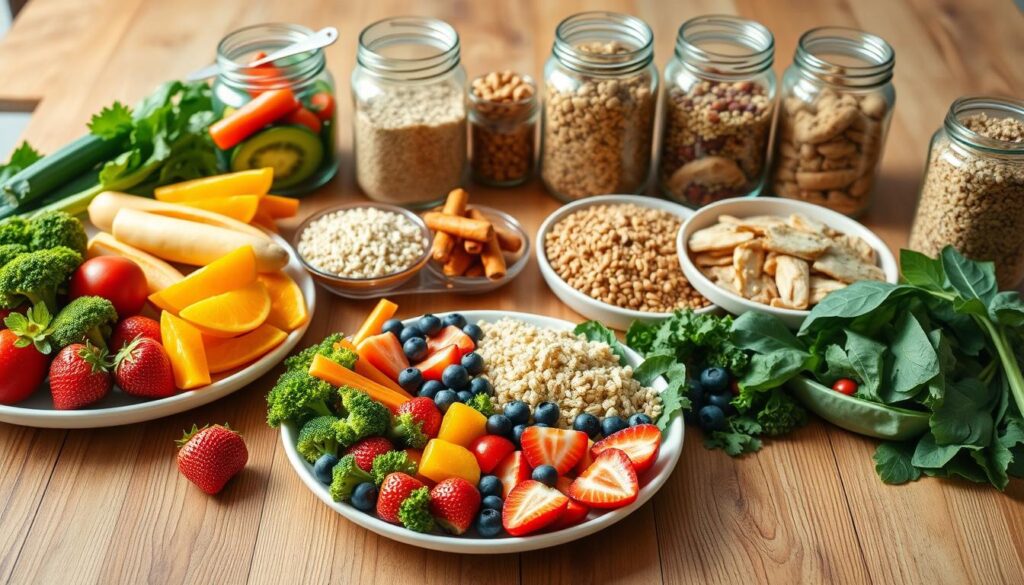
Visualizing your food intake helps you stay balanced without counting calories. Use the Healthy Eating Plate to guide your meals.
Fill half your plate with colorful fruits and veggies. The other half should be protein and whole grains.
Meal Planning Strategies
Good daily meal planning means choosing nutrient-dense foods that are also filling. Aim for 400 grams of produce and 25 grams of fiber a day for those over ten.
Prepping meals ahead of time helps you avoid processed foods. Choose whole foods over refined ones to get more vitamins and minerals.
| Food Category | Nutrient-Dense Choice | Processed Alternative |
|---|---|---|
| Grains | Quinoa or Brown Rice | White Bread |
| Proteins | Grilled Chicken or Lentils | Fried Processed Meats |
| Snacks | Fresh Berries or Nuts | Sugary Baked Goods |
| Hydration | Infused Water | Soda or Energy Drinks |
The Importance of Hydration
Getting complete daily nutrition is hard without drinking enough water. Water helps our cells work right, moving nutrients around our body.
Not drinking enough water makes us tired and less sharp. We should see water as a key nutrient, not just for thirst.
How Much Water Do You Need?
The usual advice is to drink 6–8 glasses of water a day. But, how much you need really depends on you. Your activity level, where you live, and your health all affect how much water you need.
“Water is the driving force of all nature.” — Leonardo da Vinci
If you’re very active or live in a hot place, you’ll need more water. Your body tells you when you need more by getting thirsty.
Benefits of Staying Hydrated
Drinking enough water helps with almost everything in complete daily nutrition. It helps keep your body cool, moves your joints, and protects your tissues.
- Improved Energy Levels: Drinking enough water stops you from feeling tired in the middle of the day.
- Enhanced Digestion: Water helps break down food, so your body can use the nutrients better.
- Skin Health: Drinking enough water makes your skin clearer and more beautiful.
Tips for Increasing Water Intake
Drinking more water is easy and good for you. Many people find it helpful to carry a water bottle all day.
Drink water with meals to help digest food better. Avoid sugary drinks, as they have no nutrients and can harm your teeth.
Keep track of how you feel when you drink more water. Small steps lead to big changes in how you feel.
Incorporating Whole Foods into Your Diet
Choosing whole foods is the best way to start healthy eating habits. Eating foods in their natural state gives us the vitamins and minerals we need. You don’t need to spend a lot or be a great cook to do this.
Benefits of Fruits and Vegetables
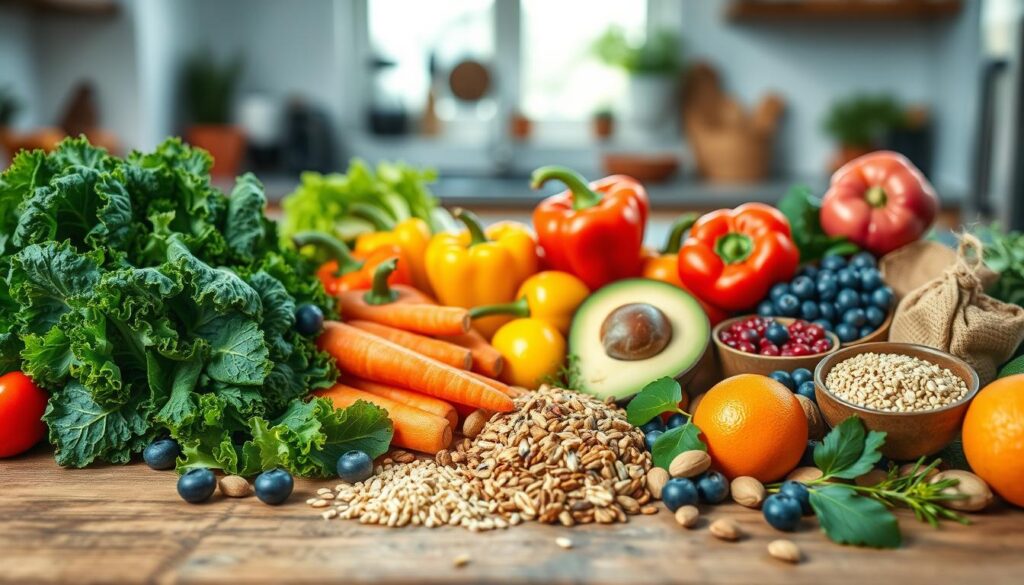
Try to eat half your plate with colorful fruits and veggies. These nutrient-dense foods are full of fiber and antioxidants. Remember, while potatoes are good, they can’t replace the variety of veggies we need.
Make sure to include leafy greens, cruciferous veggies, and berries in your diet. Different colors mean more nutrients. Consistency is key in making these habits a part of your life.
Whole Grains for Better Nutrition
Switching to whole grains is a simple but effective change. Refined grains often lack fiber and nutrients. Choosing brown rice, quinoa, or oats gives us energy all day.
- Choose 100% whole-wheat bread over white bread.
- Swap white pasta for whole-grain or legume-based alternatives.
- Experiment with ancient grains like farro or barley for added texture.
Lean Proteins and Healthy Fats
Our bodies need high-quality proteins and fats for repair and brain health. Focus on fish, poultry, beans, and legumes for protein. These options are better than processed meats.
Use unsaturated plant oils instead of saturated fats when cooking. Adding nuts and seeds to snacks gives us healthy fats and crunch. These small changes help a lot in our healthy eating habits.
| Food Category | Refined/Saturated Option | Nutrient-Dense Swap |
|---|---|---|
| Grains | White Bread | Whole-Grain Bread |
| Protein | Processed Deli Meat | Grilled Chicken Breast |
| Fats | Butter | Olive Oil |
| Snacks | Potato Chips | Raw Almonds |
Adjusting Nutrition for Specific Lifestyles
Your personal goals and daily routines shape how you eat. To get optimal nutrition intake, you need a flexible plan. This plan should fit your unique nutritional requirements every day.
Nutrition for Athletes and Physical Activity
Regular training means your body needs specific fuel. We stress the importance of meal timing. This ensures you have energy for workouts and recover well afterward.
Carbs are key for staying intense, and protein helps muscles repair. But, too much protein isn’t always better. Aim for a balanced diet that matches your training. Don’t forget to stay hydrated to keep your performance up.
Vegetarian and Vegan Diet Considerations
Plant-based diets are healthy if you eat a variety of foods. Make sure to mix different plants to get all amino acids. Planning is vital without animal products.
Talk to a health expert about nutrients like iron, vitamin B12, and calcium. They can advise on supplements or fortified foods. A well-planned plant-based diet is very nourishing.
Nutrition for Weight Management
Effective weight management isn’t about strict diets. We support a balanced calorie intake and regular, fun exercise. Focus on food quality to stay full and meet your needs.
Choose whole, nutrient-rich foods for lasting energy. Small, achievable changes lead to lasting habits. Your journey is unique, and finding a rhythm that works for you is key to success.
Reading Nutrition Labels Effectively
Learning to read nutrition labels is key for a healthier life. Front-of-package ads might look appealing, but the real story is on the back. We need to ignore the flashy ads and make choices based on the facts.
Understanding Serving Sizes
Many of us think a package is one serving. But often, it’s more. The calorie and nutrient counts are for just a small part of what you get.
Always check the serving size at the top of the label before you eat. If you eat the whole package, you need to multiply the values by the number of servings. Knowing how much you plan to eat is key for tracking your intake right.
Identifying Key Nutritional Information
When looking at the label, focus on what matters most for your health. Look at calories, protein, fiber, and sodium to meet your wellness goals.
Don’t forget to check for essential vitamins and minerals too. Comparing these across brands helps you choose the best for your needs.
Avoiding Hidden Sugars and Fats
Processed foods often hide ingredients we don’t see at first glance. Look out for hidden free sugars, sodium, and saturated fats in foods like sauces, cereals, and baked goods.
To stay healthy, remember these tips:
- Sugar: Watch out for products with over 22.5 grams of sugar per 100 grams.
- Salt: Try to avoid foods with more than 1.5 grams of salt per 100 grams.
- Fats: Be careful of industrial trans fats and too much saturated fat in snacks.
Being vigilant about these numbers helps us avoid bad additives. By checking labels for essential vitamins and minerals and limiting sugar and salt, we control our nutrition.
Meal Prep and Cooking Techniques
Starting a better relationship with food begins with daily meal planning. Spend a little time each week to organize your kitchen. This way, healthy choices are always easy to find. It also helps avoid the stress of deciding what to eat after a long day.
Easy Meal Prep Ideas for Busy Lives
Batch cooking is a smart way to manage your diet. Start by cooking large amounts of grains like quinoa or brown rice. Also, roast different vegetables at the beginning of the week. These can be used for quick meals later.
Freezer-friendly meals are great for busy people. Soups, stews, and pre-portioned proteins can be stored for weeks. They provide a nutritious safety net when you’re short on time. Always label your containers to keep things organized.
Healthy Cooking Methods
How you cook your food affects its nutrition. Try to avoid deep-frying, which adds extra fats and calories. Instead, use methods that keep your food’s natural flavors and nutrients.
Steaming and boiling help keep vitamins in vegetables. Baking and grilling are good for lean proteins. Sautéing with a bit of healthy oil is a better choice than heavy frying. Here’s a table to help you choose better cooking methods.
| Method | Fat Content | Flavor Profile | Best For |
|---|---|---|---|
| Steaming | Very Low | Mild/Natural | Vegetables |
| Grilling | Low | Smoky/Charred | Lean Proteins |
| Baking | Moderate | Rich/Roasted | Root Vegetables |
| Frying | High | Crispy/Oily | Occasional Treats |
Tips for Delicious and Nutritious Meals
Making a balanced plate is easy. Pair high-fiber starches with colorful veggies and lean proteins. This combo keeps you full and gives you energy for your daily meal planning goals.
Don’t skip breakfast. Start your day with something like overnight oats with berries or a veggie-packed egg scramble. Keep your meals low in sugar and salt for better health and truly satisfying food.
Special Considerations in Nutrition
Fueling our bodies is not a one-size-fits-all task. Our needs change from infancy to adulthood and beyond. Understanding these changes helps us give our bodies what they need to perform at their best.
Age-related Adjustments to Diet
As we age, our energy needs change. Older adults might need fewer calories but more vitamins like B12 and calcium. These help keep bones strong and minds sharp.
Younger people, on the other hand, need lots of energy for active lives and healing. Our diet should be a dynamic tool that changes with our bodies, not a set of rules.
Nutrition for Children and Adolescents
Childhood and adolescence are key times for growth and learning. The body needs lots of nutrients to support this rapid development.
It’s important to eat foods rich in nutrients and avoid processed foods. Here are some tips:
- Added Sugars: Found in many unhealthy foods, they offer no real nutrition.
- Sodium: Too much salt can harm heart health over time.
- Trans Fats: These fats are bad for the heart and should be avoided.
“The habits we form in our youth act as the foundation for our health in adulthood. By prioritizing whole foods early, we set the stage for a lifetime of wellness.”
Cultivating Healthy Eating Habits
Starting healthy eating habits at home is key. Shared meals and routines help kids develop good food habits. Exposing them to many flavors and textures helps them enjoy a variety of foods.
At times, food alone can’t meet our needs. This might be due to dietary restrictions, pregnancy, or old age. In such cases, nutrition supplements might be necessary. But always talk to a doctor or dietitian before adding them to your diet to ensure they’re safe and effective.
Staying Motivated on Your Nutrition Journey
Building a healthy lifestyle takes time and dedication. It’s about being consistent, not perfect. Focus on making small, steady changes.
Tracking Your Progress
Keep track of your daily habits to understand your journey better. Log your energy, water, and exercise. This shows how food affects your health, not just your weight.
Finding Support in Your Nutrition Goals
You’re not alone in your journey. Talk to family, friends, or dietitians for help and support. Joining community programs or seeking expert advice keeps you on track.
Celebrating Small Wins
Every good choice you make adds to your health. Aim for balance and moderation in your diet. Small steps lead to big changes. Enjoy the journey of caring for your body every day.