
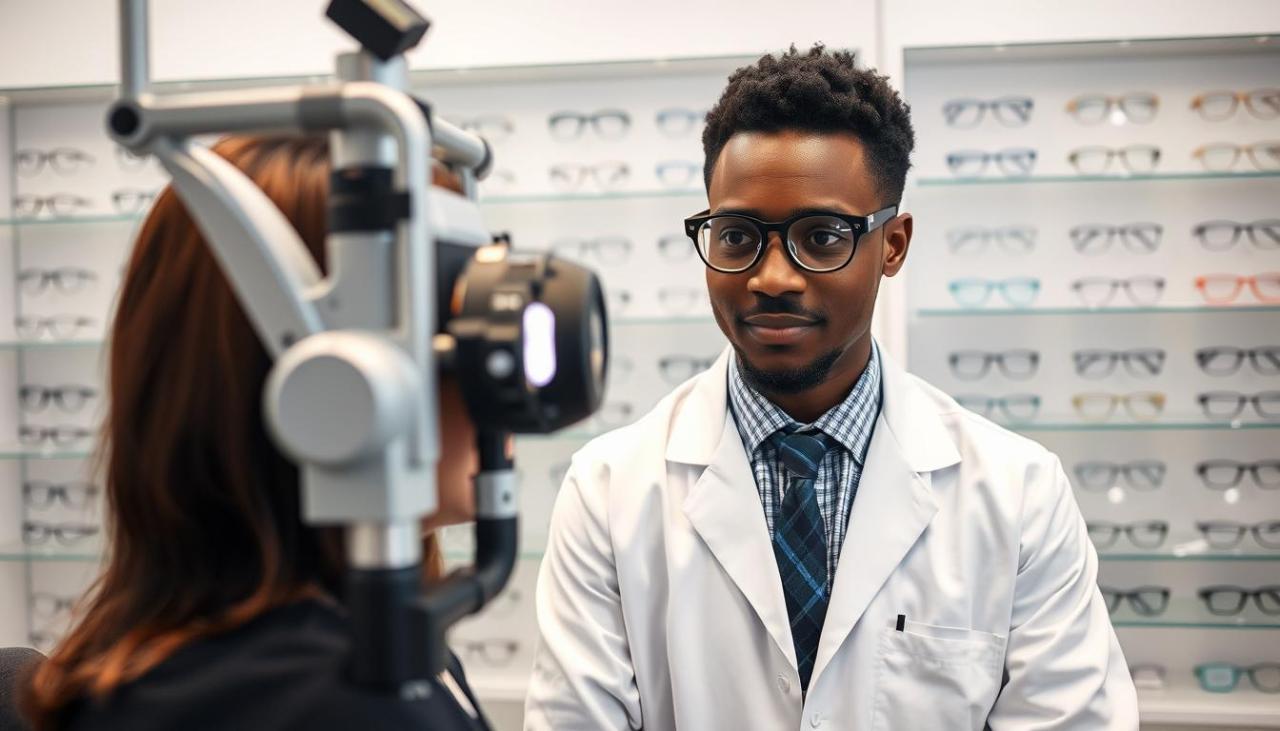
Approximately 12 million U.S. adults aged 40 or older live with some form of impairment. This includes 1 million people facing total blindness. These figures show why maintaining optimal sight must become a daily priority, not an occasional thought.
We often overlook our long-term wellness until a problem arises. Proactive habits, such as regular eye exams, can prevent many common issues before they worsen. Better nutrition, smart screen use, and protective measures can help safeguard our future.
Prioritizing eye health helps us maintain clear, comfortable sight throughout life. Let us explore practical steps that support vision and eye care and protect our most precious sense.
Key Takeaways
- Over 12 million Americans over 40 suffer from significant sight impairment.
- Routine professional screenings are vital for early detection of hidden conditions.
- Daily habits like balanced nutrition support long-term ocular wellness.
- Managing digital screen time reduces unnecessary strain on our focus.
- Proactive protection helps preserve clarity as we age.
Understanding the Importance of Vision and Eye Care
Your eyes are your main window to the world, but they need regular professional care to work well. Many people mistake a simple vision screening for a full medical evaluation. A screening may test chart reading, while a comprehensive eye exam checks internal structures for hidden diseases before symptoms appear.
Why Regular Eye Exams Matter
About 93 million American adults face a high risk of serious vision loss. Yet only about half visited an eye doctor during the past year. Prioritizing your health means scheduling regular eye exams to find problems early, when they are easiest to treat.
Early detection offers the best chance to prevent permanent damage. Regular appointments help doctors address subtle sight changes right away. This proactive approach supports long-term ocular wellness.
Common Vision Problems in America
When your vision changes, knowing which professional to see is important. An optometrist is often your first contact for routine care, vision tests, and prescription glasses or contact lenses. They are highly trained to manage common refractive errors affecting millions of people across the country.
If you need specialized medical or surgical care, an ophthalmologist is the right choice. These medical doctors treat complex eye problems, including advanced diseases, and perform surgical procedures. Knowing the difference helps you receive the right care at the right time.
How Aging Affects Eye Health
As we age, our eyes undergo changes that need closer monitoring. One common change, presbyopia, makes close-up objects harder to focus on. It is a normal part of aging that most people encounter in their forties.
Aging also raises the risk of serious eye conditions. Watch for cataracts, glaucoma, and macular degeneration. Regular visits to your eye doctor support early treatment and help protect your independence and quality of life.
Choosing the Right Eyewear for Your Needs
Choosing eyewear means more than finding a frame that looks good. Consider your daily activities, comfort, and vision correction needs. The right choice supports healthy eyes and clear sight.
Prescription Glasses vs. Contact Lenses
Choosing between eyeglasses and contact lenses often depends on your lifestyle. Eyeglasses offer convenient, low-maintenance protection from environmental debris. They suit people who prefer a simple routine without frequent eye handling.
Conversely, contact lenses provide a wider field of view for active sports and outdoor hobbies. However, they require strict hygiene to help prevent infections. We strongly recommend daily disposables because dirty cases or poor cleaning can cause contamination and serious corneal ulcers.
“The best form of vision correction is the one that you wear consistently and comfortably, provided it meets your specific optical needs.”
Tips for Picking Stylish Eyewear
When shopping for eyeglasses, fit matters as much as style. Choose frames that suit your face shape and rest comfortably on your nose. A good fit prevents slipping and keeps your vision stable throughout the day.
Try colors and materials that reflect your personality. Modern frames use lightweight titanium or durable acetate for comfort and strength. Your eyewear choice also reflects your personal brand.
Understanding Lens Options
Vision correction technology has advanced, offering many lens materials and coatings. High-index lenses are thinner and lighter, making them ideal for stronger prescriptions. Anti-reflective coatings reduce glare during night driving or under bright office lights.
| Feature | Eyeglasses | Contact Lenses |
|---|---|---|
| Maintenance | Low | High |
| Field of View | Limited by frame | Full peripheral |
| Safety | High protection | Requires hygiene |
| Lifestyle | Casual/Professional | Active/Sports |
Protective Measures: How to Safeguard Your Eyes
Protecting your eyes from environmental hazards supports long-term eye health. Many people focus on corrective lenses, but preventing damage before it starts matters too. Simple, steady habits can lower the risk of irritation and permanent injury.
The Role of Sunglasses in Eye Protection
Ultraviolet radiation can damage the eye’s surface. We strongly recommend sunglasses labeled as UV 400 to block nearly all harmful rays. Repeated sun exposure without protection may contribute to pterygium, a growth on the eye’s surface.
“The eyes are the window to the soul, but they are also the most vulnerable part of our body when exposed to the harsh elements of nature.”
Tips for Reducing Blue Light Exposure
Many people worry about digital screens, but current research offers another view. A 2021 study in the American Journal of Ophthalmology found no demonstrated medical benefit from blue-light filtering eyeglasses. Instead, use natural habits to reduce digital eye strain rather than relying on special lenses.
Follow the 20-20-20 rule to refresh your eyes. Every 20 minutes, look at something 20 feet away for at least 20 seconds. Blink often to keep your eyes moist and prevent dryness.
Importance of Safety Glasses in the Workplace
Workplace and sports injuries are often preventable with the right gear. Use impact-resistant eyeglasses or goggles when working with tools, chemicals, or flying debris. These barriers help prevent trauma that could cause severe vision loss.
- Always wear ANSI-rated safety gear in hazardous environments.
- Use protective eyewear during high-impact sports to prevent blunt force injury.
- Ensure your protective gear fits properly to maintain optimal eye health.
Nutrition and Eye Health
Strong eye health begins with the choices we make at the dinner table. Specific foods cannot reverse existing damage, but a nutrient-rich diet supports long-term eye function. Whole foods give our bodies the nutrients needed for clear, comfortable sight.

Key Nutrients for Vision Improvement
Several vitamins and minerals help maintain the delicate structures inside our eyes. Research suggests antioxidants like lutein and zeaxanthin protect the macula from harmful light. These compounds act as a natural filter, supporting vision improvement and overall retinal health.
Omega-3 fatty acids also support eye health. These healthy fats help maintain the tear film, which prevents dryness and irritation. Adding these nutrients to daily meals supports eye structure over time.
Foods That Boost Eye Health
To get key nutrients, choose many colorful, whole foods. Leafy greens, such as spinach, kale, and collard greens, provide these antioxidants. These vegetables support long-term sight.
Cold-water fish, including salmon, tuna, and mackerel, provide valuable omega-3 fatty acids. Include these protein sources weekly to help lower the risk of age-related macular degeneration. Other beneficial foods include:
- Citrus fruits rich in Vitamin C.
- Nuts and seeds packed with Vitamin E.
- Carrots and sweet potatoes for their high beta-carotene content.
Supplements: Are They Necessary?
Whole foods are the preferred nutrition source, but some people may struggle to meet their needs through diet alone. Supplements may help, but they should not replace balanced eating. Consult a qualified clinician before starting any new regimen.
A healthcare provider can identify specific deficiencies or medication interactions with certain vitamins. This matters especially for people diagnosed with chronic eye conditions. Professional guidance helps you protect your sight safely and effectively.
The Impact of Lifestyle Habits on Vision
Clear vision needs more than regular checkups. Daily routines affect physical well-being, including our eyes. Small, planned changes can improve our vision and eye care results over time.
Smoking and Its Effects on Eye Health
Smoking threatens long-term eye health. Research shows smokers face a much higher risk of age-related macular degeneration than non-smokers. Without management, this condition can cause severe vision loss.
Smoking limits blood flow to delicate eye tissues. Quitting is a powerful step toward protecting sight. It supports ocular function and overall systemic health.
How Diet Influences Vision Quality
Foods directly affect tiny blood vessels in our eyes. A balanced diet helps maintain healthy blood sugar, blood pressure, and cholesterol. Stable levels greatly reduce the risk of retinal damage.
Choose nutrient-dense foods that support vascular integrity. Managing these health factors helps protect eye function. Consistent nutrition supports effective vision and eye care.
The Role of Exercise in Eye Care
Physical activity benefits the eyes, not only the heart. Regular exercise improves blood flow throughout the body, including the ocular region. This flow delivers oxygen and nutrients to the eyes.
Staying active may reduce the risk of conditions like glaucoma. Consistent movement keeps our bodies resilient and vision sharp. Weekly exercise helps preserve precious eye health for years.
Common Eye Conditions and Their Treatments
Knowing the difference between common refractive errors and serious eye diseases helps protect your long-term eye health. Some conditions need a new prescription, while others require regular medical care to prevent permanent vision loss. Staying informed helps you take action to protect your sight.
Understanding Myopia and Hyperopia
Myopia, or nearsightedness, makes distant objects look blurry. Hyperopia, or farsightedness, makes close-up tasks difficult. Both are refractive errors that stop light from focusing correctly on the retina.
Glasses and contact lenses can manage both through vision correction. For people seeking a lasting solution, LASIK surgery is a popular choice. It reshapes the cornea to improve focus and reduce dependence on corrective eyewear.
Regular eye exams show whether you are a suitable candidate for these treatments.
What is Astigmatism?
Astigmatism is common and results from an irregularly shaped cornea or lens. Instead of round, the eye looks more like a football, causing blurred or distorted vision at every distance. Many people have mild astigmatism that needs no treatment.
When astigmatism affects daily activities, specialized lenses or surgery may help. Discuss your visual needs with an optometrist during routine eye exams. The optometrist can suggest the best option for your eyes.
Overview of Cataracts and Glaucoma
Unlike refractive errors, cataracts and glaucoma are progressive diseases needing medical oversight. A cataract clouds the eye’s natural lens and often develops slowly as we age. Without treatment, it can cause significant vision impairment, but modern surgery is highly effective at restoring clarity.
Glaucoma is a group of conditions that damage the optic nerve, often due to high eye pressure. Because it often has no early symptoms, people call it the “silent thief of sight.” Managing these conditions often involves:
- Consistent monitoring by an ophthalmologist.
- Prescription eye drops to manage pressure.
- Surgical interventions when necessary.
- Maintaining overall health with daily vitamins for seniors to support ocular wellness.
Whether you seek vision correction or consider LASIK surgery, early detection remains the most powerful tool. Prioritizing eye health today supports a clearer, brighter future.
Innovations in Vision Care Technology
Digital tools and advanced procedures are creating a new era of clear sight. These breakthroughs help doctors manage eye health with more precision than ever before. Technology supports, but does not replace, thorough in-person exams from your eye doctor.
Advances in Eye Surgery Techniques
Modern surgical options have changed the landscape of vision correction. Patients can choose personalized procedures based on their anatomy and lifestyle goals.
- LASIK surgery: A gold standard for correcting refractive errors with rapid recovery times.
- Refractive Lens Exchange (RLE): Replacing the natural lens to improve focus.
- Implantable Collamer Lenses (ICL): An excellent alternative for those who may not qualify for laser procedures.
- Light Adjustable Lenses (LAL): These allow surgeons to fine-tune the lens power after the initial procedure for optimal results.
The Future of Contact Lenses
The world of contact lenses now offers more than simple vision correction. Researchers are developing smart designs that can monitor glucose levels or deliver medicine directly to the eye.
These innovations seek to give daily wearers greater comfort and function. Breathable, moisture-retaining materials support the cornea’s long-term health, which remains a top priority for manufacturers.
Telemedicine and Eye Care Access
Digital appointments help patients who cannot visit a clinic often. Telemedicine is especially useful for first consultations, medication management, and routine follow-up care.
Advanced diagnostic imaging lets specialists review high-resolution retina or optic nerve scans remotely. This keeps your LASIK surgery recovery or chronic condition management under expert supervision, even outside the office. Combining digital tools with traditional care makes high-quality eye health more accessible to everyone.
Eye Care for Children: What Parents Should Know
A child’s ability to learn and explore the world depends greatly on visual development. Nearly 7% of children in the United States have a diagnosed vision condition, so proactive monitoring supports long-term eye health.
Early intervention can prevent more serious problems later in life. By staying alert, you can help your child get support for success at school and during play.
Signs Your Child Needs an Eye Exam
Children may not notice blurry vision because they think everyone sees the same way. Watch for behavior changes that may show your child needs professional eye exams.
- Frequent squinting or closing one eye to focus.
- Complaints of persistent headaches or eye strain.
- Difficulty reading or skipping lines in a book.
- Sitting unusually close to the television or holding tablets near their face.
- Noticeable eye turning or misalignment.
If you notice these behaviors, schedule an appointment with a pediatric ophthalmologist. These specialists can diagnose and treat complex conditions that standard screenings might miss.
Importance of Screen Time Management
In our digital age, managing screen time is vital for maintaining good eye health. Too much device use can cause digital eye strain, including dry, tired eyes.
“The best way to protect young eyes is to balance digital engagement with physical activity and natural light exposure.”
Use the 20-20-20 rule. Every 20 minutes, have your child look at something 20 feet away for at least 20 seconds. This simple habit relaxes focusing muscles and reduces stress from long screen use.
Activities to Promote Healthy Vision in Kids
Outdoor play is one of the best ways to support visual development. Natural light helps regulate eye growth and can greatly lower the risk of myopia.
Besides outdoor time, give your child enough light for reading and homework. Age-appropriate activities, such as puzzles or drawing, also keep eyes active and healthy.
If your child has a known condition, regular eye exams are essential. A qualified ophthalmologist can adjust your child’s vision care plan as they grow, keeping sight sharp and healthy for years.
Keeping Up with Your Eye Health as You Age
As we age, clear vision supports independence and daily joy. Some sight changes are natural, but steps can protect reading, driving, and enjoyment. Prioritizing eye health helps preserve quality of life later in adulthood.
Tips for Seniors to Maintain Healthy Vision
Daily habits can improve vision as we age. Stay active, eat leafy greens, and wear quality sunglasses to protect your eyes from harsh UV rays. For detailed guidance, explore these helpful resources for seniors.
Consistency is key for long-term wellness. Many seniors use specific senior vitamins to support overall ocular function. Ask your primary care provider before starting supplements to ensure they meet your specific needs.
Importance of Regular Eye Screenings
We cannot overstate the value of scheduling eye exams yearly after reaching age 65. These visits help professionals find subtle changes you may not notice daily. Early detection often provides the best defense against permanent vision loss.
If you notice sudden blurriness, flashes of light, or major vision changes, seek care immediately. If advanced glaucoma or macular degeneration is suspected, see a specialized ophthalmologist. This specialist has advanced training to manage complex conditions and provide surgical or medical interventions.
Managing Chronic Conditions for Better Eye Health
Systemic health and vision are closely connected, especially as we grow older. Control diabetes, high blood pressure, and high cholesterol to protect delicate eye blood vessels. Managing these conditions lowers your risk of diabetic retinopathy and other vascular-related vision problems.
Your care team should include an ophthalmologist who coordinates with your primary physician. Discuss your medications openly because some drugs can affect your sight. Proactive health management helps keep your eyes healthy for years to come.
| Condition | Primary Risk | Management Strategy |
|---|---|---|
| Cataracts | Cloudy Vision | Surgical Intervention |
| Glaucoma | Optic Nerve Damage | Regular Pressure Checks |
| Macular Degeneration | Central Vision Loss | Nutritional Support |
| Diabetic Retinopathy | Vessel Leakage | Blood Sugar Control |
Frequently Asked Questions About Vision Care
Questions about eye health often focus on keeping your sight clear. These answers can help you make informed choices about long-term wellness.
Frequency of Professional Screenings
Most healthy adults should have eye exams every two years. People who wear contact lenses or manage diabetes need yearly visits to monitor their eye health. Your optometrist will set the best schedule based on your medical history.
Identifying Warning Signs
Sudden blurry vision, frequent headaches, or light sensitivity may signal a need for professional care. Contact an optometrist if strain continues or your peripheral vision changes. Early detection is still the best way to prevent permanent damage.
Exploring Vision Correction Options
Many people seek vision correction beyond traditional frames. Contact lenses offer a popular alternative, while surgery may give lasting results for some patients. An ophthalmologist can assess your eyes and decide whether you qualify for advanced treatments. Each path to better sight needs a personal assessment by a qualified medical expert.