
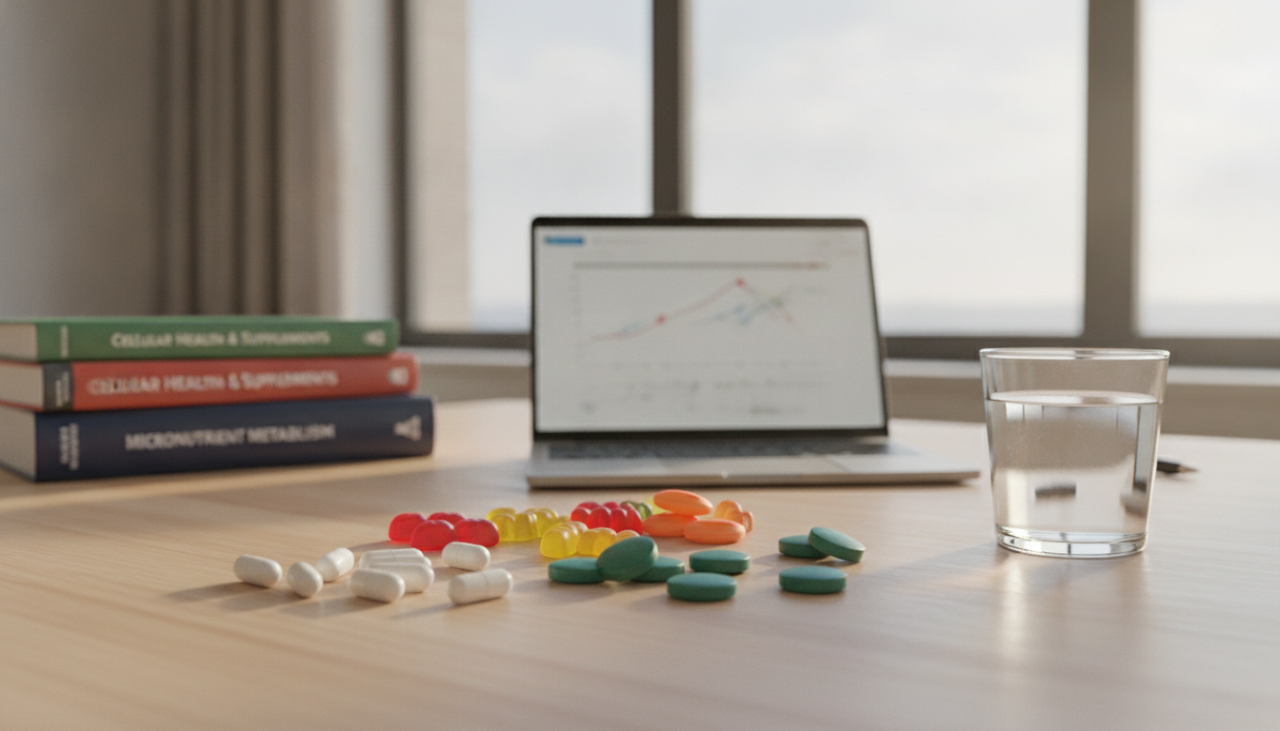
Did you know over 90% of Americans don’t get enough nutrients from food? This fact shows why many of us don’t feel our best. We often miss how small nutritional gaps can affect our health.
Adding foundational daily vitamins to our daily routine can help. These vitamins are key for energy, making DNA, and carrying oxygen. They help us feel more alive and sharp.
Remember, supplements are a practical complement to a healthy life, not a replacement for food. We need to pick our supplements carefully to get the best support. Using foundational daily vitamins wisely helps us build a stronger body for the future.
Key Takeaways
- Most Americans do not get enough essential nutrients from food alone.
- Supplements help bridge gaps in energy metabolism and DNA synthesis.
- Proper nutrition supports vital functions like oxygen transport and brain health.
- Supplements should always complement a nutrient-dense, varied diet.
- Responsible selection and consistent use are key to achieving health goals.
What Are Foundational Daily Vitamins?
Daily vitamin supplements are the foundation of good health. They offer a steady supply of nutrients that help your body work right. They don’t promise quick fixes but keep your health stable.
Definition and Importance
Foundational daily vitamins are key nutrients missing in many diets. They are vital for your body’s health. Some nutrients dissolve in water and need to be taken often.
Others are stored in fat and last longer in your body. It’s crucial to keep a steady level of both for good health.
Key Ingredients Typically Included
Top daily vitamin supplements have a balanced mix of nutrients. They aim for quality over quantity. Key ingredients include:
- Vitamin A: Good for your eyes and immune system.
- Vitamin C: Helps with skin and tissue repair.
- Vitamin D: Important for bones and mood.
- Vitamin E and K: Protects cells and blood.
- B-Complex Vitamins: Boosts energy and brain function.
- Essential Minerals: Work with vitamins for body functions.
Differences Between Multivitamins and Foundational Vitamins
Though often confused, multivitamins and foundational daily vitamins differ slightly. Multivitamins have many ingredients, aiming at various health needs.
Foundational vitamins, on the other hand, focus on the basics. They aim for quality over quantity, ensuring your body gets what it needs consistently.
Why You Should Consider Daily Vitamins
In today’s fast world, we often need more than just food to stay healthy. While eating whole foods is best, our busy lives can make it hard to get all the nutrients we need. That’s why daily vitamin intake is important for many of us.
It’s hard to get fresh fruits and veggies when we’re always on the go. Or when we can’t eat certain foods. Taking a daily vitamin helps fill these gaps and supports our health goals.
Benefits for Overall Health
Micronutrients are key for our body’s functions. By focusing on daily vitamin intake, we give our body what it needs for energy, clear thinking, and strength. Consistent supplementation keeps our body running well, even when things get tough.
Role in Preventing Nutrient Deficiencies
Many think supplements are only for those with health issues. But, many people have nutrient gaps that don’t show symptoms right away. Taking a daily vitamin helps avoid these gaps and keeps us feeling our best.
Supporting Immune System Function
Our immune system needs the right mix of vitamins and minerals to fight off sickness. By adding a reliable supplement to our routine, we help our immune system work its best. This isn’t about curing diseases, but about keeping our immune system strong with steady nutrition.
| Factor | Impact on Nutrition | Supplement Benefit |
|---|---|---|
| Busy Lifestyle | Reduced meal variety | Fills nutrient gaps |
| Dietary Restrictions | Potential missing groups | Provides targeted support |
| Soil Depletion | Lower nutrient density | Ensures adequate levels |
| High Stress | Increased nutrient demand | Supports metabolic function |
Essential Vitamins for Daily Intake
Understanding the roles of different nutrients is key to a strong diet. We know a balanced diet is important. But knowing the essential daily vitamins is crucial for our health.
Vitamin A: Vision and Immune Support
Vitamin A is vital for good vision, even in the dark. It also protects our immune system by keeping our skin and mucous membranes healthy.
Vitamin C: Antioxidant and Collagen Production
Vitamin C fights off cell damage with its antioxidant powers. It’s also essential for collagen, which keeps our skin, joints, and blood vessels healthy.
“The body does not store Vitamin C, which is why consistent daily intake is necessary to maintain optimal levels for immune function and tissue repair.”
Vitamin D: Bone Health and Mood Regulation
Vitamin D is crucial for strong bones and calcium absorption. It also helps with mood, making it important for our mental health.
B Vitamins: Energy Production and Brain Function
The B-vitamin complex is vital for our metabolism. These nutrients help turn food into energy and support our brain and cognitive functions.
| Vitamin | Primary Benefit | Key Source |
|---|---|---|
| Vitamin A | Vision & Immunity | Carrots & Spinach |
| Vitamin C | Collagen & Antioxidant | Citrus Fruits |
| Vitamin D | Bone & Mood | Sunlight & Fortified Foods |
| B Vitamins | Energy & Brain | Whole Grains & Meat |
How to Choose the Right Daily Vitamin
Finding the right daily vitamin is a personal journey. It’s about science, not just marketing. The best vitamin for you depends on your biology and lifestyle. Popularity alone might not fit your health needs.

Understanding Your Nutritional Needs
First, know what nutrients you need. Compare the amounts in supplements to the Dietary Reference Intakes (DRIs) for your age and life stage. This helps avoid too little or too much.
Starting with a daily multi vitamin can be a good first step. Remember, supplements should supplement, not replace a healthy diet.
Reading Labels: What to Look For
When looking at top rated daily vitamins, the label is key. Look for clear serving sizes and a list of active ingredients. Stay away from “proprietary blends” that hide nutrient dosages.
“Quality in a supplement is defined by purity, potency, and the absence of unnecessary fillers. Always prioritize brands that undergo rigorous third-party testing to verify their claims.”
Here’s a table to help you choose:
| Feature | What to Seek | What to Avoid |
|---|---|---|
| Testing | Third-party certification | Unverified claims |
| Ingredients | Clear, listed dosages | Proprietary blends |
| Additives | Minimal fillers | Artificial dyes/sugars |
Considering Dietary Restrictions
Your lifestyle affects your supplement choice. Vegans and vegetarians should avoid animal products like gelatin. People with allergies should check the “other ingredients” section for common allergens.
If you’re on medication, talk to your doctor before starting supplements. Some nutrients can interact with drugs. By considering these factors, you can find the best top rated daily vitamins for you.
The Best Age to Start Taking Daily Vitamins
There’s no one-size-fits-all age for starting vitamins. Our nutritional needs change a lot as we grow. We think you should start recommended daily vitamins based on your health, not just your age. Knowing how your body changes helps you choose the right time for supplements.
Vitamins for Children and Adolescents
Children and teens grow fast and develop quickly. Even with a good diet, some might need supplements. Consulting with a pediatrician is key to make sure any supplements are right for their age.
Vitamins for Adults: A Lifelong Journey
Adults face many lifestyle changes that affect our nutrition. Many turn to recommended daily vitamins to fill gaps. Check if your diet meets your energy and recovery needs.
Seniors: Specific Needs and Recommendations
As we get older, our bodies absorb nutrients less well. Seniors often need more vitamin D, calcium, and vitamin B12. Recommended daily vitamins for seniors can help with bones and brain health. But, always talk to a doctor first to avoid problems with medicines.
The Science Behind Foundational Daily Vitamins
Choosing the right vitamins for your body needs science. We often see ads saying expensive means better health. But, the truth is more complex. To find the best daily multivitamins, we must look beyond the ads and check the science.
Research on Efficacy and Bioavailability
Bioavailability is how well your body uses a nutrient. Even if a supplement has lots of a vitamin, it’s useless if your body can’t use it. Effective formulations use forms similar to those in food, so your body can use them.
It’s key to know if a supplement fixes a deficiency or just boosts health. For those missing nutrients, recommended daily vitamins can help. But, the proof of these benefits changes based on the nutrient and who’s taking it.
The Role of Clinical Trials in Vitamin Development
Good supplements have clinical trials that show real health benefits. These studies prove if a supplement really helps. We should choose products with solid research behind them, not just promises.
“The goal of supplementation should always be to complement a healthy diet, not to replace the complex synergy of nutrients found in whole foods.”
When looking at the data, think about these things:
- Formulation: Does the product use easily absorbed minerals?
- Dosage: Are the amounts safe and backed by science?
- Purity: Has the product been tested for contaminants?
Expert Opinions and Recommendations
Experts are crucial because everyone’s needs are different. A doctor will consider your health, diet, and age when suggesting vitamins. What’s right for a young athlete might not be best for a senior.
Remember, supplements can be risky if taken too much or with medicines. Talking to a doctor ensures your recommended daily vitamins are right for you. Making choices based on science is the best way to support your health.
Common Myths About Daily Vitamins
It’s key to know the truth about vitamin myths for your health. Many feel lost in the sea of health tips today. By sorting out fact from fiction, we can make smarter choices about what we eat and find the best daily multivitamins for us.
Myth vs. Reality: Natural Sources vs. Supplements
Many think supplements are better than food. But, supplements are meant to fill diet gaps, not replace food’s complex nutrients. Foods give us fiber and nutrients hard to find in pills.
Yet, supplements are crucial when we don’t get enough from food. Picking the best daily multivitamins means seeing them as a diet boost, not a quick fix. They can’t undo a bad diet.
| Feature | Whole Foods | Supplements |
|---|---|---|
| Nutrient Synergy | High (Complex interactions) | Low (Isolated compounds) |
| Bioavailability | Generally high | Varies by formulation |
| Fiber Content | Naturally present | Usually absent |
| Primary Purpose | Daily nourishment | Targeted supplementation |
The Myth of “Too Much is Good”
Some think more vitamins are always better. But, fat-soluble vitamins like A, D, E, and K can be harmful in large amounts. They’re stored in fat and the liver.
Too much of these vitamins can cause toxicity over time. Stick to the daily amounts recommended, not more. More isn’t always better with vitamins.
Clarifying Misconceptions About Absorption
Many believe all vitamins are absorbed the same way. But, absorption depends on many factors. Your gut health, the vitamin form, and other substances matter.
For instance, some vitamins need fat to be absorbed. Others might be affected by caffeine or minerals if taken together. Knowing these details helps you get the most from your best daily multivitamins and ensures your body uses the nutrients.
Tips for Incorporating Vitamins into Your Daily Routine
Creating a solid daily vitamin routine is more than just wanting to. It’s about making these supplements a part of your daily life. This way, your body gets the support it needs every day. Small changes can lead to big health benefits.
Best Times to Take Your Vitamins
When you take your vitamins can affect how well your body uses them. Many people take theirs in the morning to stay on track. But, if you get stomach upset, taking them at night might be better.
Iron supplements need special care because everyone absorbs them differently. Remember, it’s the regular taking that counts, not the exact time. A good daily vitamin regimen helps you stick to it.
Pairing Vitamins with Food for Enhanced Absorption
Knowing how to take your supplements is key. Fat-soluble vitamins need fat to be absorbed. For more info, check out the Harvard T.H. Chan School of Public Health.
Take your supplements with a meal that has healthy fats, like avocado or nuts. Always follow the label on your product, as some should be taken on an empty stomach.
Setting Reminders and Building Habits
To keep up a daily vitamin regimen, use reminders. Link your vitamin taking to a daily routine, like breakfast. If you forget, a pill organizer can help keep you on track.
If you miss a dose, just take it the next day. It’s about keeping up a routine for your health, not being perfect. Here’s a table to help you organize your supplements:
| Supplement Type | Best Time to Take | Food Pairing |
|---|---|---|
| Fat-Soluble (A, D, E, K) | With a meal | Healthy fats |
| Water-Soluble (B, C) | Morning or afternoon | Water or light snack |
| Multivitamins | With breakfast | Full meal |
| Iron Supplements | Consult provider | Avoid dairy/caffeine |
Potential Side Effects of Daily Vitamins
Knowing the side effects of your daily vitamin intake is key to good health. These products aim to boost wellness, but our bodies might react differently. Being aware helps us choose better for our health in the long run.
Common Reactions and How to Avoid Them
Many feel a bit sick in the stomach when starting new supplements. You might get nausea, constipation, or loose stools. Here’s how to lessen these issues:
- Take your supplements with a full meal to buffer the stomach.
- Start with a lower dose to allow your system to adjust gradually.
- Ensure you are drinking plenty of water throughout the day.
When to Consult a Healthcare Provider
Talking to a doctor before starting daily vitamin supplements is crucial. This is true if you’re pregnant or on meds. Too much iron can be harmful if you don’t really need it.
Some groups need to be extra careful. Vegans, people with gut issues, or those who’ve had stomach surgery should watch their Vitamin B12. Always check with your doctor before mixing different supplements or taking high doses to avoid toxicity.
Balancing Vitamin Intake with Diet
Supplements are meant to fill gaps, not replace food. Eating a balanced diet is key to getting all nutrients. Relying only on pills can upset how we process vitamins and minerals.
Seeing supplements as a complementary tool helps keep our digestion healthy. Listen to your body and change your routine if you keep feeling off. Your health journey is unique, and expert advice keeps you safe.
The Role of Diet in Supporting Vitamin Absorption
Your daily vitamin routine works best when you eat well. Supplements help fill nutritional gaps, but they’re better with a diet full of whole foods. Think of supplements as helpers, not replacements, for your nutrition.
Foods That Enhance Vitamin Efficacy
Many vitamins need fat to be absorbed. Eating healthy fats like avocado, nuts, or olive oil with your vitamins boosts their use. Pairing your supplements with a balanced meal ensures that your body can actually utilize the nutrients you are providing.
“Let food be thy medicine and medicine be thy food.”
Importance of a Balanced Diet
A balanced diet gives you fiber, protein, and carbs for good health. Eating colorful veggies and fruits gives you phytonutrients that work with your vitamins. This approach keeps your energy up and supports your health goals.
Choose nutrient-rich foods to give your body what it needs. Relying only on pills misses out on nature’s interactions. A varied diet is key to good health.
Combining Supplements with Whole Foods
Adding your daily vitamin routine to meals helps with consistency and better absorption. If meal planning is hard, keep your vitamins near your plate. This simple trick helps meet your nutritional needs.
For those with limited food access or strict diets, supplements are crucial. But, even a little whole food makes a big difference. Here are some easy tips:
- Take fat-soluble vitamins with your largest meal of the day.
- Use whole foods to provide the fiber needed for healthy digestion.
- Stay consistent by linking your supplement intake to a specific mealtime.
Conclusion: Prioritizing Your Health with Foundational Daily Vitamins
Getting to peak wellness is more than just simple habits. It’s about seeing health as a long-term investment. This means making consistent, evidence-based choices.
Summary of Core Principles
Our health journey begins by filling in nutritional gaps that whole foods might not cover. Foundational daily vitamins help us stay balanced when life gets busy. Always put food first, and use supplements to meet our specific needs.
Commitment to Long-Term Well-Being
Choosing the right daily vitamins is all about knowing our unique needs. Read labels carefully and steer clear of products with false promises. A good daily vitamin plan is based on science, not trends.
Taking Action for Your Future
We encourage you to check your diet and find ways to improve. Before starting any new supplement, talk to a healthcare expert. This ensures your journey to wellness is safe, effective, and tailored to you.