

Nearly 50% of men and women notice thinning by age 50. Nutritional deficiencies can leave follicles without vital building blocks. We understand how frustrating hair loss feels, so we explore the best hair growth supplements available today.
These products act as supportive tools, not miracle cures. They can fill diet gaps but may not fix medical conditions or genetic causes. We view them as part of a complete wellness plan.
This guide compares key ingredients and safety standards to support informed choices. It also covers realistic timelines and lifestyle habits that complement your routine. Choosing the best hair growth supplements responsibly can help maintain your natural vitality.
Key Takeaways
- Nutritional gaps are a leading cause of thinning strands.
- Supplements serve as support rather than a guaranteed medical cure.
- Always consult a professional before starting a new regimen.
- Consistency is vital for seeing potential long-term results.
- Lifestyle factors like stress management enhance product effectiveness.
Understanding Hair Growth Supplements
Learning how hair growth supplements work can help you make informed health choices. These products provide nutrients your daily diet may lack.
What Are Hair Growth Supplements?
At their core, hair growth supplements contain vitamins, minerals, amino acids, and herbal extracts. They are marketed to support scalp health and nourish hair follicles from within. It is important to remember that they should support, not replace, a balanced lifestyle.
How Do They Work?
These supplements mainly correct nutrient deficiencies that may limit your hair’s natural potential. Without key building blocks, hair may become brittle or grow slowly.
“Supplements can be a helpful tool, but they are not a magic cure for every type of hair loss.”
However, keep your expectations realistic. These products may support healthy hair, but they cannot usually overcome genetic, hormonal, or thyroid-related hair loss. If thinning stems from a medical condition, hair growth supplements alone may not deliver the desired results.
Key Ingredients to Look For
When shopping for hair growth supplements, check the ingredient list carefully. Some ingredients have more research support than others, so compare products wisely.
- Biotin: Highly effective if you have a documented deficiency.
- Zinc: Plays a crucial role in hair tissue growth and repair.
- Vitamin D: Often linked to the creation of new hair follicles.
- Iron: Essential for carrying oxygen to your cells.
This table shows common ingredients in popular formulas and their main roles in hair health:
| Ingredient | Primary Benefit | Evidence Level |
|---|---|---|
| Biotin | Keratin production | High (if deficient) |
| Collagen | Structural support | Moderate |
| Saw Palmetto | Hormonal balance | Emerging |
Choose products that list every ingredient clearly. High-quality hair growth supplements can provide better support for your hair journey.
Benefits of Hair Growth Supplements
When bodies lack key nutrients, hair may become brittle or thin. Adding vitamins for hair growth can fill diet gaps and support natural body processes.
Enhancing Hair Thickness
Thinning hair can signal that your body lacks nutrients for normal functions. Research suggests correcting iron or vitamin D deficiencies can be a critical step toward restoring hair density. When levels improve, follicles get support to produce stronger strands.
“The relationship between nutrition and hair health is profound, as hair is often the first place the body sacrifices when resources are low.”
Promoting Faster Growth
Many people hope for quick results, but vitamins for hair growth may not speed hair cycles much. For people who already eat well, evidence for faster growth remains limited. For those with deficiencies, proper nutrients may normalize growth and prevent early shedding.
Improving Overall Hair Health
These supplements also improve the resilience of your hair. Vitamin C supports collagen production, which helps maintain strong hair fibers. These nutrients also help absorb plant-based iron and support normal body function.
- Support for follicles: Providing the building blocks for hair protein.
- Nutrient balance: Correcting internal deficiencies that lead to shedding.
- Structural integrity: Using antioxidants to protect hair from environmental stress.
Popular Hair Growth Supplements in the Market
The market for hair growth pills includes many options, from basic vitamins to complex herbal extracts. Choosing among them requires understanding how ingredients interact with your body. Knowing common categories can support a more informed wellness choice.
Biotin-Based Supplements
Biotin, also called Vitamin B7, remains a common ingredient in many hair growth pills. It helps produce keratin, the main protein in hair strands. Many users report success, but formulas with zinc or selenium may offer complementary nutrients.
Collagen and Its Benefits
Collagen is popular because it supports skin and connective tissue health. It provides amino acids that your body uses to build hair proteins. However, direct clinical proof linking collagen intake specifically to faster hair growth remains insufficient.
View collagen as a supportive nutrient, not a miracle cure.
Herbal Supplements
Many people explore herbs such as saw palmetto or ashwagandha for thinning hair. Use caution because the quality of these hair growth pills can vary widely among manufacturers. Check for potential drug interactions and consult a professional before taking potent herbs daily.
| Ingredient Category | Primary Focus | Evidence Level |
|---|---|---|
| Biotin | Keratin production | Moderate |
| Collagen | Structural support | Emerging |
| Herbal Blends | Hormonal balance | Variable |
- Check for third-party testing labels.
- Review the full ingredient list for fillers.
- Monitor your body for any unexpected reactions.
How to Choose the Right Hair Growth Supplement
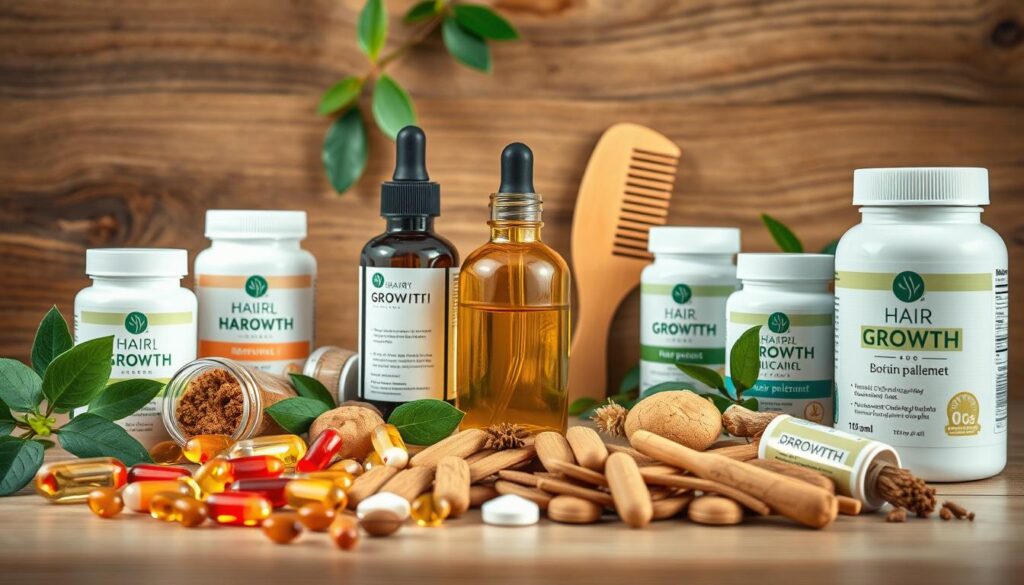
Choosing a supplement means matching science to your hair concerns, not simply picking a bottle. Many hair growth products are available, so use a careful process to find what suits your body.
Assessing Your Hair Type
Before starting a routine, consider your biological profile. Your age, sex, and current diet can affect how your follicles respond to nutrients.
If you suspect a deficiency, find its root cause instead of guessing. Understanding your hair type and thinning can help you choose effective hair growth products.
Reading Labels and Ingredients
Read the fine print on every bottle. Check serving sizes and exact active ingredient amounts to ensure a strong dose.
Choose products with independent third-party testing to confirm their purity. If you take a daily multivitamin, watch for overlapping nutrients and excessive intake.
“The secret of getting ahead is getting started, but the secret of staying ahead is choosing the right tools for your specific journey.”
Consulting with a Healthcare Professional
Hair thinning can sometimes signal a health problem that needs medical attention. Speak with a doctor if your hair loss is sudden, patchy, or persistent.
A professional can tell whether medication or an underlying health condition affects your hair loss. Prioritizing expert advice helps ensure your hair growth products are safe and appropriate for your long-term health goals.
Natural vs. Synthetic Hair Growth Supplements
Many people assume that natural hair growth supplements are always the safest choice, but reality is more complex. Marketing often highlights botanical purity, but “natural” does not always mean safer or more effective for everyone. We must consider how these products fit each person’s biological needs.
Understanding Natural Ingredients
Natural supplements often gain strength from whole-food sources, including plant extracts, marine proteins, and herbal blends. These ingredients provide vitamins, minerals, and essential fatty acids in forms the body may recognize more easily. Bioavailability is a key advantage because natural nutrients often include co-factors that support absorption.
Using only natural hair growth supplements requires careful attention to quality. Because these products come from organic matter, their potency may vary between batches. Choose reputable manufacturers that test products for heavy metals and other possible contaminants.
Pros and Cons of Synthetic Options
Synthetic supplements are made in laboratories to provide precise, concentrated doses of specific vitamins and minerals. Their main benefit is consistency: you know exactly how many milligrams of biotin or zinc each pill contains. This predictability helps you track intake and manage specific deficiencies.
Despite these benefits, synthetic options have challenges. Some synthetic vitamins, especially fat-soluble ones like Vitamin A or E, can build up in the body when taken in excess. This buildup may cause toxicity, and some users find isolated nutrients absorb less efficiently than nutrients from whole-food matrices.
The best choice depends on your health goals and current nutritional status. Synthetic options offer convenience and exact dosing, while natural alternatives may provide a more holistic approach to hair health. Consult a professional to find which option best fits your body’s needs.
When to Expect Results from Hair Growth Supplements
Patience matters when you begin a new routine with hair regrowth supplements. Hair grows in biological cycles, so major changes rarely appear within a few days or weeks. Treat these products as a long-term investment in scalp health, not a quick fix.

Factors Affecting Results
Several factors affect how quickly your body responds to hair regrowth supplements. Your nutrient status matters because correcting deficiencies can take time before your body supports hair production. The cause of thinning, such as hormonal changes, stress, or genetics, affects how well supplements may help.
Consistency may be the most important factor in your results. Skipping doses or missing a daily routine can interrupt the vitamins and minerals your follicles need. Adhering to the recommended dosage helps maintain levels that support the natural growth cycle.
Setting Realistic Expectations
Evaluate your progress at roughly three-month intervals. This timeframe lets hair follicles complete a full transition through resting and growth phases. Expecting immediate thickening after a few days is a common mistake that can cause needless frustration.
Most users notice better hair texture or less shedding before significant new growth. Keep a consistent log or take photos to track these gradual changes over time. Use the table below to understand the typical timeline for hair health improvements.
| Timeline | Expected Milestone | Focus Area |
|---|---|---|
| 1 Month | Improved scalp health | Nutrient absorption |
| 3 Months | Reduced hair shedding | Follicle stabilization |
| 6 Months | Visible hair regrowth | Density and volume |
| 12 Months | Full maturity | Maintenance of results |
Potential Side Effects of Hair Growth Supplements
Many people seek the top hair growth supplements, but these products can still pose risks. Even natural formulas may interact with your body and cause health problems without proper care.
Common Side Effects to Be Aware Of
Your body may react when you add concentrated nutrients to your daily routine. Many users report mild bloating, nausea, or stomach cramps, especially after taking high vitamin doses on an empty stomach.
Some ingredients in top hair growth supplements can interfere with laboratory test results. For instance, high biotin levels can distort thyroid and cardiac blood tests, causing inaccurate diagnoses. Nutrient toxicity is another risk, especially with fat-soluble vitamins that build up over time.
“Supplements are not a substitute for a balanced diet, and consumers should be wary of the potential for adverse interactions with existing medications or underlying health conditions.”
Who Should Avoid Them
Not everyone should use these products. Pregnant or breastfeeding people should consult a physician before starting any new regimen. Some herbal extracts may harm a developing fetus or infant. Reviewing natural hair supplements trends and myths can help you understand these products better.
People with kidney or liver conditions must use extreme caution because these organs process concentrated nutrients. If you take prescription medications, verify that your chosen top hair growth supplements will not cause harmful interactions. Anyone with unexplained hair loss should seek professional guidance before self-treatment, to rule out underlying medical issues.
| Risk Factor | Potential Concern | Recommended Action |
|---|---|---|
| Gastrointestinal | Nausea or Bloating | Take with food |
| Lab Interference | Inaccurate Blood Tests | Inform your doctor |
| Toxicity | Nutrient Overload | Follow dosage labels |
| Medical History | Organ Strain | Consult a specialist |
Lifestyle Changes to Support Hair Growth
Supplements offer a concentrated boost, but daily habits build the foundation for healthy hair growth. Use these products to complement your routine, not replace essential self-care. Supporting your overall well-being helps create conditions where your hair can thrive.
Importance of a Balanced Diet
Your hair reflects your internal health, so nutrition is the most critical factor in growth. Prioritize whole foods instead of relying only on megadose supplements. Protein, iron, and healthy fats give follicles the materials needed to produce strong strands.
Hydration and colorful produce also matter. Eating many fruits and vegetables gives you a wide range of vitamins and minerals. Consistency is key; balanced meals throughout the day provide the steady nutrient supply needed for optimal hair health.
The Role of Stress Management
High stress can disrupt your body’s natural cycles and may cause thinning or shedding. Calming your mind helps maintain hair vitality. Explore daily vitamin guide tips for stress to balance your nervous system and support recovery.
Mindfulness, deep breathing, and downtime can make a significant difference. Managing stress reduces the body’s physical burden. Then, your system can focus energy on growth and repair instead of survival.
Incorporating Regular Exercise
Physical activity can improve hair health. Regular exercise boosts blood flow, helping oxygen and vital nutrients reach your scalp. Improved circulation offers a simple way to support healthy hair follicles from within.
Brisk walking, yoga, and strength training can improve metabolic function. These habits support general health but cannot replace professional treatment for medical hair loss. View them as a holistic strategy to maximize results and maintain long-term hair strength.
Customer Reviews and Success Stories
Other people’s hair journeys can provide useful context as you explore your options. Many people share progress with brands like Nutrafol or Viviscal, showing how specific formulas affect daily routines.
View these stories as personal accounts, not clinical proof. Each person has unique biology that affects their response to a specific hair growth treatment.
Analyzing Reported Results
Pay close attention to the timelines users report in their reviews. Compare their ingredients, product use, and reported side effects with your health profile.
Some users see changes in texture, while others notice greater density over several months. These results depend on many factors beyond the supplement itself.
When to Seek Professional Guidance
Supplements may help when your body lacks nutrients needed for healthy follicles. If medical conditions cause your hair loss, these products may not produce the desired outcome.
A qualified healthcare professional can assess your needs and decide whether you need a specialized hair growth treatment. Expert medical advice can help you address the root cause safely and effectively.