

Did you know that your body produces nearly two million new red blood cells every second? This constant renewal depends on Vitamin B9, a vital nutrient. Without this nutrient, our systems may struggle to repair tissues or support healthy growth.
People often use these terms interchangeably, but natural folate from greens differs from synthetic folic acid in supplements. Knowing the difference between Folate and folic acid helps us make better daily wellness choices.
Whether you plan a pregnancy or want more energy, adding foods rich in Vitamin B9 to your diet is smart. Vitamin B9 powers cellular activity, so maintaining healthy levels supports long-term vitality.
Key Takeaways
- This nutrient is essential for DNA synthesis and cell division.
- Natural sources differ chemically from synthetic supplement versions.
- Adequate intake supports healthy blood formation and fetal development.
- Leafy greens and legumes are excellent dietary sources.
- Monitoring your levels helps prevent common deficiency symptoms.
What is Vitamin B9 and Why is it Important?
People often hear about Vitamin B9, but what is it, and why does the body need it? This essential, water-soluble nutrient belongs to the B-complex family. It is a basic building block for many critical processes inside the body.
Overview of Folate and Folic Acid
The term Vitamin B9 covers two forms: folate and folic acid. Folate occurs naturally in whole foods, including leafy greens and legumes. Folic acid is a synthetic form used in supplements and fortified foods.
Both forms support good health, but the body processes them differently. Knowing these differences helps us make better choices about nutrition and daily intake.
Differences Between Folate and Folic Acid
The main difference involves bioavailability and how the body processes each form. Research shows that folic acid is stable and absorbs at about 85% with food. Natural folate is more sensitive to heat and light, so its absorption rate is about 50%.
Because of these differences, many health experts suggest a balanced diet. Combining natural sources with fortified foods can help meet daily needs.
Importance in Cellular Function
The importance of Vitamin B9 is clear in the body’s basic biology. It acts as a coenzyme, supporting life-sustaining reactions at the microscopic level. Without enough of this vitamin, the body may struggle with basic maintenance.
Key roles of this nutrient include:
- DNA Production: It is essential for the synthesis and repair of genetic material.
- Protein Metabolism: It helps the body break down and utilize proteins efficiently.
- Red Blood Cell Formation: It supports the creation of healthy cells that carry oxygen throughout the body.
- Homocysteine Breakdown: It helps regulate levels of this amino acid to protect cardiovascular health.
These core functions show the importance of Vitamin B9 for long-term wellness. Maintaining sufficient levels supports the body’s internal systems every day.
Health Benefits of Vitamin B9
Vitamin B9 builds and supports the body, helping essential processes work well. Learning about the benefits of folate shows how this nutrient supports daily health. The Benefits of Folate make it more than a supplement; the body needs it to live.
Supports Cell Division and Growth
Vitamin B9 helps make and repair DNA, which supports cell division. Without enough, cells may not divide and copy themselves correctly. This process is critical for renewing skin, blood, and digestive tissues.
Focusing on the benefits of folate supports healthy tissue growth. This steady cell renewal helps our internal systems work smoothly throughout life.
Aids in Brain Health
This vitamin also supports neurological health. Researchers believe the health benefits of folic acid include brain information processing and mood control. It helps produce neurotransmitters that keep the mind sharp and balanced.
Although it is not a cure-all, keeping proper levels is a smart strategy for long-term cognitive health. Daily nutrients can strongly affect our mental clarity.
Reduces Risk of Birth Defects
Among the health benefits of folic acid is support for early fetal development. During early pregnancy, this nutrient helps the baby’s neural tube form properly.
Ensuring sufficient intake around conception significantly lowers the risk of serious complications. We consider this one of the most impactful ways to protect future generations. It remains a cornerstone of prenatal care for expecting mothers everywhere.
Recommended Daily Intake of Vitamin B9
Meeting your goals starts with the recommended daily intake of folate. We measure folate using dietary folate equivalents, or DFE. This measure accounts for how bodies absorb natural folate and synthetic supplements.
These measurements help provide the right amount of Vitamin B9 for essential cell processes. Following these guidelines supports better health throughout life.
Guidelines for Different Age Groups
Your Vitamin B9 needs change as you grow and age. Most healthy adults need a baseline amount for metabolism and DNA synthesis.
| Age Group | Recommended Intake (mcg DFE) | Primary Goal |
|---|---|---|
| Children (1-3 years) | 150 mcg | Growth Support |
| Children (4-8 years) | 200 mcg | Cell Development |
| Adults (19+ years) | 400 mcg | Maintenance |
| Lactating Women | 500 mcg | Nutrient Transfer |
Special Considerations for Pregnancy
During pregnancy, the recommended daily intake of folate rises significantly. Expecting mothers should consume 600 mcg DFE daily for fetal growth and neural tube protection.
Diet alone may not provide this amount. Many healthcare providers suggest prenatal supplements containing folic acid for steady nutrient levels.
Tolerable Upper Intake Levels
Getting enough Vitamin B9 matters, but upper limits also matter. The tolerable upper intake level for adults is 1,000 mcg daily.
This limit applies to folic acid from fortified foods and dietary supplements. Natural folate in whole foods does not share this risk, making these foods safe daily sources.
Food Sources Rich in Folate
Finding reliable Sources of Folic acid at your local supermarket is easier than you may think. Many people use supplements, but whole foods provide a strong foundation for health. Naturally occurring folate in food and synthetic folic acid are processed differently by our bodies.
Eating different foods can increase your intake of Foods rich in Vitamin B9. Choose fresh, whole ingredients to support nutrient absorption and overall wellness.
Leafy Greens and Vegetables
Dark, leafy greens are among the best sources of folate. Spinach, kale, and collard greens should be kitchen staples. Lightly steam these vegetables to preserve their delicate nutrients.
Asparagus and Brussels sprouts also make excellent additions to meals. They provide many vitamins and essential fiber for digestive health.
Legumes and Pulses
Beans, lentils, and chickpeas are nutrient-rich foods for a heart-healthy diet. These plant proteins work well in soups, salads, and stews. Eating legumes often can help maintain steady energy throughout the day.
Fortified Foods
In the United States, many grain products are enriched to help people meet daily requirements. Breakfast cereals, enriched pasta, and white bread often contain synthetic folic acid. Check nutrition labels to track your daily intake.
| Food Item | Serving Size | Folate Content (Approx.) |
|---|---|---|
| Cooked Lentils | 1/2 cup | 180 mcg |
| Spinach (Boiled) | 1/2 cup | 130 mcg |
| Fortified Cereal | 1 cup | 100-400 mcg |
| Asparagus | 4 spears | 90 mcg |
Consistency is key when planning meals with these nutrient-rich foods. Mix fresh produce with fortified staples to support your body every day.
Signs of Vitamin B9 Deficiency
When your body lacks key nutrients, it may signal that something is wrong. A Vitamin B9 deficiency can disrupt body systems and change how you feel each day. Early recognition supports your overall well-being.
Common Symptoms to Watch For
The most common sign of low levels is megaloblastic anemia, which produces unusually large, immature red blood cells. This condition makes it harder for blood to carry oxygen, causing lasting fatigue and weakness.
You may also have trouble thinking clearly. Common problems include poor concentration, irritability, and brain fog. Consult a healthcare professional for an accurate diagnosis instead of guessing the cause.
“Health is a state of complete physical, mental and social well-being and not merely the absence of disease or infirmity.”
At-Risk Populations
Some groups face a higher risk of Folate deficiency because of lifestyle factors or medical history. People with alcohol-use disorders face special risk because alcohol blocks this nutrient’s absorption and storage.
Other groups that need careful monitoring include:
- Women who are pregnant or planning to conceive.
- People with intestinal malabsorption issues like Celiac disease.
- Patients who have undergone recent digestive surgeries.
- Individuals with specific genetic variants that affect how the body processes folic acid.
Consequences of Long-Term Deficiency
Leaving a Vitamin B9 deficiency untreated can cause serious health problems. Low folate levels may harm cardiovascular health by raising homocysteine, which can strain your heart and blood vessels.
Long-term depletion can also limit DNA repair and healthy cell division. Getting enough folic acid through a balanced diet or supplements may help protect long-term vitality.
How to Supplement Vitamin B9
Whole foods provide the main sources of Folic acid. Supplements may help when your body needs extra support. Ask a health professional which approach fits your health needs.
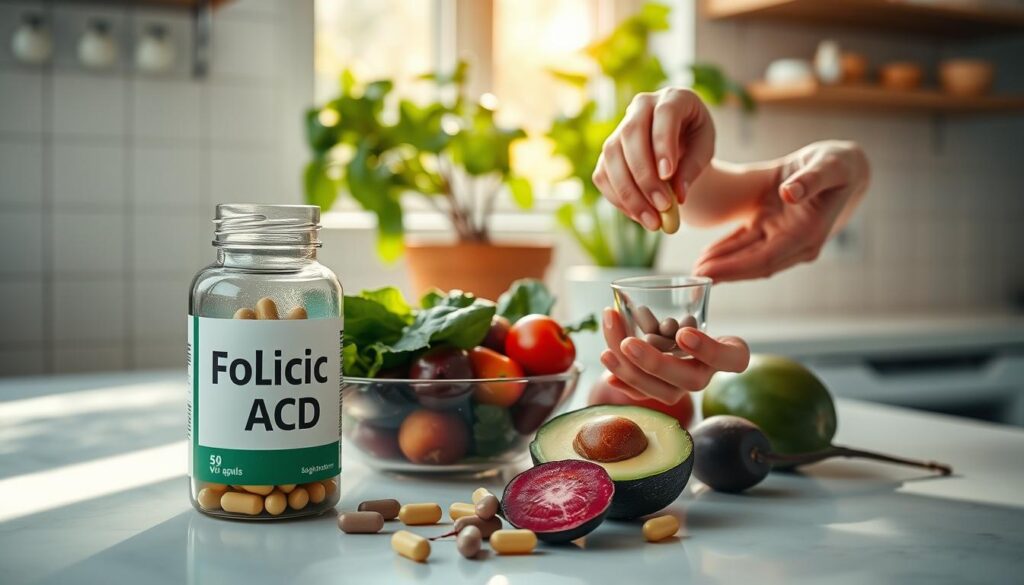
Types of Folic Acid Supplements
Different forms of Vitamin B9 fit different needs. Tablets are common and help you maintain a steady intake. Liquid options help people who have trouble swallowing pills and are easy to measure.
Multivitamins include this nutrient with other nutrients. Choose a form that feels comfortable and fits your daily routine.
| Supplement Type | Best For | Key Benefit |
|---|---|---|
| Tablets | General use | Easy to store and dose |
| Liquid | Difficulty swallowing | Rapid absorption |
| Multivitamins | Comprehensive health | Balanced nutrient intake |
Recommended Dosage
The right amount of Folic acid varies by person. Your age, health, and reason for taking it affect your dosage. It is crucial to follow your clinician’s instructions instead of taking extra amounts alone.
“Supplementation should always be viewed as a complement to a balanced diet, not a replacement for the natural nutrients found in whole foods.”
Potential Interactions with Medications
Before taking Vitamin B9, consider how it may interact with other substances. Prescription medicines, herbal products, and supplements may change how your body processes this nutrient. Ask your doctor or pharmacist to review your current medication list.
Clear communication with your healthcare provider helps keep your Folic acid intake safe and effective. Review Sources of Folic acid and possible interactions to protect your long-term wellness. Stay informed and proactive about your health choices.
Vitamin B9 and Mental Health
New research suggests that daily nutrients may affect our mental well-being. While fitness matters, the health benefits of Folic acid and other B vitamins support brain and nerve function.
Connection Between Folate and Mood Disorders
Our bodies use Folate to make neurotransmitters, including serotonin, dopamine, and norepinephrine. These chemicals help regulate mood and emotional balance.
When Vitamin B9 levels are low, the body may struggle to process homocysteine. High homocysteine can stress the nervous system and affect mood and mental clarity.
Research Findings and Studies
Studies continue to examine how nutrition affects psychological health. Evidence does not show that supplements cure everything, but low nutrient levels often link with lasting low mood.
View these findings with care. Adequate intake is a foundational step for brain health, not a replacement for medical care or therapy.
Tips for Incorporating Folate in Your Diet
Choose nutrient-rich foods to gain the health benefits of Folic acid naturally. A balanced diet gives the brain important support.
Add these foods to your weekly grocery list:
- Leafy greens: Spinach, kale, and collard greens are excellent sources of Folate.
- Legumes: Lentils, chickpeas, and black beans provide plenty of Vitamin B9.
- Fortified grains: Many cereals and breads are enriched to help meet daily requirements.
- Fresh fruits: Citrus fruits and papayas offer a refreshing way to increase your intake.
The Role of Vitamin B9 in Pregnancy
When planning a family, understanding both mother’s and child’s nutritional needs is essential. The importance of Vitamin B9 is clear because folate helps build new life. Early in conception, this nutrient supports rapid cell division and vital structure formation.
Importance for Fetal Development
During the first few weeks of pregnancy, the neural tube forms and later becomes the baby’s brain and spinal cord. Adequate folate is crucial then because it helps prevent neural tube defects. Many women do not know they are pregnant until weeks after conception, so steady folate levels support reproductive health.
People trying to conceive should prioritize nutrient intake early. Enough folate before pregnancy creates a healthy setting for the baby’s development. This proactive approach is a cornerstone of prenatal care.
Recommended Supplements for Expecting Mothers
The recommended daily intake of Folate is usually higher during pregnancy than for other adults. It meets the needs of the growing fetus. Most healthcare providers suggest taking a daily folic acid well before conception and through pregnancy’s first 12 weeks.
Standard prenatal vitamins often provide enough, but some people may need higher doses because of their medical history. It is essential to ask a qualified healthcare professional about the right regimen for your needs. Never change your dose without guidance, because personalized care supports safety and efficacy.
| Stage of Pregnancy | Focus Area | Typical Recommendation |
|---|---|---|
| Pre-conception | Neural tube preparation | Standard prenatal dose |
| First 12 Weeks | Rapid fetal growth | Consistent daily intake |
| Second/Third Trimester | Continued development | Maintain healthy levels |
Folate in Aging Populations
For older adults, learning about Benefits of Folate can support long-term wellness. As bodies change, specific nutrients help protect vitality and cognitive function. Adding daily vitamins for seniors may help fill dietary gaps.

Benefits of Folate for Seniors
The benefits of folate reach beyond basic cell support. For seniors, enough folate supports clear thinking and heart health. By regulating homocysteine, folate helps protect the heart from age-related stress.
“Nutrition is the cornerstone of healthy aging, providing the fuel our cells need to repair and thrive throughout our later years.”
Folate also supports energy production. Healthy levels may reduce fatigue, helping seniors stay active in daily life.
Managing Deficiency Risks in Older Adults
We must watch for signs of Vitamin B9 deficiency, which can resemble other age-related conditions. Persistent fatigue, weakness, or cognitive fog should prompt a healthcare discussion. Test folate and vitamin B12 levels together for a more accurate diagnosis.
Excessive folic acid can mask vitamin B12 deficiency. This may let neurological damage worsen without detection. Regular medical monitoring helps maintain nutrient balance and prevent unwanted effects.
| Nutrient Factor | Impact on Seniors | Recommended Action |
|---|---|---|
| Cognitive Health | Supports memory | Monitor intake |
| Energy Levels | Reduces fatigue | Eat leafy greens |
| B12 Interaction | Masking risk | Consult a doctor |
Staying informed and working with medical teams helps us manage nutritional needs. A balanced diet and professional guidance remain the safest path to healthy aging.
Vitamin B9 and Homocysteine Levels
Modern nutrition science recognizes the link between vitamin B9 and metabolic markers. Folate acts as a vital cofactor when the body converts homocysteine into methionine. This process helps maintain balance within our internal systems.
How Folate Regulates Homocysteine
Homocysteine is a common amino acid found in the blood. Normally, the body converts it into substances needed for energy and cell repair. Folate, or vitamin B9, plays a key role in this chemical pathway.
Without enough vitamin B9, homocysteine can build up in the bloodstream. Healthcare providers often monitor this buildup as a possible sign of metabolic stress. Understanding the Importance of Vitamin B9 shows how simple dietary choices affect complex body chemistry.
Importance for Cardiovascular Health
Many researchers have studied the link between high homocysteine and heart-related concerns. High levels are often linked to vascular issues. However, lowering a laboratory marker does not guarantee preventing every cardiovascular event.
The health benefits of Folic acid are best understood as part of complete wellness care. These Health benefits of Folic acid support exercise, balanced food, and adequate nutrient intake for heart health. Supporting natural metabolic pathways gives the body tools to work well.
| Nutrient | Primary Role | Impact on Homocysteine |
|---|---|---|
| Vitamin B9 (Folate) | DNA Synthesis | Helps convert to methionine |
| Vitamin B6 | Protein Metabolism | Assists in breakdown pathways |
| Vitamin B12 | Nerve Function | Works with folate for regulation |
Myths About Vitamin B9
Health choices require facts, not myths. Conflicting advice about nutrients can make daily choices hard. Evidence helps us understand nutrition and avoid common mistakes.
Common Misconceptions Debunked
Many people think high doses of folic acid always improve health. Folic acid supplements have limits. Extra amounts offer no added benefit and may cause unwanted effects.
High intake may hide signs of a Vitamin B9 deficiency or, more seriously, a vitamin B12 deficiency. This delay can prevent timely treatment for other health problems. With supplements, more is not always better.
“Nutrition is not about finding the magic pill, but about understanding the balance your body requires to function at its best.”
Clarifying the Science Behind Folate
Many people confuse natural Folate, called folate, with synthetic folic acid. Both forms provide the same vitamin, but the body processes them somewhat differently. Knowing this difference can help you choose healthy food sources.
Some people fear fortified foods, but they safely help prevent a Vitamin B9 deficiency in the general population. Keep these points in mind:
- Natural sources like leafy greens are always the best starting point for your intake.
- Synthetic supplements are useful for specific needs, such as pregnancy, but should be taken under guidance.
- Routine dietary folate intake from whole foods is rarely associated with the risks linked to high-dose supplements.
Choose balance over excess. Whole foods provide needed nutrients without the risks of over-supplementation. Ask a healthcare provider before starting a new regimen.
Conclusion: Embracing Vitamin B9 for a Healthier Life
Understanding nutrients can improve your daily health. Vitamin B9 supports key body processes, including DNA synthesis and healthy red blood cell production.
Key Takeaways for Daily Health
Proper Vitamin B9 levels support cardiovascular function by managing homocysteine levels. Regular intake supports steady growth and proper fetal development during pregnancy. These processes help your body function well every day.
Integrating Nutrients Into Your Lifestyle
Choose Foods rich in Vitamin B9 to increase your intake. Add leafy greens, beans, fruits, and whole grains to meet your nutrition goals. Eggs and various fortified products can also complete your diet.
Match your supplement choices to your specific age, health conditions, and current medications. Consult a healthcare professional to create a plan for your needs. These proactive steps can help you lead a vibrant, healthy life.