
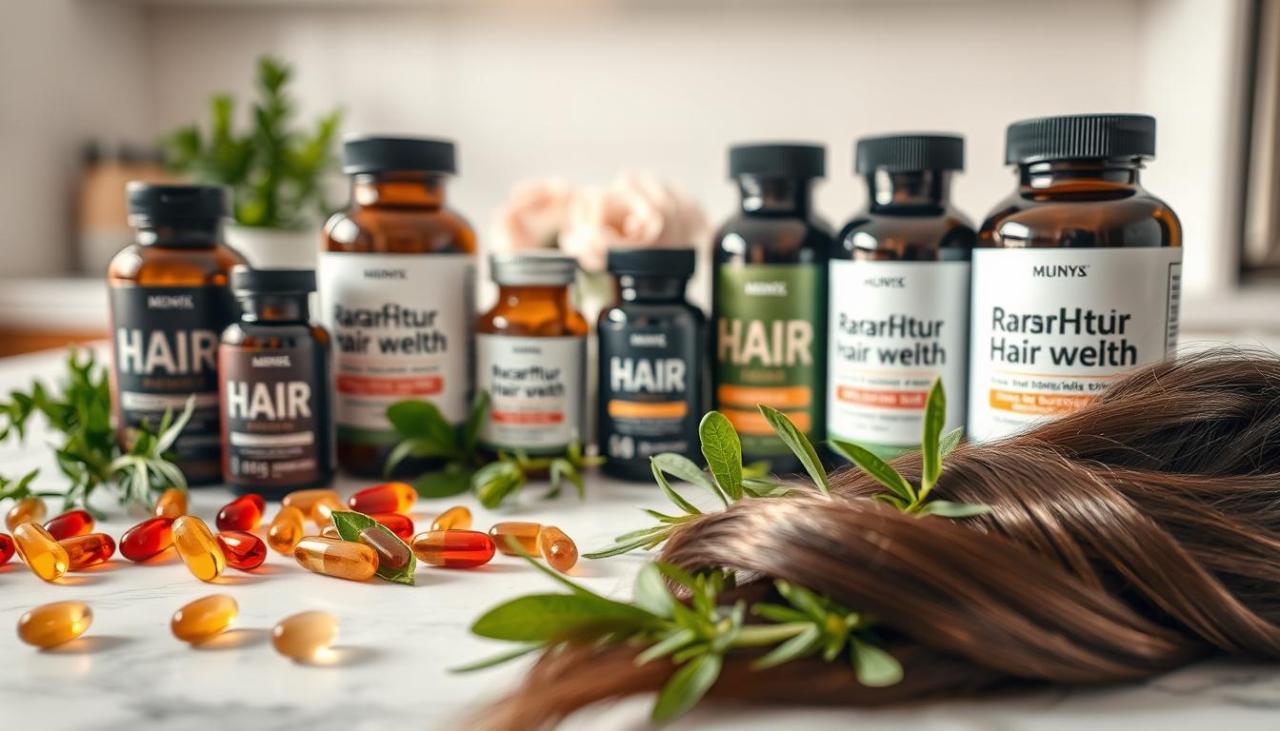
Did you know your strands grow roughly one millimeter each day? Though this process seems slow, it shows why patience matters when seeking better density and texture.
Many people use hair growth vitamins to improve their appearance, but these products can create unrealistic expectations. Supplements mainly fill nutritional gaps, rather than acting as a miracle cure for thinning.
Consistency remains the most important factor in your journey toward better scalp health. Because follicles follow a natural cycle, wait at least three months before checking for visible changes. Using hair growth vitamins effectively requires balanced nutrition and realistic goals for your unique biology.
Key Takeaways
- Strands typically extend by one millimeter daily, requiring patience for visible results.
- Supplements work best by correcting underlying nutritional deficiencies.
- Avoid expecting instant transformations from any single product.
- Commit to a three-month period to accurately assess your progress.
- Focus on overall health to support the natural cycle of your follicles.
What Are Hair Growth Vitamins?
Hair health starts with understanding targeted nutritional supplements. These products provide concentrated nutrients that correct deficiencies or support normal hair follicle and shaft functions. Finding the best vitamins for hair growth means identifying what your body lacks, not following marketing trends.
Definition and Purpose
Hair growth vitamins are dietary supplements that provide building blocks for keratin production. A balanced diet supports health, but supplements can help people who miss nutrients from food. You can visit hair vitamins to explore options for your daily routine.
Biotin deficiency is rare in healthy people who eat a standard diet. Therefore, the best vitamins for hair growth should match your nutritional needs, not promise miraculous results.
Key Ingredients
Most effective supplements blend vitamins and minerals that support different parts of hair health. The table below lists common ingredients and their main roles.
| Ingredient | Primary Function | Benefit |
|---|---|---|
| Biotin | Keratin production | Strengthens hair shaft |
| Vitamin D | Follicle stimulation | Promotes new growth |
| Iron | Oxygen transport | Prevents excessive shedding |
| Zinc | Tissue repair | Maintains scalp health |
Understanding these components helps you choose supplements that may help. The best vitamins for hair growth work best with a healthy lifestyle and balanced diet.
How Do Hair Growth Vitamins Work?
When we consider natural hair growth supplements, we should understand how hair follicles work. These products mainly fill nutrition gaps that may disrupt the body’s healthy hair cycle.
Nutritional Contribution
Our bodies need certain vitamins for tasks such as making collagen and absorbing minerals. For instance, Vitamin C acts as an antioxidant and helps make collagen, a protein that strengthens hair.
Our cells also need enough iron to work properly. Iron helps carry oxygen to hair follicles, a critical step for steady growth. Vitamin D also supports new hair follicle development and helps the growth cycle run well.
Role in Hair Follicle Health
Some minerals may also support cell replication, a complex process. Magnesium may help with protein synthesis, which creates keratin, the main protein in hair strands.
Many natural hair growth supplements contain these ingredients, but evidence for routine use remains limited. These nutrients can support health, but they are not miracle cures. A balanced diet remains the best way to give follicles building blocks for long-term health.
Benefits of Hair Growth Vitamins
Good nutrition supports hair, and targeted supplements offer several benefits. It is important to know that vitamins for thick hair work best when they correct specific nutritional gaps. They supply building blocks for stronger strands, especially for people with nutritional deficiencies.
Improved Hair Thickness
Hair is mainly made of keratin, a protein. Essential amino acids and collagen support the hair shaft’s structure. With enough nourishment, follicles may produce hair that looks visibly thicker and resists daily damage.
Enhanced Scalp Health
A healthy scalp supports strong hair growth. Vitamin D helps maintain the skin barrier and supports the hair follicle cycle. Prioritizing scalp health creates a better setting for hair to thrive, a key benefit of quality vitamins for thick hair.
Reduced Hair Shedding
Excessive shedding often connects to low iron or other essential minerals. Correcting these deficiencies may stabilize the hair growth cycle and reduce unnecessary loss. Regular use of suitable supplements can lead to a noticeable reduction in shedding and help maintain a fuller look over time.
| Nutrient | Primary Benefit | Impact on Hair |
|---|---|---|
| Collagen | Structural Support | Increases shaft strength |
| Iron | Oxygen Transport | Reduces excessive shedding |
| Vitamin D | Follicle Health | Supports growth cycle |
| Biotin | Keratin Production | Promotes hair thickness |
Top Hair Growth Vitamins on the Market
Choosing among the crowded market of top rated vitamins for hair growth takes care and attention to quality and evidence. Many products promise thicker, fuller hair, but marketing claims may not show clinical results. Separate general nutrition support from treatments made for medical hair loss.
Biotin Supplements
Biotin is perhaps the most famous ingredient in hair supplements. Many people assume extra biotin will automatically make hair grow faster. Research shows biotin helps only people with a documented deficiency; high doses may not help most others.
Viviscal Professional
Viviscal Professional uses a proprietary marine complex called AminoMar, studied in several clinical trials. Consistency is key, and clinical evidence may set it apart from generic alternatives. Most users need daily use for several months to notice visible changes in hair density.
“True hair health is a marathon, not a sprint; it requires a foundation of balanced nutrition rather than a reliance on quick-fix pills.”
Nutrafol for Hair Growth
Nutrafol targets several root causes of thinning, including stress, hormones, and environmental factors. Its products often contain botanicals such as ashwagandha and saw palmetto. These ingredients are popular in wellness, but they work differently from FDA-approved medicines for pattern hair loss.
| Supplement | Primary Focus | Evidence Level |
|---|---|---|
| Biotin | Nutrient Deficiency | Low (for non-deficient) |
| Viviscal | Marine Complex | Moderate (Clinical) |
| Nutrafol | Multi-Targeted | Moderate (Botanical) |
When judging top rated vitamins for hair growth, prioritize clear information and quality ingredients. Treat these supplements as a complementary tool, not a replacement for medical advice. Always consult a healthcare provider before starting a new regimen for your specific health needs.
How to Choose the Right Hair Growth Vitamins
Choosing the best hair growth pills starts with understanding your body and needs. Hair thinning affects everyone differently, so one solution rarely works for all.
Assessing Your Hair Type
Before buying supplements, review your current hair health. Consider your daily diet, recent medical history, and possible causes of shedding.
Do you have stress-related hair loss, or could nutritional gaps cause it? Finding the cause helps you choose hair growth pills that may support your follicles. If you have known deficiencies, targeting them may work better than a generic multivitamin.
Reading Labels for Effective Ingredients
When reading labels, look beyond marketing claims on the bottle’s front. Check serving sizes and the specific ingredient forms in the formula.
It is crucial to check possible risks before choosing supplements. The adult upper limit for iron is generally 45 milligrams per day. Excessive vitamin A can harm you, so check that its dosage stays within safe, recommended ranges.
High doses of biotin can interfere with some laboratory test results. Tell your healthcare provider about any hair growth pills you take before blood work. Checking safety and ingredient quality helps protect your long-term hair health.
Natural Sources of Hair Growth Vitamins
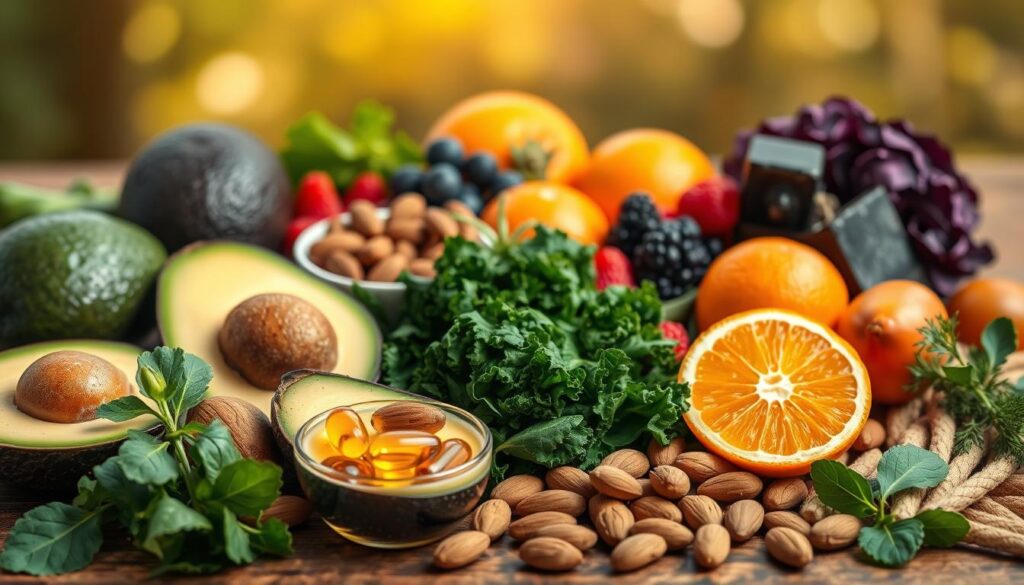
Vibrant hair often starts with the nutrients we eat each day. Supplements may help, but whole foods offer a lasting way to get the best vitamins for healthy hair. A nutrient-rich diet gives our bodies the building blocks for strong, resilient hair.
Foods Rich in Biotin
Biotin, also called Vitamin B7, helps the body make keratin, the main protein in hair. We can add biotin to meals with simple, accessible foods. Egg yolks are a well-known source, along with almonds, walnuts, and sunflower seeds.
Sweet potatoes and spinach are excellent plant-based choices that support hair health. If food alone makes intake hard to track, consider a daily vitamin for hair and nails to fill the gap. Still, a balanced plate remains our main recommendation for long-term success.
Importance of Omega-3 Fatty Acids
Omega-3 fatty acids are essential fats that our bodies cannot make. Fatty fish, including salmon, mackerel, and sardines, provide these healthy fats. These nutrients may support scalp circulation and deliver nourishment to hair follicles.
For plant-based options, flaxseeds, chia seeds, and walnuts offer healthy fats. Evidence linking these fats to rapid hair growth is still developing, but their role in a healthy scalp is well documented. Adding them to meals may support the best vitamins for healthy hair from the inside out.
| Nutrient Source | Primary Benefit | Recommended Serving |
|---|---|---|
| Salmon | Omega-3 Fatty Acids | 3-4 ounces |
| Egg Yolks | Biotin & Protein | 1-2 large eggs |
| Walnuts | Healthy Fats & Biotin | 1 small handful |
| Sweet Potatoes | Beta-Carotene | 1 medium potato |
Potential Side Effects of Hair Growth Vitamins
Supplements may seem harmless, but vitamins for hair regrowth can cause adverse reactions. These problems often occur when we take them without need, mix them with medicines, or exceed daily limits. Anyone seeking healthier hair must balance safety with effectiveness.
Common Reactions
Many supplements contain high levels of specific nutrients that may cause discomfort when taken in excess. Too much zinc can cause nausea, stomach cramps, and headaches. Likewise, high doses of vitamin D or vitamin C may upset digestion or limit mineral absorption.
“Supplementation should always be approached with caution, as the body has specific limits for nutrient processing that, when exceeded, can lead to unwanted physiological stress.”
This table shows potential risks linked to common ingredients in hair growth supplements:
| Nutrient | Potential Side Effect | Common Cause |
|---|---|---|
| Zinc | Nausea and vomiting | Excessive daily dosage |
| Vitamin D | Hypercalcemia | Long-term high-dose intake |
| Vitamin C | Diarrhea or bloating | High-concentration supplements |
| Biotin | Skin breakouts | High-dose interference |
When to Consult a Doctor
We strongly advise seeking medical guidance before starting a new regimen, especially with existing health conditions. It is crucial to speak with a healthcare provider after sudden, severe, or lasting symptoms begin. This matters especially if you take prescription medicines, because some vitamins for hair regrowth may interact with them.
If your health changes unexpectedly, stop the supplement immediately and contact your doctor. Your safety comes first, and a professional can decide whether the product suits your biological needs. A proactive approach can keep your journey toward thicker hair effective and safe.
Expert Opinions on Hair Growth Vitamins
Doctors and nutritionists often give more careful advice about hair health than marketing claims suggest. It helps to understand how vitamins for hair growth and thickness work in the body, beyond the hype. Experts agree that supplements are not a universal answer.
Dermatologist Recommendations
Dermatologists first look for the cause of hair problems. They may order blood tests to find specific nutritional deficiencies instead of suggesting one pill for everyone. Correcting a documented deficiency works better than taking random supplements without a medical need.
If a health issue causes hair loss, a doctor may suggest targeted treatment. Evidence-based treatments address the root problem. Using strong research helps you avoid wasting time or money on products that may not work.
Insights from Nutritionists
Nutritionists say a balanced diet supports healthy hair. Many people choose biotin, but high-dose supplements lack strong evidence for healthy people. Experts often recommend nutrients such as Vitamin D, iron, and Vitamin C, which support follicle health.
These professionals remind us that supplements should complement, not replace, a healthy diet. Whole foods give your body the building blocks needed for strong hair. When choosing vitamins for hair growth and thickness, consult a professional for safe advice suited to your biological needs.
Combining Hair Growth Vitamins with Other Treatments
The best results often come from combining internal support with targeted external treatments. While hair growth vitamins for women and other adults supply nutrients, they support treatment rather than cure hair loss alone.
Supplements do not replace a professional medical diagnosis. If you have significant thinning, a dermatologist can help identify your specific condition and its root cause.
The Role of Topical Solutions
Topical treatments can work with internal nutrition to create a better environment for hair follicles. FDA-approved options like minoxidil stimulate blood flow directly to the scalp and may complement the benefits of nutrition and vitamins.
These methods address hair loss from two angles. Consistency is key when using topical solutions because visible changes in density and texture take time.
Importance of a Holistic Approach
A strong hair health plan considers your whole lifestyle. Beyond taking hair growth vitamins for women, use gentle care, avoid harsh chemicals, and limit heat styling.
Stress management, enough sleep, and a balanced diet also support healthy hair. Combining these habits with medical evaluations and proven therapies creates a strong plan for long-term growth.
| Treatment Type | Primary Function | Best For |
|---|---|---|
| Nutritional Supplements | Internal follicle support | Addressing nutrient gaps |
| Topical Minoxidil | Stimulates blood flow | Pattern hair loss |
| Lifestyle Changes | Reduces systemic stress | Overall hair health |
| Medical Evaluation | Diagnosis of root cause | Chronic thinning |
Testimonials: Real Results from Hair Growth Vitamins Users
Reviewing hair care claims takes care, since user hair vitamin results can range from major changes to small texture shifts.
Your biology strongly affects how these products work. Many people succeed after fixing a nutrient gap, rather than adding more vitamins to their daily routine.
Understanding Diverse Outcomes
Read hair supplement testimonials with a balanced view. Some users report thicker strands and less shedding, while others see little change after months of regular use.
Stress, genetics, and current styling habits can shape your hair’s final look. A three-month trial usually shows whether a regimen fits your health goals.
Moving Toward a Holistic Strategy
If progress seems unclear, consult a dermatologist or qualified healthcare provider. They can check whether thinning comes from a deficiency or a more complex medical condition.
Combining internal support with high-quality topical treatments often gives the most reliable results. Overall wellness remains the best path to the strong, vibrant hair you want.