
Did you know your scalp has over 100,000 follicles, and each one needs specific fuel to work? Many people think a pill ensures healthy hair growth, but the truth is more complex. When resources are scarce, the body sends them to internal organs before hair.
Learning how essential nutrients affect your follicles is the first step toward real results. We must separate a true deficiency from the need for heavily marketed Hair growth vitamins that may not suit everyone. True vitality comes from a balanced diet, not isolated supplements.
Whole foods provide hair-supporting nutrients that can build a lasting foundation for well-being. This guide explains when you truly need extra support and when a professional evaluation is best.
Key Takeaways
- Focus on whole food sources before turning to supplements.
- Identify if you have a genuine deficiency through blood work.
- Understand that follicles prioritize internal health over aesthetics.
- Avoid over-reliance on heavily marketed products without professional advice.
- Prioritize a balanced diet to ensure long-term follicle function.
Why nutrition matters for hair growth
We often miss the vital link between food and healthy hair follicles. Good hair growth nutrition supplies building blocks for the hair follicle cycle to work well. When the body lacks fuel, it often delays hair production first.
Severe protein deficiency can weaken your hair’s structure. Hair mostly contains keratin, so low dietary protein makes the body save resources. This change can cause thin, brittle strands that break easily.
Sudden diet restrictions or extreme calorie deficits can trigger a condition known as telogen effluvium. This common, reversible condition causes diffuse shedding and pushes hair into its resting phase early. Although temporary, it shows how sensitive follicles are to stress inside the body.
A nutrient deficiency is only one piece of the puzzle. A balanced diet supports normal growth, but it cannot fix hair loss from genetics, hormonal imbalances, or inflammation. We should view nutrition as foundational support, not a universal cure for all hair thinning.
| Cause of Hair Loss | Primary Driver | Nutritional Impact |
|---|---|---|
| Telogen Effluvium | Stress or Diet | High |
| Androgenetic Alopecia | Genetics/Hormones | Low |
| Nutritional Deficiency | Dietary Intake | Critical |
| Inflammatory Alopecia | Immune Response | Minimal |
Which vitamins support normal hair growth?
Hair follicles need a precise nutrient balance to work well. Many people use hair growth vitamins for thinning, but these compounds interact with the body’s biology. Vitamins support chemical reactions that help cells divide inside the hair root.
Vitamin A, C, and E
Vitamin A supports cell growth because every body cell needs it to develop properly. It helps skin glands make sebum, an oil that moisturizes the scalp and supports healthy hair. Too much vitamin A, however, may cause hair loss.
Vitamin C is an antioxidant that protects cells from free radicals and oxidative stress. It also helps the body make collagen, a structural protein that supports hair. Vitamin C helps the body absorb iron, another mineral important for hair health.
Vitamin E also reduces oxidative stress. It helps protect follicles and maintain the hair shaft. Consistent intake through a balanced diet usually works better than high-dose supplements.
B vitamins and biotin
The family of B vitamins helps make red blood cells, which carry oxygen and nutrients to the scalp and follicles. Biotin is one of the best-known B vitamins. Although many people take biotin supplements, true deficiency is rare in the general population.
Most people get enough biotin from a standard diet. Large doses of these vitamins do not automatically make hair grow faster or thicker when levels are normal. Choose varied whole foods instead of relying on isolated, high-dose pills.
Vitamin D
Research suggests that low vitamin D levels often link to hair loss conditions. Vitamin D helps create new follicles, the tiny scalp pores where hair grows. Healthy levels support the hair cycle’s normal processes.
Because vitamin D dissolves in fat, body tissues store it. Taking too much without a diagnosed deficiency can cause toxicity. Consult a professional to learn whether your levels are low before starting supplements.
| Vitamin | Primary Role | Common Food Source |
|---|---|---|
| Vitamin A | Sebum production | Sweet potatoes, carrots |
| Vitamin C | Collagen synthesis | Citrus fruits, bell peppers |
| Vitamin E | Antioxidant protection | Almonds, sunflower seeds |
| Biotin | Energy metabolism | Eggs, whole grains |
| Vitamin D | Follicle development | Fatty fish, fortified milk |
Which minerals matter for hair growth?
Vitamins get attention, but minerals also support healthy hair growth cycles. These inorganic elements help build strong hair strands through key biological processes. A lasting mineral deficiency can disrupt these processes and change hair density or texture.
Iron
Healthy iron levels help make hemoglobin, which carries oxygen to cells, including hair follicles. When iron is low, the body protects vital organs and may leave follicles short of oxygen. This iron for hair growth support matters especially for menstruating women, people on restrictive diets, and those with malabsorption issues.
If you suspect an iron deficiency, see a healthcare provider for blood tests before taking supplements. Too much iron can harm you, so professional guidance helps meet your body’s actual needs.
Zinc
Zinc helps hair tissue grow and repair. Proper zinc intake also helps oil glands around follicles work correctly. However, use supplements carefully.
A documented deficiency may increase shedding, but excess zinc can block absorption of other essential minerals. Choose food sources first to support balance and avoid high-dose pill risks.
Selenium
Selenium is an essential trace mineral that supports the body’s antioxidant defenses. It helps shield hair follicles from oxidative stress caused by environmental factors. The body needs very little, so the gap between a healthy level and toxicity is small.
Use a careful clinical approach when considering selenium supplements. Most people with varied diets rarely need them because the body needs very little selenium. Prioritize whole foods to avoid possible complications from excessive supplements.
Which foods supply hair-supporting nutrients?
A balanced diet supports strong, healthy hair growth. Eating various hair-supporting foods gives follicles needed nutrients and helps prevent a protein deficiency.
Meat, seafood, eggs, and dairy
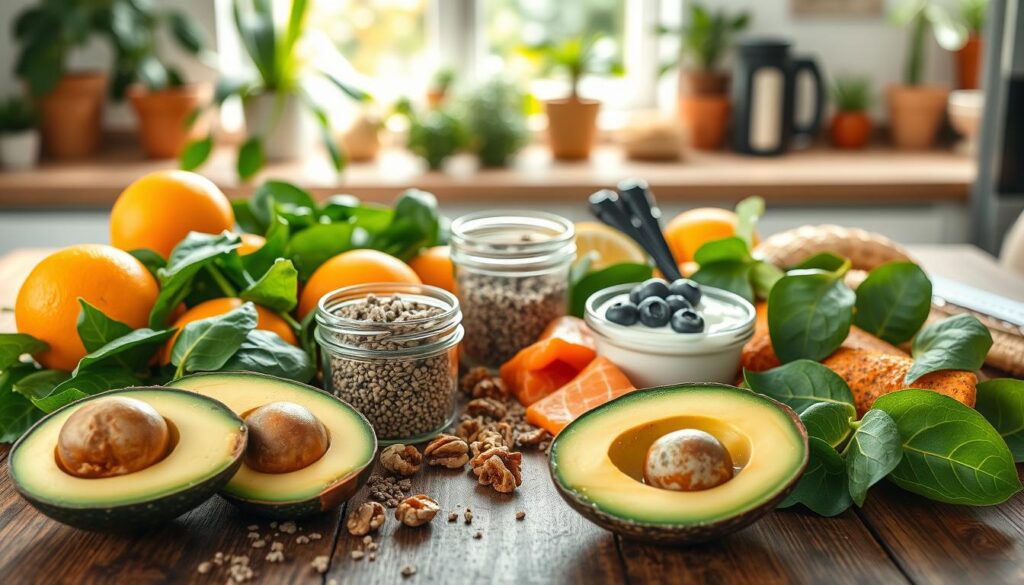
Animal products provide high-quality protein for hair growth. Eggs also provide biotin, a vitamin needed to make keratin.
- Fatty fish like salmon and mackerel offer high levels of omega-3 fatty acids, which help maintain scalp health.
- Lean meats provide iron, which is vital for carrying oxygen to hair follicles.
- Dairy products such as Greek yogurt contain calcium and whey protein to support overall hair strength.
Beans, nuts, seeds, fruits, and vegetables
Plant foods offer vitamins and minerals that complement an animal-inclusive diet. Spinach and other dark leafy greens contain iron and vitamin C, which helps the body absorb plant-based iron.
Nuts and seeds, including walnuts and flaxseeds, provide plant sources of omega-3 fatty acids. Berries contain antioxidants that protect hair follicles from oxidative stress and support a healthy growth environment.
Fortified foods and whole grains
Some people find it hard to get enough nutrients from whole foods alone. Fortified foods can help fill this gap. Many breakfast cereals and plant-based milks contain B vitamins, iron, and zinc.
Whole grains, such as oats, quinoa, and brown rice, provide lasting energy and essential B vitamins. Adding them to daily meals gives hair steady nourishment throughout the day.
How much of each nutrient do you need?
Your daily nutrient requirements depend on several personal health factors. The Recommended Daily Allowance (RDA) offers a baseline, but age, biological sex, and overall health can change your needs.
Pregnancy, medical conditions, and your current diet can affect how much of a nutrient you need. These figures are general health guidelines, not personalized medical prescriptions.
Blood work often gives a clearer picture of your vitamin D levels than general intake estimates. Keep your zinc intake balanced because too much can reduce copper absorption.
Supplement safety means meeting basic nutritional needs instead of seeking high-dose treatments. Taking vitamins far above the recommended daily allowance without professional guidance may cause toxicity or unwanted side effects.
| Nutrient | Primary Role | General Consideration |
|---|---|---|
| Vitamin A | Cell growth | Avoid excessive supplementation |
| Vitamin C | Collagen production | Water-soluble; needs daily intake |
| Vitamin D | Follicle cycling | Check levels via blood test |
| Iron | Oxygen transport | Monitor if prone to deficiency |
| Zinc | Tissue repair | Balance with copper intake |
Consult a healthcare provider before starting a new regimen to address your body’s unique needs safely. They can help interpret your lab results and decide whether a supplement is necessary for your specific situation.
Can biotin supplements help hair grow?
Biotin is essential for health, but its role in hair growth is often misunderstood. Many people think extra biotin will speed up the hair follicle cycle or make strands thicker. However, research is more complex than many marketing claims suggest.
Biotin, also known as Vitamin B7, helps the body produce keratin, the main protein in hair. This explains why biotin supplements are popular for hair health. Yet, clinical evidence does not support high-dose use for people without a deficiency.
A true biotin deficiency is rare in the United States because most people get enough from a balanced diet. If you suspect a deficiency, speak with a clinician instead of prescribing supplements yourself. They can check whether nutrient shortages or other health issues cause your hair concerns.
Be careful with your biotin dosage because high amounts can interfere with common blood tests. High biotin levels can produce inaccurate thyroid and heart health results. If you take a supplement, follow these simple steps:
- Always disclose your supplement use to your doctor before any blood tests.
- Consult a healthcare provider to rule out other causes of hair loss.
- Focus on a nutrient-rich diet first, as whole foods provide a better balance of vitamins.
Biotin is necessary, but more is not always better. Focusing on overall nutrition supports hair health more reliably than relying on high-dose supplements alone.
Do hair growth vitamins work without a nutrient deficiency?
Many people use nutrient supplementation to improve hair density. However, vitamins mainly correct imbalances instead of acting as magic growth stimulants. If your vitamin and mineral levels are healthy, extra pills often offer little benefit.
With a protein deficiency or mineral shortage, the body may protect vital functions before supporting hair growth. Restoring these nutrients can help the hair cycle return to normal. Without a confirmed deficiency, your body removes extra nutrients, which may cause side effects.
It is also important to identify the type of hair loss. For example, telogen effluvium can follow physical or emotional stress or a sudden nutrient loss. After the trigger ends, hair usually grows back.
Pattern hair loss is usually genetic and often needs medical treatment instead of vitamins. Current hair loss evidence shows that high vitamin doses without a medical need can harm results. Too much selenium or vitamin A may increase shedding in some people.
Focus on a balanced diet to get nutrients naturally. Your hair growth results depend on finding the cause of thinning. Ask a professional whether a nutritional gap or another health problem affects your hair.
| Condition Type | Primary Cause | Role of Supplements |
|---|---|---|
| Nutrient Deficiency | Low iron, zinc, or protein | Highly effective for recovery |
| Telogen Effluvium | Stress or sudden shock | Supportive during recovery |
| Pattern Hair Loss | Genetics and hormones | Minimal impact on growth |
| Excessive Intake | Over-supplementation | Potential risk of shedding |
How to choose a hair growth vitamin supplement
Before you commit to a new bottle of hair growth vitamins, it is essential to understand what you are buying. The market is flooded with options, but not every product offers the same quality or effectiveness. Taking time to evaluate your choices can help you avoid unnecessary costs and potential health risks.
Check the Supplement Facts label
The Supplement Facts label is your most reliable tool for assessing a product. Always check the serving size and each nutrient’s specific amount. Avoid proprietary blends because they hide ingredient doses, making total intake hard to track.
Check for duplicate ingredients if you already take a multivitamin. Too much of some vitamins or minerals can cause toxicity, not better hair health. Transparency in labeling is a hallmark of a reputable brand.
Look for independent quality testing
For supplement safety, third-party verification provides extra confidence. Look for seals from USP, NSF, or ConsumerLab on the packaging. This independent testing confirms the product contains what the label claims and lacks harmful contaminants.
These certifications are not mandatory, but they show a company’s commitment to quality control. If a brand does not share its testing standards, consider other options. Choosing a reliable daily vitamin for hair growth often starts with checking these manufacturing standards.
Match the formula to your dietary needs
A comprehensive supplement may seem tempting, but more is not always better. Match the formula to your specific, documented dietary needs. With a mineral-rich diet, you may not need supplements with high zinc intake or selenium.
Excessive supplementation can interfere with absorption of other vital nutrients. Focus on nutrition gaps, rather than doubling ingredients you already consume. Personalized nutrition is more effective than a one-size-fits-all approach.
What are the risks of taking hair growth vitamins?
Before adding a supplement, learn about possible health risks. Although products seem natural, supplement safety remains important for hair health. Treat these products as carefully as any other health treatment.
Avoid excessive doses
More vitamins rarely produce faster results. High levels of fat-soluble vitamins like A, D, and E can cause vitamin toxicity because they build up in your body. High doses of iron, zinc, and selenium may also harm you beyond recommended daily limits.
“Always consult with a healthcare professional before starting any new supplement regimen to ensure it is safe for your specific health profile.”
Check for medication interactions
Supplements can interfere with how your body processes prescription drugs. Some ingredients may change how your liver breaks down medication or how well your body absorbs nutrients. Knowing about possible medication interactions can help prevent side effects or weaker treatment.
Pause biotin before certain lab tests
Some supplements can affect diagnostic results. High doses of biotin supplements can disrupt common blood tests, causing inaccurate thyroid or pregnancy results. Tell your doctor about all supplement use, and pause biotin several days before scheduled lab work.
When should hair loss be checked by a clinician?
Finding the cause of hair loss often starts with a thorough clinical hair loss evaluation. Some shedding is normal, but sudden or lasting changes in hair density may signal a health concern. Learn when to talk to your doctor about hair so you can receive the right diagnosis and treatment plan.
Signs that need medical attention
You should seek medical advice for patchy hair loss, which may signal conditions such as alopecia areata. Rapid or heavy shedding, often called telogen effluvium, may show your body is responding to stress, illness, or poor nutrition. Scalp pain, itching, or visible inflammation with thinning also needs a healthcare provider’s review.
If hair loss occurs with fatigue, weight changes, or cold intolerance, it may signal a wider health problem. A doctor can separate common pattern hair loss from conditions needing specific medical treatment. Early detection is essential for effective management and may prevent further progression.
Tests that can identify nutrient deficiencies
At a visit, a clinician may order specific blood tests to find possible causes of hair loss. These tests work best when medical history and a physical exam guide the choices. Common tests check your iron deficiency through ferritin levels because low iron often contributes to thinning.
Clinicians may also check your vitamin D levels because this nutrient supports hair follicle cycling. Based on your symptoms, they may test thyroid function or zinc levels for metabolic imbalances. These tools can show whether hair loss comes from a treatable deficiency or a condition like telogen effluvium.
Conclusion
Vibrant hair starts with choices at the dinner table. A balanced diet usually provides nutrients needed for normal follicle function and long-term growth.
Choose whole foods like lean proteins, colorful vegetables, and healthy fats. These natural sources can nourish your body more safely than synthetic pills. You can learn more about the science behind these requirements by reviewing evidence-based research on micronutrients.
Hair growth vitamins may help when they correct a specific, documented deficiency. High-dose products often lack proven benefits for the general population and raise concerns about supplement safety. Unneeded megadoses may cause side effects or interfere with critical laboratory test results.
A sustainable healthy hair routine means listening to your body instead of chasing trends. If you notice sudden or persistent shedding, seek a qualified clinician’s guidance to find the root cause. A proper medical evaluation supports effective treatment for your unique biological needs.
Consulting a healthcare professional remains the best path toward personalized nutrition. They can help determine whether targeted supplementation fits your wellness plan. Prioritizing quality food and professional advice keeps your hair and overall health on track.