
Daily Vitamin A supplement is essential for maintaining overall health and well-being. This vital nutrient plays critical roles in vision, immune function, and skin health, making it a cornerstone of our dietary needs. With both natural and synthetic sources available, understanding how to incorporate Vitamin A into your daily regimen can be a game-changer for your health.
In this guide, we will explore the significance of Vitamin A, the correct dosages, various supplement forms, benefits, and dietary alternatives. By delving into these aspects, you’ll gain a clearer understanding of how to optimize your Vitamin A intake for a healthier lifestyle.
Understanding the Importance of Daily Vitamin A Supplement
Vitamin A is a crucial nutrient that plays a multifaceted role in maintaining overall health. Known for its contribution to vision, immune system support, and skin health, Vitamin A is an essential fat-soluble vitamin that the body cannot produce on its own. Therefore, it’s vital to include adequate amounts in our diet or through supplementation. A deficiency in this nutrient can lead to serious health issues, including impaired vision, weakened immunity, and skin disorders.
Vitamin A exists in two primary forms: preformed Vitamin A (retinol) found in animal products and provitamin A carotenoids derived from plant sources. Both forms are vital for various bodily functions.
Role of Vitamin A in Vision, Immune Function, and Skin Health
Vitamin A is perhaps best known for its role in maintaining healthy vision. It is a key component of rhodopsin, a protein in the eyes that helps us see in low-light conditions. A deficiency can lead to night blindness and, in severe cases, complete vision loss. Consuming adequate amounts of Vitamin A can help preserve eye health and prevent degenerative conditions.
In terms of immune function, Vitamin A enhances the body’s defenses against infections. It plays a role in the development and differentiation of white blood cells, crucial for combating pathogens. Adequate Vitamin A levels are associated with a lower risk of respiratory infections and other diseases, especially in children as their immune systems develop.
Skin health also benefits significantly from Vitamin A. It promotes cell production and turnover, which can help reduce acne and other skin conditions. Topical applications of retinoids, a derivative of Vitamin A, are commonly used in dermatology for their effectiveness in treating aging skin and preventing wrinkles.
When it comes to sources of Vitamin A, understanding the differences between natural and synthetic forms is important. Natural sources include foods like liver, fish, and dairy products that provide preformed Vitamin A. In contrast, synthetic forms, often found in supplements, are designed to mimic the action of natural Vitamin A. While both can be effective, the body may process them differently. Natural sources are typically more bioavailable and come with additional nutrients that aid in absorption.
Identifying the Right Dosage for Daily Vitamin A Supplement
Understanding the appropriate dosage for Vitamin A supplements is crucial for maintaining optimal health. Vitamin A is a fat-soluble vitamin essential for various bodily functions, including vision, immune function, and skin health. However, too much of this vital nutrient can lead to toxicity. The recommended daily allowances (RDAs) vary by age and gender, and knowing these guidelines helps ensure you are meeting your nutritional needs without exceeding safe limits.
Recommended Daily Allowances for Various Age Groups and Genders
The recommended daily allowance for Vitamin A is measured in micrograms of Retinol Activity Equivalent (RAE). Here are the RDAs based on age and gender:
| Age Group | Gender | RDA (mcg RAE) |
|---|---|---|
| Infants (0-6 months) | Both | 400 mcg |
| Children (1-3 years) | Both | 300 mcg |
| Children (4-8 years) | Both | 400 mcg |
| Children (9-13 years) | Both | 600 mcg |
| Adolescents (14-18 years) | Males | 900 mcg |
| Adolescents (14-18 years) | Females | 700 mcg |
| Adults (19 years and older) | Males | 900 mcg |
| Adults (19 years and older) | Females | 700 mcg |
| Pregnant Women | All Ages | 770 mcg |
| Lactating Women | All Ages | 1,300 mcg |
It’s important to adhere to these guidelines to avoid potential risks associated with overdosing on Vitamin A.
Potential Risks of Overdosing on Vitamin A
Overconsumption of Vitamin A can lead to hypervitaminosis A, a condition characterized by toxicity. Symptoms of overdose may include:
- Nausea and vomiting
- Dizziness and headaches
- Fatigue and irritability
- Blurred vision
- Dry skin and peeling
- Bone pain
Extreme cases can lead to serious health issues, including liver damage and increased intracranial pressure. It’s vital to monitor the intake from both supplements and dietary sources to prevent such occurrences.
Guidelines for Adjusting Dosage Based on Diet and Health Conditions
When determining the right dosage of Vitamin A, consider your dietary intake and any existing health conditions. If your diet is rich in Vitamin A sources, such as carrots, sweet potatoes, spinach, and fish, you may require lower supplemental doses.
For individuals with specific health conditions, such as liver disorders or malabsorption issues, adjustments may be necessary. It’s always advisable to consult with a healthcare professional for personalized recommendations tailored to your individual health needs.
“Balancing your Vitamin A intake through diet and supplementation is key to ensuring both health benefits and safety.”
Exploring Different Forms of Daily Vitamin A Supplements
Vitamin A is a vital nutrient that supports vision, immune function, and skin health. With various forms of Vitamin A supplements available on the market, consumers can select options that best suit their needs and preferences. These supplements come in different formats, each with unique properties, benefits, and absorption rates tailored for different populations.
Forms of Vitamin A Supplements
Vitamin A supplements are typically available in three primary forms: capsules, tablets, and gummies. Each format has its pros and cons, which can influence absorption and effectiveness.
– Capsules: These are a popular choice for many individuals. They tend to contain oil-based solutions, which can enhance absorption since Vitamin A is fat-soluble. Capsules are also easy to swallow. However, some may find them difficult to ingest, particularly children or those with swallowing difficulties.
– Tablets: Tablets are another common option, often designed for slow release, meaning they may provide a more prolonged effect. However, the bioavailability of Vitamin A in tablets can vary significantly based on the formulation. Additionally, tablets might contain binders and fillers that some users prefer to avoid.
– Gummies: These have gained popularity due to their appealing taste and chewable format, making them particularly attractive for kids or those who dislike swallowing pills. Gummies often use sugar or artificial sweeteners, which could pose a downside for some health-conscious consumers. Furthermore, they may contain lower levels of Vitamin A compared to capsules and tablets, leading to questions about their efficacy.
Comparing the bioavailability of these forms, studies indicate that oil-based capsules often have superior absorption rates compared to tablets and gummies. For instance, individuals with certain medical conditions that affect fat absorption (such as cystic fibrosis) may benefit most from capsules. On the flip side, gummies could be a great option for those who struggle with compliance, particularly children or adults averse to traditional supplements.
When considering the advantages and disadvantages:
– Capsules generally provide better absorption but can be challenging for some to swallow.
– Tablets can have variable bioavailability and may contain unwanted additives.
– Gummies are user-friendly and tasty, though they may not deliver adequate doses.
Ultimately, the choice of which form of Vitamin A supplement to take depends on individual preferences, specific health needs, and lifestyle.
Examining the Benefits of Daily Vitamin A Supplement

Daily Vitamin A supplementation has gained attention in recent years for its multifaceted health benefits. This essential nutrient plays a crucial role in maintaining overall wellness, impacting various bodily functions, from vision to immunity. As research continues to unfold, the advantages of incorporating a daily Vitamin A supplement into one’s diet are becoming increasingly clear.
Vitamin A is particularly renowned for its role in promoting healthy skin, reproductive health, and supporting overall wellness. This fat-soluble vitamin is vital for maintaining vision, particularly in low-light conditions, by aiding the function of the retina. Additionally, it supports skin integrity by promoting cell production and repair, hence helping to combat issues such as acne and premature aging.
Impact on Skin Health
Vitamin A is a powerhouse when it comes to skin health. Its antioxidant properties help neutralize free radicals, reducing oxidative stress that can lead to skin damage. Regular supplementation can enhance skin hydration, reduce fine lines, and improve overall skin texture.
Key benefits of Vitamin A for skin health include:
- Cell Turnover: Vitamin A promotes the shedding of dead skin cells, facilitating the growth of new cells, which can lead to a brighter complexion.
- Collagen Production: It plays a significant role in the synthesis of collagen, helping to maintain skin elasticity and firmness.
- Acne Control: Its ability to regulate sebum production can help prevent acne breakouts and reduce the severity of existing acne.
Reproductive Health Support
Vitamin A is essential for reproductive health, playing a key role in the development of reproductive organs and the production of sex hormones. Adequate levels of Vitamin A are crucial for both men and women, influencing fertility and the health of offspring.
The importance of Vitamin A in reproductive health is highlighted by:
- Hormonal Balance: It aids in the synthesis of hormones that are critical for reproductive functions.
- Embryonic Development: Sufficient Vitamin A levels during pregnancy are vital for fetal development, particularly for organ formation.
- Men’s Health: For men, Vitamin A is linked to sperm production and overall reproductive vitality.
Overall Wellness Impact
The benefits of daily Vitamin A supplementation extend beyond skin and reproductive health. This vitamin supports immune function, enhancing the body’s ability to fight off infections and diseases. It also plays a role in maintaining healthy vision and may reduce the risk of age-related macular degeneration.
Positive outcomes from regular supplementation are evident in various case studies. For instance, individuals who incorporated Vitamin A into their daily regimen reported improvements in skin clarity and texture, along with increased energy levels and better overall health. Testimonials reveal that many experienced fewer respiratory infections and enhanced fertility, underscoring the potential of Vitamin A to contribute positively to overall well-being.
“Daily Vitamin A supplementation has transformed my skin and boosted my energy levels significantly.” – A satisfied customer
Investigating Food Sources of Vitamin A for Supplement Alternatives
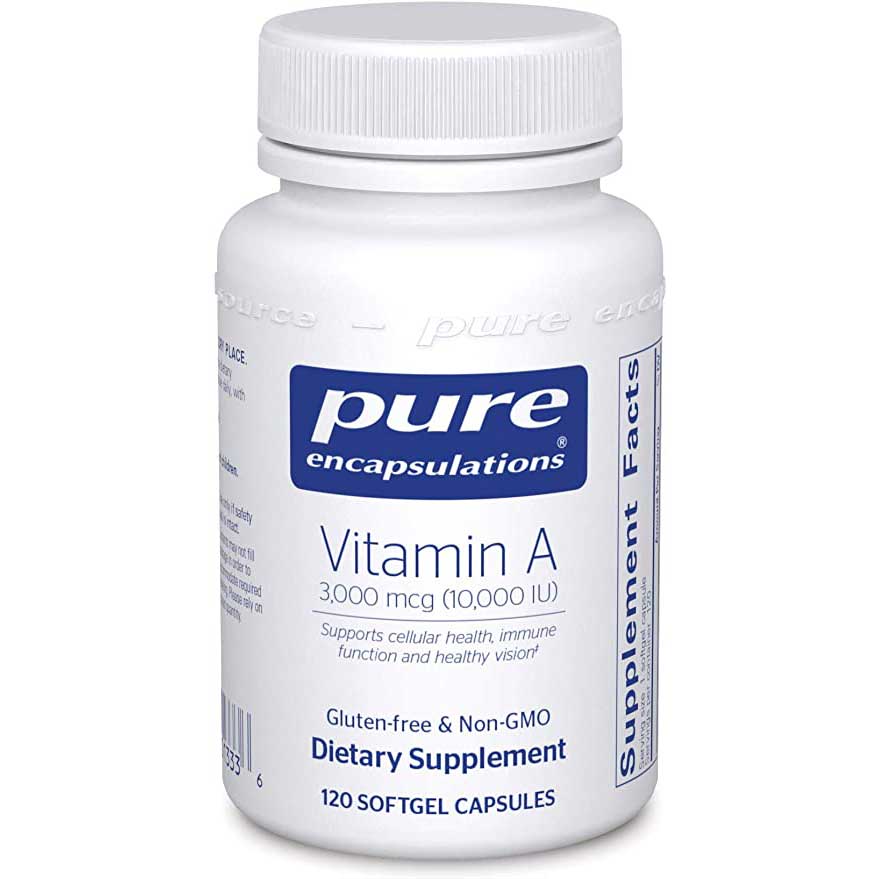
Vitamin A is an essential nutrient that plays a vital role in maintaining various bodily functions, including vision, immune response, and skin health. While supplements are available, many individuals prefer obtaining their nutrients through whole foods. This approach not only provides Vitamin A but also offers a range of other beneficial nutrients that can enhance overall health. This discussion will delve into some common food sources of Vitamin A that can serve as effective dietary alternatives to supplements.
Vitamin A can be found in two primary forms: preformed Vitamin A (retinol), which is typically found in animal products, and provitamin A carotenoids, which are found in plant-based foods. Incorporating these foods into your daily meals can help ensure adequate intake of this essential vitamin.
Food Sources Rich in Vitamin A
A variety of foods are exceptionally high in Vitamin A, making them excellent alternatives for those looking to boost their intake naturally. Here are some common foods rich in Vitamin A:
| Food Item | Vitamin A Content (mcg) | Serving Size |
|---|---|---|
| Beef Liver | 6,586 | 3 oz |
| Carrots | 1,067 | 1 cup (raw, chopped) |
| Sweet Potatoes | 1,403 | 1 medium (5 oz) |
| Spinach | 943 | 1 cup (cooked) |
| Kale | 1,062 | 1 cup (cooked) |
| Red Bell Peppers | 157 | 1 cup (raw, chopped) |
Including these foods in your diet can significantly enhance your Vitamin A intake. For instance, you can easily add sweet potatoes or carrots as hearty sides to your meals. Baking sweet potato fries or incorporating them into a casserole can make for a delicious and nutritious dish. Additionally, leafy greens like spinach and kale can be added to smoothies, salads, or stir-fries, providing not just Vitamin A but also fiber and other essential nutrients.
Red bell peppers can be enjoyed raw in salads, roasted, or grilled, making them a versatile addition to various dishes. By consciously selecting these foods and preparing them in enjoyable ways, you can optimize your daily Vitamin A intake effectively and deliciously.
Addressing Common Myths About Daily Vitamin A Supplementation
Vitamin A is essential for maintaining healthy vision, skin, and immune function, yet many misconceptions surround its supplementation. These myths can lead to confusion and hesitance in including Vitamin A in daily health regimens. Addressing these misconceptions is crucial for making informed decisions about nutrition and supplementation.
A common myth is that all Vitamin A is the same, leading to confusion between its natural forms—retinol and provitamin A carotenoids. Retinol is found in animal products like liver and fish, while carotenoids come from plant sources such as carrots and sweet potatoes. While both are vital, carotenoids must be converted into retinol by the body, a process that can vary from person to person, leading some to mistakenly believe that carotenoids alone can meet their Vitamin A needs.
Nutrition experts emphasize that excessive Vitamin A from supplements can lead to toxicity, but this risk primarily pertains to retinol, not carotenoids. Thus, a well-balanced diet rich in fruits and vegetables generally poses no risk of overdose and can effectively meet the body’s requirements. Importantly, the body regulates the conversion of carotenoids to retinol based on its needs, making them a safer option for supplementation.
Common Misconceptions About Vitamin A
Understanding the misconceptions surrounding Vitamin A is pivotal in recognizing its importance in our diet. Here are some prevalent myths along with factual clarifications:
- Myth: High doses of Vitamin A are necessary for improving vision.
- Fact: While Vitamin A is essential for eye health, taking excessive amounts does not enhance vision beyond normal levels; a balanced diet suffices.
- Myth: Vitamin A is only beneficial for eye health.
- Fact: In addition to vision, Vitamin A supports immune function, skin health, and cellular communication.
- Myth: All Vitamin A supplements cause toxicity.
- Fact: The risk of toxicity is primarily associated with retinol supplements; carotenoids are generally safe even in higher amounts.
- Myth: Plant-based diets lack sufficient Vitamin A.
- Fact: Plant-based diets can provide ample Vitamin A through carotenoid-rich foods, meeting the body’s conversion needs.
Nutritionists often point out that a well-rounded approach to supplementation and diet is key. They advocate for obtaining nutrients from whole foods whenever possible while recognizing that supplements can play a role in addressing specific deficiencies, especially in populations with limited access to diverse foods.
In a world where misinformation is widespread, it becomes increasingly important to rely on credible sources and expert guidance to navigate the complexities of nutrition and supplementation effectively.
Designing a Personalized Daily Vitamin A Supplement Plan
Creating a personalized Vitamin A supplement plan is essential for individuals looking to enhance their health through tailored nutritional support. Vitamin A is crucial for various bodily functions, including vision, immune function, and skin health. However, individual needs can significantly vary based on lifestyle, dietary preferences, and underlying health conditions. This guide will help you assess your Vitamin A requirements and craft a supplement plan that aligns with your unique circumstances.
To effectively design a personalized supplement plan, start by evaluating your current dietary intake and lifestyle factors. Consider the following aspects that can influence your Vitamin A needs:
Assessing Dietary Intake and Lifestyle Factors
Understanding your current Vitamin A intake is vital for determining your supplementation needs. The main sources of Vitamin A include animal products like liver, fish, and dairy, as well as plant-based sources such as carrots, sweet potatoes, and spinach. Your dietary preferences, whether vegetarian, vegan, or omnivorous, will affect the availability of these nutrients in your food.
Additionally, lifestyle choices such as physical activity levels and exposure to environmental stressors can alter your Vitamin A requirements. For instance, athletes may need higher levels due to increased metabolism, while those living in urban areas with high pollution might require more for optimal skin health.
Health Conditions Influencing Vitamin A Needs
Certain health conditions can heighten your need for Vitamin A. Conditions such as malabsorption syndromes, chronic infections, or eye diseases can negatively impact Vitamin A levels in the body. If you have any pre-existing health issues, it’s advisable to consult a healthcare professional to tailor your Vitamin A intake further.
Tracking and Adjusting Intake
Once you’ve established a baseline for your Vitamin A needs, tracking your intake can help you make necessary adjustments. Keep a journal or use an app to record your daily dietary intake, including both food sources and supplements. This practice allows for a clearer understanding of whether you are meeting, exceeding, or falling short of your Vitamin A goals.
As you monitor your intake, consider these tips for optimal results:
- Regularly review your dietary sources of Vitamin A to ensure diversity in your intake.
- Adjust your supplement dosage based on changes in health status or lifestyle; consult a healthcare professional for significant adjustments.
- Consider seasonal variations in food availability and adapt your supplement plan accordingly.
- Be mindful of symptoms of both deficiency (e.g., vision issues) and excess (e.g., nausea, headache) to guide your intake adjustments.
By taking a proactive approach in assessing your needs, tracking your intake, and making adjustments, you can develop a personalized Vitamin A supplement plan that effectively supports your health and well-being.
Analyzing Potential Interactions with Other Supplements and Medications
Vitamin A is an essential nutrient that plays a critical role in various bodily functions including vision, immune health, and cellular communication. However, its supplementation can lead to potential interactions with other vitamins, minerals, and medications, which can either enhance or diminish their effects. Understanding these interactions is crucial for safe and effective supplementation, as they can impact overall health and well-being.
Certain vitamins and minerals, when taken in conjunction with Vitamin A, can lead to complex interactions. For instance, high doses of Vitamin A can interfere with the effectiveness of Vitamin K and Vitamin E, leading to altered blood clotting and antioxidant activity. Additionally, medications such as anticoagulants, which thin the blood, can also have their therapeutic effects influenced by Vitamin A supplementation. Therefore, it is important to be aware of these interactions to avoid adverse effects.
Known Interactions and Their Implications
Understanding the potential interactions between Vitamin A and other supplements or medications is vital for preventing complications. Below is a list of notable interactions along with their implications:
- Vitamin E: High doses of Vitamin A can reduce the effectiveness of Vitamin E, limiting its antioxidant properties.
- Vitamin K: Excess Vitamin A may interfere with Vitamin K’s role in blood clotting, potentially increasing the risk of bleeding.
- Anticoagulants (e.g., warfarin): Supplementation with Vitamin A can enhance the anticoagulant effect, necessitating careful monitoring of blood coagulation levels.
- Iron supplements: Excessive Vitamin A may inhibit iron absorption, which can exacerbate anemia in individuals already at risk.
- Oral contraceptives: Some studies suggest that hormonal contraceptives can influence Vitamin A metabolism, potentially affecting its efficacy.
- Corticosteroids: These can increase the clearance of Vitamin A from the body, leading to reduced levels and effectiveness.
Given the complexity of these interactions, it is crucial to consult healthcare professionals before beginning any supplementation regimen. Healthcare providers can offer personalized advice based on individual health status, existing medical conditions, and any other medications or supplements being taken. This ensures that Vitamin A supplementation is both safe and beneficial, minimizing the risk of adverse interactions while maximizing health outcomes.
Ending Remarks
In conclusion, incorporating a Daily Vitamin A supplement into your routine can unlock numerous health benefits, ranging from improved vision to enhanced skin and immune function. By understanding the right dosage and forms available, as well as recognizing the importance of dietary sources, you can make informed decisions that support your overall well-being. Embrace the power of Vitamin A and take a proactive step towards better health today!
FAQ Resource
What are the signs of Vitamin A deficiency?
Common signs include night blindness, dry skin, and a higher susceptibility to infections.
Can I get enough Vitamin A from my diet?
Yes, many foods like carrots, sweet potatoes, and spinach are rich in Vitamin A and can meet daily requirements.
Is it safe to take Vitamin A supplements daily?
Generally, it’s safe within recommended limits, but consult a healthcare professional for personalized advice.
Can I overdose on Vitamin A?
Yes, excessive intake can lead to toxicity, causing symptoms like nausea, dizziness, and even liver damage.
How long does it take to see the benefits of Vitamin A supplementation?
Some benefits can be noticed within a few weeks, while others may take longer depending on individual health conditions.