

Calcium and Vitamin D daily are vital nutrients that play a crucial role in maintaining our health. These elements not only contribute to strong bones and teeth but also impact muscle function and overall well-being. As we delve deeper into this topic, you’ll discover how these nutrients work hand in hand, their recommended daily intake across different age groups, and the best food sources to ensure you meet your needs.
The intricate relationship between calcium and vitamin D goes beyond bone health; it influences various bodily functions and can even affect chronic disease risk. Understanding how to incorporate these nutrients into your diet is essential for fostering long-term health and vitality.
The essential roles of calcium and vitamin D in the body
Calcium and vitamin D are two essential nutrients that play a vital role in maintaining overall health, particularly in bone development and maintenance. These nutrients work synergistically, meaning they complement each other’s functions, which is crucial for optimal physiological performance. Understanding their roles helps underscore the importance of adequate intake to ensure our bodies function at their best.
Calcium is a mineral that is primarily known for its role in building and maintaining strong bones and teeth. It serves various functions in the body, including blood clotting, nerve transmission, muscle contraction, and hormone secretion. Around 99% of the body’s calcium is stored in the bones and teeth, providing structural support. The remaining 1% is vital for physiological processes, such as enzyme function and cell signaling. Conversely, vitamin D is a fat-soluble vitamin that enhances the body’s ability to absorb calcium from the diet. It also plays a critical role in regulating calcium and phosphate levels to maintain bone integrity. Without adequate vitamin D, the body cannot effectively utilize calcium, leading to weakened bones and increased risk of fractures.
Impact on bone health
Calcium and vitamin D together form a powerful duo in promoting bone health. Their interaction is essential for maintaining bone density and reducing the risk of osteoporosis, especially in older adults. Adequate calcium intake, combined with sufficient vitamin D levels, supports the mineralization of bone tissue and helps maintain a healthy bone matrix. This dynamic partnership is particularly important during periods of rapid growth, such as childhood and adolescence, and in aging populations.
As individuals age, their bone mass declines, increasing the risk of fractures and falls. Research has shown that calcium, along with vitamin D, can significantly decrease the incidence of hip fractures among older adults. For instance, a study indicated that daily calcium and vitamin D supplementation reduced fracture risk by 30% in elderly individuals living in care facilities.
Muscle function is also influenced by these nutrients. Calcium is crucial for muscle contraction; when a nerve stimulates a muscle, calcium is released, allowing the muscle to contract effectively. Vitamin D supports muscle function by enhancing calcium absorption and influencing muscle protein synthesis. This synergy not only aids in physical performance but also contributes to overall well-being, including improved balance and reduced risk of falls, which is particularly important as we age. Maintaining adequate levels of both calcium and vitamin D thus plays a significant role in supporting muscle strength and overall health.
Daily recommended intake of calcium and vitamin D across different age groups
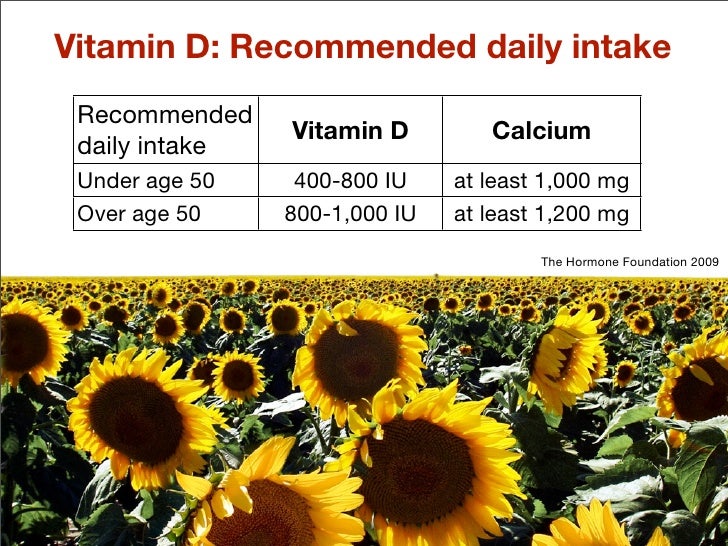
Calcium and vitamin D play essential roles in maintaining bone health and overall bodily functions. Ensuring adequate intake of these nutrients is crucial throughout different stages of life, as the body’s needs evolve with age. The recommended daily allowances (RDAs) for calcium and vitamin D can vary significantly based on age and gender, reflecting the specific demands of each demographic group.
The variations in recommended daily allowances for calcium and vitamin D highlight the importance of tailoring dietary intake to individual needs. The following breakdown provides a comprehensive overview of the specific requirements for children, adults, and the elderly.
Detailed breakdown of specific needs for different demographics
Understanding the recommended intakes helps individuals make informed dietary choices to support their health. The following table Artikels the daily requirements for calcium and vitamin D across various age groups and genders:
| Age Group | Calcium (mg/day) | Vitamin D (IU/day) |
|---|---|---|
| Children (1-3 years) | 700 | 600 |
| Children (4-8 years) | 1,000 | 600 |
| Adolescents (9-18 years) | 1,300 | 600 |
| Adults (19-50 years) | 1,000 | 600 |
| Men (51-70 years) | 1,000 | 600 |
| Women (51-70 years) | 1,200 | 600 |
| Adults (71 years and older) | 1,200 | 800 |
Ensuring adequate intake of calcium and vitamin D helps prevent conditions such as osteoporosis and rickets, which can lead to serious health issues later in life.
It is essential to adapt the intake of these nutrients based on individual lifestyle, gender, and age to support optimal bone health and overall wellness. For instance, children and adolescents require higher amounts of calcium as they grow and develop. Meanwhile, older adults often need increased vitamin D to enhance calcium absorption due to natural age-related changes in the body.
Food sources rich in calcium and vitamin D
Calcium and vitamin D are essential nutrients that play a vital role in maintaining strong bones and overall health. While calcium is crucial for bone structure and function, vitamin D enhances calcium absorption in the body. Incorporating foods rich in these nutrients into your daily diet can help prevent deficiencies and support your overall well-being.
A variety of foods are abundant in calcium and vitamin D, providing you with the necessary nutrients to promote bone health. By understanding which foods to include in your meals, you can easily meet your daily requirements. Below is a detailed look at various dietary sources rich in these essential nutrients.
Sources of calcium
Calcium can be found in numerous food sources. Incorporating these foods into your diet can significantly contribute to your daily calcium intake. Here’s a list of some excellent sources of calcium:
- Dairy products: Milk, cheese, and yogurt are some of the richest sources of calcium. For instance, a cup of milk contains approximately 300 mg of calcium, which is about 30% of the recommended daily intake.
- Leafy greens: Vegetables like kale, collard greens, and bok choy are excellent plant-based sources of calcium. For example, a cup of cooked kale provides about 200 mg of calcium.
- Fortified foods: Many products, including certain breakfast cereals and plant-based milk alternatives, are fortified with calcium, making them a convenient option for enhancing calcium intake.
- Fish with bones: Canned sardines and salmon are rich in calcium, with a 3.5-ounce serving of canned sardines providing around 325 mg.
Sources of vitamin D
Vitamin D is often known as the “sunshine vitamin” because your body produces it in response to sunlight. However, certain foods can also provide this vital nutrient. Here’s a list of food sources rich in vitamin D:
- Fatty fish: Salmon, mackerel, and tuna are among the best natural sources of vitamin D. For instance, a 3.5-ounce serving of cooked salmon can provide about 570 IU of vitamin D.
- Fortified foods: Similar to calcium, many foods, including milk, orange juice, and cereals, are fortified with vitamin D to help people meet their daily needs.
- Egg yolks: Eggs contain small amounts of vitamin D, with one large egg yolk providing around 41 IU.
- Mushrooms: Certain mushrooms exposed to UV light can produce vitamin D. For example, a cup of UV-exposed mushrooms can yield around 450 IU of vitamin D.
Responsive HTML table of calcium and vitamin D food sources
To give a clearer overview of food sources, the following table categorizes foods by their nutrient content:
| Food Item | Nutrient | Nutrient Content (per serving) |
|---|---|---|
| Milk (1 cup) | Calcium | 300 mg |
| Salmon (3.5 oz) | Vitamin D | 570 IU |
| Kale (1 cup cooked) | Calcium | 200 mg |
| Fortified Orange Juice (1 cup) | Vitamin D | 137 IU |
Incorporating a variety of these foods into your diet can help ensure you receive adequate calcium and vitamin D for optimal health.
The consequences of calcium and vitamin D deficiency
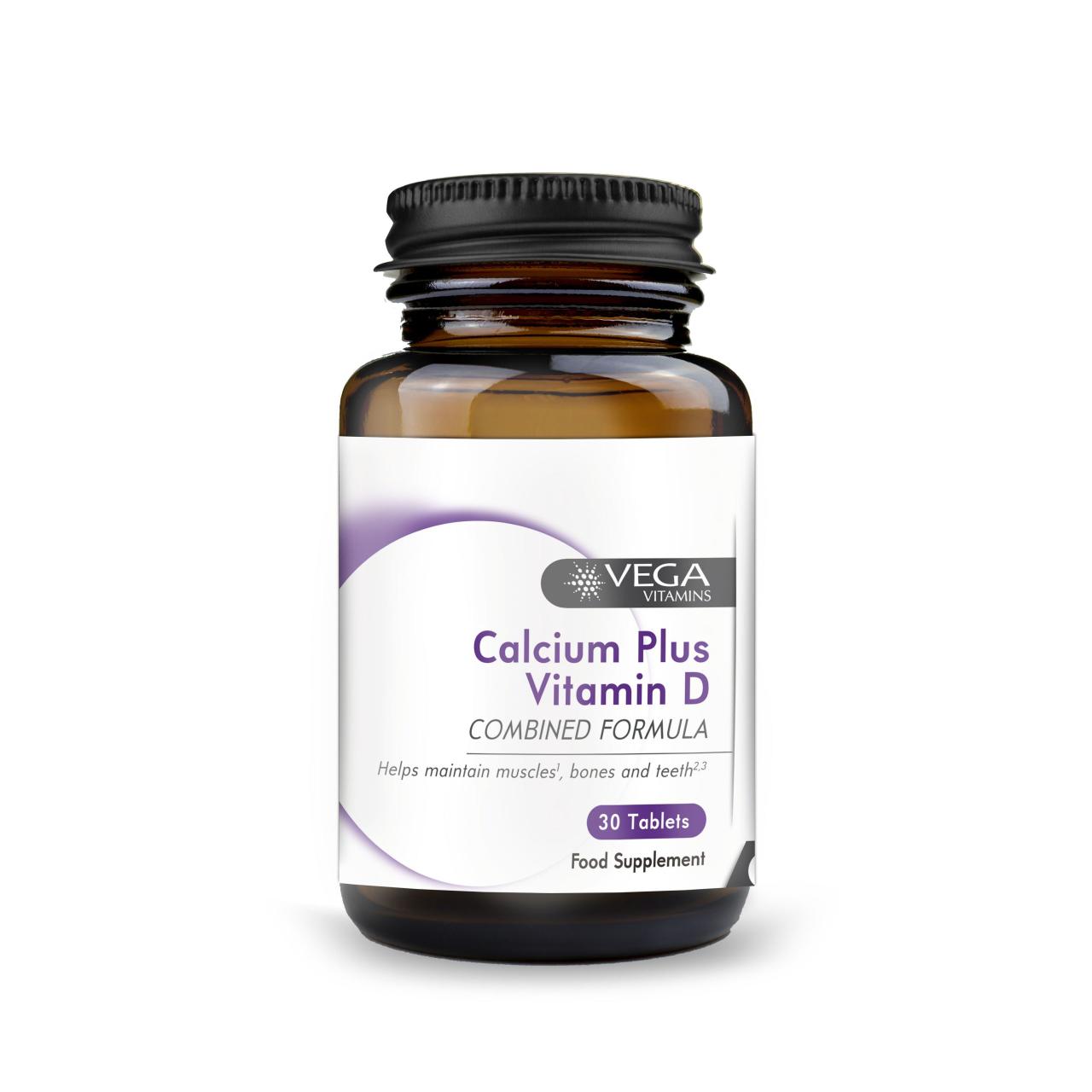
Calcium and vitamin D are essential nutrients that play a critical role in maintaining various bodily functions, particularly bone health. A deficiency in either of these nutrients can lead to serious health consequences that extend beyond just weak bones. Understanding the risks associated with insufficient intake of calcium and vitamin D is crucial for promoting overall health and preventing associated diseases.
When the body lacks adequate calcium and vitamin D, it is unable to maintain strong bones and proper physiological functions, which can lead to a range of health issues. For example, insufficient calcium can result in decreased bone density, weakening bones and increasing the risk of fractures. Similarly, vitamin D deficiency can hinder the body’s ability to absorb calcium effectively. This combination can lead to severe conditions like osteoporosis, characterized by porous and fragile bones, and rickets, which affects bone development in children.
Health risks associated with calcium and vitamin D deficiency
There are several health risks directly linked to inadequate levels of calcium and vitamin D. These include:
- Osteoporosis: This condition arises from prolonged calcium deficiency, leading to fragile bones and an increased risk of fractures, particularly in older adults. According to the National Osteoporosis Foundation, approximately 10 million Americans have osteoporosis, with many more at risk.
- Rickets: A disease seen mainly in children, rickets is caused by severe vitamin D deficiency, resulting in soft and weakened bones. Cases have been reported globally, particularly in areas with limited sunlight exposure.
- Bone pain and muscle weakness: Insufficient levels of vitamin D can lead to osteomalacia in adults, causing bone pain and muscle weakness, which can greatly affect mobility and quality of life.
- Cardiovascular problems: Recent studies suggest that low levels of vitamin D may be linked to an increased risk of cardiovascular disease, although more research is necessary to fully understand this connection.
The symptoms of calcium and vitamin D deficiency can be subtle or severe, often making it difficult to identify at first. Common symptoms include:
- Frequent fractures: Individuals may notice that they experience fractures more easily than others.
- Fatigue and weakness: Low energy levels and persistent fatigue can be indicative of deficiencies.
- Muscle cramps: Unexplained muscle cramps or spasms can signal a lack of calcium.
- Dental issues: Weak enamel, tooth decay, and a higher incidence of gum disease may be linked to calcium deficiency.
- Depression and mood changes: Emerging research indicates that vitamin D may influence mood and that deficiency can be related to feelings of sadness.
Not only does calcium and vitamin D deficiency lead to physical problems, but it can also impact mental health and overall well-being, underscoring the importance of maintaining adequate levels of these vital nutrients for a healthy life.
Factors affecting the absorption and metabolism of calcium and vitamin D
The absorption and metabolism of calcium and vitamin D are crucial for maintaining bone health and overall well-being. Several factors play a significant role in how effectively our bodies utilize these essential nutrients. Understanding these influences can help individuals make informed decisions regarding their diet, lifestyle, and supplementation.
Impact of Age, Diet, and Lifestyle
As individuals age, the efficiency of calcium and vitamin D absorption typically declines. This is often due to decreased stomach acid production and changes in the body’s ability to synthesize vitamin D from sunlight. Furthermore, dietary choices directly influence calcium intake; foods rich in calcium, such as dairy products, leafy greens, and fortified foods, are essential. A diet low in these nutrients can lead to deficiencies, impacting bone health.
Lifestyle choices also play a pivotal role in absorption. Regular physical activity, particularly weight-bearing exercises, can enhance calcium absorption and improve bone density. Conversely, sedentary lifestyles may contribute to weaker bones and less effective nutrient utilization.
Role of Sunlight and Skin Synthesis of Vitamin D
Vitamin D synthesis in the skin is significantly influenced by environmental factors, particularly sunlight exposure. When UVB rays hit the skin, they initiate the production of vitamin D3, which is then converted to its active form in the liver and kidneys.
In regions with limited sunlight, especially during winter months, individuals are at a higher risk of vitamin D deficiency. Factors such as the angle of sunlight, clothing habits, and skin pigmentation also affect the amount of vitamin D synthesized. For instance, individuals with darker skin require more sunlight exposure to produce adequate levels of vitamin D compared to those with lighter skin.
Effectiveness of Supplements versus Natural Sources
When it comes to meeting nutritional needs for calcium and vitamin D, both supplements and natural food sources have their effectiveness. Supplements can be beneficial, especially for individuals who have difficulty obtaining sufficient nutrients from their diet or have increased needs due to health conditions.
However, natural food sources are often recommended as the first line of defense. For calcium, foods like yogurt, cheese, and fortified plant milks provide not only calcium but also other beneficial nutrients. For vitamin D, fatty fish, egg yolks, and fortified foods are excellent sources.
While supplements can help fill gaps, the body may absorb nutrients from whole foods more effectively due to the presence of other synergistic compounds. The choice between supplements and natural sources should be tailored to individual needs, dietary restrictions, and lifestyle factors for optimal health outcomes.
Strategies for achieving optimal daily intake of calcium and vitamin D
To maintain strong bones and overall health, it’s crucial to achieve optimal daily intake levels of calcium and vitamin D. These nutrients play vital roles in bone health, muscle function, and immune system support. By incorporating specific dietary strategies and understanding supplementation, individuals can ensure they meet their daily needs.
Practical tips for incorporating calcium and vitamin D into daily meals
Incorporating more calcium and vitamin D into your daily meals can be both delicious and straightforward. Here are some tips to enhance your intake:
- Start your day with fortified breakfast cereals or oatmeal, which often contain added calcium and vitamin D.
- Add dairy products like yogurt or milk to smoothies, as they are excellent sources of both nutrients.
- Include leafy green vegetables such as kale, collard greens, and broccoli in salads or as side dishes.
- Snack on almonds or cheese, which provide a good amount of calcium.
- Opt for fatty fish like salmon, mackerel, or sardines in your meals, as they are rich in vitamin D.
- Consider using fortified plant-based milk alternatives, such as almond, soy, or oat milk.
The role of supplementation and guidelines for safe usage
Sometimes, dietary intake alone may not be enough to meet calcium and vitamin D requirements. Supplements can help bridge this gap, but understanding their appropriate use is essential.
Consulting with a healthcare provider is advisable before starting any supplementation.
Important guidelines include:
- Choose a calcium supplement that includes vitamin D to enhance calcium absorption.
- Follow the recommended daily allowances: 1,000 to 1,200 mg of calcium and 600 to 800 IU of vitamin D for most adults, depending on age and health status.
- Be aware of potential side effects, such as constipation from excessive calcium intake, and adjust dosages accordingly.
- Avoid taking more than 4,000 IU of vitamin D daily unless prescribed by a doctor.
Sample meal plan that meets daily calcium and vitamin D requirements
Here’s a sample meal plan designed to meet the daily requirements for calcium and vitamin D:
| Meal | Food Items | Calcium (mg) | Vitamin D (IU) |
|---|---|---|---|
| Breakfast | Fortified oatmeal with sliced banana and a glass of fortified orange juice | 300 | 140 |
| Snack | Greek yogurt with a sprinkle of almonds | 200 | 0 |
| Lunch | Kale salad topped with grilled salmon and feta cheese | 250 | 570 |
| Snack | Cheese slices with whole-grain crackers | 200 | 0 |
| Dinner | Stir-fried broccoli and tofu with brown rice | 250 | 0 |
| Total | 1,200 | 710 |
This meal plan effectively meets and exceeds the daily calcium and vitamin D requirements, showcasing how easy it can be to incorporate these essential nutrients into your diet.
The relationship between calcium, vitamin D, and chronic diseases
Adequate intake of calcium and vitamin D plays a crucial role in maintaining overall health, extending beyond bone strength to potentially influencing chronic diseases. Numerous studies have suggested that these essential nutrients may have protective effects against several chronic health issues, including heart disease and diabetes.
Research findings have increasingly indicated a connection between calcium and vitamin D levels and the risk of chronic conditions. For instance, a growing body of evidence suggests that low levels of vitamin D may be implicated in the pathogenesis of cardiovascular diseases. The mechanisms through which vitamin D operates include its role in calcium metabolism, vascular health, and inflammation regulation, all of which are critical in heart disease development.
Research Linking Calcium and Vitamin D to Chronic Health Issues
Various studies have examined the link between calcium and vitamin D intake and chronic diseases, revealing significant correlations. Notable examples include:
- A study published in the “American Journal of Clinical Nutrition” found that individuals with higher intakes of vitamin D had a lower risk of developing heart disease. This suggests that maintaining adequate vitamin D levels may be beneficial for cardiovascular health.
- Research from the “Journal of Diabetes Research” highlighted that sufficient calcium and vitamin D intake might improve insulin sensitivity, potentially lowering the risk of type 2 diabetes. The study revealed that participants with optimal levels of these nutrients demonstrated better metabolic profiles.
- The “European Journal of Preventive Cardiology” reported that individuals with low calcium intake were more likely to experience hypertension, a significant risk factor for heart disease. This reinforces the importance of adequate calcium consumption in managing blood pressure.
“Calcium and vitamin D are not just vital for bone health; they may also play a preventive role in chronic diseases like heart disease and diabetes.”
Overall, the relationship between calcium, vitamin D, and chronic diseases underscores the importance of maintaining adequate levels of these nutrients for better health outcomes. It is essential to consider dietary sources and supplements as part of a comprehensive approach to chronic disease prevention.
Last Word
In summary, ensuring adequate intake of calcium and vitamin D daily is fundamental to your health. From supporting bone density to enhancing muscle function, these nutrients are essential for a thriving lifestyle. As you explore food sources, supplementation, and recommended daily allowances, you’ll be empowered to make informed choices that benefit your overall health. Prioritize these nutrients and take a proactive step toward a healthier you!
General Inquiries
What are the symptoms of calcium deficiency?
Symptoms can include muscle cramps, brittle nails, and fatigue.
Can I get enough vitamin D from food alone?
It can be challenging; sunlight exposure and supplements may be necessary.
Is it safe to take calcium supplements?
Yes, but it’s best to consult with a healthcare provider for personalized advice.
Are there any risks associated with excess vitamin D?
Yes, excessive vitamin D can lead to toxicity, causing nausea and kidney damage.
How does age affect calcium and vitamin D needs?
Older adults typically need more calcium and vitamin D to maintain bone health.

Leave a Reply