
Daily vitamins for women are not just a trendy addition to health routines; they play a crucial role in maintaining overall well-being. With unique health needs that evolve through different life stages, women require specific vitamins to support everything from hormonal balance to bone health. Staying informed about the importance of these nutrients can empower women to make better dietary choices and enhance their quality of life.
This guide dives into the essential vitamins every woman should be aware of, detailing their benefits, the changes in vitamin requirements throughout various life stages, and how diet influences vitamin absorption. With an understanding of these key factors, women can take charge of their health and make informed decisions about supplementation.
The Importance of Daily Vitamins for Women’s Health
Daily vitamins play a crucial role in maintaining overall health and well-being for women. With unique health needs influenced by factors such as hormonal changes, reproductive health, and age, ensuring that women receive adequate vitamins is essential for optimal functioning. These micronutrients support various bodily processes, enhance energy levels, and help maintain a robust immune system.
Vitamins are vital for women at every stage of life, from adolescence through menopause and beyond. The specific health needs of women often require tailored nutritional support, with a focus on certain key vitamins. Understanding these vitamins and their benefits can empower women to make informed dietary choices and promote long-term health.
Key Vitamins Beneficial for Women’s Health
Several vitamins are particularly beneficial for women, addressing common health issues and supporting overall well-being. The following vitamins are crucial for maintaining health:
- Vitamin D: Essential for bone health, vitamin D aids in calcium absorption and helps prevent osteoporosis, particularly important for women post-menopause.
- Vitamin B12: This vitamin supports red blood cell formation and neurological function. It is crucial for women, especially those who are vegetarians or pregnant, as it helps prevent anemia and supports fetal development.
- Folate (Vitamin B9): Vital for reproductive health, folate reduces the risk of neural tube defects during pregnancy and supports DNA synthesis and cell division.
- Vitamin C: Known for its immune-boosting properties, vitamin C also aids in collagen production, which is important for skin health and wound healing.
- Vitamin E: An antioxidant that helps protect cells from damage, vitamin E supports skin health and may alleviate menopause symptoms.
Vitamins play a fundamental role in preventing common health issues faced by women. For instance, adequate intake of vitamin D and calcium can substantially lower the risk of osteoporosis, which disproportionately affects women. Similarly, folate and vitamin B12 are critical in reducing the risk of anemia, particularly during pregnancy, when the body’s demands are heightened. By prioritizing these essential vitamins, women can proactively support their health and well-being throughout their lives.
Identifying Essential Vitamins for Different Life Stages of Women

Women’s nutritional needs evolve significantly throughout their life stages, influenced by various physiological changes. Each phase—adolescence, pregnancy, and menopause—comes with unique challenges that necessitate adjustments in vitamin intake to support health and well-being. Understanding these requirements helps ensure optimal health and fosters a better quality of life.
During adolescence, women experience rapid growth and hormonal changes, making certain vitamins crucial. Pregnancy heightens the need for specific nutrients to support fetal development, while menopause marks a shift that can increase the risk of certain health issues, requiring different nutritional strategies. The following sections Artikel essential vitamins for each of these stages.
Vitamins for Adolescence
Adolescents require a balanced intake of vitamins to support their growth and hormonal changes during puberty. The following vitamins are particularly important during this stage:
- Vitamin A: Essential for vision, immune function, and skin health. Sources include carrots and leafy greens.
- Vitamin C: Important for the growth and repair of tissues, and helps in the absorption of iron. Found in citrus fruits and strawberries.
- Vitamin D: Crucial for bone health, especially during periods of rapid growth. Produced from sunlight and can also be found in fortified dairy products.
- B Vitamins (B6, B12, Folate): Vital for energy production and brain function, and important for the menstrual cycle. Sources include whole grains, meats, and legumes.
Vitamins for Pregnancy
Pregnancy demands a higher intake of specific vitamins to support both the mother and developing baby. The following vitamins play key roles:
- Folate: Prevents neural tube defects and is crucial for DNA synthesis. Found in leafy greens, nuts, and fortified cereals.
- Iron: Supports increased blood volume and prevents anemia. Sources include red meat, spinach, and legumes.
- Calcium: Essential for bone development in the fetus. Found in dairy products and fortified plant milks.
- Omega-3 fatty acids: Important for brain development. Sources include fatty fish and flaxseeds.
Vitamins for Menopause
During menopause, women experience hormonal shifts which can impact health. The following vitamins help manage symptoms and support overall health:
- Vitamin E: May help alleviate hot flashes and improve skin health. Found in nuts and seeds.
- Vitamin K: Important for bone health and preventing osteoporosis. Sources include green leafy vegetables.
- Vitamin D: Continues to be essential for bone health. Obtained from sunlight and fortified foods.
- B Vitamins: Help manage stress and energy levels. Found in whole grains, fish, and poultry.
The vitamin requirements of younger women significantly differ from those of older women due to changes in metabolic demand, hormonal fluctuations, and health risks associated with aging.
Understanding these vitamin needs at different life stages empowers women to make informed dietary choices, ensuring they meet their health requirements as they transition through life’s phases.
The Role of Nutrition in Absorbing Daily Vitamins
Nutrition plays a pivotal role in how effectively our bodies can absorb and utilize vitamins. For women, who have unique nutritional needs due to factors like menstruation, pregnancy, and menopause, understanding the interplay between diet and vitamin absorption is crucial. Certain foods can enhance the bioavailability of vitamins, while others may inhibit their uptake, making dietary choices essential for optimal health.
Dietary choices significantly influence the absorption of vitamins within women’s bodies. Fat-soluble vitamins like A, D, E, and K require dietary fat for optimal absorption. Conversely, certain compounds found in foods, such as phytates in grains and oxalates in leafy greens, can hinder the absorption of important minerals and vitamins. For example, a diet high in fiber can benefit digestive health but may temporarily reduce the absorption of some vitamins if not balanced. To maximize nutrient intake, women should focus on consuming a diverse diet rich in whole foods that support vitamin absorption.
Foods that Enhance or Inhibit Vitamin Absorption
It is essential to understand which foods can enhance or inhibit the absorption of vitamins, as this knowledge empowers women to make healthier dietary choices. Including the right foods in meals can significantly improve vitamin uptake.
- Foods that enhance absorption:
- Healthy fats (e.g., avocados, nuts, olive oil) help absorb fat-soluble vitamins.
- Citrus fruits (e.g., oranges, lemons) boost the absorption of iron from plant sources.
- Fermented foods (e.g., yogurt, kimchi) improve gut health, enhancing overall nutrient absorption.
- Foods that inhibit absorption:
- High-fiber foods (if consumed excessively) can reduce the absorption of certain vitamins and minerals.
- Caffeinated beverages (e.g., coffee, tea) may interfere with iron absorption when consumed with meals.
- Calcium-rich foods (e.g., dairy) can inhibit the absorption of iron if consumed together in large amounts.
It’s also valuable to visualize foods that are rich in essential vitamins for women:
| Vitamin | Food Sources |
|---|---|
| Vitamin A | Carrots, sweet potatoes, spinach |
| Vitamin C | Citrus fruits, bell peppers, strawberries |
| Vitamin D | Fatty fish, fortified dairy products, egg yolks |
| Vitamin E | Nuts, seeds, green leafy vegetables |
| Vitamin K | Broccoli, kale, Brussels sprouts |
Making informed dietary choices can significantly enhance the absorption of essential vitamins, leading to improved health outcomes for women.
Assessing the Quality of Women’s Daily Vitamin Supplements
When it comes to women’s health, selecting the right daily vitamin supplement can be a game-changer. With countless options available, understanding the quality and effectiveness of these products is crucial for ensuring you receive the necessary nutrients. This guide Artikels key factors to consider when choosing vitamin supplements, as well as how to interpret the information presented on their labels.
Factors Influencing Quality and Effectiveness
Choosing high-quality vitamin supplements requires attention to several important factors. These factors can significantly affect both the safety and efficacy of the vitamins you take.
- Ingredient Source: Look for supplements that use high-quality, bioavailable forms of vitamins and minerals. Natural sources are often preferred over synthetic ones.
- Certification and Testing: Reputable brands often undergo third-party testing and are certified by organizations like NSF International or ConsumerLab. This ensures the product meets specific safety and quality standards.
- Dosage: Ensure the dosages of vitamins and minerals align with recommended daily values for women. Excessive amounts can lead to toxicity, while too little might not provide benefits.
- Absorption Rates: Some forms of vitamins are absorbed better than others. For example, methylcobalamin is a more bioavailable form of vitamin B12 compared to cyanocobalamin.
- Targeted Formulations: Look for supplements that address specific needs, such as prenatal vitamins for pregnant women or formulas that support bone health with additional calcium and vitamin D.
Understanding Supplement Labels
Reading supplement labels effectively is essential to making informed choices. Familiarity with the terminology and ingredient lists can guide you toward better decisions.
- Supplement Facts Panel: This section lists the nutrients included, their amounts per serving, and the percentage of daily value (%DV), which helps you understand how the product fits into your overall nutrition.
- Ingredient List: Ingredients are listed in descending order by weight. Pay attention to any additives, fillers, or allergens that may be present.
- Claims and Certifications: Watch for labels stating “non-GMO,” “gluten-free,” or “vegan,” as these can be indicators of quality based on personal dietary preferences.
Reputable Brands for Women’s Health
Several brands specifically cater to the unique nutritional needs of women. These brands have earned trust through transparency and quality.
- Garden of Life: Known for their whole food-based supplements, they focus on organic and non-GMO ingredients.
- New Chapter: Offers fermented vitamins that are easier to digest and utilize.
- Thrive Market: Provides a variety of women-focused vitamins that prioritize clean ingredients and ethical sourcing.
Investing time in assessing the quality of daily vitamin supplements can lead to significant benefits for women’s overall health.
Potential Risks of Over-Supplementation for Women
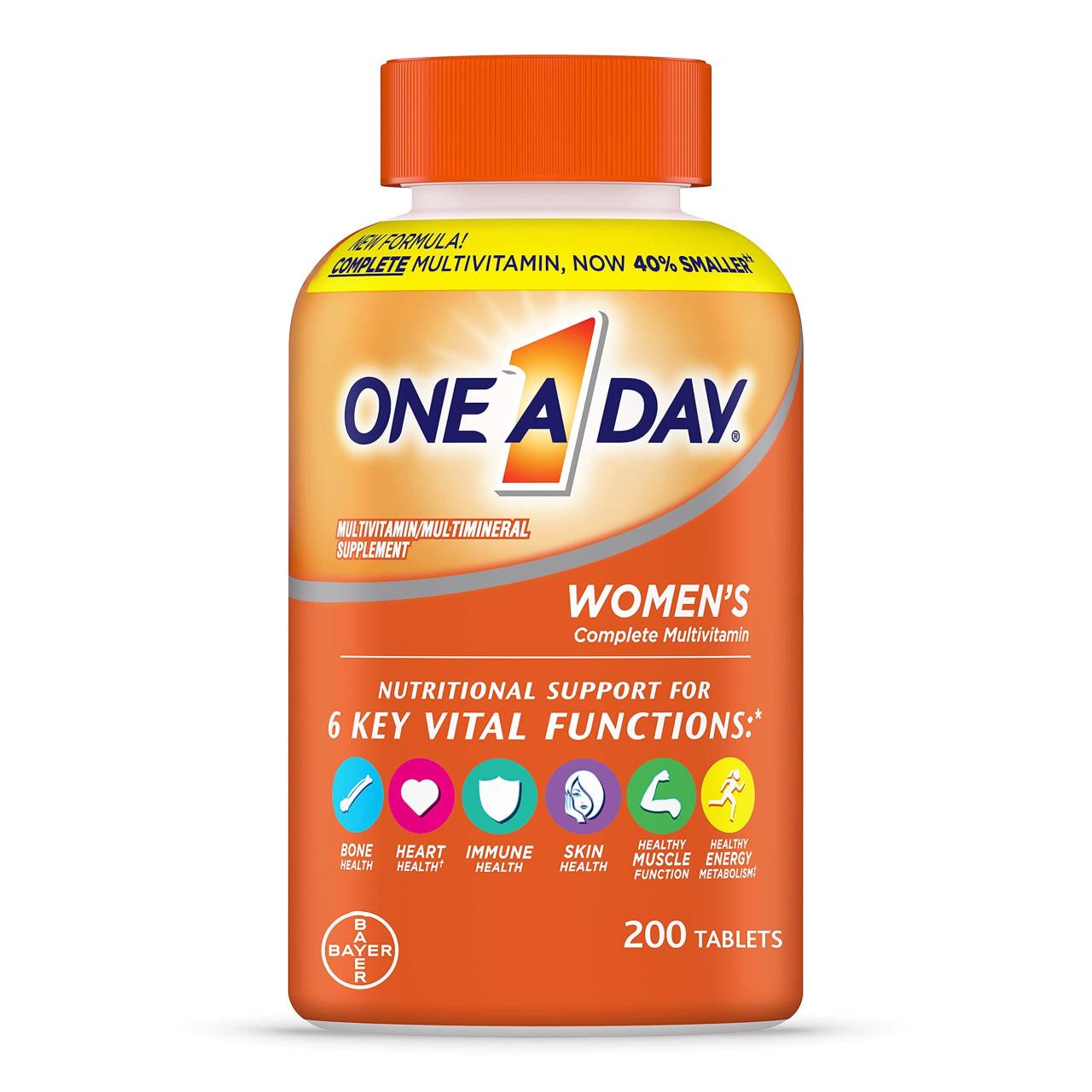
Over-supplementation of vitamins can present significant health risks, particularly for women who may be more susceptible to certain nutrient imbalances. While vitamins support various bodily functions, excessive intake can lead to adverse effects that may counteract their intended benefits. Understanding the dangers associated with excessive vitamin consumption is essential for maintaining optimal health.
Excessive vitamin intake can result in toxicity, a condition characterized by the body’s inability to process high levels of certain vitamins. Some vitamins, such as A, D, E, and K, are fat-soluble, meaning they can accumulate in the body’s fatty tissues and liver, increasing the risk of toxicity. Water-soluble vitamins, like B6 and C, are generally excreted through urine; however, excessive intake can still lead to negative side effects. Women may be particularly vulnerable due to hormonal fluctuations, dietary habits, and specific health conditions that affect nutrient absorption.
Common symptoms of vitamin toxicity include nausea, headaches, fatigue, and gastrointestinal issues. For example, an overdose of vitamin A can cause dizziness, blurred vision, and liver damage over time. Similarly, too much vitamin D can lead to hypercalcemia, resulting in kidney stones and cardiovascular issues. Recognizing these symptoms is crucial for timely intervention and prevention of long-term damage.
Consulting a healthcare professional before starting a new supplement routine is vital for ensuring safety and effectiveness. Healthcare providers can assess individual nutritional needs, recommend appropriate dosages, and monitor for potential interactions with medications. This proactive approach helps mitigate the risks associated with over-supplementation, promoting a balanced intake of essential nutrients without the dangers of toxicity.
“A well-balanced diet is often the best source of vitamins, and supplementing should be done with caution and professional guidance.”
Lifestyle Factors Influencing the Need for Daily Vitamins in Women
Lifestyle choices significantly affect women’s nutritional requirements, particularly their need for vitamins. Factors such as diet, exercise, and stress levels can alter the absorption and effectiveness of vitamins, making it essential to understand how these elements interact. Women often lead busy lives, and their habits can directly influence their overall health and wellness, impacting the vitamins they might require daily.
Diet plays a crucial role in determining vitamin needs. A well-balanced diet rich in fruits, vegetables, whole grains, and lean proteins generally provides adequate nutrition. However, restrictive diets, busy schedules, or reliance on processed foods may lead to deficiencies. Additionally, regular exercise can increase the need for certain vitamins, especially those involved in energy metabolism, such as B vitamins. On the other hand, high levels of stress can deplete essential vitamins like vitamin C and magnesium, which are vital for stress management and immune function.
Lifestyle Changes to Reduce the Need for Additional Vitamin Supplementation
Making conscious lifestyle changes can help minimize the necessity for additional vitamin supplementation. Here are some changes that can enhance nutrient intake naturally:
- Incorporate a variety of colorful fruits and vegetables in your diet to ensure an array of vitamins and minerals.
- Focus on whole foods over processed foods, which often lack essential nutrients.
- Engage in regular physical activity, aiming for at least 150 minutes of moderate exercise each week to boost metabolism and overall health.
- Practice stress-reducing techniques such as yoga, meditation, or deep breathing exercises to maintain mental health and nutrient balance.
- Stay hydrated by drinking adequate water throughout the day, facilitating better nutrient absorption.
To balance lifestyle and vitamin intake effectively, consider the following actionable tips:
“A well-rounded approach to nutrition and lifestyle can significantly reduce reliance on supplements.”
- Plan meals ahead of time to ensure balanced nutrition and avoid unhealthy quick fixes.
- Consult with a healthcare professional or registered dietitian to personalize your nutrition plan based on your specific lifestyle needs.
- Monitor your stress levels and prioritize self-care to mitigate the impact of chronic stress on nutrient depletion.
- Utilize food tracking apps to stay aware of your nutrient intake and make necessary adjustments.
The Connection Between Daily Vitamins and Mental Health in Women
The role of daily vitamins extends far beyond physical health, significantly influencing mental health, particularly in women. Numerous studies indicate that specific vitamins can play a crucial role in mood regulation and cognitive function. For women, who often face unique biological and hormonal challenges, understanding the connection between vitamin intake and mental well-being is essential.
Vitamins such as B6, B12, D, and folate are particularly linked to mood regulation. Vitamin B6 is essential for the synthesis of neurotransmitters like serotonin and dopamine, which are directly involved in mood regulation. Research shows that lower levels of B6 can lead to symptoms of depression. Vitamin B12, on the other hand, is crucial for cognitive function and emotional health, with deficiencies linked to mood disorders. Vitamin D, often referred to as the “sunshine vitamin,” has been correlated with various mood disorders, including Seasonal Affective Disorder (SAD), and is thought to help regulate mood and ward off depression.
Vitamins Linked to Mood Regulation and Cognitive Function
The following vitamins are essential for maintaining mental health and emotional stability:
- Vitamin B6: Essential for neurotransmitter synthesis, low levels are associated with depression.
- Vitamin B12: Vital for cognitive health, deficiencies are linked to memory issues and mood disorders.
- Vitamin D: Plays a role in mood regulation, with low levels often associated with depression and anxiety.
- Folate: Important for brain function; low levels can contribute to mood swings and depressive symptoms.
Recent studies underscore these connections. For instance, a study published in the “Journal of Affective Disorders” found that women who supplemented with vitamin D showed a significant reduction in depressive symptoms compared to those with lower vitamin D levels. Similarly, research from the “American Journal of Psychiatry” highlighted that women with adequate B12 levels were less likely to experience cognitive decline and mood disorders.
As such, ensuring an adequate intake of these vitamins can be a simple yet effective strategy for promoting mental health among women, providing a natural means to enhance mood and cognitive function.
Final Review
In conclusion, prioritizing daily vitamins can lead to significant improvements in women’s health, addressing specific needs and mitigating common issues. By understanding the essential vitamins required at different life stages and how dietary choices affect their absorption, women can optimize their health effectively. Taking the time to assess dietary habits and supplement quality will ensure that they get the most out of their daily vitamins, paving the way for a healthier future.
Detailed FAQs
What are the main vitamins women should focus on?
Women should focus on vitamins like D, B12, and iron, which support bone health, energy levels, and overall immunity.
Can I get all my vitamins from food alone?
While it’s possible to obtain most vitamins through a balanced diet, some women may still need supplements to meet their specific needs.
Are there any side effects of taking daily vitamins?
Yes, taking excessive amounts of certain vitamins can lead to toxicity. It’s important to follow recommended dosages.
How do I know if I need vitamin supplements?
Consulting a healthcare professional can help determine if you’re deficient in any vitamins and need supplements.
Is it safe to take multiple vitamin supplements?
It can be safe, but you should be aware of potential interactions and avoid exceeding recommended doses without medical advice.