 Chloe Lily
In today’s fast-paced world, many people rely on vitamin supplements to bridge nutritional gaps, but it’s vital to know what constitutes a safe intake. Exceeding recommended dosages can lead to toxicity and adverse health effects. This overview will delve into the importance of adhering to safe daily vitamin dosages and highlight key vitamins essential for various age groups.
Understanding the Importance of Safe Daily Vitamin Dosage
Adhering to recommended vitamin dosages is crucial for maintaining optimal health. Vitamins are essential nutrients that play a significant role in bodily functions, from boosting the immune system to facilitating energy production. While they are vital for health, it’s equally important to understand that more is not necessarily better. The delicate balance of nutrient intake ensures that our bodies function efficiently without the adverse effects that can arise from excessive consumption.
Exceeding daily vitamin limits can lead to a range of health issues, often referred to as hypervitaminosis. For instance, fat-soluble vitamins such as A, D, E, and K can accumulate in the body, leading to toxicity. Symptoms of vitamin A toxicity include dizziness, nausea, and even more severe conditions such as liver damage. Similarly, too much vitamin D can result in hypercalcemia, a condition characterized by excessive calcium in the blood, which can affect heart and kidney function.
To illustrate the importance of adhering to safe daily dosages, consider the following common vitamins and their established safe dosages for various age groups:
Common Vitamins and Their Safe Dosages
Understanding the established safe dosages for vitamins can help ensure an adequate intake without risking adverse effects. Below are examples of common vitamins and their recommended daily allowances:
| Vitamin | Recommended Daily Allowance (RDA) | Age Group |
|---|---|---|
| Vitamin A | 900 mcg | Adult Men |
| Vitamin A | 700 mcg | Adult Women |
| Vitamin C | 90 mg | Adult Men |
| Vitamin C | 75 mg | Adult Women |
| Vitamin D | 600 IU | Adults (19-70 years) |
| Vitamin E | 15 mg | Adults |
Adhering to these recommended daily allowances helps maintain health while minimizing the risk of toxicity and adverse effects.
Factors Influencing Safe Daily Vitamin Dosage Recommendations
Daily vitamin dosages are not one-size-fits-all; several key factors influence the recommendations for each individual. Understanding these factors is essential to ensure adequate nutrient intake for optimal health. The interplay of age, sex, health status, lifestyle choices, and genetic predispositions all contribute to varying vitamin needs among different people.
Age, Sex, and Health Status
Age, sex, and overall health status are fundamental factors that shape daily vitamin requirements. As individuals progress through different life stages, their nutritional needs evolve significantly.
- Age: Infants require higher amounts of certain vitamins for growth, while older adults may need more of specific nutrients like vitamin D due to decreased absorption efficiency.
- Sex: Men and women have different nutritional needs. For example, women of childbearing age need more folate to support prenatal health.
- Health Status: Chronic illnesses can alter nutrient absorption and metabolism. For instance, individuals with malabsorption conditions like celiac disease may require higher doses of certain vitamins.
Lifestyle Choices Impacting Vitamin Requirements
Lifestyle choices play a crucial role in determining vitamin requirements. Dietary habits and physical activity levels can significantly influence how much of each vitamin an individual needs.
- Diet: A balanced diet rich in fruits, vegetables, whole grains, and lean proteins provides essential vitamins. Individuals following restrictive diets may lack certain nutrients, necessitating increased supplementation.
- Physical Activity: Active individuals often have heightened vitamin needs. For example, athletes may require extra B vitamins for energy metabolism and recovery.
Genetic Predispositions and Vitamin Absorption
Genetic factors can also affect how well vitamins are absorbed and utilized by the body. Variations in genes may influence enzymatic activity related to vitamin metabolism.
- Genetic Variants: Certain genetic variations can lead to differences in how individuals metabolize vitamins. For example, some people may have a genetic predisposition that affects their vitamin D receptors, impacting how well they utilize this vitamin from sunlight or supplements.
- Personalized Nutrition: Understanding genetic predispositions can help tailor vitamin recommendations to optimize absorption and efficacy. Genetic testing can provide valuable insights for personalized dietary planning.
The Role of Age in Determining Safe Daily Vitamin Dosage

Vitamin needs vary significantly across different life stages, influenced by factors such as growth, development, and overall health. Understanding these differences helps ensure that individuals receive the appropriate levels of vitamins necessary for optimal health and well-being. By tailoring vitamin intake according to age, we can better support bodily functions and prevent deficiencies.
As individuals progress through different stages of life, their nutritional requirements evolve. Infants, children, adolescents, adults, and the elderly each have unique needs for vitamins due to factors such as growth spurts, hormonal changes, and varying metabolic rates. For instance, infants require higher doses of certain vitamins to support rapid growth, while older adults may need more of specific nutrients to maintain health.
Vitamin Requirements Across Life Stages
The following table summarizes recommended daily dosages for select vitamins across major life stages. This information is essential for understanding how vitamin requirements differ according to age.
| Age Group | Vitamin A (mcg) | Vitamin D (IU) | Vitamin C (mg) | Vitamin B12 (mcg) |
|---|---|---|---|---|
| Infants (0-12 months) | 400 | 400 | 40 | 0.4 |
| Children (1-8 years) | 300 | 600 | 15 | 0.9 |
| Adolescents (9-18 years) | 600 | 600 | 65 | 1.8 |
| Adults (19-50 years) | 900 | 600 | 75 | 2.4 |
| Older Adults (51+ years) | 900 | 800 | 90 | 2.4 |
Key vitamins play crucial roles throughout different phases of life. For example, vitamin D is essential for bone health, particularly in children and older adults. As children grow, they require sufficient vitamin D to support bone development, while older adults need it to prevent osteoporosis. Similarly, vitamin A is vital for infants to support vision and immune function, and vitamin C is important for growth and tissue repair during childhood.
Tailoring vitamin intake to specific age requirements can significantly enhance overall health and prevent potential deficiencies.
Assessing Vitamin Sources for Safe Daily Intake
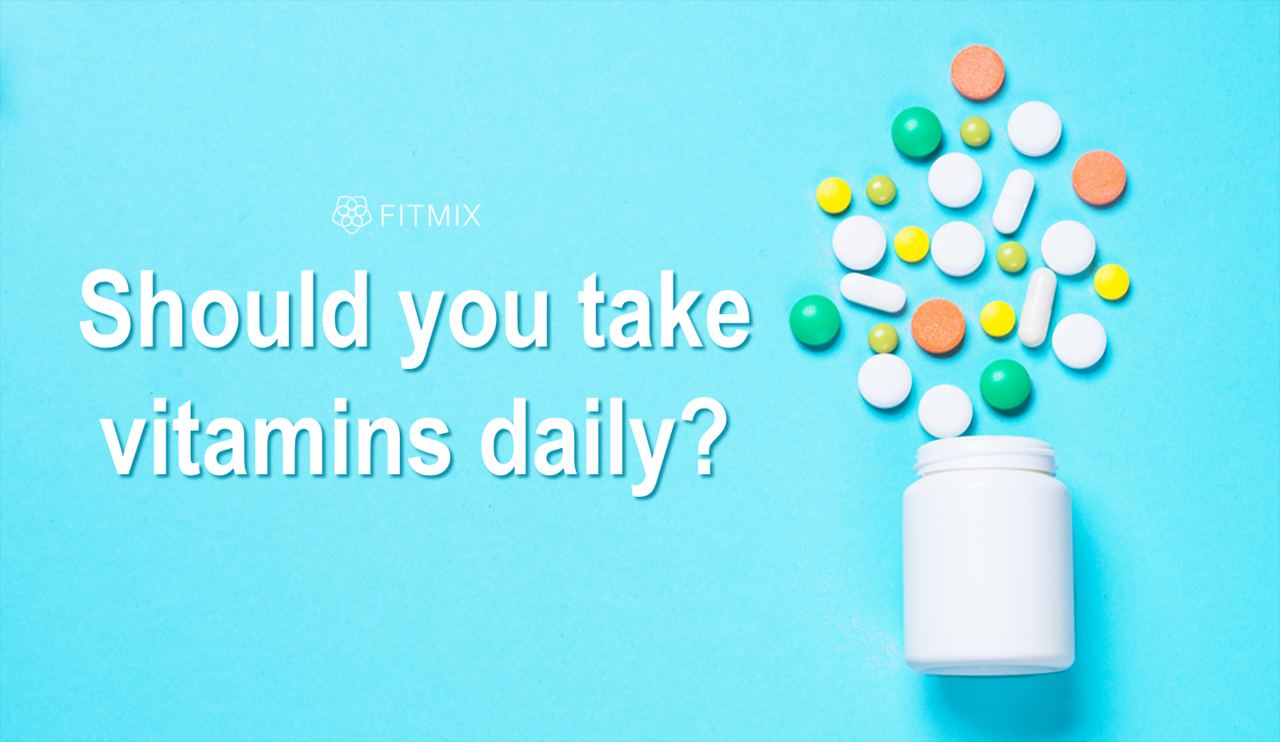
The quest for optimal health often leads individuals to focus on vitamins, which play crucial roles in various bodily functions. Understanding the sources of these essential nutrients is vital for meeting daily requirements safely. With the options of obtaining vitamins from natural food sources or synthetic supplements, it’s important to assess their efficacy and safety for daily intake.
Dietary sources of vitamins typically provide a complex array of nutrients that work synergistically in the body. Whole foods, such as fruits, vegetables, nuts, and grains, deliver not only vitamins but also fiber, minerals, and antioxidants, which can enhance health beyond the isolated effects of single nutrients. In contrast, synthetic supplements often contain vitamins in concentrated forms and may lack the accompanying nutrients found in whole foods. Research indicates that whole food sources may lead to better absorption and utilization of vitamins due to their natural composition. However, supplements can be beneficial in certain situations, such as when dietary intake is inadequate or in specific populations requiring higher amounts, like pregnant women or the elderly.
There are pros and cons to obtaining vitamins from natural food sources versus synthetic supplements. While natural foods provide a complete nutrient package and are generally safe, they can sometimes be deficient in certain vitamins due to soil depletion or processing methods. On the other hand, synthetic supplements can offer a convenient way to meet vitamin needs, but they may carry risks of overconsumption or possible side effects, especially when not taken under medical advice.
To provide clarity on which foods are nutrient-rich for key vitamins, here’s a list of some excellent sources:
- Vitamin A: Carrots, sweet potatoes, spinach, and kale
- Vitamin C: Oranges, strawberries, bell peppers, and broccoli
- Vitamin D: Fatty fish (like salmon and mackerel), fortified milk, and egg yolks
- Vitamin E: Nuts, seeds, spinach, and avocados
- Vitamin K: Leafy greens, broccoli, and Brussels sprouts
Understanding the Risks of Vitamin Overdose
Vitamin supplements can be an essential part of maintaining a healthy lifestyle, but they come with risks, particularly the potential for overdose. Unlike the vitamins our bodies can easily expel, some vitamins can accumulate over time and lead to serious health implications. This section delves into the symptoms and health repercussions of vitamin overdose, particularly focusing on fat-soluble vitamins, which pose a greater risk than their water-soluble counterparts.
Symptoms and Health Implications of Vitamin Overdose
Fat-soluble vitamins, including Vitamins A, D, E, and K, can build up in the body’s tissues, leading to toxicity. Symptoms of vitamin overdose can vary based on the specific vitamin:
- Vitamin A: Excessive intake can lead to symptoms such as dizziness, nausea, headaches, and even blurred vision. Chronic overdose may cause liver damage and symptoms like skin irritation and bone pain.
- Vitamin D: An overdose can result in hypercalcemia, which may manifest as nausea, vomiting, weakness, and frequent urination. Severe cases can lead to kidney damage.
- Vitamin E: High doses may interfere with blood clotting and increase the risk of hemorrhagic stroke due to its anticoagulant properties.
- Vitamin K: Although less common, excessive Vitamin K can affect the anticoagulant medication efficacy, leading to blood clotting issues.
The effects of vitamin overdose can be severe and may require medical attention.
Comparison of Safety Margins for Water-Soluble and Fat-Soluble Vitamins
Water-soluble vitamins, such as the B vitamins and Vitamin C, are generally considered safer than fat-soluble vitamins. The body can easily excrete excess amounts of water-soluble vitamins through urine. Conversely, fat-soluble vitamins can accumulate, leading to toxicity even at recommended levels if taken in excess.
The safety margins significantly differ:
- Water-Soluble Vitamins: Usually, there is a lower risk of toxicity, and daily intake can be more flexible, as excess amounts are typically flushed out.
- Fat-Soluble Vitamins: These require more caution; regular monitoring of intake levels is necessary since they can accumulate and lead to toxicity over time.
Daily Upper Intake Levels for Vitamins
To help prevent vitamin toxicity, understanding the upper intake levels for various vitamins is crucial. Below is a chart illustrating the recommended daily upper intake levels for selected vitamins:
| Vitamin | Upper Intake Level (Adults) |
|---|---|
| Vitamin A | 3,000 mcg |
| Vitamin C | 2,000 mg |
| Vitamin D | 4,000 IU |
| Vitamin E | 1,000 mg |
| Vitamin K | 3,000 mcg |
Keeping track of these upper intake levels is essential for preventing toxicity. Adhering to recommended guidelines and consulting with health professionals can help ensure safe and effective vitamin supplementation.
Developing a Personal Plan for Safe Vitamin Dosage
Developing a personalized vitamin plan is essential for meeting individual health goals while ensuring safety in dosage. This process allows you to align your vitamin intake with specific dietary preferences, lifestyle demands, and health objectives. Tailoring your vitamin regimen not only enhances its effectiveness but also mitigates potential risks associated with excessive intake.
Creating a personal vitamin plan involves assessing your current health status, dietary habits, and goals. Start by identifying the vitamins that are most beneficial for you based on factors such as age, gender, medical history, and lifestyle. Regularly tracking your vitamin consumption will enable you to make informed adjustments as needed.
Strategies for Tracking Vitamin Consumption
Establishing a reliable method for tracking your vitamin intake plays a crucial role in maintaining safe dosages. Monitoring ensures that you stay within recommended limits and adapt your plan as your health requirements change. Here are effective strategies to consider:
- Daily Log: Keep a journal or digital log to record the vitamins you take each day. Note the dosage and time of intake for better management.
- Mobile Apps: Utilize nutrition tracking apps that can help you log your vitamin intake and send reminders for doses. Many apps include features for setting goals and visualizing progress.
- Pill Organizer: A weekly pill organizer can simplify daily routines and ensure you take the right vitamins in the correct amounts.
- Health Check-Ins: Schedule regular check-ins with your healthcare provider to review your vitamin plan. This allows for professional adjustments based on changing needs or health conditions.
Monitoring your vitamin intake not only promotes adherence but also empowers you to make data-driven decisions about your health.
Template for Monitoring Daily Vitamin Intake
Creating a checklist can streamline the process of monitoring your vitamin intake. A structured approach helps you stay organized and ensures you don’t miss doses. Here’s a simple template to guide you:
| Date | Vitamin | Dosage | Time Taken | Notes |
|---|---|---|---|---|
| [Insert Date] | [Vitamin Name] | [Dosage] | [Time] | [Any Observations] |
This template can be duplicated for each day, allowing you to track patterns and assess the overall effectiveness of your regimen.
“Regular monitoring and adjustments to your vitamin intake can significantly enhance your health and well-being.”
Navigating Dietary Supplements
Dietary supplements can play a significant role in filling nutritional gaps and supporting overall health. However, their usage comes with responsibilities and considerations that are crucial for safe and effective use. Understanding how to navigate the world of dietary supplements is essential for making informed choices that align with one’s health goals.
Importance of Consulting Healthcare Professionals
Before incorporating any vitamin supplements into your routine, consulting healthcare professionals is paramount. A doctor or registered dietitian can assess individual health needs, review current medications, and identify any potential interactions or contraindications. This professional guidance helps to ensure that supplements are not only appropriate but also effective in contributing to health outcomes. Moreover, they can recommend specific dosages that align with personal health conditions, helping to avoid the risks associated with over-supplementation.
Role of Third-Party Testing and Certification
The safety and efficacy of dietary supplements can vary widely among products. Third-party testing and certification programs play a critical role in ensuring that supplements meet safety and quality standards. Independent organizations, such as the U.S. Pharmacopeia (USP) and NSF International, evaluate products for purity, potency, and the absence of harmful contaminants. Choosing supplements that have undergone this rigorous testing can significantly reduce the risk of consuming low-quality or adulterated products.
Tips for Selecting High-Quality Dietary Supplements
When choosing dietary supplements, considering several key factors can guide you toward high-quality options. Here are some important criteria to keep in mind:
- Check for Certifications: Look for seals from reputable third-party organizations that confirm the product’s safety and quality.
- Examine Ingredient Transparency: High-quality supplements provide clear and comprehensive labels detailing all ingredients, including the source and amounts.
- Research the Manufacturer: Opt for products from established companies with a good reputation and positive customer feedback.
- Avoid Proprietary Blends: Supplements that use proprietary blends can obscure the exact quantities of each ingredient, making it difficult to assess their effectiveness.
- Read Customer Reviews: Genuine customer reviews can offer insights into the efficacy and tolerability of the supplement.
“Choosing the right dietary supplement requires diligence; informed decisions lead to improved health outcomes.”
Cultural Perspectives on Vitamin Consumption and Safety
Different cultures have unique beliefs and practices surrounding health, which significantly influence their approaches to vitamin consumption and perceived safety. In many regions, cultural traditions dictate not only the types of vitamins people take but also how they view the role of these supplements in their overall wellness. The significance of vitamins can vary widely, from being regarded merely as dietary supplements to essential components of traditional medicine.
Cultural influences shape the trends in vitamin usage across the globe, often reflecting local beliefs about health and well-being. In some cultures, the use of vitamins is integrated into daily routines, while in others, they may be seen as a last resort to treat specific conditions. Understanding these practices can provide insight into the broader implications of vitamin intake and safety perceptions.
Regional Vitamin Usage Trends
Vitamin consumption trends differ significantly across various regions, influenced by dietary habits, health beliefs, and economic factors. Here’s an overview of how vitamin usage varies globally:
- North America: In the United States and Canada, there is a robust market for vitamin supplements. Multivitamins are a common choice among adults, often viewed as an insurance policy for nutritional gaps in the diet.
- Europe: European countries display a mix of attitudes towards vitamins. Countries like Germany emphasize herbal remedies and natural sources of vitamins, while Scandinavia shows a high prevalence of vitamin D supplementation due to low sunlight exposure.
- Asia: Traditional medicine plays a significant role in vitamin consumption. In countries like China and India, vitamins are often incorporated into traditional remedies, with herbal supplements being favored over synthetic options.
- Africa: In many African nations, dietary insufficiencies lead to a high emphasis on vitamins, particularly vitamin A and iron supplements, as part of public health initiatives to combat malnutrition.
- Australia: Australians frequently use vitamin D supplements, especially in regions with limited sunlight during the winter months, demonstrating a preventive approach to health.
Traditional remedies in various cultures often incorporate vitamins, blending modern dietary supplements with age-old practices. For instance, in traditional Chinese medicine, vitamins found in herbs, like vitamin C from goji berries, are believed to boost immune function and vitality. Similarly, in Ayurveda, the incorporation of vitamins through natural sources like amla (Indian gooseberry) is considered crucial for maintaining balance and wellness.
“The blend of traditional practices with modern vitamin supplementation highlights the dynamic nature of health beliefs across cultures.”
Conclusive Thoughts
In conclusion, ensuring that you adhere to safe daily vitamin dosages is not merely a suggestion but a pathway to better health. By understanding your individual needs based on age, lifestyle, and health conditions, you can make informed decisions about your vitamin intake. Remember, whether through diet or supplements, striking a balance is key to harnessing the benefits of vitamins without the risks of overdose.
Frequently Asked Questions
What are the symptoms of vitamin overdose?
Common symptoms include nausea, headaches, fatigue, and in severe cases, organ damage or toxicity.
Can you get all your vitamins from food?
While it’s possible to obtain most vitamins from a balanced diet, some individuals may require supplements due to specific dietary restrictions or health needs.
How do I know if I need a vitamin supplement?
Consulting with a healthcare professional can help determine if you have specific deficiencies based on your diet, health status, and lifestyle.
Are synthetic vitamins effective?
Yes, synthetic vitamins can be effective, but it is essential to choose high-quality supplements that are bioavailable and well-absorbed by the body.
How often should I take vitamins?
Most vitamins are best taken daily, but it’s crucial to follow the recommended dosages on the label or as advised by a healthcare provider.