
Best daily vitamin for women over 50 takes center stage as we dive into the unique nutritional journey that begins after this milestone age. With changing bodies and evolving health needs, it becomes crucial to understand which vitamins and minerals can best support well-being and vitality during these years.
The nutritional landscape for women over 50 shifts significantly, requiring a tailored approach to supplementation. It’s not just about maintaining health but enhancing it through targeted daily vitamins that address common concerns such as bone health, energy levels, and overall immunity. This guide aims to illuminate the best vitamin choices and how they can play a pivotal role in promoting a vibrant life in the golden years.
Understanding the Nutritional Needs of Women Over 50
As women age, particularly after reaching the age of 50, their nutritional needs undergo significant changes. This transition period, which often coincides with menopause and the onset of age-related health concerns, requires a tailored approach to nutrition. Ensuring adequate intake of essential vitamins and minerals not only supports overall well-being but also plays a critical role in maintaining vitality and preventing chronic diseases.
The importance of vitamins and minerals cannot be overstated during this stage of life. These nutrients contribute to various bodily functions, including bone health, immune function, and energy metabolism. As women age, the ability to absorb certain nutrients diminishes, and this makes it crucial to focus on specific vitamins and minerals that can support health and wellness effectively.
Critical Nutrients for Women Over 50
Identifying the essential nutrients that support health in women over 50 can guide dietary choices and supplementation. The following nutrients are particularly significant:
- Calcium: Vital for maintaining bone density and preventing osteoporosis. Sources include dairy products, leafy greens, and fortified foods.
- Vitamin D: Enhances calcium absorption and supports bone health. Natural sources include sunlight exposure and foods like fatty fish and fortified milk.
- Vitamin B12: Important for nerve function and red blood cell formation. Found in animal products such as meat, fish, and dairy, supplementation may be necessary for those on a vegetarian or vegan diet.
- Omega-3 Fatty Acids: Beneficial for heart health and cognitive function. Rich sources include fatty fish, flaxseeds, and walnuts.
- Magnesium: Supports muscle and nerve function, as well as bone health. Found in nuts, seeds, whole grains, and leafy green vegetables.
Incorporating these nutrients into daily meals can significantly impact health outcomes. For instance, a diet rich in calcium and vitamin D can help combat the risk of fractures and osteoporosis, which are prevalent concerns after 50. Additionally, the inclusion of omega-3 fatty acids supports cardiovascular health, a key area of focus as women age.
“It’s essential to recognize that nutritional needs evolve with age, and addressing these changes can enhance quality of life and longevity.”
Maintaining a balanced diet and considering supplementation, when necessary, should be part of a proactive approach to health for women over 50. Tailoring nutritional intake to meet these evolving needs is a vital investment in long-term health and well-being.
The Role of Daily Vitamins in Supporting Women’s Health After 50
As women age, particularly after the age of 50, their health needs evolve significantly. Daily vitamins can play a crucial role in addressing these changes, providing essential nutrients that help maintain optimal health and well-being. With increased risks of certain health conditions and changes in metabolism, a daily vitamin regimen tailored specifically for women over 50 can enhance quality of life and support bodily functions that may start to decline with age.
Daily vitamins are not just supplements; they are an important aspect of a holistic approach to health. By incorporating the right vitamins into their daily routine, women can address common health concerns such as bone density loss, hormonal changes, and cardiovascular health. Vitamins like calcium, vitamin D, and B vitamins are particularly significant for women in this age group. This proactive approach ensures that their nutritional needs are met, which can lead to improved energy levels, better mood stabilization, and enhanced overall well-being.
Health Conditions Influenced by Daily Vitamins
Understanding the specific health conditions that can be positively influenced by daily vitamin intake is essential for women over 50. Here are some key areas where vitamins can make a significant impact:
- Osteoporosis: Calcium and vitamin D are vital for maintaining bone density. A diet rich in these nutrients can help prevent osteoporosis, a condition that significantly increases the risk of fractures in older women.
- Heart Health: Vitamins B6, B12, and folic acid can help lower homocysteine levels, reducing the risk of cardiovascular diseases. Omega-3 fatty acids, often found in fish oil supplements, can also support heart health by lowering triglyceride levels and inflammation.
- Mood and Cognitive Function: Vitamin D, along with B vitamins, has been linked to improved mood and cognitive functions. Adequate intake can help combat feelings of depression and cognitive decline, which are common in older adults.
- Immune System Support: Vitamins C and E, along with zinc, play crucial roles in bolstering the immune system. For women over 50, maintaining a strong immune response is vital for overall health.
The integration of these vitamins into daily routines can lead to noticeable improvements in health and vitality, contributing to a more active and fulfilling lifestyle. Adopting a well-rounded approach to nutrition, including a focus on essential vitamins, empowers women to navigate the changes that accompany aging with confidence and resilience.
Key Vitamins and Their Benefits for Women Over 50
As women age, their nutritional needs change, making it vital to ensure they receive adequate vitamins for optimal health. Specifically, women over 50 may experience hormonal changes, bone density loss, and a slower metabolism, all of which can be supported through proper vitamin intake. Understanding the key vitamins and their specific benefits can empower women to maintain their health and vitality during this transformative stage of life.
Essential Vitamins for Women Over 50
The following table Artikels essential vitamins that women over 50 should incorporate into their daily routine, along with their food sources and health benefits.
| Vitamin | Food Sources | Health Benefits |
|---|---|---|
| Vitamin D | Fatty fish, fortified dairy products, egg yolks, and sunlight | Supports bone health, enhances calcium absorption, and boosts the immune system. |
| Vitamin B12 | Meat, fish, dairy products, and fortified cereals | Essential for nerve function, red blood cell production, and DNA synthesis. |
| Vitamin K | Leafy greens, broccoli, and Brussels sprouts | Plays a crucial role in blood clotting and bone metabolism. |
| Vitamin C | Citrus fruits, strawberries, bell peppers, and broccoli | Acts as an antioxidant, supports collagen production, and aids in iron absorption. |
| Folate (Vitamin B9) | Leafy greens, legumes, and fortified cereals | Important for cell division and DNA repair, and may help reduce the risk of heart disease. |
Vitamins play distinct roles in body function. For example, Vitamin D enhances calcium absorption, which is vital for maintaining bone density, especially in postmenopausal women who are at a higher risk for osteoporosis. A deficiency in Vitamin D can lead to weaker bones and increased fracture risk.
Vitamin B12 is essential for maintaining healthy nerve cells and producing red blood cells; its deficiency can lead to anemia and neurological issues. Women over 50, particularly vegans or vegetarians, may need to consider fortified foods or supplements to meet their B12 needs.
Vitamin K is increasingly recognized for its role in bone health. It works synergistically with Vitamin D to ensure proper bone mineralization, and a deficiency may heighten the risk of bone fractures.
Meanwhile, Vitamin C is crucial for its antioxidant properties and its role in collagen synthesis, which supports skin and joint health. A lack of Vitamin C can lead to weakened skin and impaired wound healing, a particular concern as skin elasticity decreases with age.
Folate, or Vitamin B9, is not only important for cell function but also plays a role in cardiovascular health. An adequate intake of folate may lower homocysteine levels, a risk factor for heart disease. Without sufficient folate, women may experience fatigue and other health complications.
Overall, understanding the specific vitamins and their functions helps in maintaining health and well-being for women over 50. Taking proactive steps to ensure adequate vitamin intake can significantly impact overall health in this transformative life stage.
Choosing the Right Daily Vitamin Supplement for Women Over 50
Selecting the appropriate daily vitamin supplement is crucial for women over 50, as nutritional needs evolve with age. This age group may face unique health challenges, making it essential to choose vitamins that cater to those specific requirements. Understanding the various options and considerations can facilitate better health management and enhance overall well-being.
When it comes to vitamin formulations, there are numerous options available on the market. These can vary in composition, dosage, and delivery methods. Women over 50 should be aware of their specific needs, including vital nutrients like calcium, vitamin D, and B vitamins, which play a significant role in maintaining bone health, energy levels, and overall vitality.
Guidelines for Selecting Vitamin Supplements
Choosing a vitamin supplement requires careful consideration of various factors. Here are some essential guidelines to keep in mind:
- Nutrient Needs: Focus on supplements that provide essential nutrients that may become deficient with age.
- Dietary Restrictions: Consider any dietary restrictions such as vegetarianism, veganism, or allergies, which may affect the choice of supplements.
- Health Conditions: Assess any existing health conditions that may require specific nutrients or higher dosages, such as osteoporosis or heart disease.
- Formulation Type: Decide between tablets, capsules, gummies, or powders based on personal preferences and ease of swallowing.
- Quality and Purity: Look for supplements that are third-party tested for quality and purity to ensure they meet safety standards.
- Consult Healthcare Professionals: Always consult with healthcare providers to tailor vitamin intake to individual health needs and conditions.
Comparison of Vitamin Formulations
Understanding the differences between various vitamin formulations can help in making an informed choice. Here are some common types of vitamin supplements available:
- Multivitamins: These typically contain a blend of essential vitamins and minerals aimed at supporting overall health.
- Targeted Supplements: Formulations designed to address specific health needs, such as bone health or immune support.
- Gummies: Chewable vitamins that are often more palatable, but may contain added sugars or preservatives.
- Powdered Supplements: These can be mixed with liquids, making them a flexible option for those who prefer not to take pills.
- Probiotics: While not standard vitamins, these supplements can support digestive health, which is important as metabolism changes.
“Women over 50 should aim for a balanced intake of vitamins that support their changing health needs and lifestyle.”
Factors Influencing Vitamin Supplement Choices
Several factors can significantly influence the choice of vitamin supplements for women over 50. Understanding these can lead to better health outcomes:
- Age-Related Changes: Hormonal shifts and declining nutrient absorption can impact vitamin needs.
- Lifestyle Factors: Physical activity levels, stress, and sleep quality can all affect nutritional requirements.
- Geographical Location: Access to fresh produce and sunlight can influence dietary choices and vitamin D synthesis.
- Personal Preferences: Individual taste preferences and lifestyle choices play a role in selecting supplements.
- Budget Considerations: Price points of supplements can vary widely; consider cost-effectiveness while ensuring quality.
Potential Side Effects and Risks of Vitamin Overconsumption
Taking vitamins can be beneficial, especially for women over 50 who may face unique nutritional needs. However, excessive consumption of vitamins can lead to various side effects and health risks. It is crucial to understand the implications of overconsumption to ensure proper health management and to avoid potential harm.
High doses of vitamins can result in toxicity, with symptoms varying depending on the specific vitamin. Fat-soluble vitamins, such as A, D, E, and K, can accumulate in the body, leading to adverse effects. Meanwhile, water-soluble vitamins, although less likely to cause toxicity, can still lead to health issues if taken in excessive amounts. Understanding the threshold for safe intake is essential for maintaining health and avoiding complications.
Risks Associated with High Doses of Specific Vitamins
Certain vitamins carry risks when taken in high doses, and it is important to be aware of these potential dangers:
- Vitamin A: Excessive intake can lead to symptoms such as dizziness, nausea, and even liver damage. Chronic overconsumption may result in more severe conditions like hypervitaminosis A.
- Vitamin D: Toxicity can occur at high levels, leading to hypercalcemia, which can cause kidney stones, nausea, and weakness.
- Vitamin E: Overuse may result in bleeding disorders since it can interfere with blood clotting, increasing the risk of hemorrhage.
- Vitamin K: Though less common, excessive amounts can disrupt anticoagulant medications, leading to dangerous blood clotting issues.
- Vitamin B6: Very high doses can lead to nerve damage and neuropathy, causing symptoms like pain and numbness in the extremities.
To manage vitamin intake safely, here are recommendations for appropriate levels of vitamin consumption for women over 50:
- Vitamin A: Aim for no more than 3,000 mcg (10,000 IU) per day from all sources.
- Vitamin D: Limit intake to 800-1000 IU per day, depending on individual health needs and doctor’s advice.
- Vitamin E: Stick to 15 mg (22.4 IU) daily to avoid complications.
- Vitamin K: It is generally safe at recommended levels, but consult with a healthcare provider if on blood thinners.
- Vitamin B6: Stay within 1.5-2.0 mg per day to prevent potential neurological harm.
“The key to vitamin supplementation is moderation; more is not always better.”
By adhering to these guidelines, women over 50 can enjoy the benefits of vitamins while minimizing the risk of adverse effects associated with overconsumption.
Lifestyle Changes that Complement Vitamin Intake for Women Over 50
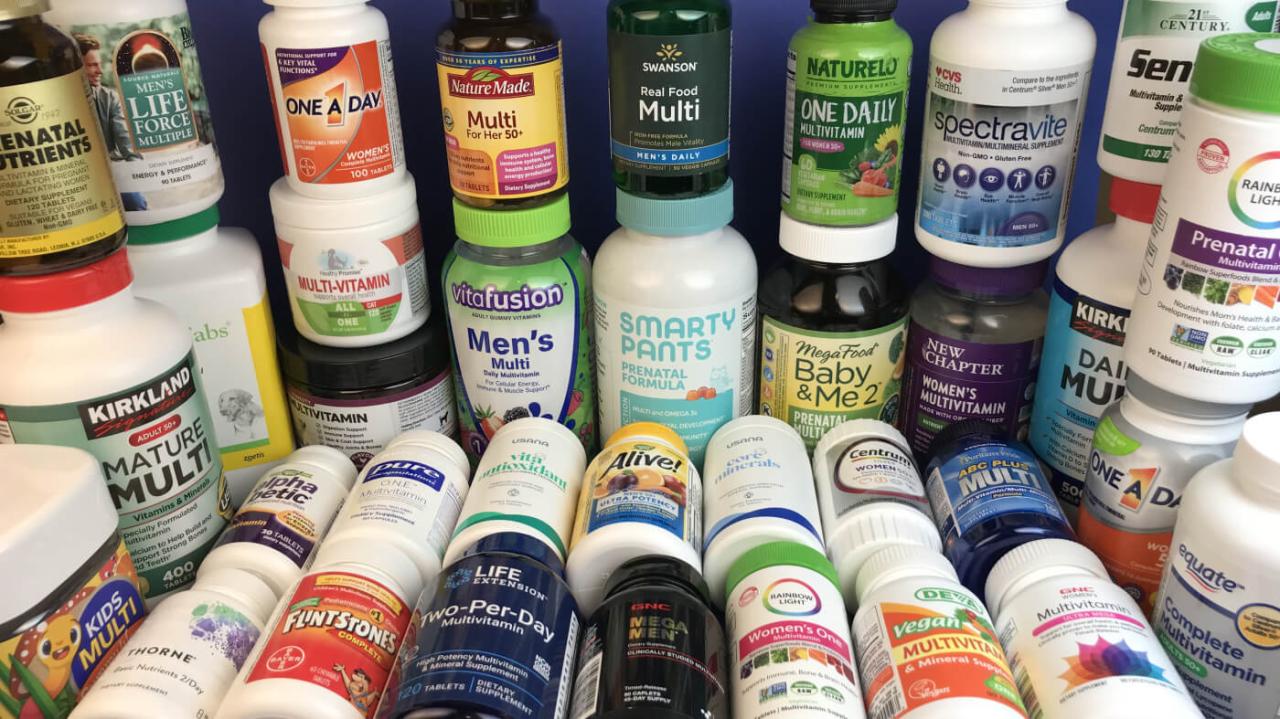
As women transition into their 50s and beyond, maintaining optimal health becomes essential. Vitamins play a crucial role in supporting various bodily functions, but their effectiveness can be significantly enhanced through specific lifestyle changes. Adopting healthy habits can help amplify the benefits of vitamin intake, leading to improved overall well-being.
To fully harness the advantages of vitamin supplements, it is important to integrate them with effective lifestyle practices. These practices not only support the absorption of nutrients but also contribute to better physical and mental health. Here are some lifestyle habits that can complement vitamin intake for women over 50.
Healthy Dietary Practices
A well-balanced diet is fundamental for maximizing the benefits of vitamins. The following dietary practices can support overall health and enhance the effectiveness of supplements:
- Include a Variety of Nutrient-Dense Foods: Focus on whole foods, such as fruits, vegetables, whole grains, lean proteins, and healthy fats. These foods provide essential nutrients that work synergistically with vitamin supplements.
- Stay Hydrated: Drinking plenty of water is crucial for nutrient absorption and overall health. Adequate hydration supports digestion and helps transport vitamins throughout the body.
- Moderate Alcohol Consumption: Limiting alcohol intake can enhance the body’s ability to absorb vitamins. Excessive alcohol can interfere with nutrient absorption and lead to deficiencies.
- Mindful Eating: Paying attention to hunger cues and practicing portion control can help maintain a healthy weight, which is essential for overall wellness.
Exercise Practices
Regular physical activity is another key component in promoting health and well-being for women over 50. Combining vitamin intake with consistent exercise can lead to improved vitality and longevity. Consider the following exercise practices:
- Strength Training: Incorporating strength exercises helps build muscle mass, which can decline with age. Resistance training can also improve bone density and metabolism.
- Aerobic Exercise: Engaging in activities like walking, swimming, or cycling enhances cardiovascular health and boosts mood. Aim for at least 150 minutes of moderate aerobic activity each week.
- Flexibility and Balance Exercises: Practices such as yoga or tai chi improve flexibility, balance, and overall stability, reducing the risk of falls.
Synergy Between Vitamins and Lifestyle Choices
The relationship between vitamins and lifestyle choices is critical for achieving optimal health in later years. When vitamins are paired with healthy habits, they can work more effectively within the body. For instance, vitamin D, essential for calcium absorption, is best utilized when combined with weight-bearing exercises.
Additionally, the antioxidant properties found in vitamins C and E can provide protection against oxidative stress, especially when one follows a balanced diet rich in fruits and vegetables.
“Incorporating healthy lifestyle changes alongside vitamin intake creates a powerful synergy that promotes longevity and vitality in women over 50.”
Real-Life Testimonials on the Impact of Daily Vitamins
Numerous women over 50 have shared their experiences with daily vitamins, revealing the profound impact these supplements can have on their health and vitality. These testimonials highlight not only personal journeys but also the common benefits associated with maintaining a consistent vitamin regimen.
Daily vitamins have played a significant role in enhancing the health and energy levels of many women. Through these shared stories, common themes emerge that demonstrate the transformative effects of vitamins on overall well-being.
Personal Stories and Shared Experiences
Women from various backgrounds have reported noticeable improvements in their health after incorporating daily vitamins into their routines. Many describe feeling more energetic and vibrant, leading to an enriched quality of life. Below are some key insights gathered from their testimonials:
-
“Since I started taking my daily vitamins, I feel like I’ve regained my zest for life. My energy levels have soared, and I’m able to keep up with my grandchildren!” – Linda, 62
-
“I noticed that my skin looks healthier and more radiant since I began my vitamin regimen. It’s made a visible difference!” – Karen, 57
-
“After struggling with fatigue for years, I’ve finally found relief. My daily vitamins have made all the difference in how I feel day-to-day.” – Susan, 64
-
“These vitamins have helped me manage my mood better. I feel more balanced and less anxious.” – Michelle, 58
The recurring themes in these testimonials highlight a few key benefits experienced by women over 50:
- Increased Energy Levels: Many women report feeling more energetic and less fatigued, allowing them to engage in activities they love.
- Improved Skin Health: Numerous testimonials mention the positive effects on skin appearance, with many noting increased hydration and a youthful glow.
- Mood Stabilization: Some women have found that daily vitamins help in managing their moods better, leading to a more positive outlook on life.
As these stories illustrate, the impact of daily vitamins goes beyond just physical health; it fosters a holistic sense of well-being. By sharing their experiences, these women encourage others to consider the potential benefits of incorporating vitamins into their daily routine.
Final Wrap-Up

In summary, selecting the best daily vitamin for women over 50 is essential for addressing the unique health challenges faced during this stage of life. By understanding the critical nutrients and their sources, alongside considering lifestyle factors, women can enhance their overall well-being and enjoy a healthier, more active lifestyle. Embracing these vitamins as part of a holistic approach can make a significant difference in feeling vibrant and energized every day.
Questions Often Asked
What vitamins are essential for women over 50?
Essential vitamins include Vitamin D, Calcium, Vitamin B12, and Omega-3 fatty acids, which support bone health, energy levels, and heart health.
Can I get all the necessary vitamins from food alone?
While a balanced diet is crucial, many women over 50 may find it challenging to meet all their nutritional needs through food alone, making supplements beneficial.
Are there any risks associated with taking vitamins?
Yes, taking excessive vitamins can lead to side effects, especially with fat-soluble vitamins. It’s important to adhere to recommended dosages.
How can I choose the right vitamin supplement?
Consider your dietary restrictions, specific health concerns, and consult with a healthcare provider to find a supplement tailored to your needs.
How long does it take to see the benefits of daily vitamins?
Benefits can vary but many women report improvements in energy and overall well-being within a few weeks of consistent use.