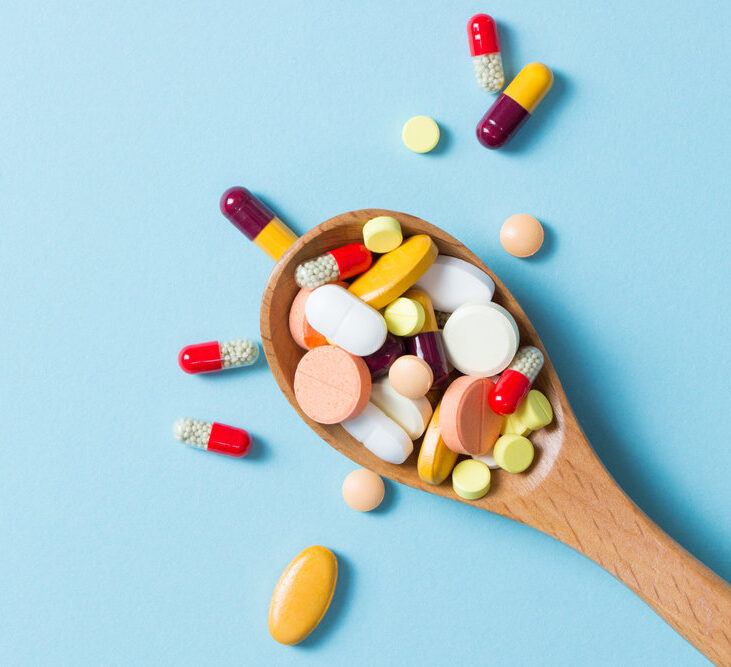
Daily supplement for aging is an essential topic for those seeking to maintain their health and vitality as they grow older. As the aging process unfolds, our bodies undergo various changes that can affect overall well-being. Daily supplements play a vital role in bridging nutritional gaps and supporting the body’s functions during this natural progression. With scientific advancements, we now understand how specific vitamins, minerals, and antioxidants can significantly impact our health, enhancing our quality of life and potentially extending longevity.
In today’s fast-paced world, where nutritious meals can sometimes be hard to achieve, daily supplementation emerges as a convenient and effective strategy for older adults. From boosting cognitive function with omega-3 fatty acids to maintaining gut health with probiotics, these supplements offer targeted benefits that can help address age-related concerns. By incorporating daily supplements into a well-rounded lifestyle, seniors can take proactive steps toward aging gracefully and healthily.
Daily supplements and their role in the aging process
The aging process is often accompanied by a variety of physical and mental changes that can be mitigated through the thoughtful incorporation of daily supplements. These supplements play a crucial role in providing essential nutrients that our bodies may lack as we age, thus supporting overall health and well-being. With advancing age, our nutrient absorption may decline, making it even more important to consider how daily supplementation can foster a healthier, more vibrant life.
Daily supplements can influence the aging process significantly by addressing specific deficiencies and enhancing physiological functions that tend to diminish over time. Scientific research has shown that various vitamins, minerals, and other compounds can improve immune function, promote cognitive health, and contribute to better skin elasticity among other benefits. For instance, antioxidants like vitamin C and E combat oxidative stress, which is linked to cellular aging. In addition to antioxidants, omega-3 fatty acids found in fish oil are known for their anti-inflammatory properties that may help reduce age-related conditions such as arthritis and heart disease.
Scientific basis behind common supplements
The understanding of how certain supplements can aid in the aging process comes from numerous studies investigating their biological effects. Here are some key supplements that are commonly found in anti-aging regimens:
- Vitamin D: Essential for maintaining bone health and immune function, vitamin D deficiency is prevalent in older adults. Adequate levels are crucial for preventing osteoporosis and fractures.
- Omega-3 Fatty Acids: These essential fats support heart health, brain function, and have anti-inflammatory properties that may help combat chronic diseases.
- Coenzyme Q10: A powerful antioxidant that supports cellular energy production, it has been shown to improve heart health and may reduce the effects of aging on the skin.
- B Vitamins: Including B6, B12, and folate, these vitamins are vital for energy production, brain health, and reducing homocysteine levels, which are linked to cognitive decline.
- Zinc: This mineral supports immune function and has been associated with improved skin health, promoting wound healing and reducing inflammation.
In addition to these essential nutrients, the synergistic effects of combining various supplements can lead to optimized health outcomes. For instance, pairing omega-3s with antioxidants may provide compounded benefits by reducing inflammation and oxidative damage simultaneously. The interplay between diet, lifestyle, and supplementation underscores the need for a holistic approach to healthy aging.
“Incorporating a balanced approach to daily supplementation can significantly enhance the quality of life as we age.”
The importance of antioxidants in daily supplementation for seniors
Antioxidants play a vital role in maintaining health, especially for seniors, as they help combat oxidative stress, which can lead to various age-related diseases. Oxidative stress occurs when there is an imbalance between free radicals and antioxidants in the body. This imbalance can result in cellular damage, inflammation, and chronic health conditions such as heart disease, diabetes, and neurodegenerative disorders. Implementing daily antioxidant supplementation can significantly improve the overall well-being of older adults by reducing oxidative stress and promoting longevity.
Antioxidants neutralize free radicals, which are unstable molecules that can cause cellular damage. The body produces some antioxidants naturally, like glutathione, but as we age, the production of these protective compounds decreases. This decline makes seniors more susceptible to oxidative stress, making daily supplementation of antioxidants not just beneficial but essential. Research has shown that antioxidant supplementation can enhance immune function, reduce the risk of chronic diseases, and improve cognitive health.
Comparison of Antioxidant Supplements and Their Effectiveness
When evaluating the effectiveness of various antioxidant supplements available for seniors, it is essential to consider their sources and bioavailability. Common antioxidant supplements include vitamins C and E, selenium, coenzyme Q10, and various plant-based extracts like resveratrol and curcumin. Each of these antioxidants has unique properties that can promote health in different ways.
– Vitamin C: A powerful water-soluble antioxidant that aids in collagen synthesis and promotes immune function. It is known to protect against heart disease and is well-absorbed by the body.
– Vitamin E: A fat-soluble antioxidant that plays a critical role in protecting cell membranes from oxidative damage. It can improve skin health and support cardiovascular function.
– Selenium: An essential trace mineral that enhances antioxidant enzyme activity. It has been linked to improved mood and cognitive function in older adults.
– Coenzyme Q10: A compound that aids in energy production within cells. It can help reduce the risk of heart disease and improve cardiovascular health.
– Resveratrol: Found in red wine and grapes, this antioxidant is associated with anti-aging effects and improved longevity by activating certain genes linked to longevity.
– Curcumin: The active compound in turmeric, curcumin has strong anti-inflammatory and antioxidant effects. It may help improve brain function and lower the risk of age-related diseases.
Adding antioxidant-rich foods to a senior’s diet can complement supplementation and enhance overall effectiveness. Foods high in antioxidants include:
– Berries: Blueberries, raspberries, and strawberries contain high levels of anthocyanins, which have potent antioxidant properties.
– Dark Chocolate: Rich in flavonoids, dark chocolate can lower blood pressure and improve heart health.
– Green Tea: Contains catechins, which are powerful antioxidants that can improve brain health and lower the risk of certain cancers.
– Leafy Greens: Spinach and kale are rich in vitamins A, C, and K, all of which have antioxidant properties that support aging skin and overall health.
– Nuts: Almonds and walnuts provide vitamin E, healthy fats, and other antioxidants that can protect against age-related diseases.
Incorporating these foods into daily meals alongside supplementation can create a synergistic effect, maximizing the benefits of antioxidants for seniors. The combination of dietary sources and supplements offers a comprehensive approach to combating oxidative stress and promoting longevity.
The potential benefits of omega-3 fatty acids in aging
As we age, maintaining cognitive function and brain health becomes increasingly crucial. Omega-3 fatty acids have garnered attention for their potential benefits in supporting these vital aspects of health. Found in various foods and supplements, these essential fats play a significant role in cognitive function, mood regulation, and overall brain health. Incorporating omega-3s into a daily routine can be particularly beneficial for seniors, fostering not only physical well-being but also mental clarity and emotional balance.
Benefits of Omega-3 Fatty Acids for Brain Health and Cognitive Function
Omega-3 fatty acids, particularly EPA (eicosapentaenoic acid) and DHA (docosahexaenoic acid), are known to support brain health significantly. Research indicates that these fats contribute to the preservation of neuronal function and structure, which is crucial as brain aging occurs. They have been linked to improved memory, enhanced learning capabilities, and a reduction in cognitive decline related to aging. Studies suggest that individuals with higher omega-3 levels have a lower risk of developing Alzheimer’s disease and other forms of dementia.
In addition to supporting memory and cognitive function, omega-3s have anti-inflammatory properties that may protect against neurodegenerative diseases. This is particularly important for seniors, as inflammation in the brain can lead to various cognitive impairments. Furthermore, omega-3s can positively impact mood and emotional health, reducing symptoms of depression and anxiety, which are common in older adults.
Sources of Omega-3 Fatty Acids
Understanding the different sources of omega-3s is essential for making informed choices. The primary sources can be categorized into marine-based and plant-based options:
- Fish Oil: Rich in EPA and DHA, fish oil supplements are one of the most concentrated sources of omega-3s. Fatty fish such as salmon, mackerel, and sardines are excellent dietary sources. Regular consumption can help meet daily omega-3 requirements.
- Algal Oil: A plant-based alternative, algal oil is derived from algae and offers a vegan source of DHA. It is becoming increasingly popular as a supplement for those who prefer to avoid fish products.
- Flaxseed Oil: This oil is high in ALA (alpha-linolenic acid), a precursor to EPA and DHA. While beneficial, the body must convert ALA to the more potent forms of omega-3s, which can be inefficient.
- Chia Seeds and Walnuts: Both are excellent sources of ALA and can easily be incorporated into a senior’s diet for additional omega-3 intake.
Incorporating Omega-3 Supplements into a Daily Routine
For seniors looking to increase their omega-3 intake, several simple methods can be implemented into daily routines. These approaches can help make the process easy and enjoyable:
- Adding fish to meals at least twice a week, focusing on fatty varieties like salmon or tuna.
- Using flaxseed oil or walnut oil in salad dressings to enhance flavor while boosting omega-3 content.
- Incorporating chia seeds into smoothies, yogurt, or oatmeal for a nutritious boost.
- Opting for high-quality fish oil or algal oil supplements as a convenient way to ensure adequate omega-3 intake, especially if dietary options are limited.
“Regular intake of omega-3 fatty acids can be a simple yet effective strategy to support brain health as we age.”
Evaluating the impact of probiotics on gut health in older adults

Maintaining gut health is vital for overall wellness, especially as we age. The gut microbiome plays a significant role in digestion, immune function, and even mental health. As older adults experience natural changes in their digestive systems, understanding the impact of probiotics can help in promoting better health outcomes. Probiotics, which are live microorganisms that provide health benefits when consumed in adequate amounts, can be particularly beneficial in addressing age-related gut issues.
The relationship between gut health and overall wellness in aging is profound. A balanced gut microbiome can help mitigate common age-related issues such as constipation, diarrhea, and even cognitive decline. As we grow older, our gut bacteria diversity tends to decrease, leading to digestive discomfort and increased susceptibility to infections. Probiotics can help restore this balance by introducing beneficial bacteria, which can enhance nutrient absorption, support immune function, and even improve mood and cognitive function. Studies have shown that seniors who regularly consume probiotics experience fewer gastrointestinal symptoms and improved overall health, illustrating the integral role of gut health in aging.
Beneficial probiotic strains for seniors’ digestive health
Specific probiotic strains have been identified as particularly beneficial for older adults. These strains can help address various gastrointestinal issues commonly faced by seniors. The following strains are noteworthy:
- Lactobacillus rhamnosus: Known for its ability to alleviate diarrhea and improve gut health, this strain can be especially helpful for older adults who may have weakened immune systems.
- Bifidobacterium longum: This strain supports digestive function and is effective in reducing constipation, a common issue among seniors.
- Lactobacillus acidophilus: Often used to maintain a healthy balance of gut flora, this strain can enhance digestion and help in the absorption of nutrients.
- Bifidobacterium bifidum: This strain aids in reducing inflammation and strengthening the gut barrier, which is crucial for seniors.
Understanding the importance of selecting high-quality probiotic supplements is essential for maximizing benefits. When choosing probiotics, consider the following guidelines:
– Look for products that contain a variety of strains, as a diverse microbiome is more effective in promoting gut health.
– Ensure that the supplement contains at least 1 billion CFUs (colony-forming units) per serving, as this is considered an effective dose for health benefits.
– Verify the expiration date and ensure that the probiotics are stored properly, as live bacteria can degrade over time and with improper storage conditions.
– Choose products that have undergone third-party testing for quality and potency, ensuring that what’s on the label is genuinely in the product.
Incorporating these considerations can help older adults select the right probiotics to enhance their gut health and overall wellness.
The significance of vitamin D and calcium for bone health in aging individuals
As individuals age, maintaining strong and healthy bones becomes increasingly crucial to prevent fractures and diseases such as osteoporosis. Two essential nutrients that play a vital role in bone health are vitamin D and calcium. Understanding the connection between these nutrients and bone density can provide insights into preventive measures for age-related bone loss.
Vitamin D is pivotal for calcium absorption in the body. It helps regulate calcium and phosphate levels, which are necessary for maintaining healthy bones. When vitamin D levels are insufficient, the body struggles to absorb adequate calcium from dietary sources or supplements, leading to reduced bone mineralization. This can result in decreased bone density over time, increasing the risk of fractures and osteoporosis, a condition characterized by porous and brittle bones.
Regular supplementation of vitamin D and calcium can significantly improve bone health in aging individuals. Studies have demonstrated that calcium supplementation, especially in conjunction with vitamin D, can effectively increase bone mineral density and reduce the risk of fractures in older adults. For instance, a meta-analysis indicated that older adults who received both nutrients showed a 20% lower risk of hip fractures compared to those who did not supplement. This protective effect underscores the importance of these nutrients in maintaining skeletal integrity as we age.
Comparison of vitamin D and calcium supplement forms
With various forms of vitamin D and calcium supplements available on the market, selecting the right type can be daunting. Each form has unique properties that may affect absorption and efficacy.
Vitamin D is primarily available in two forms:
- Vitamin D2 (ergocalciferol): This form is derived from yeast and fungi and is less potent than D3. It may require higher doses to achieve similar effects.
- Vitamin D3 (cholecalciferol): Sourced from animal products, this form is more effective at raising and maintaining vitamin D levels in the blood.
Calcium supplements also come in different formulations:
- Calcium carbonate: This is the most common form, providing a high amount of elemental calcium but requiring stomach acid for absorption, making it preferable to take with food.
- Calcium citrate: This form is easier to absorb, even on an empty stomach, though it contains less elemental calcium per tablet.
- Calcium gluconate and calcium lactate: These forms are less concentrated in calcium and may not be as effective for those needing higher doses.
When considering supplements, individuals should consult with healthcare professionals to assess their specific needs, dietary intake, and potential interactions with other medications. Balancing vitamin D and calcium intake through supplements or diet can help foster optimal bone health during the aging process.
Maintaining adequate levels of vitamin D and calcium is crucial for preventing osteoporosis and ensuring overall bone health in older adults.
Herbal supplements that are gaining popularity for aging gracefully
As the quest for healthy aging continues, many individuals are turning to herbal supplements as a natural approach to age-related health concerns. These supplements, derived from plants, offer a range of potential benefits that can promote vitality and overall well-being. Research into various herbal remedies has shown promising results, making them a popular choice among those looking to enhance their quality of life as they age.
One of the most researched herbal supplements is turmeric, known for its active compound, curcumin, which has potent anti-inflammatory and antioxidant properties. These characteristics make turmeric a candidate for addressing issues like joint pain and cognitive decline. Another notable supplement is ginseng, a traditional herb believed to boost energy, improve cognitive function, and support immune health. Its adaptogenic properties can help the body manage stress, a common factor affecting health in older adults.
Most Researched Herbal Supplements
Several other herbal supplements have gained traction in the wellness community for their potential to address age-related health concerns. Below are some of the most notable ones:
- Green Tea Extract: Rich in polyphenols, particularly EGCG, green tea extract is celebrated for its antioxidant effects, which may contribute to heart health and longevity.
- Gingko Biloba: Widely used for enhancing memory and cognitive function, this herb may also improve circulation, making it beneficial for older adults.
- Rhodiola Rosea: An adaptogen that can help reduce fatigue and improve mental clarity, Rhodiola is becoming increasingly popular for managing stress and enhancing resilience.
- Ashwagandha: Known for its ability to reduce stress and anxiety, this herb also supports overall vitality and may benefit cognitive function.
While herbal supplements can provide various health benefits, it is essential to be aware of potential risks and side effects. Some herbs can interact with medications, leading to adverse reactions. For instance, ginkgo biloba may increase bleeding risk when taken with anticoagulants. Additionally, herbs like St. John’s wort can affect the metabolism of certain drugs, resulting in decreased effectiveness.
To safely incorporate herbal supplements into a daily regimen, consider the following best practices:
- Consult with a Healthcare Provider: Before starting any herbal supplement, discuss it with a qualified healthcare professional to ensure it is appropriate for your health status and won’t interfere with medications.
- Choose Quality Products: Select supplements from reputable brands that provide third-party testing for purity and potency.
- Start with Small Doses: Begin with a lower dose to assess tolerance and gradually increase as needed, following the recommended guidelines.
- Monitor Effects: Keep track of any changes in your health or side effects and report these to your healthcare provider promptly.
- Stay Informed: Research current studies and information regarding herbal supplements to make educated choices.
The increasing popularity of herbal supplements for aging gracefully reflects a growing interest in natural health solutions. By focusing on quality, safety, and informed choices, individuals can take proactive steps toward maintaining their health as they age gracefully.
The role of hydration and its relationship with daily supplements in aging
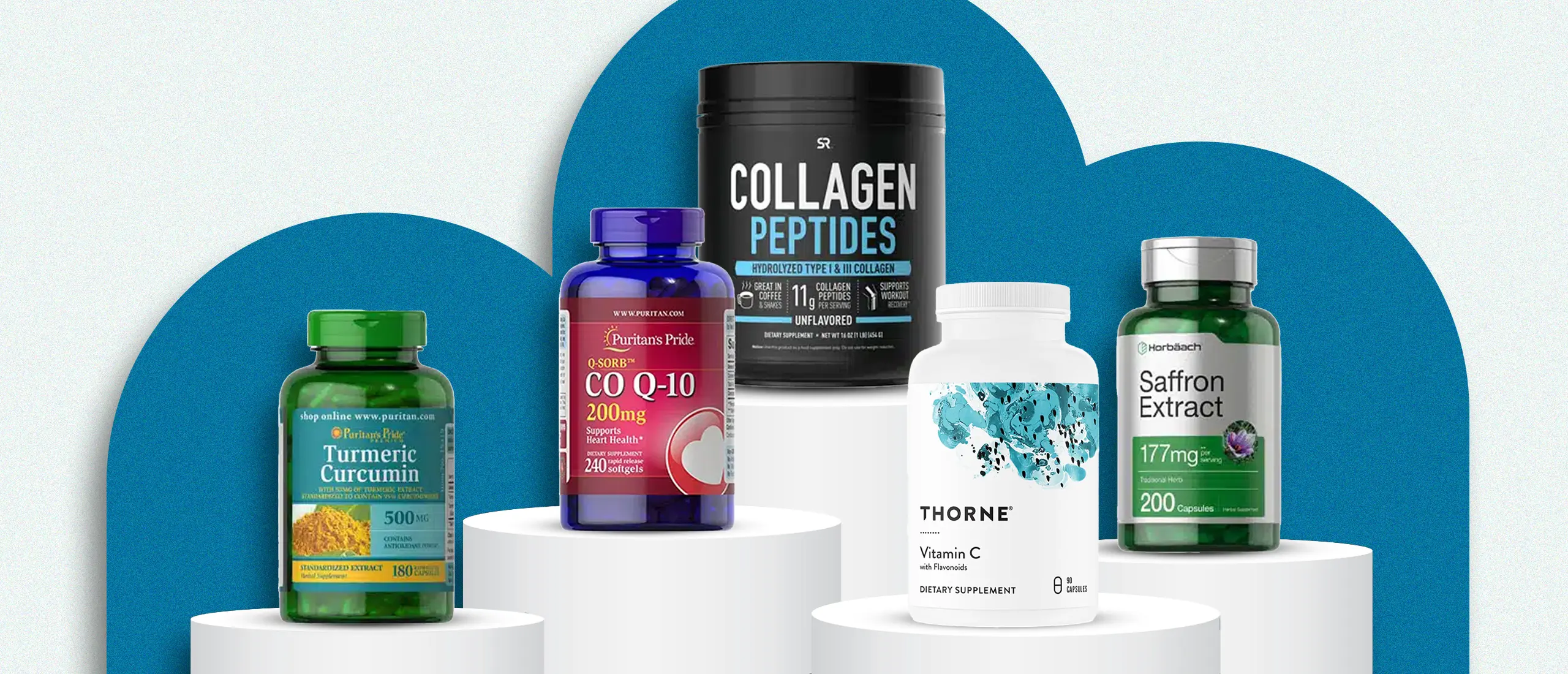
Maintaining proper hydration is essential for everyone, especially as we age. With the body’s physiological changes, the importance of drinking enough fluids becomes even more pronounced when considering daily supplements. Hydration plays a crucial role in ensuring that the nutrients from these supplements are absorbed effectively, ultimately supporting overall health and wellness in older adults.
Hydration significantly affects the effectiveness of daily supplements. When the body is well-hydrated, it creates an optimal environment for the digestion and absorption of nutrients. Water is vital for transporting vitamins and minerals through the bloodstream to various cells and organs. Additionally, many supplements are designed to dissolve in water, making it necessary for seniors to stay hydrated to enhance the bioavailability of these nutrients. A lack of adequate hydration can lead to decreased absorption rates, diminishing the potential health benefits that supplements provide. Essentially, hydration acts as a catalyst that helps unlock the full potential of daily supplements, ensuring that seniors receive the intended support for their aging bodies.
Strategies for maintaining hydration in conjunction with supplementation
Implementing effective hydration strategies can help seniors ensure they are drinking enough fluids while taking their daily supplements. Here are some practical approaches to promote consistent hydration:
1. Set Regular Reminders: Use alarms or smartphone apps to remind seniors to drink water throughout the day, especially when it’s time to take their supplements.
2. Utilize a Hydration Journal: Keeping track of daily fluid intake can raise awareness of hydration levels and motivate seniors to prioritize drinking water.
3. Incorporate Fluids into Meals: Encourage drinking a glass of water or herbal tea with every meal, providing a routine that integrates hydration naturally into daily activities.
4. Flavor the Water: Adding natural flavors, such as lemon, cucumber, or mint, can make drinking water more enjoyable for seniors, encouraging more frequent consumption.
5. Consume Hydrating Foods: Incorporating fruits and vegetables with high water content, such as cucumbers, oranges, and berries, into meals can contribute to overall hydration.
6. Monitor Urine Color: A simple way to assess hydration levels is by observing urine color; light yellow generally indicates proper hydration, while darker colors may signal the need for more fluids.
7. Use a Water Bottle: Having a personal water bottle within reach can serve as a visual reminder to drink, making hydration more accessible throughout the day.
By adopting these strategies, seniors can ensure they stay hydrated and enhance the effectiveness of their daily supplements, ultimately supporting better health outcomes as they age.
Lifestyle changes that can enhance the effects of daily supplements
Integrating lifestyle changes with daily supplementation can significantly enhance health outcomes, particularly in the aging process. As we age, our bodies require not just vitamins and minerals from supplements but also supportive lifestyle factors that can bolster their effects. The right combination of nutrition, physical activity, and mental well-being can create a harmonious environment that maximizes the benefits of daily supplementation.
One of the most impactful lifestyle factors is maintaining a balanced diet rich in whole foods. This diet should include plenty of fruits, vegetables, whole grains, lean proteins, and healthy fats. Such a diet complements the effects of supplements by ensuring that the body receives a wide range of nutrients. Moreover, hydration plays a crucial role in nutrient absorption. Drinking sufficient water helps in the transportation and utilization of vitamins and minerals from supplements.
Specific exercises and physical activities
Regular physical activity is vital for enhancing the effects of daily supplements. Engaging in a variety of exercises can improve cardiovascular health, strength, flexibility, and overall well-being. Here are some specific activities that synergize effectively with supplementation:
- Aerobic exercises: Activities like walking, cycling, and swimming boost cardiovascular health and improve circulation, allowing supplements to reach their target areas more efficiently.
- Strength training: Incorporating weightlifting or resistance exercises helps build muscle mass, which can decline with age. This muscle development supports metabolic processes that may enhance nutrient utilization.
- Yoga and Pilates: These practices not only improve flexibility and balance but also reduce stress. Stress management is essential for optimal nutrient absorption and overall health.
- Outdoor activities: Engaging in hiking or gardening not only provides physical exercise but also allows exposure to natural sunlight, which is crucial for vitamin D synthesis.
Creating a detailed plan for integrating daily supplements with a holistic approach to health involves consistency and awareness. Start by establishing a routine that includes taking supplements at the same time each day. Pair this with meals to optimize absorption. For example, fat-soluble vitamins, such as A, D, E, and K, are best absorbed with dietary fats.
Incorporate a weekly exercise schedule that includes a mix of the aforementioned activities, aiming for at least 150 minutes of moderate-intensity exercise. Don’t forget to include mindfulness practices, such as meditation or deep breathing exercises, which can further enhance mental clarity and reduce the negative impact of stress on health.
In summary, a holistic approach that combines daily supplements with a balanced diet, regular physical activity, and stress management can significantly enhance the aging process, leading to better health outcomes and improved quality of life.
Last Recap
In summary, daily supplement for aging presents a comprehensive approach to maintaining health and vitality in our later years. By understanding the role of vitamins, minerals, antioxidants, and other essential nutrients, older adults can make informed choices about their supplementation. The journey of aging doesn’t have to bring decline; with the right supplements and lifestyle adjustments, it can be an opportunity for renewed energy and enhanced well-being.
Frequently Asked Questions
What are daily supplements for aging?
Daily supplements for aging are nutritional products designed to support health and wellness as one ages, including vitamins, minerals, and herbal extracts.
How can I determine which supplements I need?
Consulting with a healthcare professional can help identify specific nutrient deficiencies and recommend appropriate supplements.
Are there risks associated with taking supplements?
Yes, taking excessive amounts or certain combinations of supplements can lead to side effects; it’s important to follow recommended dosages.
Can I get all necessary nutrients from food alone?
While it’s best to get nutrients from a balanced diet, some individuals may have difficulty meeting their needs through food alone, making supplements beneficial.
How often should I take daily supplements?
Most daily supplements are taken once a day, but it’s essential to follow the instructions on the product label or consult a healthcare provider.
Are herbal supplements safe for seniors?
Many herbal supplements can be safe, but some may interact with medications or have side effects, so consulting a healthcare provider is advised.
How do I choose high-quality supplements?
Look for supplements that have been tested by third-party organizations for quality and potency, and check for certifications on the label.
Can drinking water improve supplement absorption?
Yes, staying hydrated can enhance the absorption of nutrients from supplements, making it essential to maintain good hydration levels.