
Daily vitamin for hair growth is more than just a buzzword—it’s an essential part of nurturing your locks. Understanding how vitamins play a pivotal role in hair health can open doors to achieving luscious, vibrant hair. By harnessing the power of specific vitamins, you can influence hair follicles and enhance growth cycles, making daily supplementation an attractive option for anyone struggling with hair issues.
This journey into the world of vitamins reveals the intricate connections between nutrition and hair vitality. From the biochemical processes that stimulate growth to the specific nutrients that target deficiencies, we’ll explore how the right daily vitamin can provide a solid foundation for your hair care routine.
Understanding the Role of Vitamins in Hair Growth
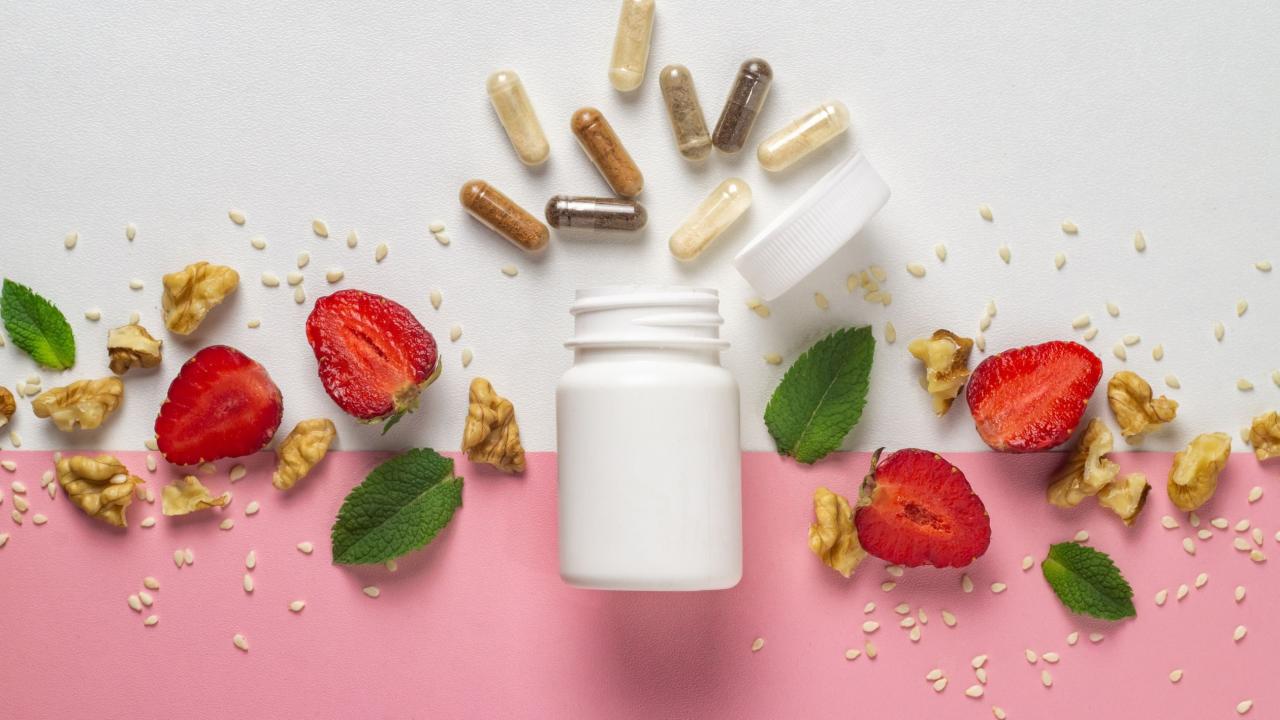
Vitamins play a crucial role in promoting healthy hair growth by influencing various biological processes that affect the hair follicles. A balanced intake of essential vitamins not only supports hair vitality but also prevents hair loss, thereby contributing to overall hair health.
The health of hair follicles is directly linked to several key vitamins that are vital for the hair growth process. These vitamins facilitate biochemical processes that ensure optimal functioning of hair cells. In particular, deficiencies in specific vitamins can lead to weakened hair structure and hinder growth cycles. For instance, vitamins such as A, C, D, E, and the B-complex vitamins are integral to maintaining robust hair health.
Key Vitamins for Hair Growth
The following vitamins are essential for promoting hair growth, each contributing uniquely to the health of the hair follicles and the overall growth process.
- Vitamin A: Essential for cell growth, Vitamin A promotes the production of sebum, which moisturizes the scalp and keeps hair healthy. Adequate levels of Vitamin A can help prevent hair dryness and promote a shiny appearance.
- Vitamin B7 (Biotin): Known for its role in strengthening hair, Biotin supports keratin production and overall hair infrastructure. A deficiency in Biotin can lead to hair thinning and increased hair fall.
- Vitamin C: This vitamin is vital for collagen production, which is crucial for hair structure. Vitamin C also acts as an antioxidant, protecting hair follicles against damage from free radicals.
- Vitamin D: Involved in the creation of new hair follicles, Vitamin D plays a significant role in hair growth. Low levels of Vitamin D are associated with hair loss conditions such as alopecia areata.
- Vitamin E: As another powerful antioxidant, Vitamin E helps reduce oxidative stress in the scalp, thereby improving blood circulation and supporting healthy hair growth.
Maintaining a balanced intake of these vitamins significantly enhances the hair growth cycle, promoting stronger, healthier hair.
The biochemical processes influenced by these vitamins include the regulation of cell proliferation, differentiation, and apoptosis in hair follicles. Each vitamin contributes to various stages of the hair growth cycle, ensuring that the hair remains in the anagen (growth) phase for longer durations and reducing the chances of premature shedding. For example, research has shown that Biotin supplementation can lead to improved hair growth in individuals experiencing thinning hair, demonstrating its effectiveness in clinical settings.
Key Vitamins to Include in a Daily Supplement for Hair Growth
When it comes to promoting healthy hair growth, vitamins play a crucial role in the overall well-being of your hair. A well-rounded diet rich in essential vitamins can significantly influence hair health and growth. Ensuring adequate intake of specific vitamins through a daily supplement can help combat hair loss and improve hair quality.
Several vitamins are particularly beneficial for hair growth due to their unique properties and functions. These vitamins not only support hair follicles but also help in maintaining scalp health. Below are some of the key vitamins that should be included in a daily supplement for optimal hair growth.
Essential Vitamins for Hair Growth
The following vitamins have been identified as particularly effective in promoting and maintaining hair growth. Each of these vitamins has unique benefits and can be sourced from various foods or supplements.
| Vitamin | Benefits | Sources | Recommended Daily Allowance (RDA) |
|---|---|---|---|
| Vitamin A | Supports the production of sebum, keeping hair hydrated. | Carrots, sweet potatoes, spinach, and kale. | 900 mcg for men, 700 mcg for women. |
| Vitamin B7 (Biotin) | Promotes hair thickness and strength; aids in keratin production. | Eggs, nuts, seeds, and salmon. | 30 mcg for adults. |
| Vitamin C | Acts as an antioxidant, protecting hair from oxidative stress. | Citrus fruits, strawberries, and bell peppers. | 90 mg for men, 75 mg for women. |
| Vitamin D | Helps create new hair follicles; linked to hair cycle regulation. | Fatty fish, fortified foods, and sunlight exposure. | 600 IU for adults. |
| Vitamin E | Improves blood circulation to the scalp; protects against hair damage. | Nuts, seeds, and green leafy vegetables. | 15 mg for adults. |
Deficiencies in these essential vitamins can lead to various hair health issues. For instance, a lack of Vitamin A can result in dry, brittle hair, while Biotin deficiency is often associated with hair thinning or loss. Vitamin C deficiency may lead to weak hair that is prone to breakage, and insufficient Vitamin D may hinder the growth of new hair follicles, impacting the overall hair growth cycle. Adequate intake of these vital nutrients is fundamental for maintaining healthy, vibrant hair.
How to Choose the Right Daily Vitamin Supplement for Hair Growth
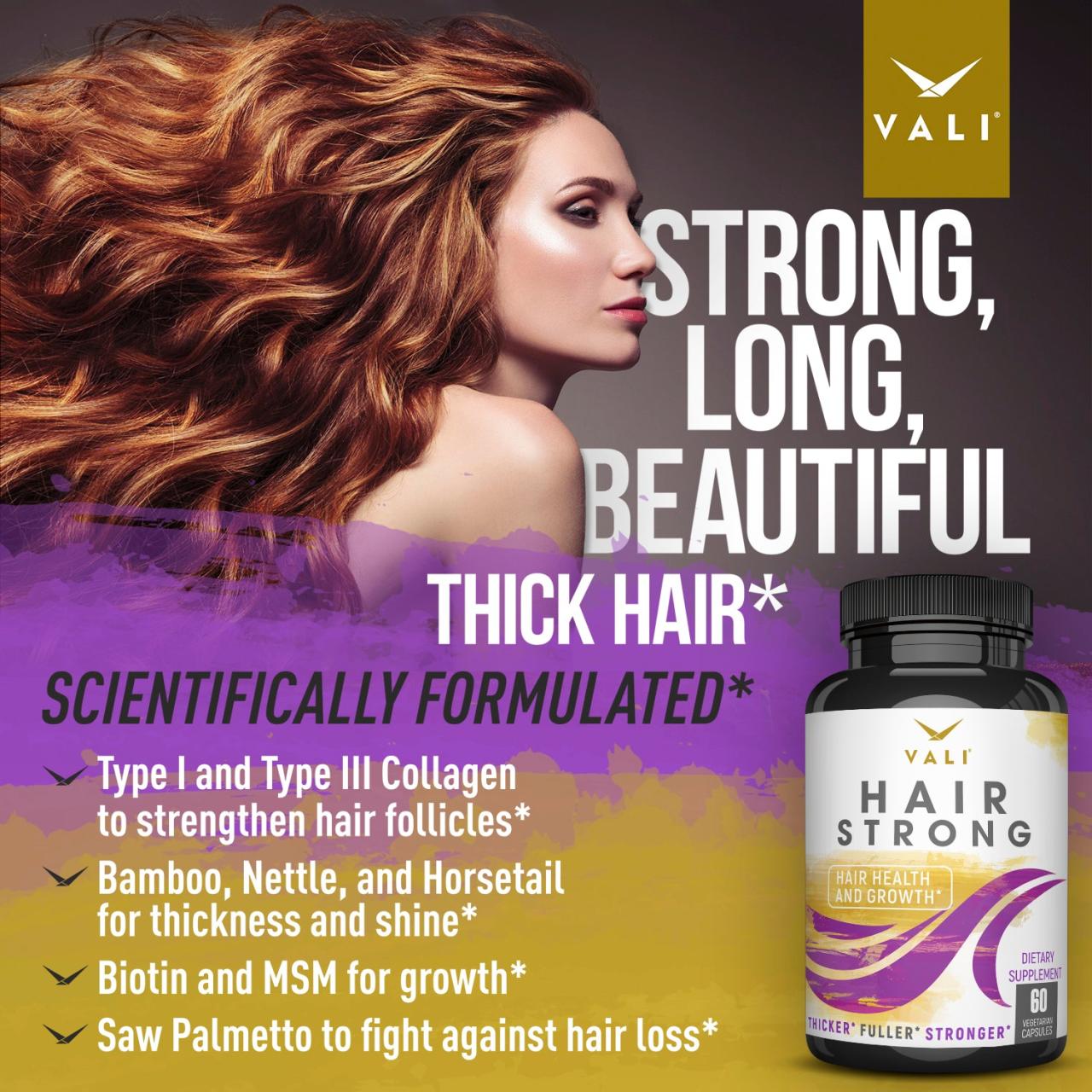
Selecting the right daily vitamin supplement for hair growth can significantly impact the health and appearance of your hair. With a plethora of options available on the market, understanding how to navigate this landscape is essential for making an informed choice that aligns with your hair care goals.
When considering a vitamin supplement, it’s crucial to prioritize quality and efficacy. This means looking for products that not only promote hair growth but also contain the right blend of vitamins and minerals. Some key ingredients to look for include biotin, vitamin D, zinc, and folic acid—each playing a vital role in hair health.
Guidelines for Selecting a Vitamin Supplement
Choosing the right vitamin supplement involves several important considerations. Here are some guidelines to help you make an optimal choice:
- Prioritize Proven Ingredients: Look for supplements that contain ingredients scientifically linked to hair growth. Biotin is often touted for its benefits, while vitamins A, C, and E also contribute to scalp health.
- Evaluate the Dosage: Ensure that the vitamin levels meet daily recommended allowances without exceeding them. This ensures safety and effectiveness.
- Consider Your Dietary Needs: Choose supplements that cater to your dietary preferences—such as vegan or gluten-free options—ensuring they fit well within your lifestyle.
Importance of Third-Party Testing and Ingredient Transparency
Third-party testing provides an essential layer of assurance regarding the quality and safety of supplements. Products that undergo this testing are verified for consistency, potency, and absence of harmful contaminants. Ingredient transparency is equally vital; it allows you to know precisely what you are consuming, minimizing the risk of allergies or adverse reactions.
Always look for supplements that clearly list their ingredients and provide third-party testing certifications, as these factors significantly enhance product credibility.
Effective Reading of Supplement Labels
Being adept at reading supplement labels can empower you to make better choices. Here’s how to effectively interpret these labels:
- Check the Serving Size: This informs you how much of the supplement you should take at a time and helps assess the total nutrients you’ll receive.
- Look for Active Ingredients: Identify the key vitamins and minerals included, ensuring they align with your hair growth goals.
- Understanding Fillers and Additives: Be cautious of unnecessary fillers, artificial colors, or preservatives that may dilute the effectiveness of the supplement.
Reading the ingredient list thoroughly can also help you detect any potential allergens or unwanted substances, reinforcing your commitment to health and safety.
Knowledge is power; understanding supplement labels can lead to informed decisions, ultimately enhancing your hair growth journey.
Potential Side Effects of Taking Hair Growth Vitamins
Taking hair growth vitamins can be beneficial for enhancing the health and appearance of your hair. However, just like any supplement, they can carry potential side effects that users should be aware of. Understanding these effects can help you make informed decisions about your hair care routine and ensure your overall wellness.
Common side effects associated with hair growth vitamins can range from mild to more serious reactions. It’s essential to be vigilant about how your body responds to these supplements. Some individuals may experience gastrointestinal issues, such as nausea or diarrhea, while others might notice skin reactions, including rashes or increased acne. Additionally, excessive intake of specific vitamins, particularly fat-soluble ones like Vitamin A, can lead to toxicity.
Recognizing Adverse Reactions
Being aware of how to identify adverse reactions to hair growth vitamins is crucial for ensuring your safety. Here are several indicators of potential side effects and what you should do if they arise:
– Gastrointestinal discomfort: Symptoms include bloating, gas, or diarrhea. If these occur, consider reducing your dosage or switching brands.
– Skin reactions: Look for rashes, itching, or unusual breakouts. In such cases, stop taking the vitamins and consult a healthcare professional.
– Fatigue or dizziness: If you feel unusually tired or lightheaded after starting a new vitamin regimen, assess your dosage and consult with a physician.
In case you experience any severe reactions, such as difficulty breathing or swelling of the face or throat, seek immediate medical attention.
Influence of Dosage and Individual Health Conditions
The dosage of hair growth vitamins and your unique health conditions can significantly influence the likelihood and severity of side effects. It is essential to adhere to recommended dosages and not to exceed them, as higher doses can lead to toxic effects.
– Recommended dosage: Most hair growth vitamins have specific guidelines provided by the manufacturer. Following these recommendations is essential to minimize the risk of side effects.
– Pre-existing conditions: Individuals with conditions such as kidney disease or allergies may be more susceptible to adverse effects. Always discuss your health history with a healthcare provider before starting any new supplement.
– Interactions with medications: Certain vitamins can interact with medications, altering their effectiveness or causing additional side effects. This is particularly true for anticoagulants, which can be affected by Vitamin K.
It’s crucial to monitor how your body responds and make adjustments as necessary while keeping an open line of communication with your healthcare provider about any concerns you may have regarding hair growth vitamins.
The Impact of Diet on Hair Growth in Combination with Vitamins
A well-rounded diet is essential for promoting hair growth, working hand-in-hand with vitamin supplementation. While vitamins play a crucial role in hair health, the right dietary choices can amplify these benefits, ensuring that your hair receives all the nutrients it needs to thrive. By combining a balanced diet with targeted vitamin intake, you can create an optimal environment for healthy hair growth.
A balanced diet provides the foundational nutrients that support hair health, including proteins, fats, carbohydrates, and a variety of vitamins and minerals. Whole foods are particularly beneficial because they contain a rich array of nutrients that work synergistically with vitamins, enhancing their absorption and effectiveness in the body. For example, consuming vitamin-rich foods alongside healthy fats can improve the absorption of fat-soluble vitamins such as A, D, E, and K, all of which contribute to hair growth. Furthermore, the amino acids found in proteins help in forming keratin, the main structural protein in hair. Therefore, the synergy between whole foods and vitamin supplements can significantly promote healthy hair.
Foods Rich in Essential Vitamins for Hair Health
Incorporating specific foods into your diet is a practical way to ensure you’re getting the essential vitamins required for hair health. Here are some foods that are particularly rich in the vitamins and nutrients known to contribute to hair growth:
- Eggs: Rich in biotin and proteins, essential for strong hair.
- Spinach: Packed with iron, calcium, and vitamins A and C, which are pivotal for hair follicle health.
- Fatty Fish: Provides omega-3 fatty acids and vitamin D, promoting scalp health.
- Nuts and Seeds: Almonds, walnuts, and flaxseeds offer vitamin E and essential fatty acids.
- Berries: High in antioxidants and vitamin C, which helps in collagen production.
- Sweet Potatoes: Contain beta-carotene, which converts to vitamin A, crucial for cell production.
- Avocados: A great source of healthy fats and vitamin E, enhancing scalp circulation and moisture.
- Beans: Provide protein, iron, and zinc, necessary for hair growth and repair.
Including these foods in your regular diet can create a nourishing environment for your hair, especially when complemented with a well-thought-out vitamin supplementation regimen.
The Science Behind Hair Growth and Vitamin Absorption
Understanding the mechanisms through which vitamins are absorbed and their subsequent impact on hair growth can illuminate pathways to healthier hair. Vitamins are critical nutrients that support various bodily functions, including the maintenance of hair follicles. The absorption of these vitamins is influenced by several factors, including their chemical form and how they interact with the body’s systems.
The body absorbs vitamins through the digestive system, where they enter the bloodstream and are transported to various tissues. Fat-soluble vitamins, such as A, D, E, and K, require dietary fat for optimal absorption and are stored in body tissues for later use. In contrast, water-soluble vitamins, including the B-complex group and vitamin C, are not stored and must be consumed regularly. This distinction affects how often individuals need to replenish their vitamin intake for sustained hair health.
Impact of Natural vs. Synthetic Vitamins
The form of vitamins consumed can significantly affect their absorption rates and effectiveness. Natural vitamins, derived from whole food sources, often contain a complex of other beneficial compounds that assist in their absorption and utilization by the body. For instance, vitamin E obtained from nuts and seeds is accompanied by tocopherols and tocotrienols, which may enhance its absorption.
On the other hand, synthetic vitamins are often manufactured in isolation, lacking these synergistic compounds that can aid in their uptake. Research has shown that natural forms of vitamins may lead to better bioavailability and efficacy. A study published in the Journal of Nutrition indicated that participants who consumed natural forms of vitamin E showed higher plasma levels than those taking synthetic forms, suggesting enhanced absorption.
“Natural forms of vitamins often exhibit higher bioavailability compared to their synthetic counterparts.”
Factors such as age, digestive health, and the presence of other nutrients can also influence how effectively vitamins are absorbed. A balanced diet that includes a variety of foods can promote better overall nutrient absorption, which is critical for maintaining healthy hair follicles.
Vitamin Absorption and Hair Follicle Health
Research highlights a strong relationship between vitamin absorption and the health of hair follicles. Vitamins such as biotin, niacin, and vitamin D are particularly important for hair growth. Biotin, also known as vitamin B7, has been extensively studied for its role in keratin production, a key structural protein in hair.
Studies show that biotin supplementation can lead to significant improvements in hair thickness and health, particularly in individuals experiencing hair thinning. Furthermore, vitamin D plays a crucial role in the hair growth cycle, with research indicating that vitamin D receptors in hair follicles influence the initiation of the anagen (growth) phase.
“Vitamin D receptors in hair follicles are essential for the initiation of hair growth.”
Moreover, a deficiency in essential vitamins can lead to hair loss or poor hair quality. For instance, a study found that individuals with alopecia areata exhibited lower serum levels of vitamin D compared to healthy controls. Therefore, ensuring an adequate intake of vitamins is vital not only for general health but also for promoting optimal hair follicle function and, consequently, hair growth.
Comparing Natural Sources vs. Supplements for Hair Growth Vitamins
When it comes to promoting hair growth, individuals often find themselves weighing the benefits of natural food sources against those of vitamin supplements. Both options provide essential nutrients that can support healthy hair, but their effectiveness and convenience can vary significantly. Understanding the nuances of each approach can help you make a more informed decision tailored to your lifestyle and needs.
The effectiveness of obtaining vitamins from natural food sources versus supplements is a crucial consideration for anyone focused on hair health. Natural foods, such as leafy greens, nuts, seeds, and fish, contain a complex array of nutrients that work synergistically to support overall well-being, including hair growth. Supplements, on the other hand, can provide concentrated doses of specific vitamins and minerals, making them a convenient option for those with dietary restrictions or limited access to certain foods. However, the body may absorb nutrients from food more efficiently than from supplements due to the presence of additional compounds found in whole foods.
Advantages and Disadvantages of Natural Sources and Supplements
Understanding the pros and cons of each approach is essential in determining the best path for hair growth. Here are key points to consider:
Natural Sources:
- Rich in nutrients: Whole foods offer a variety of vitamins (such as A, C, D, E, and B-vitamins) and minerals (like zinc and iron) that promote hair health.
- Synergistic effects: Nutrients in food often work better together, enhancing absorption and effectiveness.
- Additional benefits: Whole foods provide fiber, antioxidants, and other beneficial compounds that support overall health.
- Lower risk of toxicity: Getting nutrients from food minimizes the risk of overdosing, as whole foods are less likely to contain harmful levels of certain vitamins.
Supplements:
- Convenience: Supplements are easy to take, especially for individuals with busy lifestyles or specific dietary restrictions.
- Targeted approach: Supplements can offer specific vitamins and minerals in higher concentrations, beneficial for addressing particular deficiencies.
- Controlled dosage: They provide a measurable amount of nutrients, which can be helpful for those needing precise intake levels.
- Potential for misuse: Over-reliance on supplements may lead to neglecting a balanced diet, and excessive intake can cause adverse effects.
Individual Lifestyle Factors Influencing Choice
Several lifestyle factors can influence whether one opts for natural sources or supplements for hair growth vitamins. These include dietary preferences, health conditions, and lifestyle habits. For instance:
– Dietary preferences: Individuals following vegetarian or vegan diets may find it challenging to obtain certain nutrients like omega-3 fatty acids or vitamin B12 from food alone, making supplements a practical option.
– Health conditions: Medical issues such as malabsorption syndromes can impede the body’s ability to extract nutrients from food, making supplements necessary to meet nutritional needs.
– Busy lifestyles: For those with hectic schedules, taking supplements can serve as a quick and effective way to ensure adequate vitamin intake without the need to prepare and consume a variety of foods daily.
Ultimately, the choice between natural sources and supplements for hair growth vitamins should be based on individual needs and circumstances, ensuring a balanced approach to hair health.
Personalizing a Daily Vitamin Regimen for Enhanced Hair Growth
Creating a personalized vitamin regimen can significantly enhance hair growth by addressing individual needs and preferences. Each person’s hair health is influenced by unique factors, so it’s essential to tailor vitamin intake accordingly. Understanding how to customize a regimen based on one’s lifestyle, health status, and age can lead to more effective results, making it a critical aspect of any hair care routine.
When developing a personalized vitamin regimen, several factors should be considered to ensure that the selected nutrients support hair growth optimally. These factors include age, overall health status, dietary habits, and lifestyle choices. For instance, vitamins and minerals that are beneficial for a teenager may not be as effective for someone in their 50s who has different nutritional needs.
Considerations for Tailoring a Vitamin Plan
Understanding the following considerations can help individuals create a vitamin plan that suits their specific needs:
- Age: As people age, their hair may become thinner and more prone to damage. Younger individuals may require vitamins that support rapid growth and strength, such as Biotin and Vitamin D. In contrast, older adults might benefit from antioxidants like Vitamin E to combat oxidative stress.
- Health Status: Conditions such as thyroid disorders, anemia, or hormonal imbalances can affect hair growth. Individuals with these conditions should consult healthcare professionals to identify deficiencies and tailor their vitamin intake accordingly.
- Lifestyle Choices: Factors like diet, exercise, and stress levels play a crucial role in hair health. A balanced diet rich in proteins and omega-3 fatty acids can complement vitamin intake, while regular exercise helps improve blood circulation to the scalp.
“Personalizing your vitamin regimen not only addresses specific deficiencies but also enhances overall health, making it easier for your hair to thrive.”
Combining different vitamins and minerals can yield various positive results for hair growth. Some examples include:
- Biotin and Zinc: This combination supports keratin production, leading to stronger and healthier hair strands.
- Vitamin D and Omega-3 Fatty Acids: Both are known to boost hair follicle health and promote growth, particularly in individuals experiencing thinning hair.
- Iron and Vitamin C: Iron helps in the transportation of oxygen to hair follicles, while Vitamin C enhances iron absorption, promoting growth and preventing hair loss.
By taking into account personal health status, age, and lifestyle choices, individuals can create a tailored vitamin regimen that not only fosters healthy hair growth but also contributes to their overall well-being.
Wrap-Up
In summary, the right daily vitamin for hair growth could be the secret weapon in your hair care arsenal. By understanding the essential vitamins, their sources, and how they work together with a balanced diet, you set the stage for healthy hair. Whether you choose supplements or natural sources, the key is to personalize your approach, ensuring your unique needs are met for the best possible results.
Questions and Answers
How long does it take to see results from hair growth vitamins?
Typically, it can take about 3 to 6 months of consistent use to notice significant changes in hair growth.
Are there any age restrictions for taking hair growth vitamins?
While most adults can safely take hair growth vitamins, it’s best to consult a healthcare professional for those under 18 or with specific health concerns.
Can I take hair growth vitamins with other supplements?
Yes, but make sure to check for any potential interactions and follow recommended dosages for each supplement.
What are the best natural sources of vitamins for hair growth?
Foods like spinach, eggs, nuts, and fish are rich in essential vitamins and can effectively support hair health.
Do hair growth vitamins work for everyone?
Results can vary based on individual health, genetics, and the underlying causes of hair loss, so what works for one person may not work for another.