
Daily vitamin for immune system is crucial in maintaining overall health and well-being. Vitamins play a significant role in strengthening our immune defenses, allowing us to fend off illnesses more effectively. They support various biochemical processes that enhance our body’s ability to respond to infections, making understanding their impact essential for anyone looking to improve their health.
This discussion will explore the specific vitamins that contribute to immune function, the consequences of deficiencies, and how to obtain these vital nutrients through both diet and supplementation. With an increasing interest in health and wellness, understanding the importance of daily vitamins has never been more relevant.
Understanding the Role of Daily Vitamins in Immune Function
Daily vitamins are more than just supplements; they are essential components that significantly contribute to the body’s immune system. The immune system is a complex network of cells and proteins that defends against harmful pathogens. When functioning effectively, it keeps infections at bay and promotes overall health. However, the body’s ability to fend off diseases relies heavily on adequate nutrition, particularly vitamins that play crucial roles in immune responses.
Vitamins such as A, C, D, and E, along with various B vitamins, are essential for maintaining and enhancing immune function. Each of these vitamins performs unique roles in ensuring that the body can effectively respond to infections. For instance, Vitamin A is vital for maintaining the mucosal barriers, which act as the first line of defense against pathogens. Vitamin C, on the other hand, is a powerful antioxidant that helps protect cells from damage caused by free radicals while also boosting the production of white blood cells, which are critical for immune defense.
Critical Vitamins and Their Biochemical Mechanisms
Understanding how these vitamins function at a biochemical level provides insight into their importance for immune health.
1. Vitamin A: This vitamin is crucial for the development and differentiation of immune cells, particularly T lymphocytes and B lymphocytes. It regulates the expression of genes involved in immune responses. A deficiency in Vitamin A can lead to an impaired immune response, increasing the susceptibility to infections.
2. Vitamin C: Known for its role in collagen synthesis, Vitamin C is also essential for the growth and function of immune cells, particularly phagocytes and lymphocytes. It enhances the activity of these cells by promoting reactive oxygen species (ROS) generation, which helps to eliminate pathogens.
3. Vitamin D: This vitamin plays a pivotal role in modulating the immune response. It enhances the pathogen-fighting effects of monocytes and macrophages. Additionally, Vitamin D is involved in the production of antimicrobial proteins and helps regulate inflammatory responses.
4. Vitamin E: Acting as an antioxidant, Vitamin E protects cell membranes from oxidative damage, thereby supporting the integrity of immune cells. Its role in immune function also includes promoting the proliferation of T cells.
5. B Vitamins: Vitamins such as B6, B12, and folate are critical for DNA synthesis and the production of red blood cells. They also assist in the synthesis of neurotransmitters that help regulate immune responses.
Each of these vitamins works synergistically to bolster the immune system, contributing to a more robust defense against infections and diseases.
The Impact of Vitamin Deficiencies on Immune Health
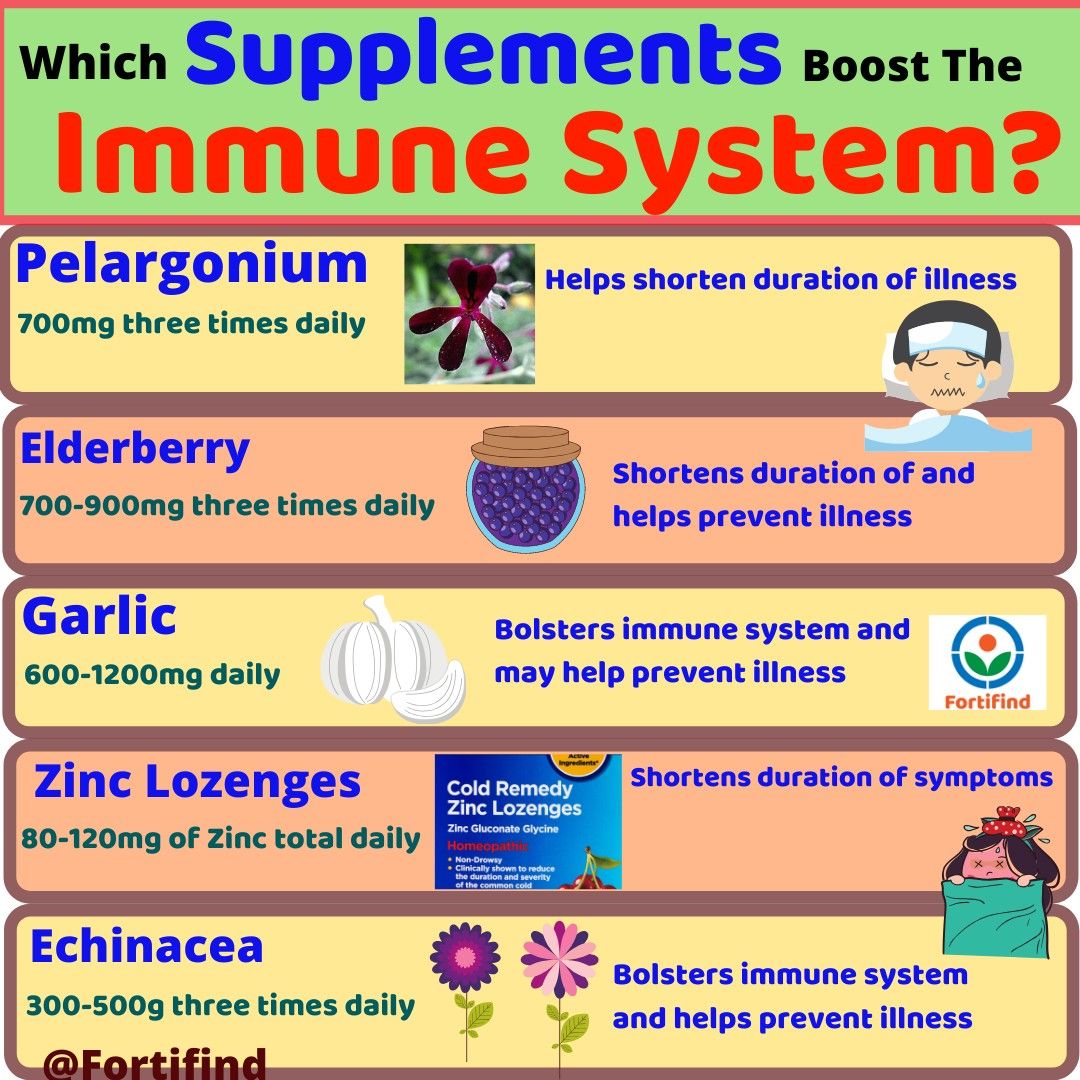
Vitamin deficiencies can significantly compromise the immune system, leading to a higher susceptibility to infections and a range of health complications. Essential vitamins play crucial roles in various immune functions, including the production and activity of immune cells. When the body lacks these vital nutrients, it struggles to mount an effective immune response, which can result in prolonged illness and increased severity of infections. This discussion focuses on how specific vitamin deficiencies can weaken immunity, the associated symptoms, and the populations that are particularly vulnerable to these deficiencies.
Vitamin Deficiencies and Their Effects on Immunity
The immune system relies on a variety of vitamins for optimal functioning, particularly Vitamins A, C, D, and E, along with the B vitamins. Each of these nutrients contributes differently to immune health. For instance, Vitamin A is essential for maintaining the structural integrity of mucosal surfaces, which serve as barriers to pathogens. Vitamin C is critical for the function of immune cells like phagocytes and lymphocytes, whereas Vitamin D helps modulate the immune response and reduce inflammation. Vitamin E acts as an antioxidant, protecting immune cells from damage.
Deficiencies in these vitamins can lead to notable symptoms and increased risks for infections. Here are some common deficiencies and their symptoms:
- Vitamin A: A deficiency may result in dry skin, night blindness, and a higher susceptibility to respiratory infections.
- Vitamin C: Insufficient levels can lead to fatigue, weakness, and increased susceptibility to colds and flu.
- Vitamin D: A lack of Vitamin D has been linked to increased respiratory infections and can manifest as fatigue, bone pain, and muscle weakness.
- Vitamin E: Deficiency may lead to immune dysfunction and symptoms like muscle weakness and vision problems.
Populations most at risk for these deficiencies often include individuals with limited dietary intake, those with malabsorption issues, and specific age groups. For example, older adults may struggle to absorb vitamin D due to changes in skin synthesis and dietary intake. Additionally, individuals following restrictive diets, such as vegans or those with certain food allergies, may not get enough of these essential nutrients. Furthermore, those living in regions with limited sunlight may be at a higher risk for Vitamin D deficiency, especially during winter months.
The consequences of vitamin deficiencies extend beyond just a weakened immune system. Chronic deficiencies can lead to severe health conditions, such as recurrent infections, autoimmune diseases, and even chronic inflammation. For instance, children with Vitamin A deficiency are particularly susceptible to serious infections like measles and diarrhea. Similarly, older adults lacking Vitamin D face not only immune challenges but also an increased risk of osteoporosis and fractures.
“A well-balanced diet rich in essential vitamins is crucial for maintaining a robust immune system and preventing the adverse effects of deficiencies.”
Recommended Daily Vitamins for Optimal Immune Support
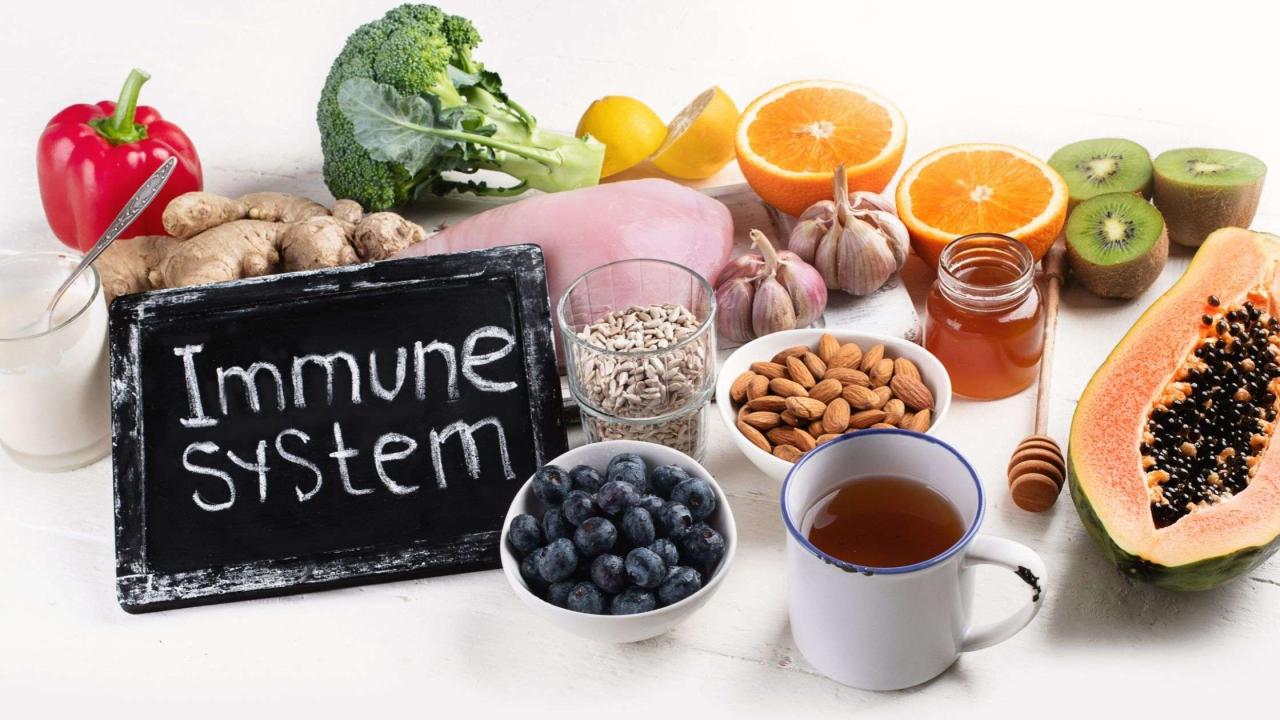
Maintaining a strong immune system is crucial for overall health, especially in today’s fast-paced world where exposure to various pathogens is common. Vitamins play a significant role in bolstering our immune defenses, aiding in the prevention of illnesses and supporting recovery. Understanding which vitamins to include in your daily regimen can help enhance your body’s natural defenses.
A balanced intake of vitamins not only supports immune functions but also contributes to various bodily processes. Below is a comprehensive overview of essential vitamins that promote immune health, along with their benefits and food sources.
Essential Vitamins for Immune Health
This section Artikels the daily vitamins that are vital for optimal immune support. Each vitamin is essential for different aspects of immune function, from enhancing cellular function to supporting the production of antibodies.
| Vitamin Name | Benefits | Food Sources |
|---|---|---|
| Vitamin C | Boosts the production of white blood cells, acts as an antioxidant, and helps in the absorption of iron. | Citrus fruits, strawberries, bell peppers, broccoli, and spinach. |
| Vitamin D | Enhances the pathogen-fighting effects of monocytes and macrophages, which are white blood cells that are crucial for immune defense. | Fatty fish, fortified dairy products, and sunlight exposure. |
| Vitamin A | Maintains the structure and function of mucosal surfaces, which serve as barriers against pathogens. | Carrots, sweet potatoes, spinach, and eggs. |
| Vitamin E | Acts as an antioxidant, protecting cells from oxidative stress, and supports immune cell functions. | Nuts, seeds, and green leafy vegetables. |
| Vitamin B6 | Involved in the production of antibodies and supports biochemical reactions in the immune system. | Poultry, fish, potatoes, chickpeas, and bananas. |
The recommended daily intake of these vitamins may vary based on factors such as age, gender, and overall health. Here’s a brief overview of dosage recommendations:
– Vitamin C: Adults should aim for 75-90 mg; higher during illness.
– Vitamin D: Generally, 600-800 IU is recommended; higher doses may be needed for those with low blood levels.
– Vitamin A: Daily intake should be around 700-900 mcg for adults.
– Vitamin E: The adequate intake for adults is 15 mg.
– Vitamin B6: Recommended intake is 1.3-2.0 mg, depending on age and sex.
Incorporating these vitamins into your daily diet can significantly improve your immune system’s resilience and ability to fend off infections. By prioritizing these nutrients, you can take proactive steps towards better health and well-being.
Natural Sources of Immunity-Boosting Vitamins
Natural foods are a powerhouse of essential vitamins that play a crucial role in boosting the immune system. Incorporating these foods into your diet can provide your body with the necessary nutrients to fend off illnesses and maintain optimal health. Vitamins such as A, C, D, and E, along with essential minerals, are found abundantly in various fruits, vegetables, nuts, and seeds. By understanding what these foods are and how to utilize them effectively in your daily meals, you can enhance your immunity naturally.
A diverse range of fruits and vegetables are rich in vitamins that support immune functions. By strategically including these foods in your daily diet, you maximize your vitamin intake and, consequently, your health benefits. Below is a list of some of the best natural sources of immunity-boosting vitamins along with their specific vitamin content and health advantages.
Immunity-Boosting Foods and Their Benefits
In order to support your immune system, consider incorporating the following foods into your meals:
- Citrus Fruits (Oranges, Lemons, Grapefruits)
- Vitamin C: Supports white blood cell production.
- Health Benefit: Helps reduce the duration of colds.
- Bell Peppers
- Vitamin C: Higher concentration than citrus fruits.
- Health Benefit: Aids in skin health and collagen formation.
- Garlic
- Vitamin B6 and C: Enhances immune response.
- Health Benefit: Acts as a natural antibiotic.
- Spinach
- Vitamin A and C, and Folate: Known for their antioxidant properties.
- Health Benefit: Promotes overall immune health.
- Nuts and Seeds (Almonds, Sunflower Seeds)
- Vitamin E: Important for immune function.
- Health Benefit: Protects against oxidative stress.
- Fatty Fish (Salmon, Mackerel)
- Vitamin D: Regulates immune responses.
- Health Benefit: Reduces risk of autoimmune diseases.
Incorporating these foods into your daily meals is straightforward and delicious. Start your day with a citrus smoothie or add bell peppers and spinach to your omelet. Use garlic in your cooking to enhance flavor while boosting immunity. Snacking on a handful of almonds or sunflower seeds can be a great way to support your health throughout the day. For lunch, consider a salad topped with fatty fish like salmon, drizzled with lemon juice for an extra vitamin C hit. By adding these nutrient-rich foods to your menu, you create a powerful defense against illnesses while enjoying a variety of flavors.
The Relationship Between Lifestyle Factors and Vitamin Absorption
The effectiveness of daily vitamins, particularly those aimed at bolstering the immune system, can be significantly influenced by various lifestyle factors. This interplay between lifestyle choices and vitamin absorption underscores the importance of a holistic approach to health. Key aspects such as diet, exercise, and sleep not only affect general well-being but also determine how efficiently the body utilizes essential nutrients.
Lifestyle choices play a pivotal role in the absorption of vitamins. For instance, dietary habits directly impact the availability of nutrients. A diet rich in whole foods, including fruits, vegetables, lean proteins, and whole grains, enhances the body’s ability to absorb vitamins. Conversely, a diet high in processed foods can lead to nutrient deficiencies as these foods often lack essential vitamins and minerals. Additionally, the timing and combination of food consumed can affect absorption rates. Certain vitamins, such as A, D, E, and K, are fat-soluble and require dietary fats for optimal absorption, while others like vitamin C and B vitamins are better absorbed in the presence of certain foods.
Effects of Exercise, Sleep, and Diet on Vitamin Efficacy
Physical activity is another crucial factor influencing vitamin absorption. Regular exercise improves circulation and enhances metabolic processes, which can facilitate the movement of vitamins and minerals throughout the body. Studies have shown that active individuals may have higher levels of certain vitamins, such as vitamin D, due to increased exposure to sunlight and better overall health. Importantly, hydration also plays a role; staying well-hydrated aids in nutrient transport and absorption, making it vital for those engaging in physical activities.
Sleep quality is equally essential for maximizing vitamin absorption. During sleep, the body undergoes various repair mechanisms and detoxification processes, which can influence how nutrients are utilized. Research indicates that poor sleep can lead to increased inflammation and lower immune function, ultimately hindering the efficacy of vitamins aimed at enhancing immune health.
Improving vitamin absorption can be achieved through several lifestyle adjustments. Here are some practical tips:
- Consume a balanced diet rich in whole foods to ensure adequate vitamin intake.
- Pair fat-soluble vitamins with healthy fats; for example, adding avocado or olive oil to salads enhances vitamin absorption.
- Stay hydrated by drinking plenty of water throughout the day, especially before and after exercise.
- Establish a regular sleep routine to improve sleep quality, aiming for 7-9 hours of restorative sleep per night.
- Engage in regular physical activity; even moderate exercise can significantly enhance nutrient absorption and overall health.
These lifestyle adjustments not only promote better vitamin absorption but also contribute to overall health and immune support. Research has highlighted the connection between lifestyle habits and nutrient efficacy. For example, a study published in the journal Nutrients emphasized that individuals who maintain a healthy lifestyle, including a balanced diet and regular exercise, show significant improvements in immune function and nutrient absorption compared to those with sedentary lifestyles.
In summary, understanding the relationship between lifestyle factors and vitamin absorption is crucial for optimizing the benefits of daily vitamins, particularly when focusing on immune health.
The Role of Supplementation in Achieving Daily Vitamin Needs
In today’s fast-paced world, meeting our daily vitamin requirements can be a challenge. With dietary preferences, busy lifestyles, and various health conditions, many individuals find it difficult to obtain all the essential nutrients solely through their diet. This is where vitamin supplementation plays a crucial role, offering a convenient way to fill nutritional gaps and support overall health, especially for those at risk of deficiencies.
Vitamin supplementation becomes particularly necessary under certain circumstances. For instance, individuals following strict vegetarian or vegan diets may lack vitamins B12 and D, which are predominantly found in animal products. Additionally, pregnant or breastfeeding women have increased nutritional needs and may require supplements like folic acid and iron to support both maternal health and fetal development. Older adults also face challenges in absorbing certain vitamins due to changes in metabolism, making supplementation beneficial for maintaining adequate levels of nutrients like vitamin D and calcium. Moreover, individuals with specific health conditions, such as malabsorption syndromes or chronic illnesses, often require targeted supplementation to ensure they meet their vitamin needs effectively.
Benefits and Downsides of Vitamin Sources
When considering the means to obtain vitamins, it’s essential to evaluate the benefits and drawbacks of supplements versus whole food sources. Whole foods, such as fruits, vegetables, nuts, and grains, are rich not only in vitamins but also in minerals, fiber, and other beneficial compounds such as antioxidants. These nutrients work synergistically in the body, potentially enhancing absorption and improving health outcomes.
On the other hand, vitamin supplements can be a practical solution for individuals who have specific deficiencies or dietary restrictions. They provide a concentrated dose of specific vitamins, which is particularly useful when dietary intake is insufficient. However, there are downsides to consider. Over-reliance on supplements can lead to excessive intake of certain vitamins, especially fat-soluble ones like A, D, E, and K, which can accumulate in the body and cause toxicity. Furthermore, supplements often lack the complex nutrients found in whole foods that contribute to overall health.
Before starting any supplementation regimen, it’s crucial to consult healthcare professionals. They can provide personalized advice based on individual health needs, dietary habits, and potential interactions with medications. This guidance is essential to ensure that supplementation is both safe and effective, optimizing health benefits while minimizing risks.
Myths and Misconceptions About Vitamins and Immunity
In the realm of health and wellness, vitamins often steal the spotlight, particularly regarding their role in boosting the immune system. However, several myths and misconceptions have emerged over time, leading to confusion and misinformation about their true effects. This segment aims to identify and debunk these common myths, clarify the repercussions of misinformation, and guide you in distinguishing credible sources of information.
Common Myths Surrounding Vitamins and Immunity
Understanding the myths surrounding vitamins is crucial as misinformation can lead individuals to make poor health choices. These misconceptions can divert attention from effective health strategies and potentially weaken one’s immunity. Here are some prevalent myths and the truths that debunk them:
- Myth 1: Taking more vitamins will always enhance your immune function.
- Myth 2: Vitamin C can prevent colds.
- Myth 3: A healthy diet alone makes vitamin supplementation unnecessary.
- Myth 4: Natural vitamins are always better than synthetic ones.
- Myth 5: All vitamins are safe to take in high doses.
Each of these myths has been fueled by anecdotal evidence or marketing, yet they often lack scientific validation. For example, while vitamin C is essential for immune health, studies show it doesn’t prevent colds but may reduce the duration of symptoms. Similarly, taking excessive amounts of certain vitamins can lead to toxicity rather than benefits, illustrating that more is not always better.
Misinformation regarding vitamins can lead to poor health choices. Individuals might neglect fundamental health practices, such as a balanced diet and regular exercise, believing that supplements alone can shield them from illness. This reliance on unverified sources can promote a false sense of security and hinder genuine health improvements.
To navigate the vast array of information on vitamins and supplements, it’s essential to identify credible sources. Reliable information usually comes from peer-reviewed studies, established health organizations, or qualified health professionals. Look for publications from reputable medical journals or guidelines from organizations like the World Health Organization (WHO) or the Centers for Disease Control and Prevention (CDC). Always cross-reference multiple sources to ensure the information you’re receiving is backed by evidence and aligns with current scientific understanding.
In summary, recognizing and debunking myths about vitamins is vital for making informed health decisions and maximizing immune support through accurate and evidence-based information.
Future Research Directions in Vitamins and Immune Health
Research into the connection between vitamins and immune health is an evolving field, with new studies continually uncovering the intricate relationships and mechanisms at play. As scientists delve deeper into how various vitamins affect immune response, there is a growing recognition of the potential to tailor public health recommendations accordingly. Emerging areas of research focus on understanding the nuanced roles of specific vitamins, such as Vitamin D, Vitamin C, and Vitamin E, in enhancing immune function and modulating inflammatory responses.
Recent studies have highlighted the importance of Vitamin D in the immune response, particularly its role in the prevention of respiratory infections. A systematic review published in the British Medical Journal in 2020 found that Vitamin D supplementation significantly reduced the risk of acute respiratory infections, especially in individuals with low baseline levels. This underscores the need for further exploration into optimal dosing and the ideal populations that might benefit the most from supplementation.
Emerging Areas of Research
The exploration of vitamins and their impact on immune health is branching into several promising areas, which could shape future dietary guidelines and public health initiatives. These areas include:
- Vitamin D and Respiratory Health: Research is increasingly focused on the role of Vitamin D in respiratory health. Studies have indicated that Vitamin D deficiency is linked to a higher incidence of respiratory infections. The mechanisms may involve the regulation of antimicrobial peptides and modulation of immune cell function.
- Antioxidant Vitamins and Inflammation: Vitamins such as Vitamin C and E are known for their antioxidant properties. Ongoing research is investigating how these vitamins can mitigate chronic inflammation, which is a contributing factor in various diseases. Recent clinical trials have shown that high-dose Vitamin C may enhance recovery from severe infections.
- Synergistic Effects: Researchers are exploring how combinations of vitamins impact immune function. For instance, studies have suggested that a combination of Vitamins A, C, and E may work synergistically to enhance the immune response more than any of the vitamins alone.
- Microbiome Interactions: Emerging research is also focusing on how vitamins interact with gut microbiota to influence immune health. The gut microbiome plays a crucial role in the regulation of immune responses, and vitamins may modulate this interaction, impacting overall health.
The implications of these research directions could be significant for public health recommendations. If future studies confirm that specific vitamins substantially enhance immune function, public health initiatives may begin to advocate for dietary guidelines that emphasize the consumption of certain vitamins, especially in vulnerable populations. For instance, enhancing Vitamin D intake through diet or supplementation in elderly individuals or those living in regions with limited sunlight could be recommended as a preventive strategy against respiratory infections.
As research progresses, the integration of these findings into public health policy could help in crafting evidence-based guidelines that encourage appropriate vitamin intake, ultimately improving community health outcomes. The potential for vitamins to act as effective adjuncts in immune health could pave the way for novel preventative strategies in combating infectious diseases.
Final Wrap-Up
In summary, the significance of daily vitamins for the immune system cannot be overstated. By ensuring our bodies receive the necessary nutrients, we can enhance our immunity and promote long-term health. Whether through natural food sources or supplements, staying informed about vitamin intake is essential for a resilient immune response and overall well-being.
FAQ Overview
What are the best vitamins for immune health?
Vitamins C, D, and zinc are among the best for supporting immune health.
Can I get enough vitamins from food alone?
In many cases, yes, but some individuals may require supplements to meet their needs.
How long does it take for vitamins to boost immunity?
It can vary, but consistent intake over weeks or months is generally needed to see significant effects.
Are there any side effects of taking too many vitamins?
Yes, excessive intake can lead to toxicity, especially with fat-soluble vitamins.
Should I consult a doctor before taking vitamin supplements?
Yes, consulting a healthcare professional is advisable to ensure proper dosage and safety.