
Daily vitamin for joint health is more than just a trend; it’s a key player in maintaining our mobility and overall well-being. With the right vitamins, we can support our joints and reduce discomfort, allowing us to stay active and enjoy life to the fullest. This guide dives into how daily vitamins help our joints, the best sources to include in our diet, and tips for creating a personalized regimen that suits our individual needs.
From vitamin D to omega-3 fatty acids, we’ll explore the nutrients that make a significant difference in joint health. Understanding how these vitamins work, their dietary sources, and how to effectively incorporate them into our meals can empower us to take charge of our joint health and maintain an active lifestyle.
The importance of daily vitamins for maintaining joint health
Maintaining joint health is crucial for overall mobility and quality of life. Daily vitamins play a significant role in supporting joint function and reducing the risk of joint-related issues. Vitamins are essential nutrients that help in various biochemical processes, and their regular intake can lead to improved joint health, better flexibility, and decreased inflammation. Without adequate vitamins, joints may become stiff, painful, and susceptible to injury or degeneration.
Vitamins contribute to joint health in several ways. They aid in the repair and maintenance of cartilage, the tissue that cushions joints. This cushioning is vital for smooth movement and helps to prevent wear and tear. Additionally, certain vitamins possess anti-inflammatory properties, which can significantly reduce joint pain and swelling. For example, vitamin D is crucial for calcium absorption, which is necessary for bone density and overall joint stability. Similarly, vitamins C and E are powerful antioxidants that protect joint tissues from oxidative stress, potentially prolonging their functional lifespan.
Specific vitamins that are beneficial for joints
Several specific vitamins are particularly advantageous for joint health. Understanding their roles can help individuals make informed dietary choices to enhance their joint function.
- Vitamin D: This vitamin is essential for calcium regulation and bone health. It can help prevent conditions such as osteoarthritis and rheumatoid arthritis.
- Vitamin C: Known for its role in collagen synthesis, vitamin C is vital for maintaining cartilage integrity. It also has antioxidant properties, protecting joints from inflammation.
- Vitamin E: Another potent antioxidant, vitamin E helps combat oxidative damage in joint tissues, reducing inflammation and supporting overall joint function.
- Vitamin K: This vitamin plays a role in bone metabolism and helps in regulating calcium levels, which is essential for joint health.
Each of these vitamins functions through specific mechanisms that enhance joint health. For instance, vitamin D supports calcium absorption in the intestines and maintains adequate serum calcium and phosphate concentrations, promoting normal bone mineralization and preventing joint stiffness. Vitamin C, on the other hand, is crucial for collagen formation, which is the primary component of cartilage, and aids in healing damaged tissues. Vitamin E’s antioxidant properties protect cells from free radical damage, potentially slowing the progression of joint diseases. Finally, vitamin K is essential for proteins that regulate bone mineralization and joint function.
“This synergy of vitamins not only improves joint health but also enhances overall mobility and quality of life.”
Incorporating these vitamins through a balanced diet or supplements can lead to significant improvements in joint health, helping individuals maintain an active lifestyle.
Common sources of joint-supporting vitamins in the diet
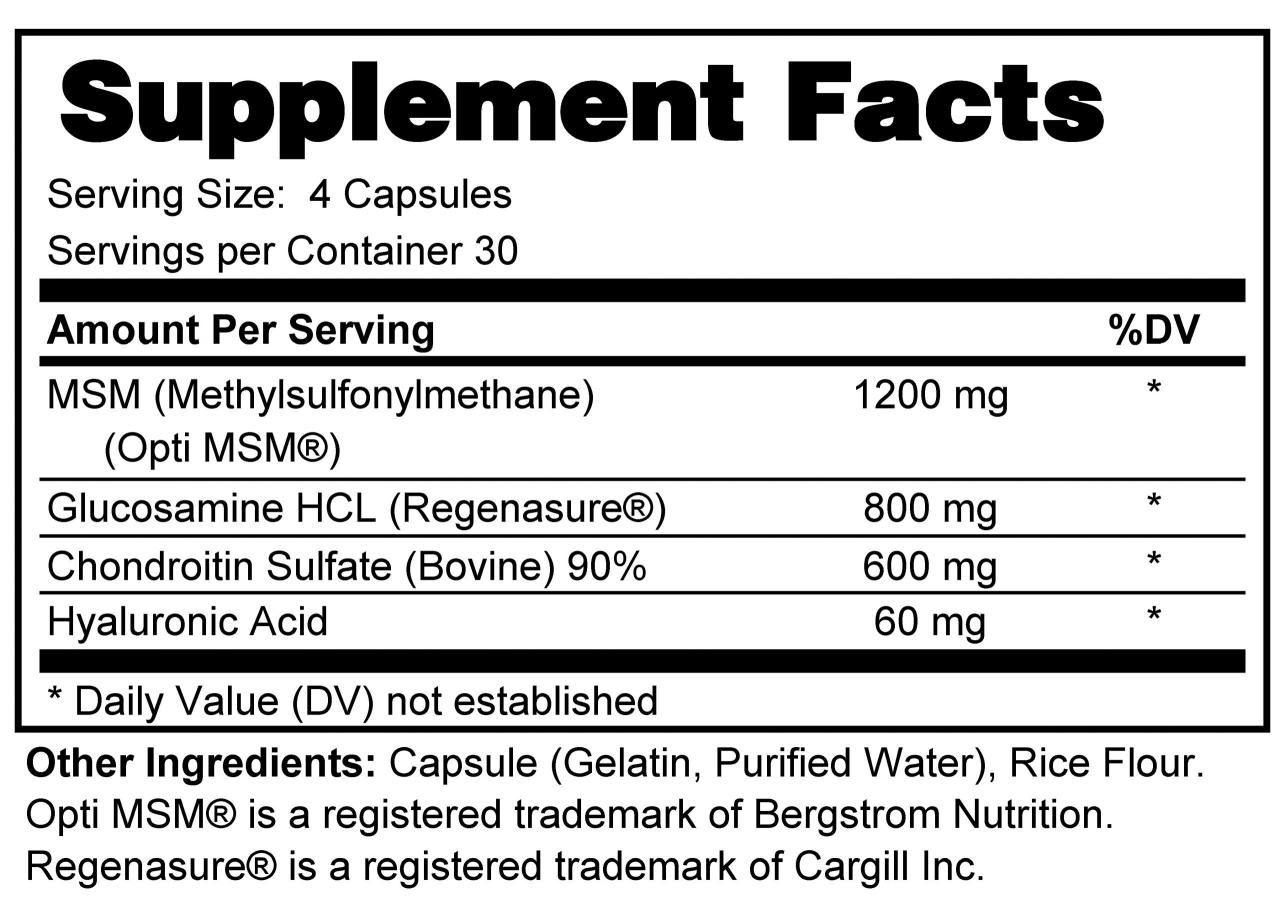
Many people overlook the importance of vitamins in maintaining optimal joint health. Proper nutrition plays a significant role in providing the body with essential nutrients needed to support joints and reduce inflammation. Including a variety of vitamin-rich foods in your diet can help you manage joint health effectively.
Essential vitamins that support joint health include Vitamin C, Vitamin D, Vitamin K, and certain B vitamins. These vitamins can be found in various foods that are not only nutritious but also delicious. By incorporating these foods into your daily meals, you can enhance your joint health while enjoying a balanced diet.
Dietary sources of vitamins for joint health
Certain foods are rich in vitamins that contribute to joint health. Below is a table summarizing some common sources of these vitamins and their respective vitamin content:
| Food Source | Vitamin Content | Serving Size | Health Benefits |
|---|---|---|---|
| Oranges | Vitamin C | 1 medium orange | Supports collagen production and reduces inflammation. |
| Salmon | Vitamin D | 3.5 oz (100 g) | Helps calcium absorption for stronger bones. |
| Spinach | Vitamin K | 1 cup (cooked) | Essential for bone health and joint lubrication. |
| Almonds | Vitamin E | 1 oz (about 23 nuts) | Acts as an antioxidant to reduce joint inflammation. |
Incorporating these foods into your meals can be simple and enjoyable. For instance, adding oranges to your breakfast as a refreshing side or including salmon in your dinner can be beneficial. You can toss spinach into salads, smoothies, or sauté it with garlic for a nutritious side dish. Almonds make a perfect snack or can be blended into smoothies for added nutrition.
By making small adjustments to your diet and including these vitamin-rich foods, you can significantly support your joint health in a delicious and sustainable way.
The role of vitamin D in joint health and mobility
Vitamin D plays a critical role in maintaining joint health and overall mobility. Known primarily for its association with bone health, vitamin D also influences various bodily functions essential for the proper functioning of joints. This vitamin helps support calcium absorption, which is vital for maintaining strong bones and preventing conditions like osteoporosis. A deficiency in vitamin D can severely impact joint health, leading to increased pain and decreased mobility.
Vitamin D deficiency has significant effects on joint health. When levels of this vitamin are low, the body struggles to absorb calcium effectively, which can lead to weakened bones and joints. This deficiency is linked to various conditions such as osteoarthritis and rheumatoid arthritis, both of which can result in inflammation, pain, and reduced mobility. Studies have shown that individuals with low vitamin D levels often experience increased joint pain and stiffness, demonstrating the vitamin’s critical role in maintaining joint function and health.
Recommended daily intake of vitamin D for optimal joint function
To support joint health, it is essential to meet the recommended daily intake of vitamin D. The general guidelines suggest that adults should aim for around 600 to 800 IU (International Units) of vitamin D per day. However, individual requirements may vary based on factors such as age, geographic location, skin color, and exposure to sunlight. Higher doses may be necessary for those with a diagnosed deficiency or specific health conditions affecting absorption. Regular testing and consultations with a healthcare professional can ensure that individuals maintain optimal vitamin D levels for joint health.
Symptoms indicating a need for increased vitamin D
Being aware of the symptoms of vitamin D deficiency is crucial for maintaining joint health. The following list Artikels common symptoms that may indicate a need for increased vitamin D:
- Chronic joint pain or stiffness
- Increased muscle weakness or fatigue
- Frequent bone fractures or slow healing of injuries
- Persistent feelings of fatigue or low energy
- Frequent infections or immune system issues
Recognizing these symptoms early can help individuals take appropriate steps to increase their vitamin D levels, thereby enhancing joint health and mobility.
“Vitamin D is essential for calcium absorption, which is vital for maintaining strong bones and joints.”
How vitamin C contributes to collagen production for joint support
Vitamin C plays a pivotal role in maintaining joint health through its direct involvement in collagen synthesis. Collagen, the most abundant protein in the body, acts as a crucial structural component in joints, providing both strength and flexibility. By ensuring adequate vitamin C intake, individuals can support the body’s ability to produce collagen, which in turn can enhance joint function and overall mobility.
The relationship between vitamin C and collagen synthesis is well-established. Vitamin C acts as a cofactor for the enzymes prolyl and lysyl hydroxylase, which are essential for stabilizing collagen’s triple helix structure. Without sufficient vitamin C, the body struggles to form collagen, leading to weakened joint structures and increased susceptibility to injuries. Collagen not only provides the framework for joint tissues but also helps reduce friction in joint surfaces, facilitating smooth movement.
Sources of Vitamin C for Joint Health
Maintaining adequate levels of vitamin C is essential for optimal collagen production and, subsequently, joint health. Here are some excellent sources of vitamin C that can help boost daily intake:
- Citrus Fruits: Oranges, grapefruits, and lemons are famous for their high vitamin C content, making them easy additions to your daily diet.
- Berries: Strawberries, blueberries, and raspberries not only provide vitamin C but are also packed with antioxidants that promote overall joint health.
- Kiwifruit: This small fruit is a powerhouse of vitamin C, giving a substantial boost to daily intake with just one serving.
- Leafy Greens: Spinach, kale, and Swiss chard are not only nutritious but also contribute significantly to vitamin C levels.
- Bell Peppers: Particularly red and yellow varieties, these vegetables are among the richest sources of vitamin C, excellent for adding crunch to salads or stir-fries.
Incorporating these foods into your meals can help ensure that you meet the recommended daily intake of vitamin C, which is about 75 mg for adult women and 90 mg for adult men. For example, just one medium orange provides approximately 70 mg of vitamin C, while a cup of strawberries offers over 85 mg. This means that including a citrus fruit or a handful of berries in your breakfast can help kickstart your day with the nutrients needed for joint support.
Furthermore, vitamin C supplements are available for those who may find it challenging to obtain sufficient levels through diet alone. However, it is always advisable to consult a healthcare provider before starting any supplement regimen to ensure it aligns with your individual health needs.
By prioritizing vitamin C-rich foods in your diet, you can support your body’s collagen production, leading to healthier joints and improved mobility.
Exploring omega-3 fatty acids as a complementary joint health vitamin
Omega-3 fatty acids have gained significant attention in the health community, particularly for their potent anti-inflammatory properties that can benefit joint health. These essential fats are known for their ability to alleviate inflammation, which is often a primary contributor to joint pain and discomfort. Incorporating omega-3s into your diet can not only support joint function but also enhance overall well-being.
Research shows that omega-3 fatty acids, primarily found in fish oil and certain plant-based sources, play a pivotal role in reducing inflammation in the body. The primary components, eicosapentaenoic acid (EPA) and docosahexaenoic acid (DHA), compete with inflammatory compounds and can help lower levels of inflammatory markers. This is especially beneficial for individuals suffering from conditions such as arthritis, where joint inflammation is prevalent.
Sources of omega-3 fatty acids
It’s essential to consider the various sources of omega-3s available, as they can be categorized into animal-based and plant-based options. Each source offers its unique benefits and can be easily incorporated into your diet.
Animal-based sources primarily include:
- Fatty fish: Varieties such as salmon, mackerel, sardines, and herring are rich in EPA and DHA. Consuming fish two to three times a week can provide substantial anti-inflammatory benefits.
- Fish oil supplements: These are concentrated sources of omega-3 fatty acids and can be a convenient way to ensure adequate intake, especially for those who do not consume fish regularly.
Plant-based sources of omega-3s include:
- Flaxseeds: These tiny seeds are packed with alpha-linolenic acid (ALA), a precursor to EPA and DHA. Ground flaxseeds can be added to smoothies, oatmeal, or baked goods.
- Chia seeds: Like flaxseeds, chia seeds are high in ALA and can be incorporated into various recipes as a nutritious thickening agent or added to salads.
- Walnuts: A tasty snack that also offers a good dose of ALA, walnuts can be eaten raw or added to dishes for an omega-3 boost.
Incorporating omega-3 supplements into your routine
Adding omega-3 supplements into your daily regimen can be a straightforward process, but it’s important to do so safely. Here is a guide to help you navigate this addition effectively:
1. Consult with a healthcare professional: Before starting any supplement, it’s wise to discuss with a doctor or nutritionist, particularly if you have underlying health conditions or are on medications.
2. Choose high-quality supplements: Look for products that are third-party tested for purity and potency. Brands that provide information on sourcing and extraction methods tend to be more reliable.
3. Start with a lower dose: If you’re new to omega-3 supplements, begin with a smaller dosage and gradually increase it, monitoring how your body responds. Typical recommendations range from 500 mg to 3000 mg per day, depending on individual health needs.
4. Consistency is key: Aim to take your supplements at the same time each day to establish a routine. This can also help minimize any potential gastrointestinal discomfort.
5. Pair with a meal: Taking omega-3 supplements with food, especially meals containing healthy fats, can enhance absorption and reduce the likelihood of digestive upset.
“Omega-3 fatty acids are a powerful ally in the fight against joint inflammation, making them an essential component of a joint health-focused dietary approach.”
Potential side effects and considerations when taking vitamin supplements

When it comes to enhancing joint health, many individuals turn to vitamin supplements as a proactive measure. However, it is essential to understand that with any supplement, there can be potential side effects and interactions that warrant attention. This section delves into the common side effects of excessive vitamin intake, potential interactions with other medications, and best practices for consulting healthcare providers regarding vitamin use.
Common side effects of excessive vitamin intake
Vitamin supplements can be beneficial, but taking them in excess can lead to adverse effects. Understanding these side effects is crucial for maintaining overall health. Some common side effects associated with high doses of vitamins include:
- Nausea and vomiting: Overconsumption of vitamins, especially fat-soluble ones like A, D, E, and K, can cause gastrointestinal disturbances.
- Diarrhea: Excessive intake of vitamin C or certain B vitamins can lead to loose stools.
- Headaches: High doses of certain vitamins like niacin may trigger headaches in some individuals.
- Fatigue: Overloading on vitamins can sometimes result in fatigue or a general sense of malaise.
- Skin reactions: Some people may experience rashes or itching due to excessive intake of specific vitamins.
It is important to remember that the body can only utilize a limited amount of vitamins, and excess amounts may lead to toxicity.
Interactions between joint health vitamins and other medications
Vitamins can interact with various medications, potentially diminishing their efficacy or increasing the risk of side effects. Certain vitamins known for promoting joint health should be considered carefully when taken alongside other pharmaceuticals. Some notable interactions include:
- Vitamin K: This vitamin can interfere with blood-thinning medications like warfarin, potentially reducing their effectiveness.
- Vitamin E: High doses may increase the risk of bleeding when taken with anticoagulants.
- Calcium and Vitamin D: While beneficial for bone health, excessive calcium can interfere with certain medications used for heart conditions, like calcium channel blockers.
- Vitamin B6: Large doses can reduce the effectiveness of medications for Parkinson’s disease.
Before adding any vitamin supplement to your routine, consider how it may interact with your current medications.
Best practices for consulting healthcare providers about vitamin use
Consulting with healthcare providers is paramount when it comes to incorporating vitamin supplements into your routine. To ensure safety and effectiveness, consider the following best practices:
- Provide a complete health history: Share all current medications, allergies, and medical conditions with your healthcare provider.
- Discuss your diet: Inform your provider about your dietary habits, as this can affect your vitamin needs.
- Ask questions: Inquire about the appropriate dosages and any potential side effects associated with the vitamins you are considering.
- Be honest about self-supplementation: Many individuals tend to underestimate their vitamin intake from food or other sources; being transparent helps in assessing your overall needs.
Effective communication with your healthcare provider can lead to a personalized approach to vitamin supplementation, maximizing benefits while minimizing risks.
Developing a personalized daily vitamin regimen for joint health
Creating a personalized vitamin regimen can significantly enhance joint health and overall well-being. Tailoring vitamin intake to individual needs ensures that specific nutritional gaps are filled, leading to better mobility and reduced discomfort. This process involves assessing personal health factors, understanding dietary needs, and making adjustments that fit one’s lifestyle.
Assessing individual vitamin needs is the foundational step in developing a personal regimen. Factors such as age, activity level, existing health conditions, and dietary habits all play a role in determining which vitamins and minerals are essential for optimal joint health.
Step-by-step procedure for assessing individual vitamin needs
Understanding your unique nutritional requirements is crucial for a successful regimen. Here’s a structured approach to assess your vitamin needs:
1. Evaluate your current diet: Take note of what you eat daily. Are you consuming enough fruits, vegetables, whole grains, and proteins? A food diary can help identify deficiencies.
2. Consider lifestyle factors: Active individuals may require more vitamins to support their joints compared to sedentary people. Think about your level of physical activity.
3. Review medical history: Consult with healthcare providers to discuss any existing conditions such as arthritis or osteoporosis, which may necessitate additional vitamins like Vitamin D or calcium.
4. Identify symptoms: Pay attention to joint pain, stiffness, or inflammation, as these could indicate a need for specific nutrients.
5. Get professional advice: Nutritional experts can provide tailored recommendations based on your assessment, ensuring that any regimen developed is safe and effective.
Sample daily regimen tailored for different lifestyle factors
Based on the assessment, here are sample daily vitamin regimens tailored to various lifestyles:
– Active Lifestyle: For individuals engaging in regular exercise:
– Vitamin C: 500 mg – supports collagen production for cartilage repair.
– Omega-3 fatty acids: 1,000 mg – reduces inflammation in joints.
– Glucosamine and Chondroitin: 1,500 mg – supports joint structure and function.
– Sedentary Lifestyle: For those with limited physical activity:
– Vitamin D: 800 IU – promotes calcium absorption for bone strength.
– Calcium: 1,000 mg – essential for maintaining bone density.
– Turmeric: 500 mg – acts as a natural anti-inflammatory.
– Older Adults: For individuals over 50:
– Vitamin B12: 2.4 mcg – supports nerve health and energy levels.
– Vitamin K2: 90 mcg – plays a role in bone health.
– MSM (Methylsulfonylmethane): 1,000 mg – may help reduce joint pain.
Importance of regular monitoring and adjustments to the regimen
Establishing a vitamin regimen is not a one-time task; it requires ongoing evaluation. Regular monitoring ensures that the regimen stays effective and relevant to changing health needs.
– Track progress: Maintain a journal of symptoms and any changes in joint health or overall well-being linked to the regimen.
– Reassess periodically: Check-in with a healthcare provider every six months to discuss your regimen and make necessary adjustments based on health changes, diet updates, or activity levels.
– Stay informed: Keep up with new research on vitamins and joint health, as recommendations can evolve with new findings.
“Regular adjustments to your vitamin regimen can optimize joint health and adapt to your body’s ongoing needs.”
This proactive approach to managing vitamin intake can play a significant role in maintaining joint health, enhancing quality of life, and preventing future issues.
Last Word
In conclusion, prioritizing daily vitamins for joint health is a proactive step toward preserving our mobility and enhancing our quality of life. By understanding the vital role these nutrients play and knowing how to integrate them into our diet, we can better support our joints and reduce the risk of discomfort. Let’s embrace these dietary strategies to ensure our joints stay healthy and resilient as we age.
Key Questions Answered
What are the best vitamins for joint health?
The best vitamins for joint health include vitamin D, vitamin C, and omega-3 fatty acids, each contributing to joint function and reducing inflammation.
How can I tell if I need more vitamin D?
Signs of vitamin D deficiency may include joint pain, fatigue, and muscle weakness, indicating a need to boost your intake.
Can I get enough vitamins from food alone?
While many people can meet their vitamin needs through a balanced diet, some may require supplements, especially if they have dietary restrictions.
Are there side effects from taking vitamin supplements?
Excessive intake of certain vitamins can lead to side effects, such as nausea or headaches; hence, it’s important to stick to recommended dosages.
Should I consult my doctor before starting a vitamin regimen?
Yes, consulting a healthcare provider is advisable to tailor your vitamin intake based on personal health needs and avoid possible interactions with medications.