
Delving into Daily vitamin for energy boost, let’s explore how certain vitamins can play a pivotal role in enhancing your energy levels and overall well-being. Many of us often find ourselves searching for that extra boost in our daily lives, and understanding the vitamins that can help us achieve this can make a significant difference.
From the essential B vitamins that aid in metabolism to the crucial role of vitamin D and antioxidants in combating fatigue, knowing how to harness these nutrients can lead to a more energized and vibrant life. Moreover, we’ll uncover how proper timing and lifestyle choices can further maximize the benefits of these daily vitamins, ensuring you not only feel good but thrive.
Exploring the Different Types of Vitamins That Can Boost Daily Energy Levels
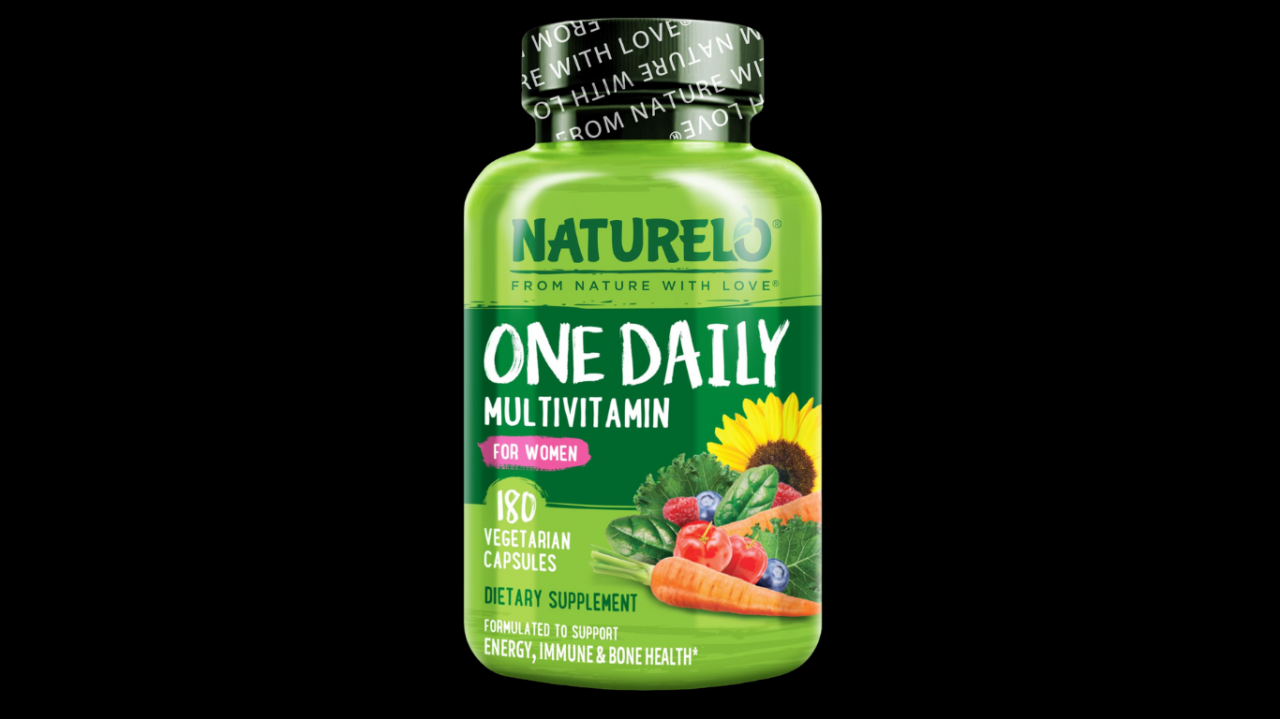
Vitamins play a crucial role in maintaining energy levels and supporting overall health. Understanding which vitamins can specifically enhance our energy can help us make informed dietary choices and improve our daily productivity. This exploration delves into various vitamins known for their energy-boosting properties, their recommended daily intake, and the consequences of deficiencies.
Vitamin B Complex
The Vitamin B complex encompasses several essential vitamins that are pivotal for energy production. These vitamins help convert food into glucose, which is then utilized as energy by the body. Key members of the B family include B1 (Thiamine), B2 (Riboflavin), B3 (Niacin), B5 (Pantothenic Acid), B6 (Pyridoxine), B7 (Biotin), B9 (Folate), and B12 (Cobalamin).
The recommended daily intake for these vitamins varies:
- Thiamine (B1): 1.2 mg for men, 1.1 mg for women. Sources include whole grains, pork, and legumes.
- Riboflavin (B2): 1.3 mg for men, 1.1 mg for women. Found in dairy products, eggs, and green leafy vegetables.
- Niacin (B3): 16 mg for men, 14 mg for women. Primarily sourced from meat, fish, and whole grains.
- Pantothenic Acid (B5): 5 mg for adults. Available in chicken, beef, potatoes, and oats.
- Pyridoxine (B6): 1.3 mg for adults. Sources include fish, poultry, potatoes, and non-citrus fruits.
- Biotin (B7): 30 mcg for adults. Found in eggs, almonds, and spinach.
- Folate (B9): 400 mcg for adults. Available in dark green vegetables, beans, and fortified cereals.
- Cobalamin (B12): 2.4 mcg for adults. Primarily found in meat, fish, dairy products, and fortified plant-based milk.
Deficiencies in B vitamins can lead to fatigue, weakness, and a host of other health issues. For instance, a lack of B12 can cause pernicious anemia, which results in substantial energy depletion and cognitive difficulties.
Vitamin C
Vitamin C is widely known for its immune-boosting properties, but it also plays a significant role in energy metabolism. This vitamin is essential for the synthesis of carnitine, a molecule that helps transport fatty acids into the mitochondria, where they are converted into energy.
The recommended daily intake for Vitamin C is:
- 90 mg for men and 75 mg for women. Sources include citrus fruits, strawberries, bell peppers, and broccoli.
A deficiency in Vitamin C can lead to fatigue and a general feeling of malaise, partly due to its role in preventing oxidative stress that can otherwise sap energy levels.
Vitamin D
Vitamin D is crucial for overall health, including maintaining energy levels. It influences muscle function and immune response, which can impact how effectively the body utilizes energy.
The recommended daily intake for Vitamin D is:
- 600 IU for adults up to age 70 and 800 IU for those older than 70. Key sources include sunlight exposure, fatty fish, fortified dairy products, and egg yolks.
Deficiency in Vitamin D is linked to fatigue and muscle weakness, which can significantly affect energy levels and overall vitality.
Vitamin E
Vitamin E acts as an antioxidant, protecting the body from oxidative stress, which can drain energy. It supports immune function and skin health, contributing to a sense of well-being.
The recommended daily intake for Vitamin E is:
- 15 mg for adults. Sources of Vitamin E include nuts, seeds, and green leafy vegetables.
Deficiencies can lead to muscle weakness and chronic fatigue, emphasizing the importance of adequate intake for sustained energy levels.
Incorporating a variety of vitamins into your daily diet can significantly impact your energy levels and overall health.
The Role of B Vitamins in Energy Production and Metabolism
B vitamins play a crucial role in the body’s energy production and metabolism. These essential nutrients help convert carbohydrates, fats, and proteins into energy, fueling everyday activities and overall well-being. Understanding how B vitamins function can provide valuable insights into maintaining energy levels throughout the day.
B vitamins are a group of water-soluble vitamins that are vital for energy metabolism. They assist in the breakdown of macronutrients and the conversion of food into usable energy. Each B vitamin has a unique function in this process, contributing to the efficiency of energy production and overall metabolic health.
Specific B Vitamins and Their Contributions
Each B vitamin contributes distinctly to energy metabolism through various biochemical processes. Here’s a breakdown of the primary B vitamins involved in energy production:
- Vitamin B1 (Thiamine): Thiamine plays a key role in converting carbohydrates into energy. It is essential for the decarboxylation of pyruvate to acetyl-CoA, a critical step in the Krebs cycle.
- Vitamin B2 (Riboflavin): Riboflavin is involved in the electron transport chain, aiding in the conversion of carbohydrates, fats, and proteins into adenosine triphosphate (ATP), the body’s energy currency.
- Vitamin B3 (Niacin): Niacin supports the function of enzymes that are vital for ATP production. It plays a role in the synthesis of NAD and NADP, which are crucial for energy metabolism.
- Vitamin B5 (Pantothenic Acid): This vitamin is vital for synthesizing coenzyme A, important for fatty acid oxidation and the Krebs cycle, contributing to energy release from fats.
- Vitamin B6 (Pyridoxine): Pyridoxine aids in amino acid metabolism and the production of neurotransmitters, which can influence energy levels and mood.
- Vitamin B7 (Biotin): Biotin plays a critical role in the metabolism of fats, proteins, and carbohydrates, ensuring efficient energy utilization.
- Vitamin B9 (Folate): While primarily known for its role in DNA synthesis and repair, folate also helps in the metabolism of amino acids, influencing overall energy levels.
- Vitamin B12 (Cobalamin): Cobalamin is essential for red blood cell formation and neurological function, indirectly supporting energy levels by ensuring adequate oxygen transport in the body.
Incorporating B vitamin-rich foods into your diet can help enhance your energy levels. Here are some excellent food sources and meal ideas:
- Whole grains: Foods like brown rice, quinoa, and oats are rich in B vitamins. Consider a hearty quinoa salad with vegetables and a lemon vinaigrette.
- Meat and poultry: Chicken, turkey, and lean cuts of beef are excellent sources. A grilled chicken breast with sweet potato and steamed broccoli makes for a well-rounded meal.
- Eggs: Eggs are a great source of B vitamins, especially B12. Try a vegetable omelet with spinach, tomatoes, and feta cheese for breakfast.
- Legumes: Lentils, chickpeas, and beans are rich in B vitamins and can be added to soups or salads for a nutritious boost.
- Nuts and seeds: Almonds and sunflower seeds provide a good amount of several B vitamins. A trail mix with nuts and dried fruits makes for a great snack.
- Leafy greens: Spinach and kale are packed with B vitamins. A simple green smoothie with banana, spinach, and yogurt can energize your morning.
Including these foods in your regular meals can significantly improve your intake of B vitamins and support optimal energy production and metabolism.
How Vitamin D Influences Your Energy and Overall Well-being
Vitamin D plays a crucial role in regulating various bodily functions, particularly those tied to energy production and overall well-being. Having adequate levels of vitamin D is essential not just for physical health but also for mental clarity and emotional stability. Many people may experience fluctuations in their energy levels based on the season, primarily due to changes in sunlight exposure, which is vital for vitamin D synthesis.
The relationship between vitamin D levels and energy is closely linked to how this vitamin affects metabolic processes in the body. Low levels of vitamin D can lead to symptoms such as fatigue, muscle weakness, and an overall sense of lethargy. Research indicates that vitamin D receptors are present in many tissues, including muscle, which suggests that sufficient levels support not only physical energy but also mood stabilization. For example, during the winter months, when sunlight is scarce, many individuals report a drop in energy levels, often correlating with decreased vitamin D synthesis.
Importance of Sun Exposure for Vitamin D Synthesis
Sunlight is the most effective natural source for the body to synthesize vitamin D. When skin is exposed to UVB rays, it converts 7-dehydrocholesterol to vitamin D3, which is then processed by the liver and kidneys into its active form. Here are key points regarding sun exposure and vitamin D synthesis:
- Geographical Location: Individuals living in higher latitudes or areas with long winters may find it challenging to obtain adequate sunlight year-round.
- Skin Pigmentation: Darker skin has more melanin, which can reduce the skin’s ability to produce vitamin D from sunlight. Therefore, individuals with darker skin may require longer sun exposure to synthesize sufficient vitamin D.
- Time of Day: The rays of the sun are most effective for vitamin D synthesis between 10 a.m. and 3 p.m. Spending just 15-30 minutes outdoors during these hours can significantly boost levels.
For those who spend long hours indoors or live in regions with limited sunlight, obtaining vitamin D from dietary sources becomes essential. Foods rich in vitamin D include fatty fish (like salmon and mackerel), fortified dairy products, and egg yolks. In cases where dietary intake is insufficient, vitamin D supplements may be a viable alternative.
Testing Vitamin D Levels and Increasing Intake Safely
Regular testing for vitamin D levels can help assess whether supplementation or dietary changes are necessary. A simple blood test can determine the levels of 25-hydroxyvitamin D, which is the primary indicator of vitamin D status. Here are some suggestions for testing and safe intake:
- Annual Testing: It’s recommended to check your vitamin D levels at least once a year, particularly if you have risk factors such as limited sun exposure or a history of bone health issues.
- Safe Supplementation: If testing reveals a deficiency, doctors often recommend vitamin D3 supplements, which are more effective than D2. The typical dosage can range from 600 to 2000 IU daily, but consulting a healthcare provider for personalized advice is crucial.
- Sunlight Exposure: Aim for a balanced approach—enjoy outdoor activities safely while being mindful of potential sunburn. Using sunscreen after 15-30 minutes of sun exposure allows you to reap vitamin D benefits while protecting your skin.
“Vitamin D is critical for physical energy and mental well-being; maintaining optimal levels can significantly enhance overall health.”
The Impact of Antioxidants on Energy Levels and Fatigue Reduction
Antioxidants play a crucial role in maintaining energy levels and combating fatigue. They help to neutralize free radicals in the body, which can otherwise lead to oxidative stress—a condition known to drain energy and contribute to feelings of fatigue. By understanding the different types of antioxidants and how they function, we can better manage our energy levels through diet and lifestyle choices.
Antioxidants are compounds found in various foods that help to protect the body from oxidative damage. They come in many forms, including vitamins, minerals, and phytochemicals. Among the most notable antioxidants are vitamins C and E, beta-carotene, and selenium. Each of these has unique properties that contribute to energy production and fatigue reduction.
Types of Antioxidants and Their Roles
Understanding the diverse roles of different antioxidants can help us choose foods that enhance our energy levels. Here are some key antioxidants and how they contribute to reducing fatigue:
- Vitamin C – This vitamin is crucial for the synthesis of carnitine, a molecule that helps transport fatty acids into the mitochondria, where they are burned for energy. Sources include citrus fruits, strawberries, bell peppers, and broccoli.
- Vitamin E – Acts as a protective agent against oxidative stress in cells, particularly in muscle tissues. It can be found in nuts, seeds, and green leafy vegetables.
- Beta-Carotene – A precursor to vitamin A, it supports immune function and can help reduce fatigue by improving overall cellular health. Sources include carrots, sweet potatoes, and dark leafy greens.
- Selenium – This mineral plays a vital role in metabolism and thyroid function, both of which are essential for energy production. Rich sources include Brazil nuts, seafood, and grains.
Incorporating antioxidant-rich foods into your daily meals can significantly enhance your energy levels. Including a variety of these foods not only provides a broad spectrum of antioxidants but also ensures a balanced intake of essential nutrients. Here are some practical tips for enhancing your meals with antioxidants:
- Start your day with a smoothie loaded with spinach, berries, and a scoop of nut butter for a nutritious breakfast packed with vitamins C and E.
- Snack on a handful of nuts or seeds throughout the day to boost your intake of vitamin E and selenium.
- Include a colorful salad with mixed greens, bell peppers, and cherry tomatoes, drizzled with olive oil, to maximize your antioxidant intake.
- Opt for a variety of fruits for dessert, such as kiwi, oranges, and strawberries, to satisfy your sweet cravings while enriching your diet with vital nutrients.
Emphasizing the inclusion of these foods can create a powerful buffer against fatigue and promote sustained energy throughout the day. As you enhance your diet with antioxidants, you’ll likely notice a boost in your energy levels, contributing to a more productive and vibrant lifestyle.
The Importance of Timing When Taking Vitamins for Maximum Energy Effect
Taking vitamins at the right time can significantly enhance your energy levels throughout the day. The body’s ability to absorb and utilize these nutrients is influenced by various factors, including the timing of consumption. By strategically planning your vitamin intake, you can maximize their benefits, ensuring you feel energized and ready to tackle your day.
The timing of vitamin consumption can impact energy levels due to how the body processes nutrients. Certain vitamins and minerals are better absorbed when taken with food, while others can be effective on an empty stomach. Understanding these nuances can help you optimize your vitamin routine. For example, B vitamins are often associated with energy production and should be taken in the morning to help kickstart your day.
Optimal Times for Vitamin Intake
Establishing a routine for when to take your vitamins can make a world of difference in how energized you feel throughout the day. Below is a suggested daily schedule template that highlights optimal times for vitamin intake aimed at boosting energy:
- Morning (upon waking): Take a B-complex vitamin and vitamin C. These vitamins support energy metabolism and help to wake you up.
- Breakfast: Consider taking vitamin D and omega-3 fatty acids with a meal to enhance absorption and support overall energy levels.
- Mid-Morning Snack: If you have a snack, this is an excellent time for magnesium, which can aid in reducing fatigue.
- Lunch: Zinc and iron can be taken with food, as they are best absorbed this way, helping maintain energy throughout the afternoon.
- Afternoon (around 3 PM): A vitamin B12 supplement can be beneficial to combat the midday slump.
- Evening (with dinner): Multivitamins can be taken at this time to ensure comprehensive nutrient coverage without interfering with sleep.
It’s important to remember that taking vitamins on an empty stomach can lead to gastrointestinal discomfort for some individuals. Therefore, pairing certain vitamins with food can enhance their effectiveness and minimize adverse effects.
“Timing is crucial. Just as a well-timed meal fuels the body, well-timed vitamins fuel energy.”
Natural Supplements vs. Synthetic Vitamins for Energy Enhancement

When considering ways to boost energy levels, the choice between natural supplements and synthetic vitamins is crucial. Each option offers unique benefits and drawbacks that can influence their effectiveness. Understanding these differences can help individuals make informed decisions tailored to their energy needs and lifestyle.
Natural supplements are derived from whole food sources and often contain a variety of nutrients that work synergistically to enhance energy. For example, a B-vitamin complex extracted from nutritional yeast not only provides B vitamins but may also include other co-factors that assist in energy production in the body. On the other hand, synthetic vitamins are manufactured in labs and often isolated, meaning they can lack the supportive compounds found in their natural counterparts.
Comparison of Natural and Synthetic Vitamins
Understanding the distinctions between these two categories of vitamins can guide consumers in selecting the most effective energy enhancers. The following points Artikel the pros and cons of each:
- Natural Supplements:
- Typically contain a broader range of nutrients that provide synergistic effects.
- Less likely to cause side effects or adverse reactions due to their whole food origins.
- May be more easily absorbed by the body, leading to better utilization.
- Synthetic Vitamins:
- Often more affordable and readily available in various forms (pills, powders).
- Standardized doses make it easier to track intake and ensure consistency.
- Can target specific deficiencies effectively but may lack the holistic benefits of natural forms.
Scientific studies have shown that natural supplements, like those derived from spirulina or whole food vitamin C, tend to result in better energy production in comparison to their synthetic counterparts. A study published in the Journal of Nutrition found that participants taking a natural B-vitamin complex experienced improved energy levels and mental clarity compared to those taking synthetic B-vitamins alone.
Personal experiences further highlight these differences. For instance, one individual shared that switching from synthetic vitamin D to a natural, plant-based version not only improved their energy levels but also enhanced their mood and overall well-being. Another case involved a triathlete who reported increased endurance and recovery when using a natural electrolyte supplement derived from coconut water instead of synthetic electrolyte powders.
It’s important to tailor your choice of supplements to your individual health goals and needs, taking into consideration personal tolerance and preferences. Ultimately, both natural supplements and synthetic vitamins can play a role in energy enhancement, but understanding their differences will empower consumers to make the best choices for their bodies.
The Interplay Between Nutrition and Vitamin Absorption for Energy Boosting
Understanding the relationship between nutrition and vitamin absorption is crucial for anyone looking to enhance their energy levels. Certain nutrients can significantly influence how well vitamins are absorbed in the body, which in turn affects overall energy. By honing in on these connections, individuals can make informed dietary choices that promote vitality and well-being.
Several nutrients play pivotal roles in the absorption of vitamins essential for energy production. For instance, fat-soluble vitamins such as A, D, E, and K require dietary fats for optimal absorption. Similarly, vitamin C enhances the absorption of non-heme iron found in plant-based foods, crucial for energy metabolism. Additionally, B vitamins, known for their energy-boosting properties, are often better absorbed when combined with specific minerals like magnesium and zinc.
Dietary Habits that Influence Vitamin Absorption
Acknowledging dietary habits that either enhance or inhibit vitamin absorption is key to optimizing energy levels. Some factors include:
- Pairing Foods Wisely: Consuming vitamin-rich foods with healthy fats, such as avocado or olive oil, can improve the absorption of fat-soluble vitamins.
- Avoiding Excessive Caffeine: While caffeine can provide a temporary energy boost, excessive intake may hinder the absorption of certain vitamins, including B vitamins.
- Cooking Methods: Cooking can enhance the bioavailability of some nutrients (like lycopene in tomatoes) while reducing others, such as vitamin C. Steaming vegetables can help retain more vitamins.
- Balancing Fiber Intake: While fiber is essential for digestive health, consuming too much at once can bind some vitamins and minerals, making them less absorbable. Moderation is key.
For those looking to enhance their vitamin absorption and energy levels, consider incorporating specific strategies into your daily diet.
Sample Meal Plan for Optimized Nutrient Combination
Creating a meal plan that focuses on nutrient combinations can effectively boost energy levels. Below is a sample meal plan designed with these principles in mind:
| Meal | Food Items | Energy-Boosting Nutrients |
|---|---|---|
| Breakfast | Oatmeal topped with banana and almond butter | Complex carbs, potassium, healthy fats |
| Snack | Greek yogurt with mixed berries | Protein, antioxidants, vitamin C |
| Lunch | Quinoa salad with chickpeas, spinach, and olive oil | Protein, iron, omega-3 fatty acids |
| Snack | Carrot sticks with hummus | Beta-carotene, fiber, protein |
| Dinner | Grilled salmon with sweet potato and steamed broccoli | Omega-3s, complex carbs, vitamins A and C |
By focusing on nutrient-rich foods and strategic combinations, individuals can maximize their energy-boosting vitamin absorption and enjoy increased vitality throughout the day.
Lifestyle Changes to Complement Daily Vitamin Intake for Sustained Energy
Maintaining optimal energy levels is not solely dependent on daily vitamin intake. It also requires a holistic approach that includes lifestyle habits. By making some conscious changes in daily routines, individuals can enhance their energy levels and overall well-being, creating a balanced life that supports sustained vitality.
Hydration, quality sleep, and regular physical activity are fundamental pillars of energy management. When these elements are prioritized, they work synergistically with vitamins to maximize energy potential. Staying hydrated ensures that bodily functions operate smoothly, while adequate sleep allows for recovery and rejuvenation. Additionally, engaging in regular physical activity boosts circulation and enhances mood, both essential for sustained energy.
Importance of Hydration
Proper hydration plays a crucial role in energy levels. Water is involved in nearly every bodily function, from temperature regulation to nutrient transport. When the body is dehydrated, energy levels can plummet. It is recommended to consume at least 8-10 glasses of water daily, adjusting for activity level and climate.
– Signs of Dehydration:
– Fatigue
– Dry mouth
– Dizziness
– Dark urine
Keeping a water bottle handy and drinking water throughout the day can help maintain hydration levels. Infusing water with fruits or herbs can add flavor, making it more appealing.
Quality Sleep and Its Impact on Energy
Sleep is essential for restoring energy. During sleep, the body undergoes critical repair processes that rejuvenate both the mind and body. Insufficient sleep can lead to decreased cognitive function, impaired mood, and low energy levels.
– Tips for Better Sleep:
– Aim for 7-9 hours of sleep per night.
– Create a relaxing bedtime routine.
– Avoid screens at least an hour before bed.
– Keep the sleep environment cool and dark.
Establishing a consistent sleep schedule reinforces the body’s circadian rhythm, enhancing sleep quality and, in turn, energy levels.
Regular Physical Activity and Energy Levels
Engaging in regular physical activity is a proven method to boost energy. Exercise increases blood flow, leading to improved oxygen delivery and nutrient absorption in the body. It also releases endorphins, which promote a sense of well-being.
– Recommended Activities Include:
– Aerobic exercises (e.g., walking, cycling, swimming)
– Strength training (e.g., weightlifting, resistance bands)
– Flexibility exercises (e.g., yoga, stretching)
Aim for at least 150 minutes of moderate aerobic activity or 75 minutes of vigorous activity each week to reap the energy-boosting benefits.
Establishing a Balanced Routine
Creating a structured daily routine that prioritizes energy maintenance is essential. This balanced approach integrates hydration, sleep, and physical activity into everyday life.
– Key Components of a Balanced Routine:
– Schedule regular meal times to maintain energy levels.
– Incorporate short breaks during work or study sessions to prevent fatigue.
– Set specific times for physical activity and stick to them.
Implementing a daily planner can help allocate time for hydration, meals, exercise, and rest, ensuring a well-rounded approach to energy management. By making these lifestyle changes alongside daily vitamin intake, individuals can achieve sustained energy and overall wellness.
Final Thoughts
In summary, integrating daily vitamins that promote energy can transform your approach to daily challenges and improve your overall vitality. With the right knowledge about vitamin sources, timing, and complementary lifestyle habits, you can maintain sustained energy levels that empower you to enjoy life to the fullest.
Helpful Answers
What are the best vitamins for an energy boost?
The B vitamins, vitamin D, and antioxidants are among the best for boosting energy levels.
How long does it take to feel the effects of vitamins?
It can take a few weeks of consistent intake to experience noticeable benefits, depending on individual deficiencies.
Is it better to take vitamins in the morning or night?
Generally, taking vitamins in the morning can boost energy throughout the day, but it depends on the specific vitamin.
Can I get enough vitamins from food alone?
Yes, with a balanced diet rich in diverse foods, it’s possible to meet your vitamin needs without supplements.
Are there side effects of taking vitamins for energy?
While most vitamins are safe in recommended doses, excessive intake can lead to side effects, so moderation is key.