
Daily vitamin for strong bones is not just a catchy phrase; it’s a vital aspect of maintaining overall health and preventing conditions like osteoporosis. As we navigate through life, the strength of our bones is influenced by various factors, including diet, lifestyle, and age. Understanding the significance of daily vitamins can empower individuals to make informed choices for their bone health, ensuring they remain strong and resilient.
Key vitamins such as Vitamin D, K, and calcium play pivotal roles in bone formation and maintenance. In the following sections, we will explore the best natural sources for these vitamins, discuss the effectiveness of supplements, and shed light on lifestyle habits that can significantly impact bone density. This comprehensive overview aims to equip readers with the knowledge they need to support their bones at every stage of life.
The Importance of Daily Vitamins for Bone Health
Daily vitamins play a crucial role in maintaining strong bones and preventing conditions such as osteoporosis. Our bones are living tissues that constantly undergo a cycle of breaking down and rebuilding. To support this process, certain vitamins and minerals are essential. Regular intake of these nutrients ensures that our bones remain dense and resilient against fractures, especially as we age. The significance of daily vitamins cannot be overstated, as they contribute not only to bone strength but also to overall health.
Vitamin D, Vitamin K, and calcium are among the most vital nutrients when it comes to bone health. Each of these components serves distinct yet complementary functions in supporting bone density and structure. Vitamin D is essential for calcium absorption; without sufficient amounts of this vitamin, even adequate calcium intake may not effectively contribute to bone strength. Vitamin K plays a critical role in bone metabolism, aiding in the regulation of calcium in bone and blood, thereby enhancing bone mineralization. Calcium, a fundamental building block of bone, is necessary for maintaining bone structure and strength.
A deficiency in these vitamins can lead to significant bone-related issues. Lack of Vitamin D often results in weakened bones and an increased risk of fractures. It can lead to conditions such as rickets in children and osteomalacia in adults, characterized by softening of the bones. Similarly, insufficient Vitamin K may contribute to an increased risk of osteoporosis, as it impairs the body’s ability to utilize calcium effectively. A shortage of calcium, on the other hand, can lead to decreased bone density and heighten the risk of fractures. Thus, ensuring an adequate intake of these essential vitamins is paramount for maintaining optimal bone health throughout one’s life.
Crucial Vitamins for Bone Health
Understanding the specific vitamins and their functions is essential for effective bone health management. Here are the key vitamins:
- Vitamin D: Essential for calcium absorption, it can be obtained from sunlight exposure, fortified foods, and supplements.
- Vitamin K: Important for bone metabolism, it is found in leafy green vegetables, dairy products, and fermented foods.
- Calcium: The primary mineral in bones, it can be sourced from dairy products, nuts, seeds, and green leafy vegetables.
“Daily intake of vitamins D and K, along with calcium, is vital for maintaining bone density and preventing osteoporosis.”
Natural Sources of Vitamins for Strong Bones
Maintaining strong bones is crucial for overall health and longevity. One of the most effective ways to support bone strength is through the consumption of vitamins that are essential for bone density and health. A well-rounded diet rich in these vitamins can significantly reduce the risk of osteoporosis and fractures. Below, we will explore various food sources packed with essential vitamins, how to incorporate them into daily meals, and the differences between plant-based and animal-based sources.
Food Sources Rich in Essential Vitamins
Several vitamins play a vital role in bone health, including Vitamin D, Vitamin K, and Vitamin C. Here’s how you can find them in your diet:
- Vitamin D: Found in fatty fish (like salmon and mackerel), egg yolks, and fortified foods. This vitamin is crucial for calcium absorption in the bone.
- Vitamin K: Abundant in leafy greens such as spinach, kale, and broccoli. Vitamin K helps with bone mineralization and prevents bone loss.
- Vitamin C: Present in citrus fruits, strawberries, and bell peppers. This vitamin is essential for collagen formation, which is a building block of bone tissue.
Incorporating these foods into your daily meals can be both simple and delicious. For instance, consider starting your day with a smoothie made from spinach, strawberries, and a scoop of protein powder fortified with Vitamin D. Alternatively, a hearty lunch could feature a salad topped with grilled salmon, avocado, and a squeeze of lemon for added Vitamin C. Dinner could include a stir-fry with broccoli and bell peppers, served with a side of quinoa to round out the meal.
Differences Between Plant-Based and Animal-Based Sources
Understanding the differences between plant-based and animal-based sources of these essential vitamins is important for dietary choices.
Animal-based sources, such as fish, dairy products, and eggs, typically provide vitamins in forms that are easily absorbed by the body. For example, Vitamin D from sun-exposed fish is in the D3 form, which is more effective at raising blood levels than plant-derived Vitamin D2.
On the other hand, plant-based sources are rich in antioxidants and other beneficial compounds. While they may require more effort for the body to convert certain vitamins into usable forms, they often come with additional health benefits, such as fiber and phytochemicals. For instance, leafy greens not only offer Vitamin K but also promote overall health due to their high antioxidant content.
In conclusion, focusing on a diverse diet that includes both plant-based and animal-based sources can provide a comprehensive array of nutrients essential for maintaining strong bones. Whether you choose salmon or kale, ensuring a balance can lead to optimal bone health.
The Role of Supplements in Bone Health
Bone health is crucial for maintaining overall physical well-being, especially as we age. While a balanced diet rich in vitamins and minerals is the best way to support strong bones, many individuals turn to supplements as a convenient alternative. Understanding the benefits and drawbacks of using vitamin supplements compared to obtaining nutrients from whole foods can help guide these choices.
A key benefit of vitamin supplements is their convenience. For those with busy lifestyles or dietary restrictions, supplements can provide an easy source of essential nutrients like calcium and vitamin D, which play a critical role in bone density. However, relying solely on supplements may overlook the myriad of additional health benefits provided by whole foods. Whole foods not only deliver vitamins but also offer fiber, antioxidants, and other compounds that supplements can’t replicate. Moreover, excessive intake of supplements can lead to toxicity, particularly with fat-soluble vitamins such as A, D, E, and K. Thus, while supplements can fill dietary gaps, they should not replace a varied diet.
Comparison of Supplement Options
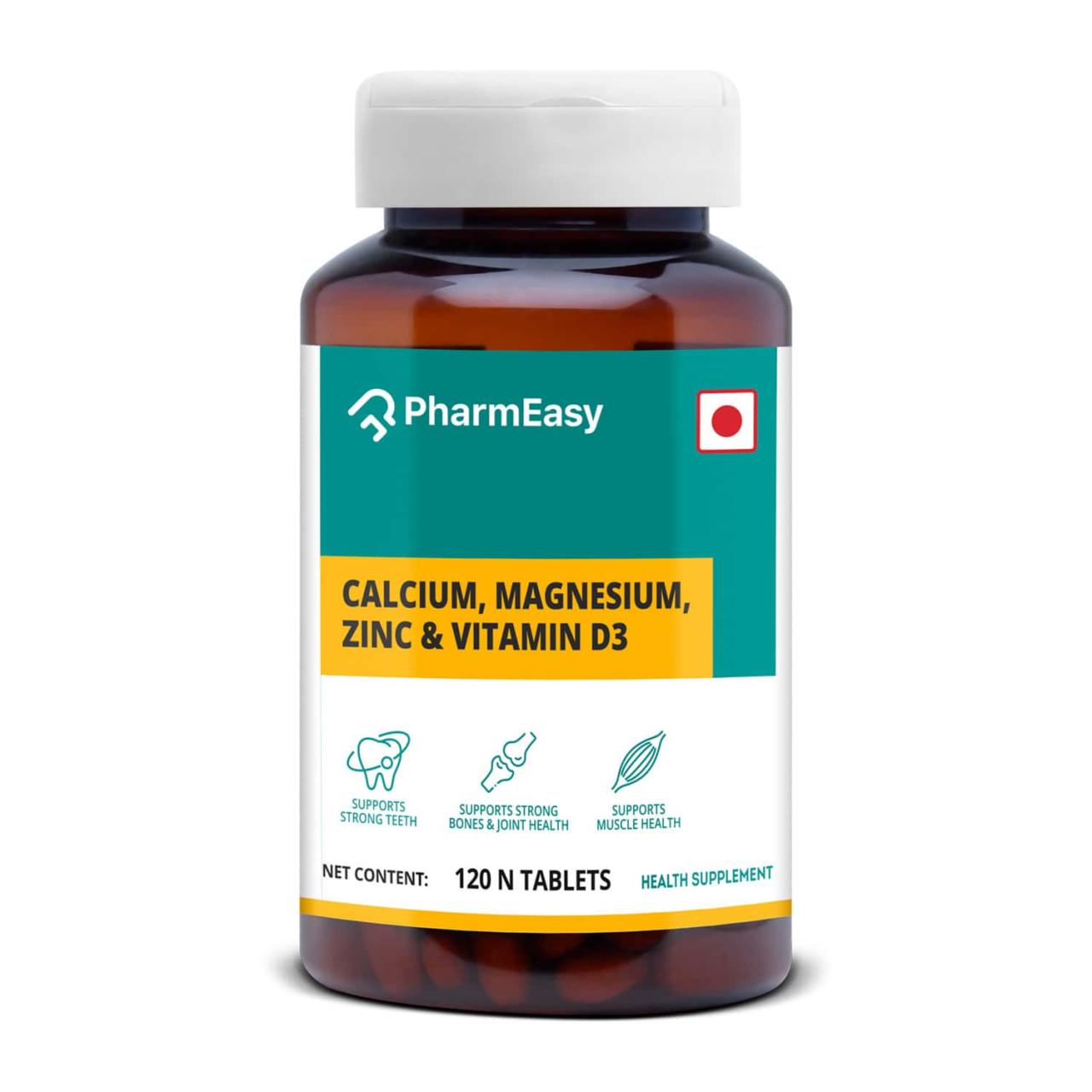
When considering supplementation for bone health, various options are available, each with its own effectiveness and formulation. The most common supplements include calcium carbonate, calcium citrate, and vitamin D3. Calcium carbonate is widely used due to its high elemental calcium content; however, it is best absorbed with food. Calcium citrate, on the other hand, is more easily absorbed and can be taken on an empty stomach, making it a preferred option for older adults who may have reduced stomach acid.
Vitamin D is essential for calcium absorption; thus, pairing calcium with vitamin D3 can enhance effectiveness. Some formulations combine these two nutrients into a single tablet, providing a convenient solution. Another important supplement is magnesium, which contributes to bone structure and helps regulate calcium levels.
To ensure effective supplementation, consider the following guidelines:
- Consult with a healthcare professional before starting any supplement, especially if you have existing health conditions or are taking other medications.
- Consider your dietary habits—if you consume sufficient calcium and vitamin D from foods like dairy, leafy greens, and fatty fish, supplements may not be necessary.
- Monitor your intake—excessive supplementation can lead to adverse effects, so adhering to the recommended dietary allowances (RDAs) is crucial.
- In certain situations like pregnancy, lactation, or specific health conditions (e.g., osteoporosis), supplementation may be recommended to meet increased nutrient needs.
In summary, while supplements can provide a helpful boost for bone health, they are not a substitute for a nutritious diet. An informed approach, focusing on whole foods complemented by targeted supplementation when necessary, can lead to the best outcomes for maintaining strong bones.
Lifestyle Factors Influencing Bone Density
Making informed lifestyle choices plays a crucial role in maintaining and enhancing bone density. Factors such as physical activity, smoking habits, and alcohol consumption can significantly affect bone health. Understanding these influences is essential for adopting a lifestyle that promotes strong, healthy bones.
Engaging in regular exercise is one of the most effective ways to improve bone density. Weight-bearing and resistance exercises stimulate bone formation and help maintain strength. Conversely, smoking and excessive alcohol intake can lead to decreased bone density, increasing the risk of fractures. Studies have shown that smokers may experience a reduction in bone density due to impaired blood flow and nutrient absorption. Similarly, alcohol can interfere with the body’s ability to absorb calcium, an essential mineral for bone health.
Physical Activities That Promote Strong Bones
Participating in specific physical activities is vital for building and maintaining strong bones. The following types of exercises are particularly beneficial:
- Weight-Bearing Exercises: Activities like walking, jogging, and climbing stairs force your bones to work against gravity, enhancing bone density.
- Resistance Training: Lifting weights or performing body-weight exercises, such as push-ups and squats, helps strengthen bones by increasing muscle mass and bone strength.
- Balance and Flexibility Exercises: Practices such as yoga and tai chi improve balance and coordination, reducing the risk of falls and fractures.
- High-Impact Activities: Sports like basketball, soccer, or dance can promote bone strength through repeated impact.
Adopting healthier lifestyle habits is key to supporting bone health. Here are some practical tips to consider:
- Quit Smoking: If you smoke, seek assistance to quit, as this will vastly improve your overall health and bone density.
- Limit Alcohol Intake: Consume alcohol in moderation; aim for no more than one drink a day for women and two for men.
- Ensure a Balanced Diet: Incorporate foods rich in calcium and vitamin D, such as dairy products, leafy greens, and fatty fish, to support bone health.
- Stay Active: Aim for at least 150 minutes of moderate aerobic activity or 75 minutes of vigorous activity each week, complemented by strength training on two or more days.
The combination of regular exercise and healthy lifestyle choices can lead to stronger bones, reducing the risk of osteoporosis and fractures.
Understanding the Synergy Between Vitamins and Minerals
The health of our bones is intricately linked to the synergy between vitamins and minerals. These nutrients work hand in hand to ensure optimal bone density and strength, which is vital as we age. Understanding how these elements interact helps us make informed dietary choices that can promote robust skeletal health.
Vitamins and minerals are essential to bone formation, maintenance, and repair. For instance, vitamin D enhances the absorption of calcium in the intestines, making it available for bone mineralization. Similarly, vitamin K plays a crucial role in the synthesis of osteocalcin, a protein that’s essential for binding calcium to the bone matrix. Without these vitamins, the minerals that are integral to bone structure—including calcium and phosphorus—would not function effectively.
Specific Nutrient Combinations Beneficial for Bone Health
A balanced intake of specific vitamins and minerals is critical for strong bones. Here are some beneficial combinations:
- Calcium and Vitamin D: Calcium is a primary component of bone tissue, while vitamin D is necessary for calcium absorption. A deficiency in vitamin D can lead to weakened bones, making this combination essential for maintaining bone density.
- Vitamin K and Calcium: Vitamin K aids in the regulation of calcium within the bones and blood. It ensures that calcium is deposited in the bone rather than in soft tissues, thus preventing issues like arterial calcification.
- Magnesium and Vitamin D: Magnesium supports the conversion of vitamin D into its active form, which in turn enhances calcium absorption. This synergistic effect is vital for optimal bone health.
- Phosphorus and Calcium: These two minerals work together to form hydroxyapatite, the mineral complex that gives bones their strength and rigidity. An ideal ratio is necessary for bone integrity.
Ensuring a balanced diet rich in these nutrients is key to achieving the right nutrient synergy. Foods such as leafy green vegetables, fatty fish, dairy products, nuts, and seeds can provide an array of these essential vitamins and minerals. A diet lacking in these components can lead to bone-related issues, such as osteoporosis, particularly in older adults.
“Vitamins and minerals do not work in isolation; their interactions are fundamental to maintaining strong bones.”
Age-Related Changes in Bone Health and Vitamin Needs
As we age, our bodies undergo various changes, especially with respect to bone health. These changes can significantly impact our vitamin requirements for maintaining strong bones. Understanding how these needs evolve across different life stages is essential for ensuring optimal bone density and overall health.
The aging process often leads to a gradual decline in bone density due to factors like hormonal changes, decreased physical activity, and nutritional deficiencies. Older adults often experience a reduction in calcium absorption, making it crucial to adjust their vitamin intake accordingly. Key vitamins that play a vital role in maintaining bone density include Vitamin D, Vitamin K, and calcium itself. Vitamin D enhances calcium absorption, while Vitamin K is important for bone mineralization and maintains overall bone strength.
Essential Vitamins for Older Adults
For older adults, specific vitamins become more critical in the quest for maintaining bone health. The following vitamins should be prioritized:
- Vitamin D: Essential for calcium absorption and bone remodeling. Its synthesis decreases with age, making supplementation important.
- Calcium: A primary building block for bone health, ensuring sufficient intake through diet or supplements is vital.
- Vitamin K: Supports bone metabolism and helps regulate calcium in the bones and bloodstream.
- Magnesium: Works alongside calcium and vitamin D to maintain bone structure and function.
To ensure adequate vitamin intake, older adults can adopt several strategies. Firstly, a balanced diet rich in foods such as leafy greens, dairy products, fatty fish, and fortified cereals can provide essential nutrients. Regular exposure to sunlight also helps boost Vitamin D levels naturally. Additionally, older adults should consider vitamin supplementation after consulting with healthcare professionals to address any deficiencies.
“Maintaining adequate vitamin and mineral intake is crucial for preserving bone density and reducing the risk of fractures as we age.”
Furthermore, engaging in weight-bearing exercises can enhance calcium uptake and strengthen bones. Simple activities like walking, dancing, or resistance training can significantly benefit bone health. Staying hydrated and avoiding excessive alcohol and caffeine consumption also supports optimal bone density.
As the landscape of bone health changes with age, paying attention to specific vitamin needs becomes increasingly important. By adopting a proactive approach to nutrition and lifestyle, older adults can effectively maintain their bone strength and overall health.
Myths and Misconceptions About Vitamins for Bone Health
The importance of vitamins in maintaining strong bones is sometimes overshadowed by common myths that can lead to misunderstandings about their true effects. Many people believe that all vitamins for bone health function the same and that deficiencies can be easily compensated for. However, it’s critical to separate fact from fiction to ensure optimal bone health.
One prevalent misconception is that taking high doses of calcium alone will prevent osteoporosis. While calcium is essential for bone strength, it must be consumed in conjunction with other nutrients like vitamin D and magnesium for optimal absorption and effectiveness. Research shows that calcium absorbed without adequate vitamin D can result in little to no benefit. Therefore, a balanced intake of all three nutrients is necessary for enhancing bone density effectively.
Common Myths and Their Realities
Several myths persist regarding vitamins and bone health. By understanding these misconceptions, individuals can be better equipped to make informed dietary choices. Here are some common myths and the factual information that debunks them:
- Myth 1: “All vitamins are equally beneficial for bone health.”
Fact: Different vitamins play unique roles; for instance, vitamin K helps regulate calcium in bones, while vitamin D aids absorption.
- Myth 2: “More is better when it comes to vitamins.”
Fact: Excessive intake of vitamins, especially fat-soluble ones like A and D, can lead to toxicity and adverse health effects.
- Myth 3: “Only older adults need to worry about bone health.”
Fact: Bone health is crucial at every age, and sufficient vitamin intake is necessary during childhood and adolescence for peak bone mass development.
- Myth 4: “Vitamins alone can replace a healthy diet.”
Fact: While vitamins are essential, they cannot substitute for a balanced diet rich in whole foods, which provides additional nutrients and fiber necessary for overall health.
To gain accurate insights into vitamins and bone health, refer to credible sources such as the National Institutes of Health (NIH), the World Health Organization (WHO), and research published in peer-reviewed journals. These organizations provide up-to-date information and guidelines based on extensive scientific research, helping individuals understand the complex relationship between vitamins and bone health.
Last Recap
In summary, prioritizing daily vitamins for strong bones is essential for everyone, regardless of age. By incorporating the right foods, considering supplementation when necessary, and adopting healthier lifestyle choices, you can significantly enhance your bone health. Ignoring the importance of these vitamins may lead to serious consequences down the line, so take proactive steps today for a stronger tomorrow.
Answers to Common Questions
How much Vitamin D do I need daily?
The recommended daily allowance for Vitamin D varies by age; generally, adults need about 600 to 800 IU, while older adults may require more.
Can I get enough calcium from my diet?
Yes, by including dairy products, leafy greens, and fortified foods, most people can meet their calcium needs through diet alone.
Are supplements necessary if I eat a balanced diet?
Supplements may not be necessary for everyone, but they can be beneficial for individuals with specific dietary restrictions or higher needs.
What are the best exercises for bone health?
Weight-bearing exercises such as walking, jogging, and strength training are particularly effective for promoting bone density.
Can age affect my vitamin needs for bone health?
Yes, as you age, your body may require higher amounts of certain vitamins, particularly Vitamin D and calcium, to maintain bone strength.