

Delving into Daily vitamin for heart health, this introduction immerses readers in a unique and compelling narrative that underscores the crucial role vitamins play in maintaining cardiovascular well-being.
Heart health is not just about exercise and diet; it’s significantly influenced by the vitamins we consume daily. Essential vitamins support various cardiovascular functions, from reducing inflammation to improving blood circulation. For instance, vitamins like B, C, D, and E have been shown to contribute positively to heart health by combating oxidative stress and regulating cholesterol levels. Incorporating these vital nutrients into our daily routines can make a substantial difference in how our hearts function and thrive.
The Importance of Daily Vitamins for Maintaining Heart Health
Daily vitamins play a vital role in maintaining overall health, and their importance is magnified when it comes to heart health. The heart is a complex organ that relies on various nutrients to perform optimally. Vitamins are essential micronutrients that contribute to numerous biochemical pathways in the body, including those that affect cardiovascular health. A balanced intake of vitamins can significantly reduce the risk of heart disease, support heart function, and enhance recovery from cardiovascular events.
Vitamins contribute to heart health in several key ways. They help reduce inflammation, lower blood pressure, and improve cholesterol levels. A deficiency in certain vitamins can lead to increased risks of cardiovascular diseases, highlighting the importance of a regular intake of these nutrients. For instance, Vitamins B6, B12, and folate are crucial for the metabolism of homocysteine, an amino acid that, in elevated levels, is linked to a higher risk of heart disease. Furthermore, Vitamin C is known for its antioxidant properties, which help combat oxidative stress and inflammation in blood vessels, thus promoting better heart health.
Specific Vitamins and Their Contributions to Heart Health
Understanding the specific vitamins and their roles can provide insight into how daily supplementation can benefit heart health. Below are key vitamins and their contributions:
- Vitamin B6: This vitamin aids in the conversion of homocysteine into cysteine, thereby helping to lower levels of homocysteine in the blood, which is crucial for preventing arterial damage.
- Vitamin B12: Essential for red blood cell formation, Vitamin B12 enhances oxygen transport to the heart and is vital for maintaining nerve health, further supporting cardiovascular function.
- Folate: Works alongside Vitamins B6 and B12 in regulating homocysteine levels. Adequate folate intake has been associated with reduced risk of heart disease.
- Vitamin C: Known for its powerful antioxidant properties, Vitamin C protects the heart and blood vessels from oxidative damage, promoting overall cardiovascular health.
- Vitamin D: Emerging research links Vitamin D deficiency to an increased risk of heart disease, indicating that maintaining optimal levels is important for heart health.
- Omega-3 fatty acids: While technically not a vitamin, these are crucial for heart health. They help lower triglyceride levels and reduce inflammation, playing a significant role in preventing heart disease.
Key Vitamins That Benefit Heart Health
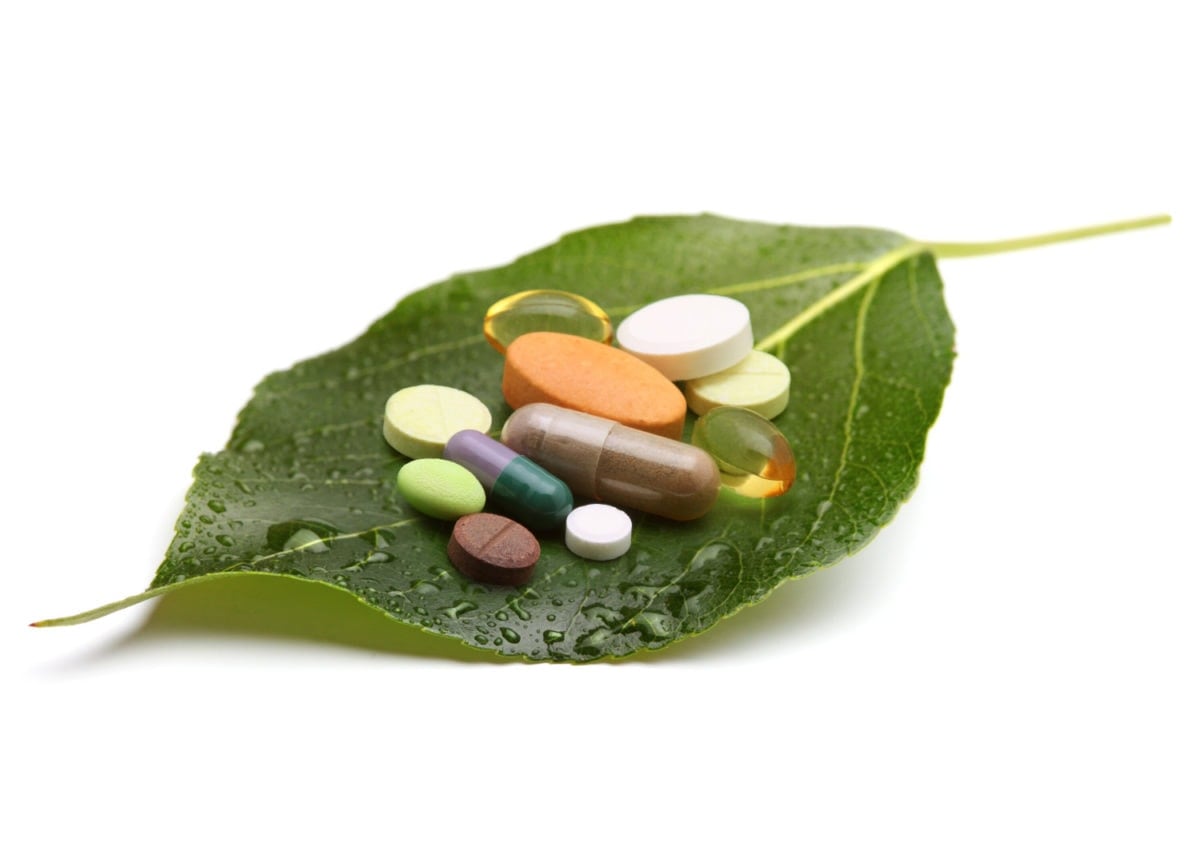
Heart health is crucial for overall well-being, and certain vitamins play a significant role in maintaining cardiovascular function. Incorporating specific vitamins into your diet can help reduce the risk of heart disease, support blood circulation, and promote overall heart wellness. Below is a detailed look at five essential vitamins that benefit heart health.
Essential Vitamins for Cardiovascular Well-being
Understanding the role of vitamins in heart health can empower individuals to make informed dietary choices. Below is a summary of five key vitamins that support cardiovascular function:
| Vitamin | Function | Contribution to Heart Health |
|---|---|---|
| Vitamin B6 | Helps in protein metabolism and the creation of neurotransmitters. | Reduces homocysteine levels, lowering the risk of heart disease. |
| Vitamin B12 | Essential for red blood cell formation and neurological function. | Prevents anemia and supports healthy homocysteine levels. |
| Folate (Vitamin B9) | Involved in DNA synthesis and repair, and cell division. | Reduces levels of homocysteine, which is linked to heart disease. |
| Vitamin D | Supports calcium absorption and immune function. | Regulates blood pressure and may help prevent heart disease. |
| Vitamin E | A powerful antioxidant that protects cells from oxidative damage. | May prevent the oxidation of LDL cholesterol, reducing heart disease risk. |
Incorporating a variety of vitamins into your diet can significantly enhance your heart health.
Exploring Dietary Sources of Heart-Healthy Vitamins
Incorporating heart-healthy vitamins into your diet is essential for maintaining cardiovascular health. These vitamins help reduce the risk of heart disease by supporting various bodily functions, including blood circulation and inflammation reduction. Exploring dietary sources rich in these vitamins can help you create a plan that nourishes your heart while delighting your taste buds.
Fruits, vegetables, and other foods are packed with vitamins that provide specific benefits for heart health. Vitamins such as C, E, B6, B12, and folate play significant roles in ensuring your heart operates efficiently. Below is a comprehensive list of foods that are particularly high in these heart-healthy vitamins.
Dietary Sources of Heart-Healthy Vitamins
Including a variety of foods in your meals can significantly increase your heart health. Here’s an overview of fruits, vegetables, and other options that are nutrient-dense and beneficial:
- Vitamin C: Oranges, strawberries, kiwi, bell peppers, and broccoli are excellent sources of this antioxidant vitamin, which helps protect your heart by reducing inflammation.
- Vitamin E: Almonds, sunflower seeds, spinach, and avocados are rich in Vitamin E, known for its role in preventing cholesterol oxidation.
- Vitamin B6: Foods such as chicken, turkey, potatoes, and bananas contain Vitamin B6, which supports the production of neurotransmitters that regulate heart function.
- Vitamin B12: This vitamin is predominantly found in animal products like fish, meat, eggs, and dairy; it helps maintain the health of red blood cells and nerves.
- Folate: Leafy greens, beans, peas, and lentils are high in folate, which is crucial for reducing homocysteine levels, a risk factor for heart disease.
To effectively incorporate these vitamin-rich foods into your daily meals, consider the following meal ideas:
- Breakfast: A smoothie made with spinach, bananas, and Greek yogurt topped with almonds.
- Lunch: A quinoa salad with bell peppers, chickpeas, and a drizzle of olive oil.
- Snack: Fresh strawberries and a handful of sunflower seeds.
- Dinner: Grilled salmon served with a side of steamed broccoli and a mixed green salad with avocado.
Incorporating a variety of colorful fruits and vegetables into meals not only enhances flavor but also maximizes nutrient intake, supporting overall heart health.
These meal ideas not only offer heart-healthy vitamins but also provide a variety of flavors and textures, making it easy to enjoy a heart-healthy diet.
The Role of Supplements in Achieving Daily Vitamin Intake
Vitamin supplements can play a crucial role in supporting heart health, particularly when dietary sources may be insufficient. For many individuals, busy lifestyles and dietary restrictions make it challenging to obtain all necessary nutrients from food alone. While supplements offer a convenient solution, it’s essential to balance their use with an understanding of both benefits and potential drawbacks.
Vitamin supplements can provide various heart health benefits, including filling nutritional gaps and supporting overall cardiovascular function. For instance, omega-3 fatty acids, commonly found in fish oil supplements, are known for their anti-inflammatory properties and ability to lower triglyceride levels. Additionally, vitamins like B6, B12, and folic acid can aid in reducing homocysteine levels, a risk factor for heart disease. However, relying solely on supplements can lead to imbalances and may pose risks of toxicity, especially when taken in excessive amounts. Therefore, moderation and informed choices are key.
Comparison of Natural Food Sources and Supplements
Natural food sources often provide a more balanced array of nutrients than supplements. Whole foods not only contain vitamins but also a variety of phytochemicals, fiber, and other compounds that contribute to heart health. Here are some comparisons to consider:
– Effectiveness: Foods like fruits, vegetables, whole grains, and fish provide synergistic compounds that enhance nutrient absorption and efficacy. For instance, vitamin E found in nuts works better in conjunction with other antioxidants present in fruits and vegetables.
– Safety: Whole foods typically present lower risks of overdose, as excessive intake of vitamins through diet alone is uncommon. In contrast, high doses of supplements can lead to adverse effects, particularly with fat-soluble vitamins such as A, D, E, and K.
– Bioavailability: Nutrients from whole foods are more readily absorbed than those from supplements. For example, iron from red meat is better absorbed than iron from a supplement, which may be less effective if taken without adequate vitamin C.
For those choosing to incorporate supplements, selecting high-quality options is crucial. Here are essential guidelines to follow:
– Look for supplements that are third-party tested for purity and potency, ensuring they meet high-quality standards.
– Check for certifications from reputable organizations, such as NSF International or the United States Pharmacopeia (USP), which indicate that the product has been evaluated for quality and safety.
– Choose supplements that provide vitamins and minerals in their natural forms, as these tend to be more effective in supporting health.
– Read ingredient labels carefully to avoid added fillers or artificial substances, which may reduce the product’s overall quality.
Choosing the right supplements and combining them with a nutrient-rich diet can optimize heart health and overall wellness.
Lifestyle Factors That Influence Vitamin Absorption for Heart Health
Maintaining heart health through proper vitamin absorption is significantly influenced by various lifestyle choices. Understanding these factors can help individuals optimize their vitamin intake and, consequently, their overall cardiovascular health. This discussion will explore how exercise, hydration, and sleep play pivotal roles in enhancing the body’s capacity to absorb essential vitamins.
Impact of Exercise on Vitamin Absorption
Regular physical activity is crucial not just for cardiovascular fitness but also for optimizing nutrient absorption. Exercise improves blood circulation, ensuring that vitamins and minerals are efficiently delivered to cells throughout the body. Additionally, certain types of exercise, like resistance training, can enhance the body’s ability to utilize fatty acids and fat-soluble vitamins, such as vitamins A, D, E, and K.
“Increased blood flow from exercise aids in transporting nutrients more effectively, promoting better absorption.”
To maximize the benefits of exercise for heart health, consider these habits:
- Engage in at least 150 minutes of moderate-intensity aerobic activity weekly, such as brisk walking or cycling.
- Incorporate strength training exercises at least twice a week to enhance muscular health and nutrient utilization.
- Opt for activities that promote flexibility and balance, like yoga or tai chi, which can also contribute to overall wellness.
Role of Hydration in Nutrient Absorption
Hydration plays a vital role in the absorption of vitamins, especially those that are water-soluble, like the B-vitamins and vitamin C. Adequate fluid intake ensures that nutrients can dissolve and be transported through the bloodstream more efficiently.
“Proper hydration is key to nutrient transport and absorption, significantly impacting heart health.”
To maintain optimal hydration levels, consider the following daily habits:
- Drink at least eight 8-ounce glasses of water daily, adjusting for activity level and climate.
- Include hydrating foods in your diet, such as fruits (e.g., watermelon, oranges) and vegetables (e.g., cucumbers, lettuce).
- Monitor urine color as a hydration indicator; light yellow suggests adequate hydration.
Importance of Sleep for Nutrient Absorption
Quality sleep is essential for various bodily functions, including nutrient absorption. During sleep, the body undergoes repair processes that can enhance the utilization of vitamins and minerals. Poor sleep can lead to increased inflammation and impaired metabolism, adversely affecting cardiovascular health.
“Adequate sleep supports metabolic processes that enhance the absorption and utilization of vital nutrients.”
To improve sleep quality and promote better nutrient absorption, implement these strategies:
- Aim for 7-9 hours of sleep each night to allow for optimal recovery and nutrient utilization.
- Establish a consistent bedtime routine to signal your body that it’s time to wind down.
- Create a comfortable sleep environment, ensuring a dark, quiet, and cool room.
By integrating these lifestyle factors—exercise, hydration, and sleep—individuals can significantly enhance their vitamin absorption, leading to improved heart health and overall well-being.
The Connection Between Vitamins and Heart Disease Prevention
Heart disease remains one of the leading causes of mortality worldwide, prompting an ongoing exploration of strategies for prevention. Among these strategies, the role of vitamins has garnered significant attention from researchers and health professionals alike. Certain vitamins have been found to contribute positively to heart health, potentially reducing the risk of cardiovascular diseases. By understanding the relationship between vitamin intake and heart disease prevention, individuals can make informed dietary choices that support their heart health.
Research has consistently indicated that specific vitamins play a crucial role in maintaining cardiovascular health. For instance, Vitamins B, C, D, and E have been linked to various heart disease outcomes, and their deficiency has been associated with an increased risk of cardiovascular events. These vitamins contribute to heart health by supporting functions such as blood vessel integrity, inflammation reduction, and maintaining healthy cholesterol levels.
Vitamins Linked to Heart Health
Several vitamins have been identified as particularly beneficial in the context of heart disease prevention. Understanding these connections can inspire individuals to include these vitamins in their diets.
– Vitamin B6 and B12: These vitamins are essential for reducing homocysteine levels, an amino acid linked to an increased risk of heart disease. High homocysteine levels can damage blood vessels and promote clot formation.
– Vitamin C: Known for its antioxidant properties, Vitamin C helps protect the endothelial cells lining blood vessels from oxidative stress. Research indicates that higher Vitamin C intake is associated with a lower risk of heart disease.
– Vitamin D: Deficiency in Vitamin D has been correlated with an increased risk of heart disease. Studies suggest that adequate levels of Vitamin D might help regulate blood pressure and inflammation.
– Vitamin E: As an antioxidant, Vitamin E plays a role in preventing oxidative damage to cells. Some studies have shown that it may help lower the risk of heart disease by improving cholesterol levels.
“Higher intake of essential vitamins is linked to a significantly reduced risk of cardiovascular diseases.”
Various studies have explored the correlation between vitamin intake and heart disease risk. For example, a study published in the *Journal of the American College of Cardiology* found that individuals with higher levels of Vitamin C had a 25% lower risk of heart disease compared to those with lower levels. Another notable study in *Circulation* showed that sufficient Vitamin D levels were associated with a 30% reduction in the risk of heart attacks.
Incorporating these vitamins into daily routines can be achieved through dietary sources or supplements, emphasizing the importance of a balanced diet rich in fruits, vegetables, whole grains, and lean proteins. As awareness grows about the connection between vitamins and heart health, it becomes increasingly vital to prioritize these nutrients in a preventative lifestyle approach.
Myths and Misconceptions About Vitamins for Heart Health
In the realm of heart health, vitamins often come under scrutiny, leading to numerous myths and misconceptions. These misunderstandings can misguide individuals on how best to support their cardiovascular well-being. It’s essential to separate fact from fiction to make informed decisions about vitamin intake for heart health.
Many people believe that taking vitamins alone can significantly improve heart health, but this is a misconception. While vitamins play a crucial role in maintaining overall health, they are not a magic bullet. A balanced diet, regular exercise, and lifestyle choices are foundational to heart health.
Common Myths and The Truth Behind Them
Understanding the myths surrounding vitamins for heart health can empower individuals to make better health choices. Below is a summary of frequently encountered misconceptions and the reality that counters them.
| Myth | Fact |
|---|---|
| Vitamins can replace a healthy diet. |
|
| All vitamins are beneficial in high doses. |
|
| Vitamin supplements are better than food sources. |
|
| Taking vitamin C can prevent heart disease. |
|
| Omega-3 fatty acids are only found in fish oil supplements. |
|
The myths surrounding vitamins for heart health can lead to misinformation and potentially harmful practices. By understanding the facts, individuals can make more informed decisions that support their cardiovascular health effectively. It’s important to consult healthcare professionals for personalized advice on vitamin supplementation and heart health strategies.
Recommendations for Daily Vitamin Intake for Optimal Heart Health
Maintaining a healthy heart is a priority for overall well-being, and vitamins play a significant role in supporting cardiovascular health. To optimize heart health, it’s essential to understand the recommended daily intake of various vitamins and their sources, as well as guidelines provided by trusted health organizations.
Several vitamins contribute positively to heart health, including vitamins B, C, D, and E. Each vitamin serves a unique function in the body that aids in maintaining proper cardiovascular function. For example, vitamins B6, B12, and folate are known to help lower homocysteine levels, which, when elevated, can increase the risk of heart disease. Similarly, vitamin C is an antioxidant that protects blood vessels from damage, while vitamin E helps prevent oxidation of LDL cholesterol, thereby reducing the risk of atherosclerosis.
Recommended Daily Intake of Vitamins
Health organizations provide specific guidelines about the daily intake of these essential vitamins. Below is a summary of recommended daily intakes for adults, focusing specifically on those that are particularly beneficial for heart health:
- Vitamin B6: 1.3 mg for adults; sources include poultry, fish, potatoes, and non-citrus fruits.
- Vitamin B12: 2.4 mcg for adults; found in meat, fish, dairy products, and fortified cereals.
- Folate (Vitamin B9): 400 mcg for adults; good sources are leafy greens, legumes, and fortified grains.
- Vitamin C: 90 mg for men and 75 mg for women; abundant in fruits and vegetables like oranges, strawberries, and bell peppers.
- Vitamin D: 600 IU for adults; can be obtained from sunlight, fatty fish, and fortified dairy products.
- Vitamin E: 15 mg for adults; found in nuts, seeds, and green leafy vegetables.
Planning a diet that meets these recommendations is crucial for maintaining heart health.
Diet Planning for Heart Health
Creating a daily meal plan that incorporates these vitamins can greatly benefit heart health. Here are some effective tips for individuals looking to enhance their diet:
- Incorporate a Variety of Fruits and Vegetables: Aim for at least five servings a day. A colorful mix ensures a range of vitamins and antioxidants.
- Choose Whole Grains: Replace refined grains with whole grains like brown rice, quinoa, and whole-grain bread to increase fiber intake.
- Add Healthy Fats: Include sources of omega-3 fatty acids, such as fatty fish (salmon, mackerel), nuts, and seeds, which are beneficial for heart health.
- Limit Processed Foods: Reduce intake of high-sodium and high-sugar foods, as these can negatively impact heart health.
- Stay Hydrated: Drink plenty of water throughout the day to support overall health and hydration.
By following these recommendations, individuals can create a heart-healthy diet that supports cardiovascular function and overall well-being.
End of Discussion
In conclusion, prioritizing daily vitamins for heart health is an approachable yet impactful strategy for anyone aiming to enhance their cardiovascular wellness. By understanding the significance of these nutrients, exploring dietary sources, and considering supplements wisely, individuals can take active steps toward reducing their risk of heart disease and promoting a healthier life overall. Let’s embrace the power of vitamins and give our hearts the care they truly deserve.
FAQ Guide
What are the best vitamins for heart health?
Some of the best vitamins for heart health include Vitamin B6, B12, C, D, and E, each playing a role in maintaining cardiovascular function and reducing disease risk.
Can I get enough heart-healthy vitamins from food alone?
Yes, a balanced diet rich in fruits, vegetables, whole grains, and lean proteins can provide the necessary vitamins for optimal heart health.
Are vitamin supplements safe for heart health?
While many vitamin supplements can be safe, it’s essential to choose high-quality products and consult a healthcare provider to avoid potential interactions with medications.
How do lifestyle choices affect vitamin absorption?
Lifestyle factors such as hydration, exercise, and sleep significantly influence the body’s ability to absorb vitamins, impacting overall heart health.
What are common misconceptions about vitamins and heart health?
Many believe that taking high doses of vitamins can instantly improve heart health, but a balanced diet and proper intake are crucial for long-term benefits.

Leave a Reply