

Daily CoQ10 supplement is gaining recognition as a cornerstone of optimal health regimens. This essential nutrient plays a pivotal role in energy production and overall well-being, making it particularly important as we age or encounter various health challenges. With its ability to enhance energy levels, support cardiovascular health, and even assist in recovery from strenuous activities, CoQ10 is more than just a supplement; it’s a vital ally in maintaining a healthy lifestyle.
As research continues to unveil the vast benefits of CoQ10, it’s clear that integrating this supplement into your daily routine can lead to remarkable health improvements. From combating oxidative stress to bolstering heart health, the advantages are backed by compelling statistics and scientific findings that underscore its significance in our diets.
The Importance of CoQ10 in Daily Health Regimens
Coenzyme Q10, commonly known as CoQ10, is a naturally occurring antioxidant found in every cell of the human body. It plays a crucial role in energy production and supports overall health, making it essential for daily health regimens. As we age, the levels of CoQ10 decrease, which can impact our cellular functions and overall vitality. Therefore, daily supplementation of CoQ10 can be beneficial for maintaining optimal health.
CoQ10 is vital for several reasons, primarily due to its role in the production of adenosine triphosphate (ATP), the energy currency of the cell. It helps convert nutrients into energy, which is necessary for the proper functioning of organs and tissues. Additionally, CoQ10 has significant antioxidant properties, helping to neutralize free radicals that can cause oxidative stress, which is linked to various age-related diseases. Supplementing with CoQ10 has been shown to improve energy levels, enhance physical performance, and support heart health, among other benefits.
Health Benefits Associated with Daily CoQ10 Supplementation
Daily supplementation of CoQ10 offers a wide array of health benefits, which can significantly enhance your quality of life. Here are some of the notable advantages supported by research:
- Heart Health: CoQ10 has been demonstrated to lower blood pressure and improve overall heart function. Studies have shown that individuals with heart disease who take CoQ10 supplements experience improved cardiac function and reduced symptoms.
- Energy Production: Supplementing with CoQ10 can boost energy levels, making it easier to engage in physical activity. Research indicates that athletes who take CoQ10 may experience improved exercise performance and reduced fatigue.
- Brain Health: CoQ10 may support cognitive function and protect against neurodegenerative diseases. Research has linked adequate levels of CoQ10 with a reduced risk of conditions like Alzheimer’s and Parkinson’s disease.
- Diabetes Management: Some studies suggest that CoQ10 may improve insulin sensitivity and regulate blood sugar levels, offering potential benefits for individuals with diabetes.
- Skin Health: CoQ10 can also benefit skin health by reducing oxidative damage, improving appearance, and promoting healing. It is often included in anti-aging skincare products for its rejuvenating properties.
“CoQ10 supplementation not only enhances energy levels but also plays a critical role in protecting against various chronic diseases.” – Research findings
Statistics from a comprehensive review indicate that approximately 50% of people over 40 may have reduced levels of CoQ10, highlighting the importance of considering supplementation for maintaining health as we age. Furthermore, clinical trials have shown that CoQ10 can improve the quality of life for individuals suffering from chronic diseases, confirming its role as a vital nutrient in daily health regimens.
Identifying the Right Dosage for Daily CoQ10 Intake
Determining the appropriate dosage of CoQ10 can significantly affect its benefits for various age groups and health conditions. Understanding these guidelines helps ensure optimal results and minimizes the risk of side effects.
The recommended daily dosages of CoQ10 vary based on factors such as age, health conditions, and individual health goals. Proper dosage is essential not only for effectiveness but also for safety.
Recommended Daily Dosages for Different Age Groups and Health Conditions
The following table Artikels the recommended dosages of CoQ10 for specific age groups and health conditions. This information can help individuals identify their optimal intake levels.
| Age Group / Health Condition | Recommended Daily Dosage (mg) |
|---|---|
| Healthy Adults (19-50 years) | 30-200 |
| Adults (51 years and older) | 100-200 |
| Individuals with Heart Disease | 100-300 |
| Patients Taking Statins | 100-200 |
| Individuals with Mitochondrial Disorders | 300-1200 |
| Individuals with Diabetes | 100-200 |
Exceeding the recommended dosage of CoQ10 may lead to potential side effects, including gastrointestinal discomfort, diarrhea, and nausea. In rare cases, individuals may experience insomnia, headaches, or allergic reactions. It is essential to stay within the recommended limits and consult a healthcare professional if contemplating higher doses.
Always speak with a healthcare provider before starting or adjusting dosage to ensure safety and efficacy.
In summary, understanding and following the appropriate dosage guidelines for CoQ10 can enhance its benefits while minimizing the risk of adverse effects. This knowledge is crucial for tailoring the intake to meet individual health needs and goals.
Examining the Different Forms of CoQ10 Supplements Available
Coenzyme Q10 (CoQ10) is a vital nutrient that plays a crucial role in energy production and overall health. When considering CoQ10 supplements, it’s essential to understand the different forms available, primarily ubiquinone and ubiquinol. Each form has its unique properties and potential benefits, which can influence absorption and effectiveness in the body.
The two primary forms of CoQ10 are ubiquinone and ubiquinol. Ubiquinone is the oxidized form, while ubiquinol is the reduced form. The body can convert ubiquinone to ubiquinol and vice versa, but the efficiency of this conversion may vary depending on individual factors such as age and health status. Understanding these differences can help you choose the right supplement tailored to your needs.
Comparison of Ubiquinone and Ubiquinol
When deciding between ubiquinone and ubiquinol, it’s important to consider how these forms differ in terms of absorption and effectiveness. Here’s a breakdown of each form:
Ubiquinone:
– Pros:
– Generally more stable and has a longer shelf life.
– Often less expensive than ubiquinol.
– The body can convert it into ubiquinol, making it versatile.
– Cons:
– Absorption may be less efficient compared to ubiquinol, particularly in older adults.
– Requires conversion for active use, which may be less effective in some individuals.
Ubiquinol:
– Pros:
– Better absorbed by the body, especially beneficial for older adults who may have a reduced ability to convert ubiquinone.
– Directly usable form that supports cellular energy production quickly.
– Antioxidant properties may provide additional health benefits.
– Cons:
– Typically more expensive than ubiquinone.
– Shorter shelf life and may require special packaging for stability.
“The choice between ubiquinone and ubiquinol can significantly impact the effectiveness of CoQ10 supplementation, especially for individuals with specific health considerations.”
Choosing the right form of CoQ10 is crucial for maximizing its benefits. Factors such as age, health conditions, and lifestyle can influence which form may be more suitable for you. Understanding these distinctions will empower you to make an informed decision regarding your CoQ10 supplementation.
Exploring the Best Practices for Taking CoQ10 Supplements Daily
Taking CoQ10 supplements daily can be a great way to support your overall health and vitality. To maximize the benefits of this powerful antioxidant, understanding the best practices for its consumption is crucial. This section will delve into the optimal timing, dietary interactions, and a straightforward guide for integrating CoQ10 into your daily routine.
Optimal Times of Day for Taking CoQ10
The timing of CoQ10 supplementation can significantly impact its effectiveness. Here are some points to consider regarding when to take it:
- Morning or early afternoon: CoQ10 can provide an energy boost, making it ideal to take in the morning or early afternoon. This timing can help enhance your energy levels throughout the day.
- With meals: Taking CoQ10 with meals that contain healthy fats can improve its absorption. Fat-soluble nutrients are better absorbed when consumed with dietary fats.
Food and Beverage Interactions Influencing Absorption
Certain foods and beverages can affect how well CoQ10 is absorbed in the body. Understanding these interactions can help you optimize your supplementation routine:
- Healthy fats: Foods like avocados, olive oil, and nuts can enhance CoQ10 absorption, making them great companions for your supplement.
- Alcohol: Excessive alcohol consumption can hinder the effectiveness of CoQ10 by affecting its metabolism and diminishing its benefits.
- High sugar foods: Diets high in sugar can lead to oxidative stress, which CoQ10 is meant to combat. Thus, it’s best to limit sugary snacks and drinks while taking CoQ10.
Step-by-Step Guide to Incorporating CoQ10 into Your Daily Routine
Integrating CoQ10 into your regimen can be straightforward. Here’s a step-by-step guide to make it easier:
- Choose the right form: CoQ10 is available in various forms, such as soft gels, capsules, and powdered forms. Select one that suits your preference.
- Determine the dosage: Consult with a healthcare provider to find the right dosage for your needs, typically ranging from 100 to 300 mg per day.
- Pick a consistent time: Decide on a specific time each day to take your supplement, preferably with a meal that includes healthy fats.
- Set a reminder: Use your phone or a daily planner to remind yourself to take CoQ10 at the chosen time.
- Monitor your energy levels: Keep track of how you feel after incorporating CoQ10 into your routine. Adjust the dosage or timing if necessary, and always consult your healthcare provider with any concerns.
Regular intake of CoQ10 can significantly improve energy levels and support overall health when taken correctly.
Understanding the Synergistic Effects of CoQ10 with Other Supplements
CoQ10, or coenzyme Q10, is a vital nutrient that plays a key role in energy production and antioxidant defense within the body. When combined with other supplements, it can significantly enhance health outcomes, particularly in areas such as heart health, energy levels, and overall well-being. Understanding how CoQ10 interacts with other nutrients can help individuals optimize their supplementation strategies for maximum benefits.
Combining CoQ10 with other vitamins and minerals can yield synergistic benefits, amplifying their effects and leading to improved health outcomes. For instance, certain nutrients can enhance the absorption and efficacy of CoQ10, while CoQ10 itself may boost the effectiveness of other supplements. This interplay not only supports energy metabolism but also contributes to improved cardiovascular health and overall vitality.
Supplements That Enhance CoQ10 Effects
Several supplements have been identified to work well in conjunction with CoQ10. The following list highlights these synergistic combinations and their associated benefits:
- Omega-3 Fatty Acids: Found in fish oil, these fatty acids can improve heart health when paired with CoQ10 by supporting healthy blood lipid levels and reducing inflammation.
- Vitamin E: This antioxidant can enhance the protective effects of CoQ10 against oxidative stress, promoting better cellular health.
- Magnesium: Vital for energy production, magnesium helps optimize CoQ10’s role in energy metabolism and muscle function.
- Vitamin C: Working as a powerful antioxidant, vitamin C can complement CoQ10 in protecting cells from damage while supporting immune function.
- B Vitamins: These vitamins are crucial for energy production and can synergistically support the effects of CoQ10 in improving energy levels and metabolism.
The following table illustrates the synergistic benefits of combining CoQ10 with specific supplements, showing how each nutrient can enhance overall health:
| Supplement | Synergistic Benefit |
|---|---|
| Omega-3 Fatty Acids | Improved heart health and reduced inflammation |
| Vitamin E | Enhanced antioxidant protection for cellular health |
| Magnesium | Optimized energy production and muscle function |
| Vitamin C | Improved immune function and cellular protection |
| B Vitamins | Increased energy levels and metabolic support |
Combining CoQ10 with other supplements can lead to enhanced health benefits, supporting cardiovascular health, energy production, and overall wellness.
Analyzing the Role of CoQ10 in Energy Production
CoQ10, or coenzyme Q10, plays a pivotal role in the body’s energy production process. As a vital antioxidant, it not only protects cells from oxidative damage but also serves as a crucial component in the production of adenosine triphosphate (ATP), the primary energy carrier in all living organisms. Understanding how CoQ10 contributes to ATP production helps highlight its significance in maintaining energy levels and enhancing physical performance, particularly for those who are active or athletic.
CoQ10 is essential in the mitochondrial electron transport chain, a series of reactions that convert nutrients into ATP. In this process, CoQ10 facilitates the transfer of electrons, which ultimately drives the production of ATP. The more efficient the electron transport chain operates, the more ATP the body can produce, directly influencing energy levels and overall vitality. This connection between CoQ10 and ATP production underscores its importance not only for bodily functions but also for enhancing endurance and physical performance.
Impact of CoQ10 on Physical Performance and Energy Levels
The potential benefits of CoQ10 supplementation extend beyond basic energy production. Regular intake of CoQ10 has been linked to improved physical performance, particularly among athletes and those engaged in high-intensity activities. The following points illustrate how CoQ10 supplementation can positively impact energy levels and performance:
- Enhanced Exercise Capacity: Studies have shown that CoQ10 supplementation can lead to improved exercise capacity by increasing the body’s ability to produce ATP during physical activity.
- Reduced Fatigue: Athletes often report experiencing less fatigue during workouts, allowing them to train harder and longer thanks to the supportive role of CoQ10 in energy metabolism.
- Improved Recovery: CoQ10 may aid in quicker recovery post-exercise by reducing oxidative stress and inflammation, which can lead to fewer muscle soreness and faster readiness for subsequent workouts.
- Increased Stamina: Many athletes incorporate CoQ10 into their regimen to boost stamina, especially in endurance sports, where sustained energy output is crucial.
Athletes from various disciplines, including runners, cyclists, and weightlifters, have recognized the advantages of CoQ10 supplementation. For instance, a study involving professional cyclists found that those who took CoQ10 experienced a notable increase in exercise tolerance and overall performance during time trials. This demonstrates how CoQ10 can be a valuable addition to an athlete’s nutritional strategy, supporting their training demands and competitive edge.
“CoQ10 is not just an antioxidant; it’s a vital enzyme that helps convert food into energy, making it essential for anyone looking to enhance their physical performance.”
In summary, CoQ10’s role in ATP production is critical for maintaining energy levels and optimizing physical performance. Athletes can greatly benefit from daily CoQ10 supplementation, leading to improved endurance, reduced fatigue, and faster recovery times, ultimately enhancing their competitive performance.
Evaluating the Research on CoQ10 and Cardiovascular Health
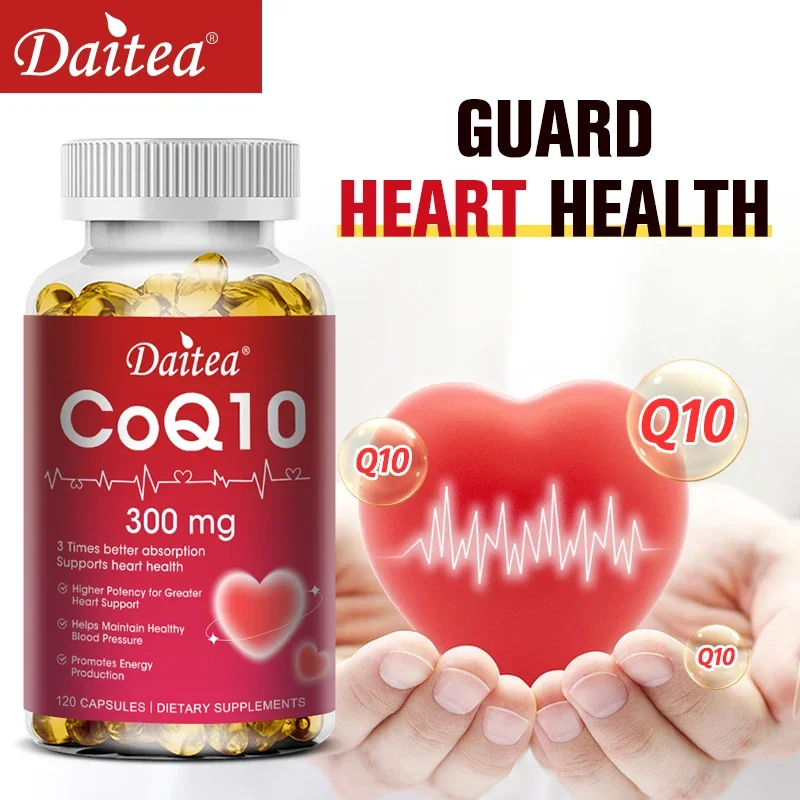
Recent studies have increasingly highlighted the potential benefits of CoQ10 supplementation on cardiovascular health. CoQ10, or Coenzyme Q10, is a naturally occurring antioxidant present in every cell of the body, playing a crucial role in energy production and cellular protection. In light of growing cardiovascular diseases, understanding how CoQ10 influences heart health is essential for both researchers and consumers seeking natural therapies.
Evidence suggests that CoQ10 may contribute to lower blood pressure and improved cholesterol levels, which are critical factors in cardiovascular health. The antioxidant properties of CoQ10 are believed to help mitigate oxidative stress, a key driver of heart disease. Furthermore, some research indicates that CoQ10 supplementation can enhance endothelial function, leading to better blood vessel health and circulation.
Impact of CoQ10 on Blood Pressure
Several clinical trials have provided insights into the effects of CoQ10 on blood pressure regulation. For instance, a meta-analysis of randomized controlled trials found significant reductions in both systolic and diastolic blood pressure among individuals taking CoQ10 supplements. These findings are particularly relevant for individuals with hypertension, as even slight reductions in blood pressure can lead to significant decreases in cardiovascular risk.
Key findings from these studies include:
- In a study involving patients with high blood pressure, participants who supplemented with CoQ10 experienced an average decrease of 10 mmHg in systolic blood pressure.
- Another trial highlighted that long-term CoQ10 supplementation resulted in lower blood pressure readings over a period of 12 weeks.
- CoQ10 appears to promote the dilation of blood vessels, which may contribute to a reduction in overall blood pressure.
CoQ10 and Cholesterol Levels
Research has also focused on the effect of CoQ10 on cholesterol levels, specifically total cholesterol and LDL cholesterol, often referred to as “bad” cholesterol. By aiding in the reduction of oxidative stress, CoQ10 may help improve lipid profiles.
Notable research findings include:
- A clinical trial demonstrated that participants taking CoQ10 along with standard cholesterol-lowering medications had more favorable outcomes, including lower LDL levels compared to those only on medication.
- Another study indicated that CoQ10 supplementation contributed to a notable increase in HDL cholesterol, often referred to as “good” cholesterol, enhancing cardiovascular protection.
- In patients with metabolic syndrome, CoQ10 supplementation was associated with a reduction in triglycerides, supporting overall heart health.
“CoQ10 supplementation has shown promising effects in managing blood pressure and improving lipid profiles, making it a valuable consideration for cardiovascular health.”
The growing body of research emphasizes the importance of CoQ10 as a complementary approach in maintaining cardiovascular health, particularly for individuals at risk of heart disease. As studies continue to emerge, CoQ10’s role in heart health becomes clearer, providing a potential natural avenue for improving cardiovascular outcomes.
Investigating the Impact of Lifestyle Choices on CoQ10 Levels
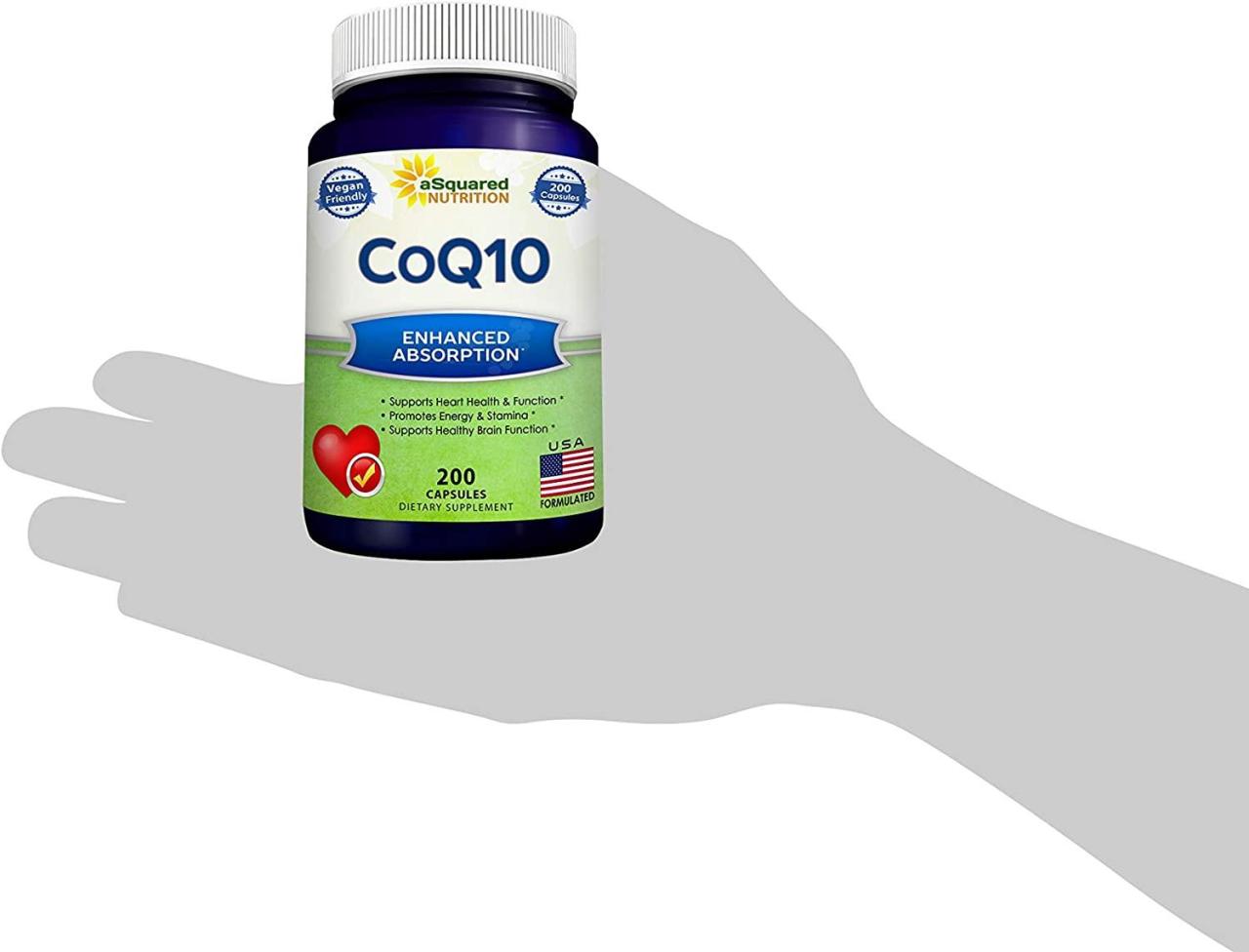
Understanding how our daily choices affect Coenzyme Q10 (CoQ10) levels is essential for maintaining optimal health. Lifestyle factors such as diet, exercise, and stress play a significant role in determining the natural production of this vital nutrient in our bodies. By making informed choices, we can enhance our CoQ10 levels and, consequently, our overall vitality.
Lifestyle factors can significantly influence the levels of CoQ10 in the body. Diet is one of the most critical aspects, as certain foods are rich in this coenzyme. Regular physical activity has been shown to boost CoQ10 production, while chronic stress can deplete it. For instance, a diet low in antioxidants may hinder the body’s ability to synthesize CoQ10, while high-intensity exercise can enhance its levels due to increased energy demands. Therefore, adopting healthy habits can support the body’s CoQ10 production and promote well-being.
Dietary Sources and Lifestyle Modifications
Incorporating specific foods into your diet can help increase CoQ10 levels naturally. Below is a list of food sources rich in CoQ10 that can complement your supplementation efforts. Including these foods in your daily meals is a practical way to enhance your nutrient intake.
- Fatty fish – Salmon, sardines, and mackerel are excellent sources, packed with omega-3 fatty acids and CoQ10.
- Meat – Organ meats, especially heart and liver, contain high concentrations of CoQ10.
- Nuts and seeds – Peanuts, pistachios, and sesame seeds are good plant-based options.
- Vegetables – Spinach, broccoli, and cauliflower provide CoQ10 as part of a balanced diet.
- Whole grains – Wheat germ and oats are beneficial for boosting your intake.
- Legumes – Peas, beans, and lentils also contribute to CoQ10 levels.
- Fruits – Strawberries and oranges can offer some CoQ10 as well.
Making lifestyle modifications can also help enhance CoQ10 production. Engaging in regular aerobic exercise, such as jogging or cycling, as well as incorporating stress management techniques like meditation or yoga, can positively impact your body’s natural CoQ10 synthesis. Additionally, maintaining a balanced diet rich in antioxidants and vitamins may support your body’s overall ability to produce and utilize CoQ10 effectively.
“Adopting a holistic approach to lifestyle choices can significantly enhance CoQ10 levels, ultimately contributing to better energy production and overall health.”
Final Summary
In summary, incorporating a Daily CoQ10 supplement into your health routine can yield significant benefits, particularly for energy production and cardiovascular support. Whether you are an athlete looking to enhance performance or someone seeking to improve overall health, understanding the right dosage and form can make all the difference. As you embark on this journey towards better health, remember that a balanced approach, including lifestyle modifications, can further optimize the effects of CoQ10.
Popular Questions
What is CoQ10 and why is it important?
CoQ10 is a natural antioxidant critical for energy production in cells, supporting overall health and potentially reducing the risk of chronic diseases.
Can I take CoQ10 with other medications?
While CoQ10 is generally safe, it’s best to consult a healthcare professional before combining it with other medications to avoid potential interactions.
Is there an ideal time to take CoQ10?
The best time to take CoQ10 is with a meal that contains fat, as this enhances absorption and maximizes its benefits.
Are there natural food sources of CoQ10?
Yes, CoQ10 can be found in foods like fatty fish, organ meats, spinach, and whole grains, although supplementation may be necessary for optimal levels.
Can CoQ10 help with energy levels?
Yes, studies suggest that CoQ10 supplementation can improve energy levels, particularly in individuals who have low levels of this nutrient.

Leave a Reply