

Daily supplement for skin is gaining traction as an essential part of skincare routines for many. With an increasing focus on nutrition and wellness, people are seeking ways to enhance their skin’s appearance from the inside out. Supplements can provide vital nutrients that support skin vitality and combat common issues, such as dryness, acne, and signs of aging. By incorporating the right daily supplements, individuals can experience a significant boost in their skin health, leading to a radiant complexion.
As we delve deeper into this topic, we will explore the specific benefits of daily skin supplements, the essential vitamins and minerals they contain, and how they can be tailored to meet various skin types and concerns. Understanding the differences between natural and synthetic options is also crucial, as is knowing how to hydrate effectively while using supplements. By the end of this discussion, you’ll be equipped with the knowledge needed to choose the best daily supplement for your unique skin needs.
The Benefits of Daily Supplements for Skin Health
Daily supplements for skin health are becoming increasingly popular as people discover their potential to enhance skin vitality. The skin, being the largest organ of the body, reflects overall health and well-being. With environmental stressors, aging, and dietary deficiencies influencing skin conditions, daily supplementation can provide essential nutrients that support skin function and appearance. By integrating specific vitamins, minerals, and antioxidants into a daily regimen, individuals can witness significant improvements in their skin’s texture, hydration, and overall radiance.
Daily supplements offer a myriad of benefits for skin health, primarily through their ability to supply essential nutrients that the body may lack. For instance, vitamins like A, C, and E play pivotal roles in maintaining skin integrity. Vitamin A is crucial for cell turnover and can help reduce the appearance of fine lines and wrinkles. Vitamin C is renowned for its antioxidant properties, aiding in collagen synthesis and protecting skin from oxidative damage. Meanwhile, Vitamin E serves as a powerful antioxidant, helping to shield skin cells from harmful UV rays and environmental pollutants.
In addition to vitamins, minerals such as zinc and selenium are integral for skin health. Zinc supports the healing of wounds and can help manage acne by regulating oil production. Selenium, another antioxidant, helps to prevent skin damage from UV exposure and can enhance skin elasticity. Omega-3 fatty acids, often found in fish oil supplements, are known for their anti-inflammatory properties, aiding in the reduction of conditions like eczema and psoriasis.
Nutrients That Contribute to Skin Vitality
Understanding the role of specific nutrients in daily supplements is crucial for achieving optimal skin health. Below are some key nutrients that contribute significantly to skin vitality:
- Vitamin A: Promotes cell regeneration and helps maintain healthy skin by preventing dryness and flakiness.
- Vitamin C: Essential for collagen production, combating free radicals that cause premature aging.
- Vitamin E: Acts as an antioxidant, protecting skin cells from damage and promoting healing.
- Zinc: Supports immune function and helps to reduce inflammation, crucial for acne management.
- Omega-3 Fatty Acids: Help to maintain skin moisture and barrier function, reducing the risk of dryness and irritation.
- Selenium: Protects skin from UV damage and supports skin elasticity.
The impact of daily supplementation can be particularly noticeable in various skin conditions. For instance, individuals suffering from acne may experience fewer breakouts and reduced inflammation when incorporating zinc and omega-3 supplements into their routine. Dry skin can greatly benefit from omega-3 fatty acids, which help retain moisture and improve the skin’s barrier function. As for aging, a combination of vitamins C and E along with collagen peptides can significantly enhance skin firmness and elasticity, leading to a more youthful appearance.
“Daily supplementation can not only mitigate existing skin issues but also prevent future damage by providing the nutrients necessary for skin health.”
By recognizing the beneficial properties of these nutrients, individuals can make informed choices about their daily supplementation, ultimately leading to healthier, more resilient skin. This proactive approach may not only enhance the skin’s appearance but also contribute to overall well-being.
Essential Vitamins and Minerals for Optimal Skin
Vitamins and minerals play a pivotal role in maintaining healthy skin. These nutrients not only help in the structural integrity of the skin but also contribute to its overall appearance and functionality. A balanced intake of essential vitamins and minerals can lead to a radiant complexion, while deficiencies can result in various skin problems.
Among the many vitamins and minerals critical for skin health, four stand out due to their significant roles: Vitamin A, Vitamin C, Vitamin E, and Zinc. Each of these nutrients has unique functions that contribute to skin vitality, protection, and repair, making them essential components of any skincare regimen.
Key Vitamins and Minerals for Skin Health
Understanding the specific nutrients that benefit skin health is crucial. Below is a table that highlights these essential vitamins and minerals, their natural sources, and the specific benefits they offer for the skin.
| Vitamin/Mineral | Sources | Benefits for Skin |
|---|---|---|
| Vitamin A | Carrots, sweet potatoes, spinach, kale | Promotes cell turnover, helps maintain skin elasticity, and protects against UV damage. |
| Vitamin C | Citrus fruits, strawberries, bell peppers, broccoli | Helps in collagen production, reduces skin damage from UV exposure, and combats free radicals. |
| Vitamin E | Nuts, seeds, avocados, spinach | Acts as a powerful antioxidant, protects skin from oxidative stress, and enhances skin hydration. |
| Zinc | Meat, shellfish, legumes, seeds | Supports skin healing, regulates oil production, and has anti-inflammatory properties. |
Deficiencies in any of these crucial nutrients can result in various skin issues. For instance, a lack of Vitamin A can lead to dry skin, rough patches, and increased susceptibility to infections. Insufficient Vitamin C can impair collagen synthesis, resulting in sagging skin and an increased appearance of fine lines. A deficiency in Vitamin E may cause skin to lose its natural moisture, leading to dryness and irritation. Lastly, low levels of Zinc can manifest as acne, delayed wound healing, and overall skin inflammation.
Incorporating these vitamins and minerals into your diet can significantly enhance skin health and appearance. Regular consumption of nutrient-rich foods can help prevent skin-related issues, promoting a clearer and healthier complexion.
Natural vs. Synthetic Supplements
When it comes to skincare, the debate between natural and synthetic supplements is a hot topic among consumers, dermatologists, and nutritionists alike. Natural supplements are derived from plants, herbs, and other organic sources, while synthetic supplements are created in laboratories, often designed to mimic the benefits of their natural counterparts. Understanding these differences is essential for making informed choices about skincare.
Natural supplements, such as vitamin E from wheat germ oil or omega-3 fatty acids from flaxseed oil, are often favored for their holistic approach and perceived safety. They typically come with a history of traditional use in various cultures, which adds to their appeal. On the other hand, synthetic supplements like ascorbic acid (synthetic vitamin C) or retinoids may offer targeted benefits and higher concentrations, which can be effective for specific skin concerns.
Examples and Efficacy
Both types of supplements have their place in skincare, but they come with distinct pros and cons that consumers should weigh carefully. Here are some examples and considerations for each:
- Natural Supplements:
- Vitamin E: Known for its antioxidant properties, it helps protect skin from oxidative stress. Pros include nourishment and compatibility with skin, while cons may involve variability in potency and efficacy.
- Collagen Peptides: Sourced from animal products, these can improve skin elasticity. They are generally well-accepted, but sourcing and dietary restrictions can be potential drawbacks.
- Synthetic Supplements:
- Ascorbic Acid (Vitamin C): This potent form of vitamin C is used for its skin-brightening and anti-aging properties. Pros include high absorption and potency, but potential cons include skin irritation for sensitive types.
- Retinoids: Widely recommended for acne and anti-aging, they stimulate collagen production. They are effective but can lead to dryness and irritation, requiring a gradual introduction to avoid adverse effects.
Consumer preferences often lean towards natural ingredients due to concerns about artificial additives and side effects. Scientific perspectives, however, highlight that synthetic supplements can offer more consistent dosages and results, making them a viable option for targeted treatments. Some studies suggest that certain synthetic ingredients can outperform natural ones due to their concentrated formulations and stability.
It’s essential to choose products based on individual skin needs, lifestyle choices, and potential sensitivities.
How to Choose the Right Daily Supplement for Your Skin Type

Selecting the right daily supplement for your skin is essential for achieving the desired results and addressing specific skin concerns. With a vast array of options available, understanding your skin type and its unique needs can simplify the decision-making process. Taking into account various factors, including skin concerns, lifestyle, and personal preferences, can help you choose the perfect supplement tailored for your individual requirements.
When considering a daily supplement for your skin, it is crucial to evaluate your skin type—whether it is oily, dry, sensitive, or combination. Each skin type has distinct characteristics and reacts differently to various ingredients. For instance, those with oily skin may benefit from supplements rich in omega-3 fatty acids, which can help reduce inflammation and regulate oil production. Conversely, individuals with dry skin may need additional hydration and should look for supplements containing hyaluronic acid or collagen to support moisture retention.
Factors to Consider When Choosing a Daily Supplement
Understanding the key factors involved in selecting a daily supplement is vital. Below is a checklist to help you navigate your options effectively:
- Skin Type: Identify whether you have oily, dry, combination, or sensitive skin. Tailor your supplement choice based on this classification.
- Skin Concerns: Determine if you have specific skin issues, such as acne, eczema, rosacea, or signs of aging like wrinkles or fine lines. Choose supplements that target these concerns.
- Ingredient Efficacy: Research key ingredients known for their benefits in skin health. For example, Vitamin C is excellent for brightening and collagen production, while Vitamin E is renowned for its antioxidant properties.
- Allergies and Sensitivities: Consider any known allergies or sensitivities you may have. Always review the ingredient list to avoid unwanted reactions.
- Dietary Restrictions: Check if the supplement aligns with your dietary preferences, such as vegan, gluten-free, or dairy-free options. This ensures compatibility with your lifestyle.
- Quality and Brand Reputation: Opt for supplements from reputable brands that undergo third-party testing for quality assurance. High-quality products often yield better results.
- Consulting a Healthcare Professional: Always consult a healthcare professional before starting any new supplement regimen. Their guidance is invaluable, especially if you are taking other medications or have underlying health issues.
It is essential to remember that while supplements can significantly enhance your skin health, they work best in conjunction with a balanced diet and a proper skincare routine. For instance, someone who incorporates omega-3 supplements may notice improvements when combined with a nutritious diet rich in fruits, vegetables, and whole grains.
“Consulting a healthcare professional before starting any supplement regimen is a crucial step to ensure safety and effectiveness.”
By evaluating these factors and understanding your skin type, you can make informed decisions about the daily supplements that will best support your skin’s health and vitality. Always prioritize a holistic approach for the best results.
The Role of Hydration in Skin Supplementation
Maintaining skin health goes beyond just applying topical products; hydration plays a pivotal role in the overall appearance and function of the skin. Proper hydration is essential for skin elasticity, suppleness, and radiance. When the skin is well-hydrated, it not only looks plump and youthful but also serves as a better barrier against environmental stressors. Hydration works synergistically with skin supplements, enhancing their efficacy and ensuring that the nutrients are effectively delivered to skin cells.
Hydration directly influences skin health in multiple ways. When skin cells are adequately hydrated, they can perform their functions optimally, including the production of collagen and elastin, which are critical for maintaining skin structure and firmness. Dehydrated skin can appear dull, flaky, and more prone to wrinkles. Furthermore, hydration aids in the absorption of essential vitamins and minerals found in skin supplements, making it crucial to drink enough water throughout the day. Studies have shown that increasing water intake can lead to improved skin hydration levels, resulting in better moisture retention and a reduction in the appearance of fine lines.
Methods for Ensuring Proper Hydration
Incorporating effective hydration strategies into your daily routine can significantly enhance your skin’s appearance when combined with supplementation. Here are some practical approaches to ensuring that you stay properly hydrated:
To complement your hydration efforts, consider the following tips that can help boost skin hydration levels:
- Drink at least 8 glasses (64 ounces) of water daily, adjusting based on activity levels and climate.
- Include water-rich foods in your diet, such as cucumbers, watermelon, oranges, and strawberries.
- Limit diuretics like caffeine and alcohol, as they can lead to increased water loss.
- Consider using a humidifier in dry environments to maintain moisture levels in the air, which can benefit the skin.
- Establish a skincare routine that includes hydrating products like serums and moisturizers that lock in water.
- Pay attention to the color of your urine; a light yellow indicates adequate hydration.
“Hydration is the cornerstone of healthy skin, working hand-in-hand with supplements to deliver optimal results.”
By integrating these hydration methods into your lifestyle, you can enhance your skin’s health and appearance, ensuring that your supplementation efforts yield the best possible results.
Timing and Dosage
Taking skin supplements isn’t just about what you take but also when and how you take them. Understanding the right timing and dosage can significantly enhance their effectiveness, helping you achieve the radiant skin you desire. Proper timing ensures that your body can absorb the nutrients optimally, while the right dosage caters to your individual health needs.
Consistent intake is crucial for skin supplements. Many vitamins and minerals work best when taken with meals to enhance absorption. For instance, fat-soluble vitamins like A, D, E, and K require dietary fats for optimal utilization by the body. Additionally, some supplements may have synergistic effects when taken together, enhancing overall skin health.
Recommended Timing and Dosage Guidelines
When it comes to skin supplements, following best practices can make a world of difference. Below is a table that highlights recommended timing and combinations of common skin supplements for optimal benefits.
| Supplement | Recommended Timing | Common Dosage | Best Taken With |
|---|---|---|---|
| Vitamin C | Morning | 500-1000 mg | Water or a meal |
| Vitamin E | With meals | 15-30 mg | Healthy fats (e.g., nuts, avocados) |
| Collagen Peptides | Anytime | 5-10 g | Mixed with beverages or smoothies |
| Biotin | With breakfast | 30-100 mcg | Food for better absorption |
| Omega-3 Fatty Acids | With meals | 1000-2000 mg | Fat-containing foods |
It’s important to note that individual health needs can vary, so dosages may need adjustment based on factors like age, gender, and specific skin concerns. For instance, someone with dry skin might benefit from a higher dosage of Omega-3s compared to someone with oily skin. Always consult with a healthcare provider to tailor the dosage according to your unique health profile.
Keeping a consistent routine, such as taking your supplements at the same time every day, can enhance adherence and ensure you reap the maximum benefits. Remember, skincare is a journey, and patience is key!
Real-Life Success Stories
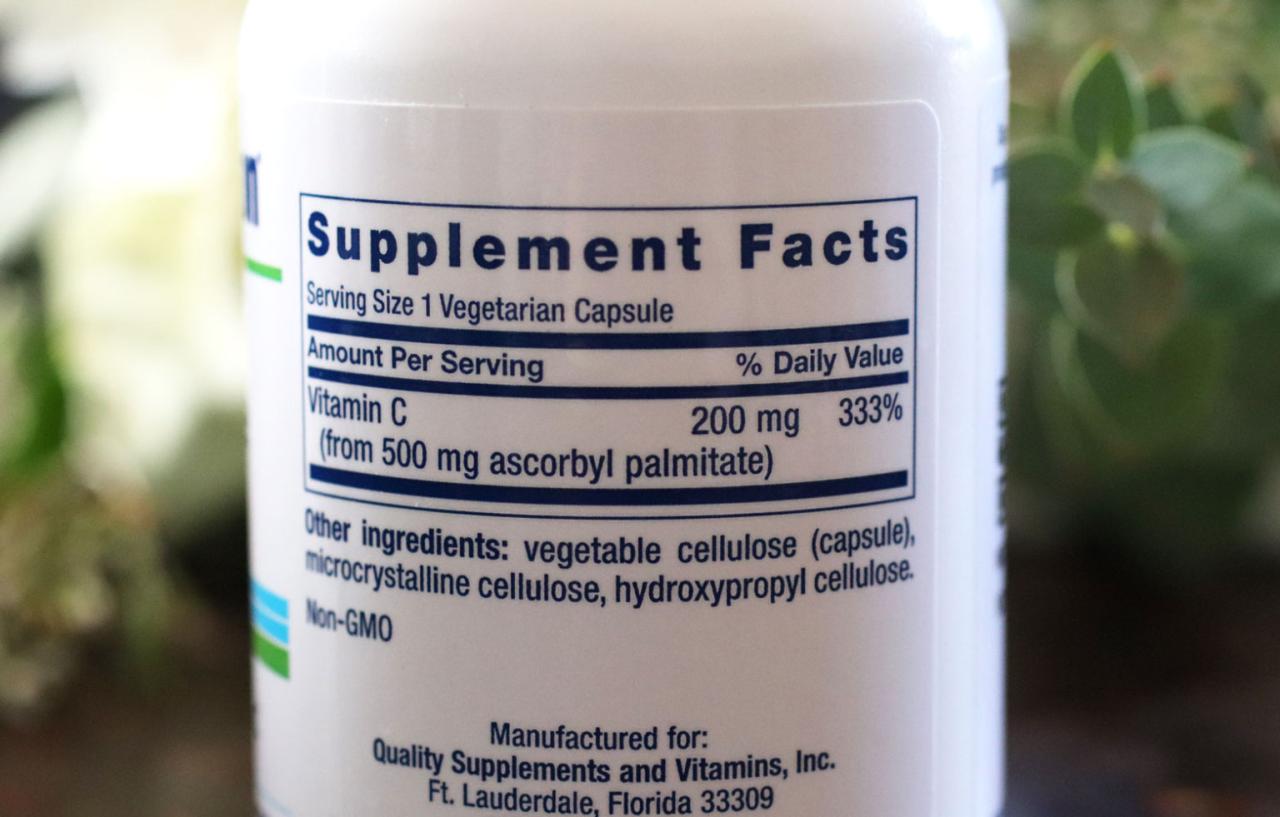
When it comes to daily skin supplements, the impact can often be best illustrated through personal experiences. Many individuals have reported transformative results from incorporating these supplements into their daily routines. Here are three compelling testimonials that highlight the potential benefits of daily skin supplements, particularly for those facing various skin concerns.
Case Studies of Skin Improvement
The following testimonials showcase the diverse benefits of daily skin supplements, emphasizing their effectiveness for different skin conditions, complemented by scientific insights that lend credence to these personal accounts.
“After just a couple of months of taking daily skin supplements, I noticed a significant reduction in the redness and inflammation on my face, which had been a constant battle due to my rosacea.” – Sarah, 32
Sarah had struggled with rosacea for years, often feeling self-conscious about visible redness on her cheeks. After integrating a daily skin supplement rich in Vitamin C and antioxidants, she experienced a marked improvement in her skin’s appearance. Scientific studies have shown that Vitamin C can help reduce inflammation and promote collagen synthesis, which is crucial for skin health.
“I was skeptical at first, but after starting a daily supplement regimen, my dry patches have almost vanished, and my skin feels hydrated all day.” – James, 29
James dealt with persistent dry skin that left him feeling uncomfortable, especially in colder months. He began taking Omega-3 fatty acids and biotin as part of his daily routine. These supplements have been linked to improved skin hydration and barrier function. Research indicates that Omega-3 fatty acids can reduce skin dryness and improve overall texture, corroborating James’s positive experience.
“I can’t believe how much my skin has changed! My acne has reduced significantly, and my complexion is brighter and more even.” – Emma, 25
Emma faced recurrent acne issues that left her feeling frustrated. She turned to a daily skin supplement containing zinc and probiotics. Studies suggest that zinc can play a role in reducing acne lesions, while probiotics may help balance skin microbiota, leading to clearer skin. Emma’s journey reflects the potential of these supplements to address complex skin issues effectively.
These testimonials illustrate how daily skin supplements can make a significant difference in addressing various skin concerns such as rosacea, dryness, and acne. The experiences shared by Sarah, James, and Emma are supported by scientific evidence highlighting the benefits of key ingredients found in these supplements. Incorporating daily skin supplements into one’s routine can lead to improved skin health, enhancing not only appearance but also overall confidence.
Potential Side Effects and Considerations of Daily Skin Supplements
Daily skin supplements can offer a host of benefits, including improved hydration, enhanced elasticity, and a more radiant complexion. However, it’s important to approach these supplements with caution, as they may carry side effects or contraindications that could affect certain individuals. Understanding these risks is crucial for making informed decisions about skin health.
While many people tolerate skin supplements well, some potential side effects may arise. Common issues include gastrointestinal discomfort, such as bloating or nausea, particularly when supplements are taken on an empty stomach or in excessive amounts. Additionally, certain ingredients, such as Vitamin A in high doses, can lead to toxicity, causing symptoms like headaches, dizziness, and skin irritation. Allergic reactions are also a possibility, especially for individuals sensitive to certain herbal extracts or additives.
Individuals Who Should Exercise Caution
It’s vital for certain groups of people to approach daily skin supplements with care. Below is a list of individuals who should consider the potential risks before starting supplementation:
- Pregnant or Nursing Women: Some ingredients may not be safe during pregnancy or breastfeeding, potentially affecting fetal development or the baby.
- Individuals with Existing Medical Conditions: Those with conditions like liver disease or kidney issues should avoid supplements that put excess strain on these organs.
- People Taking Prescription Medications: Certain supplements can interact with medications, altering their effectiveness or increasing side effects.
- Allergy Sufferers: Those with known allergies should be cautious, as many supplements contain various herbs and ingredients that could trigger reactions.
- Individuals on a Restricted Diet: People who are vegan, vegetarian, or have specific dietary restrictions should check for animal-derived ingredients or allergens.
“Always consult a healthcare professional before starting any new supplement, especially if you belong to any of the above groups.”
When considering skin supplements, it’s important to weigh the potential benefits against these risks. While they can contribute positively to skin health, understanding personal circumstances and seeking professional guidance can ensure a balanced approach to supplementation. This is particularly true as the effectiveness and safety of these products can differ greatly from person to person.
Final Review
In summary, daily supplements for skin can be a game-changer in achieving healthier and more radiant skin. With various options available, understanding your skin’s specific needs and the nutrients that can address them is key. Whether you’re combating dryness, acne, or the effects of aging, the right supplements, combined with proper hydration and expert guidance, can lead to visible improvements. As more people share their success stories, it becomes clear that investing in daily skin supplements is a step toward achieving the skin you’ve always wanted.
Common Queries
How long does it take to see results from skin supplements?
Results can vary, but most individuals may start to notice improvements within 4 to 8 weeks of consistent use.
Are there any specific supplements for sensitive skin?
Yes, look for supplements with calming ingredients like fish oil or vitamin E, as they can help soothe sensitive skin.
Can I take skin supplements if I have allergies?
It’s essential to check the ingredient list and consult with a healthcare professional to ensure safety based on your specific allergies.
Do I still need to follow a skincare routine if I take supplements?
A skincare routine is still crucial; supplements can enhance results but don’t replace topical products.
Is it safe to take multiple skin supplements at once?
Generally, yes, but it’s best to consult with a healthcare professional to avoid any potential nutrient interactions.

Leave a Reply