

Daily Vitamin B12 is a crucial nutrient that often flies under the radar, yet it plays a significant role in maintaining our overall health. As a water-soluble vitamin, B12 is vital for both energy production and optimal neurological function. With its numerous benefits, understanding the importance of this vitamin can empower individuals to make informed dietary choices that support their well-being.
This guide delves into the multifaceted functions of Vitamin B12, exploring its different forms, food sources, deficiency symptoms, recommended intake, and its impact on mental health. By uncovering the myths and facts surrounding this essential nutrient, readers will gain valuable insights to enhance their health journey.
Understanding the Role of Daily Vitamin B12 in Human Health
Vitamin B12, also known as cobalamin, plays a vital role in maintaining numerous bodily functions, making it an essential nutrient for overall health. It is a water-soluble vitamin that is primarily found in animal products, including meat, fish, eggs, and dairy. Due to its crucial involvement in various physiological processes, a deficiency in Vitamin B12 can lead to numerous health issues, emphasizing its importance in daily nutrition.
Vitamin B12 is integral to several key functions within the human body. Firstly, it is essential for DNA synthesis, which is critical for cell division and overall cellular health. Secondly, it is involved in the production of red blood cells, as it helps to prevent megaloblastic anemia, a condition characterized by the production of oversized red blood cells that cannot function properly. Furthermore, Vitamin B12 contributes to the metabolism of fatty acids and amino acids, helping the body to convert food into energy effectively.
Relationship Between Vitamin B12 and Energy Production
Vitamin B12 plays a significant role in energy production, particularly through its involvement in metabolic pathways. It facilitates the conversion of carbohydrates, fats, and proteins into glucose, the primary energy source for our cells. This is primarily achieved through its function as a cofactor in critical enzymatic reactions in the mitochondria, the powerhouse of the cell.
When Vitamin B12 is present, the metabolic processes that produce ATP (adenosine triphosphate), the energy currency of the cell, are optimized. The vitamin aids in the conversion of homocysteine to methionine, a process crucial for the proper function of several enzymes involved in energy metabolism. Insufficient B12 can lead to reduced energy levels, fatigue, and weakness as the body struggles to efficiently produce energy from food.
Contribution of Vitamin B12 to Neurological Health and Function
Vitamin B12 is essential for maintaining neurological health and function. It plays a crucial role in the synthesis of myelin, the protective sheath that surrounds nerve fibers, ensuring effective transmission of nerve impulses. Without adequate levels of Vitamin B12, myelin production is impaired, potentially leading to neurological disorders and cognitive decline.
Additionally, Vitamin B12 is involved in the production of neurotransmitters, which are vital for communication between nerve cells. A deficiency can impact mood and cognitive function, contributing to conditions such as depression, memory loss, and even neuropathy. Research indicates that adequate Vitamin B12 levels may help reduce the risk of neurodegenerative diseases.
In summary, Vitamin B12 is fundamental not only for energy production but also for the maintenance of a healthy nervous system. The interplay between its roles in cellular metabolism and neurological health illustrates the importance of ensuring sufficient intake of this vital nutrient in the diet.
The Different Forms of Vitamin B12 and Their Sources
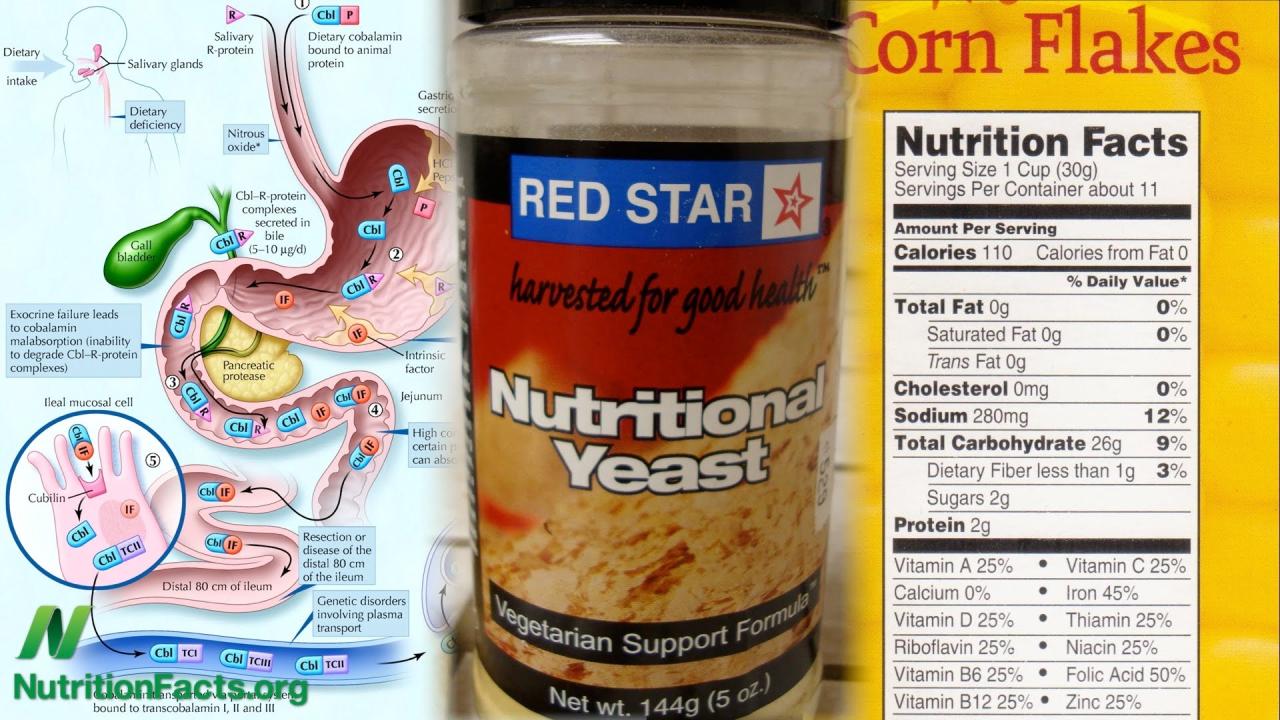
Vitamin B12, also known as cobalamin, is a vital nutrient that plays critical roles in the formation of red blood cells, DNA synthesis, and maintaining neurological health. It exists in several forms, each with distinct characteristics and sources. The most commonly recognized forms of Vitamin B12 are methylcobalamin and cyanocobalamin, both of which serve important functions in the body but differ in their origins and efficacy.
Methylcobalamin is a naturally occurring form of Vitamin B12 that is readily utilized by the body. It is essential for various biochemical processes, particularly in the methylation cycle, which is crucial for DNA repair and gene expression. This form is typically found in animal products and is often recommended as a supplement for those with absorption issues or low levels of B12. On the other hand, cyanocobalamin is a synthetic form of Vitamin B12 often used in fortified foods and supplements. It is converted into active forms, including methylcobalamin, once ingested. While cyanocobalamin is stable and cost-effective, some argue that it is not as efficiently absorbed or utilized compared to its natural counterparts.
Natural Food Sources Rich in Vitamin B12
Vitamin B12 is predominantly found in animal-derived foods, making it crucial for those following a vegetarian or vegan diet to seek alternative sources or supplements. The following list highlights some of the richest natural sources of Vitamin B12:
- Fish: Salmon and trout are excellent sources, providing significant amounts of B12 per serving.
- Meat: Beef liver is among the highest in B12 content, followed by other meats like chicken and lamb.
- Dairy Products: Milk, yogurt, and cheese are good sources, particularly for those who consume dairy regularly.
- Eggs: Eggs, especially the yolks, contain a considerable amount of B12.
- Fortified Foods: Many cereals and plant-based milk alternatives are fortified with synthetic B12 to aid those on plant-centric diets.
Incorporating these foods into your diet can help ensure adequate Vitamin B12 levels, which is crucial for maintaining energy levels and overall health.
Advantages and Disadvantages of Synthetic Versus Natural Vitamin B12 Sources
When considering Vitamin B12 sources, it’s important to weigh the pros and cons of synthetic versus natural options.
Natural sources of Vitamin B12, such as meat and dairy, are often preferred as they provide B12 in its bioactive forms, allowing for better absorption and utilization by the body. However, access to these foods can be limited for individuals following specific dietary restrictions or lifestyles.
On the other hand, synthetic forms like cyanocobalamin are widely available and can be easily added to various products, making it an accessible option for supplementation.
While synthetic B12 is effective for many, some individuals may experience less optimal absorption compared to natural forms, potentially leading to deficiencies.
In summary, both synthetic and natural sources of Vitamin B12 have their merits and drawbacks. Choosing the appropriate source depends on individual dietary preferences, nutritional needs, and health conditions. Assessing personal requirements can help guide decisions regarding B12 intake, ensuring that the body receives adequate nourishment for optimal functioning.
Identifying Deficiency Symptoms Related to Vitamin B12
Vitamin B12 is an essential nutrient that plays a crucial role in maintaining the health of the nervous system and the production of DNA and red blood cells. A deficiency in this vital vitamin can lead to a range of physical and psychological symptoms that may vary in severity. Recognizing these symptoms early is key to preventing long-term health consequences.
Vitamin B12 deficiency can manifest in various ways, affecting both physical health and mental well-being. Common physical symptoms include fatigue, weakness, and pale skin due to decreased red blood cell production, a condition known as megaloblastic anemia. Individuals may also experience breathlessness and dizziness, particularly during physical activity, as the body struggles to transport oxygen efficiently. Additionally, neurological symptoms such as tingling or numbness in the hands and feet can occur, caused by nerve damage associated with the deficiency.
On the psychological side, Vitamin B12 deficiency has been linked to mood disturbances, including depression and anxiety. Cognitive impairment, memory loss, and difficulty concentrating are also significant concerns, as the vitamin is crucial for neurological function. Some individuals may even experience personality changes, which can be alarming and difficult to manage without proper treatment. Recognizing these symptoms is vital, as they may be mistaken for other conditions, leading to misdiagnosis and inadequate care.
Long-term Health Consequences of Untreated Vitamin B12 Deficiency
If left untreated, Vitamin B12 deficiency can lead to severe and potentially irreversible health issues. Prolonged deficiency can result in permanent nerve damage, leading to mobility impairments and chronic pain. Moreover, the risk of developing cardiovascular diseases increases due to elevated homocysteine levels, which are linked to B12 deficiency.
Another significant consequence is the potential for cognitive decline, which can escalate into dementia or other forms of neurodegenerative diseases. This situation highlights the importance of early detection and intervention. Individuals experiencing prolonged deficiency may also develop gastrointestinal issues, including an inflamed tongue and digestive problems, which can further impact their overall health and nutritional intake.
| Symptom | Vitamin B12 Deficiency | Iron Deficiency | Folate Deficiency |
|---|---|---|---|
| Fatigue | Common | Very Common | Common |
| Weakness | Common | Common | Less Common |
| Pale Skin | Common | Common | Less Common |
| Nerve Damage (Tingling, Numbness) | Common | Rare | Rare |
| Cognitive Impairment | Common | Less Common | Rare |
| Mood Changes (Depression, Anxiety) | Common | Less Common | Rare |
Recommended Daily Allowance and Supplementation Guidelines
Vitamin B12 is an essential nutrient that plays a crucial role in numerous bodily functions, including red blood cell formation, DNA synthesis, and neurological function. Understanding the recommended daily allowance (RDA) of Vitamin B12 is vital for maintaining optimal health across different life stages. This section will detail the RDA for various age groups and the situations that may necessitate supplementation.
Daily Allowance Across Age Groups and Lifestyles
The recommended daily intake of Vitamin B12 varies according to age, lifestyle, and health status. Below is a table summarizing the RDA for different groups:
| Age Group | RDA (Micrograms) |
|---|---|
| Infants (0-6 months) | 0.4 |
| Children (1-3 years) | 0.9 |
| Children (4-8 years) | 1.2 |
| Teens (9-13 years) | 1.8 |
| Adults (14 years and older) | 2.4 |
| Pregnant Women | 2.6 |
| Nursing Mothers | 2.8 |
It’s essential to note that individual needs may vary based on factors such as metabolic rate, activity level, and health conditions.
Considerations for Supplementation
Certain populations may find it challenging to meet their daily Vitamin B12 needs through diet alone, making supplementation important. The following groups should consider supplementation:
- Vegetarians and Vegans: Since Vitamin B12 is primarily found in animal products, those following a plant-based diet may struggle to obtain adequate amounts, leading to potential deficiencies.
- The Elderly: Aging can affect the body’s ability to absorb Vitamin B12 from food, increasing the risk of deficiency.
- Individuals with Absorption Issues: Conditions such as pernicious anemia, gastrointestinal disorders, or surgeries affecting the digestive tract can impair B12 absorption.
Recognizing these factors helps ensure that those at risk can take proactive measures to maintain their health.
Choosing an Appropriate Vitamin B12 Supplement
Selecting the right Vitamin B12 supplement can be straightforward if you consider various factors. Here’s a simple guide to help you make an informed choice:
- Form: Vitamin B12 supplements come in several forms, including tablets, sublingual (under the tongue) tablets, and injections. Sublingual tablets may offer better absorption for some individuals.
- Dosage: The dosage can vary greatly. For general supplementation, a dosage of 25-100 micrograms per day is often sufficient for most adults. Higher doses may be recommended for those with specific deficiencies or absorption issues.
- Quality: Look for reputable brands that undergo third-party testing to ensure product quality and potency. Certifications and positive reviews can be indicators of reliability.
By following these guidelines, individuals can effectively choose a Vitamin B12 supplement that suits their needs and supports their health.
The Impact of Vitamin B12 on Mental Health and Mood
Vitamin B12 plays a crucial role in maintaining not only physical health but also mental well-being. This essential nutrient is vital for the production of neurotransmitters, which are key players in mood regulation. A deficiency in Vitamin B12 can lead to various mental health issues, including depression and anxiety, underscoring the importance of adequate levels for emotional stability.
Research has increasingly shown a link between Vitamin B12 levels and mental health conditions. Several studies have indicated that low levels of this vitamin may contribute to depressive symptoms and increased anxiety. For instance, a study published in the Journal of Psychiatry and Neuroscience found that individuals with major depressive disorder often had significantly lower Vitamin B12 levels compared to their non-depressed counterparts. Another investigation highlighted that correcting deficiencies in B12 through supplementation resulted in improved mood and reduced anxiety levels among participants. These findings suggest that maintaining optimal Vitamin B12 levels may be a key factor in managing mental health.
Recommendations for Mood Improvement through Diet and Supplementation
To enhance mood and mental well-being through Vitamin B12, individuals may consider incorporating specific dietary sources and supplementation into their routine. The following points offer insights into effective strategies:
– Dietary Sources: Consume foods rich in Vitamin B12, such as:
– Animal products like fish, meat, eggs, and dairy, which are excellent sources of B12.
– Fortified cereals and plant-based milks for those following vegetarian or vegan diets.
– Supplements: For individuals at risk of deficiency, particularly older adults or those with absorption issues, Vitamin B12 supplements can be beneficial. This may include:
– Oral supplements in the form of tablets or gummies for daily intake.
– Injections prescribed by healthcare professionals for severe deficiencies.
– Regular Monitoring: For those concerned about their Vitamin B12 levels, regular blood tests can help track levels and guide dietary adjustments or supplementation.
Incorporating these recommendations can lead to improved mood regulation and a better overall sense of mental health. Understanding the connection between Vitamin B12 and mood highlights the essential role nutrition plays in our emotional well-being.
Common Myths and Misconceptions About Vitamin B12
Misinformation surrounding Vitamin B12 is widespread, leading to confusion about its necessity and sources. Many people believe that only specific groups, such as vegetarians or the elderly, need to concern themselves with adequate B12 intake. However, this vitamin plays a crucial role in various bodily functions for everyone. Understanding the myths versus the facts can help individuals make informed dietary choices and promote better public health.
Misinformation about Vitamin B12 can result in dietary deficiencies that affect overall health. For instance, if individuals wrongly assume they get enough B12 from their diet without considering their unique dietary needs, they may experience symptoms of deficiency, such as fatigue, weakness, or neurological issues. It is essential to identify and debunk common myths to ensure everyone receives the necessary nutrients for optimal health.
Myth: Only Vegetarians Need Vitamin B12
A prevalent myth is that Vitamin B12 is only necessary for vegetarians and vegans due to its primary sources being animal-based foods. This misconception undermines the importance of B12 for all individuals, as some people, regardless of their dietary choices, may struggle to absorb enough B12.
– Even omnivores can be at risk for B12 deficiency due to factors such as age, certain medical conditions, or medications that affect absorption.
– B12 is crucial for energy production, DNA synthesis, and nerve function, making it essential for everyone, not just those who avoid animal products.
Myth: B12 Supplements Are Only for Older Adults
Another common belief is that only older adults need B12 supplements. While it is true that the ability to absorb B12 can decrease with age, younger individuals may also require supplements based on their dietary habits or absorption issues.
– Young adults, particularly those with gastrointestinal disorders such as celiac disease or Crohn’s disease, may have difficulty processing B12, necessitating supplementation.
– Pregnant and breastfeeding women also have increased B12 needs, which must be met to support their health and the development of their child.
Myth: It’s Impossible to Get Too Much Vitamin B12
Some people believe that there is no risk in taking excessive amounts of Vitamin B12 because it is water-soluble. While it is true that excess B12 is usually excreted through urine, high doses can still lead to potential health issues.
– Over-supplementation can cause side effects such as skin reactions or gastrointestinal discomfort.
– Individuals with certain medical conditions, such as kidney disease, should consult healthcare professionals to avoid complications from excess B12 intake.
Myth: Fortified Foods Are Enough for Everyone
It’s a common assumption that consuming fortified foods alone can ensure adequate Vitamin B12 levels for all. While these foods can be beneficial, relying solely on them may not be sufficient for everyone.
– People with absorption issues or specific dietary restrictions may still require additional B12 supplementation beyond fortified foods.
– Regular monitoring of B12 levels is advisable for those who primarily consume fortified products to prevent deficiencies.
“Understanding the needs and sources of Vitamin B12 can empower individuals to make informed decisions about their health.”
Cooking and Storing Foods to Preserve Vitamin B12 Content
Vitamin B12 is an essential nutrient that plays a vital role in maintaining nerve health, producing DNA, and forming red blood cells. Cooking and storing foods properly are crucial to retaining the integrity of Vitamin B12. Understanding the best methods to prepare and store foods can help ensure you maximize the nutritional benefits of this important vitamin.
Cooking methods can significantly impact the levels of Vitamin B12 in foods. Some techniques can lead to considerable losses, while others preserve its potency. It is essential to employ cooking strategies that maintain the nutrient profile of B12-rich foods. When it comes to food handling, proper techniques are equally important, as they ensure minimal nutrient loss and maintain overall food quality.
Cooking Techniques That Preserve Vitamin B12
Choosing the right cooking methods is key to retaining Vitamin B12 in your meals. Here are some effective techniques that help maintain its content:
- Steaming: Steaming foods helps retain nutrients, including Vitamin B12, as it avoids immersion in water, which can leach nutrients away.
- Microwaving: This method cooks food quickly and uses less water, preventing Vitamin B12 loss. Use microwave-safe containers to avoid chemical leaching.
- Sautéing: Cooking with minimal oil over medium heat preserves B12 levels, especially in meats and some vegetables.
- Roasting: Roasting at moderate temperatures helps retain nutrients, as long cooking times are avoided.
Conversely, there are certain cooking methods that can lead to significant losses of Vitamin B12. Being aware of these techniques will help you make informed choices about food preparation.
Cooking Techniques That Lead to Loss of Vitamin B12
Some cooking methods tend to diminish the Vitamin B12 content in food. Here are a few to watch out for and how to minimize their impact:
- Boiling: Boiling can lead to substantial nutrient loss due to leaching in water. If boiling is necessary, use minimal water and save the broth for soups or sauces.
- Prolonged cooking times: Overcooking can destroy Vitamin B12. Keep cooking times short to maintain nutrient integrity.
- High-Temperature Cooking: Cooking at excessively high temperatures can degrade vitamins. Avoid frying foods at very high temperatures.
Proper food handling and storage are also integral to preserving Vitamin B12. By adopting careful practices, you can help maintain the nutrient content throughout the lifespan of the food.
Proper Food Handling and Storage Practices
To retain Vitamin B12, it’s essential to handle and store foods correctly. Here are some practices that will help in preserving its nutrient value:
- Refrigeration: Store B12-rich foods, such as meats and dairy, in the refrigerator to slow down degradation and bacterial growth.
- Airtight Containers: Use airtight containers to keep out moisture and air, which can lead to nutrient loss.
- Minimize Exposure to Light: Light can degrade certain vitamins. Store foods in dark places or opaque containers.
- Quick Freezing: If you need to store foods long-term, quick freezing preserves most of the nutrient content, including Vitamin B12.
Proper cooking, handling, and storage of foods are crucial steps to ensuring that the levels of Vitamin B12 remain intact and ready for consumption.
Final Conclusion
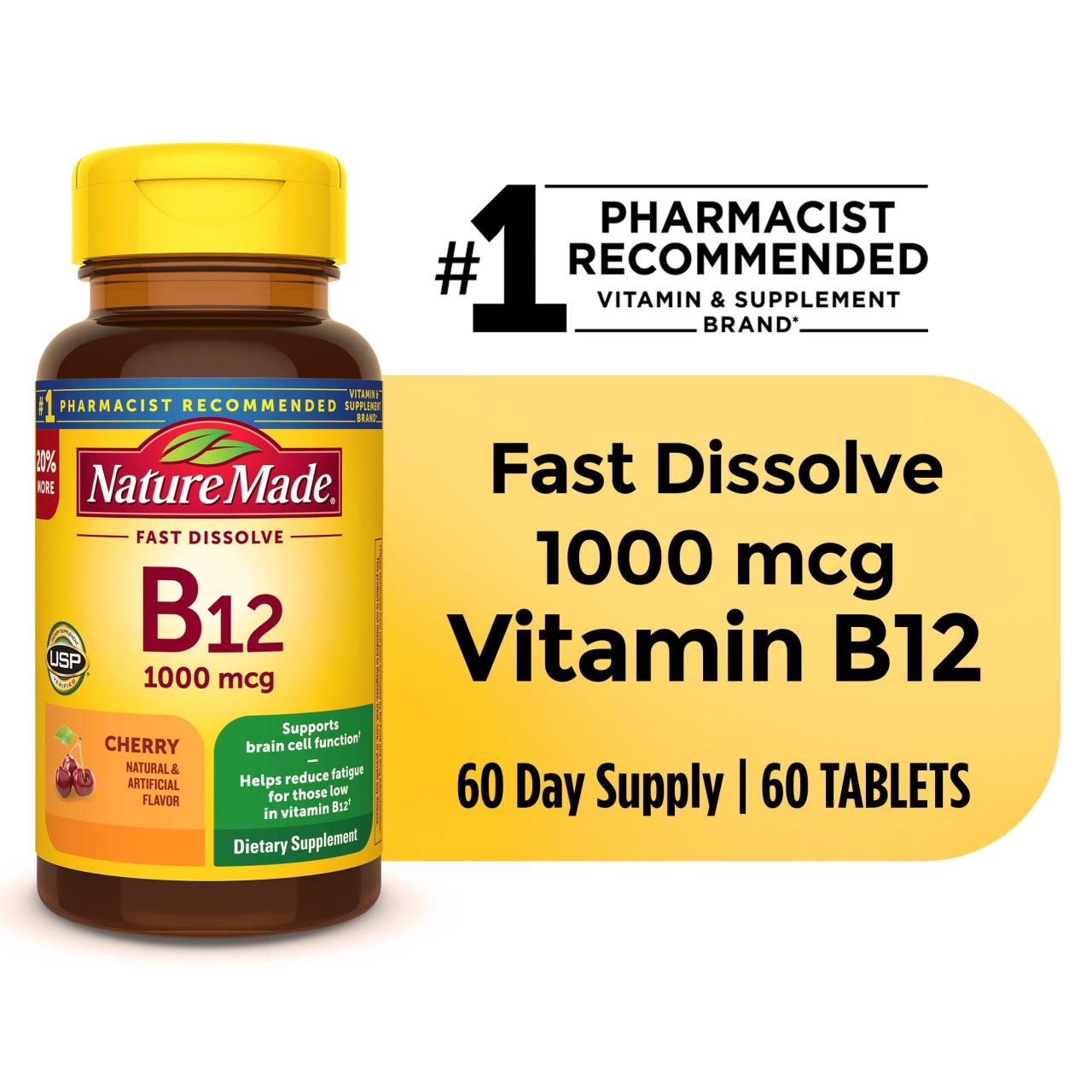
In summary, Daily Vitamin B12 is indispensable for our health, influencing everything from energy levels to mental well-being. By understanding its functions, sources, and the implications of deficiency, individuals can take proactive steps to ensure adequate intake. Whether through dietary adjustments or supplementation, prioritizing Vitamin B12 can be a game changer for enhancing health and vitality.
FAQ Compilation
What are the main functions of Vitamin B12?
Vitamin B12 is essential for red blood cell formation, DNA synthesis, and maintaining healthy nerve cells.
Can vegetarians get enough Vitamin B12 from their diet?
Vegetarians may struggle to get enough Vitamin B12, as it is primarily found in animal products. Fortified foods or supplements are recommended.
Is it possible to overdose on Vitamin B12?
Vitamin B12 is generally considered safe, as excess amounts are excreted through urine. However, high doses should be taken under medical supervision.
How does cooking affect Vitamin B12 in foods?
Certain cooking methods, such as boiling and prolonged heating, can reduce Vitamin B12 content, so gentle cooking techniques are preferred.
Who is at risk for Vitamin B12 deficiency?
Individuals at risk include the elderly, those with gastrointestinal disorders, and persons on strict vegetarian or vegan diets.

Leave a Reply