

Daily Vitamin B3 (Niacin) plays a pivotal role in maintaining our well-being, influencing everything from energy production to skin health. This essential nutrient is a key player in various biochemical processes, helping our bodies convert food into energy and supporting cellular function. Understanding the many facets of niacin can empower us to make informed dietary choices and enhance our overall health.
As we delve deeper into this topic, we’ll explore the daily recommended intake, natural sources of niacin, and the numerous health benefits that accompany adequate consumption. We’ll also address the potential risks of deficiency and the scenarios where supplementation may be beneficial.
Understanding the Role of Vitamin B3 in the Body
Vitamin B3, also known as niacin, is a water-soluble vitamin that plays a crucial role in various metabolic processes within the human body. As part of the B-vitamin family, niacin is involved in numerous biochemical reactions that sustain energy production, cellular function, and overall health. It exists in three primary forms: nicotinic acid, nicotinamide, and nicotinamide riboside. Each of these forms contributes to the body’s physiological needs, but they all serve a common purpose in metabolic regulation.
Niacin functions primarily as a precursor to the coenzymes NAD (Nicotinamide adenine dinucleotide) and NADP (Nicotinamide adenine dinucleotide phosphate). These coenzymes are essential for energy production and are involved in redox reactions, which are vital for converting food into energy. When carbohydrates, fats, and proteins are metabolized, NAD and NADP facilitate the transfer of electrons, thus driving the production of adenosine triphosphate (ATP), the energy currency of cells.
Biochemical Pathways Involving Vitamin B3
Several key biochemical pathways depend on the presence of vitamin B3, highlighting its importance in metabolic processes. The following pathways demonstrate how niacin contributes to energy production and cellular activities:
1. Glycolysis: In this pathway, glucose is broken down to produce energy. NAD plays a critical role by accepting electrons during the oxidation of glucose, ultimately leading to ATP generation.
2. Citric Acid Cycle (Krebs Cycle): Niacin is crucial for the conversion of pyruvate into acetyl-CoA, which enters the Krebs cycle, further facilitating ATP production through a series of enzymatic reactions.
3. Fatty Acid Synthesis and Oxidation: NADP is involved in lipid metabolism. It aids in the synthesis of fatty acids and their subsequent breakdown, which is essential for energy storage and mobilization.
4. DNA Repair and Synthesis: Niacin contributes to the synthesis of NAD, which is also utilized in DNA repair mechanisms, thus playing a significant role in maintaining genomic stability.
5. Antioxidant Defense: Through its role in generating NADPH, niacin supports the body’s antioxidant defenses, protecting cells from oxidative stress.
The multifaceted functions of vitamin B3 underscore its significance in human metabolism, making it an indispensable nutrient for maintaining energy levels and overall health.
Daily Recommended Intake of Niacin
The recommended daily intake of Vitamin B3, also known as niacin, varies based on age, gender, and individual health needs. Understanding these guidelines helps individuals ensure they are meeting their nutritional requirements for optimal health.
The daily recommended allowances (DRIs) of niacin are determined by various health organizations and are designed to meet the needs of most healthy individuals. These recommendations can help prevent deficiencies and support overall well-being. The following Artikels the specific requirements for different age groups and genders:
Recommended Daily Allowances for Niacin
The guidelines for niacin intake are categorized by age and gender, reflecting the varying nutritional needs throughout life. Below are the recommended daily allowances:
| Age Group | Recommended Intake (mg/day) |
|---|---|
| Infants 0-6 months | 2 mg |
| Infants 7-12 months | 4 mg |
| Children 1-3 years | 6 mg |
| Children 4-8 years | 8 mg |
| Children 9-13 years | 12 mg |
| Teens 14-18 years (boys) | 16 mg |
| Teens 14-18 years (girls) | 14 mg |
| Adults (men) | 16 mg |
| Adults (women) | 14 mg |
| Pregnant women | 18 mg |
| Lactating women | 17 mg |
The need for niacin can also be influenced by several personal factors, including diet, physical activity level, and overall health. Individuals with higher energy expenditures may require more niacin, as this vitamin plays a crucial role in energy metabolism.
Factors Influencing Individual Niacin Needs
Several elements can affect an individual’s niacin requirements, including dietary habits and lifestyle choices. Understanding these factors can help assess whether one’s intake is adequate. Key influences include:
- Dietary Sources: Niacin is found in various foods, such as poultry, fish, whole grains, and legumes. A diet rich in these foods typically covers daily needs.
- Alcohol Consumption: High alcohol intake can hinder the body’s ability to absorb and utilize niacin, potentially increasing daily requirements.
- Medical Conditions: Certain conditions, like diabetes and chronic inflammatory diseases, may affect how much niacin is needed.
- Physical Activity: Regular exercise increases energy demands, which may lead to a higher niacin requirement.
To assess if one is meeting their daily niacin requirements, individuals can monitor their dietary intake against the recommended allowances. Keeping a food diary can be an effective method to evaluate daily consumption. Additionally, awareness of symptoms related to niacin deficiency, such as fatigue or skin issues, can signal a need for dietary adjustment.
“Monitoring dietary intake and being aware of individual lifestyle factors are key to ensuring adequate niacin levels.”
Natural Sources of Vitamin B3
Vitamin B3, also known as niacin, plays a crucial role in energy metabolism and the maintenance of healthy skin, nerves, and digestion. It is essential for converting carbohydrates, fats, and proteins into usable energy. Fortunately, niacin can be found in a variety of food sources, both animal and plant-based, making it accessible to diverse dietary preferences.
Food sources of niacin are abundant, and they can be categorized into animal and plant sources. Animal-based foods tend to have higher concentrations of niacin, making them excellent options for those looking to boost their intake. Plant-based sources, while generally lower in niacin, can still contribute significantly to daily requirements, especially when consumed in larger quantities or combined with other niacin-rich foods.
Foods High in Niacin
Understanding which foods are rich in niacin can help individuals incorporate them into their diets more effectively. Below is a list of both animal and plant sources that are high in niacin:
- Meat: Chicken breast is one of the richest sources of niacin. A 3-ounce serving contains about 14.8 mg of niacin, which is nearly 93% of the daily recommended intake.
- Fish: Tuna and salmon are excellent sources. A 3-ounce serving of tuna provides around 11.3 mg, while salmon offers about 8.5 mg.
- Organ Meats: Liver, particularly beef liver, is exceptionally high in niacin, offering about 13.2 mg per 3-ounce serving.
- Legumes: Peanuts are a fantastic plant-based source of niacin, containing approximately 12.1 mg per 100 grams.
- Whole Grains: Brown rice is another good source, delivering about 2.6 mg of niacin per cooked cup.
- Seeds: Sunflower seeds provide around 2.5 mg of niacin per ounce, making them a healthy snack option.
- Fortified Foods: Many cereals and bread are fortified with niacin, providing additional intake for those who may be lacking in this nutrient.
To provide a clearer picture of the niacin content in various foods, here is a comparison table:
| Food Item | Niacin Content (mg per serving) |
|---|---|
| Chicken Breast (3 oz) | 14.8 mg |
| Tuna (3 oz) | 11.3 mg |
| Beef Liver (3 oz) | 13.2 mg |
| Peanuts (100 g) | 12.1 mg |
| Brown Rice (1 cup cooked) | 2.6 mg |
| Sunflower Seeds (1 oz) | 2.5 mg |
| Fortified Cereal (1 serving) | Varies (up to 20 mg) |
Bioavailability of niacin in food sources versus supplements is an important consideration when assessing dietary intake. Niacin obtained from food sources is often more bioavailable compared to synthetic supplements. This is due to the presence of other nutrients and cofactors in whole foods that may facilitate better absorption and utilization in the body. For instance, the amino acid tryptophan, found in protein-rich foods, can also be converted into niacin by the body, providing a natural source. In contrast, some studies suggest that supplements may lead to gastrointestinal discomfort and do not always replicate the same health benefits associated with food sources.
In summary, a balanced diet incorporating both animal and plant sources can help meet the daily niacin requirements effectively. Whether through meat, fish, legumes, whole grains, or fortified foods, there are numerous options available to ensure adequate intake of this essential vitamin.
The Health Benefits of Adequate Niacin Intake
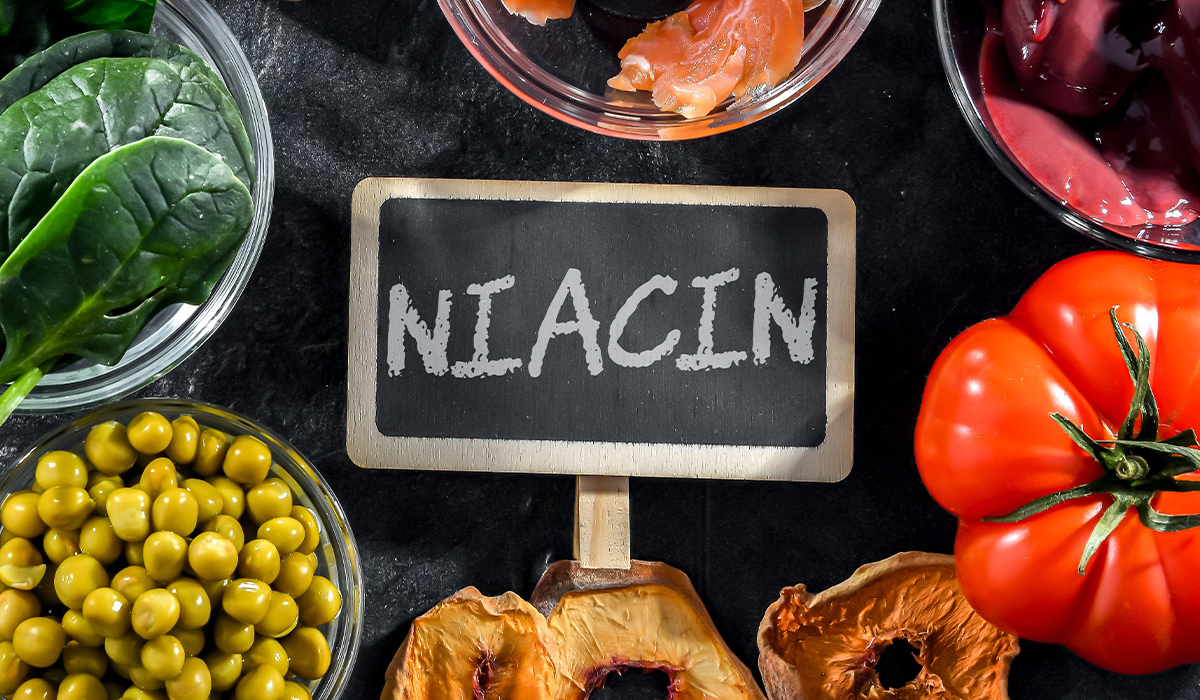
Vitamin B3, commonly known as niacin, is a vital nutrient that plays a significant role in maintaining various aspects of our health. Ensuring that you have adequate levels of niacin in your diet can lead to profound benefits, particularly for cardiovascular health, skin conditions, and even mental well-being.
Niacin has been extensively studied for its influence on cardiovascular health. It is known to improve cholesterol levels by raising high-density lipoprotein (HDL) cholesterol, often referred to as “good” cholesterol. This is critical because higher HDL levels are associated with a reduced risk of heart disease. Additionally, niacin helps lower triglyceride levels and can decrease low-density lipoprotein (LDL) cholesterol, contributing to a healthier heart overall.
Cardiovascular Health and Skin Conditions
The positive effects of niacin on cardiovascular health are well-documented. Its ability to improve lipid profiles plays a role in reducing the risk of atherosclerosis and other heart-related conditions. Beyond heart health, niacin has also shown efficacy in treating certain skin conditions, such as pellagra, dermatitis, and acne.
– Niacin can enhance blood circulation, which may help in promoting skin healing and reducing inflammation.
– Many individuals with acne have reported significant improvements in their condition after supplementing with niacin, thanks to its anti-inflammatory properties.
– It can also help maintain skin hydration, leading to a more youthful appearance.
The impact of niacin extends beyond physical health to mental health and cognitive function.
Mental Health and Cognitive Function
Niacin contributes to the production of neurotransmitters, which are essential for brain function and mood regulation. Studies have indicated that adequate niacin levels can help alleviate symptoms of anxiety and depression, enhancing overall mental well-being.
– A notable case involved a 45-year-old man diagnosed with mild depression who, after increasing his niacin intake through dietary changes and supplements, reported a marked improvement in his mood and daily functioning.
– Another group study indicated that older adults with sufficient niacin levels exhibited better cognitive performance compared to those with lower intake, suggesting its potential role in delaying cognitive decline.
“Niacin not only boosts heart health but is also a key player in mental clarity and emotional resilience.”
Testimonials from individuals and health professionals further highlight how proper niacin levels can lead to significant improvements in health. For instance, a patient with a history of elevated cholesterol levels reported that after incorporating niacin into their regimen, their HDL levels increased significantly within three months, leading to better overall health outcomes.
In conclusion, maintaining adequate levels of Vitamin B3 is crucial for a variety of health benefits, emphasizing the importance of this nutrient in both physical and mental health.
Potential Risks of Niacin Deficiency
Niacin, or vitamin B3, is integral to various physiological functions, including energy metabolism and DNA repair. A deficiency in niacin can lead to serious health issues, characterized by a range of symptoms that impact overall well-being. Understanding these potential risks is crucial, especially when considering vulnerable populations who may be at greater risk for deficiency.
Niacin deficiency can manifest through several symptoms and health issues, most notably a condition known as pellagra. Pellagra is marked by the classic triad of symptoms: dermatitis, diarrhea, and dementia. Individuals with this deficiency often experience skin lesions, particularly in sun-exposed areas, which appear as red, inflamed patches that can become scaly over time. Gastrointestinal symptoms include persistent diarrhea, leading to dehydration and malnutrition. Cognitive disturbances can range from mild confusion to severe dementia, impacting an individual’s quality of life significantly. Other symptoms may include fatigue, irritability, and headaches.
Vulnerable Populations Impacted by Niacin Deficiency
Certain demographic groups are more susceptible to niacin deficiency, particularly those with limited access to a varied diet. Populations at risk include:
- Low-income individuals: Economic barriers can restrict access to niacin-rich foods, leading to potential deficiency.
- Alcoholics: Alcohol abuse can impair the absorption of niacin and increase its metabolic requirements.
- Individuals with malabsorption syndromes: Conditions such as Crohn’s disease or celiac disease can hinder the absorption of essential nutrients, including niacin.
- Pregnant and lactating women: Increased nutritional demands during pregnancy and breastfeeding can raise the risk of deficiencies.
Globally, the prevalence of niacin deficiency remains a public health concern, particularly in developing countries where dietary insufficiencies are common. The World Health Organization (WHO) has recognized pellagra as a significant public health issue in regions where corn is a dietary staple, as it contains niacin in a form that is less bioavailable. The implications of niacin deficiency extend beyond individual health, encompassing economic burdens on healthcare systems and diminished productivity. Addressing this deficiency through public health initiatives, dietary supplementation, and education is crucial in mitigating its effects on vulnerable populations and improving overall health outcomes.
Niacin Supplementation
For many, maintaining optimal health involves ensuring that the body receives all essential nutrients, including Vitamin B3, also known as niacin. While niacin is available through various food sources such as meat, fish, and whole grains, there are specific circumstances that may necessitate supplementation. This discussion highlights when niacin supplementation may be beneficial, explores the different forms of niacin supplements, and Artikels recommended dosages along with potential side effects.
Scenarios Necessitating Niacin Supplementation
In certain situations, individuals may find it essential to consider niacin supplementation. Here are some scenarios:
- Individuals with cardiovascular conditions may require niacin to help manage cholesterol levels, as it can effectively raise high-density lipoprotein (HDL) cholesterol while lowering triglycerides.
- People with certain genetic disorders, such as Pellagra, which is characterized by niacin deficiency, may need supplementation to alleviate symptoms like dermatitis, diarrhea, and dementia.
- Vegetarians and vegans might find it challenging to meet their niacin needs through diet alone, making supplementation a practical option.
- Those who have gastrointestinal disorders, such as Crohn’s disease or celiac disease, may have a reduced ability to absorb nutrients, including niacin, necessitating supplements.
Forms of Niacin Supplements
There are several forms of niacin supplements, each with unique characteristics and usages. Understanding these can help in making informed decisions about supplementation.
- Niacin (nicotinic acid): This is the most common form used to lower cholesterol levels and is often found in many multivitamins.
- Niacinamide (nicotinamide): Unlike niacin, niacinamide does not affect cholesterol levels but is more gentle on the stomach and is often used in skincare products due to its anti-inflammatory properties.
- Extended-release niacin: This form is designed to release niacin slowly over time, reducing the likelihood of flushing but may increase the risk of liver toxicity if taken in high doses.
- Inositol hexanicotinate: Sometimes referred to as “flush-free” niacin, this form combines niacin with inositol and is marketed to prevent flushing, but its efficacy in managing cholesterol is debated.
Recommended Dosages and Side Effects
Getting the dosage right is crucial for the benefits of niacin supplementation while minimizing the risk of side effects.
The typical recommended daily allowance (RDA) for niacin varies by age and gender. Here are general guidelines:
- Adult men: 16 mg
- Adult women: 14 mg
- Pregnant women: 18 mg
- Lactating women: 17 mg
For therapeutic uses, such as cholesterol management, higher doses ranging from 1,000 to 3,000 mg per day may be prescribed but should only be done under medical supervision.
While niacin is generally safe, potential side effects include:
- Flushing: A common reaction involving redness and warmth in the face, neck, and ears.
- Gastrointestinal issues: Nausea, vomiting, and diarrhea may occur, especially at higher doses.
- Liver damage: Extended-release formulations can lead to liver toxicity if used excessively.
- Increased blood sugar levels: High doses can affect glucose metabolism, which is particularly concerning for individuals with diabetes.
“Niacin is a powerful vitamin that, when used responsibly, can provide substantial health benefits, especially for heart health.”
Interactions Between Niacin and Other Nutrients
Niacin, or vitamin B3, plays a vital role in energy metabolism and cellular function. However, its effectiveness can be influenced by various interactions with other vitamins and minerals. Understanding these relationships can enhance the benefits of niacin and ensure optimal nutritional balance.
Niacin interacts synergistically with several nutrients, enhancing its absorption and efficacy. For example, vitamins B1, B2, and B6 are known to support niacin’s metabolic functions, while vitamin C can help improve its absorption in the intestines. On the other hand, certain minerals can inhibit niacin’s utilization. Recognizing these interactions is essential for anyone looking to optimize their health through dietary choices.
Nutrients that Enhance or Inhibit Niacin Absorption
A balanced diet that promotes niacin absorption requires awareness of which nutrients can either enhance or inhibit its uptake. The following points highlight these interactions:
– Nutrients that Enhance Niacin Absorption:
– Vitamin B1 (Thiamine): Supports enzyme functions that utilize niacin effectively.
– Vitamin B2 (Riboflavin): Assists in the conversion of niacin to its active forms.
– Vitamin B6 (Pyridoxine): Aids in the metabolism of amino acids, enhancing niacin synthesis.
– Vitamin C: Improves the absorption of niacin in the gastrointestinal tract.
– Magnesium: May facilitate the conversion of niacin to NAD (nicotinamide adenine dinucleotide), a critical coenzyme in cellular processes.
– Nutrients that Inhibit Niacin Absorption:
– Iron: High levels can interfere with niacin uptake due to competitive absorption in the intestines.
– Zinc: Excessive zinc can disrupt the balance of other B vitamins, including niacin.
– Alcohol: Chronic consumption can impair the absorption and metabolism of many B vitamins, including niacin.
Creating a balanced diet that optimizes niacin intake involves incorporating a variety of foods rich in niacin while ensuring the presence of complementary nutrients. Foods such as poultry, fish, whole grains, and legumes are excellent sources of niacin. By also including fruits and vegetables high in vitamins B1, B2, B6, and C, individuals can enhance niacin absorption and overall nutritional status. Additionally, moderating the intake of substances that inhibit niacin absorption, like excessive alcohol and certain mineral supplements, can further support its effective utilization in the body.
Common Misconceptions About Vitamin B3

Vitamin B3, also known as niacin, is often surrounded by myths that can lead to misunderstandings about its benefits and usage. This vitamin plays a vital role in cholesterol management and overall health, but misconceptions can cloud its effectiveness and safety. By addressing these myths, we can foster a clearer understanding of how niacin functions and its implications for health.
Myths About Niacin and Cholesterol Management
One of the most common misconceptions is that niacin is a miracle cure for high cholesterol. While research indicates that niacin can help increase HDL (good cholesterol) levels and lower LDL (bad cholesterol) levels, it is not a standalone remedy. The effectiveness of niacin is often overstated, and its usage should be part of a broader cholesterol management plan that includes diet, exercise, and possibly other medications.
Niacin should be viewed as a supportive therapy rather than a primary treatment for cholesterol issues.
Understanding the Niacin Flush
The “niacin flush” is another area rife with misconceptions. This temporary flushing of the skin, characterized by redness and warmth, occurs in response to higher doses of niacin. While some may perceive this flush as a negative side effect, it is generally harmless and indicates increased blood flow.
Many people mistakenly believe that the flush signifies an allergic reaction or indicates toxicity. In reality, it is a common and expected reaction, particularly with immediate-release formulations of niacin.
The flush can be minimized by gradually increasing the dose of niacin or by using extended-release formulations.
High-Dose Niacin Supplement Safety
High-dose niacin supplements are often viewed with skepticism regarding their safety. The common belief is that taking large amounts of niacin can lead to severe side effects, but the truth is more nuanced. While high doses can cause liver damage, especially when taken in unmonitored excess, many individuals tolerate moderate doses without issues.
For those considering high-dose niacin, it is crucial to consult with a healthcare provider to ensure safe usage. Monitoring liver function through regular blood tests is recommended for anyone taking more than the typical dietary amounts.
Safety in niacin supplementation depends on dosage, individual health status, and professional guidance.
Wrap-Up
In summary, Daily Vitamin B3 (Niacin) is crucial for our health, supporting energy metabolism and contributing to cardiovascular and mental well-being. By incorporating rich sources of niacin into our diets and understanding our individual needs, we can harness its benefits effectively. Whether through food or supplements, ensuring adequate niacin intake is a step toward achieving optimal health and vitality.
FAQ Section
What are the symptoms of niacin deficiency?
Common symptoms include fatigue, digestive issues, skin rashes, and mental confusion. Severe deficiency can lead to pellagra, characterized by dermatitis, diarrhea, and dementia.
Can I get enough niacin from my diet alone?
Yes, most people can obtain sufficient niacin through a balanced diet rich in both animal and plant sources, such as meat, fish, nuts, and grains.
Is it safe to take high doses of niacin supplements?
High doses can cause side effects like flushing, itching, and upset stomach. Always consult a healthcare provider before starting any supplementation, especially at high doses.
Are there any interactions between niacin and medications?
Yes, niacin can interact with certain medications, particularly those for cholesterol and blood pressure. It’s important to discuss potential interactions with your doctor.
What is the best time to take niacin supplements?
Taking niacin with food can help minimize side effects. It’s best to follow the guidance of a healthcare professional regarding timing and dosage.

Leave a Reply