

Daily Vitamin E capsules serve as a powerful ally in our quest for optimal health, bridging the gap between our nutritional needs and the demands of modern living. Packed with antioxidants, these capsules not only support immune function but also play a vital role in safeguarding our skin from the wear and tear of daily life.
Understanding the importance of vitamin E is essential, as it contributes significantly to our overall wellness. From promoting skin health to helping prevent chronic health conditions, incorporating these capsules into our daily routine can offer a plethora of benefits that enhance quality of life.
The Importance of Vitamin E in Daily Health
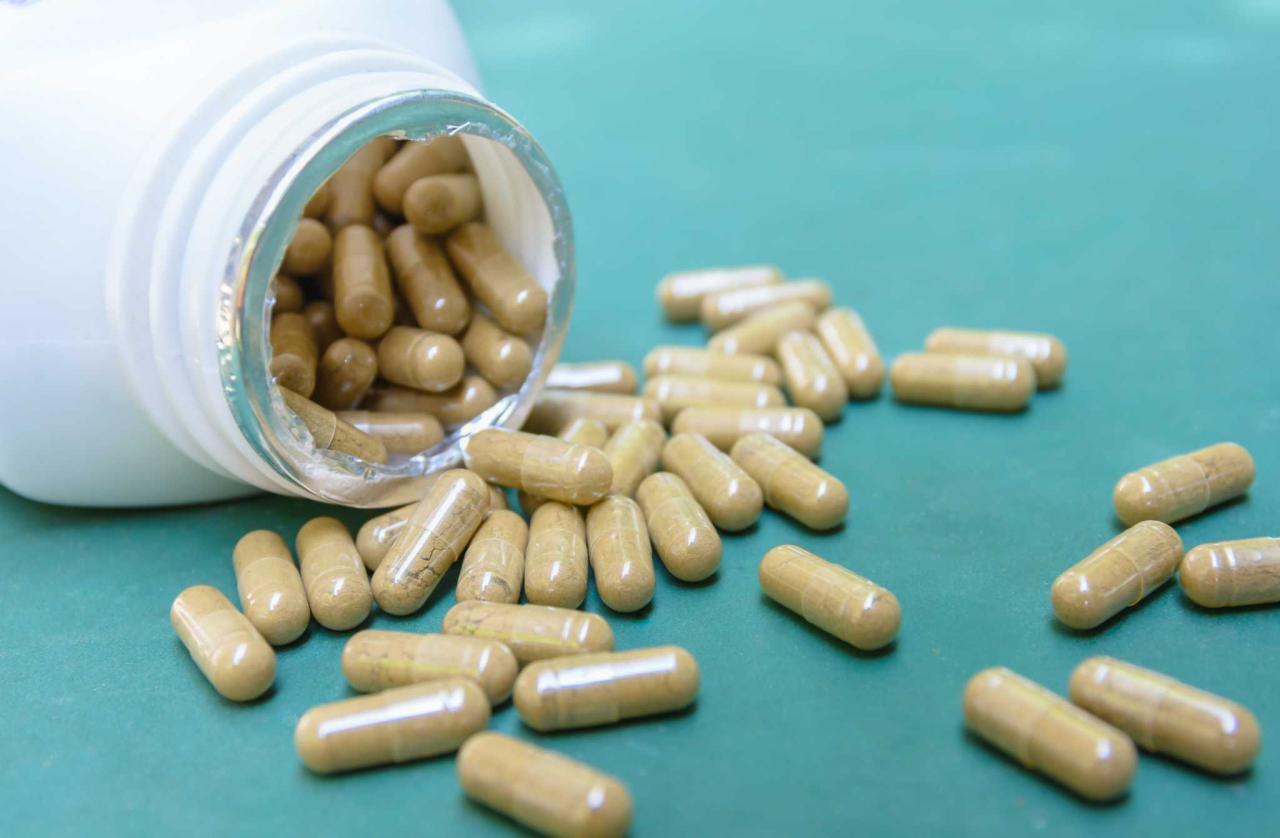
Vitamin E is a vital nutrient that plays a crucial role in maintaining overall health and wellness. This fat-soluble vitamin is primarily known for its antioxidant properties, helping to combat oxidative stress in the body. By neutralizing free radicals, Vitamin E not only protects cells from damage but also contributes to a variety of bodily systems, ensuring they function optimally.
Vitamin E is particularly renowned for its benefits to skin health. It enables the maintenance of skin integrity and moisture, promoting a youthful and radiant complexion. Additionally, its antioxidant properties help shield the skin from environmental harm, reducing the appearance of fine lines, wrinkles, and age spots. Regular intake of Vitamin E can facilitate skin healing and assist in preventing conditions such as eczema and psoriasis, making it a valuable addition to a skincare regimen.
Health Conditions Associated with Vitamin E
Vitamin E has been shown to potentially prevent or manage several health conditions, thanks to its diverse functions. Understanding these associations can highlight the importance of adequate Vitamin E intake in daily health.
- Cardiovascular Health: Vitamin E is linked to reduced risk factors for heart disease. It may help prevent the oxidation of LDL cholesterol, a key contributor to plaque buildup in arteries.
- Immune Function: It plays a vital role in enhancing immune response, particularly in older adults. Studies suggest that Vitamin E supplementation may improve resistance to infections.
- Eye Health: Research indicates that Vitamin E may contribute to eye health, reducing the risk of age-related macular degeneration (AMD) and cataracts.
- Neurological Health: Some studies suggest that Vitamin E may slow the progression of Alzheimer’s disease and protect against cognitive decline due to its antioxidant effects.
- Skin Conditions: As mentioned earlier, Vitamin E can aid in the management of skin ailments such as eczema and acne, by promoting healing and reducing inflammation.
“The antioxidant properties of Vitamin E play a critical role in protecting the body from oxidative stress, a key factor in many chronic diseases.”
Understanding Daily Vitamin E Capsules and Their Composition
Daily Vitamin E capsules are a popular dietary supplement known for their antioxidant properties. They play a crucial role in supporting skin health, immune function, and overall well-being. Understanding their composition helps consumers make informed choices about what they are putting into their bodies.
The primary active ingredient in most Vitamin E capsules is tocopherol, which exists in several forms including alpha, beta, gamma, and delta tocopherols. Each of these forms contributes to the antioxidant capacity of Vitamin E, with alpha tocopherol being the most biologically active form in humans. Additionally, some formulations may include tocotrienols, another group of compounds with potential health benefits.
Common Ingredients in Daily Vitamin E Capsules
Daily Vitamin E capsules often contain a mixture of natural and synthetic ingredients, each serving a specific purpose. The following are common components and their functions:
- Tocopherol (Vitamin E): The main active ingredient that acts as an antioxidant, protecting cells from oxidative stress.
- Tocotrienols: Lesser-known compounds that may provide additional health benefits, particularly in cardiovascular health.
- Carrier Oils: Such as sunflower or soybean oil, which help dissolve and stabilize Vitamin E for better absorption.
- Gelatin or Vegetarian Capsules: The outer shell that contains the Vitamin E; vegetarian capsules are made from plant-derived materials.
Differences Between Synthetic and Natural Vitamin E
Vitamin E can be derived from natural sources or synthesized in a lab. The distinctions between these forms have implications for bioavailability and overall health benefits. Natural Vitamin E, often labeled as “d-alpha tocopherol,” is more easily absorbed by the body compared to its synthetic counterpart, “dl-alpha tocopherol.” The body recognizes natural forms more readily, leading to improved efficacy.
Natural Vitamin E is typically more potent and has higher antioxidant activity compared to synthetic forms.
Additives in Vitamin E Capsules and Their Effects
Many Vitamin E capsules contain additives that can affect the absorption and effectiveness of the supplement. These additives may include:
- Fillers: Substances like magnesium stearate that help keep the ingredients from sticking together, but may not contribute to health benefits.
- Preservatives: Added to prolong shelf life, but may cause sensitivities in some individuals.
- Flavoring Agents: Sometimes used to mask unpleasant tastes, though they might introduce unnecessary sugars or artificial flavors.
The choice of additives can significantly influence how well the body absorbs the Vitamin E, making it essential for consumers to read labels carefully. In some cases, certain additives may enhance absorption, while others may impede the process.
Recommended Daily Dosage of Vitamin E for Different Age Groups
Vitamin E is an essential nutrient known for its powerful antioxidant properties and various health benefits. It plays a vital role in maintaining cell integrity and protecting against oxidative stress. Understanding the recommended daily dosage of Vitamin E is crucial, as it varies across different age groups and individual health conditions. This section provides a comprehensive overview of the dosage recommendations and influences that can affect Vitamin E needs.
Factors influencing the required intake of Vitamin E include lifestyle choices, dietary habits, and specific health conditions. For instance, individuals who smoke or have certain chronic conditions may require higher levels of Vitamin E to combat oxidative stress. Moreover, dietary sources of Vitamin E, such as nuts, seeds, and green leafy vegetables, can also impact supplement needs.
Recommended Daily Intake of Vitamin E
The following table Artikels the recommended daily intake of Vitamin E for various age groups, as established by health organizations. These guidelines serve as a baseline, which can be adjusted based on personal health factors.
| Age Group | Recommended Daily Intake (mg) |
|---|---|
| Infants (0-6 months) | 4 mg |
| Infants (7-12 months) | 5 mg |
| Children (1-3 years) | 6 mg |
| Children (4-8 years) | 7 mg |
| Children (9-13 years) | 11 mg |
| Teens (14-18 years) | 15 mg |
| Adults (19 years and older) | 15 mg |
| Pregnant Women | 15 mg |
| Nursing Women | 19 mg |
The recommended daily intake can be influenced by individual factors such as dietary sources, lifestyle, and health status.
The information in this table is essential for ensuring adequate Vitamin E intake, which can significantly contribute to overall health and well-being. It’s crucial to consult with healthcare professionals to tailor the dosage based on specific circumstances and nutritional needs.
Potential Benefits of Regularly Taking Vitamin E Capsules
Incorporating Vitamin E capsules into your daily routine can provide numerous long-term health benefits. This fat-soluble antioxidant plays a crucial role in protecting cells from oxidative stress and supporting overall bodily functions. Regular supplementation has been linked to improved skin health, enhanced immune function, and a decreased risk of chronic diseases.
Vitamin E is known for its potential to combat specific diseases, including heart disease and certain types of cancer. Studies have shown that adequate Vitamin E intake can reduce oxidative stress, a key factor in the development of various diseases. For instance, a study published in the “American Journal of Clinical Nutrition” revealed that individuals with higher Vitamin E levels had a significantly lower risk of developing heart-related issues. Additionally, research in the “Journal of the American Medical Association” indicated that Vitamin E supplementation might help in reducing the incidence of prostate cancer among men.
Enhancing the Benefits of Vitamin E Supplementation
To maximize the effectiveness of Vitamin E capsules, certain lifestyle changes can be beneficial. Adopting a balanced diet rich in other antioxidants, engaging in regular physical activity, and maintaining a healthy weight can synergistically enhance the positive effects of Vitamin E. Here are some specific lifestyle modifications to consider:
- Incorporate a variety of antioxidant-rich foods into your diet, such as fruits, vegetables, nuts, and whole grains.
- Stay hydrated by drinking plenty of water, which aids in overall nutrient absorption and cellular function.
- Engage in at least 150 minutes of moderate exercise weekly to support cardiovascular health and boost immunity.
- Avoid smoking and limit alcohol consumption, as these can increase oxidative stress and diminish the benefits of Vitamin E.
- Ensure regular health check-ups to monitor vitamin levels and overall health status.
“Regular intake of Vitamin E, coupled with a healthy lifestyle, can significantly contribute to long-term health and disease prevention.”
By understanding the potential benefits and making conscious lifestyle choices, individuals can harness the full power of Vitamin E supplementation for their health.
Risks and Side Effects Associated with Excessive Vitamin E Intake
Vitamin E is known for its antioxidant properties and various health benefits, but excessive intake can lead to significant health risks. While it plays a crucial role in maintaining skin health, supporting the immune system, and protecting cells from damage, it’s essential to recognize the potential dangers that come with high doses, especially from supplements. Understanding these risks helps individuals make informed decisions regarding their vitamin E consumption.
Individuals who consume high doses of Vitamin E supplements may face several adverse effects. The most notable risk associated with excessive intake is the potential for increased bleeding. This is primarily due to Vitamin E’s role as a blood thinner, which can interfere with blood clotting mechanisms. In addition, high doses may exacerbate conditions related to cardiovascular health, such as heart disease. Other negative effects can include gastrointestinal issues, such as nausea and diarrhea, and in extreme cases, it could lead to more severe complications like hemorrhagic stroke.
Identifying Signs of Vitamin E Overdose
Recognizing the signs of Vitamin E overdose is vital for timely intervention. Symptoms can vary in severity but often include:
- Unusual bruising or bleeding: This includes frequent nosebleeds or blood in urine.
- Gastrointestinal discomfort: Individuals may experience stomach pain, diarrhea, or nausea.
- Fatigue and weakness: Unexplained tiredness can be a sign of excessive vitamin intake.
- Vision changes: Blurred or distorted vision may occur in some cases.
- Headaches and dizziness: Increased intracranial pressure can lead to these symptoms.
If any of these symptoms are observed, it is crucial to seek medical attention immediately. Healthcare providers may conduct tests to assess vitamin levels and evaluate overall health status.
In terms of who is at risk, certain groups are more susceptible to the negative side effects of high doses of Vitamin E. These include individuals taking anticoagulant medications, those with existing liver disease, and those undergoing surgery. It is important for these groups to consult with healthcare professionals before beginning any vitamin E supplementation.
Taking proactive measures can prevent the risks associated with excessive Vitamin E intake. Always adhere to recommended dietary allowances and consult with a healthcare provider before starting new supplements. Keeping a close watch on symptoms and communicating any health changes can greatly mitigate potential health complications related to Vitamin E overdose.
The Best Time of Day to Take Vitamin E Capsules for Maximum Absorption
Taking Vitamin E capsules at the right time can significantly enhance their absorption and effectiveness in the body. Understanding the best timing for intake can help ensure you are getting the most out of this essential nutrient. This guide Artikels the optimal times for taking Vitamin E, the science behind its absorption, and practical tips for incorporating it into your daily routine.
Vitamin E is a fat-soluble vitamin, meaning it dissolves in fats and oils rather than water. This characteristic plays a crucial role in how and when you should take Vitamin E capsules. Consuming Vitamin E with meals that contain healthy fats can enhance its absorption. Research indicates that when taken alongside dietary fats, the body is better able to utilize Vitamin E, increasing its bioavailability. Therefore, it is advisable to take Vitamin E capsules during or shortly after a meal containing healthy fats, such as avocados, nuts, olive oil, or fatty fish.
Optimal Timing and Routine for Vitamin E Intake
Creating a daily routine for taking Vitamin E capsules will enhance consistency and absorption. Here are some tips for establishing an effective schedule:
1. Incorporate into a Meal Plan:
Taking Vitamin E capsules during meals can help maximize absorption. Aim to consume them with breakfast, lunch, or dinner, especially meals that include healthy fats.
2. Consistent Timing:
Choose a specific time each day for taking your Vitamin E capsules. Consistency helps establish a habit, making it less likely for you to forget.
3. Combine with Other Supplements:
Pairing Vitamin E with other fat-soluble vitamins, such as Vitamin D or K, can enhance overall nutrient absorption and efficacy.
4. Monitor Your Diet:
Pay attention to your dietary fat intake. Ensure that your meals have a balance of healthy fats, which can aid in the absorption of Vitamin E. For example, adding nuts or seeds to your salads can be a great way to incorporate both Vitamin E and healthy fats.
5. Stay Hydrated:
While Vitamin E is fat-soluble, staying hydrated supports overall nutrient digestion and absorption. Drinking plenty of water throughout the day is essential.
6. Consider Timing with Other Medications:
If you’re taking medications, consult with a healthcare professional to determine the best time for taking Vitamin E to avoid potential absorption conflicts.
To summarize, taking Vitamin E capsules with meals rich in healthy fats, at the same time each day, can lead to optimal absorption and health benefits. Regularly monitoring your dietary habits and maintaining hydration can further enhance the effectiveness of your Vitamin E supplementation.
Comparing Vitamin E Capsules with Other Sources of Vitamin E
Vitamin E is an essential nutrient known for its antioxidant properties, which help protect cells from damage. It can be obtained through various means, including dietary sources and supplements like Vitamin E capsules. While both methods can contribute to your daily intake, there are distinct differences in benefits and considerations when choosing between them.
When considering Vitamin E capsules versus natural food sources, it’s essential to evaluate the bioavailability and absorption rates of Vitamin E from these different sources. Capsules often contain concentrated amounts of Vitamin E, typically in the form of tocopherols, which can be beneficial for individuals who may struggle to meet their nutritional needs through diet alone. However, obtaining Vitamin E from whole foods offers additional nutrients and health benefits that capsules cannot replicate.
Natural Sources of Vitamin E
A variety of foods are rich in Vitamin E, providing not only this vital nutrient but also other beneficial compounds such as healthy fats and antioxidants. Here are some excellent dietary sources of Vitamin E:
- Nuts and Seeds: Almonds, sunflower seeds, and hazelnuts are particularly high in Vitamin E, offering around 7.3 mg per ounce of almonds.
- Vegetable Oils: Oils such as wheat germ oil, sunflower oil, and safflower oil are among the richest sources of Vitamin E, with wheat germ oil containing up to 149 mg per tablespoon.
- Green Leafy Vegetables: Spinach, Swiss chard, and kale not only provide Vitamin E but are also packed with other vitamins, minerals, and fibers.
- Fruits: Avocados and kiwi are tasty options that contribute to Vitamin E intake while also providing essential nutrients.
Consuming these foods ensures a diverse intake of vitamins and minerals while supporting overall health. Whole food sources also promote better absorption due to the presence of fats that aid in the utilization of fat-soluble vitamins like Vitamin E.
Scenarios Where Supplementation is Necessary
Despite a balanced diet, various circumstances might necessitate supplementation with Vitamin E capsules. Certain individuals may have specific health conditions or dietary restrictions that impede their ability to absorb adequate amounts of Vitamin E. For instance:
- Malabsorption Disorders: Conditions like celiac disease, chronic pancreatitis, or Crohn’s disease can hinder nutrient absorption, making supplements a necessary option.
- Increased Need: Pregnant or breastfeeding women may require additional Vitamin E to support both maternal and fetal health, warranting the use of capsules to meet these heightened demands.
- Age-Related Factors: Older adults often experience decreased absorption efficiency and may benefit from supplementation to maintain optimal levels of Vitamin E.
In these situations, Vitamin E capsules can serve as a convenient and effective way to ensure sufficient intake, particularly when dietary options may be limited or insufficient.
“Understanding the balance between dietary sources and supplements is key to maximizing the health benefits of Vitamin E.”
How to Choose High-Quality Vitamin E Capsules
When it comes to selecting Vitamin E capsules, making an informed choice is crucial for your health and wellness. With various products flooding the market, understanding the key factors that delineate quality can significantly impact your results. This guide will navigate you through essential considerations to help you select a top-notch Vitamin E supplement tailored to your needs.
Quality assurance is paramount, especially for dietary supplements. Third-party testing and certifications act as endorsements, verifying that the product meets industry standards for safety, potency, and purity. Reliable organizations conduct these tests to ensure that what is on the label matches the contents, providing peace of mind to consumers. Look for products that are certified by reputable entities, indicating that they have undergone rigorous quality checks.
Key Factors to Consider
Selecting the right Vitamin E supplement involves evaluating various attributes. Here’s a checklist to guide your assessment:
- Source of Vitamin E: Natural forms of Vitamin E (d-alpha-tocopherol) are generally more effective and better absorbed than synthetic forms (dl-alpha-tocopherol).
- Formulation: Consider whether you prefer softgels, capsules, or liquid forms. Each has its benefits concerning absorption and ease of ingestion.
- Dosage: Check the amount of Vitamin E per serving. Adjust according to your dietary needs or recommendations from a healthcare provider.
- Additional Ingredients: Some formulations include other vitamins or nutrients that may enhance the effectiveness of Vitamin E, such as Selenium or Omega-3 fatty acids.
- Third-Party Testing: Look for products that have been tested by independent laboratories for quality assurance. This ensures the supplement is free from harmful contaminants and matches label claims.
- Certifications: Certifications from organizations like NSF International, USP, or Non-GMO Project verify that the product meets specific standards for quality and safety.
- Brand Reputation: Research the manufacturer’s history and customer reviews. Established brands with positive feedback are often more reliable.
Incorporating this checklist into your shopping routine can greatly enhance the likelihood of choosing a quality Vitamin E supplement. Always prioritize transparency and research before making a purchase to ensure that the product aligns with your health goals and expectations.
Closure
In conclusion, making Daily Vitamin E capsules a part of your health regimen can lead to remarkable improvements in your overall well-being. With their vast array of benefits and relatively simple incorporation into your diet, these capsules are a worthwhile addition for anyone looking to boost their health and protect against various ailments.
Commonly Asked Questions
What are the main benefits of Vitamin E?
Vitamin E is known for its antioxidant properties, supporting skin health, enhancing immune function, and potentially reducing the risk of chronic diseases.
Can I get enough Vitamin E from diet alone?
While a balanced diet rich in nuts, seeds, and green leafy vegetables can provide adequate Vitamin E, supplementation may be necessary for individuals with specific dietary restrictions.
Are there any interactions with medications?
Yes, Vitamin E can interact with certain medications, such as blood thinners, so it’s important to consult a healthcare provider before starting supplementation.
How long does it take to see effects from Vitamin E capsules?
The time to see effects can vary, but many individuals report noticeable improvements in skin health and overall wellness within a few weeks of consistent use.
Is it safe to take Vitamin E capsules daily?
For most people, taking Vitamin E capsules daily at the recommended dosage is safe, but excessive intake can lead to side effects, so moderation is key.

Leave a Reply