

Daily vitamin for focus is not just a trendy phrase; it’s a vital concept that can significantly enhance our cognitive abilities. In our fast-paced world, maintaining mental clarity is essential for productivity and overall well-being. This article explores the crucial role of vitamins in supporting focus and how incorporating them into your daily routine can lead to improved cognitive function.
By evaluating the specific vitamins that aid mental performance, understanding their recommended daily allowances, and discovering delicious food sources rich in these nutrients, we aim to equip you with the knowledge needed to boost your brain health effectively.
The Importance of Daily Vitamins for Mental Clarity

Daily vitamins play a crucial role in maintaining not just physical health but also mental clarity and cognitive function. In our fast-paced world, where focus is often compromised by distractions and stress, the right vitamins can enhance our ability to concentrate, think clearly, and perform at our best. Understanding the specific vitamins that contribute to brain health can help in making informed choices for better mental performance.
Vitamins, particularly those from the B-complex family, vitamin D, and antioxidants like vitamins C and E, are essential for cognitive function. These nutrients support various neurological processes, including neurotransmitter synthesis and brain oxygenation, which are vital for maintaining mental clarity. For instance, vitamin B12 is known to improve mood and reduce fatigue, while vitamin D has been linked to cognitive health, particularly in aging populations.
Vitamins Effectively Supporting Focus
Several vitamins stand out when it comes to enhancing focus and mental clarity. Below is a list detailing these essential vitamins, their functions, and their contributions to brain health:
- Vitamin B12: Supports the formation of red blood cells and maintains the health of nerve cells, contributing to improved energy levels and mental sharpness.
- Vitamin B6: Plays a crucial role in the production of neurotransmitters like serotonin and dopamine, which are important for mood regulation and cognitive function.
- Folate (Vitamin B9): Critical for DNA synthesis and repair, folate is linked to improved cognitive performance and mental clarity. Low levels of folate have been associated with cognitive decline.
- Vitamin D: Influences cognitive function by supporting brain health and has been shown to enhance the processing speed and memory capabilities of individuals.
- Vitamin C: An antioxidant that protects the brain from oxidative stress while also aiding in neurotransmitter synthesis, thereby improving overall cognitive function.
- Vitamin E: Known for its antioxidant properties, vitamin E helps prevent cognitive decline associated with aging and promotes overall brain health.
Scientific studies support the connection between vitamin intake and cognitive performance. Research published in the “American Journal of Clinical Nutrition” found that higher intakes of vitamins B6, B12, and folate are associated with better cognitive function in adults. Additionally, anecdotal evidence suggests that individuals who regularly consume a balanced diet rich in these vitamins report enhanced concentration and mental clarity.
Incorporating these vitamins into your daily routine through a balanced diet or supplements can be an effective strategy for those seeking to improve their focus and cognitive abilities. Whether through leafy greens, whole grains, or fortified foods, ensuring adequate intake of these vital nutrients can lead to significant improvements in mental performance.
Common Vitamins and Their Effectiveness in Enhancing Focus
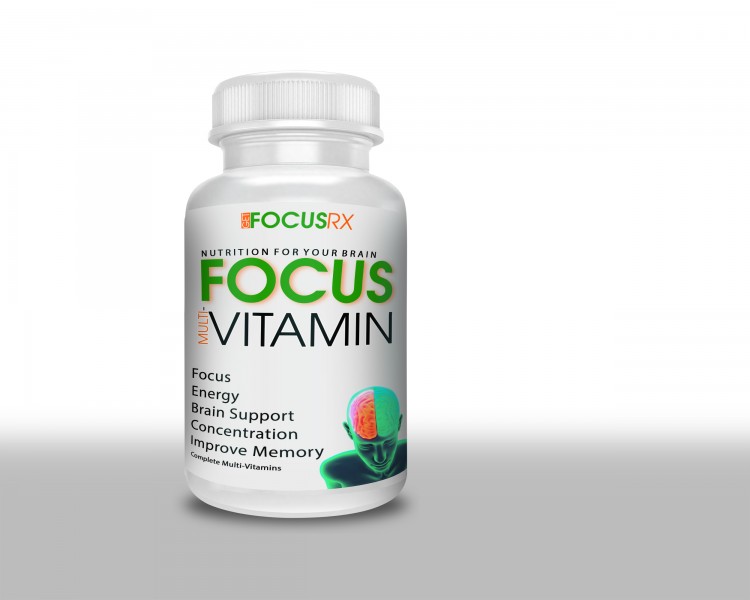
The pursuit of enhanced focus is a common goal for many individuals, especially in our fast-paced world. Certain vitamins have been identified for their significant roles in improving cognitive functions, including focus. By understanding these vitamins, their recommended daily allowances, and how to incorporate them into our diets, we can better support our mental clarity and overall brain health.
B vitamins and Omega-3 fatty acids are among the most recognized vitamins known to elevate cognitive performance. B vitamins, particularly B6, B9 (folate), and B12, are crucial in the production of neurotransmitters, which are essential for communication between brain cells. Omega-3 fatty acids, primarily found in fish oil, are vital for maintaining the health of brain cell membranes and are associated with improved cognitive functions, including focus.
B Vitamins and Their Sources
B vitamins play a critical role in energy production and neurotransmitter synthesis. A deficiency in these vitamins can lead to cognitive decline and impaired focus. The recommended daily allowances for B vitamins vary by age and gender but generally fall within the following ranges:
- Vitamin B6: 1.3 to 2.0 mg
- Folate (B9): 400 mcg
- Vitamin B12: 2.4 mcg
Incorporating B vitamins into your routine can be as simple as adding certain foods to your diet. Foods rich in B vitamins include:
- Whole grains (brown rice, oats)
- Meats (chicken, turkey)
- Fish (salmon, tuna)
- Leafy greens (spinach, kale)
- Legumes (beans, lentils)
Omega-3 Fatty Acids and Their Sources
Omega-3 fatty acids are essential fats that the body cannot produce on its own, making it vital to obtain them through diet. These fatty acids are known to support brain health and improve focus by promoting better communication between brain cells. The recommended daily intake of Omega-3 fatty acids for adults is approximately 250-500 mg of EPA and DHA combined.
To boost your Omega-3 intake, consider including the following foods in your meals:
- Fatty fish (salmon, mackerel, sardines)
- Chia seeds
- Flaxseeds
- Walnuts
- Algal oil (a plant-based source of Omega-3)
“Incorporating B vitamins and Omega-3 fatty acids into your diet can significantly enhance focus and cognitive performance.”
By integrating these vitamins into your daily diet through whole foods, you can naturally support your cognitive functions and improve your ability to focus effectively. Regular consumption of these nutrients can contribute to better mental clarity, ultimately enhancing your productivity and overall well-being.
Potential Risks of Vitamin Deficiency on Concentration
Vitamin deficiencies can significantly impede mental concentration and focus, leading to diminished productivity and cognitive performance. Several vitamins play vital roles in brain health, and a lack of these essential nutrients can manifest in various ways, impacting daily activities and overall well-being. Understanding the potential risks associated with vitamin deficiencies can help individuals take proactive steps to support their mental clarity and focus.
Vitamin deficiencies can lead to a range of cognitive impairments, particularly in concentration and focus. For instance, deficiencies in vitamins such as B12, D, and omega-3 fatty acids have been linked to decreased mental agility and increased feelings of fatigue. Individuals may experience difficulties in sustaining attention, processing information, and retaining memories. The consequences can extend into everyday life, where tasks requiring mental effort may become overwhelming, thus hindering performance at work or in social settings.
Symptoms of Vitamin Deficiency Affecting Focus
Identifying the symptoms of vitamin deficiencies is crucial for addressing issues related to concentration. Common symptoms may include:
- Fatigue and low energy levels, making it hard to concentrate on tasks.
- Mood swings or irritability, which can distract from focusing on work.
- Memory lapses, leading to difficulty in recalling important information.
- Increased anxiety or depression, both of which can further impair concentration.
- Physical symptoms such as headaches, which can detract from mental clarity.
These symptoms can severely affect daily productivity, making it challenging to complete tasks efficiently or engage fully in conversations and activities.
Methods for Testing Vitamin Levels
Determining vitamin levels in the body is a critical step in identifying deficiencies and addressing them effectively. Testing methods for assessing vitamin levels include:
- Blood tests, which can provide accurate measurements of specific vitamin levels.
- Urine tests, useful for determining levels of water-soluble vitamins.
- Dietary assessments, evaluating dietary intake to identify potential deficiencies.
Consulting healthcare professionals is essential for interpreting test results and discussing the need for supplementation. They can recommend appropriate dosages and monitor any potential interactions with existing medications.
“Early identification and treatment of vitamin deficiencies can significantly enhance cognitive function and overall quality of life.”
Effective supplementation, under the guidance of a healthcare provider, can help restore optimal vitamin levels, thereby improving concentration and mental focus.
The Role of Supplements in Supporting Focus
In today’s fast-paced world, maintaining focus can be a challenge, and many individuals turn to both whole food sources and supplements to enhance their cognitive performance. Understanding the benefits of each approach can help in making informed choices that support mental clarity and concentration.
When considering the enhancement of focus, whole food sources of vitamins often provide a more comprehensive nutritional profile compared to supplements. Whole foods contain a variety of nutrients that work synergistically, offering not just vitamins but also minerals, fiber, and other compounds that contribute to brain health. For example, foods rich in omega-3 fatty acids, like salmon and walnuts, support cognitive function through anti-inflammatory properties. In contrast, supplements may isolate specific vitamins or minerals, potentially lacking the holistic benefits that whole foods provide. However, supplements can serve as effective adjuncts when dietary sources fall short, especially in our busy lifestyles.
Comparison of Whole Foods and Supplements
While both whole foods and supplements can play a role in enhancing focus, their benefits can differ significantly. Here is a breakdown of their comparative advantages:
- Whole Food Sources: These often provide a wide range of nutrients that complement each other. For instance, leafy greens are not only rich in vitamins A, C, and K but also contain antioxidants that protect brain cells.
- Supplements: These can be beneficial for targeting specific deficiencies. For example, a vitamin B12 supplement may be necessary for individuals following a plant-based diet, as this vitamin is primarily found in animal products and is crucial for brain health.
- Bioavailability: Nutrients from whole foods are typically absorbed more effectively by the body compared to synthetic supplements, which may not be utilized as efficiently.
- Convenience: Supplements may offer a quick solution for busy individuals who find it difficult to meet their nutritional needs through diet alone.
When it comes to popular supplements targeting cognitive enhancement, several well-known brands offer products with specific ingredients aimed at boosting focus and mental clarity. Common components found in these supplements include:
- Omega-3 Fatty Acids: Often derived from fish oil, these are known for their role in brain health, improving cognitive function and reducing symptoms of anxiety.
- Bacopa Monnieri: An herb traditionally used in Ayurvedic medicine, it is believed to improve memory and focus while reducing stress.
- Ginkgo Biloba: This ancient plant is often marketed for its potential to enhance cognitive function and improve memory by increasing blood flow to the brain.
- L-Theanine: Found in green tea, this amino acid promotes relaxation without drowsiness and is often combined with caffeine for improved focus.
Choosing high-quality supplements is essential for maximizing their potential benefits. The following guidelines can help consumers make informed choices:
- Research Brands: Investigate companies that have a reputation for quality and transparency. Look for brands that conduct third-party testing to ensure product safety and efficacy.
- Read Ingredient Labels: Familiarize yourself with the active ingredients and their dosages. Avoid proprietary blends where specific ingredient amounts are not disclosed.
- Check for Certifications: Look for certifications such as Good Manufacturing Practices (GMP) and NSF International, which indicate adherence to high quality and safety standards.
- Consult Healthcare Professionals: Always consider discussing with a healthcare provider before starting new supplements, especially if you have existing health conditions or are taking other medications.
Researching and understanding the role of each ingredient is key to choosing the right supplement that aligns with your cognitive goals.
Lifestyle Factors that Enhance the Effectiveness of Vitamins
A well-rounded approach to health includes not just vitamins but also a lifestyle that complements their effects. Vitamins play a vital role in cognitive function, but their effectiveness can be amplified by incorporating specific lifestyle changes. By focusing on factors such as physical activity, quality sleep, and a balanced diet, you can optimize your vitamin intake to enhance your focus and mental clarity.
Regular exercise is a fundamental lifestyle change that can significantly boost focus and cognitive performance. Physical activity increases blood flow to the brain, improves mood, and promotes the release of endorphins. These benefits are especially pronounced when combined with appropriate vitamin supplementation. Similarly, quality sleep cannot be overstated; it allows your brain to consolidate information and recharge. Lastly, a balanced diet rich in nutrients complements vitamin intake, providing the body with the foundational elements needed for optimal brain health.
Integrating Lifestyle Changes with Vitamin Consumption
Creating a comprehensive daily routine that integrates lifestyle factors with vitamin consumption is essential for maximizing cognitive function. Here’s a suggested daily schedule that illustrates this integration:
– Morning Routine:
– Start your day with a glass of water to hydrate and awaken your system.
– Engage in light stretching or yoga for 15-20 minutes to increase blood circulation.
– Enjoy a nutritious breakfast rich in whole grains and protein; consider incorporating omega-3-rich foods like chia seeds or walnuts.
– Take your morning vitamins, such as B-complex and omega-3 supplements, to enhance brain function.
– Midday Activities:
– Take a brisk walk or engage in a 20-minute workout during lunch to rejuvenate your mind and body.
– Have a balanced lunch consisting of lean proteins, vegetables, and healthy fats to maintain energy levels.
– Consider taking a short break for mindfulness meditation to increase concentration and reduce stress.
– Afternoon Focus:
– Keep hydrated throughout the day; water is crucial for maintaining cognitive function.
– If you experience an afternoon slump, a healthy snack like nuts or yogurt can provide a quick boost.
– A second dose of vitamins, if recommended, can be taken with an afternoon snack.
– Evening Wind Down:
– Engage in a relaxing activity, such as reading or light stretching, to prepare for a restful night’s sleep.
– Aim for a consistent sleep schedule, ensuring you get 7-9 hours of sleep each night. Quality sleep enhances the effectiveness of vitamins by allowing your body to process and utilize nutrients better.
This structured routine can significantly enhance the way vitamins work within your body, leading to improved focus and cognitive function.
“Integrating lifestyle changes with vitamin consumption creates a holistic approach that can elevate focus levels.”
Personal experiences highlight the power of such a holistic approach. For instance, one individual who struggled with maintaining focus found that after adopting a structured routine combining regular exercise, a balanced diet, and consistent vitamin intake, their productivity significantly improved. They reported feeling more energized throughout the day and able to concentrate for longer periods. Another person noted that by prioritizing sleep and establishing a calming pre-bedtime routine, they experienced clearer thinking and better memory retention.
Overall, combining vitamins with lifestyle changes provides a comprehensive strategy for enhancing focus and cognitive performance.
Myths and Misconceptions about Vitamins for Cognitive Health
Many individuals seeking to enhance their cognitive function often turn to vitamins and supplements, yet several myths and misconceptions cloud the understanding of how these nutrients truly affect focus and mental clarity. Dispelling these myths is crucial for promoting informed choices about dietary supplementation for cognitive health. This article aims to clarify popular misconceptions and provide evidence-based information to ensure that individuals can leverage vitamins effectively for improved cognitive performance.
Common Myths about Vitamins for Focus
There is a wide array of myths surrounding the use of vitamins for enhancing focus, which can lead to confusion and misapplication of these nutrients. Understanding the truth behind these myths is essential for maximizing cognitive health.
- Myth: All vitamins are created equal. The reality is that vitamins vary significantly in their bioavailability and effectiveness. For instance, while Vitamin B12 is vital for cognitive function, its synthetic form (cyanocobalamin) may not be as effective for everyone as the natural form (methylcobalamin).
- Myth: More vitamins mean better focus. Excessive intake of vitamins can lead to toxicity. For example, too much Vitamin A can cause headaches and cognitive impairment, rather than enhancing focus.
- Myth: Vitamins alone can replace a healthy diet. Relying solely on vitamin supplements while neglecting a balanced diet can lead to nutrient deficiencies and adversely affect cognitive health. Whole foods provide essential nutrients that vitamins cannot replicate.
Impact of Misconceptions on Vitamin Use
Misunderstandings about vitamins can lead individuals to underutilize beneficial supplements or use them improperly, undermining their efforts to enhance cognitive function. Addressing these misconceptions is vital for promoting a healthy approach to cognitive health.
- Misconception: Natural supplements are always safe and effective. While many natural supplements can support cognitive health, they are not without risks. For instance, Ginkgo biloba, often touted for memory enhancement, can interact with blood thinners and pose serious health risks.
- Misconception: All cognitive-enhancing supplements are scientifically validated. Many products on the market lack robust scientific support. It’s essential to research and consult reliable sources before beginning any supplementation regimen to ensure safety and effectiveness.
- Misconception: Cognitive decline is inevitable with age, regardless of vitamin intake. While aging can impact cognitive function, proper nutrition, including adequate vitamin intake, can significantly mitigate these effects. Studies have shown that B vitamins may slow cognitive decline in older adults.
“The right balance of vitamins can support cognitive health, but misinformation can hinder effective use. Evidence-based knowledge empowers individuals to make informed decisions.”
The Future of Vitamin Research in Cognitive Function
As research into vitamins and their effects on cognitive function continues to evolve, we are witnessing a surge in studies aimed at understanding how these essential nutrients can enhance brain health. Current trends indicate a growing focus on the neurological impacts of various vitamins, particularly those known for their antioxidant properties and role in neurotransmitter synthesis.
Recent advancements in vitamin research have highlighted the potential of specific vitamins, such as B-complex vitamins and Vitamin D, in supporting cognitive function. These vitamins play crucial roles in energy metabolism and neuronal health, which are fundamental for maintaining focus and cognitive clarity. Researchers are increasingly exploring how deficiencies in these vitamins might contribute to cognitive decline and mood disorders, suggesting that optimal levels could be essential for preventing such issues.
Current Trends in Vitamin Research
Among the most notable trends in vitamin research is the investigation into the effects of vitamins on neuroplasticity—the brain’s ability to adapt and reorganize itself. This area of study is particularly compelling as it implies that certain vitamins could not only aid in maintaining cognitive functions but also in enhancing learning and memory.
– B Vitamins and Brain Health: Recent studies have shown that B vitamins, especially B6, B12, and folate, are pivotal in reducing homocysteine levels, which are linked to Alzheimer’s disease. A comprehensive review of clinical trials indicates that supplementation can lead to improved cognitive function in older adults.
– Vitamin D and Cognitive Decline: New research suggests that Vitamin D deficiency may be a risk factor for dementia. Epidemiological studies have established a correlation between low Vitamin D levels and the onset of cognitive impairment, emphasizing the need for adequate sunlight exposure or supplementation.
– Antioxidant Vitamins: Vitamins C and E are recognized for their roles in oxidative stress reduction. Recent findings indicate that these vitamins can protect neuronal cells from damage, potentially slowing the progression of neurodegenerative diseases.
“The relationship between vitamins and cognitive function is not just about preventing deficiencies but also enhancing overall brain health.”
These insights not only underscore the importance of proper nutrition but also hint at future supplementation practices that could revolutionize how we approach cognitive health as we age. As further research unfolds, it is clear that vitamins will play an increasingly critical role in strategies aimed at maintaining cognitive performance and enhancing focus throughout life.
Final Review
In conclusion, making daily vitamins a part of your routine can pave the way for better focus and mental clarity. As we’ve explored, the right vitamins can significantly influence cognitive function and overall productivity. So, embrace the power of nutrition alongside a healthy lifestyle to enhance your focus and achieve your goals with renewed vigor.
FAQ Corner
What are the best vitamins for focus?
B vitamins, Omega-3 fatty acids, and Vitamin D are often highlighted for their roles in enhancing focus and cognitive function.
Can I get enough vitamins from my diet alone?
Yes, a balanced diet rich in fruits, vegetables, whole grains, and healthy fats can provide the necessary vitamins, but supplementation may be beneficial in some cases.
Are vitamin supplements safe for everyone?
While most vitamin supplements are safe, it’s essential to consult with a healthcare professional, especially if you have pre-existing conditions or are taking medications.
How long does it take to notice improvements in focus?
Improvements can vary, but many individuals report enhanced focus within a few weeks of consistent vitamin intake combined with a healthy lifestyle.
Can I rely solely on supplements for cognitive health?
While supplements can help, they should complement a balanced diet and healthy lifestyle rather than replace them for optimal cognitive health.

Leave a Reply