

Daily vitamins for kids play a crucial role in ensuring that children receive the essential nutrients their growing bodies need. With the fast-paced lifestyle of today, many children may not get all the vitamins they require from their diets alone. This is where daily vitamins can bridge the gap, supporting vital functions such as immune health, energy production, and overall development.
Understanding the importance of these vitamins can empower parents to make informed choices, helping to boost their children’s health and well-being. By supplementing their diets with the right vitamins, parents can enhance their children’s growth patterns, support cognitive function, and promote a robust immune system, all while combating common nutritional deficiencies that are prevalent in childhood.
Understanding the Importance of Daily Vitamins for Kids
Daily vitamins play a crucial role in children’s health, ensuring they receive the necessary nutrients that support their growth and development. While a balanced diet is the best source of vitamins, many children do not consume enough fruits, vegetables, and whole grains necessary to meet their nutritional needs. This is where daily vitamins step in, acting as a supplement to fill any gaps and promote overall well-being.
Vitamins are essential organic compounds that help the body function properly. They support various bodily functions, including metabolism, immune function, and cell repair. For children, the importance of these nutrients cannot be overstated, as their bodies are in a constant state of growth and change. Vitamins such as A, C, D, E, and the B-complex group contribute to healthy bones, skin, and eyesight, while also playing a vital role in energy production and red blood cell formation.
Role of Vitamins in Boosting the Immune System
A well-functioning immune system is vital for children, especially as they are often exposed to various germs and illnesses. Vitamins play a significant role in enhancing immune responses, protecting children against infections. Specific vitamins are known for their immune-boosting properties, including:
- Vitamin C: Found in citrus fruits, strawberries, and bell peppers, this vitamin enhances the production of white blood cells and antibodies, crucial for fighting infections.
- Vitamin D: Sourced from sunlight and fortified foods, vitamin D helps regulate the immune system, reducing the risk of respiratory infections.
- Vitamin A: Present in carrots and leafy greens, vitamin A is essential for maintaining the health of mucosal membranes, which act as barriers against pathogens.
- Vitamin E: Found in nuts and seeds, vitamin E is an antioxidant that plays a role in preventing oxidative stress and enhancing the immune response.
Regular intake of these vitamins can significantly improve a child’s ability to fend off common illnesses, ensuring they stay healthy and active.
Inadequate vitamin intake can lead to common nutritional deficiencies among children. These deficiencies can manifest in various ways, impacting their health and development. For instance, a lack of vitamin D can lead to rickets, a condition that causes softening of the bones. Similarly, insufficient vitamin A can result in vision problems and a higher susceptibility to infections. Other common deficiencies include:
- Vitamin C Deficiency: Can lead to scurvy, characterized by fatigue, gum disease, and skin issues.
- Vitamin B12 Deficiency: May cause anemia and developmental delays.
- Folate Deficiency: Can affect cell division and lead to growth issues.
It is essential for caregivers to be aware of these potential deficiencies and consider daily vitamins as a part of a comprehensive approach to ensuring children receive the nutrients necessary for their growth, development, and overall health.
Types of Vitamins Beneficial for Children’s Health
Vitamins play a crucial role in children’s growth, development, and overall health. They help in various bodily functions, from bone health to the immune system’s efficiency. Understanding which vitamins are essential for kids can aid parents in making informed dietary choices. Below is a detailed discussion on the key vitamins children’s health requires, their benefits, and natural food sources rich in these vitamins.
Essential Vitamins for Children
The following table categorizes the specific vitamins beneficial for children’s health, detailing their functions and food sources:
| Vitamin | Benefits | Food Sources |
|---|---|---|
| Vitamin A | Supports vision, immune function, and skin health. | Carrots, sweet potatoes, spinach, and mangoes. |
| Vitamin B6 | Essential for brain development and function; helps in the production of neurotransmitters. | Chicken, fish, potatoes, bananas, and fortified cereals. |
| Vitamin C | Important for the immune system, collagen production, and iron absorption. | Citrus fruits (oranges, lemons), strawberries, and bell peppers. |
| Vitamin D | Crucial for bone health by aiding calcium absorption and promoting bone growth. | Fatty fish (salmon, mackerel), fortified milk, and exposure to sunlight. |
| Vitamin E | Acts as an antioxidant, protecting cells from damage; supports immune function. | Nuts, seeds, spinach, and broccoli. |
| Vitamin K | Essential for blood clotting and bone metabolism. | Leafy greens, broccoli, and Brussels sprouts. |
The vitamins listed above are vital to various aspects of health and development. For instance, Vitamin A not only aids vision but also helps maintain healthy skin and immune function, which is particularly important for children as they grow. Vitamin B6 plays a significant role in brain development; a deficiency could affect cognitive functions. Vitamin C is well-known for bolstering the immune system, making it essential for children’s active lifestyles and growth spurts. Vitamin D is often referred to as the “sunshine vitamin” and is essential for strong bones, which is crucial during the rapid growth phases of childhood. Vitamin E serves as an antioxidant and supports overall health by protecting cells from damage. Lastly, Vitamin K is important for children as it promotes healthy blood clotting and bone health, contributing to their physical activity needs.
Incorporating these vitamins into children’s diets through natural food sources can promote optimal health, ensuring they receive the nutrients necessary for their development and well-being.
Choosing the Right Daily Vitamin Supplements for Kids
When it comes to ensuring that kids get the essential nutrients they need, choosing the right daily vitamin supplements is crucial. Parents face a myriad of options, and understanding the specific requirements based on a child’s age and dietary restrictions is key to making informed choices.
Selecting vitamin supplements for children requires careful consideration of their developmental stage and dietary habits. Different age groups have varying nutritional needs; for instance, toddlers may require higher amounts of certain vitamins for growth and immune support compared to older children. Additionally, dietary restrictions—such as veganism or allergies—can significantly influence the choice of supplements, as some formulations may contain allergens or animal products.
Interpreting Vitamin Labels
Understanding how to read and interpret vitamin labels is essential for ensuring proper dosage and effectiveness. Manufacturers provide detailed information that can help parents make the best decisions for their children’s nutritional needs. Key components to pay attention to include:
– Serving Size: This indicates how many gummies or tablets constitute a single serving. Ensure that you are giving the correct number based on the recommendations for your child’s age.
– Daily Value (DV): This percentage shows how much a nutrient in a serving contributes to a daily diet. A higher percentage indicates a more significant contribution to the child’s daily requirements.
– Ingredients List: Check for any potential allergens or unwanted additives. It’s also helpful to look for natural ingredients versus synthetic ones.
– Recommended Daily Allowance (RDA): This provides guidance on the amount of each vitamin or mineral recommended for daily intake for different age groups.
Understanding these elements helps parents make informed decisions and avoid potential overdoses or deficiencies.
For parents seeking suitable vitamin supplements for their children, here are some recommended brands that cater effectively to children’s needs:
– Flintstones Gummies: A popular choice, known for great taste and a comprehensive blend of vitamins.
– SmartyPants Kids Formula: Offers a well-rounded mix of essential nutrients, including omega-3 fatty acids and vitamin D.
– Rainbow Light Kids’ One Multi: A whole food-based multi-vitamin specifically designed for children.
– Garden of Life Mykind Organics Kids’ Multi: Organic and whole food-based, it caters to various dietary restrictions.
– Zahler’s Kidophilus: A probiotic that supports digestive health, essential for overall wellness.
Choosing the right vitamin supplement involves understanding the specific needs of your child, reading labels diligently, and selecting high-quality brands that are trustworthy and effective. Keep in mind that a child’s nutritional needs can vary, so consulting with a pediatrician or nutritionist can provide additional guidance tailored to your child’s unique situation.
The Impact of Diet on Vitamin Intake for Kids
A balanced diet plays a crucial role in ensuring that children receive adequate vitamins essential for their growth and development. When children consume a variety of nutrient-dense foods, the need for additional vitamin supplements may significantly decrease. This is primarily because whole foods provide not just vitamins, but also other vital nutrients that work synergistically to enhance absorption and overall health.
Dietary choices directly influence the vitamin intake of children, as specific food groups are rich in particular vitamins. For example, fruits and vegetables are typically high in vitamins A and C, while whole grains and dairy products provide B vitamins and vitamin D, respectively. When children’s diets lack diversity, they may not meet their vitamin requirements, leading to potential deficiencies that could hinder their development.
Incorporating Vitamin-Rich Foods
To ensure children receive sufficient vitamins from their daily meals, strategic incorporation of vitamin-rich foods is essential. Here are some effective strategies for parents to enhance their children’s diets with needed vitamins:
- Make Smoothies: Blend fruits like bananas, berries, and spinach into smoothies. This is an easy and delicious way to sneak in vitamins A and C, along with iron and calcium.
- Creative Breakfast Options: Offer whole grain cereals topped with fruits or yogurt. This not only provides B vitamins but also encourages children to start their day with a nutritious meal.
- Snack Smart: Swap out chips and candy for vitamin-rich snacks such as carrot sticks with hummus or apple slices with peanut butter. These options deliver fiber along with essential vitamins.
- Involve Kids in Cooking: Encourage children to help in meal preparation. This can foster interest in diverse foods, making them more likely to try new fruits and vegetables.
When planning meals, it’s beneficial to focus on incorporating a variety of food sources rich in essential vitamins. Below is a sample meal plan that provides a well-rounded intake of vitamins for children:
| Meal | Menu Items |
|---|---|
| Breakfast | Whole grain toast with avocado and poached egg, served with a side of mixed berries. |
| Lunch | Grilled chicken wrap with spinach, bell peppers, and a yogurt dressing, alongside carrot sticks and hummus. |
| Snack | Sliced apple with almond butter and a handful of mixed nuts. |
| Dinner | Baked salmon with quinoa and steamed broccoli, garnished with lemon. |
| Dessert | Homemade yogurt parfait with granola and seasonal fruits. |
In summary, a balanced diet filled with a variety of food sources can significantly reduce the reliance on vitamin supplements for children. Ensuring that kids have access to diverse and nutrient-rich meals not only supports their immediate health but also establishes lifelong healthy eating habits.
Common Myths and Misconceptions About Vitamins for Children
Many parents want the best for their children, and when it comes to health, vitamins often come into play. However, several myths and misconceptions surrounding vitamins and children’s health can lead to confusion. Understanding these myths is crucial for parents to make informed decisions about their child’s nutritional needs.
Despite the benefits of vitamin supplementation, some parents may hesitate to give their children these essential nutrients. Concerns often stem from misinformation, fear of overdose, or the belief that a well-balanced diet is sufficient for their child’s needs. Additionally, many parents worry about the potential side effects or interactions with medications. These hesitations can sometimes prevent children from receiving the vitamins they might need to support their growth and development effectively.
Common Myths and Their Corresponding Truths
To clarify the common misconceptions about vitamins for children, the following table highlights prevalent myths alongside the corresponding truths. Understanding these can help parents navigate the complexities of children’s health and nutrition.
| Myth | Truth |
|---|---|
| Vitamins are only necessary if a child is sick. | Vitamins are important for healthy growth and development even when a child is well. |
| All vitamins are safe and can be taken in any amount. | Some vitamins can be harmful in excessive amounts; it’s crucial to follow recommended dosages. |
| Children can get all the vitamins they need from food alone. | Many children may not consume a balanced diet, leading to nutrient deficiencies that supplementation can help address. |
| Vitamin supplements can replace a healthy diet. | Supplements are meant to complement a balanced diet, not replace whole foods that provide essential nutrients. |
| Natural vitamins are always better than synthetic ones. | Both natural and synthetic vitamins can be effective; the bioavailability can vary by individual. |
Vitamins play a critical role in a child’s overall health and development, and addressing myths is key to ensuring they receive the nutrients they need.
Parents should be aware that while vitamins are vital, they should also consider a balanced approach that includes a nutritious diet, regular health check-ups, and professional guidance to ensure their children grow up healthy and strong.
Monitoring and Adjusting Vitamin Intake as Children Grow

As children progress through various stages of growth and development, their nutritional needs, including vitamin intake, can change significantly. It’s crucial for parents and caregivers to regularly assess these needs to ensure that children receive the appropriate nutrients for their health and well-being. This proactive approach can help in identifying any deficiencies or excesses in vitamin consumption that may affect a child’s growth or overall health.
Regular assessments can ensure that children receive the right balance of vitamins, tailored to their evolving needs. Consulting with healthcare providers is an essential step in this process, as they can offer personalized advice based on the child’s age, dietary habits, and health conditions. Parents should not hesitate to reach out for professional guidance, especially when considering supplementation.
Consulting with Healthcare Providers
Engaging with healthcare professionals about children’s vitamin intake can help to clarify any uncertainties and establish a solid foundation for nutritional health. Here are some key points to consider when discussing vitamin supplementation with a pediatrician or dietitian:
- Discuss the child’s current diet to evaluate which vitamins are being consumed through food sources.
- Share any health concerns, such as growth delays or frequent illnesses, which may indicate a need for specific vitamins.
- Ask about recommended daily allowance (RDA) for the child’s age group and how it relates to their dietary intake.
- Inquire about the potential risks and benefits of vitamin supplements, including dosages and forms suitable for children.
- Schedule regular follow-ups to monitor changes in dietary habits and adjust supplementation as needed.
Tracking Dietary Intake and Vitamin Consumption
Maintaining a record of a child’s dietary intake can be an effective method for monitoring their vitamin consumption. This process aids in identifying gaps in nutrition and ensuring that children receive a balanced diet. Here are some practical steps to effectively track intake:
- Use a food diary or a mobile application to log daily meals and snacks consumed by the child.
- Record serving sizes and note any supplements taken to maintain an accurate account of total vitamin intake.
- Review nutritional labels on packaged foods to understand the vitamin content and make informed choices.
- Incorporate a variety of foods from different food groups to ensure comprehensive coverage of essential vitamins.
- Analyze the recorded data weekly or monthly to identify any consistent deficiencies or excesses that may arise.
“Regularly monitoring and adjusting vitamin intake can empower parents to support their children’s growth and health effectively.”
Tracking and consulting with professionals ensures that children’s evolving nutritional needs are met, promoting their overall vitality and development.
The Role of Lifestyle Factors in Vitamin Absorption for Kids
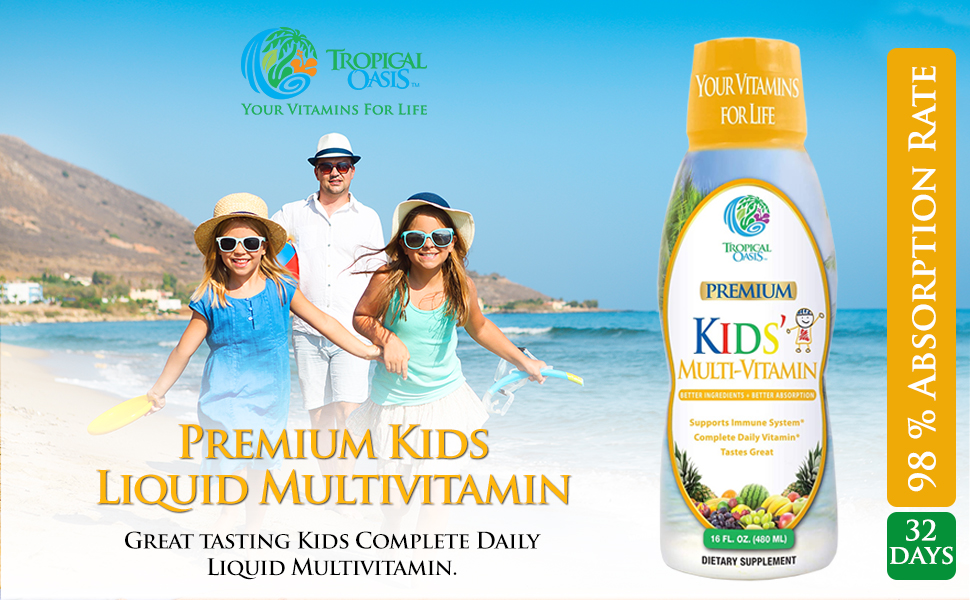
A child’s lifestyle plays a crucial role in how effectively their body absorbs and utilizes vitamins. Factors such as physical activity and the amount of screen time can significantly influence vitamin absorption and overall nutritional health. Encouraging a balanced lifestyle not only enhances vitamin uptake but also contributes to a child’s overall well-being.
Physical activity is essential for children, as it helps in the proper functioning of the digestive system and promotes better circulation, which can enhance the absorption of vitamins and minerals. On the other hand, excessive screen time can lead to a sedentary lifestyle, which may negatively affect nutrient absorption and overall health. A balanced approach to lifestyle choices lays the foundation for effective vitamin utilization.
Promoting a Healthy Lifestyle for Optimal Vitamin Utilization
To ensure children effectively absorb vitamins, it is important to foster a lifestyle that encourages physical activity while limiting sedentary behaviors. Parents and caregivers can promote a healthy balance by incorporating fun and engaging activities that motivate children to move around.
Here are some practical tips for fostering an active lifestyle:
- Encourage Outdoor Play: Spending time outdoors allows kids to engage in physical activities like running, jumping, and playing games, which can enhance their overall health.
- Limit Screen Time: Setting limits on screen time can help children engage in more active pursuits, reducing the risks associated with a sedentary lifestyle.
- Family Activities: Involve the whole family in activities such as hiking, biking, or playing sports together to create a fun atmosphere that promotes health.
- Incorporate Movement into Daily Routines: Simple activities such as walking or biking to school, taking the stairs, or playing active games can help children stay fit.
- Make Exercise Fun: Introducing fun activities like dance classes, swimming, or team sports can encourage children to be active without viewing it as a chore.
Activities that encourage physical movement not only help with vitamin absorption but also contribute to children’s physical and mental health. Here are some enjoyable activities that promote movement:
- Organized sports such as soccer, basketball, or gymnastics.
- Outdoor adventures like hiking, nature walks, or exploring parks.
- Active games such as tag, hide and seek, or capture the flag.
- Dancing to music or participating in dance classes.
- Riding bicycles, scooters, or skateboards in safe areas.
- Swimming at local pools or beaches.
By integrating these activities into children’s daily lives, caregivers can help ensure a holistic approach to their health that supports optimal vitamin absorption and overall wellness.
Real-Life Stories of Kids Benefiting from Daily Vitamins
Every parent wants their child to thrive, both physically and mentally. Daily vitamins have emerged as a popular solution to ensure children receive the essential nutrients they may miss in their diets. There are numerous stories from parents who have witnessed remarkable improvements in their children’s health and energy levels after incorporating daily vitamins into their routines.
Parents often share how they noticed significant changes in their children’s overall well-being. From improved focus at school to enhanced physical stamina during playtime, the effects can be quite profound. These real-life stories highlight the importance of daily vitamins in a child’s diet and the positive outcomes they can facilitate.
Anecdotes of Transformation
Many parents report firsthand experiences that reflect the benefits of daily vitamin intake. Here are a few notable testimonials:
“After starting my son on a daily multivitamin, I noticed he had more energy than ever! He was able to keep up with his friends during soccer practice without getting tired.” – Sarah T.
“My daughter used to struggle with concentration in her homework. Since we began giving her a vitamin D supplement, her focus has improved, and she’s even gotten better grades!” – James H.
In addition to these individual testimonies, a survey of parents provided further insight into the positive changes observed in their children.
- Improved immune health: Many parents noted a decrease in the frequency of colds and illnesses.
- Enhanced mood: Parents reported that their children seemed happier and more engaged in daily activities.
- Better sleep patterns: Several families shared how their children began sleeping more soundly and waking up refreshed.
These anecdotes emphasize the tangible benefits of daily vitamins, showcasing how they can contribute to a child’s overall health and well-being. By sharing these positive experiences, parents can inspire others to consider the potential advantages of daily vitamin intake for their own children.
Ending Remarks
In conclusion, daily vitamins for kids are not just a supplement but a valuable ally in nurturing healthy and thriving children. As we discussed, ensuring that kids receive an adequate intake of essential vitamins can lead to numerous benefits, from improved health to better energy levels. By being proactive and informed, parents can significantly impact their children’s overall well-being and help them flourish during their formative years.
Essential Questionnaire
What are the signs that my child needs vitamins?
If your child exhibits frequent fatigue, poor concentration, or signs of illness, it may indicate a need for additional vitamins.
Are all vitamin supplements safe for children?
Not all supplements are safe; it’s important to choose those specifically formulated for children and consult a healthcare provider.
Can children get enough vitamins from food alone?
While a balanced diet can provide many vitamins, some children may still benefit from supplements due to dietary restrictions or picky eating habits.
How can I encourage my child to take vitamins?
Making vitamins fun, such as choosing gummy forms or incorporating them into a routine, can help encourage children to take them willingly.
Is it necessary to give my child vitamins every day?
Daily vitamins can be beneficial, especially if your child has specific dietary gaps or health concerns, but it’s best to consult with a healthcare professional.

Leave a Reply