

Daily vitamin for stress relief sets the stage for an insightful exploration into how essential vitamins play a crucial role in managing stress levels. Stress is a common part of life, but understanding how vitamins influence our emotional health can make a significant difference in how we cope. With many people facing high-pressure situations, knowing which vitamins can help alleviate stress is more relevant than ever. Deficiencies in these vitamins can exacerbate feelings of anxiety and tension, making it vital to incorporate them into our daily routine.
This discussion will delve into the specific vitamins that aid in stress relief, their dietary sources, and how supplements can complement a balanced diet. We will also examine the lifestyle changes that can enhance vitamin absorption and stress management, ultimately providing a comprehensive look at how to enhance emotional well-being through thoughtful nutrition.
The importance of daily vitamins in managing stress levels
Daily vitamins play a crucial role in supporting overall mental health, particularly in managing stress levels. As our bodies navigate through daily challenges, the right nutrients can help us build resilience against stressors. Vitamins are not just essential for physical health; they also contribute significantly to our emotional well-being. By ensuring an adequate intake of specific vitamins, we can potentially mitigate the effects of stress and improve our mood.
The relationship between vitamins and stress relief is complex yet fascinating. Various vitamins are involved in the synthesis of neurotransmitters and hormones that regulate mood and stress responses. For instance, B vitamins, particularly B6, B9 (folate), and B12, are integral to the production of serotonin and dopamine—chemicals that help to stabilize mood. When individuals experience stress, their bodies may require higher levels of these vitamins to support optimal functioning. Conversely, deficiencies in these essential nutrients can lead to increased irritability, anxiety, and a lower tolerance for stress.
Vitamins that are particularly beneficial for stress management
It’s important to recognize the specific vitamins that can enhance our ability to cope with stress. Understanding these vitamins can guide individuals in making informed dietary choices that promote emotional health.
- Vitamin B6: This vitamin is crucial for the production of neurotransmitters that regulate mood. A deficiency may lead to increased feelings of anxiety and depression.
- Vitamin B9 (Folate): Adequate folate levels are linked to improved mood and lower levels of anxiety. Studies have shown that low folate levels can exacerbate feelings of stress.
- Vitamin B12: This vitamin plays a key role in maintaining healthy nerve cells and is critical for the synthesis of mood-regulating neurotransmitters. Deficiency can lead to fatigue and irritability.
- Vitamin C: Known for its antioxidant properties, Vitamin C helps to reduce cortisol levels—our primary stress hormone. Increased levels of Vitamin C can lead to improved mental clarity and reduced stress.
- Vitamin D: Often referred to as the sunshine vitamin, Vitamin D is linked to mood regulation. Low levels have been associated with increased stress and anxiety levels.
“A well-balanced intake of essential vitamins can create a buffer against the toll that stress takes on our bodies and minds.”
Incorporating these vitamins into your daily routine through diet or supplements can be an effective strategy for managing stress. Foods rich in these nutrients, such as leafy greens, eggs, legumes, dairy products, and citrus fruits, can serve as powerful allies in fostering a more resilient mindset.
Key vitamins that contribute to emotional well-being
In today’s fast-paced world, stress and anxiety have become common challenges that many individuals face. The role of nutrition in managing these issues is often overlooked, yet essential vitamins can significantly contribute to emotional well-being. By focusing on specific vitamins, we can explore how they help alleviate stress and promote a healthier mental state.
Three essential vitamins that have been shown to aid in reducing stress and anxiety are Vitamin B6, Vitamin D, and Vitamin E. Each of these vitamins plays a crucial role in various physiological processes that influence mood regulation and emotional stability.
Effects of vitamins on stress levels
Understanding the physiological mechanisms through which these vitamins function can help highlight their importance in stress management. Here’s a detailed look at how each vitamin contributes:
- Vitamin B6: This vitamin is vital for the synthesis of neurotransmitters such as serotonin and dopamine, which are crucial for mood regulation. A deficiency in B6 can lead to increased levels of anxiety and irritability.
- Vitamin D: Known as the “sunshine vitamin,” Vitamin D is produced in the body through sunlight exposure. It helps regulate mood by influencing the production of serotonin receptors in the brain. Low levels of Vitamin D are associated with higher rates of depression and anxiety.
- Vitamin E: This antioxidant vitamin protects cell membranes from oxidative stress. It has been linked to improved mood and cognitive function, potentially reducing symptoms of anxiety and stress.
To illustrate the differences in the effects of these vitamins on stress levels, the following table provides a comparison:
| Vitamin | Effects on Stress | Physiological Mechanism |
|---|---|---|
| Vitamin B6 | Reduces anxiety, enhances mood | Synthesizes neurotransmitters (serotonin, dopamine) |
| Vitamin D | Improves mood, reduces depression | Regulates serotonin receptor production |
| Vitamin E | Enhances cognitive function, lowers stress | Acts as an antioxidant, protects against oxidative stress |
The interplay between these vitamins and their influence on emotional well-being underscores the importance of maintaining a balanced diet rich in essential nutrients. By ensuring adequate intake of Vitamin B6, Vitamin D, and Vitamin E, individuals can support their mental health and better manage stress.
Dietary sources of vitamins that promote relaxation
Incorporating vitamins that promote relaxation into your daily diet can significantly enhance your mood and contribute to emotional well-being. Certain vitamins are known for their calming effects on the body, helping to alleviate stress and reduce anxiety. By choosing the right foods, you can nourish your body while enjoying a variety of flavors that are beneficial for your mental health.
Foods rich in specific vitamins can play a crucial role in promoting relaxation. Here’s a list of dietary sources that are particularly known for their stress-relieving properties, along with their benefits:
Foods Rich in Relieving Vitamins
Including these foods in your diet can provide essential nutrients that support your body’s ability to cope with stress. Here are some key foods to consider:
- Leafy Greens: Spinach, kale, and Swiss chard are high in magnesium, which helps regulate cortisol levels and promotes relaxation.
- Fatty Fish: Salmon and mackerel are rich in omega-3 fatty acids, which are linked to lower anxiety levels and improve overall mood.
- Avocado: Packed with potassium and healthy fats, avocados help lower blood pressure and provide sustained energy throughout the day.
- Citrus Fruits: Oranges, lemons, and grapefruits are high in vitamin C, known to reduce stress hormones and bolster mood-enhancing neurotransmitters.
- Nuts and Seeds: Almonds, walnuts, and pumpkin seeds are excellent sources of B vitamins and magnesium, which support nerve function and reduce feelings of anxiety.
- Fermented Foods: Yogurt, kimchi, and sauerkraut contain probiotics that improve gut health, positively influencing mood and emotional health.
- Whole Grains: Brown rice and oats are great sources of B vitamins and fiber, promoting stable blood sugar levels and steady energy that can reduce irritability.
Incorporating these foods into your daily diet not only enhances your nutritional intake but also supports your emotional health. Consuming a balanced diet rich in these vitamins can help mitigate stress responses and contribute to a more stable mood. Regularly enjoying these foods can lead to long-term benefits for your mental well-being, ensuring you feel more relaxed and centered.
“Nourishing your body with the right vitamins can transform your emotional health.”
The role of supplements in vitamin intake for stress relief
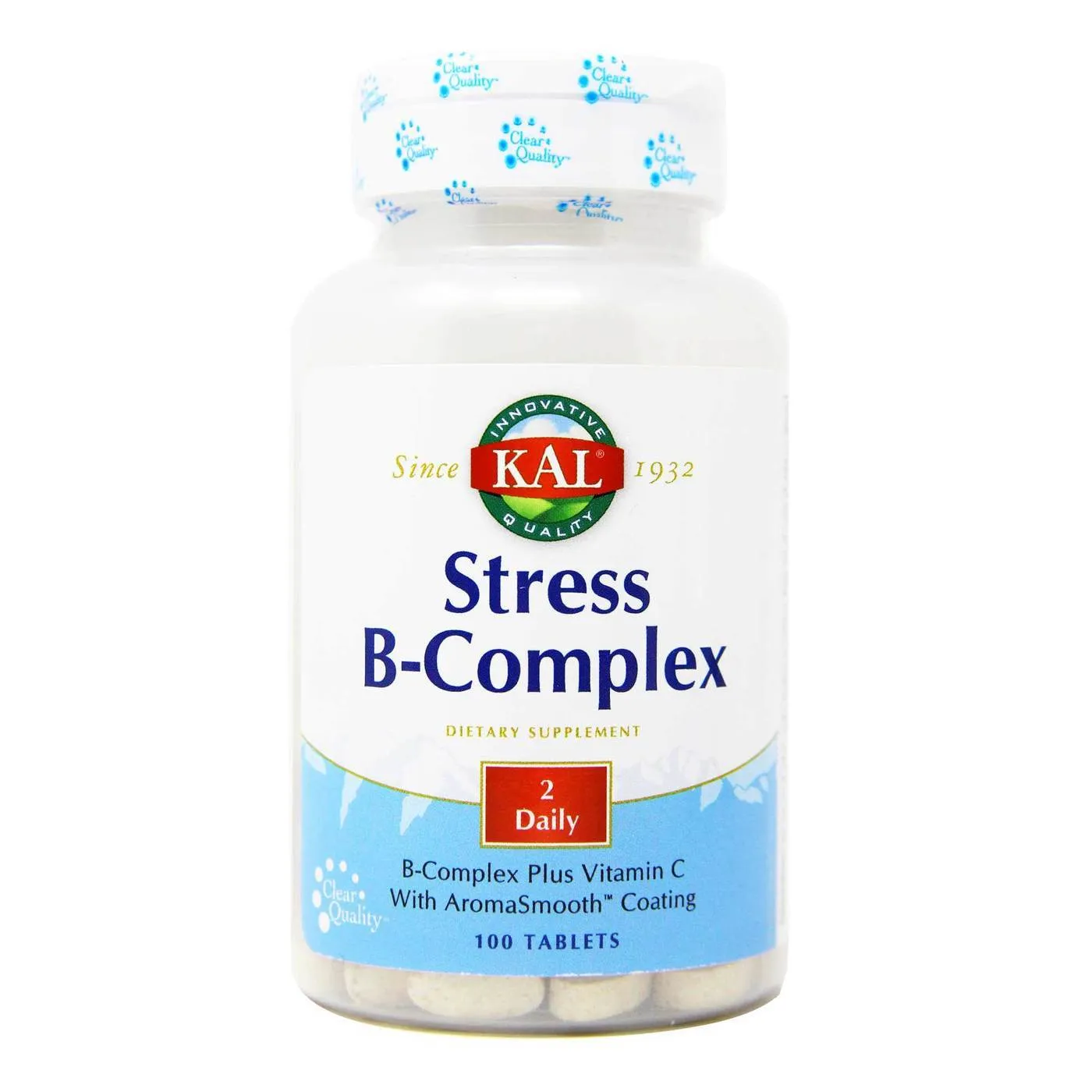
Vitamin intake plays a crucial role in managing stress levels, especially in today’s fast-paced world. While a well-balanced diet rich in vitamins is ideal, supplements can provide an additional boost when dietary intake may fall short. Understanding the advantages and disadvantages of vitamin supplements specifically for stress management can help individuals make informed decisions about their health.
When it comes to stress relief, vitamin supplements can offer several benefits, but they are not without drawbacks. Below are some key points to consider regarding the use of supplements for stress management:
Advantages and disadvantages of vitamin supplements for stress management
Vitamin supplements can be a convenient way to ensure that individuals receive essential nutrients that may help alleviate stress. However, it is important to note the potential downsides.
- Advantages:
-
Convenience in acquiring necessary nutrients quickly.
Supplements can be taken on-the-go, making it easier for busy individuals to meet their vitamin needs.
-
Targeted support for specific deficiencies.
For those lacking certain vitamins, such as B-complex or vitamin D, supplements can provide immediate support for stress management.
-
Consistency in dosage.
Unlike food sources, supplements provide a precise amount of vitamins, aiding in managing stress effectively.
-
- Disadvantages:
-
Risk of overdose.
Consuming excessive amounts of certain vitamins can lead to adverse effects, especially with fat-soluble vitamins.
-
Potential for interaction with medications.
Some supplements can interact negatively with prescription drugs, leading to further complications.
-
Neglecting food sources.
Relying solely on supplements may cause individuals to overlook the benefits of whole foods that provide additional nutrients and fiber.
-
In comparing natural food sources to synthetic supplements, it is essential to consider the overall effectiveness in stress management. Whole foods are generally regarded as the best source of vitamins since they contain a complex array of nutrients that work synergistically. While synthetic supplements can provide specific vitamins, they may lack the benefits of the accompanying phytonutrients found in foods.
Natural food sources versus synthetic supplements in effectiveness
Natural food sources typically have a more balanced profile of vitamins and minerals that can contribute to stress relief. Here are some important points to consider:
- Whole Foods:
-
Rich in antioxidants.
Foods like fruits and vegetables help combat oxidative stress, which is linked to anxiety and depression.
-
Improved bioavailability.
Nutrients in whole foods are often better absorbed by the body compared to synthetic forms.
-
Presence of additional beneficial compounds.
Whole foods provide dietary fiber and other nutrients that can support overall health and mood.
-
- Synthetic Supplements:
-
Targeted supplementation.
Supplements can directly address specific deficiencies that might exacerbate stress.
-
Ease of incorporation into daily routines.
For those with dietary restrictions or busy lifestyles, supplements may be easier to implement.
-
Potential for quality control.
Reputable brands ensure that their supplements undergo rigorous testing for potency and purity.
-
To effectively incorporate vitamins for stress relief into a daily routine, here is a sample supplement regimen that focuses on key vitamins known for their stress-reducing properties:
Sample daily supplement routine for stress relief
Creating a balanced supplement routine can optimize stress management. Here’s a suggested daily regimen:
1. Morning:
– Multivitamin: A quality multivitamin can cover a broad spectrum of vitamins essential for stress management.
– Vitamin B-complex: To support energy levels and combat fatigue associated with stress.
2. Afternoon:
– Vitamin D: Particularly important for mood regulation, especially in individuals with limited sun exposure.
– Omega-3 fatty acids: Known for their anti-inflammatory properties, they can help reduce anxiety.
3. Evening:
– Magnesium: Often referred to as the “relaxation mineral,” it can help calm the nervous system.
– Ashwagandha: An adaptogen that may help the body manage stress more effectively.
Incorporating these vitamins as part of a comprehensive stress management strategy can lead to improved well-being. Each individual’s needs may vary, so it is advisable to consult with a healthcare professional before starting any new supplement routine.
Lifestyle changes to complement vitamin intake for better stress management
Incorporating vitamins into your routine can significantly aid in stress relief, but their benefits can be greatly enhanced through complementary lifestyle changes. By making adjustments to your daily habits, you can create a holistic approach to stress management that not only supports your vitamin intake but also promotes overall well-being.
Hydration, sleep, and physical activity are three crucial lifestyle factors that work in tandem with vitamin consumption to improve stress levels. Staying hydrated helps maintain optimal bodily functions and can prevent fatigue, which often exacerbates stress. Adequate sleep is essential for mental clarity and emotional resilience, while regular physical activity releases endorphins, the body’s natural mood lifters, creating a supportive environment for vitamin effects.
Practical tips for integrating lifestyle changes
Implementing lifestyle modifications alongside your vitamin regimen can be straightforward and rewarding. Here are some practical tips to help you incorporate these changes seamlessly into your daily life:
- Stay Hydrated: Aim to drink at least 8 glasses of water a day. Keep a reusable water bottle with you to sip throughout the day. Herbal teas can also be a great hydrating option.
- Prioritize Sleep: Establish a consistent sleep schedule by going to bed and waking up at the same time every day. Create a calming bedtime routine that includes activities like reading or meditation to improve sleep quality.
- Engage in Regular Physical Activity: Try to include at least 30 minutes of moderate exercise most days of the week. This could be as simple as brisk walking, cycling, or practicing yoga, which also helps in managing stress.
- Practice Mindfulness: Incorporate techniques such as deep breathing, meditation, or yoga into your daily routine. These practices can help enhance the stress-relieving effects of vitamins.
- Limit Caffeine and Alcohol: Moderation is key. Excessive intake of caffeine and alcohol can lead to increased anxiety levels, counteracting the benefits of vitamins aimed at stress relief.
- Balanced Diet: Alongside your vitamin intake, focus on a balanced diet rich in whole foods, including plenty of fruits, vegetables, whole grains, and lean proteins to support overall health.
Integrating hydration, quality sleep, and regular physical activity into your lifestyle can significantly enhance the stress-relieving benefits of vitamins.
The impact of stress on vitamin absorption and metabolism
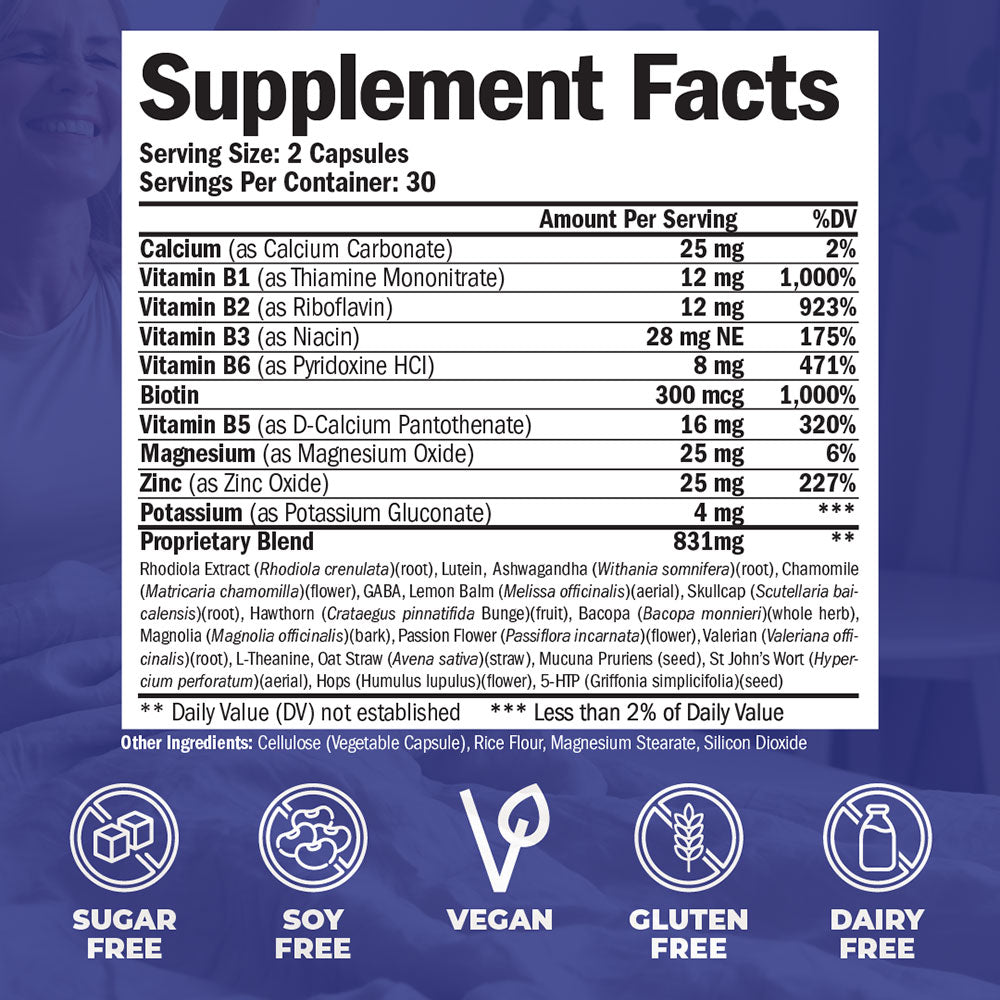
Chronic stress can significantly influence how the body absorbs and utilizes essential vitamins. When under stress, the body undergoes a series of physiological changes that can impede nutrient absorption and metabolism, leading to potential deficiencies and a range of health issues. Understanding this relationship is crucial for maintaining overall well-being, especially in our fast-paced lives.
Stress triggers the release of stress hormones like cortisol, which can alter gastrointestinal function and interfere with the absorption of various vitamins and minerals. For instance, stress may lead to a decrease in stomach acid production, which is essential for the proper breakdown and absorption of nutrients. Additionally, chronic stress can alter gut microbiota composition, further complicating nutrient absorption and leading to diminished overall health.
Effects of Stress on Specific Vitamins
The implications of impaired vitamin metabolism due to stress can be far-reaching. Various vitamins play pivotal roles in bodily functions, and deficiencies can lead to significant health challenges. Here are some key vitamins impacted by stress:
- Vitamin C: Stress can deplete vitamin C levels, which is vital for immune function and skin health.
- B Vitamins: Stress increases the demand for B vitamins, crucial for energy production and mental health, potentially leading to deficiencies.
- Vitamin D: Chronic stress may affect vitamin D metabolism, impacting bone health and immune response.
- Vitamin E: This vitamin, important for antioxidant protection, can be less effectively utilized during stressful periods, increasing oxidative stress in cells.
Chronic stress disrupts the body’s ability to absorb and utilize essential vitamins, leading to potential deficiencies and adverse health effects.
Personalizing vitamin intake to individual stress levels
As stress affects everyone differently, personalizing vitamin intake can play a crucial role in managing stress levels effectively. Individual needs can vary greatly based on numerous factors, such as age, gender, and lifestyle choices. By understanding these aspects, one can tailor their vitamin regimen to support their unique stress profile, ultimately enhancing overall well-being.
Several factors influence individual vitamin needs, particularly concerning stress resilience. Understanding these factors can empower individuals to make informed choices about their vitamin intake. Key elements include:
- Age: Nutritional requirements often change with age. For instance, older adults may require more vitamin B12 and vitamin D to support cognitive function and bone health.
- Gender: Women may need additional iron during menstruation, while men may require different levels of certain nutrients due to muscle mass and metabolism variations.
- Lifestyle: Factors such as diet, physical activity, sleep patterns, and stress management practices can significantly influence vitamin requirements. For example, those who exercise regularly may have increased needs for vitamins C and E, which aid in recovery and reduce oxidative stress.
Methods for assessing personal stress levels and corresponding vitamin requirements
To effectively tailor vitamin intake, assessing personal stress levels is essential. This can be achieved through various methods, including:
- Self-Assessment Tools: Utilizing online questionnaires or stress assessment scales can help individuals gauge their stress levels. These tools often cover emotional, physical, and behavioral indicators of stress.
- Journaling: Keeping a daily journal to track stress triggers and patterns can provide insights into stress levels and their impact on health. This practice can also highlight when and why additional nutrients might be necessary.
- Consulting Professionals: Working with healthcare providers or nutritionists can provide tailored advice. They can recommend tests to assess nutrient deficiencies and evaluate how stress affects the body’s vitamin needs.
Understanding personal stress profiles allows for a more nuanced approach to vitamin intake. Tailoring a regimen can involve adjusting dosages and selecting specific vitamins that align with one’s stress response. Important points to consider include:
- Stress Type: Identifying whether stress is acute (short-term) or chronic (long-term) helps determine the urgency and type of vitamins needed. For chronic stress, higher doses of adaptogenic vitamins like B-complex and magnesium may be beneficial.
- Dietary Sources: Incorporating foods rich in key vitamins into your diet, such as leafy greens for magnesium or citrus fruits for vitamin C, can enhance vitamin intake naturally.
- Supplement Options: When dietary changes are insufficient, supplements may be warranted, especially for vitamins like D and B12, which are often deficient in certain populations. Always consult a healthcare provider before starting new supplements.
“Each person’s response to stress is unique, and understanding one’s nutritional needs is key to stress management.”
Closing Notes
In conclusion, the journey through the impact of daily vitamins on stress relief highlights their essential role in maintaining emotional well-being. By understanding the relationship between specific vitamins and stress levels, individuals can take proactive steps to incorporate these nutrients into their diets. Whether through food or supplements, a personalized approach to vitamin intake, combined with lifestyle adjustments, can lead to improved stress management and overall health. Embracing these strategies will empower you to navigate life’s challenges with greater resilience and calm.
General Inquiries
What are the signs of vitamin deficiency related to stress?
Common signs include fatigue, irritability, difficulty concentrating, and increased anxiety levels.
How long does it take for vitamins to affect stress levels?
The effects can vary but may typically take a few weeks of consistent intake to notice improvements in stress management.
Are there any side effects of taking vitamin supplements for stress?
Some individuals may experience mild side effects such as digestive upset or headaches, so it’s vital to consult a healthcare provider before starting any new supplement.
Can I get enough vitamins from my diet alone?
Yes, it is possible to obtain sufficient vitamins through a balanced diet rich in fruits, vegetables, whole grains, and lean proteins.
Is it safe to combine different vitamin supplements?
Generally, it’s safe, but it’s recommended to consult a healthcare professional to avoid potential interactions or overdoses.

Leave a Reply