

Daily Vitamin K2 is becoming increasingly recognized for its pivotal role in promoting overall health, particularly for bone and cardiovascular wellness. As we delve into the intricacies of this vital nutrient, you’ll discover how it supports bone mineralization, aids in calcium metabolism, and fosters arterial health. This essential vitamin, often overlooked, carries significant benefits that are worth exploring for anyone looking to enhance their nutritional regimen.
Vitamin K2 works in harmony with other nutrients to optimize health outcomes, reducing risks associated with osteoporosis and heart disease. By understanding its dietary sources and how it interacts with vitamins D and calcium, we can better appreciate the importance of incorporating Vitamin K2 into our daily diets. This exploration not only highlights the science behind this nutrient but also presents practical insights to ensure you are getting enough of it for your well-being.
Daily Vitamin K2 and its Role in Bone Health
Vitamin K2 is gaining recognition for its essential role in maintaining bone health. While calcium and vitamin D are often highlighted in discussions regarding bone density and strength, vitamin K2 is equally crucial. This fat-soluble vitamin contributes significantly to bone mineralization and the overall structural integrity of bones. By activating proteins that bind calcium in bones, vitamin K2 helps ensure that calcium is deposited where it is needed and prevents it from accumulating in areas where it could be harmful, such as arteries.
Vitamin K2 specifically plays a pivotal role in the activation of osteocalcin, a protein produced by osteoblasts (bone-forming cells) that binds calcium to the bone matrix. Research indicates that adequate levels of vitamin K2 are associated with higher bone mineral density (BMD). A study published in the “Journal of Bone and Mineral Research” showed that individuals with higher vitamin K2 intake had significantly greater BMD compared to those with lower intake. Furthermore, another study indicated that vitamin K2 supplementation improved bone strength and reduced the rate of fractures in postmenopausal women, highlighting its potential for osteoporosis prevention.
Relationship between Vitamin K2 and Calcium Metabolism
Calcium metabolism is crucial for maintaining bone health, and vitamin K2 plays a vital role in regulating this process. When calcium enters the bloodstream, vitamin K2 helps ensure that it is directed to the bones and teeth rather than soft tissues. This is achieved through the activation of matrix Gla-protein (MGP), which inhibits calcification in arteries and other soft tissues, thus promoting cardiovascular health alongside strong bones.
The interplay between vitamin K2 and calcium is essential. Studies show that when calcium is supplemented without adequate vitamin K2, it may lead to calcium deposits in arteries rather than benefitting bone health. For example, a clinical trial found that participants who took calcium supplements alongside vitamin K2 experienced a more significant increase in bone density compared to those who received calcium alone. This relationship emphasizes the need for a balanced approach to calcium intake, ensuring that vitamin K2 is included to enhance its beneficial effects on bone health.
Several studies have highlighted the advantages of vitamin K2 for osteoporosis prevention. One notable study conducted in Japan observed postmenopausal women who received daily vitamin K2 supplementation. The results showed a significant reduction in fracture incidence over three years, showcasing vitamin K2’s protective role against bone loss. Additionally, a meta-analysis revealed that vitamin K2 supplementation could significantly improve bone mineral density in individuals at risk of osteoporosis, reinforcing its importance in bone health management.
The Connection Between Daily Vitamin K2 and Cardiovascular Health
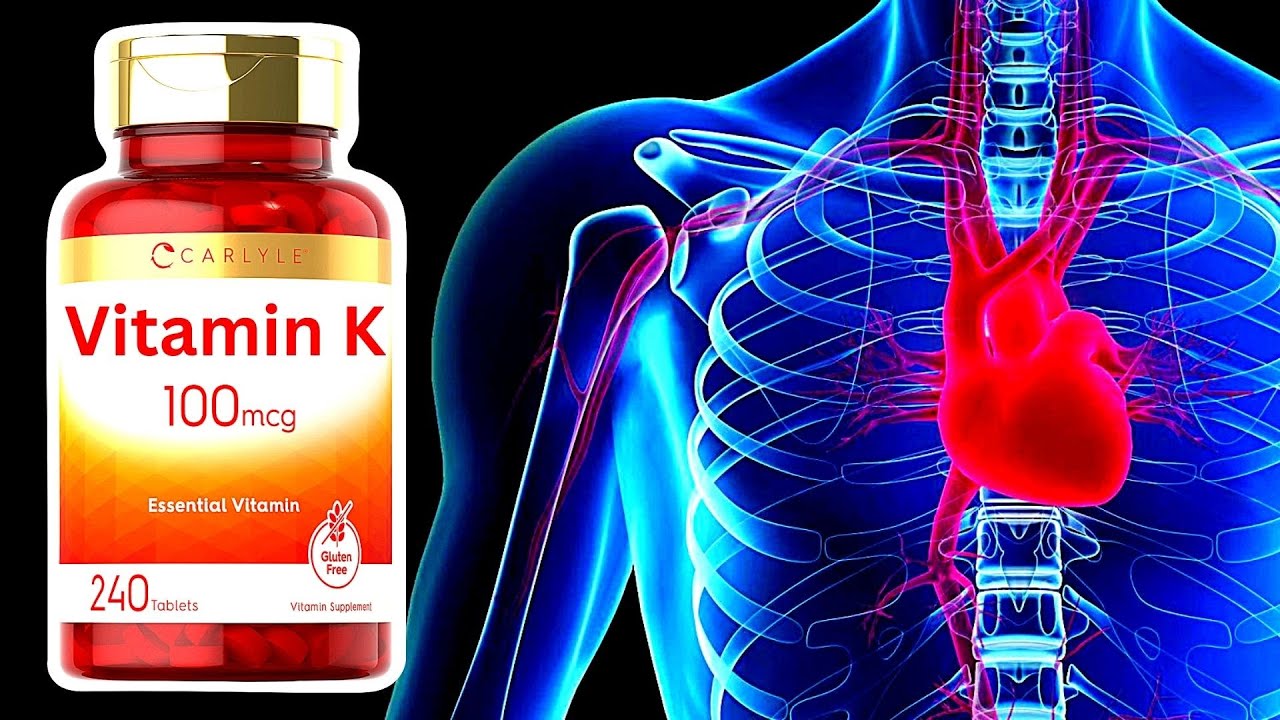
Vitamin K2 plays a pivotal role in maintaining cardiovascular health, primarily by supporting proper calcium metabolism in the body. Unlike its counterpart, Vitamin K1, which is predominantly involved in blood coagulation, Vitamin K2 has a unique ability to influence the health of our arteries and overall cardiovascular system. This connection is essential, as the accumulation of calcium in the arterial walls can lead to various cardiovascular diseases, including hypertension, heart attack, and stroke. Ensuring an adequate intake of Vitamin K2 can therefore be a crucial aspect of preventing such conditions.
Vitamin K2 assists in arterial health through various mechanisms. Primarily, it activates proteins that regulate calcium in the body. One of the key proteins is Matrix Gla-protein (MGP), which inhibits vascular calcification. When Vitamin K2 is present, MGP is activated and effectively binds to calcium ions, preventing them from depositing in the arteries. This process promotes healthy blood vessel elasticity and function. Additionally, Vitamin K2 enhances the activity of osteocalcin, a protein that helps to utilize calcium effectively for bone health, thus reducing the likelihood of calcium being deposited in soft tissues rather than bones. Furthermore, studies have shown that Vitamin K2 can improve endothelial function, which is vital for maintaining proper blood flow and reducing inflammation within the vascular system.
Impact of Vitamin K2 on Reducing Arterial Calcification
Arterial calcification is a significant risk factor for cardiovascular diseases, and Vitamin K2 has been shown to play a crucial role in mitigating this issue. By activating MGP, Vitamin K2 decreases the likelihood of calcium accumulation in the arterial walls. Research indicates that individuals with higher dietary intake of Vitamin K2 experience less arterial calcification compared to those with lower intakes.
For instance, a study published in the “Journal of the American Heart Association” found that higher Vitamin K2 consumption is associated with a lower incidence of coronary calcification. It was reported that participants with the highest K2 intake had a 50% lower risk of developing significant arterial calcification over a period of 7 to 10 years. In another study involving postmenopausal women, adequate Vitamin K2 levels were linked to improved arterial elasticity and reduced stiffness, indicators of vascular health.
In summary, the cardiovascular benefits of Vitamin K2 are supported by compelling evidence demonstrating its role in maintaining arterial health and preventing calcification. This highlights the importance of ensuring adequate intake of Vitamin K2 as part of a balanced diet to promote heart health.
{Dietary Sources of Vitamin K2 and Recommended Daily Intake}
Vitamin K2, a significant nutrient in maintaining bone health and cardiovascular function, is found in various foods. Understanding where to find this essential vitamin and how much you need can greatly enhance your overall well-being. In this section, we will explore various dietary sources rich in Vitamin K2 and the recommended daily intake across different age groups.
{Food Sources of Vitamin K2}
There are several foods that are particularly high in Vitamin K2, each offering unique nutritional benefits. These foods can be easily incorporated into a balanced diet.
- Natto: Fermented soybeans are the richest source of Vitamin K2. Just one serving can provide a whopping 1,000 µg of K2, significantly higher than the daily recommended intake. Natto is also rich in protein and probiotics, promoting gut health.
- Hard Cheeses: Cheeses like Gouda and Edam contain high levels of Vitamin K2. For instance, 100 grams of Gouda cheese can provide up to 75 µg of K2. They also offer calcium and phosphorus, important for bone health.
- Egg Yolks: A convenient source of Vitamin K2, a single egg yolk contains approximately 32 µg. Eggs are also a great source of high-quality protein and essential fatty acids.
- Chicken Liver: Rich in various nutrients, chicken liver provides about 13 µg of K2 per 100 grams. It is also an excellent source of vitamin A, iron, and B vitamins, supporting overall health.
- Fermented Foods: Foods like sauerkraut and kimchi also contribute to Vitamin K2 intake, with varying amounts based on the fermentation process. They additionally support gut health due to their probiotic content.
{Recommended Daily Intake of Vitamin K2}
Individual Vitamin K2 needs can vary by age, gender, and health status. Here is a guideline for daily intake recommendations:
| Age Group | Recommended Daily Intake (µg) |
|---|---|
| Infants (0-12 months) | 2.5 – 5 |
| Children (1-18 years) | 30 – 75 |
| Adults (19-50 years) | 90 – 120 |
| Pregnant and Lactating Women | 90 – 120 |
| Older Adults (50+ years) | 90 – 120 |
“Ensuring adequate Vitamin K2 intake through diet can contribute significantly to bone density and cardiovascular health.”
The Relationship Between Vitamin K2 and Other Nutrients
Vitamin K2 plays a crucial role in the body’s nutritional harmony, particularly in its interactions with other essential nutrients like Vitamin D, Calcium, and Magnesium. These nutrients work in concert to support bone health, cardiovascular well-being, and overall bodily functions. Understanding their synergistic relationships can significantly enhance nutritional strategies for optimal health.
Vitamin K2 and Vitamin D are particularly interlinked in their roles in calcium metabolism. While Vitamin D helps in the absorption of calcium from the intestine, Vitamin K2 directs calcium to the bones and teeth where it is needed, and away from soft tissues where it can cause harm. This coordination is vital for maintaining proper bone density and preventing issues such as osteoporosis. The formula for maintaining bone health can be summarized as follows:
Vitamin D increases calcium absorption, while Vitamin K2 ensures calcium is deposited in the bones rather than the arteries.
For instance, a diet rich in both Vitamin D and K2 can enhance bone health. Foods such as fatty fish, egg yolks, and cheese provide a good source of Vitamin D, while fermented foods like natto (a Japanese dish made from fermented soybeans) and certain cheeses are rich in Vitamin K2. Incorporating these foods into your diet can be a powerful strategy for maintaining strong bones.
Synergistic Effects of Vitamin K2 and Magnesium in Cardiovascular Health
The partnership between Vitamin K2 and Magnesium is essential for cardiovascular health. Magnesium assists in over 300 biochemical reactions in the body, including those that support heart function. When combined with Vitamin K2, magnesium plays a role in regulating blood pressure and maintaining healthy arterial function. This synergistic effect is particularly important for reducing the risk of cardiovascular diseases.
The influence of this combination can be best appreciated through dietary examples. Consuming foods such as leafy greens (which are high in both Magnesium and Vitamin K2), nuts, seeds, and whole grains can enhance the absorption of both nutrients. Here are examples of dietary combinations that can boost the intake of both:
- Spinach salad topped with pumpkin seeds and feta cheese
- Quinoa bowl with roasted vegetables and a dressing made from olive oil and apple cider vinegar
- Green smoothies made with kale, bananas, and almond milk
These combinations not only provide ample amounts of Magnesium and Vitamin K2, but they also ensure proper absorption through the presence of healthy fats and other complementary nutrients. By focusing on such dietary strategies, individuals can harness the power of these nutrients working together to support both bone and cardiovascular health.
Potential Deficiencies of Vitamin K2 and Their Consequences
Vitamin K2, often overlooked in discussions about nutrition, plays an essential role in maintaining various bodily functions, particularly in bone and cardiovascular health. A deficiency in this vital nutrient can lead to serious health issues that might not be immediately apparent. Understanding the signs, symptoms, and potential health risks associated with inadequate Vitamin K2 intake is crucial for proactive health management.
Vitamin K2 deficiency can manifest in several ways, although symptoms may not always be overt. Common signs include unexplained bruising, prolonged bleeding from cuts, and an increased tendency to bleed internally, such as in the gastrointestinal tract. These symptoms arise because Vitamin K2 is crucial for the synthesis of proteins involved in blood coagulation. In addition to bleeding issues, individuals may experience weakened bones, resulting in a higher risk of fractures. This occurs due to the role of Vitamin K2 in calcium metabolism, where it helps direct calcium to the bones and teeth while preventing its accumulation in soft tissues.
Health Conditions from Inadequate Vitamin K2 Intake
A lack of Vitamin K2 can lead to significant health conditions that primarily affect bone density and cardiovascular health. It is essential to understand these potential repercussions to grasp the importance of maintaining adequate levels of this vitamin.
1. Osteoporosis: Low levels of Vitamin K2 are linked with decreased bone mineral density, heightening the risk of osteoporosis. This condition is particularly concerning for older adults, especially postmenopausal women, who are already at an increased risk for bone loss.
2. Cardiovascular Disease: Insufficient Vitamin K2 can contribute to arterial calcification, where calcium deposits build up in the arteries instead of being utilized in the bones. This condition is a significant risk factor for cardiovascular disease and can lead to heart attacks or strokes.
3. Dental Issues: Vitamin K2 plays a role in dental health as well, with deficiencies potentially leading to tooth decay and weakened dental structures due to poor calcium regulation.
4. Chronic Conditions: Some studies suggest that inadequate Vitamin K2 intake may be associated with conditions like diabetes and certain cancers, though more research is needed to establish direct links.
To prevent Vitamin K2 deficiency, several measures can be taken. Incorporating Vitamin K2-rich foods into the diet is a primary step. These foods include fermented items like natto, certain cheeses, and egg yolks. Additionally, supplements may be considered, especially for individuals at risk, such as the elderly or those with malabsorption issues.
It’s also advisable for various populations, including vegetarians or individuals on restricted diets, to pay closer attention to their Vitamin K2 intake. Regular health check-ups that include nutrient level assessments can provide early warnings of deficiencies, allowing for timely dietary adjustments or supplementation. By being proactive, individuals can safeguard their health against the adverse effects of Vitamin K2 deficiency.
The Role of Vitamin K2 in Aging and Longevity

Vitamin K2 is garnering attention for its potential role in the aging process, particularly regarding bone health, cardiovascular function, and cellular longevity. As we age, maintaining optimal health becomes increasingly important, and the nutrients we consume play a vital role in this journey. Recent research highlights Vitamin K2’s contributions to longevity and its ability to combat age-related ailments.
Vitamin K2 is essential for the activation of proteins that regulate calcium metabolism in the body. This regulation is crucial as improper calcium utilization can lead to conditions such as osteoporosis and arterial stiffness, both of which are common in aging populations. Research indicates that Vitamin K2 helps to prevent the calcification of arteries, which is a significant risk factor for cardiovascular diseases—one of the leading causes of death in older adults. Furthermore, studies suggest that higher intakes of Vitamin K2 are associated with a lower risk of fractures and improved bone mineral density.
Anti-Aging Properties of Vitamin K2 Based on Research Studies
Numerous studies have explored the anti-aging properties of Vitamin K2, demonstrating its effects at the cellular level. One notable study published in the journal *Nutrients* found that Vitamin K2 contributes to the activation of proteins that inhibit cell death and promote cellular longevity. This effect may help in reducing the risk of age-related diseases, thereby enhancing life span.
Additionally, ongoing research emphasizes the importance of dietary sources of Vitamin K2. Foods such as fermented soy products (natto), hard cheeses, and certain animal products are rich in this vital nutrient. Incorporating these into a balanced diet can support the body’s natural processes of aging. For instance, a regular intake of Vitamin K2 has been linked with improved cardiovascular health, which is vital for longevity.
Moreover, insights from population studies suggest that individuals with higher levels of Vitamin K2 in their diets tend to have lower mortality rates. This correlation highlights the nutrient’s potential in promoting longevity and healthy aging.
In summary, incorporating Vitamin K2 into daily nutrition can significantly contribute to health maintenance as we age. It supports bone health, cardiovascular function, and may even play a role in enhancing lifespan through its cellular protective properties. By prioritizing sources of Vitamin K2 in our diets, we can take proactive steps toward healthier aging.
Closure
In conclusion, integrating Daily Vitamin K2 into your diet is a proactive step toward enhancing bone strength and supporting heart health. By recognizing the signs of deficiency and understanding how to optimize your intake through dietary choices, you can take charge of your health and longevity. As research continues to unveil the myriad benefits of Vitamin K2, it is clear that this nutrient is a key player in maintaining overall wellness and vitality as we age.
FAQ Resource
What foods are high in Vitamin K2?
Foods rich in Vitamin K2 include fermented foods like natto, hard cheeses, egg yolks, chicken, and liver. These sources can help you meet your daily intake needs.
How much Vitamin K2 should I take daily?
The recommended daily intake varies, but adults typically should aim for 90-120 micrograms, depending on age and gender. It’s wise to consult with a healthcare professional for personal recommendations.
Can I get enough Vitamin K2 from my diet alone?
Many people can meet their K2 needs through diet, especially if they consume fermented foods and animal products regularly. However, some may require supplementation based on dietary restrictions or health conditions.
Are there any side effects of taking Vitamin K2?
Vitamin K2 is generally considered safe when taken in appropriate amounts. However, individuals on anticoagulant medications should consult their healthcare provider before increasing intake.
Does Vitamin K2 help with weight loss?
While Vitamin K2 is not a weight-loss supplement, it may support overall metabolic health, which can indirectly assist in weight management.

Leave a Reply