

Daily vitamin softgels have become a go-to choice for many individuals seeking a convenient and effective way to enhance their overall health. With the demands of modern life, finding a simple solution to meet nutritional needs can be a challenge. These softgels not only offer essential vitamins but are also easy to swallow and portable, making them an ideal supplement for busy lifestyles.
Unlike traditional vitamin forms, such as tablets or powders, softgels provide a pleasant experience, with many users noting their smooth texture and quick absorption. Popular brands have tailored their offerings to suit various health goals, ensuring that everyone can find a formula that meets their specific needs. As we delve deeper into the world of daily vitamin softgels, we will explore their numerous benefits, how to choose the right ones, and debunk some common misconceptions surrounding vitamin supplementation.
Daily vitamin softgels as a convenient dietary supplement
Daily vitamin softgels have emerged as a popular choice for individuals seeking a simple and effective way to enhance their nutritional intake. Unlike traditional tablets or powders, softgels offer a unique combination of benefits that cater to the needs of modern consumers. Their smooth texture makes them easier to swallow, particularly appealing to those who struggle with larger pills. Additionally, the oil-based formulation in softgels allows for better absorption of fat-soluble vitamins, ensuring that the body optimally utilizes the nutrients provided.
One of the primary advantages of daily vitamin softgels is their convenience. For many people, integrating vitamins into their daily routine can be a challenge, especially for those with hectic schedules. Softgels are not only compact but also portable, making them an easy addition to any busy lifestyle. Individuals can simply toss a bottle in their bag or keep it on their desk, allowing for quick access whenever needed. This ease of consumption helps eliminate the barriers to regular supplementation, as softgels can be taken with or without food, fitting seamlessly into meal routines or snack breaks.
Examples of popular vitamin softgels for daily supplementation
A variety of vitamin softgels are available on the market, each targeting specific health needs. Here’s a look at some of the most sought-after options:
- Vitamin D3 Softgels: Essential for bone health and immune support, Vitamin D3 softgels are particularly beneficial for individuals living in areas with limited sunlight exposure.
- Omega-3 Fish Oil Softgels: Known for their heart and brain health benefits, these softgels provide essential fatty acids that many diets lack.
- Multivitamin Softgels: Comprehensive blends of essential vitamins and minerals, multivitamin softgels offer a convenient way to ensure balanced nutrition.
- Vitamin E Softgels: With antioxidant properties, Vitamin E softgels support skin health and overall vitality, making them a popular choice for those focused on aging gracefully.
The selection of softgels can vary significantly based on individual health goals and dietary requirements. These easily digestible options enable consumers to maintain their wellness goals without compromising on convenience.
“Softgels provide a user-friendly option for those who want to enhance their daily nutrition without the hassle of multiple pills.”
The role of essential vitamins in overall health
Essential vitamins are fundamental components of our daily nutritional needs, playing pivotal roles in maintaining optimal health and preventing various diseases. Daily vitamin softgels are an easy and effective way to supplement these vital nutrients, ensuring that individuals receive adequate amounts of these essential compounds. These vitamins work synergistically to fortify immune function, enhance energy levels, and contribute to the health of our skin, among other benefits.
One of the most important aspects of essential vitamins is their specific health benefits. Here are some key vitamins commonly found in daily softgel supplements and their contributions to overall well-being:
Key Vitamins and Their Health Benefits
The following vitamins are frequently included in daily vitamin softgels, each serving unique purposes that support various bodily functions:
- Vitamin A: This vitamin is crucial for vision, immune function, and skin health. It helps in the maintenance of healthy skin by promoting cell production and differentiation.
- Vitamin C: Known for its antioxidant properties, Vitamin C boosts the immune system, enhances collagen production for skin health, and aids in the absorption of iron from plant-based foods. Studies suggest that adequate Vitamin C intake can lower the risk of chronic diseases.
- Vitamin D: Vital for bone health, Vitamin D also plays a significant role in immune function. Deficiencies in this vitamin have been linked to an increased susceptibility to infections. The Institute of Medicine recommends a daily intake of 600 IU for adults.
- Vitamin E: This antioxidant vitamin protects cells from damage and is crucial for immune function. It also supports skin health by preventing oxidative stress that can lead to premature aging.
- Vitamin B complex: This includes various B vitamins like B1, B2, B3, B6, and B12, which are essential for energy metabolism. They help convert food into energy and play roles in brain health and red blood cell formation.
These vitamins work collectively to enhance immune function, promote energy levels, and support skin health. For example, Vitamin C and Vitamin D together can significantly bolster the immune response, making the body more resilient to infections. Furthermore, the B vitamins contribute to energy production by facilitating the metabolism of carbohydrates and fats, ensuring that the body has the energy it needs for daily activities.
Several scientific studies underline the importance of daily vitamin intake. For instance, a study published in the “American Journal of Clinical Nutrition” highlighted that individuals who supplemented with Vitamin D showed a marked reduction in the incidence of respiratory infections. Additionally, research in the “Journal of Investigative Dermatology” demonstrated that Vitamin E can protect skin from UV damage and improve its overall appearance.
In summary, incorporating a daily vitamin softgel into one’s routine can provide essential nutrients that support immune health, enhance energy levels, and improve skin quality. These vitamins are vital components of a holistic approach to health, contributing to the prevention of deficiencies and the promotion of overall well-being.
How to choose the right daily vitamin softgels for individual needs
Choosing the right daily vitamin softgels can make a significant difference in your overall health and wellness. With the plethora of options available, it’s essential to consider several factors that cater specifically to your individual needs. By understanding your age, gender, and any existing health conditions, you can select a product that supports your body effectively.
When selecting vitamin softgels, age and gender play crucial roles. For instance, children often require different vitamins compared to adults, focusing on growth and development. Women may need additional iron and calcium, especially during pregnancy or menopause, while men might benefit from vitamins that support prostate health. Additionally, older adults may require higher dosages of specific vitamins like Vitamin D for bone health, or B12 for energy levels. Understanding these needs can guide your choices and ensure you are getting the nutrients that matter most to you.
Importance of Reading Labels
Reading labels on vitamin softgels is an essential step in making informed decisions. Ingredient composition and dosages can vary significantly from one brand to another. Consumers should look for clear information regarding the types of vitamins included, their sources, and the recommended daily allowances (RDAs).
Important phrases to note include:
“Look for transparency in ingredient sourcing and avoid softgels with artificial additives.”
This means selecting products that use natural sources for vitamins and are free from fillers or unnecessary chemicals. Checking the expiration date is also crucial to ensure efficacy.
When comparing different brands, consider the following checklist that can aid in your decision-making process:
- Check the vitamin composition: Are all necessary vitamins included?
- Assess the dosages: Do they meet your daily nutritional requirements?
- Review ingredient sourcing: Are the vitamins natural or synthetic?
- Look for certifications: Has the product been tested for quality and safety? (e.g., NSF, USP)
- Evaluate the presence of allergens: Are there any potential allergens like gluten or shellfish?
- Consider the form and size: Are the softgels easy to swallow?
- Research brand reputation: What do other consumers say about the effectiveness?
Using this checklist can help narrow down your options and lead you to the right daily vitamin softgels tailored to your specific health needs. By taking the time to choose wisely, you invest in maintaining your health effectively and efficiently.
Common misconceptions about vitamin supplementation
Many people believe that taking vitamin supplements, such as daily softgels, can completely substitute for a nutritious diet. This misconception can lead to poor dietary choices and ultimately impact overall health. While supplements can play a supportive role in filling nutritional gaps, they are not a replacement for the diverse range of nutrients found in whole foods. Understanding these myths is essential for making informed choices about health and wellness.
The first misconception is that vitamin supplements can provide all the nutrients needed for optimal health and can replace meals. While supplements can help provide essential vitamins and minerals, they often lack the complete matrix of nutrients and bioactive compounds that whole foods offer. For instance, fruits and vegetables contain not just vitamins, but also fiber, antioxidants, and phytochemicals that work synergistically to promote health. Relying solely on supplements may prevent individuals from obtaining the full spectrum of nutrients necessary for bodily functions and disease prevention.
Differences between nutrients from food and supplements
When considering nutrient intake, it’s crucial to examine how the body absorbs and utilizes vitamins from food compared to supplements. Whole foods are typically more beneficial for several reasons:
- Bioavailability: Nutrients in whole foods are more readily absorbed by the body due to the presence of other compounds that enhance their digestion and utilization. For example, the vitamin C in an orange is more effectively absorbed alongside the natural sugars and fiber present in the fruit.
- Synergy of Nutrients: Foods work together to provide health benefits that isolated supplements may not replicate. For instance, the combination of iron and vitamin C in a meal enhances iron absorption, while taking iron alone may not provide the same effect.
- Reduced Risk of Toxicity: Whole foods typically contain nutrients in naturally balanced amounts, whereas supplements can sometimes provide excessively high doses that may lead to toxicity. For example, too much vitamin A from supplements can be harmful, whereas it is virtually impossible to consume toxic levels from food sources alone.
It’s also important to clarify the limitations of supplements. While they may provide a convenient way to increase nutrient intake, they often lack the full range of benefits found in whole foods. Supplements should not be seen as a cure-all or a stand-in for balanced nutrition.
“Whole foods provide the nutrients the body needs in a natural context, which is vital for optimal health.”
Additionally, certain vitamins and minerals work best when consumed through food rather than isolated in a pill form. For instance, vitamin E from nuts and seeds can have different effects on the body compared to synthetic forms found in supplements. This is crucial for anyone seeking to improve their health through nutrition.
In summary, while daily vitamin softgels can be useful for addressing specific deficiencies, they are not a substitute for a healthy, varied diet. Understanding the differences between nutrients from food and those from supplements can help individuals make better choices regarding their health and nutrition.
The importance of consistency in taking daily vitamin softgels
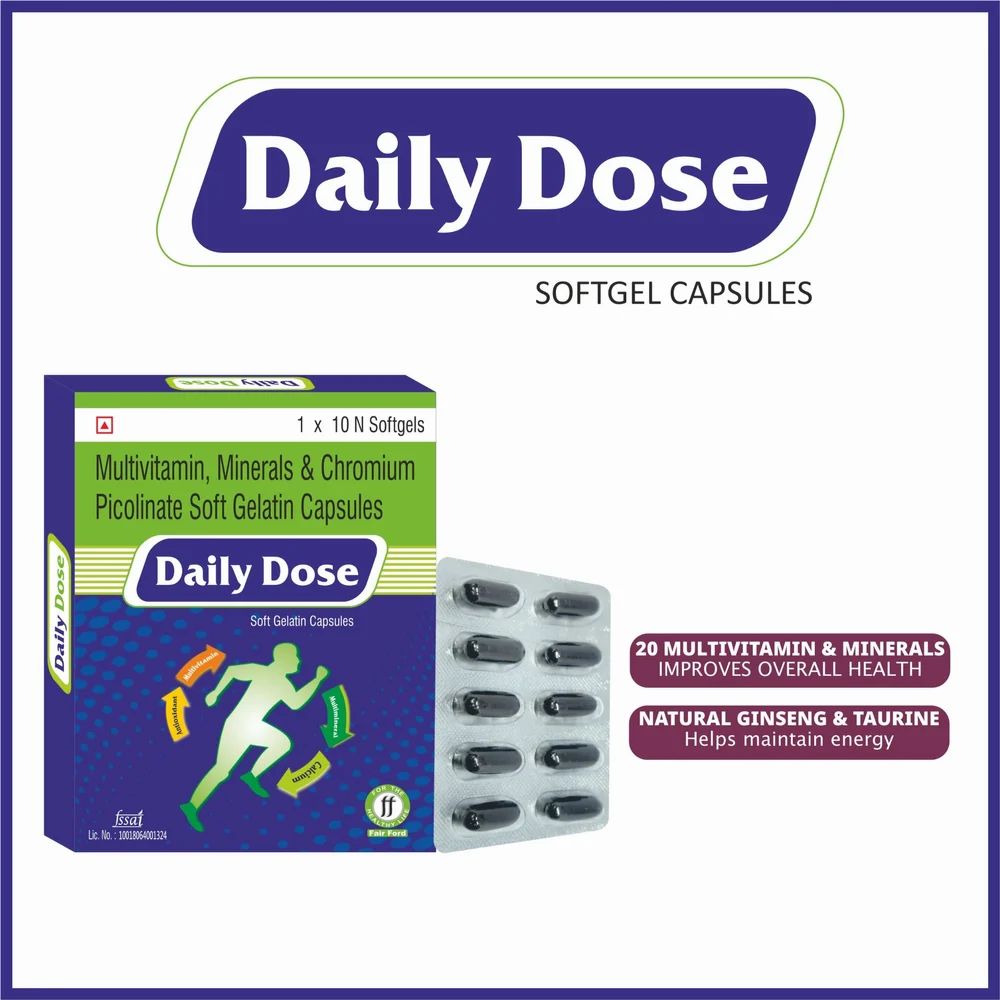
Regularly consuming vitamin softgels can significantly impact overall health outcomes. When vitamins and minerals are taken consistently, they work synergistically within the body to support various functions, such as boosting the immune system, enhancing energy levels, and promoting skin health. A well-structured daily intake ensures that the body has a steady supply of essential nutrients, which can prevent deficiencies that may lead to health complications over time. For instance, taking vitamin D consistently can help maintain healthy bones and can be particularly beneficial during the winter months when sunlight exposure is limited.
Establishing a routine that incorporates daily vitamins can be easily achieved with a few practical strategies. First, choosing a specific time of day to take vitamins can create a habit. For instance, many people find it helpful to take their softgels in the morning alongside breakfast, making it a part of their daily morning ritual. Another effective method is to keep the vitamin softgels in a visible spot, like next to the coffee maker or by the toothbrush, to serve as a reminder. Additionally, using a pill organizer can help manage doses and ensure that no days are missed. Setting up reminders on a smartphone or using a habit-tracking app can also reinforce the routine.
Many individuals have shared their positive experiences with the consistent use of vitamin softgels. For example, Sarah, a busy working mom, reported that after incorporating daily vitamin D and B12 softgels into her routine, she felt more energetic and less fatigued throughout the day. Similarly, John, a college student, noticed that regular intake of multivitamins improved his focus and productivity during exams. These testimonials highlight how consistency not only fosters a healthier lifestyle but also enhances daily functioning, leading to significant improvements in overall well-being.
Incorporating these habits into daily life can lead to long-lasting health benefits, making the effort to remember to take vitamins worth it.
Potential side effects and safety of daily vitamin softgels
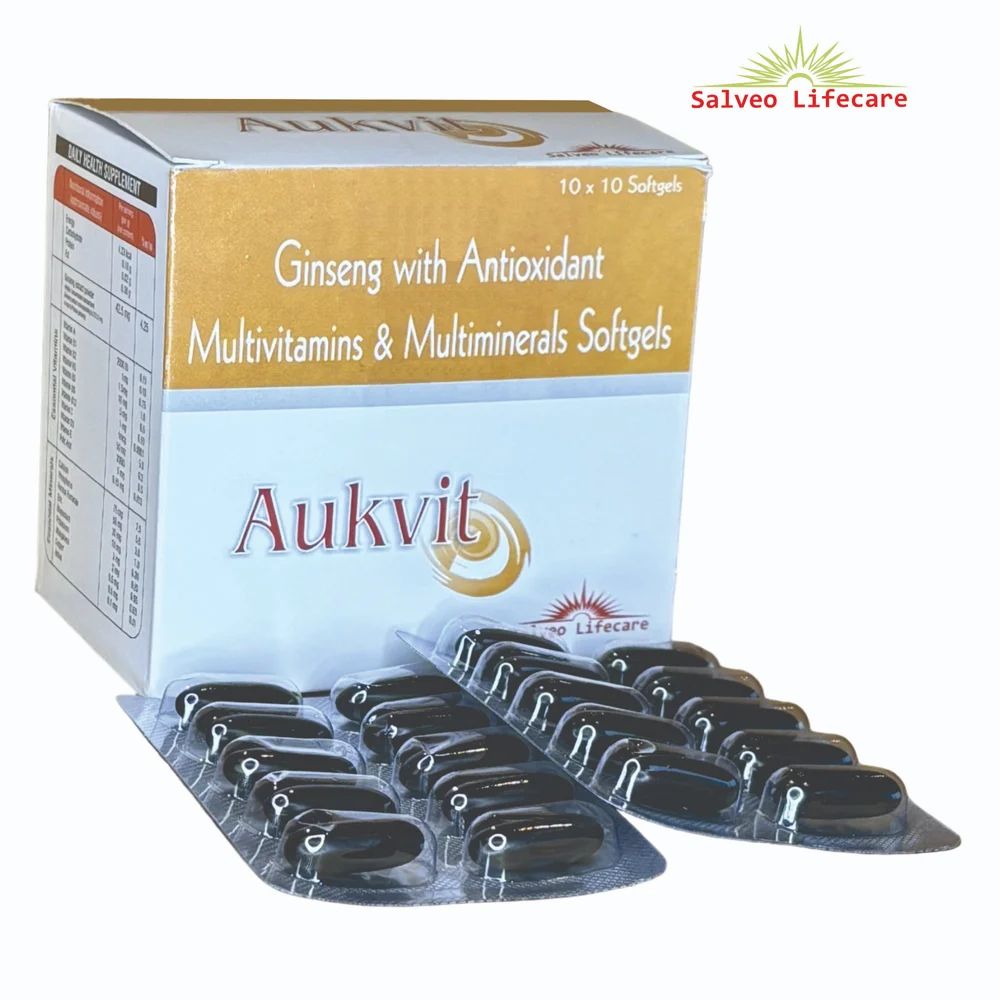
Vitamin softgels are a convenient way to ensure that your body receives essential nutrients. However, like any supplement, they may carry potential side effects and safety concerns. Understanding these aspects can help consumers make informed decisions regarding their health and supplementation routines.
Some common side effects associated with daily vitamin softgels may include gastrointestinal discomfort, nausea, and allergic reactions. It is important to consider that individual reactions can vary based on factors such as dosage, specific ingredients, and personal health conditions. To mitigate these side effects, individuals can take softgels with meals, which may help reduce nausea and improve absorption. Additionally, it’s advisable to start with lower doses and gradually increase them to allow the body to adjust. Staying hydrated and maintaining a balanced diet can also play a crucial role in minimizing adverse reactions.
Comparison of safety profiles of vitamin supplements
When examining the safety of vitamin supplements, it’s essential to differentiate between synthetic and natural sources. Synthetic vitamins are chemically manufactured and may sometimes lead to side effects when consumed in high doses. For instance, excessive intake of synthetic Vitamin A can lead to toxicity, while natural sources tend to have a lower risk of overdose due to their complex nutrient compositions.
Natural vitamins, derived from whole foods, are generally considered safer. They often come with additional beneficial compounds, such as fiber and phytonutrients, which can enhance their absorption and efficacy. However, one should still be cautious, as some natural sources can also cause allergic reactions in sensitive individuals.
To illustrate the nutritional content and potential side effects of popular softgel brands, the table below summarizes key comparisons:
| Brand | Nutritional Content | Common Side Effects |
|---|---|---|
| Nature Made | Vitamin C, D3, E, Zinc | Gastrointestinal upset, allergic reactions |
| Garden of Life | B Vitamins, Omega-3, Probiotics | Nausea, bloating |
| NOW Foods | Multivitamin A-Z | Headaches, stomach cramps |
| Solgar | Vitamin D3, B12, Antioxidants | Fatigue, skin rashes |
Understanding the differences between brands, their nutritional profiles, and associated side effects can empower consumers to choose the right daily vitamin softgels for their needs. Always remember that individual responses can vary, and consulting a healthcare professional before starting any new supplement regimen is advisable.
The future of vitamin supplementation in the health industry
The landscape of vitamin supplementation is evolving rapidly, driven by advancements in science and changing consumer preferences. As individuals become more health-conscious and informed about nutrition, the demand for innovative and effective vitamin products is on the rise. With an increasing emphasis on quality, efficacy, and personalization, the future of vitamin supplementation promises to be both fascinating and transformative.
Emerging trends in vitamin softgel formulation are setting the stage for a more tailored approach to supplementation. Consumers are now seeking products that not only deliver essential nutrients but also offer enhanced absorption and bioavailability. Ingredients such as phytosome technology, which combines plant extracts with phospholipids, are gaining traction due to their ability to improve nutrient absorption. Additionally, the incorporation of functional ingredients like probiotics and adaptogens into vitamin softgels is becoming popular, reflecting a holistic approach to health that addresses both physical and mental well-being.
Personalized vitamin supplementation trends
The growing interest in personalized vitamin supplementation is reshaping the industry. Consumers are increasingly recognizing that a one-size-fits-all approach does not address their unique health needs. Advances in genomics and personalized medicine are enabling companies to develop products tailored to an individual’s genetic profile and health data. This trend is supported by a slew of companies offering customized vitamin packs based on personal health assessments, lifestyle choices, and even DNA analysis.
The following points highlight key factors influencing this trend:
- Genetic testing – Companies like 23andMe and DNAfit are leading the way by providing genetic tests that help consumers understand their nutritional requirements based on their genetic makeup.
- Health assessments – Personalized health assessments through questionnaires allow consumers to identify deficiencies and health priorities, leading to more targeted supplementation.
- Technology-driven solutions – Mobile apps and online platforms are becoming essential tools to help consumers track their health metrics and adjust their vitamin intake accordingly.
- Convenience and accessibility – Subscription models for personalized vitamin packs make it easier for consumers to access tailored supplementation without hassle.
As the health industry continues to embrace technological innovations, research into new formulations and delivery methods is also on the rise. For instance, nanotechnology is being explored to enhance the bioavailability of vitamins, allowing for lower doses while achieving the same or better efficacy. Furthermore, ongoing research into the gut microbiome and its connection to nutrient absorption is expected to influence future product developments, creating a synergy between gut health and vitamin supplementation.
In summary, the future of vitamin supplementation is bright, characterized by a shift towards personalization, innovative formulations, and the integration of technology. As consumers become more discerning, the health industry must adapt to meet their evolving needs and preferences, ensuring that vitamin supplementation is not just a routine, but a tailored experience that enhances overall well-being.
Summary
In conclusion, daily vitamin softgels represent a practical approach to filling nutritional gaps in our diets. With their myriad of health benefits, ease of use, and growing popularity, incorporating them into your daily routine can significantly impact your well-being. By understanding how to select the right softgels for your personal needs and maintaining consistency in consumption, you can pave the way for a healthier lifestyle.
Essential Questionnaire
What are the main benefits of daily vitamin softgels?
Daily vitamin softgels provide essential nutrients that support overall health, boost immune function, and promote energy levels, all in a convenient format.
Can I take vitamin softgels on an empty stomach?
It is generally recommended to take vitamin softgels with food to enhance absorption and reduce the risk of stomach discomfort.
Are there any specific side effects associated with vitamin softgels?
While side effects are rare, some individuals may experience mild digestive issues. It’s important to choose high-quality brands to minimize risks.
How do I know which vitamin softgel is right for me?
Consider factors such as your age, gender, dietary restrictions, and specific health goals when selecting vitamin softgels. Consulting with a healthcare provider can also help.
Can vitamin softgels replace a healthy diet?
No, while they can supplement your diet, they should not be seen as a replacement for a balanced and varied diet rich in whole foods.

Leave a Reply