
Delving into Daily vitamins with food, understanding the synergy between vitamins and meals can significantly enhance your overall health. Many people overlook the crucial role that food plays in the absorption and effectiveness of vitamins, which can lead to misconceptions about the best times to take them. A thoughtful approach to combining your vitamin intake with a balanced diet not only maximizes nutrient absorption but also ensures you reap the full benefits of these essential supplements.
Taking vitamins with food helps to improve their bioavailability, allowing your body to utilize them effectively. Different vitamins have unique interactions with various food types, and recognizing these can help you make smarter dietary choices. Furthermore, many individuals may not realize the potential digestive issues that can arise when consuming vitamins on an empty stomach, reinforcing the need for informed vitamin practices.
The Importance of Taking Daily Vitamins with Food
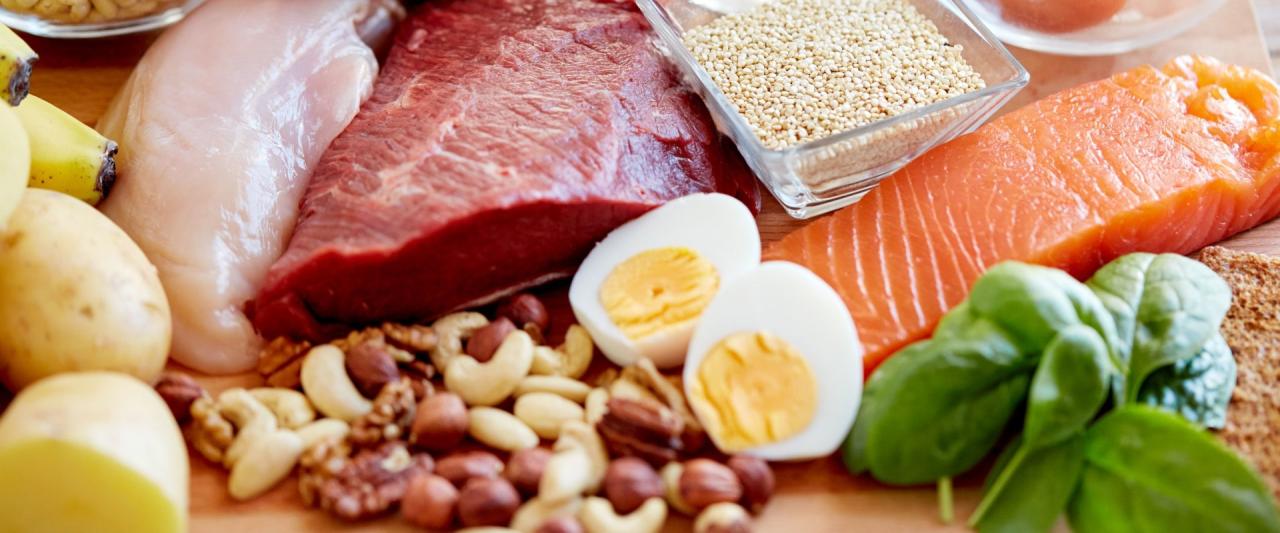
Daily vitamins play a crucial role in maintaining our overall health, enhancing immune function, and supporting bodily processes. However, the effectiveness of these vitamins can significantly increase when taken with food. This approach not only aids in nutrient absorption but also helps to maximize the benefits that specific vitamins can offer. When we consume vitamins alongside our meals, we tap into the synergistic effects of food components, ensuring that our bodies can utilize these nutrients to their fullest potential.
Taking vitamins with food enhances nutrient absorption, particularly for fat-soluble vitamins such as A, D, E, and K. These vitamins require dietary fats for optimal absorption into the bloodstream. For instance, incorporating healthy fats like avocado, olive oil, or nuts in your meals can improve the uptake of these vital vitamins. On the other hand, water-soluble vitamins, such as B-complex and C, also benefit from food, as the presence of food can slow down their passage through the digestive system. This allows for more efficient absorption in the intestines.
Food’s Role in Maximizing Vitamin Effectiveness
Several foods and their properties can amplify the effectiveness of various vitamins. Understanding these interactions can lead to better health choices:
– Vitamin C and Iron: Consuming vitamin C-rich foods like citrus fruits or bell peppers alongside iron sources such as spinach or meat significantly improves iron absorption. This combination is particularly beneficial for individuals at risk of anemia.
– Vitamin D and Calcium: Foods rich in calcium, such as yogurt or fortified plant-based milks, work in tandem with vitamin D. This vitamin aids in calcium absorption, which is essential for bone health.
– B Vitamins and Whole Grains: The B vitamins, crucial for energy metabolism, are often found in whole grains. Consuming these grains not only provides B vitamins but also fiber, which enhances gut health and further aids absorption.
Several misconceptions exist about taking vitamins on an empty stomach versus with food. One common belief is that taking vitamins without food can lead to better absorption. In reality, some vitamins, particularly fat-soluble ones, may cause gastrointestinal discomfort if taken on an empty stomach. Additionally, it is incorrect to assume that water-soluble vitamins are not influenced by food. While they don’t require fats for absorption, the presence of food can slow digestion and facilitate better uptake. Furthermore, many people mistakenly think that any food will suffice. However, the quality and type of food consumed play a significant role in enhancing vitamin effectiveness.
“Taking vitamins with a balanced meal is not just beneficial; it’s essential for maximizing their potential.”
Best Types of Food to Pair with Daily Vitamins
Pairing vitamins with the right foods can significantly enhance nutrient absorption and overall health benefits. Certain foods not only complement specific vitamins but also play a crucial role in maximizing their efficacy in the body. Understanding these food pairings can elevate your daily vitamin intake from a routine to a more impactful health strategy.
Combining vitamins with various macronutrients—fats, proteins, and carbohydrates—can improve absorption rates and ensure that your body effectively utilizes these essential nutrients. For instance, some vitamins are fat-soluble, meaning they require fat for optimal absorption, while others are better absorbed with protein or carbohydrates. Here are some key food types that pair well with specific vitamins for optimal health.
Foods That Enhance Vitamin Absorption
When it comes to maximizing vitamin absorption, understanding which foods to pair is essential. Below is a detailed list of foods that complement specific vitamins:
- Vitamin A: This vitamin is best absorbed with healthy fats. Foods like avocado, olive oil, and nuts can enhance absorption.
Combining carrots or sweet potatoes with a drizzle of olive oil increases vitamin A uptake.
- Vitamin D: Pair vitamin D with fatty fish, egg yolks, or dairy products. These foods provide the necessary fats that enhance absorption.
Consuming salmon or sardines alongside dark leafy greens boosts vitamin D effectiveness.
- Vitamin E: Like vitamins A and D, vitamin E is fat-soluble and can be better absorbed when paired with nuts, seeds, or oils.
A handful of almonds or a spoonful of sunflower seeds can significantly increase the effects of vitamin E supplements.
- Vitamin C: Known for its role in iron absorption, pairing vitamin C-rich foods like citrus fruits or bell peppers with iron-rich foods enhances absorption.
Eating spinach or lentils with a side of orange slices can maximize iron intake.
- Vitamin B12: This vitamin is best absorbed with protein sources such as fish, meat, eggs, and dairy.
A breakfast of scrambled eggs with cheese is an effective way to ensure adequate vitamin B12 intake.
Combining these vitamins with the right foods not only boosts their effectiveness but also contributes to a balanced and nutritious diet. Examples of meals that embody these pairings include:
- Breakfast: Avocado toast topped with poached eggs provides vitamins A, D, and E.
- Lunch: Spinach salad with grilled chicken, orange segments, and a drizzle of olive oil enhances vitamins C and E.
- Snack: Almond butter on whole-grain toast delivers a good mix of vitamin E and healthy carbohydrates.
- Dinner: Grilled salmon with roasted sweet potatoes ensures a rich intake of vitamins A and D.
By thoughtfully pairing your daily vitamins with these food types, you can enhance absorption and overall health benefits, making your nutritional strategy both effective and enjoyable.
How to Incorporate Daily Vitamins into Your Meal Routine
Integrating daily vitamins into your meal routine can enhance your overall health and ensure that you’re getting the essential nutrients your body needs. By aligning your vitamin intake with your meals, you can maximize absorption and make it easier to remember to take them regularly. This guide provides a clear path to seamlessly blend vitamins into your daily eating habits.
Establishing a consistent routine is crucial for reaping the benefits of vitamins. Taking them with meals not only improves absorption due to the presence of dietary fats but also helps in forming a habit that is easy to maintain. Below is a structured approach to incorporating vitamins into your meal routine.
Step-by-Step Guide to Vitamin Integration
Creating a routine for taking vitamins can be simplified by following these steps, which align vitamin intake with meal times:
1. Morning Routine
Start your day by taking your vitamins in the morning with breakfast. This could include a multivitamin and vitamin D, particularly if your breakfast includes healthy fats like avocado or eggs, which enhance absorption.
– Example Breakfast: Scrambled eggs with spinach and whole-grain toast.
2. Lunch Incorporation
During lunch, consider adding B vitamins and antioxidants, which can be obtained from foods or supplements taken with your meal. Foods rich in these vitamins, such as leafy greens and whole grains, can be consumed with your lunch.
– Example Lunch: Quinoa salad with chickpeas, bell peppers, and a vitamin B-complex supplement.
3. Afternoon Snacks
Mid-afternoon snacks are a great time to boost your intake of vitamin C and some minerals. Pairing fruits high in vitamin C, like oranges or strawberries, with a snack can provide a refreshing energy boost.
– Example Snack: Greek yogurt with mixed berries and a vitamin C capsule.
4. Dinner Routine
With dinner, focus on vitamins that support digestion and overall health such as magnesium and omega-3 fatty acids. Taking these vitamins alongside a well-balanced meal, rich in healthy fats like salmon, can enhance their effectiveness.
– Example Dinner: Grilled salmon with steamed broccoli and brown rice.
5. Evening Wind Down
As you wind down for the day, taking any remaining vitamins, such as probiotics or calcium, with a light evening snack can support overnight recovery.
– Example Evening Snack: Almonds or a small glass of warm milk before bed.
Sample Weekly Meal Plan Including Vitamin Intake
Here’s a sample weekly meal plan that smoothly incorporates vitamin intake throughout the week:
| Day | Breakfast | Lunch | Dinner | Snacks |
|———–|——————————————|——————————————|—————————————-|——————————————|
| Monday | Oatmeal with berries and a multivitamin | Turkey sandwich with spinach | Stir-fried tofu with vegetables | Apple with peanut butter |
| Tuesday | Smoothie with banana, spinach, and vitamin D | Lentil soup with whole-grain bread | Roasted chicken with sweet potatoes | Carrot sticks and hummus |
| Wednesday | Yogurt parfait with granola and vitamins | Caesar salad with grilled shrimp | Veggie stir-fry with brown rice | Trail mix with nuts and dried fruits |
| Thursday | Scrambled eggs with avocado | Quinoa and black bean salad | Baked cod with asparagus | Rice cakes with almond butter |
| Friday | Chia pudding with coconut milk | Grilled vegetable wrap | Spaghetti with marinara and meatballs | Dark chocolate and strawberries |
| Saturday | Pancakes with maple syrup and vitamins | Chicken salad with mixed greens | Beef tacos with avocado | Cheese and whole-grain crackers |
| Sunday | Smoothie bowl with nuts and seeds | Vegetable stir-fry with tofu | Homemade pizza with various toppings | Popcorn seasoned with nutritional yeast |
By following this structured approach to vitamin intake and meal planning, you can ensure that you are consistently meeting your nutritional needs while enjoying a diverse and balanced diet.
Potential Risks of Taking Daily Vitamins without Food
Taking daily vitamins is a common practice aimed at improving overall health and filling nutritional gaps. However, the timing and manner in which these vitamins are consumed can significantly impact their efficacy and how they affect your body. Consuming vitamins without adequate food can lead to various health implications, often resulting in digestive issues and diminished absorption of nutrients.
When vitamins are taken on an empty stomach, they may irritate the gastrointestinal tract, leading to discomfort and adverse reactions. Some vitamins are better absorbed when paired with food, while others can cause digestive upset if taken without it. The following points highlight specific vitamins that pose risks when consumed without food:
Vitamins That Can Cause Digestive Issues
Several vitamins can lead to digestive discomfort if taken without adequate food. Understanding these risks is essential for anyone looking to optimize their vitamin intake.
- Vitamin C: While beneficial for the immune system, taking high doses of Vitamin C on an empty stomach can cause nausea and stomach cramps.
- Vitamin B6: This vitamin can lead to gastrointestinal upset, including heartburn and nausea, when ingested without food.
- Iron: Often included in multivitamins, iron can cause stomach pain and constipation if not taken with food, which helps buffer its effects.
- Fish Oil: Omega-3 fatty acids found in fish oil supplements can lead to a fishy aftertaste, burping, and upset stomach when consumed on an empty stomach.
Taking vitamins without food can compromise absorption and lead to uncomfortable side effects.
It’s not uncommon for individuals to share personal experiences regarding the impact of timing on their vitamin regimen. For instance, one user recounted that switching to taking their multivitamins with breakfast made a noticeable difference in how they felt throughout the day. Initially, taking them on an empty stomach led to nausea and an uncomfortable feeling that diminished their motivation to stick with the daily routine. Another person mentioned that incorporating food with their iron supplement significantly improved their digestion and allowed for better absorption, which was vital for their energy levels.
Understanding the potential risks and effects of taking vitamins without food is crucial for anyone looking to enhance their health through supplementation. Balancing vitamin intake with meals can lead to greater comfort and improved health outcomes.
Understanding the Role of Water-Soluble versus Fat-Soluble Vitamins with Food
Water-soluble and fat-soluble vitamins play distinct yet vital roles in our overall health. Understanding their differences, interactions with food, and how to pair them effectively can significantly enhance nutrient absorption and support bodily functions. By incorporating a variety of foods into our diets, we can ensure we are meeting our vitamin needs and promoting optimal health.
Water-soluble vitamins, including Vitamin C and the B vitamins, dissolve in water and are easily absorbed into the bloodstream. However, they are not stored in the body and need to be consumed regularly. In contrast, fat-soluble vitamins such as Vitamins A, D, E, and K dissolve in fats and oils. They can be stored in the liver and fatty tissues, allowing for longer-lasting reserves. The absorption of fat-soluble vitamins is significantly enhanced when consumed with dietary fats.
Food Pairings that Enhance Vitamin Absorption
To maximize the benefits of water-soluble and fat-soluble vitamins, it is essential to consider food pairings that optimize their absorption. Here are some effective combinations:
- Vitamin C and Iron: Consuming Vitamin C-rich foods like oranges or bell peppers with iron-rich foods such as spinach or beans enhances iron absorption. This pairing is particularly beneficial for vegetarians and individuals with iron deficiency.
- Vitamin D and Healthy Fats: Foods like salmon or fortified dairy products paired with healthy fats, such as avocado or olive oil, improve the absorption of Vitamin D, crucial for bone health and immune function.
- Vitamin A and Fats: Carrots and sweet potatoes, high in beta-carotene (a form of Vitamin A), are better absorbed when consumed with fats. Adding nuts or olive oil to these dishes can enhance the nutrient uptake.
- B Vitamins and Whole Grains: Pairing whole grains such as brown rice or quinoa with legumes boosts the absorption of B vitamins, which play a critical role in energy metabolism.
- Vitamin E and Healthy Oils: Nuts and seeds rich in Vitamin E are more effectively absorbed when paired with healthy oils like flaxseed oil or avocado oil, further supporting skin and heart health.
Creating a balanced diet that ensures adequate intake of both water-soluble and fat-soluble vitamins involves incorporating a diverse range of foods. Focus on a plate that includes colorful fruits and vegetables, whole grains, lean proteins, and healthy fats.
A well-rounded approach includes:
- Variety of Produce: Include a spectrum of fruits and vegetables to cover both vitamin types. Leafy greens, citrus fruits, berries, and root vegetables are excellent choices.
- Incorporating Whole Grains: Foods like oats, quinoa, and brown rice not only provide energy but also contribute a robust array of B vitamins.
- Including Healthy Fats: Use sources like avocados, olive oil, and nuts to ensure optimal absorption of fat-soluble vitamins.
- Diverse Protein Sources: Lean meats, fish, legumes, and dairy products can provide a wealth of vitamins, including B vitamins and Vitamin D.
By consciously selecting food pairings and maintaining a balanced diet, individuals can foster better nutrient absorption and overall health, ensuring they meet their vitamin needs effectively.
The Impact of Cooking Methods on Vitamin Efficacy with Food
Cooking methods significantly influence the nutrient profile of the foods we consume, particularly vitamins like Vitamin E. As one of the essential fat-soluble vitamins, Vitamin E plays a vital role in protecting our cells from oxidative damage. However, the way we prepare and cook our foods can either enhance or diminish its availability. Understanding these cooking methods allows us to make informed choices that optimize our nutrient intake.
Different cooking methods can lead to varying levels of vitamin retention in food. For instance, high heat and prolonged cooking times often result in significant losses of vitamins, including Vitamin E. In contrast, cooking techniques that utilize lower temperatures and shorter cooking times are more effective in preserving vitamin content.
Cooking Methods and Vitamin Preservation
To illustrate how various cooking methods affect Vitamin E content, it’s important to recognize the impact of each technique. Here are some common methods along with their effects:
- Boiling: This method can lead to leaching of water-soluble vitamins, but for fat-soluble vitamins like E, it usually retains some amount, provided cooking time is minimized.
- Steaming: Steaming vegetables is one of the best cooking methods to preserve Vitamin E because it uses less water and shorter cooking times while retaining nutrients effectively.
- Sautéing: Cooking with a small amount of healthy oil can enhance the absorption of Vitamin E, as it is fat-soluble. Quick sautéing helps retain more vitamins than prolonged cooking.
- Baking: Baking at moderate temperatures can maintain Vitamin E levels, particularly when foods are wrapped to minimize moisture loss.
- Raw Consumption: Eating foods raw, such as nuts and seeds, provides the highest levels of Vitamin E, as there is no nutrient degradation due to heat.
Incorporating these cooking techniques into your routine can significantly enhance the retention of Vitamin E in your meals. Additionally, it is beneficial to combine raw and cooked foods in your diet to maximize vitamin availability. For example, pairing a raw salad topped with nuts (rich in Vitamin E) alongside lightly steamed vegetables can create a balanced meal that boosts nutrient intake.
“Optimal cooking methods not only preserve vitamins but also enhance their bioavailability, maximizing health benefits.”
In comparison, raw foods often have higher levels of certain vitamins, including Vitamin E, as they haven’t been subjected to heat. However, cooking can sometimes increase the absorption of other nutrients, making a diverse diet that includes both raw and cooked foods essential. This balance helps ensure that you are getting the best of both worlds—retaining vital vitamins while also enhancing nutrient absorption through cooking.
Exploring Personalized Vitamin Regimens with Meals
The journey to optimal health is often paved with the right nutrients, and personalizing vitamin intake is crucial for achieving individual dietary needs. Everyone’s body reacts differently to vitamins based on a variety of factors, making tailored vitamin regimens essential for effective wellness. By aligning vitamin consumption with personal meals, individuals can enhance nutrient absorption and overall health.
Age, gender, and lifestyle are significant influencers of vitamin requirements, dictating how much and which vitamins are necessary at different life stages. For instance, growing children, pregnant women, and elderly individuals all have distinct nutritional needs that can be met through strategic meal planning. It’s also essential to consider lifestyle factors such as physical activity levels, dietary restrictions, and general health conditions, as these can further alter vitamin requirements.
Factors Influencing Personalized Vitamin Requirements
Understanding the factors that affect vitamin needs helps in creating a tailored regimen. The following points highlight key considerations:
- Age: Younger individuals may require higher levels of certain vitamins, such as Vitamin D for bone growth, while older adults may need more Vitamin B12 to support cognitive function.
- Gender: Women often need more iron during their reproductive years, whereas men may require more zinc for muscle maintenance and overall health.
- Lifestyle: Active individuals may benefit from additional B vitamins to support energy metabolism, whereas sedentary persons might require fewer vitamins.
- Dietary Restrictions: Vegetarians and vegans may need to supplement Vitamin B12, which is primarily found in animal products, while those with lactose intolerance might require calcium and Vitamin D from alternative sources.
- Health Conditions: Individuals with specific health issues may have increased requirements; for instance, those with digestive disorders might need additional digestive enzymes or probiotics.
To evaluate personal vitamin needs in relation to daily meals, consider the following framework:
- Assess current diet: Analyze daily meals for nutrient density and variety.
- Identify gaps: Use a food diary or nutrient tracking app to determine what vitamins and minerals may be lacking.
- Consult a healthcare professional: Seek guidance from a registered dietitian or doctor to tailor a vitamin regimen to your specific needs.
- Incorporate functional foods: Include foods rich in specific vitamins to complement supplements, such as leafy greens for Vitamin K or citrus fruits for Vitamin C.
- Monitor and adjust: Regularly review your intake and health status, adjusting vitamin regimens as necessary based on lifestyle changes or health updates.
Personalizing vitamin intake not only optimizes health but also empowers individuals to take control of their nutritional journey.
The Role of Dietary Supplements in Complementing a Balanced Diet
Dietary supplements play a significant role in today’s health-conscious society, often serving as a convenient and effective means to ensure that individuals meet their nutritional needs. While a balanced diet rich in whole foods is crucial for optimal health, dietary supplements can help fill in any gaps, particularly in instances where dietary restrictions or lifestyle choices limit nutrient intake. This section explores how these supplements can complement a well-rounded diet, ensuring that the body receives the essential vitamins and minerals necessary for overall wellness.
Incorporating dietary supplements into a balanced diet can enhance nutrient absorption, improve overall health, and address specific deficiencies. It is important to approach supplementation with knowledge and caution, as not all supplements are created equal. Choosing high-quality supplements that effectively complement a balanced diet involves understanding their form, the best times to take them, and how they interact with food.
Choosing Quality Supplements for Enhanced Nutrient Absorption
Selecting dietary supplements that maximize nutrient absorption is essential. The effectiveness of a supplement can vary based on its formulation and the presence of food. Here are some important considerations when choosing supplements:
- Formulation: Supplements come in various forms such as tablets, capsules, powders, and liquids. Liquid forms may offer quicker absorption rates, while tablets can provide a more stable delivery of nutrients.
- Bioavailability: This refers to the degree and rate at which a substance or active ingredient is absorbed and becomes available at the site of action. Choose supplements with proven bioavailability, such as those that include co-factors to enhance absorption.
- Timing: Some supplements are best taken with food to enhance their absorption (like fat-soluble vitamins), while others may be more effective on an empty stomach.
“Understanding the interaction between supplements and food can significantly impact nutrient absorption and overall effectiveness.”
Comparison of Supplement Forms and Their Effectiveness with Food
Different supplement forms offer varying levels of effectiveness, especially when consumed in conjunction with food. The following comparison chart highlights the most common supplement forms and their interactions with food:
| Supplement Form | Absorption Rate | Optimal Consumption Method | Common Uses |
|---|---|---|---|
| Tablets | Moderate to Slow | With food | General vitamins and minerals |
| Capsules | Moderate | With or without food | Probiotics, herbs |
| Powders | Fast | Mixed with water or food | Protein, greens |
| Liquids | Fastest | On an empty stomach or with food | Omega-3s, vitamins |
By understanding these variables, individuals can make informed decisions about which supplements to incorporate into their daily routines, ensuring they effectively support their dietary choices.
Conclusion
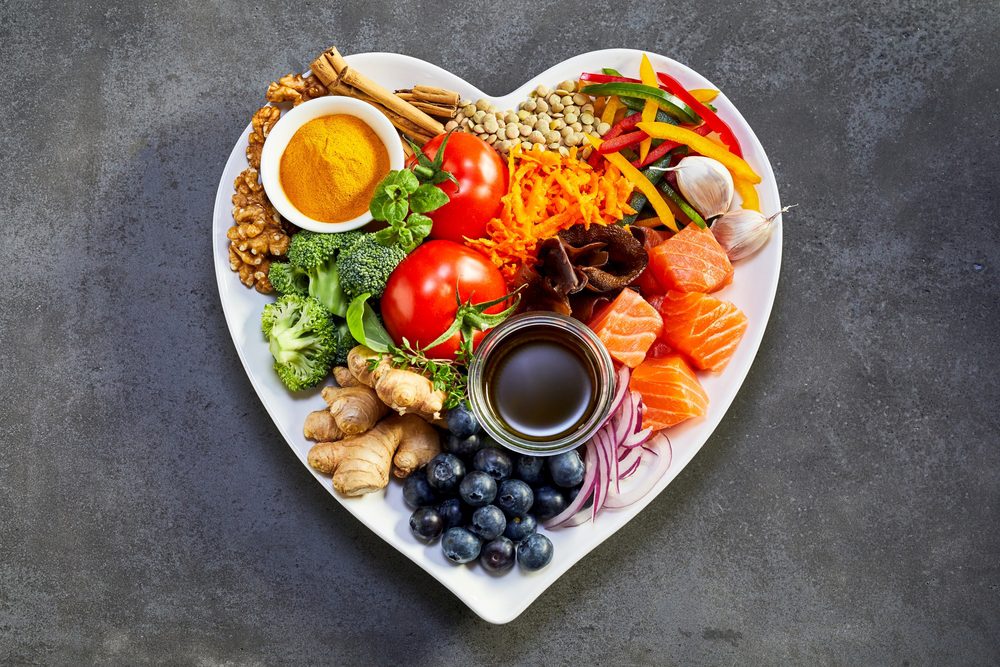
In conclusion, integrating Daily vitamins with food into your routine can significantly enhance your health and well-being. By understanding the importance of food pairings, cooking methods, and personal dietary needs, you can optimize your vitamin intake for better results. The key takeaway is that a balanced approach, combining vitamins with appropriate meals, not only supports nutrient absorption but also contributes to a healthier lifestyle.
Key Questions Answered
Can I take vitamins with any type of food?
While many vitamins can be taken with various foods, certain vitamins are best absorbed with specific types of fats or proteins. For example, fat-soluble vitamins like A, D, E, and K are better absorbed with healthy fats.
Is it necessary to take vitamins daily?
Daily vitamin intake depends on individual dietary needs and nutritional gaps. Consult with a healthcare professional to determine if daily supplementation is required for you.
What happens if I forget to take my vitamins with food?
For some vitamins, taking them on an empty stomach can cause digestive discomfort or reduce absorption efficacy. It’s best to establish a routine that includes them with meals.
Are there any vitamins I should avoid taking together?
Some vitamins can interfere with each other’s absorption, like calcium and iron. It’s advisable to take them at different times for optimal benefits.
Can I get enough vitamins from food alone?
While a balanced diet can provide many essential vitamins, some individuals may still require supplements due to dietary restrictions or health conditions. It’s important to assess your diet and consult with a healthcare provider.

Leave a Reply