
Essential micronutrients are the unsung heroes of our diet, playing crucial roles in keeping our bodies functioning optimally. These tiny yet powerful nutrients, including vitamins and minerals, are vital in various physiological processes, from boosting our immune system to enhancing our mental health. With their significant impact on overall well-being, understanding the importance of these micronutrients can lead to better health choices and improved life quality.
Micronutrients are not just about vitamins; they encompass a wide range of elements that assist in everything from energy production to bone health. For instance, deficiencies in vitamin D can lead to weakened bones, while a lack of iron can result in fatigue and decreased immunity. By exploring their roles in our health, we can better appreciate the need for a balanced diet packed with these essential components.
Understanding the Role of Essential Micronutrients in Human Health
Essential micronutrients are vital components of our diet that play significant roles in maintaining overall health and well-being. Unlike macronutrients, which provide energy and support growth (like carbohydrates, proteins, and fats), micronutrients are required in smaller quantities but are crucial for a range of physiological functions. These nutrients include vitamins and minerals that support various bodily processes, from immune function to bone health. Understanding their significance can help individuals make informed dietary choices that promote optimal health.
Micronutrients are involved in numerous physiological functions that are essential for sustaining life. For instance, vitamins such as A, C, D, E, and the B-complex group have diverse roles, including acting as antioxidants, aiding in energy production, and supporting the immune system. Minerals like calcium, magnesium, and iron contribute to bone strength, muscle function, and oxygen transport in the blood, respectively. The interplay between these micronutrients ensures that metabolic processes function smoothly. When the body lacks these essential nutrients, it can lead to severe health issues and impairments in normal bodily functions.
Health Issues Arising from Micronutrient Deficiencies
Micronutrient deficiencies can manifest in various health problems that can significantly impact quality of life. For better understanding, here are some examples:
- Vitamin D Deficiency: Often leads to weakened bones, increasing the risk of fractures and conditions like osteoporosis. It can also impair immune function, making the body more susceptible to infections.
- Vitamin C Deficiency: Known as scurvy, this deficiency can cause fatigue, gum disease, and skin issues, highlighting the vitamin’s role in collagen synthesis and immune function.
- Iron Deficiency: This can result in anemia, characterized by fatigue, weakness, and a pale complexion due to the body’s inability to produce sufficient hemoglobin.
- Vitamin A Deficiency: Can lead to vision problems, particularly night blindness, and a weakened immune response, making children especially vulnerable to infections.
- Zinc Deficiency: Involves a compromised immune system, delayed wound healing, and hair loss, underscoring zinc’s importance in cellular metabolism and immune function.
The following
phrase highlights the importance of micronutrients:
“Micronutrients are the unsung heroes of nutrition, essential for growth, development, and disease prevention.”
In summary, understanding the role of essential micronutrients is paramount, as deficiencies can lead to a wide range of health issues, emphasizing the need for a balanced diet rich in vitamins and minerals for optimal health.
Common Sources of Essential Micronutrients in the Diet
Essential micronutrients are crucial for maintaining overall health and well-being. These nutrients, which include vitamins and minerals, support various physiological functions and play vital roles in growth, development, and disease prevention. A diverse diet helps ensure adequate intake of these micronutrients, as different foods provide unique profiles of essential nutrients.
Food Sources of Essential Micronutrients
A variety of food sources are rich in essential micronutrients. By incorporating a wide range of foods into your diet, you can maximize your nutrient intake. The following table illustrates common food sources for key micronutrients, along with their nutritional contributions:
| Micronutrient | Food Sources | Nutritional Contributions |
|---|---|---|
| Vitamin A | Carrots, Sweet Potatoes, Spinach | Supports vision, immune function, and skin health. |
| Vitamin C | Citrus Fruits, Bell Peppers, Strawberries | Boosts immune function and aids in collagen production. |
| Calcium | Dairy Products, Leafy Greens, Fortified Foods | Essential for bone health and muscle function. |
| Iron | Red Meat, Lentils, Quinoa | Crucial for oxygen transport in the blood and energy metabolism. |
| Zinc | Shellfish, Seeds, Nuts | Important for immune function and wound healing. |
| Folate | Beans, Asparagus, Avocado | Vital for DNA synthesis and cell division. |
Incorporating a range of foods into your meals enriches your diet with these essential micronutrients. For instance, vitamin A can be sourced from both plant-based foods and animal products, ensuring that individuals with different dietary preferences can meet their needs. Similarly, consuming a mix of animal and plant-based iron sources can enhance absorption and utilization within the body. A diverse diet not only helps in covering different micronutrient bases but also promotes a balanced intake of macronutrients, fiber, and phytochemicals, all of which contribute to better health outcomes.
The Impact of Cooking Methods on Micronutrient Retention
Cooking methods play a crucial role in determining the nutritional value of our meals, particularly when it comes to the preservation of essential micronutrients. These vitamins and minerals are vital for maintaining health, but many can be sensitive to heat, water, and cooking time. Understanding how various cooking techniques influence micronutrient levels can help in making better dietary choices for optimal nutrition.
Different cooking methods can significantly affect the retention of micronutrients in foods. Micronutrients can be lost through heat exposure, boiling, or prolonged cooking times. For example, water-soluble vitamins, such as vitamin C and several B vitamins, are particularly vulnerable to leaching into cooking water and thermal degradation. In contrast, fat-soluble vitamins like A, D, E, and K tend to be more stable when exposed to heat.
Cooking Methods and Their Effects on Micronutrient Content
The way food is prepared can either enhance or diminish its micronutrient profile. Here are some common cooking methods and their impact on micronutrient retention:
- Boiling: This method often leads to significant losses of water-soluble vitamins, particularly when boiling vegetables. Studies show that up to 50% of vitamin C can be lost in boiling water.
- Steaming: Steaming is a gentler cooking method that helps retain more vitamins and minerals compared to boiling. For instance, steaming broccoli can preserve up to 90% of its vitamin C content.
- Sautéing and Stir-Frying: These methods use high heat for a brief period, which can help retain nutrients while also adding flavor. Using healthy fats such as olive oil can further enhance the absorption of fat-soluble vitamins.
- Baking and Roasting: These techniques allow for even cooking and can enhance the flavor of food without significant nutrient loss. For example, roasting carrots not only concentrates their sugars but also retains vitamins A and K.
- Microwaving: This quick cooking method can help preserve nutrients due to shorter cooking times and minimal water usage. Microwaving spinach can retain higher amounts of iron and magnesium compared to boiling.
When preparing meals, several techniques can help preserve the essential micronutrient content. For instance, cutting vegetables into larger pieces before cooking can reduce the surface area exposed to heat and water. Additionally, using the shortest cooking time possible and avoiding high temperatures can help maintain more nutrients.
“The key to retaining micronutrients is to cook food as little as possible while maximizing flavor.”
Incorporating nutrient-rich cooking methods can lead to delicious meals without compromising health. For example, try a quick stir-fry of bell peppers and snap peas in a bit of olive oil, retaining their vibrant colors and high vitamin content. Or consider steaming asparagus lightly and serving it with lemon juice, which enhances both flavor and nutritional value.
By being mindful of cooking methods and focusing on techniques that nourish both the palate and the body, meals can be both delightful and health-conscious.
Micronutrient Deficiencies Around the World
Micronutrient deficiencies pose a significant global health challenge, affecting millions of individuals worldwide. These deficiencies can lead to severe health consequences, including stunted growth, weakened immune systems, and increased mortality rates, particularly among vulnerable populations such as children and pregnant women. Understanding the prevalence and impact of these deficiencies is crucial for developing effective interventions and policies.
Global statistics indicate that nearly 2 billion people experience micronutrient deficiencies. Iron deficiency alone affects approximately 30% of the world’s population, leading to anemia, fatigue, and impaired cognitive function. Vitamin A deficiency is another critical issue, particularly in developing countries, where about 250 million preschool-aged children are affected, increasing their risk of blindness and mortality from infectious diseases. These deficiencies not only compromise individual health but also hinder economic development, as they can lead to decreased productivity and increased healthcare costs.
Socio-economic Factors Contributing to Deficiencies
The socio-economic landscape significantly influences the prevalence of micronutrient deficiencies across different populations. Factors such as poverty, education, and access to healthcare play vital roles in determining nutritional status. In low-income countries, limited access to diverse and nutrient-rich foods, combined with inadequate healthcare services, exacerbates nutrient deficiencies.
In urban areas, the rapid shift towards processed foods can lead to diminished nutrient intake, even among higher socio-economic groups. The following points highlight critical socio-economic factors contributing to micronutrient deficiencies:
- Poverty: Individuals living in poverty often cannot afford a varied diet rich in vitamins and minerals.
- Education: Lack of knowledge regarding nutrition can result in poor dietary choices and inadequate food preparation methods.
- Healthcare Access: Limited access to healthcare services can hinder early diagnosis and treatment of nutritional deficiencies.
- Food Security: Instability in food supply due to economic or environmental factors contributes to the prevalence of deficiencies.
Regions Most Affected by Micronutrient Deficiencies
Certain regions are disproportionately affected by micronutrient deficiencies, particularly sub-Saharan Africa and South Asia. In these areas, high rates of poverty, poor dietary diversity, and lack of nutritional education contribute to widespread deficiencies.
For instance, in India, an estimated 58% of women of reproductive age are anemic due to iron deficiency, while in countries like Ethiopia, vitamin A deficiency remains a critical concern, particularly among young children. Here are some of the significantly impacted regions and the associated challenges they face:
- Sub-Saharan Africa: High prevalence of iron, vitamin A, and iodine deficiencies, exacerbated by economic instability and food insecurity.
- South Asia: A significant number of children and women suffer from multiple micronutrient deficiencies due to socio-economic challenges.
- Latin America: Emerging concerns around folate and iron deficiencies, particularly among indigenous populations.
Potential solutions to combat micronutrient deficiencies include fortifying staple foods, improving dietary diversity, and implementing educational programs focused on nutrition. Additionally, collaboration between governments, NGOs, and international organizations is essential for developing and deploying effective strategies that address these deficiencies holistically.
The Role of Micronutrient Supplements in Modern Nutrition
In today’s fast-paced world, many individuals struggle to meet their nutritional needs solely through their diet. Micronutrient supplements have emerged as a popular solution, offering a convenient way to fill dietary gaps. However, the decision to use these supplements should be made with careful consideration of specific circumstances, benefits, and potential risks.
Micronutrient supplementation may be necessary under certain conditions such as dietary restrictions, health conditions, or increased nutritional needs. For example, pregnant women often require additional folic acid to support fetal development, while older adults may need more vitamin D to maintain bone health. Individuals with specific health conditions or those on restrictive diets might also benefit from targeted micronutrient supplementation to avoid deficiencies.
Conditions Necessitating Micronutrient Supplementation
Several factors can increase the need for micronutrient supplements. Understanding these conditions can help individuals make informed choices about supplementation. The following points highlight key situations:
- Pregnancy and Lactation: Nutritional needs significantly increase during these periods, making supplements like iron, calcium, and folic acid crucial.
- Chronic Illness: Conditions such as diabetes, gastrointestinal disorders, or renal disease may impair nutrient absorption, necessitating supplementation.
- Ageing: Older adults often require more vitamins and minerals, particularly vitamin B12 and vitamin D, due to changes in metabolism and absorption.
- Vegetarian or Vegan Diets: Individuals following these diets may lack certain micronutrients like vitamin B12, iron, and omega-3 fatty acids, making supplements beneficial.
- High Physical Activity: Athletes or individuals with high levels of physical activity may need more vitamins and minerals to support energy levels and recovery.
Benefits and Risks of Micronutrient Supplements
While micronutrient supplements can provide numerous benefits, they also come with potential risks. It’s essential to weigh these aspects before incorporating them into your routine.
- Benefits: Supplements can help prevent deficiencies, support overall health, and enhance wellbeing when dietary intake is insufficient. For instance, a study published in the Journal of Nutrition found that daily multivitamin use reduced the risk of certain chronic diseases in older adults.
- Potential Risks: Over-supplementation can lead to toxicity, particularly with fat-soluble vitamins like A, D, E, and K. For example, excessive vitamin A can cause liver damage and headaches.
Guidelines for Choosing Effective Micronutrient Supplements
Selecting the right micronutrient supplement involves careful consideration of various factors to ensure effectiveness and safety. Here are some essential guidelines:
- Consult a Healthcare Professional: Always seek advice from a doctor or dietitian before starting supplements to address specific needs and avoid interactions with medications.
- Look for Third-Party Testing: Choose supplements that have been independently tested for quality and potency by organizations like the United States Pharmacopeia (USP) or NSF International.
- Read Labels Carefully: Check for the amounts of each nutrient, serving size, and any additional ingredients that might affect your health.
- Avoid Mega-doses: Stick to recommended dietary allowances (RDAs) unless otherwise advised by a healthcare provider, as higher doses can increase the risk of side effects.
- Consider Whole Food Sources: Whenever possible, prioritize obtaining nutrients from whole foods, as supplements should complement, not replace, a balanced diet.
Fostering Awareness About Micronutrient Importance
Micronutrients, while required in small amounts, play a crucial role in maintaining overall health and well-being. Raising awareness about their importance can significantly contribute to preventing deficiencies that may lead to serious health issues. Educational initiatives and community engagement strategies are essential to inform the public about the significance of these vital nutrients.
Engaging the community through targeted educational campaigns can effectively raise awareness about micronutrient deficiencies. This can include school programs, workshops, and community events that provide information on the impact of micronutrient intake. To foster a deeper understanding, key strategies may include partnering with local health professionals, utilizing social media platforms, and creating informative resources that highlight the benefits of essential micronutrients.
Strategies for Public Education on Micronutrients
Implementing effective strategies to educate the public about micronutrients can help address knowledge gaps and promote healthier dietary choices. Here are some approaches that can be employed:
- Workshops and Seminars: Organizing interactive workshops led by nutritionists can provide valuable insights and practical tips on incorporating micronutrients into daily diets.
- School Programs: Integrating nutrition education into school curriculums can instill healthy eating habits in children, making them more aware of the importance of micronutrients from a young age.
- Social Media Campaigns: Utilizing platforms like Instagram and Facebook to share infographics, success stories, and quick tips can reach a broader audience and engage younger demographics effectively.
- Community Health Fairs: Hosting health fairs that include booths focused on micronutrients can provide direct interaction with health professionals, free screenings, and informational handouts.
- Collaboration with Local Businesses: Partnering with local food markets to promote micronutrient-rich foods can encourage community members to make healthier food choices.
A community-focused campaign can further amplify these strategies by bringing together various stakeholders, including schools, health organizations, and local businesses. This collaborative effort can lead to a more comprehensive approach to tackling micronutrient deficiencies.
Successful Initiatives Increasing Public Knowledge
Several initiatives have effectively raised awareness regarding micronutrient importance and have proven successful in various communities. These examples illustrate how targeted efforts can yield positive changes.
- HarvestPlus: This global initiative focuses on biofortification, enhancing the nutritional value of staple crops. Their efforts in several countries have successfully increased the consumption of nutrient-rich foods, leading to improved health outcomes.
- The Vitamin Angels Program: This organization provides essential vitamins and minerals to at-risk populations, particularly pregnant women and children. Their outreach programs have dramatically improved micronutrient status in communities worldwide.
- Nutrition Education Program in Schools: In some regions, schools have implemented nutrition education programs that include cooking classes and garden projects. These hands-on experiences have raised awareness about micronutrient-rich foods and their benefits among students and families.
Through these examples, it is evident that well-structured campaigns can effectively increase public knowledge and understanding of essential micronutrients, ultimately leading to healthier communities.
Future Trends in Micronutrient Research and Development
The exploration and understanding of essential micronutrients are witnessing exciting developments that promise to revolutionize nutrition science. As global dietary needs evolve, researchers are focusing on innovative ways to enhance the availability, absorption, and application of micronutrients. Here are some emerging trends that are shaping the future of micronutrient research and development.
Emerging Trends in Micronutrient Research
Several key trends have emerged in the realm of micronutrient research, reflecting a shift towards more personalized and technology-driven approaches. These trends have the potential to significantly impact both public health and individual wellness.
- Personalized Nutrition: With advancements in genetic research and biomarker analysis, nutrition can now be tailored to meet individual needs. Understanding how genetic variations affect micronutrient metabolism can lead to personalized supplementation strategies, optimizing health outcomes.
- Biofortification: This agricultural technique aims to enhance the nutritional quality of food crops. By genetically modifying or selectively breeding plants, researchers are developing crops that are rich in essential micronutrients like iron, zinc, and vitamin A, addressing deficiencies in populations reliant on staple foods.
- Functional Foods: The market for functional foods—those fortified with micronutrients—continues to expand. Researchers are investigating the health benefits of these foods, emphasizing how they can improve overall health and prevent chronic diseases.
Influence of Technology on Micronutrient Research
Technology is playing a crucial role in advancing our understanding of micronutrients. Innovations in research methods and analytical tools are paving the way for breakthroughs in this field, enabling more precise and comprehensive studies.
The use of big data and artificial intelligence (AI) is transforming nutrition research. By analyzing vast amounts of dietary and health data, researchers can identify patterns and correlations that were previously unrecognized. For instance, AI algorithms can predict micronutrient deficiencies in populations based on dietary intake data, allowing for targeted interventions.
Additionally, advancements in nanotechnology are enhancing nutrient delivery systems. Nanoencapsulation techniques allow for improved stability and bioavailability of micronutrients, ensuring that they are effectively absorbed in the body. This technology holds great promise for developing supplements that are more effective than traditional formulations.
Potential Breakthroughs in Micronutrient Availability and Absorption
Looking ahead, several potential breakthroughs promise to enhance the availability and absorption of essential micronutrients. These innovations could significantly change how we approach micronutrient supplementation and dietary planning.
One potential breakthrough lies in the development of smart supplements equipped with biosensors. These supplements could monitor the body’s nutrient levels in real-time and adjust the dosage accordingly. Such a tailored approach could prevent overdoses and optimize nutrient intake.
Another area of exploration is the role of the gut microbiome in micronutrient absorption. Research indicates that a healthy microbiome can significantly enhance the bioavailability of certain nutrients. Future studies are likely to focus on how to manipulate gut microbiota through diet or probiotics to improve micronutrient absorption.
“Understanding the interplay between diet, gut microbiota, and micronutrient absorption could lead to revolutionary advances in nutritional science.”
These advancements are not merely theoretical; they are grounded in current research trends and real-world applications. For example, the success of genetically modified crops in improving iron content is already making a difference in regions plagued by anemia. As research continues to evolve, the future of micronutrient research promises to be dynamic and impactful.
Wrap-Up

In conclusion, essential micronutrients are vital for maintaining our health and preventing deficiencies that can lead to serious health issues. By prioritizing a diverse diet rich in these nutrients, we can not only enhance our physical health but also support our mental and emotional well-being. As we continue to learn about the importance of essential micronutrients, let’s strive to make informed dietary choices that nourish our bodies and promote a healthier future.
Questions Often Asked
What are essential micronutrients?
Essential micronutrients are vitamins and minerals necessary for various bodily functions and overall health.
How can I tell if I’m deficient in micronutrients?
Symptoms of deficiencies can include fatigue, weakened immunity, and specific health issues. Blood tests can help confirm deficiencies.
Are micronutrient supplements necessary for everyone?
No, supplements are not needed for everyone but may be beneficial for those with specific deficiencies or dietary restrictions.
Can cooking destroy micronutrients in food?
Yes, certain cooking methods can reduce micronutrient levels. Steaming and microwaving are generally better for retention than boiling.
What foods are high in essential micronutrients?
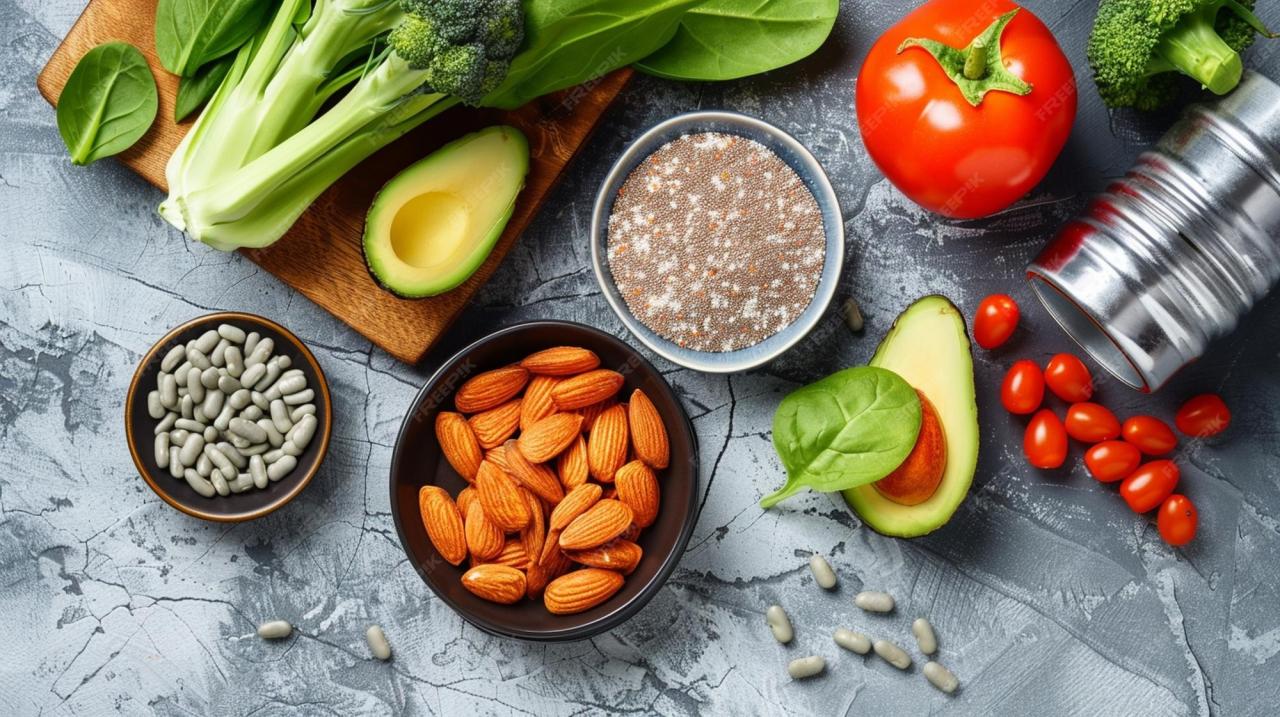
Leafy greens, nuts, seeds, whole grains, and fruits are excellent sources of essential micronutrients.





Leave a Reply