
Vegan daily vitamin plays a crucial role in maintaining a healthy lifestyle for those who choose plant-based diets. As vegans, individuals often miss out on certain nutrients typically found in animal products, making daily vitamins a vital source of these essential elements. This ensures they receive adequate nutrition, supporting overall health and vitality.
Understanding the importance of vitamins and minerals in a vegan diet helps illuminate how these nutrients can fill dietary gaps and promote well-being. From vitamin B12 to omega-3 fatty acids, these supplements provide a convenient way to enhance dietary intake and prevent deficiencies.
Understanding the Importance of Daily Vitamins in a Vegan Diet
A vegan diet, when well-planned, can offer numerous health benefits. However, it also presents unique nutritional challenges due to the exclusion of all animal products. While many vegans strive to consume a variety of fruits, vegetables, grains, nuts, and seeds, they may still fall short in certain essential nutrients. This is where daily vitamins come into play, acting as a reliable supplement to ensure balanced nutrition and optimal health.
Daily vitamins are crucial for individuals following a vegan diet. Since many vitamins and minerals are predominantly found in animal products, vegans must actively seek out alternatives or supplementation. For instance, vitamins B12, D, and Omega-3 fatty acids are commonly deficient in vegan diets. A lack of these nutrients can lead to a range of health issues, including anemia, weakened immune function, and cognitive decline. Therefore, incorporating a daily multivitamin can help bridge these gaps, supporting overall well-being.
Nutrient Deficiencies in a Vegan Diet
Adopting a vegan lifestyle can sometimes lead to specific nutrient deficiencies that might not be immediately apparent. Understanding these potential gaps is essential for maintaining health. The following nutrients are often lacking in vegan diets, necessitating careful monitoring or supplementation:
- Vitamin B12: This vitamin is vital for nerve function and the production of DNA and red blood cells. Deficiency can result in fatigue, weakness, and neurological issues.
- Vitamin D: Crucial for bone health and immune function, vitamin D is primarily obtained from sunlight and fortified foods. Vegans may need to consider fortified plant milks or supplements.
- Iron: While found in plant foods, the non-heme iron in plants is less efficiently absorbed by the body. Inclusion of vitamin C-rich foods can enhance absorption.
- Calcium: Important for bone health, vegans should seek calcium-rich foods like fortified plant milks, tofu, and leafy greens.
- Omega-3 Fatty Acids: Essential for heart and brain health, these are primarily found in fish. Vegans can obtain them through flaxseed, chia seeds, and algae-based supplements.
Vitamins play a supportive role in overall health and well-being, especially for those on a vegan diet. For example, taking a daily multivitamin can help ensure that you meet your B12 and D needs, subsequently promoting energy levels and cognitive function. Moreover, integrating daily vitamins can assist in maintaining optimal immune function and promoting better mood regulation, which are essential for a balanced lifestyle. By consciously including vitamins tailored to the specific needs of a vegan diet, individuals can enhance their health outcomes and enjoy the benefits of a plant-based lifestyle without compromising on nutritional completeness.
Key Vitamins and Minerals for Vegans to Consider
A well-planned vegan diet can be rich in nutrients, but certain vitamins and minerals require extra attention to ensure optimal health. Vegans should prioritize specific nutrients that may be less abundant in plant-based foods. This discussion focuses on three essential vitamins and minerals that are crucial for vegans, their food sources, and how to easily incorporate them into daily meals.
Essential Vitamins and Minerals
A variety of vitamins and minerals play vital roles in maintaining good health, especially for those following a vegan lifestyle. Here are three key nutrients that vegans should prioritize:
- Vitamin B12: This vitamin is crucial for nerve function and the production of DNA and red blood cells. Since B12 is primarily found in animal products, vegans are at risk of deficiency. Good sources of B12 for vegans include fortified plant-based milks, nutritional yeast, and fortified cereals. Regularly incorporating these items in meals can help maintain adequate levels.
- Iron: Iron is essential for transporting oxygen in the blood. Vegan sources include lentils, chickpeas, beans, tofu, and fortified grains. Pairing these foods with vitamin C-rich items like bell peppers or citrus fruits enhances iron absorption, making it easier to meet daily requirements.
- Calcium: Important for bone health, calcium is often obtained from dairy products, which are not part of a vegan diet. Vegans can find calcium in fortified plant milks, tofu made with calcium sulfate, leafy green vegetables like kale and bok choy, and almonds. Incorporating a variety of these sources daily will support bone density.
Comparison of Vitamin Sources
Understanding the differences in vitamin sources between vegans and non-vegans is essential in tailoring a nutrient-rich diet. Below is a comparison table that illustrates these differences:
| Nutrient | Vegan Sources | Non-Vegan Sources |
|---|---|---|
| Vitamin B12 | Fortified plant milks, nutritional yeast, fortified cereals | Meat, fish, eggs, dairy |
| Iron | Lentils, chickpeas, beans, tofu, fortified grains | Red meat, poultry, fish, eggs |
| Calcium | Fortified plant milks, tofu (calcium sulfate), leafy greens, almonds | Dairy products (milk, cheese, yogurt) |
“A well-balanced vegan diet can be healthful, nutritionally adequate, and may provide health benefits in the prevention and treatment of certain diseases.” – Academy of Nutrition and Dietetics
How to Choose the Right Vegan Daily Vitamin Supplement
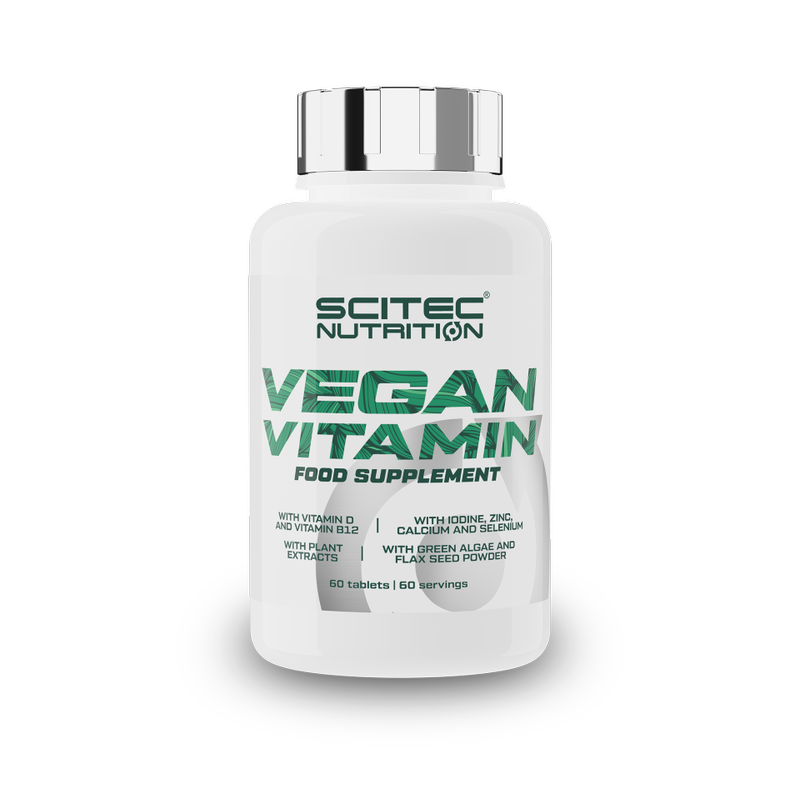
Selecting the right vegan daily vitamin supplement is essential for maintaining optimal health, especially for those on a plant-based diet. With a plethora of options available, making an informed choice can be overwhelming. Understanding the key factors to consider ensures that you find a supplement that meets your nutritional needs while aligning with your lifestyle values.
When choosing a vegan daily vitamin supplement, several important factors should guide your decision. These include the supplement’s nutrient profile, quality of ingredients, certifications, and brand reputation. Each factor plays a crucial role in ensuring that the supplement effectively supports your health goals while adhering to vegan principles.
Considerations for Selecting Vegan Supplements
Taking time to evaluate the following aspects can help you make an informed choice when selecting a vegan daily vitamin:
- Nutrient Profile: Look for supplements that provide essential vitamins and minerals often lacking in a vegan diet, such as B12, iron, calcium, and omega-3 fatty acids.
- Ingredients Quality: Choose products with whole food sources and avoid synthetic additives or fillers that can detract from the supplement’s overall effectiveness.
- Certifications: Check for third-party certifications such as Non-GMO, USDA Organic, and Vegan Society approved, which ensure that the product meets high standards.
- Brand Reputation: Research brands that have a history of transparency and positive customer feedback, as well as those that provide clear information about ingredient sourcing and manufacturing practices.
Reputable Brands and Their Offerings
The vegan supplement market has several reputable brands known for their commitment to quality and efficacy. Below are a few notable brands along with their key products:
- Garden of Life: Known for their whole food-based supplements, they offer a variety of vegan multivitamins tailored to different age groups and dietary needs.
- Vega: Focused on plant-based nutrition, Vega provides a range of protein powders and multivitamins designed for active lifestyles.
- NutraBlast: Offers a selection of vegan vitamins that include essential nutrients like B12 and D3 derived from algae.
- MaryRuth Organics: Specializes in delicious gummy vitamins that are free from artificial colors and flavors, perfect for both kids and adults.
Common Ingredients to Look For and Avoid
Being aware of specific ingredients can help you select the most beneficial vegan daily vitamin supplements. Here are common ingredients to seek out and those best to avoid:
It’s crucial to ensure that your vitamins are both effective and safe. Consider the following lists of ingredients:
Ingredients to Look For:
- Vitamin B12 (methylcobalamin)
- Vitamin D (from lichen)
- Omega-3 fatty acids (from algae)
- Iodine (from kelp)
- Iron (ferrous bisglycinate)
Ingredients to Avoid:
- Artificial colors and preservatives
- Magnesium stearate
- Excessive added sugars
- Synthetic fillers or binders
- Animal-derived ingredients
Prioritizing high-quality ingredients and reputable brands is key to reaping the full benefits of vegan daily vitamin supplements.
The Role of Vitamin D in Vegan Nutrition
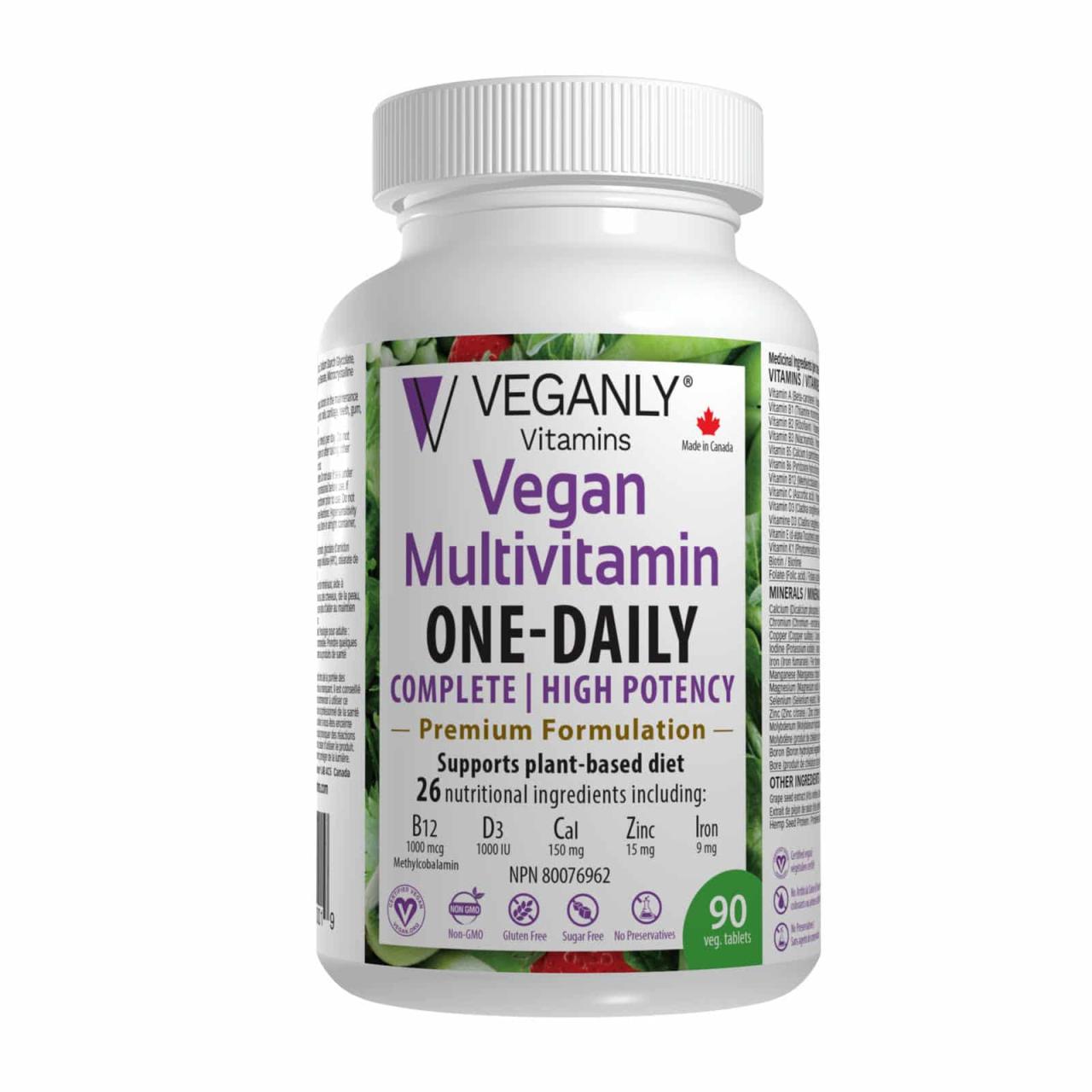
Vitamin D is an essential nutrient that plays a significant role in maintaining overall health. For vegans, obtaining sufficient vitamin D can be particularly challenging due to dietary restrictions. This vitamin is crucial for various bodily functions, including bone health, immune system support, and mood regulation. Understanding the importance of vitamin D and how to incorporate it into a vegan diet is vital for ensuring optimal health.
Vitamin D exists in two main forms: vitamin D2 (ergocalciferol) and vitamin D3 (cholecalciferol). Vitamin D2 is typically derived from yeast and fungi, making it suitable for vegans. On the other hand, vitamin D3 is usually sourced from animal products, particularly fish liver oil and lanolin (a substance derived from sheep’s wool). However, there are now vegan-friendly vitamin D3 supplements sourced from lichen, which provides an alternative for those looking to maintain their dietary principles while ensuring adequate vitamin D levels.
To maintain healthy vitamin D levels naturally, there are several lifestyle adjustments that can be made. Sunlight exposure is one of the most effective ways for the body to produce vitamin D. Spending 10 to 30 minutes outdoors several times a week, especially during midday when the sun’s rays are strongest, can significantly enhance vitamin D synthesis. However, factors such as geographic location, season, skin pigmentation, and the use of sunscreen can influence how much vitamin D is produced.
In addition to sunlight, dietary sources can also contribute to vitamin D intake. While few foods naturally contain vitamin D, certain fortified products can fill the gap. Here are some vegan sources and practices to consider:
- Fortified plant-based milk (such as almond, soy, or oat milk) often contains added vitamin D.
- Cereals and juices can also be fortified with vitamin D, making them an easy way to boost intake.
- Mushrooms, particularly those exposed to UV light, can provide a natural source of vitamin D2.
For those who may find it difficult to get enough vitamin D through sunlight and diet, supplements can be a practical solution. When choosing supplements, it’s important for vegans to look for products labeled as vegan-friendly, especially those that contain vitamin D3 derived from lichen.
Incorporating regular physical activity may also enhance the body’s ability to utilize vitamin D effectively. Exercise has been shown to improve overall health and can help in maintaining a positive mood, which is often linked to adequate vitamin D levels.
“Vitamin D is not just a vitamin; it’s a pro-hormone that plays a key role in vital bodily functions.”
By being proactive in seeking out these sources and incorporating lifestyle changes, vegans can successfully maintain healthy vitamin D levels, supporting their overall health and well-being. Keeping a balanced approach in nutrition and sunlight exposure will contribute to enhanced energy levels and a stronger immune system, crucial for thriving on a vegan diet.
The Impact of Omega-3 Fatty Acids on Vegan Health
Omega-3 fatty acids are essential fats that play a crucial role in maintaining overall health. For vegans, ensuring an adequate intake of these fatty acids can be a challenge, as they are primarily found in fish and seafood. However, understanding their importance and finding suitable plant-based sources can help vegans thrive and support their well-being.
Omega-3 fatty acids are vital for brain function, heart health, and reducing inflammation. They can also contribute to improved mood and cognitive performance. Since the human body cannot produce omega-3s on its own, it is important for vegans to seek out alternative sources to meet their nutritional needs. Including a variety of plant-based foods in the diet can effectively deliver these essential fatty acids.
Plant-Based Sources of Omega-3 Fatty Acids
Incorporating omega-3-rich foods into a vegan diet is key to achieving a balanced intake. Here are some excellent plant-based sources of omega-3 fatty acids that can easily be added to daily meals:
- Chia Seeds: These tiny seeds are packed with omega-3s and can be added to smoothies, oatmeal, or used to make chia pudding.
- Flaxseeds: Ground flaxseeds are a versatile ingredient that can be mixed into baked goods, cereals, or blended into smoothies for a nutrient boost.
- Walnuts: A handful of walnuts can provide a satisfying snack while also delivering a hearty dose of omega-3s; they can also be sprinkled on salads for added crunch.
- Hemp Seeds: With a nutty flavor, hemp seeds can be sprinkled on salads, blended into smoothies, or mixed into energy bars.
- Algal Oil: Derived from algae, this oil is a direct source of omega-3s and is available in supplement form for those who prefer an alternative to fish oil.
These sources not only help in meeting the omega-3 requirements but also offer additional health benefits due to their rich nutrient profiles. Regularly including these foods in meals can significantly enhance a vegan diet.
Benefits of Omega-3 Supplements for Vegans
For vegans looking to supplement their omega-3 intake, omega-3 supplements can be an effective solution. These supplements are often derived from algae, making them a sustainable and ethical choice. Some benefits of omega-3 supplements include:
- Support for Heart Health: Omega-3 supplements can help reduce the risk of heart disease by lowering triglyceride levels and improving overall cardiovascular function.
- Cognitive Function: Regular intake of omega-3s has been linked to improved cognitive function and may reduce the risk of neurodegenerative diseases.
- Anti-Inflammatory Properties: Omega-3 supplements can help reduce inflammation in the body, which is beneficial for individuals with chronic inflammatory conditions.
- Convenience: For those who may struggle to get enough omega-3s from food sources alone, supplements provide a simple way to ensure adequate intake.
When selecting an omega-3 supplement, it is important for vegans to look for high-quality products that specifically state they are plant-derived and contain EPA and DHA, the two most beneficial forms of omega-3 fatty acids. Brands often offer these supplements in softgel or liquid form, making it easier for individuals to incorporate them into their daily routine.
“Ensuring an adequate intake of omega-3 fatty acids is essential for vegans to support brain health, heart health, and overall well-being.”
Common Misconceptions About Vegan Supplements
Many people still hold onto misconceptions about vegan supplements, particularly daily vitamins. These beliefs can affect the choices individuals make regarding their health and diet. Understanding the truth behind these myths is crucial for anyone considering a vegan lifestyle or those already embracing it. This section will address three prevalent misconceptions, providing evidence-based information to debunk them and highlight the potential implications of misinformation.
Myth: Vegan Supplements Lack Essential Nutrients
One common misconception is that vegan supplements do not provide essential nutrients, particularly those found in animal-derived products. However, this is not accurate. Vegan supplements are often formulated to contain the necessary vitamins and minerals that individuals may miss from avoiding animal products.
For example, many vegan vitamin D supplements are derived from lichen, a plant-based source, rather than the typical animal-derived options. Research has shown that vegan diets can provide all the essential nutrients when well-planned, and supplements can bridge any gaps, ensuring optimal health.
“Plant-based diets can provide all essential nutrients when well-structured and supplemented appropriately.”
Myth: Vegan Supplements Are Ineffective Compared to Animal-Based Supplements
Another myth is that vegan supplements are less effective than those derived from animal sources. This belief often stems from the assumption that animal-based nutrients are superior. However, studies indicate that the bioavailability of nutrients in vegan supplements can be comparable, if not superior, to their animal-based counterparts.
For example, certain forms of vitamin B12, crucial for brain health and found in many vegan supplements, are absorbed effectively by the body. Moreover, the presence of additional plant compounds in vegan vitamins may enhance nutrient absorption.
Myth: All Vegan Supplements Are Artificial and Unhealthy
The assumption that all vegan supplements are artificial or laden with unhealthy additives is another misconception. While it is true that some supplements can be made with synthetic ingredients, many high-quality vegan supplements focus on natural, whole-food sources.
Brands that prioritize clean ingredients often use superfoods and organic components in their formulations. For instance, spirulina, a nutrient-dense algae, is a common ingredient in vegan supplements that offers an array of vitamins and minerals naturally. Consumers can look for certifications such as organic or non-GMO to ensure they are selecting healthy options.
In conclusion, understanding the truths behind these misconceptions is vital for making informed decisions about vegan health choices. Misinformation can lead to unnecessary health concerns and dietary restrictions, potentially deterring individuals from pursuing a vegan lifestyle that could benefit their health and the environment.
Creating a Balanced Vegan Diet with Daily Vitamins
A well-rounded vegan diet is essential for maintaining health and vitality, especially when considering the unique nutritional needs that can arise from a plant-based lifestyle. Incorporating daily vitamins can play a crucial role in filling any dietary gaps. Understanding how to effectively integrate these supplements into your meals can enhance overall wellness and ensure you’re meeting your vitamin and mineral requirements.
Balancing a vegan diet while incorporating daily vitamins requires thoughtful meal planning and a focus on nutrient-rich foods. While many essential nutrients can be obtained from a diverse range of plant-based foods, certain vitamins and minerals may need supplementation to prevent deficiencies. This is particularly true for nutrients like Vitamin B12, Vitamin D, Omega-3 fatty acids, and Iron, which can be challenging to acquire in sufficient quantities from a vegan diet alone. By strategically planning meals and using supplements wisely, you can create a balanced vegan diet that supports optimal health.
Strategies for Integrating Daily Vitamins
Integrating daily vitamins into your vegan diet can be straightforward with a few strategies in mind. Here are several effective methods to ensure you’re meeting your nutritional needs:
– Choose High-Quality Supplements: Select vegan-certified vitamins that are free from animal products. Look for brands that undergo third-party testing for potency and purity.
– Pair Supplements with Meals: Taking vitamins with food can enhance absorption. For example, fat-soluble vitamins like A, D, E, and K should be taken with a meal that contains healthy fats for better absorption.
– Track Nutrient Intake: Use a food diary or app to monitor your daily nutrient intake. This helps identify any gaps in your diet that may require supplementation.
– Focus on Whole Foods: Prioritize whole, unprocessed foods that are rich in essential nutrients. Foods like leafy greens, legumes, nuts, seeds, and whole grains should form the foundation of your meals.
– Consult a Healthcare Professional: Before starting any supplements, it’s advisable to consult with a registered dietitian or healthcare provider to tailor your supplementation to your individual needs.
Meal Planning Tips for Nutrient Density
Planning meals mindfully can ensure that all vitamin and mineral needs are met through a combination of diet and supplements. Here are some tips to enhance the nutrient density of your meals:
– Incorporate a Variety of Colors: Aim to include a rainbow of fruits and vegetables in your diet. Different colors often indicate different nutrients, so diversity is key.
– Include Nutrient-Rich Proteins: Legumes, tofu, tempeh, and quinoa are excellent sources of protein that also provide various vitamins and minerals.
– Prepare Balanced Meals: Each meal should ideally contain a source of protein, healthy fats, and a variety of vegetables. This combination supports satiety and nutritional balance.
– Make Use of Meal Prep: Preparing meals in advance can help you stay on track with your nutrient goals. Consider creating portions that include both your meals and the necessary vitamins.
– Stay Hydrated: Water is essential for overall health and can aid in the absorption of nutrients. Aim for adequate hydration throughout the day.
Sample Weekly Meal Plan
Here’s a sample weekly meal plan that highlights the inclusion of essential nutrients and daily vitamins:
| Day | Breakfast | Lunch | Dinner | Snack |
|———–|————————————|—————————————–|————————————–|————————|
| Monday | Smoothie with spinach, banana, and flaxseed | Quinoa salad with chickpeas and mixed veggies | Stir-fried tofu with broccoli and brown rice | Almonds and an apple |
| Tuesday | Oatmeal topped with berries and chia seeds | Whole grain wrap with hummus and veggies | Lentil soup with kale and whole grain bread | Carrot sticks with guacamole |
| Wednesday | Chia pudding with almond milk and mango | Brown rice with black beans and avocado | Veggie stir-fry with tempeh and sesame seeds | Rice cakes with almond butter |
| Thursday | Avocado toast on whole grain bread | Salad with mixed greens, nuts, and seeds | Stuffed bell peppers with quinoa and beans | Trail mix |
| Friday | Smoothie bowl with nuts and seeds | Veggie burger on a whole grain bun | Pasta with marinara sauce and roasted vegetables | Dark chocolate |
| Saturday | Pancakes made with buckwheat flour | Couscous salad with roasted veggies | Vegan curry with chickpeas and cauliflower | Popcorn |
| Sunday | Tofu scramble with vegetables | Vegetable sushi with avocado | Grilled portobello mushrooms with sweet potatoes | Fresh fruit |
This meal plan includes a variety of nutrient-dense foods, and it’s a good practice to take daily vitamins alongside these meals to ensure all nutritional bases are covered. Following such a plan can help maintain balanced nutrition while enjoying the diverse flavors of a vegan diet.
The Future of Vegan Daily Vitamin Trends
As the vegan lifestyle continues to gain traction globally, daily vitamins tailored for this demographic are evolving rapidly. Innovations in formulations, increased consumer awareness, and a demand for transparency are shaping the future of vegan daily vitamins. This segment examines the current trends and predicts where the industry is headed.
Current Trends and Future Developments
The vegan vitamin market is witnessing a significant shift towards more personalized and innovative products. Many companies are now focusing on vegan formulations that incorporate superfoods, adaptogens, and probiotics, catering to the diverse health needs of consumers. For instance, brands like Garden of Life and Ritual are integrating whole food sources and science-backed nutrients to enhance efficacy and appeal to health-conscious individuals.
Moreover, the rise of plant-based alternatives has prompted manufacturers to explore unique sources of vitamins and minerals that were previously underutilized. For example, algae is becoming a popular source for omega-3 fatty acids, providing an eco-friendly alternative to fish oil.
Innovative Products Gaining Popularity
Several innovative vegan daily vitamin products have captured the attention of consumers. These products stand out due to their unique formulations and added benefits. The following examples highlight notable trends:
- Whole Food Multivitamins: Products that utilize whole food ingredients ensure better absorption and a broader spectrum of nutrients, with brands like MegaFood leading the charge.
- Personalized Vitamins: Companies like Care/of offer tailored vitamin packs based on individual health goals, preferences, and lifestyle, appealing to the growing trend of personalized nutrition.
- Functional Gummies: Gummies infused with additional health benefits, such as stress relief or improved digestive health, have become increasingly popular among younger consumers seeking convenient ways to supplement their diets.
Demand for Transparency in Ingredient Sourcing
As consumers become more health-conscious, the demand for transparency in sourcing and labeling of vegan daily vitamins is on the rise. Shoppers are increasingly interested in knowing where their vitamins come from and how they are produced. This trend has led to a push for better labeling practices and certifications.
Brands are responding by adopting clearer labeling that specifies sourcing practices, ingredient origins, and manufacturing processes. For instance, many companies are now highlighting their commitment to sustainability and ethical sourcing, ensuring that their products resonate with environmentally conscious consumers.
“Transparency is not just a trend; it’s becoming a standard in the health and wellness industry.”
This emphasis on ingredient sourcing not only builds consumer trust but also encourages brands to prioritize sustainable practices, which is crucial for the long-term viability of the vegan vitamin market. As we look ahead, it’s clear that the future of vegan daily vitamins will be defined by innovation, personalization, and a commitment to transparency.
Epilogue
In conclusion, integrating vegan daily vitamins into your routine not only helps bridge nutritional gaps but also fosters a more balanced and health-conscious approach to veganism. As the demand for transparency and quality in supplements grows, staying informed about the best options available is essential for maintaining optimal health and well-being.
Key Questions Answered
What are the benefits of taking vegan daily vitamins?
Vegan daily vitamins help prevent deficiencies in essential nutrients, support overall health, and enhance energy levels.
Can I get all necessary vitamins from food alone?
While a well-planned vegan diet can provide many nutrients, certain vitamins like B12 and D may require supplementation for optimal levels.
Are vegan vitamin supplements safe?
Yes, reputable vegan vitamin supplements are generally safe, but it’s important to choose products that are certified and free from harmful additives.
How can I ensure I’m getting enough omega-3s on a vegan diet?
Incorporate plant-based sources like flaxseeds, chia seeds, and walnuts, or consider omega-3 supplements derived from algae.
Is it necessary to take a multivitamin as a vegan?
While not always necessary, a multivitamin can be beneficial to cover any nutritional gaps in a vegan diet.

Leave a Reply