
Vitamin C and Zinc daily are essential nutrients that play a pivotal role in supporting our immune system. As we navigate through various health challenges, understanding how these two nutrients work together can enhance our immune response and overall well-being. With a wealth of research backing their importance, this topic is not just relevant but crucial for maintaining health in our fast-paced lives.
From food sources to recommended daily intakes, the significance of Vitamin C and Zinc cannot be overstated. These nutrients not only help fend off infections but also contribute to skin health and recovery processes in our bodies. Join us as we delve deeper into their benefits, dietary sources, and special considerations for different groups.
The Importance of Vitamin C and Zinc for Immune Function
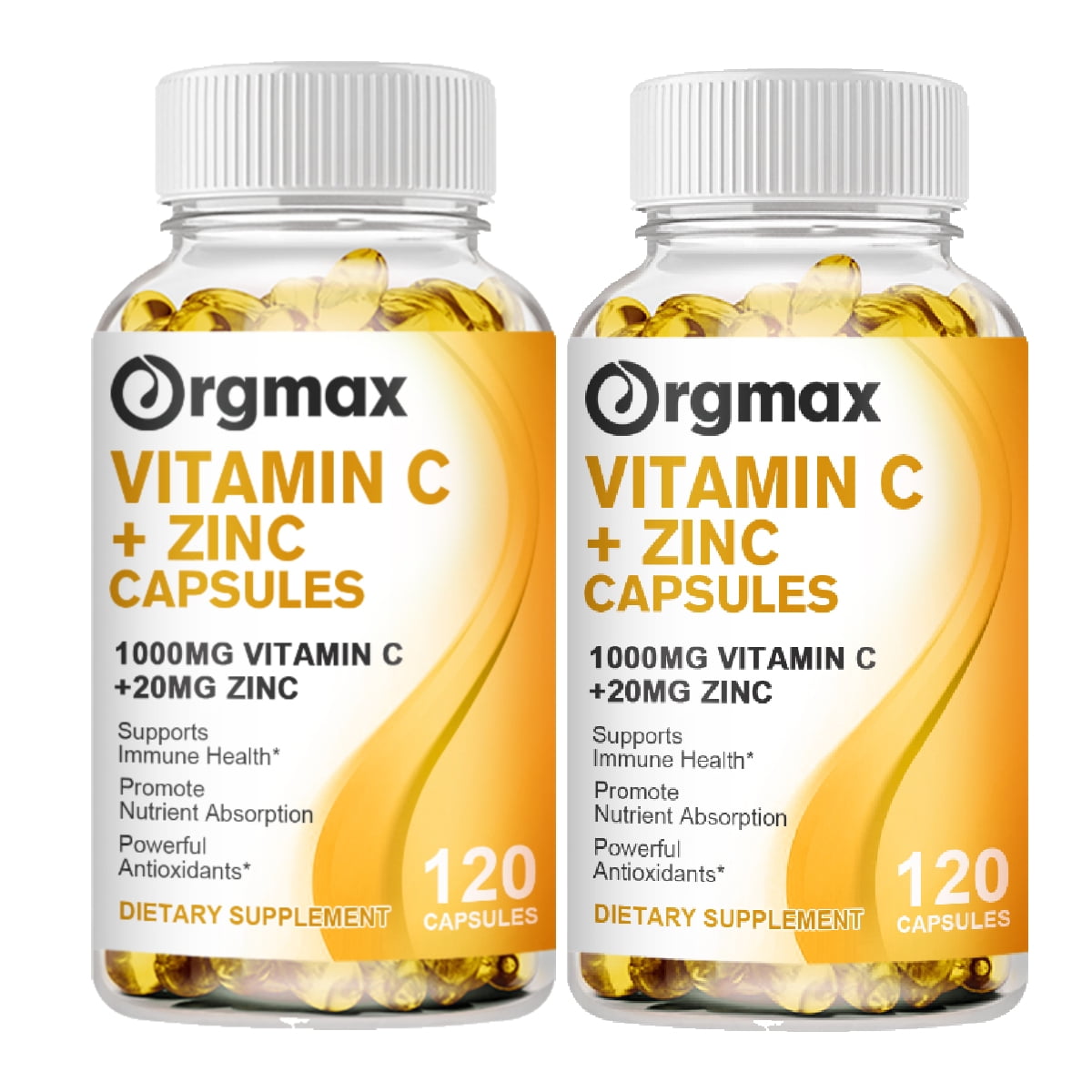
Vitamin C and Zinc are two essential nutrients that play pivotal roles in maintaining and enhancing immune function. Their contributions to the immune system are well-documented, making them vital components of a healthy diet.
Vitamin C, also known as ascorbic acid, is a powerful antioxidant that helps protect cells from damage caused by free radicals. It supports various cellular functions of both the innate and adaptive immune systems. Vitamin C enhances the production and function of white blood cells, particularly lymphocytes and phagocytes, which are crucial in the body’s defense against pathogens. Additionally, it is known to boost the production of antibodies and improve skin barriers, acting as the first line of defense against infections. A deficiency in Vitamin C can lead to a weakened immune response, making the body more susceptible to infections and illnesses.
Zinc, on the other hand, is a trace mineral that plays a vital role in immune cell function and signaling. It is essential for the development and activation of T-lymphocytes, which are critical to the adaptive immune response. Zinc also helps in the functioning of various enzymes involved in the immune process. A deficiency in zinc can result in a compromised immune response, leading to increased incidence and severity of infections. Symptoms of zinc deficiency can range from impaired wound healing to increased susceptibility to respiratory infections.
Research studies highlight the synergistic effects of Vitamin C and Zinc on immune health. For instance, a study published in the journal Nutrients demonstrated that supplementation with both Vitamin C and Zinc significantly reduced the duration and severity of respiratory infections. In another research published in the Annals of Nutrition and Metabolism, the combination of these two nutrients was found to enhance the overall immune response more effectively than either nutrient alone.
The importance of these nutrients cannot be overstated when it comes to maintaining a robust immune system. The immune system’s ability to function effectively depends on the adequacy of various vitamins and minerals, which includes a well-balanced intake of Vitamin C and Zinc. Regular consumption of foods rich in these nutrients, such as citrus fruits, nuts, seeds, and leafy greens, can significantly contribute to better health outcomes and immune resilience.
“A combination of Vitamin C and Zinc not only supports immune health but also enhances the body’s ability to recover from infections.”
Dietary Sources of Vitamin C and Zinc
Vitamin C and Zinc are essential nutrients that play vital roles in maintaining overall health. Including a variety of food sources rich in these nutrients in your diet can significantly boost immune function, skin health, and overall well-being. This section highlights some of the top dietary sources of Vitamin C and Zinc, along with insights into the benefits of obtaining these nutrients through diet versus supplementation, and considerations for dietary restrictions that may influence intake.
Food Sources of Vitamin C
Vitamin C is a water-soluble vitamin known for its antioxidant properties and its role in collagen synthesis. Here are five excellent dietary sources rich in Vitamin C:
- Citrus fruits: Oranges, lemons, limes, and grapefruits are well-known sources of Vitamin C. For instance, one medium orange contains approximately 70 mg of Vitamin C.
- Bell peppers: Particularly red bell peppers, which can provide more Vitamin C than an orange. One cup of chopped red bell pepper contains about 190 mg.
- Strawberries: These delicious berries are not only rich in flavor but also offer around 85 mg of Vitamin C per cup.
- Kiwi: A single medium kiwi can provide about 71 mg of Vitamin C, making it a great addition to your diet.
- Broccoli: This cruciferous vegetable is packed with nutrients, providing about 81 mg of Vitamin C per cup when cooked.
Food Sources of Zinc
Zinc is a trace mineral crucial for immune function, protein synthesis, and wound healing. Here are five food sources that are particularly high in Zinc:
- Oysters: Among the richest sources of Zinc, a serving of six medium oysters can contain up to 76 mg of Zinc.
- Red meat: This includes beef and lamb, where a 3-ounce serving of cooked beef can provide around 7 mg of Zinc.
- Poultry: Chicken, particularly dark meat, is a good source, offering about 2.7 mg of Zinc per 3-ounce serving.
- Beans: Legumes such as chickpeas and lentils can provide around 2-3 mg of Zinc per cup, making them excellent options for vegetarians.
- Nuts and seeds: Particularly pumpkin seeds and cashews, where a one-ounce serving of pumpkin seeds provides about 2.2 mg of Zinc.
Benefits of Dietary Intake
Obtaining Vitamin C and Zinc through diet offers numerous advantages compared to supplementation. Whole foods provide a complex array of nutrients, including fiber, which enhances digestion and promotes gut health. Furthermore, the bioavailability of nutrients in foods often exceeds that of supplements, meaning they are absorbed more efficiently by the body.
“Nutrients from whole foods work synergistically, offering benefits that isolated supplements may not provide.”
Moreover, consuming a varied diet rich in these nutrients can help prevent deficiencies and support overall health. It is also worth noting that excessive supplementation can lead to toxicity, particularly with Zinc, where high doses can interfere with the absorption of other essential minerals like copper.
Dietary Restrictions
Several dietary restrictions and lifestyles may impact the intake of Vitamin C and Zinc. For instance, individuals following a vegan or vegetarian diet may need to be more mindful of their Zinc sources, as plant-based options typically contain lower amounts of Zinc and may have lower bioavailability due to phytates that inhibit its absorption.
“Awareness of dietary restrictions is crucial in ensuring adequate nutrient intake.”
Additionally, those with limited access to fresh fruits and vegetables or those on restrictive diets may find it challenging to meet their daily requirements for Vitamin C. Individuals with allergies to specific food groups should also consider alternative sources to ensure a balanced intake of these essential nutrients.
Recommended Daily Intake of Vitamin C and Zinc
Understanding the recommended daily intake of Vitamin C and Zinc is crucial for maintaining optimal health. These nutrients play significant roles in various bodily functions, including immune support, wound healing, and antioxidant protection. Health organizations have established guidelines to ensure individuals receive adequate amounts of these essential vitamins and minerals.
The Recommended Dietary Allowances (RDAs) for Vitamin C and Zinc vary based on age, gender, and physiological conditions. According to the National Institutes of Health (NIH), the RDA for Vitamin C is set at 90 mg per day for adult men and 75 mg for adult women. Pregnant and breastfeeding women have higher requirements, with recommended intakes of 85 mg and 120 mg, respectively. For Zinc, the RDA is 11 mg per day for men and 8 mg per day for women, with pregnant and lactating women needing 11 mg and 12 mg, respectively.
Variations by Age Group and Gender
Different age groups and genders exhibit distinct variations in their nutrient requirements. The following Artikels the RDAs for Vitamin C and Zinc across various groups:
Vitamin C RDAs:
- Infants (0-12 months): 40 mg
- Children (1-3 years): 15 mg
- Children (4-8 years): 25 mg
- Adolescents (9-13 years): 45 mg
- Adolescents (14-18 years): 75 mg for males, 65 mg for females
Zinc RDAs:
- Infants (0-6 months): 2 mg
- Infants (7-12 months): 3 mg
- Children (1-3 years): 3 mg
- Children (4-8 years): 5 mg
- Adolescents (9-13 years): 8 mg
- Adolescents (14-18 years): 11 mg for males, 9 mg for females
Lifestyle factors such as diet, exercise, smoking, and stress can significantly influence individual nutrient needs. For instance, smokers may require an additional 35 mg of Vitamin C daily due to increased oxidative stress. Athletes or individuals with high physical activity levels may also benefit from higher intakes to support recovery and overall health. Additionally, people with certain health conditions like gastrointestinal disorders or those on restrictive diets might need to adjust their intake of these nutrients to prevent deficiencies.
“Meeting the RDAs for Vitamin C and Zinc is essential for ensuring overall well-being and minimizing the risk of deficiencies.”
Potential Side Effects of Excessive Intake of Vitamin C and Zinc
Both Vitamin C and Zinc are essential nutrients that play significant roles in maintaining health and supporting the immune system. However, excessive intake of these nutrients can lead to adverse effects, which are important to understand, especially for those considering high-dose supplements to boost their health.
High doses of Vitamin C can lead to various side effects, primarily due to its water-soluble nature, which means that excess amounts are not stored in the body. Instead, they are excreted through urine, but this does not eliminate the risk of potential toxicity at high levels. Common side effects of excessive Vitamin C intake include gastrointestinal disturbances such as diarrhea, nausea, and abdominal cramps. Additionally, high doses may interfere with the absorption of other essential nutrients and contribute to the formation of kidney stones.
Zinc, though vital for numerous biological functions, can also be harmful if consumed in large amounts. High intake of Zinc can cause copper deficiency, leading to neurological issues and impaired immune function. Symptoms of Zinc toxicity include nausea, vomiting, loss of appetite, stomach cramps, diarrhea, and headaches. Chronic excessive Zinc intake can lead to long-term problems, such as lowered immunity, altered lipid profiles, and potential disruptions in the absorption of other essential minerals.
Symptoms of Toxicity and Long-Term Implications
Recognizing the symptoms of toxicity associated with excessive Vitamin C and Zinc intake is crucial for timely intervention.
The symptoms of Vitamin C toxicity can manifest as:
- Gastrointestinal upset, including diarrhea and nausea
- Abdominal cramps
- Increased risk of kidney stones
- Potential interference with blood sugar control
Zinc toxicity can present several symptoms, including:
- Nausea and vomiting
- Loss of appetite and altered taste
- Stomach cramps and diarrhea
- Headaches and fatigue
Long-term implications of excessive intake of these nutrients can be severe. For instance, chronic high doses of Vitamin C may lead to increased risks of oxidative stress and kidney damage. On the other hand, prolonged excessive Zinc consumption can compromise immune function and lead to deficiencies in other vital minerals such as copper and iron.
Safe Upper Intake Levels
Establishing safe intake levels for Vitamin C and Zinc helps prevent potential toxicity.
The recommended upper intake levels (ULs) for these nutrients are Artikeld as follows:
| Nutrient | Upper Intake Level (UL) |
|---|---|
| Vitamin C | 2,000 mg per day |
| Zinc | 40 mg per day |
Sticking to these recommended levels can help individuals reap the benefits of these nutrients without experiencing adverse effects. It is advisable to consult with healthcare professionals before starting any high-dose supplementation to tailor intake levels based on individual health needs and conditions. Regular monitoring of nutrient levels through dietary assessments can also ensure a balanced intake without crossing into excessive limits.
“Understanding the boundaries of vitamin and mineral supplementation is key to maintaining health without compromising safety.”
The Role of Vitamin C and Zinc in Skin Health
Vitamin C and Zinc are two essential nutrients that play significant roles in maintaining healthy skin. Their combined effects not only promote skin repair but also enhance overall skin vitality. Both nutrients are known for their antioxidant properties, which help protect the skin from free radical damage and environmental stressors. This synergy between Vitamin C and Zinc is particularly beneficial for skin conditions, wound healing, and the prevention of premature aging.
Vitamin C is a potent antioxidant that promotes collagen synthesis, which is crucial for maintaining the skin’s elasticity and firmness. It also aids in reducing hyperpigmentation and improving skin tone by inhibiting melanin production. Zinc, on the other hand, is essential for proper immune function and inflammatory response, helping to maintain the skin barrier and promote healing. Together, these nutrients support skin renewal processes and restore a healthy appearance.
Effects on Skin Conditions
Numerous studies have explored the benefits of Vitamin C and Zinc on various skin conditions. One notable study published in the *Journal of Dermatological Treatment* demonstrated that topical application of Vitamin C significantly improved the appearance of hypertrophic scars, enhancing collagen deposition and reducing scar visibility. Another study indicated that Zinc supplementation had a positive impact on acne treatment, as it reduced inflammation and sebum production, leading to clearer skin.
The synergistic effect of Vitamin C and Zinc can also be observed in the management of other conditions such as rosacea and eczema. Research has shown that patients with rosacea exhibited lower levels of Zinc, highlighting its potential role in skin barrier function. Moreover, Vitamin C’s anti-inflammatory properties may further aid in alleviating symptoms associated with these conditions.
Incorporating Vitamin C and Zinc into Skincare Routines
Integrating Vitamin C and Zinc into your skincare routine can be straightforward. Here are some methods to consider:
1. Topical Serums: Look for serums that contain stabilized forms of Vitamin C, like ascorbic acid or sodium ascorbyl phosphate. Additionally, serums with Zinc PCA can help regulate oiliness and provide antioxidant protection.
2. Moisturizers: Many moisturizers now include both Vitamin C and Zinc, offering a dual benefit of hydration and skin repair in one product. Look for moisturizers that highlight these ingredients on their labels for added skin benefits.
3. Dietary Sources: Ensure your diet is rich in foods high in Vitamin C, such as citrus fruits, strawberries, and bell peppers, while incorporating Zinc-rich foods like pumpkin seeds, lentils, and seafood to promote skin health from within.
4. Supplements: If required, consider taking Vitamin C and Zinc supplements, but it is advisable to consult with a healthcare professional before starting any supplementation.
By incorporating these nutrients effectively, individuals can improve their skin health and combat various skin concerns holistically.
Combining Vitamin C and Zinc for Enhanced Absorption
Vitamin C and Zinc are two essential nutrients that play critical roles in maintaining overall health. Their combination not only supports immune function but also enhances the absorption of Zinc, allowing the body to utilize this mineral more effectively. Understanding the mechanisms behind this synergy can help individuals optimize their nutrition for better health outcomes.
Vitamin C, also known as ascorbic acid, is a powerful antioxidant that aids in the absorption of Zinc primarily by reducing it to a more bioavailable form. This reduction process is crucial because Zinc in its oxidized state is less easily absorbed by the intestinal lining. Furthermore, Vitamin C enhances the solubility of Zinc salts, facilitating their uptake in the gastrointestinal tract. This means that including Vitamin C-rich foods or supplements alongside Zinc can significantly improve its absorption.
Food Sources and Supplement Combinations
To maximize the absorption of Zinc when consuming it alongside Vitamin C, consider the following food combinations and supplementation strategies. These approaches not only ensure adequate intake of both nutrients but also promote their synergistic benefits.
– Citrus Fruits and Nuts: Pairing a snack of oranges or grapefruits with a handful of almonds or walnuts provides both Vitamin C and Zinc, enhancing overall nutrient uptake.
– Leafy Greens with Seafood: Adding spinach or kale to a seafood dish, such as salmon or oysters, can boost Zinc levels while delivering a healthy dose of Vitamin C.
– Smoothies: A smoothie made with spinach, pineapple, and a scoop of protein powder containing Zinc can be an excellent way to combine these nutrients effectively.
– Supplements: If opting for supplements, choose a multivitamin that contains both Vitamin C and Zinc. This ensures that both nutrients are present in an optimal ratio for absorption.
Scientific studies have shown the positive impact of combined intake of Vitamin C and Zinc on immune function and overall health. Research published in the American Journal of Clinical Nutrition highlights that supplementation of both nutrients can reduce the duration and severity of colds, supporting the idea that their synergistic effect is beneficial for immune responses. Another study noted increased absorption rates of Zinc when taken with Vitamin C, reinforcing the importance of this nutrient combination for optimal health.
By incorporating these food pairings and considering supplementation strategies, individuals can effectively enhance the absorption of Zinc while reaping the additional health benefits provided by Vitamin C.
Special Considerations for Pregnant and Lactating Women
During pregnancy and lactation, a woman’s body experiences significant changes that increase her nutritional needs, particularly for Vitamin C and Zinc. These nutrients play vital roles in supporting both maternal health and the development of the baby. Understanding the specific requirements for these essential nutrients can help ensure a healthy pregnancy and effective breastfeeding.
Vitamin C is crucial for collagen synthesis, immune function, and absorption of iron, which is important during pregnancy to increase maternal blood volume. For lactating women, Vitamin C is equally important as it contributes to the nutritional quality of breast milk, ensuring that infants receive adequate nutrition.
Nutritional Guidelines for Vitamin C and Zinc
Pregnant and lactating women have distinct recommendations for Vitamin C and Zinc intake, which are typically higher than those for the general population. The following points highlight the specific guidelines:
- Vitamin C Intake: Pregnant women are advised to consume about 85 mg of Vitamin C daily, while breastfeeding women require around 120 mg. This increased intake supports fetal growth and enhances immune function.
- Zinc Intake: The recommended dietary allowance for Zinc rises to 11 mg per day during pregnancy and 12 mg during lactation. Zinc is essential for cellular growth and repair, and it supports the immune system, which is particularly beneficial during these critical periods.
Both nutrients are pivotal not only for the health of the mother but also for the optimal development of the baby. Adequate Vitamin C can help decrease the risk of preterm birth and low birth weight, while Zinc plays a crucial role in DNA synthesis and cell division—key processes in fetal development.
Optimal intake of Vitamin C and Zinc during pregnancy and lactation is associated with improved maternal health outcomes and enhances the nutritional profile of breast milk, benefiting the infant’s growth and development.
Ensuring these nutrient needs are met can result in numerous health benefits. For instance, a study noted that adequate Zinc levels during pregnancy are linked to reduced risks of complications such as preeclampsia and gestational diabetes. Similarly, sufficient Vitamin C intake is associated with better iron status in pregnant women, contributing to overall maternal health.
Maintaining a balanced diet rich in fruits, vegetables, nuts, seeds, and whole grains can help meet these increased nutritional requirements. Additionally, prenatal vitamins can also be an effective way to ensure adequate intake of these essential nutrients when dietary sources are insufficient.
The Impact of Stress on Vitamin C and Zinc Levels
Chronic stress is an inevitable part of modern life, and its effects can ripple through various aspects of health, including the levels of essential nutrients like Vitamin C and Zinc. Stress activates the body’s fight-or-flight response, leading to a cascade of physiological changes that can significantly deplete these vital nutrients. Understanding this relationship is crucial for maintaining overall health during stressful times.
Chronic stress triggers the release of hormones such as cortisol, which can interfere with the body’s ability to absorb and utilize Vitamin C and Zinc. Both of these nutrients play key roles in supporting the immune system, combating oxidative stress, and regulating various bodily functions. When stress levels rise, the demand for these nutrients increases, while their availability can diminish. This imbalance can lead to a lower immunity, increased susceptibility to illness, and prolonged recovery times, making it essential to manage stress effectively and maintain adequate nutrient levels.
Physiological Processes Involved in Depletion
Several physiological processes contribute to the depletion of Vitamin C and Zinc during periods of stress. Notably, stress can lead to increased oxidative stress, which heightens the body’s requirement for antioxidants like Vitamin C. Zinc, on the other hand, is crucial for the production and function of immune cells. When stress occurs, the body may redirect Zinc from storage sites to areas where it is needed most, leading to a depletion in overall levels.
The following points highlight the dynamics of stress and nutrient depletion:
- Cortisol Production: Elevated cortisol levels during stress can reduce the absorption of Zinc in the intestines and promote its excretion through urine.
- Immune Response: Chronic stress can lead to an overactive immune response, which increases the body’s need for Vitamin C as it helps in the production of immune cells.
- Increased Oxidative Stress: Stress generates free radicals, which Vitamin C helps neutralize. A deficiency in Vitamin C can impair the body’s ability to combat oxidative damage.
- Behavioral Changes: Stress can also lead to poor dietary choices, reducing the intake of foods rich in Vitamin C and Zinc, further exacerbating deficiencies.
Maintaining adequate levels of Vitamin C and Zinc during stressful periods is essential to support immune function and overall health.
Strategies for Maintaining Optimal Levels
To counteract the depletion of Vitamin C and Zinc during stressful times, it is important to implement effective strategies. These strategies can help maintain optimal nutrient levels and support overall well-being.
When considering strategies, keep the following approaches in mind:
- Dietary Choices: Incorporate foods high in Vitamin C, such as citrus fruits, berries, and leafy greens, along with Zinc-rich foods like nuts, seeds, and whole grains.
- Supplementation: Consult with a healthcare professional about the possibility of taking Vitamin C and Zinc supplements, especially during periods of high stress.
- Stress Management Techniques: Engage in practices such as mindfulness, yoga, or regular exercise to help reduce stress levels and mitigate its effects on nutrient depletion.
- Hydration: Ensure adequate hydration, as proper fluid intake supports overall metabolic processes and nutrient absorption.
By being proactive about diet and lifestyle choices, individuals can better protect their Vitamin C and Zinc levels, ensuring they remain resilient even in the face of stress.
Conclusive Thoughts
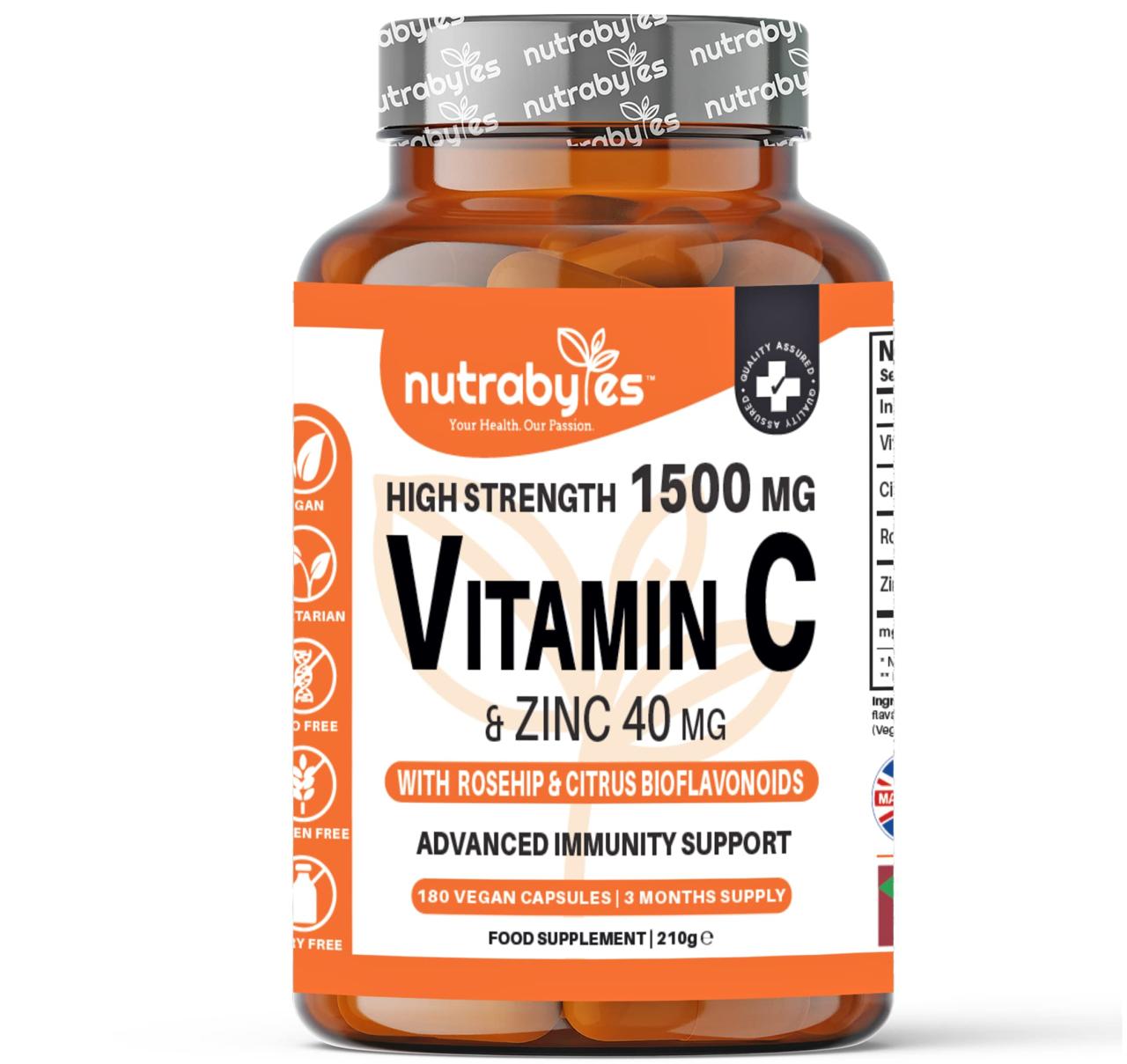
In summary, incorporating Vitamin C and Zinc daily into your diet is a powerful way to bolster your immune system and enhance your overall health. Whether through food sources or supplements, understanding the right balance and intake is key to reaping their benefits. As we continue to learn about the intricate relationship between these nutrients and our body, it’s clear that a proactive approach to nutrition can lead to a healthier future.
Questions Often Asked
What is the best time to take Vitamin C and Zinc?
It’s generally recommended to take Vitamin C in the morning and Zinc in the evening to enhance absorption and avoid stomach discomfort.
Can I take Vitamin C and Zinc together?
Yes, taking them together can improve absorption, as Vitamin C helps enhance Zinc’s bioavailability.
Are there any interactions with medications?
Both Vitamin C and Zinc can interact with certain medications, so it’s best to consult a healthcare provider before starting supplementation.
How long does it take to see benefits from taking these nutrients?
Benefits can often be noticed within a few weeks, particularly in immune response and skin health.
Is it safe to take high doses of Vitamin C and Zinc?
While both vitamins are essential, excessive intake can lead to side effects. It is advisable to stick to recommended doses unless directed by a healthcare professional.

Leave a Reply