
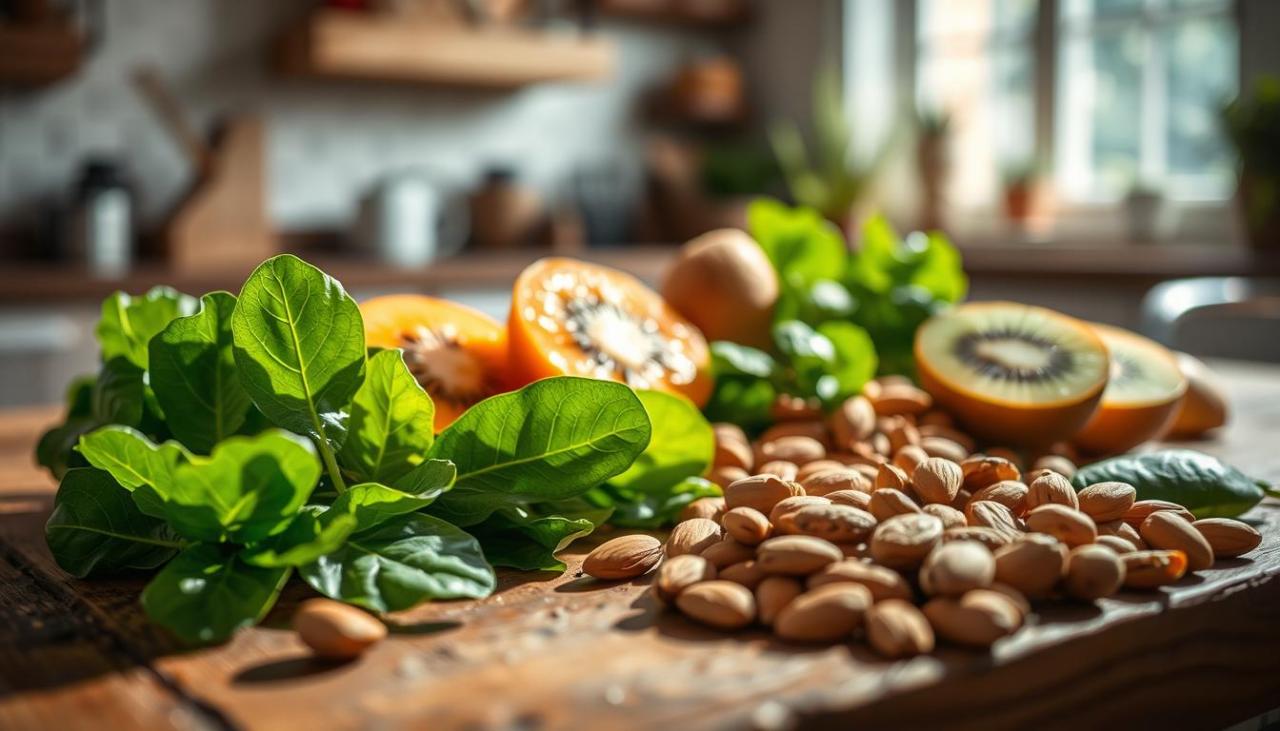
Did you know your body performs over 10,000 chemical reactions every second to keep you alive? Your body needs essential nutrients to fuel its inner systems. These compounds support daily health and help maintain healthy energy during busy days.
Many people confuse these organic compounds with minerals, but they serve different roles. Minerals are inorganic elements, while these substances are organic and either water-soluble or fat-soluble. Knowing the difference helps us choose the right vitamin sources for our biological needs.
We often seek quick fixes in a bottle, but the best vitamin sources are in our kitchens. A varied diet gives our bodies the building blocks needed for proper function. Simple food choices can replace the need for synthetic supplements.
Key Takeaways
- Nutrients are the primary fuel for thousands of daily bodily functions.
- Distinguishing between water-soluble and fat-soluble types is crucial for absorption.
- Whole foods offer superior benefits compared to processed supplements.
- A balanced diet naturally supports consistent energy levels throughout the day.
- Prioritizing natural intake helps maintain long-term wellness and vitality.
Understanding the Importance of Vitamins
Our bodies need many organic compounds to work well. These essential nutrients are the best sources of vitamins that support daily activity and long-term health. A varied diet gives our systems the building blocks they need.
What Are Vitamins and Their Functions?
Vitamins are organic substances our bodies need in small amounts for essential biological processes. Their main vitamin functions include managing energy production, supporting immunity, and helping repair tissue. Without these micronutrients, our bodies struggle to turn food into usable energy or keep cells healthy.
We divide these nutrients into two groups based on how they work in our bodies. Water-soluble vitamins, such as the B-complex and Vitamin C, dissolve in water and are not stored. Because waste removes them, we must replace them often through daily food choices.
In contrast, fat-soluble vitamins—specifically A, D, E, and K—are stored in the liver and fatty tissues. They can build up over time, so we do not need them with every meal. Knowing this difference helps us make smarter long-term nutrition choices.
| Vitamin Type | Storage Method | Primary Role |
|---|---|---|
| Water-Soluble | Excreted via urine | Energy and immunity |
| Fat-Soluble | Stored in body fat | Growth and tissue health |
| Combined | Variable | Overall metabolic support |
Why Do We Need Them?
Our bodies constantly maintain homeostasis, and vitamins help drive these chemical reactions. They help us grow, heal injuries, and protect organs from oxidative stress. A lack may cause fatigue, weak immunity, or slower recovery.
Consistency is key when fueling our systems. Eating many whole foods helps cover our needs without tracking every milligram. This approach makes nutrition simpler and healthy living more sustainable.
Recommended Daily Allowances (RDAs)
The Recommended Daily Allowances (RDAs) give general guidelines for nutrients most healthy people need each day. These targets help researchers but may overwhelm the average person. Treat the numbers as a roadmap, not strict rules.
- Focus on dietary variety to naturally meet your needs.
- Prioritize whole, unprocessed foods over synthetic supplements.
- Listen to your body’s signals regarding energy and mood.
A colorful plate of vegetables, fruits, and grains can help us meet nutritional targets. This practical strategy provides a balanced mix of vitamins without constant calculations.
Top Food Sources for Vitamin A
Nature offers many nutrient-rich foods that make daily vitamin A needs easy and enjoyable. Choosing natural vitamin sources helps support healthy vision, skin, and immune function. Adding these foods to daily meals can support long-term wellness.
When seeking quality vitamin A foods, start with colorful produce. These foods provide nutrients that help maintain health and energy. Learn more about essential vitamins and how they work in your body.
Carrots: Nature’s Orange Superfood
Carrots are a famous staple and example of beta-carotene foods. The body converts this plant pigment into active vitamin A. Eat them raw as a crunchy snack or roast them for natural sweetness.
Spinach: Leafy Green Powerhouse
Dark leafy greens also offer strong nutrition beyond orange vegetables. Spinach is a versatile powerhouse for salads, smoothies, and cooked dishes. Adding a handful gives you one of the most reliable vitamin A sources among vegetables.
Dairy Products: Creamy and Nutrient-Rich
Animal-based products also support good nutrition. Milk, yogurt, and cheese often come fortified with vitamins to help meet daily goals. They suit people who prefer a mix of plant and animal-derived nutrients.
| Food Item | Primary Nutrient | Serving Suggestion |
|---|---|---|
| Carrots | Beta-carotene | Raw or roasted |
| Spinach | Vitamin A | Steamed or in salads |
| Fortified Milk | Vitamin A | Cold or in cereal |
| Sweet Potato | Beta-carotene | Baked or mashed |
Vitamin B Complex: A Breakdown of Sources
B vitamins help our bodies turn food into usable energy. Eating vitamin-rich foods gives us fuel for daily tasks. Exploring various vitamin B complex sources helps us build a balanced diet for long-term health and vitality.
B1 (Thiamine) and Its Sources
Thiamine, or B1, helps our bodies turn carbohydrates into energy. Good thiamine foods include whole grains, legumes, and lean pork. These staples fit easily into weekly meal plans and help keep metabolism running smoothly.
B2 (Riboflavin): Foods Rich in B2
Riboflavin supports healthy skin, vision, and energy levels. Common riboflavin foods include milk, yogurt, and eggs. Leafy greens, such as spinach, also add a strong supply of this nutrient to salads.
B3 (Niacin): Meat and Fish Options
Niacin is a powerful vitamin that supports digestive and nervous system health. niacin foods include protein-rich choices such as chicken, turkey, and various types of fish. Research suggests these nutrients support optimal metabolic function and overall wellness, while varied sources help our bodies thrive each day.
The Role of Vitamin C in Immune Health
When we think about immune-supporting foods, vitamin C often comes to mind first. This antioxidant helps protect cells from damage and supports key immune system functions. Choosing the right top vitamin sources gives our bodies tools to stay strong.
Citrus Fruits: The Classic Choice
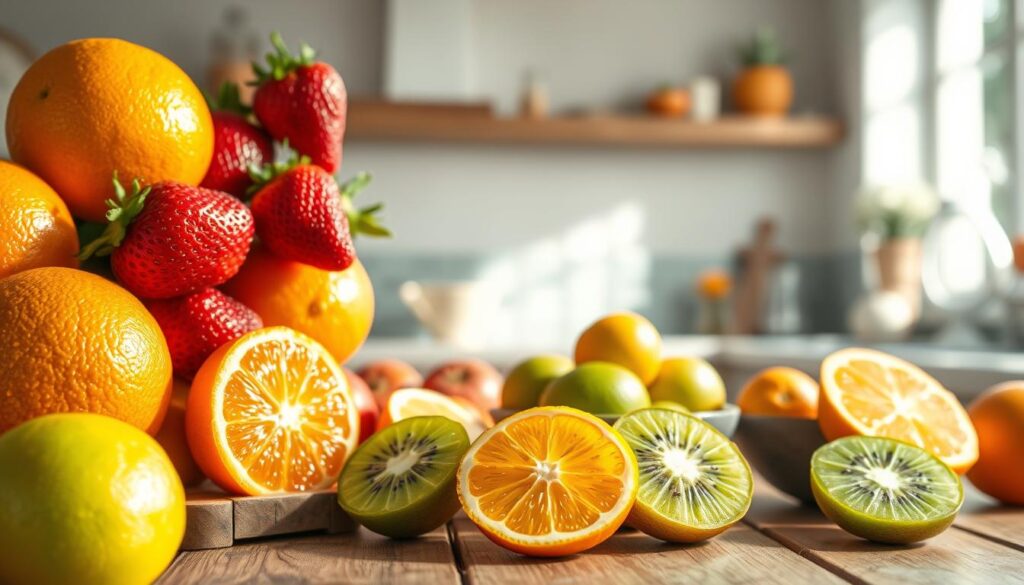
Citrus fruits are a familiar way to increase vitamin C intake. Oranges, grapefruits, lemons, and limes offer fresh flavor and plenty of this nutrient. These vibrant choices are easy to pack as snacks or squeeze into morning water.
“Vitamin C is essential for the growth, development and repair of all body tissues. It’s involved in many body functions, including formation of collagen, absorption of iron, the proper functioning of the immune system, and the maintenance of cartilage, bones, and teeth.”
Bell Peppers: Colorful and Nutrient-Dense
Although citrus is popular, bell peppers rank among the best vitamin C foods. Red bell peppers contain much more vitamin C than many citrus varieties. We enjoy them in stir-fries or sliced raw as a crunchy, nutrient-rich snack.
- Red Bell Peppers: Highest concentration of vitamin C.
- Yellow Bell Peppers: Sweet and perfect for roasting.
- Green Bell Peppers: A classic addition to savory dishes.
Broccoli: A Vitamin C Surprise
Many people overlook cruciferous vegetables when seeking immune boosters, but broccoli is a powerhouse. It provides substantial vitamin C in each serving, making it useful for healthy meals. Steam it lightly to preserve its texture and nutritional value.
Eating many fruits and vegetables helps us gain a broad range of health benefits. Mixing citrus, peppers, and broccoli into our weekly meal plans creates a diverse wellness plan. These colorful ingredients make better health delicious and simple.
Exploring Vitamin D Sources
Your body needs sunlight and food to get enough vitamin D. Vitamin D helps your body absorb calcium, which supports strong bones and a healthy immune system. Needs vary with age and health, but steady intake is a smart goal for everyone.
Sunlight: The Natural Source
People often call vitamin D the sunshine vitamin. Your skin makes it when ultraviolet B rays reach it. Short periods outdoors may raise your levels, but geography, skin tone, and season can reduce production.
“While sunlight is a primary source, relying on it alone is often insufficient for many people, making a diverse vitamin sources list essential for year-round health.”
Fortified Foods: Milk and Cereals
Since sunlight is not always reliable, many people use fortified foods. Manufacturers add vitamin D to cow’s milk, plant-based alternatives, and breakfast cereals. These foods help you reach daily targets without changing your whole routine.
Fatty Fish: Salmon and Mackerel
For whole-food choices, fatty fish are among the best natural vitamin D sources. Salmon and mackerel contain healthy fats that help your body process nutrients. Adding these fish to weekly meals is a tasty way to support long-term wellness.
| Source Type | Primary Benefit | Frequency |
|---|---|---|
| Sunlight | Natural Synthesis | Daily (Briefly) |
| Fortified Foods | Convenience | Daily |
| Fatty Fish | Nutrient Density | Weekly |
Vitamin E: Antioxidant Power
When we seek powerful antioxidant vitamins, we often choose foods rich in vitamin E. This essential, fat-soluble nutrient helps protect our cells from oxidative stress. Choosing varied vitamin E foods supports our body’s natural defenses each day.
Nuts and Seeds: Snack on These for E
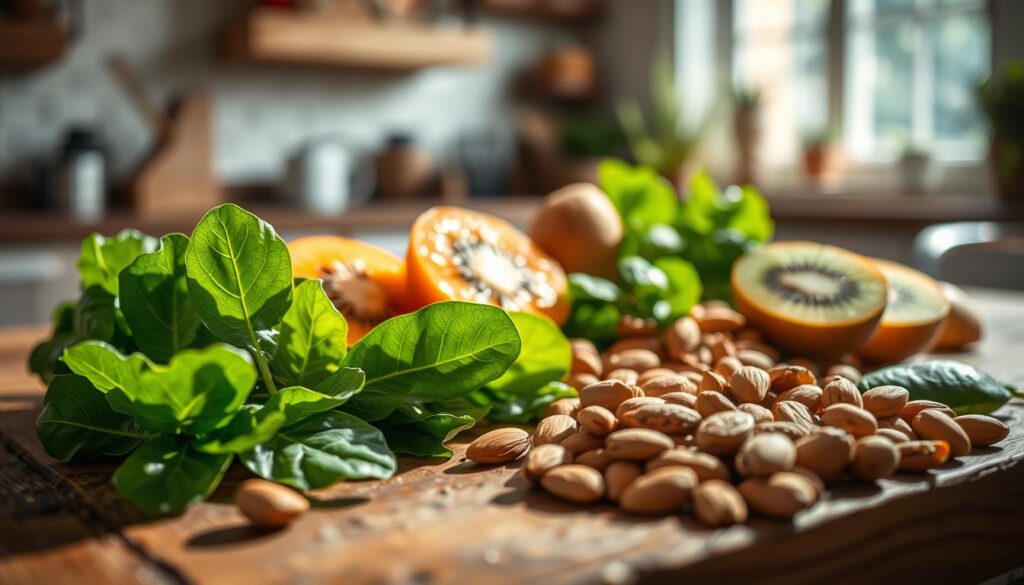
One simple way to increase our intake is choosing nuts and seeds. Almonds, sunflower seeds, and hazelnuts provide a concentrated dose of this nutrient. Keeping a small container of these snacks at our desks or in our bags makes healthy eating more convenient.
Spinach and Other Greens
Beyond crunchy snacks, we can add vitamin E to main meals with leafy greens. Spinach, Swiss chard, and beet greens are nutrient-dense additions to salads or sautéed dishes. These vegetables offer a fresh way to boost our intake while providing other essential vitamins and minerals.
Avocados: A Creamy Source of E
Avocados offer a versatile, delicious way to add healthy fats and vitamin E to our plates. We love mashing them onto whole-grain toast or slicing them into bowls for a creamy texture. They make a perfect base for many meals and help us get our daily dose of this important antioxidant.
To help plan meals, we organized top choices in the following vitamin sources chart. These foods are easy to find at any local grocery store and can be mixed into various recipes.
| Food Category | Top Examples | Best Use |
|---|---|---|
| Nuts and Seeds | Almonds, Sunflower Seeds | Quick Snacks |
| Vegetable Oils | Wheat Germ, Sunflower Oil | Salad Dressings |
| Leafy Greens | Spinach, Swiss Chard | Salads and Sautéing |
| Fruits | Avocados | Spreads and Toppings |
| Whole Grains | Fortified Cereals | Breakfast Bowls |
Vitamin K: Essential for Blood Health
When discussing essential vitamin sources, we should not overlook vitamin K. This nutrient helps our bodies manage blood clotting effectively. These blood health nutrients support proper body maintenance and repair.
Leafy Greens: Kale and Swiss Chard
Nature offers many leafy green vegetables packed with vitamin K. Kale and Swiss chard are two powerful choices found in local grocery stores. Add them to salads or sautéed side dishes to increase daily vitamin K intake.
Fermented Foods: Fermented Soybeans
Vitamin K also appears in unique fermented products. Fermented soybeans, often called natto, provide a concentrated dose of this nutrient. Despite their distinct flavor, they add variety and nutritional value to vitamin K foods.
Broccoli: A Double Win
Broccoli offers more than one benefit. It provides vitamin K, fiber, and other essential minerals. Steaming or roasting helps preserve its quality and makes it a versatile meal addition.
Important Note: If you are currently taking blood-thinning medication, consult your healthcare provider before significantly changing your vitamin K intake. Consistency is key when managing specific health conditions.
| Food Source | Vitamin K Content | Primary Benefit |
|---|---|---|
| Kale | Very High | Blood Clotting |
| Swiss Chard | High | Bone Support |
| Fermented Soy | High | Gut Health |
| Broccoli | Moderate | Immune Support |
Whole Grains: A Vital Source of B Vitamins
Adding varied grains to daily meals builds a strong base for plant-based nutrition. These foods provide more than fiber. They also supply B vitamins that support metabolism and energy. Choosing whole grains gives your body complex carbohydrates and key micronutrients.
Quinoa: A Complete Protein
Quinoa is a unique grain because it contains all nine essential amino acids. This makes it a fantastic choice among vitamin sources for vegetarian meal plans. You can use it in salads, bowls, or breakfast porridge.
Oats: Heart-Healthy and Filling
Oats can support heart health through beta-glucan fiber. They also provide whole grain vitamins, including thiamine and folate. A bowl of steel-cut oats offers a simple way to increase your nutrient intake.
Brown Rice: The Whole Grain Choice
Brown rice is a classic staple that fits many cultural dishes. As one of the most reliable vegetarian vitamin sources, it offers a chewy texture and nutty flavor.
Grains are excellent B vitamin sources, but plants alone may lack some nutrients, such as B12. In these cases, fortified products can help meet your daily requirements.
How to Incorporate Vitamins into Your Diet
Turn daily meals into powerful tools for wellness by focusing on nutrient-dense meals. See food as fuel that helps your body work well.
Meal Planning Tips for Balanced Nutrition
healthy meal planning starts with variety. Fill half your plate with colorful vegetables, one quarter with lean proteins, and one quarter with whole grains. This balance provides a wide range of vitamin sources.
Planning ahead helps us avoid the temptation of processed convenience foods. Prep grains or wash greens on Sunday, making balanced nutrition easier during a busy work week.
Snacking on Vitamin-Rich Foods
Snacks can bridge the gap between meals. Keep almonds, fresh berries, or baby carrots nearby instead of choosing empty calories.
These small, intentional choices build healthy habits throughout the day. A handful of walnuts or a piece of fruit gives quick energy and essential micronutrients that help us stay sharp.
Cooking Methods That Preserve Nutrients
How we prepare food matters as much as what we buy. High heat and long cooking times can damage delicate vitamins, so use gentler methods when possible.
- Steaming: This is one of the best ways to keep vitamins intact in vegetables.
- Quick Sautéing: Using a small amount of healthy oil helps our bodies absorb fat-soluble vitamins.
- Roasting: This method brings out natural flavors while keeping the structure of the food mostly intact.
These simple strategies help our nutrient-dense meals provide the greatest benefit. Small kitchen changes can improve our overall health and vitality.
Conclusion: Embrace a Vitamin-Rich Lifestyle
Building a healthy future starts with choices made at the grocery store. Prioritizing diverse Vitamin sources gives our bodies the fuel needed for peak performance.
A balanced diet supports lasting vitality. Fill your plate with colorful produce, whole grains, and lean proteins like salmon to support daily nutrient intake.
These simple habits help prevent sluggishness and brain fog linked to poor nutrition.
A vitamin-rich lifestyle does not require perfection. Small, steady changes can improve how we feel each day. Choose variety to meet all our physiological needs.
Sometimes, our bodies need support beyond what we eat. We encourage you to speak with a healthcare provider about your specific health goals. They can determine whether supplements are necessary to fill gaps in your current routine.
Start your journey toward better health today. Your body will reward your commitment with sustained energy and improved well-being.
## FAQ
### Q: What are the best vitamin sources for a daily diet?
A: Choose natural vitamin sources in whole foods, such as Dole spinach, Chobani Greek yogurt, and Sunkist oranges. Supplements have a place, but vitamin-rich foods provide a complex mix of fiber and antioxidants that supports absorption and health. Eating many colors helps us get the nutrients our bodies need each day.
### Q: Where can I find a comprehensive vitamin sources list or chart for meal planning?
A: Use resources from the National Institutes of Health (NIH) or USDA FoodData Central for a detailed vitamin sources chart. Include colorful produce like Bolthouse Farms carrots, lean proteins like StarKist tuna, and healthy fats like California Avocados. Keeping a simple vitamin sources list on the refrigerator can guide weekly grocery trips.
### Q: What are the most effective vitamin sources for vegetarian lifestyles?
A: For plant-forward diets, choose Quaker Oats, Bob’s Red Mill quinoa, and fortified Silk almond milk or Kellogg’s Special K cereal. These foods support vegetarian needs, especially B12 and Vitamin D, which can be harder to find in plants alone. Legumes and leafy greens are also essential vitamin sources for maintaining energy without meat.
### Q: How do we distinguish between water-soluble and fat-soluble vitamins?
A: B-complex and C are water-soluble vitamins, so waste removes them and daily replenishment is needed. Fat-soluble vitamins, including A, D, E, and K, stay in the body’s fatty tissues and liver. Because of this, eat Eggland’s Best eggs or Blue Diamond almonds with healthy fats to aid nutrient absorption.
### Q: Can cooking change the nutrient density of natural vitamin sources?
A: Steaming or microwaving can retain more nutrients in vegetables like Green Giant broccoli than boiling, which can leach vitamins into water. To get the most from essential vitamin sources, eat a mix of raw and lightly cooked produce. For example, enjoy raw Bell Pepper slices for Vitamin C, but cook carrots to make Vitamin A more bioavailable.
### Q: Why should we prioritize food over supplements for essential vitamin sources?
A: Food-first nutrition is a sustainable way to support our health. Whole foods like Atlantic Salmon or Nature’s Pride whole wheat bread offer a nutrient synergy that pills often lack. Natural vitamin sources also provide phytochemicals and minerals that support immune function and steady energy throughout the day.