
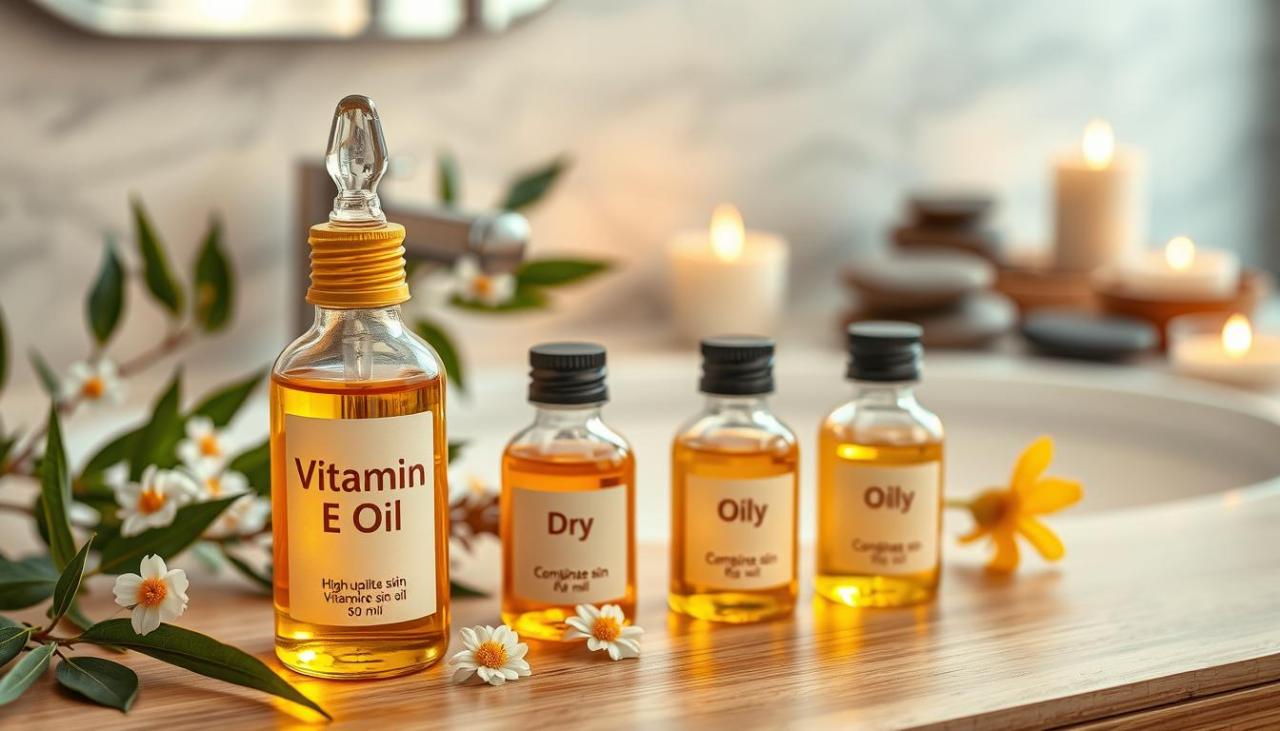
Did you know nearly 80% of visible aging signs come from environmental stressors, not genetics alone? Pollution and ultraviolet rays can reduce our natural glow. Using Vitamin E oil for skin helps neutralize free radicals that damage delicate skin.
This potent antioxidant helps skin retain moisture and strengthens its natural barrier. When we use Vitamin E oil for face treatments, we give cells nourishment for comfort and resilience. These topical treatments should support, not replace, daily sunscreen or professional dermatological care.
This guide explains practical benefits, safety precautions, and best practices for adding this nutrient to your routine. Let us help you achieve a healthier, more radiant appearance through informed choices.
Key Takeaways
- Acts as a vital antioxidant to combat environmental damage.
- Supports the natural moisture barrier to prevent dryness.
- Must be used alongside daily SPF protection for best results.
- Provides soothing relief for various types of irritation.
- Consult a professional if you have specific concerns.
What is Vitamin E Oil?
To appreciate the benefits of Vitamin E oil, we first need to understand this powerful substance. Vitamin E oil is a fat-soluble antioxidant that protects our cells from oxidative stress.
It comes from natural plant oils, seeds, and nuts, or laboratory-made tocopheryl acetate. It is a thick, viscous liquid that creates a protective barrier on the skin.
Overview of Vitamin E
Vitamin E is a group of eight fat-soluble compounds, not one compound. These essential nutrients support immune health and cellular signaling. You can learn more about these nutrients in this guide on skin health and vitamin.
When used on skin, it acts as a strong shield against environmental stressors. Topical oils serve a different purpose from dietary supplements. Consult a healthcare professional before adding internal supplements to your wellness routine.
Different Forms of Vitamin E
Skincare products mainly contain two groups: tocopherols and tocotrienols. Each group has four forms, but alpha-tocopherol is most active in human skin.
You will often see tocopheryl acetate on product labels. This stable ester form is popular because it lasts longer on the shelf. After entering the skin, it changes into free tocopherol and provides protective effects.
Sources of Vitamin E
Nature provides this nutrient through many foods. Good sources include wheat germ oil, almonds, sunflower seeds, spinach, and broccoli.
These foods support internal health, while beauty products use oil processed for external application. Understanding these sources helps us appreciate the natural origins of the benefits of Vitamin E oil in our daily routines.
Benefits of Vitamin E Oil for Skin
Understanding the core benefits of Vitamin E oil for skin helps you make informed choices about your daily beauty routine. This nutrient supports people who want a healthy, vibrant complexion. Adding this oil to your routine helps protect skin from environmental stressors.
Antioxidant Properties
Vitamin E oil for skin acts as a strong antioxidant that neutralizes harmful free radicals. Sun exposure and urban pollution can create these unstable molecules and damage cells. Applying this oil helps protect your skin barrier from oxidative stress and dullness.
Moisturizing Effects
Many people use Vitamin E oil for skin because it helps lock in moisture. It forms a protective seal that limits water loss throughout the day. This makes it useful for people with dry or flaky patches.
Anti-Aging Benefits
Vitamin E oil for anti-aging can support overall skin health. It cannot erase deep wrinkles, but hydration may improve the look of fine lines. Regular use supports elasticity, creating a more youthful, refreshed appearance over time.
Soothing Irritation and Redness
Many users find that this oil provides a calming effect on sensitive or inflamed areas. It helps soothe redness from environmental triggers or minor surface irritation. Its gentle nature makes it a popular choice for delicate skin.
| Skin Benefit | Primary Action | Best For |
|---|---|---|
| Antioxidant Protection | Neutralizes free radicals | Sun-exposed skin |
| Deep Hydration | Prevents water loss | Dry, flaky skin |
| Elasticity Support | Softens fine lines | Mature skin |
| Calming Relief | Reduces redness | Sensitive skin |
How to Use Vitamin E Oil
People often ask how to add this nutrient to a daily regimen. Learning the right Vitamin E oil uses helps you gain benefits while keeping your complexion balanced and healthy.
Applying Directly to the Skin
When learning how to use Vitamin E oil on skin, begin with a clean, slightly damp face. Damp skin holds moisture better than dry skin after you apply the oil.
Always patch-test the oil on your inner forearm before applying it to your face. This check helps show whether the oil may cause irritation. Use only a small amount, because the oil is highly concentrated and spreads far.
Mixing with Other Oils
You can improve Vitamin E oil for face treatments by mixing the oil with helpful ingredients. It works well with hydrating agents, such as hyaluronic acid, or actives like vitamin C and retinoids.
For a carrier oil, mix a few drops with jojoba, coconut, safflower, or sunflower oil. These blends dilute the thick Vitamin E and help it spread evenly across your skin.
Incorporating into Your Skincare Routine
To add Vitamin E oil for skin care routine, apply it after lighter, water-based serums. This layering lets the oil act as an occlusive, sealing in hydration from earlier products.
If your skin is oily or acne-prone, use caution and change how often you apply it. You may prefer using it a few times a week or as a spot treatment. This may suit your needs better than daily use.
Vitamin E Oil for Specific Skin Concerns
People often seek simple answers for blemishes and uneven skin texture. Natural oils may help, but knowing their effects supports a healthy complexion. Use these remedies with realistic expectations instead of trusting personal stories or online trends.
Acne Treatment
If you have breakouts, heavy oils may seem tempting. However, we must note that thick Vitamin E oil can clog pores and may worsen active acne for many users. Because it is highly comedogenic, the oil may trap bacteria and sebum inside hair follicles.
People with oily or acne-prone skin should use it with great care. If congestion or new pimples appear after use, stop applying it at once.
Scar Healing
Many people seek natural ways to improve marks left by past breakouts. Some use Vitamin E oil for acne scars, but research offers limited support for its effectiveness. Topical use has not shown consistent results for surgical scars, deep wounds, or severe burns.
Consider these points if you want to use this oil for skin texture:
- Consistency is key, but results are rarely immediate.
- It may help with surface-level hydration rather than deep tissue repair.
- Always monitor your skin for signs of irritation or increased redness.
Dark Circles and Puffiness
Under-eye concerns often result from genetics, tiredness, or thinning skin. Limited evidence suggests Vitamin E may slightly help dark spots and mild discoloration, but it cannot cure chronic puffiness.
If you try it, apply a tiny amount to the orbital bone area. For persistent acne, significant scarring, or unexplained pigmentation, we strongly encourage you to seek individualized dermatological guidance. A professional can create a treatment plan tailored to your specific needs, making care safer and more effective.
DIY Vitamin E Oil Recipes
DIY recipes help you explore the many vitamin E oil uses. Making your own skincare blends gives you control over ingredients touching your body. Start with small amounts to keep products fresh and avoid waste.
Use clean tools and sanitized containers when mixing products. For beginners, Short application times help you see how your skin reacts to concentrated treatments. Small batches reduce irritation risk and unwanted pore congestion.
Face Mask
A simple face mask can deeply hydrate tired skin. Mix a few drops of vitamin E oil with plain yogurt or honey. Apply it to clean skin for about ten minutes, then rinse with lukewarm water.
Aloe Vera Gel Mixture
Combining vitamin E oil with aloe vera gel creates a light, soothing base. This blend suits people who want oil’s moisture without a greasy residue. Many people find these vitamin E oil uses help calm redness after a long day in the sun.
Hair Treatment
If you have dry strands or a flaky scalp, a little vitamin E oil may help. Massage a few drops into your ends or scalp for extra conditioning. Rinse your hair well afterward to prevent heavy buildup, since a little goes far.
| Treatment Type | Primary Benefit | Recommended Frequency |
|---|---|---|
| Face Mask | Deep Hydration | Once Weekly |
| Aloe Vera Blend | Soothing Irritation | As Needed |
| Hair Treatment | Conditioning Ends | Bi-Weekly |
These simple DIY methods let you customize your routine for your needs. Consistency matters when testing new vitamin E oil uses in your personal care routine. If you notice discomfort, wash it off and stop using it at once.
Precautions When Using Vitamin E Oil
Safety should come first when you explore new skincare solutions. Natural ingredients have benefits, but concentrated oils may affect each person’s unique skin differently. A few simple steps before full application can support a positive, effective experience.
Patch Testing
Before applying Vitamin E oil for acne scars to your entire face, perform a patch test. Apply a small amount to an unseen area, such as your forearm or behind your ear. Wait at least 24 hours to see how your skin responds.
With particularly sensitive skin, start with a shorter contact time. Apply the oil for approximately 15 minutes, then gently wash it away. If redness, itching, or burning occurs, rinse immediately and stop using the oil.
Potential Allergies
Even natural products can trigger sensitivities in some people. When using Vitamin E oil for acne scars, watch for signs of an allergic reaction. These signs may include swelling, new bumps, or irritation that continues after washing.
If you experience these reactions, your skin may signal that the product does not suit your current needs. Always listen to your skin and avoid products that cause discomfort. Caution is better than a flare-up that could take days to heal.
Consultation with a Dermatologist
Sometimes, professional guidance is necessary for your skincare journey. Consult a dermatologist if you have chronic skin conditions, open wounds, or significant scarring needing specialized care. A professional can offer advice based on your health history.
Seek medical help if a reaction does not resolve quickly on its own. A dermatologist can identify whether an ingredient causes an underlying issue or requires different treatment. Your long-term skin health is worth the extra effort of seeking expert advice.
Best Vitamin E Oil Products in the Market
To find the best Vitamin E oil for skin, check labels and ingredient quality. With many choices available, focus on clear information and purity for better value.
Top Brands to Consider
For high-quality products, choose companies that provide third-party testing and clear ingredient lists. Reputable brands often document their Vitamin E source and show it is free from harmful contaminants.
- Derma-E: Known for clean, antioxidant-rich formulas.
- Jason Natural: Offers high-potency options for targeted care.
- Sundown Naturals: Provides pure, simple formulations that are easy to integrate.
Budget-Friendly Options
You do not need to spend much to find an effective product. Many affordable brands offer quality oils that work as well as luxury alternatives. On a budget, choose products with few additives to avoid unnecessary fillers.
Choose single-ingredient oils or simple blends that focus on vitamin benefits. Find them in health food stores or online marketplaces. These products can provide the best Vitamin E oil for skin at a lower price.
Products for Specific Skin Types
Match the formula to your skin needs for the best results. People with sensitive skin should choose fragrance-free options to lower irritation risk. If you have oily skin, choose light, non-comedogenic blends that absorb quickly without a heavy residue.
Many products use tocopheryl acetate, a stable and effective form of the vitamin. Consider these factors when choosing your next bottle:
- Concentration: Check the percentage of Vitamin E to ensure it meets your needs.
- Packaging: Choose dark glass bottles to protect the oil from light degradation.
- Preservatives: Opt for natural stabilizers rather than harsh synthetic chemicals.
By checking these details, you can choose the best Vitamin E oil for skin for your lifestyle and budget. Always check the full ingredient list to ensure it supports your personal skincare goals.
Storage Tips for Vitamin E Oil
Protecting your high-quality skincare investment starts with proper storage. When you purchase the best Vitamin E oil for skin, keep it effective until the last drop. Proper handling prevents early breakdown and keeps your product working as intended.
Keeping it Fresh
Keep the bottle tightly sealed when not in use. Air exposure can cause oxidation and reduce the product’s antioxidant benefits. Always avoid moving the oil into secondary containers that are not airtight or clean, because contaminants may enter.
Watch for signs that your oil has spoiled. If you notice an unusual odor, changed color, or thick, sticky texture, discard the bottle. Ingredient separation can also show that the product is no longer stable.
Ideal Storage Conditions
The best Vitamin E oil for skin thrives in a cool, dry, and dark environment. Avoid storing bottles in the bathroom because humidity and shower temperature changes can damage the formula. Similarly, never store oil near heat sources like radiators or in direct sunlight.
| Storage Factor | Recommended Condition | Avoid |
|---|---|---|
| Temperature | Cool room temperature | Direct heat or sunlight |
| Humidity | Dry environment | Steamy bathrooms |
| Container | Original airtight bottle | Unclean or open jars |
Shelf Life Considerations
Every product has a manufacturer’s expiration date for a reason. Using oil after this date may reduce its potency or cause skin irritation. Mark the opening date on the bottle to track its freshness over time.
These simple guidelines help the best Vitamin E oil for skin remain reliable in your daily routine. Proper care is the easiest way to protect your skincare collection’s value and safety.
Vitamin E Oil for Different Skin Types
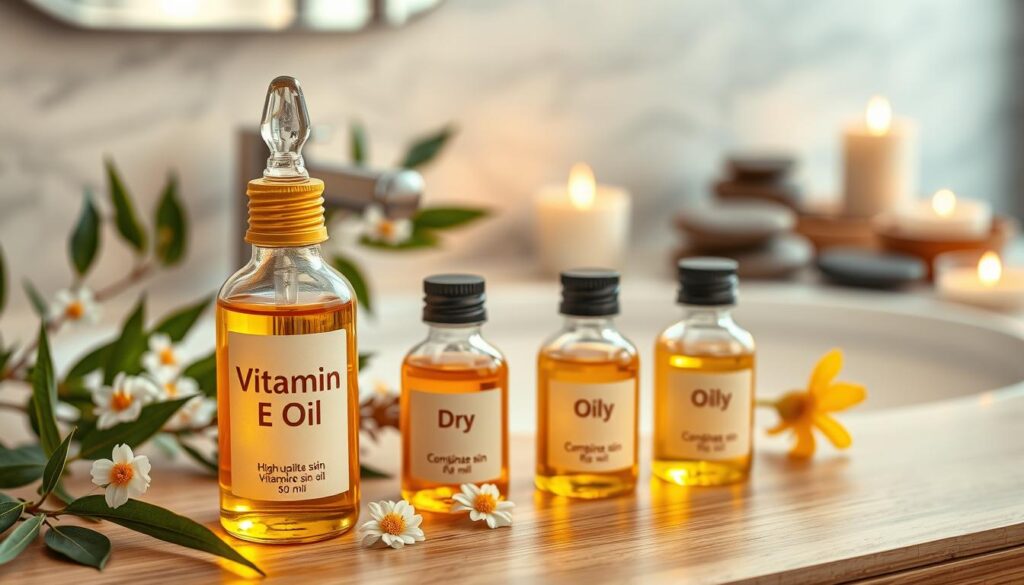
Finding the best Vitamin E oil for skin requires understanding your unique complexion needs. Because every person has a different skin barrier, one product may not suit everyone. Assess your skin’s needs before choosing a product.
Oily Skin
If you have oily or acne-prone skin, pure, heavy oils may feel too thick. Choose lightweight serums with vitamin E as an active ingredient. They provide antioxidant benefits without clogging pores or causing breakouts.
Dry Skin
Dry skin often needs deep hydration and nourishment. Your complexion may tolerate richer, more concentrated formulas well. A quality oil can lock in moisture and soothe rough patches, especially with daily vitamin E capsules to support your skin from the inside out.
Sensitive Skin
For sensitive skin, caution is best, so choose fragrance-free formulas to lower irritation risk. Patch-test the oil on a small area of your arm before applying it to your face. Start with little oil and increase use as your skin builds tolerance.
| Skin Type | Recommended Approach | Key Consideration |
|---|---|---|
| Oily | Lightweight serums | Avoid heavy, pure oils |
| Dry | Rich, concentrated oils | Focus on moisture retention |
| Sensitive | Fragrance-free formulas | Patch test is mandatory |
Remember, stop using the oil if you notice ongoing redness, itching, or congestion. Skin health comes first, and finding the best Vitamin E oil for skin takes trial and observation.
Understanding the Science Behind Vitamin E
Antioxidants can protect skin from biological damage. UV radiation and pollution create reactive oxygen species that harm skin cells. This oxidative stress drives visible aging, including collagen loss and rougher skin.
How Vitamin E Works on Skin
At the molecular level, Vitamin E oil for anti-aging acts as a powerful scavenger. It donates an electron to unstable free radicals and neutralizes them before they harm cells. This process helps protect the skin’s lipid barrier.
A healthy lipid barrier helps skin retain moisture and prevents transepidermal water loss. Learn more by visiting what is vitamin E in skincare to see how it fits your daily regimen. Consistent application keeps skin supple and resilient against external threats.
Research Studies Supporting Its Benefits
Laboratory studies often show this nutrient’s strong antioxidant power. Clinical evidence often presents it as a supportive agent. Many experts say it moisturizes well but works best with other proven actives.
For broader wellness, explore healthy aging vitamins for a wider view of skin longevity.
To maximize the effectiveness of Vitamin E oil for anti-aging, add it to a balanced routine. It pairs well with ingredients like:
- Vitamin C: Enhances photoprotection when used together.
- Hyaluronic Acid: Boosts deep hydration levels.
- Retinoids: Helps soothe potential irritation from stronger treatments.
- Sunscreen: Provides a secondary layer of defense against UV damage.
Understanding these interactions helps us make informed skincare choices. Although it is not a miracle cure, it supports natural skin repair, making it valuable for long-term anti-aging strategies.
Frequently Asked Questions about Vitamin E Oil
Want to add this potent antioxidant to your beauty routine safely? You are in the right place. Skincare can feel confusing, especially when you use concentrated oils. Using Vitamin E oil for face treatments requires knowledge to help prevent irritation.
Can Vitamin E Oil Clog Pores?
Many people wonder whether this thick oil can cause breakouts. Because Vitamin E oil feels heavy, some people consider it moderately comedogenic.
If you have oily or acne-prone skin, use caution. Applying too much oil, or using it too often, may cause congestion. Watch your skin’s response before adding it permanently to your daily routine.
How Often Should You Use It?
Learning how to use Vitamin E oil on skin starts with moderation. You do not need to apply it every day to see benefits.
- Start by applying the oil only once or twice weekly.
- Always perform a patch test on your inner arm to check for reactions.
- Increase the frequency only if your skin remains comfortable and clear.
Can You Use Vitamin E Oil on Your Face?
Yes, you can use this oil on your face, but the method matters. People with dry skin may tolerate an occasional overnight application, while others may find it too heavy for sleep.
When learning how to use Vitamin E oil on skin, always follow the product manufacturer’s directions. If you experience persistent irritation, redness, or unexpected acne, stop using it immediately. We strongly advise consulting a dermatologist about Vitamin E oil for face care, especially with sensitive skin or allergies.
Conclusion: Embracing Vitamin E Oil in Your Routine
Adding natural ingredients to your beauty routine can support a healthier complexion. Vitamin E oil for skin may support hydration and antioxidant protection.
Summary of Skin Benefits
This nutrient supports your skin barrier and helps create a softer, more supple texture. High-quality products from Derma-E or Jason Natural may make your skin look brighter. Results vary by skin type and how consistently you apply the product.
Starting Your Journey
We suggest introducing this oil slowly to see how your face reacts. After a patch test, mix a small amount into your favorite moisturizer or serum. This careful approach helps build a sustainable Vitamin E oil for skin care routine for your unique needs.
Maintaining Long-Term Health
Topical use supports skin health but does not replace daily sunscreen and gentle cleansing. If acne or deep scarring continues, seek professional advice from a dermatologist.
A balanced lifestyle remains the best foundation for your glow. Enjoy finding what makes your skin feel its absolute best.