Your body cannot store this essential nutrient for more than a few hours. Because Vitamin B2 (Riboflavin) is water-soluble, you must replace it every day.
Vitamin B2 (Riboflavin) is a powerful nutrient that helps convert food into usable energy. Without it, our cells may struggle to work at their best.
Besides fueling daily activity, it supports vibrant skin health and helps maintain clear vision. This guide explains how to add this nutrient to your diet and when to consider supplements safely.
Cleveland Clinic professionals medically reviewed this information for accurate, evidence-based guidance. Let us explore the science behind Vitamin B2 (Riboflavin) and its effect on long-term wellness.
Key Takeaways
- It is a water-soluble nutrient that the body does not store.
- It plays a critical role in converting food into cellular energy.
- Adequate intake supports healthy skin and eye function.
- You can find this nutrient in many common food sources.
- Consulting professionals ensures safe and effective supplement use.
What is Vitamin B2 (Riboflavin)?
Riboflavin, or Vitamin B2, supports many biological processes in the human body. As a water-soluble B-complex vitamin, it is not stored in body tissues for long. Therefore, consistent vitamin intake is vital for maintaining good health.
Definition and Importance
Vitamin B2 helps form coenzymes that drive cellular energy production. These coenzymes help cells turn food into energy for daily movement and organ function. It is truly the spark plug of our metabolic engine.
Our bodies cannot make this nutrient, so we need a balanced diet. Enough Vitamin B2 supports healthy skin, eyes, and the nervous system. Consistent replenishment helps our internal systems work at their best.
Historical Context
The study of Vitamin B2 began in the early 20th century during research into milk pigments. Scientists noticed a yellow-green, fluorescent substance that seemed to help laboratory animals grow. They later isolated it and named it riboflavin because of its chemical structure.
Researchers later confirmed this compound was a distinct, heat-stable vitamin essential for human life. Over the decades, our understanding of Vitamin B2 grew from a simple growth factor into a complex molecule. It is involved in hundreds of enzymatic reactions. Today, we recognize it as a foundational element of human nutrition and wellness.
Sources of Vitamin B2
Learning about the various sources of Vitamin B2 helps us build a balanced, nutritious diet. Adding varied, nutrient-dense foods to daily meals can meet the body’s Riboflavin needs. Fresh produce and pantry staples both provide easy ways to get enough riboflavin each day.
Natural Food Sources
Many whole foods are excellent riboflavin-rich foods and provide nutrients in a form the body can use. Dairy products, including milk, yogurt, and cheese, are reliable choices. Lean meats, eggs, and organ meats, such as liver, also contain significant amounts.
People who follow plant-based diets can choose green vegetables instead. Broccoli, spinach, and asparagus provide nutrients that support overall health. Adding them to salads or stir-fries offers a simple way to increase Riboflavin naturally.
Fortified Foods
Many processed foods are enriched to help people meet their nutritional goals. Fortified cereals and breads are common sources of Vitamin B2 in American kitchens. Clear labels show how much riboflavin these products add to the daily total.
Check the nutrition facts label on your favorite grains. Fortified choices can help people who struggle to get enough vitamins from whole foods. This convenient strategy can support steady energy levels throughout the day.
Supplements
A food-first approach is usually best, but riboflavin supplements may help people with dietary restrictions or increased needs. Consider them only if a healthcare provider suggests extra support. Supplements should add to a healthy diet, not replace it.
When choosing riboflavin supplements, select reputable brands with clear dosage information. Consult a professional to learn whether supplementation fits your health profile. Below is a quick comparison of how different categories contribute to intake.
| Source Category | Primary Examples | Nutrient Density | Best Use Case |
|---|---|---|---|
| Dairy Products | Milk, Yogurt | High | Daily consumption |
| Leafy Greens | Spinach, Broccoli | Moderate | Meal variety |
| Fortified Grains | Cereal, Bread | High | Convenience |
| Supplements | B-Complex, Multivitamins | Very High | Targeted support |
Health Benefits of Vitamin B2
Vitamin B2 affects more than basic nutrition. It influences energy levels and helps protect cells. As a precursor to key coenzymes, it helps body systems work efficiently.
Energy Production
Vitamin B2 helps convert food into usable energy. It supports the breakdown of carbohydrates, fats, and proteins that fuel daily activities.
Low levels can make it harder for the body to maintain strong performance. The benefits of Riboflavin include helping us maintain stamina throughout the day.
- Supports the conversion of macronutrients into ATP.
- Assists in the activation of other B-vitamins.
- Promotes consistent metabolic function.
Skin and Eye Health
Healthy skin and clear vision need a steady supply of key nutrients. Vitamin B2 helps maintain mucous membranes, which support healthy eyes and skin tissue.
“Riboflavin is essential for the maintenance of healthy skin and the support of normal vision, acting as a foundational element for cellular integrity.”
Many people find that regular intake helps prevent common problems linked to dry skin or tired eyes. By supporting these outer barriers, it helps protect us from environmental stressors.
Antioxidant Properties
Beyond metabolism, Vitamin B2 acts as an antioxidant inside cells. It helps recycle glutathione, a key molecule that protects the body from oxidative stress and damage.
This protection supports long-term wellness. By neutralizing free radicals, the benefits of Riboflavin help preserve cellular health. They also support our natural defenses against aging and environmental toxins.
Recommended Daily Intake
Choosing the right riboflavin dosage depends on several personal factors. Because your body stores little of this water-soluble vitamin, eat it regularly to maintain healthy levels.
These guidelines offer general benchmarks. Always consult with a qualified healthcare professional to discuss your specific health needs before making major supplement changes.
Age-Specific Recommendations
Nutrient needs change throughout life. Infants, children, and adults have different demands for supporting metabolic processes.
| Life Stage | Recommended Daily Amount (mg) |
|---|---|
| Children (1-3 years) | 0.5 mg |
| Adult Men | 1.3 mg |
| Adult Women | 1.1 mg |
These amounts are baselines for healthy people. Growth spurts or high physical activity may change the riboflavin dosage your body needs to thrive.
Dietary Considerations
Your lifestyle and biological status affect your nutrient needs. Pregnant or breastfeeding people need more to support their health and their child’s development.
Dietary patterns, including strict veganism or vegetarianism, can affect how you get this nutrient. Because many sources come from animals, plant-based eaters should choose fortified grains or specific vegetables.
Your riboflavin dosage should support a balanced nutrition plan. If you worry about your levels or consider supplements, speak with a doctor for safe care that fits your health.
Deficiency Symptoms of Vitamin B2
Recognizing signs of a possible riboflavin deficiency supports early action. The body needs this vitamin for daily function, but low levels can cause physical symptoms. These signs can match other conditions, so medical evaluation is needed for an accurate diagnosis.
Common Signs of Deficiency
When this nutrient drops, the body may show visible signs. Symptoms often affect the skin, mouth, and eyes. Discuss Persistent discomfort in these areas with a healthcare provider.
“True health is not merely the absence of disease, but the presence of vitality that comes from balanced nutrition.”
The table below lists physical signs often linked to low levels of this vitamin:
| Symptom Category | Common Manifestation | Clinical Note |
|---|---|---|
| Oral Health | Cracks at mouth corners | Requires professional check |
| Dermatological | Inflamed or scaly skin | Often seen near the nose |
| Ocular | Sensitivity to light | May cause eye fatigue |
At-Risk Populations
Certain groups face a higher risk of riboflavin deficiency because of lifestyle or health factors. People with little dietary variety, including those on strict restrictive diets, may lack enough fortified foods. People with malabsorption problems or chronic conditions affecting nutrient processing are especially vulnerable.
Self-assessment cannot replace clinical testing. If you suspect low levels, consult a professional about the best course of action. Early treatment of a riboflavin deficiency helps your body function at its best.
Vitamin B2 and Energy Metabolism
At the core of cellular energy production is the vital Vitamin B2 function. This nutrient helps form two major coenzymes that support chemical reactions needed for life.
Without these coenzymes, the body would struggle to process daily fuel. By supporting these pathways, Riboflavin helps internal systems work efficiently each day.
Role in Metabolism
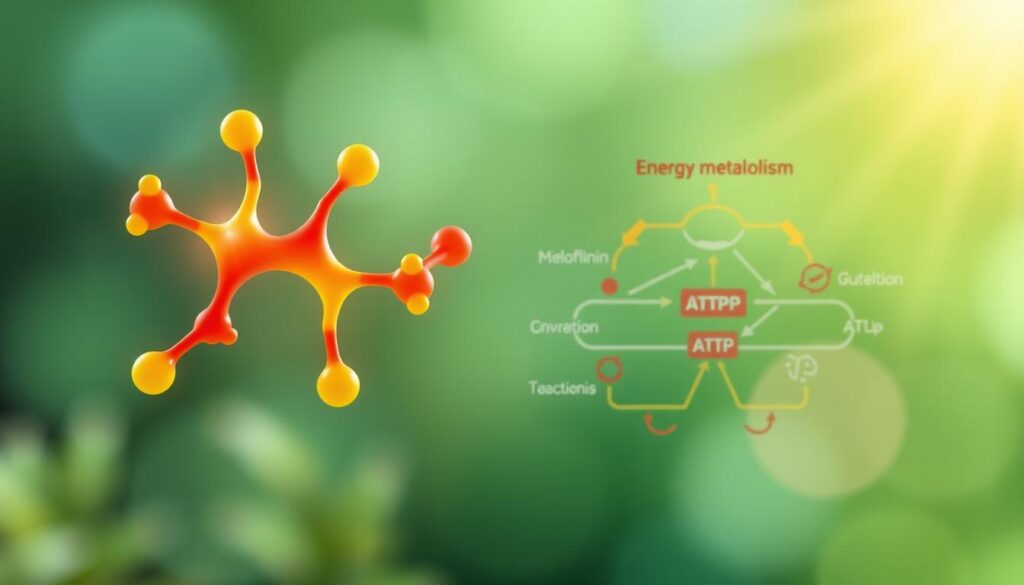
This vitamin helps create flavin adenine dinucleotide (FAD) and flavin mononucleotide (FMN). These molecules are essential components of the electron transport chain, the final stage of cellular energy production.
These coenzymes help turn carbohydrates, fats, and proteins into usable energy. After we eat, these chemical processes unlock calories stored in those nutrients.
Importance for Athletes
Many people ask whether higher intake improves physical performance. Adequate nutrition supports metabolic health, but Riboflavin does not directly enhance performance.
Athletes need a steady supply of nutrients during training, which uses much energy. Proper levels help the body meet the greater demand for energy conversion during physical activity.
| Metabolic Process | Role of Vitamin B2 | Impact on Energy |
|---|---|---|
| Carbohydrate Breakdown | Coenzyme Support | Glucose Utilization |
| Fatty Acid Oxidation | Enzyme Activation | Energy Release |
| Protein Metabolism | Amino Acid Processing | Tissue Maintenance |
| Cellular Respiration | Electron Transport | ATP Production |
Vitamin B2 for Skin Health
Your skin can reflect your overall health and the nutrients you give your body. Many factors affect your complexion, but enough Vitamin B2 supports normal skin maintenance. A balanced diet can help keep your skin strong and healthy.
Benefits for Skin Conditions
General nutrition supports skin health, but it does not treat specific medical problems. Vitamin B2 helps maintain healthy skin cells, but it cannot replace professional dermatological care. See a healthcare provider for lasting rashes, inflammation, or other concerning symptoms.
Riboflavin helps skin cells renew and supports healthy mucous membranes. These processes give your body tools for health. For diagnosed skin conditions, seek expert advice instead of relying only on diet.
Dietary Tips for Skin Improvement
Adding Riboflavin-rich foods to daily meals can raise your intake. Choose many whole foods to get a broad range of essential nutrients. Use the table below to see how food groups support a skin-friendly diet.
| Food Category | Nutrient Density | Skin Benefit |
|---|---|---|
| Dairy Products | High | Cellular repair |
| Leafy Greens | Moderate | Antioxidant support |
| Lean Meats | High | Tissue maintenance |
| Whole Grains | Moderate | Metabolic health |
To get more Riboflavin-rich foods, add yogurt to breakfast or spinach to lunch salads. Consistent choices help build a lasting eating pattern. A varied diet is a reliable way to support skin from the inside out.
Potential Side Effects and Interactions
Learning about the safety of riboflavin supplements supports informed health choices. Riboflavin is water-soluble and usually safe, but health conditions can affect nutrient processing. Knowing the riboflavin side effects supports your overall well-being.
Safe Dosage Levels
Most people get enough vitamin B2 from a balanced diet, but some choose concentrated forms. More is not always better with supplements. High doses may cause bright yellow urine, a harmless and common effect.
Follow healthcare professionals’ guidance to avoid unnecessary intake. Your needs depend on your age, gender, and underlying health conditions. Check the product label for serving sizes and stay within a safe range.
“Supplements should be viewed as a complement to a healthy diet, not a replacement for the nutrients found in whole foods.”
Interaction with Medications
Before adding a product, discuss possible interactions with your pharmacist or clinician. Some medicines may change how your body absorbs or uses vitamin B2. This matters especially for people taking specific antibiotics or anti-seizure drugs.
Keep an open dialogue with your medical team about every supplement you take. They can give personalized advice based on your health and medicines. Relying on professional guidance helps keep your wellness plan effective and safe.
| Consideration | Safety Level | Action Required |
|---|---|---|
| Standard Dietary Intake | High | None |
| High-Dose Supplementation | Moderate | Consult Physician |
| Concurrent Medication Use | Variable | Pharmacist Review |
Conclusion: Embracing Vitamin B2 for Wellness
Prioritizing your daily Vitamin B2 intake supports many vital body functions. This essential nutrient helps energy metabolism run smoothly and protects your skin and eyes.
Choose a balanced diet rich in whole foods to meet your nutritional needs. Riboflavin is readily available in dairy, lean meats, and leafy greens. These natural sources provide the best foundation for long-term health.
Consider supplements if your diet lacks variety or you have specific health goals. Speak with a healthcare provider at organizations like the Cleveland Clinic before starting a new regimen. Professional guidance helps keep your choices safe and effective for your unique body.
Taking charge of your wellness starts with informed decisions about your daily habits. By monitoring your Riboflavin levels, you invest in future vitality. Contact a doctor about persistent symptoms or questions about how Vitamin B2 interacts with your current medications.