
Did you know your body produces trillions of unstable molecules called free radicals every day? These tiny particles can damage cells if left unchecked. Fortunately, our systems use antioxidant properties to neutralize these threats and maintain internal harmony.
We often see these defenders as one group, but they form a diverse team. Vitamins, minerals, enzymes, and various plant compounds all support this vital work. It is a complex chemical dance that keeps us healthy and functioning at our best.
Our daily habits play a major role in this process. Everything from the food we eat to normal metabolism affects how well we manage oxidative stress. By understanding these antioxidant properties, we can make better choices about diet and supplement use to support long-term wellness.
Key Takeaways
- Free radicals are naturally produced by the body and require constant neutralization.
- Antioxidants are not a single nutrient but a broad category including vitamins and enzymes.
- Chemical actions from these compounds protect our cells from oxidative damage.
- Lifestyle factors like diet and metabolism directly impact our internal balance.
- Strategic food choices help us maintain optimal health through natural defense mechanisms.
Antioxidant properties in plain language
At the most basic level, antioxidants defend the body against cellular stress. These antioxidant compounds are molecules that safely interact with unstable particles called free radicals. By donating an electron, they neutralize these reactive molecules before they damage healthy cells.
You can learn more about this science by reading about antioxidants explained in detail. These substances are essential, but they are not a “cure-all” for every health issue. Antioxidant activity is a chemical function, not a guarantee of a specific health outcome.
We find these helpful molecules in fresh foods, human tissues, and processed products. In processed products, they help prevent spoilage. Because they work in many settings, they connect biological defense systems with food preservation technology.
“Nature provides a complex array of protective molecules that work in harmony to maintain cellular integrity.”
To understand how these substances work in different settings, we can review their roles in the table below:
| Environment | Primary Role | Benefit |
|---|---|---|
| Human Tissues | Neutralizing free radicals | Cellular protection |
| Food Products | Preventing oxidation | Extended shelf life |
| Dietary Sources | Supplying nutrients | Supporting immunity |
Ultimately, the antioxidant compounds in our diet support good nutrition. A balanced diet supports the body’s natural ability to repair and protect itself from daily environmental stressors.
Why free radicals form in your body
Free radicals may seem harmful, but they support important jobs in human biology. Your body makes these unstable molecules during normal metabolism. Cells release these reactive particles when they turn food into energy.
Not all free radicals harm the body. Immune cells make them on purpose to destroy invading viruses, bacteria, and damaged cells. This vital defense mechanism helps the body stay healthy and fight infections.
Problems begin when free radical production exceeds the body’s defenses. This imbalance is called oxidative stress. Excess free radicals can then damage healthy tissue instead of only attacking pathogens.
“The body is a complex system where balance is the key to longevity and health.”
Several factors can cause oxidative stress in our daily lives:
- Intense physical exercise: While healthy, it increases oxygen consumption and radical production.
- Environmental exposures: Pollution, cigarette smoke, and radiation trigger extra production.
- Metabolic activity: The simple act of breathing and processing nutrients creates these molecules.
Our goal is to keep a healthy balance. When an overwhelmed system causes oxidative stress, antioxidants can support long-term wellness.
How antioxidants limit cellular damage
Cellular protection starts by neutralizing unstable molecules. Our bodies constantly produce reactive species that can cause harmful chain reactions when left unchecked. Through the process of free radical scavenging, antioxidants stabilize these volatile compounds before they harm delicate biological structures.
Antioxidants mainly work by donating an electron to an unstable molecule. This missing piece neutralizes the threat without making the antioxidant unstable. This essential sacrifice stops reactive species from taking electrons from healthy cells, including DNA and vital proteins.
Some antioxidants also remove reactive species from the cellular environment. This form of free radical scavenging helps protect cell membranes from oxidative stress. Intact membranes let cells communicate and function well, helping tissues stay healthy over time.
The table below shows how these defenses protect different parts of cellular architecture:
| Cellular Component | Type of Damage | Antioxidant Defense |
|---|---|---|
| Cell Membranes | Lipid Peroxidation | Prevents structural breakdown |
| DNA Strands | Genetic Mutations | Neutralizes reactive species |
| Proteins | Functional Alteration | Maintains enzyme activity |
| Overall System | Chain Reactions | Effective free radical scavenging |
By limiting these reactions, antioxidants form a critical shield for our internal systems. These microscopic interactions help preserve healthy tissues and organs. Maintaining a steady supply of these compounds is a fundamental way to support long-term wellness.
Your body’s built-in antioxidant enzymes
We often look to food for health, but our bodies also have a skilled internal defense system. Our cells make specialized antioxidant enzymes that help control oxidative stress. They form a primary shield against damage.
These systems work as a coordinated team, not as separate switches. Together, they keep a careful balance in our tissues and organs. This biological machinery supports long-term cellular health.
Superoxide dismutase converts reactive molecules
Superoxide dismutase provides a vital first defense for our cells. It quickly changes harmful superoxide radicals into less damaging molecules. This process is crucial because it helps protect cellular structures from widespread damage.
Catalase helps break down hydrogen peroxide
After other processes act, hydrogen peroxide often remains as a byproduct. Catalase neutralizes this compound. It breaks hydrogen peroxide into water and oxygen, which are harmless to our bodies.
Glutathione protects cells from oxidation
Often called the master antioxidant, this molecule supports our overall health. A strong glutathione defense is necessary to neutralize free radicals and support detoxification processes in the liver. It acts as a flexible protector, helping cells stay resilient against many forms of oxidative stress.
By maintaining these internal levels, our bodies can manage daily challenges effectively. This complex network helps keep our systems running smoothly and efficiently.
Major dietary antioxidants and their roles
Antioxidants have different roles, depending on where they work in the body. Instead of relying on one molecule, eat varied foods with many antioxidant properties. Daily meals with varied polyphenol content help protect different tissues.
Vitamin C works in watery parts of the body
Vitamin C, also called ascorbic acid, dissolves in water. It moves through the blood and the fluid inside cells. In these watery areas, it neutralizes harmful molecules before they cause widespread damage.
Vitamin E helps protect cell membranes
Vitamin E is fat-soluble, so it can enter cell membranes. These membranes contain lipids and are highly vulnerable to oxidative stress. As a critical shield, Vitamin E prevents cell structures from breaking down and supports healthy aging vitamins and longevity.
Carotenoids and polyphenols support antioxidant defenses
Beyond vitamins, the body uses carotenoid pigments, such as lycopene and lutein, for specialized protection. These compounds often occur in colorful fruits and vegetables and support eye and skin health. Likewise, flavonoid compounds in cocoa, berries, and green tea strongly support internal systems.
“The synergy of nutrients found in whole foods is far more effective than the sum of their parts, as nature designed these compounds to work in concert.”
| Antioxidant Type | Primary Location | Key Benefit |
|---|---|---|
| Vitamin C | Watery fluids/Blood | Neutralizes free radicals |
| Vitamin E | Cell membranes | Prevents lipid oxidation |
| Carotenoids | Tissues/Skin/Eyes | Supports cellular integrity |
| Flavonoids | Systemic circulation | Reduces oxidative stress |
How antioxidant compounds move through the body
The path nutrients take after digestion affects how well they work in our tissues. After we eat, the process of antioxidant absorption begins in the digestive tract. These compounds enter the bloodstream and travel to different body areas.
Solubility plays a major role in how these molecules travel. Water-soluble compounds, such as Vitamin C, move easily through blood and other fluid-filled areas. Learn more about these vital nutrients in our guide to essential vitamins and daily health support.
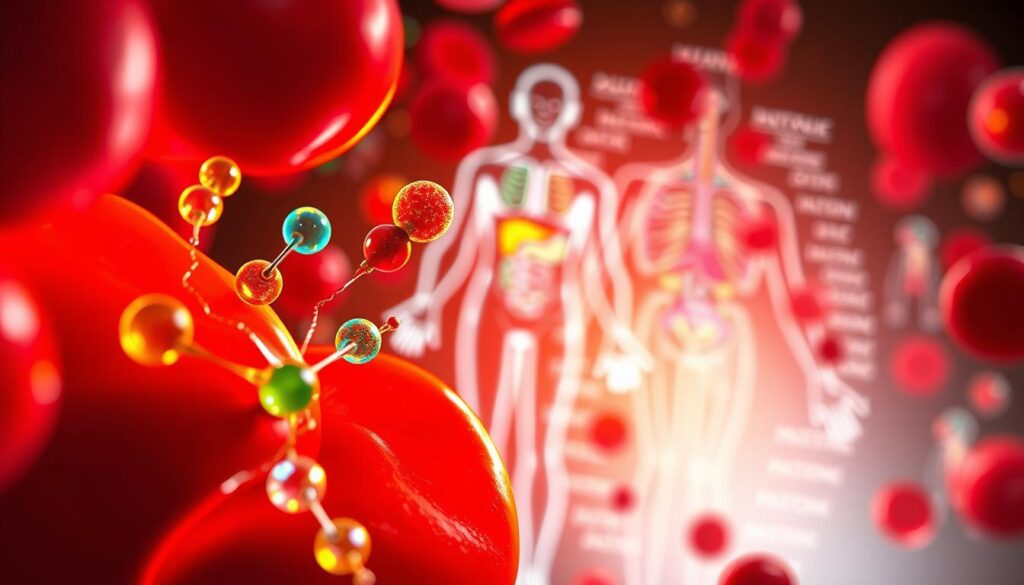
In contrast, lipid-soluble antioxidants, like Vitamin E and various carotenoids, need different transport methods. Because they dissolve in fat, they often travel inside lipoproteins to reach cell membranes. This placement gives them targeted protection where it is needed most.
Interestingly, these compounds do not always work alone. They often interact during free radical scavenging to stay effective. For example, Vitamin C can help regenerate Vitamin E after it neutralizes a harmful molecule.
This teamwork keeps our internal defenses active and efficient. Across different cellular environments, these nutrients help maintain the balance needed for optimal health.
What antioxidant activity means for cells and tissues
At the microscopic level, antioxidants guard our tissues. These compounds help maintain the structural integrity of our biological systems. By neutralizing harmful molecules, they help control the constant threat of oxidative stress during normal metabolism.
Cell membranes need protection from oxidation
Our cell membranes contain fatty acids that can suffer damage. When these fats react with unstable molecules, lipid peroxidation begins. This process can weaken membranes and limit their ability to control what enters or leaves cells.
Antioxidants shield these delicate lipid layers. They intercept reactive species before those molecules reach the membrane, helping cells stay stable and functional. This protection supports the overall health of our tissues.
Proteins can be altered by oxidative reactions
Proteins build our cells and power their functions. Oxidative reactions can change their shape and cause loss of function. Damaged proteins may clump or fail to act as enzymes or structural supports.
Our bodies rely on antioxidants to prevent these changes. By keeping the environment stable, these compounds preserve the precise architecture of our proteins. This helps cellular processes run smoothly without interruption.
DNA requires safeguards against cellular stress
DNA is perhaps the cell’s most important component to protect. Environmental and internal stressors can damage it and affect how cells replicate. Natural repair systems help, while antioxidants add defense and reduce the impact of these stressors.
These compounds support cellular health, but they cannot cure complex diseases. Instead, they work within a complex biological network that keeps our systems balanced. Protecting DNA is lifelong and needs steady support from a healthy lifestyle.
| Cellular Component | Primary Threat | Antioxidant Role |
|---|---|---|
| Cell Membranes | Lipid Peroxidation | Prevents structural breakdown |
| Proteins | Structural Alteration | Maintains functional integrity |
| DNA | Oxidative Stress | Reduces cumulative damage |
How antioxidants interact with inflammation and immunity
Our immune system balances reactive molecules with antioxidant defenses. Many people think removing all free radicals protects health, but that is not fully true. During infection, immune cells make reactive molecules to destroy invading pathogens.
This process is a vital part of our defense mechanism. Removing these molecules completely would weaken our ability to fight bacteria and viruses. Antioxidants manage them and help protect healthy tissue from extra damage.
Some plant substances offer benefits beyond basic protection. For example, flavonoid compounds in colorful fruits and vegetables act as signals that guide immune responses. They do more than capture radicals; they also shape cell communication during stress.
We should separate general antioxidant activity from the work of anti-inflammatory antioxidants. Many substances do both, but turmeric curcuminoids and olive oil oleocanthal use different pathways to reduce inflammation. After the threat ends, they help calm the immune system and prevent chronic irritation.
The following table shows how different compounds support this complex balance:
| Compound Type | Primary Function | Immune Impact |
|---|---|---|
| Flavonoid compounds | Cell signaling | Modulates immune response |
| Curcuminoids | Pathway inhibition | Reduces chronic inflammation |
| Oleocanthal | Enzyme regulation | Supports tissue recovery |
| Vitamin C | Radical scavenging | Prevents collateral damage |
Maintaining this balance supports long-term health. Supporting natural defenses instead of suppressing them helps our bodies resist outside threats. It also protects internal structures from unnecessary harm.
What antioxidant research can—and cannot—prove about disease
Antioxidant research must distinguish test-tube results from actual human health outcomes. High lab levels do not always lead to better health or prove chronic disease prevention. Preliminary findings need careful interpretation.

Early studies often use the ORAC assay, or Oxygen Radical Absorbance Capacity. This chemical test measures how well a substance neutralizes free radicals in a controlled setting. It helps compare foods, but it cannot show how bodies digest, absorb, or use these compounds.
Laboratory metrics have clear limits. Several factors prevent direct links between test-tube data and human wellness:
- Bioavailability: The body may not absorb the antioxidants measured in a lab.
- Metabolism: Our digestive system breaks down compounds into different forms.
- Complexity: Human health involves thousands of interacting biological processes.
Observational studies often link colorful, plant-rich diets with lower risks of certain illnesses. However, isolated antioxidant supplements may not provide the same benefits. Antioxidant research often highlights whole-food synergy.
Whole foods contain fiber, vitamins, and minerals that work together beyond what one pill can replicate.
Laboratory tests start scientific inquiry, but they cannot replace randomized controlled trials. These findings are pieces of a larger puzzle, not definitive proof of disease prevention. A balanced diet remains the most evidence-based way to support long-term health.
Foods that provide antioxidant compounds
Nature offers a colorful range of substances that support health. Instead of seeking one “miracle” food, choose many whole, plant-based foods. This variety supplies nutrients that work together to support your antioxidant defenses.
Many plant foods have high polyphenol content, including flavonoids and phenolic acids. Colorful fruits and vegetables often contain carotenoid pigments, such as beta-carotene and lycopene. These natural compounds create the deep reds, oranges, and greens in produce aisles.
To increase your intake, add many colors to your plate. Different pigments may signal unique protective molecules. Consider these nutrient-dense options:
- Berries: Blueberries, strawberries, and raspberries are packed with anthocyanins.
- Leafy Greens: Spinach and kale provide essential vitamins and lutein.
- Legumes: Beans and lentils offer fiber alongside their protective compounds.
- Beverages: Green tea, black coffee, and dark chocolate are excellent sources of polyphenols.
“The synergy of nutrients found in whole foods is far more effective than the isolated compounds found in many supplements.”
Besides supporting human health, these compounds play a role in food preservation. Manufacturers use natural antioxidants to slow fat oxidation, helping prevent rancidity and preserve packaged food’s flavor. By limiting color loss and chemical breakdown, these substances keep food fresh and stable longer.
| Food Category | Key Compound Type | Primary Benefit |
|---|---|---|
| Citrus Fruits | Vitamin C | Immune support |
| Tomatoes | Lycopene | Cellular health |
| Dark Chocolate | Flavonoids | Heart health |
Consistency is key in your diet. Choosing many of these foods gives your body tools to manage oxidative stress. Enjoy them whole and unprocessed whenever possible.
When antioxidant supplements may backfire
We often assume more is better, but high-dose antioxidant supplements can disrupt your body’s natural balance. These compounds support health, but concentrated doses may interfere with vital biological signals. Antioxidant supplement risks often arise because your body needs balance between oxidation and reduction.
Too many isolated antioxidants may suppress healthy oxidative stress that activates your body’s defense systems. This process supports muscle adaptation after exercise and helps maintain a strong immune response. Over-supplementation can weaken these signals and may leave you less resilient over time.
Another concern involves possible effects on lipid peroxidation, the breakdown of fats in cell membranes. At high concentrations, some antioxidants can act as pro-oxidants and promote this damage. This process resembles additives used in food preservation to prevent spoilage, but human biology is more complex.
We strongly recommend whole, nutrient-dense foods for your antioxidant needs. Whole foods provide compounds that work together in ways isolated pills cannot match. Targeted supplementation should be considered only when a qualified healthcare professional finds a specific deficiency or unique medical need.
Ultimately, a balanced diet provides the right protection without risks from excessive intake. Always consult your doctor before adding high-dose vitamins or minerals to avoid lipid peroxidation or other metabolic imbalances. Natural sources support your health better than synthetic alternatives.
Conclusion
Antioxidant properties are useful chemical actions, not a guaranteed shield against every disease or natural aging. Our bodies have advanced internal systems that control free radicals with specific enzymes. These biological tools work with nutrients from our daily meals.
A varied diet provides essential vitamin C, vitamin E, carotenoids, and polyphenols. These compounds support natural defenses better than isolated pills often can. Choose whole foods, such as berries, leafy greens, and nuts, to maintain this delicate internal balance.
Interpret supplement claims with caution. High doses of synthetic nutrients can sometimes disrupt the body’s own regulatory mechanisms. Relying on diverse, nutrient-dense foods remains the most effective strategy for long-term wellness.
What changes will you make to your plate this week to support your cellular health? Share favorite antioxidant-rich recipes or thoughts on dietary habits with our community. Your experiences help us learn to navigate nutrition’s complex world more effectively.