Did you know nearly 250 million preschool children worldwide have eye problems linked to poor nutrition? This figure shows how important certain nutrients are for clear vision.
We often ignore our eyes until dim light makes it hard to see. This condition, known as Vitamin A deficiency (Night blindness), warns that the body lacks fuel for retinal pigment production. Without care, it may progress from discomfort to permanent corneal damage.
This guide covers common vitamin A deficiency symptoms and explains why early detection matters. It also examines effective night blindness treatment, dietary changes, and prevention. Our goal is to help protect your sight before irreversible changes occur.
Key Takeaways
- Early detection of vision changes can prevent long-term ocular damage.
- Retinal health relies heavily on specific nutrient intake for pigment production.
- Dim light struggles are often the first indicator of underlying nutritional gaps.
- Professional diagnosis is essential to determine the correct course of action.
- A balanced diet remains the most effective way to support long-term eye health.
How vitamin A deficiency leads to night blindness
Nyctalopia is the medical term for night blindness, which makes low-light vision difficult. Daytime vision often stays normal, but moving into darkness becomes difficult or impossible. This happens because the eyes cannot adjust well when light levels change.
The rod cells in our retinas control this process. These special photoreceptors support vision in dim light. They need a light-sensitive retinal pigment called rhodopsin to work.
Rhodopsin forms when opsin, a protein, joins a vitamin A derivative. When light enters the eye, this molecule changes shape and sends a signal to the brain. This phototransduction cycle needs steady vitamin A to restore the pigment.
Without enough vitamin A, the body cannot make enough rhodopsin to keep the rod cells active. As a result, the eyes cannot adjust to darkness, causing night blindness symptoms. The table below shows the main parts of this visual process.
| Component | Primary Function | Impact of Deficiency |
|---|---|---|
| Rod Cells | Detect light in dim conditions | Reduced sensitivity to darkness |
| Rhodopsin | Absorbs light for night vision | Delayed dark adaptation |
| Retinal Pigment | Essential for signal transmission | Impaired visual processing |
| Vitamin A | Supports pigment regeneration | Development of nyctalopia |
Early signs of vitamin A deficiency affecting the eyes
When your eyes have trouble adjusting to dim light, this may signal a nutritional imbalance. This process, called dark adaptation, is often the first eye function to decline when your body lacks enough vitamin A. You may find outdoor navigation or driving after sunset harder as your eyes switch between light and darkness.
As vitamin A deficiency progresses, you may develop persistent dry eyes. This condition belongs to xerophthalmia, a broader disorder that gradually dries the conjunctiva and cornea. If untreated, dryness may cause serious vision problems, as shown in clinical research on ocular manifestations.
Another clinical finding needing prompt professional assessment is the appearance of Bitot spots. These small, foamy, or triangular-shaped patches form on the eye’s white surface. Doctors may also find peripheral retinal punctate lesions during a complete eye exam.
Seek evaluation before symptoms progress to ulcers or permanent visual field changes.
| Symptom | Description | Clinical Significance |
|---|---|---|
| Dark Adaptation Issues | Difficulty seeing in low light | Early warning sign |
| Xerophthalmia | Progressive ocular dryness | Requires medical intervention |
| Bitot Spots | Foamy, triangular patches | Advanced deficiency marker |
| Retinal Lesions | Punctate spots on the retina | Needs professional assessment |
When night blindness requires urgent eye care
We must recognize when trouble seeing in the dark becomes a threat to long-term eye health. Mild night blindness may be manageable, but some symptoms show your eyes face immediate danger. Seek professional help at once if your vision declines quickly.
Severe dryness, intense pain, and extreme light sensitivity are serious warning signs. These signs often point to major corneal damage that can harm your eye’s surface. Without care, these problems may become more serious than trouble seeing at night.
If the eye surface stays dry too long, it can develop corneal ulcers. Without treatment, this condition may lead to keratomalacia, which softens the cornea and can cause structural failure. These emergencies need an ophthalmologist, not home remedies.
“The eye is a delicate organ, and when structural changes occur, time is of the essence to prevent irreversible damage.”
Distinguish between changes in vision function and permanent vision loss. Some retinal problems from nutrient deficiencies improve with proper care, but corneal scars often remain permanent. Do not treat these severe symptoms with high-dose supplements, because they cannot repair structural damage.
| Symptom Type | Urgency Level | Recommended Action |
|---|---|---|
| Mild Night Vision Loss | Moderate | Schedule Routine Exam |
| Severe Dryness/Pain | High | See Eye Doctor Immediately |
| Visible Corneal Changes | Critical | Visit Emergency Room |
Please remember that your vision is irreplaceable. If you notice any warning sign above, visit a medical professional right away. Early detection is the most effective way to protect your sight and prevent long-term complications.
Who faces a higher risk of vitamin A deficiency?
Vitamin A deficiency often links to global malnutrition, but it also affects specific groups in the United States. Knowing the main vitamin A deficiency risk factors helps protect your vision. Most Americans get enough nutrients, but some people struggle with intake or absorption.
People who follow highly restrictive diets face a higher risk. Removing whole food groups, such as dairy or animal products, can reduce preformed vitamin A intake. Consider eye health vitamins if your diet creates nutritional gaps.
Digestive conditions can reduce nutrient absorption. Patients with chronic liver disease, pancreatic disorders, or inflammatory bowel conditions may not absorb vitamins well. Even a healthy diet may not give your body usable nutrients.
Surgery can also affect long-term nutrient absorption. People who have had bariatric or bowel surgery may face absorption problems years later. Because the liver stores vitamin A, deficiency symptoms may wait until those stores run out.
Certain groups need extra care to maintain healthy vitamin A levels:
- Young children who have limited access to diverse food sources.
- Pregnant and lactating women, as their bodies have higher nutritional demands.
- Individuals with chronic malabsorption syndromes.
If you fit any of these categories, we recommend discussing your needs with a healthcare provider. Early detection is essential to prevent permanent damage to your night vision.
How doctors diagnose vitamin A deficiency and night blindness
Finding the cause of night blindness takes a careful review by your healthcare provider. Many conditions cause similar symptoms, so clinicians consider your overall health, not only your eyes.
They begin with a detailed medical history to learn about your lifestyle and risks. This review covers your daily diet, bowel surgery history, and chronic intestinal symptoms that may block nutrient absorption.
Eye exams and medical history
During an exam, an eye doctor checks for signs of missing essential nutrients. They may look for dryness on the eye’s surface or Bitot spots, small, foamy patches on the eye’s white.
The doctor also checks the cornea for changes or cloudiness linked to advanced deficiency. Your medical history may show whether liver disease or long-term supplement use affects your vision.
Blood tests and tests for absorption problems
To confirm the diagnosis, your doctor may order a retinol blood test to measure your current vitamin A level. This test shows how much nutrient circulates in your system.
If results remain unclear, doctors may check retinol-binding protein levels for a more accurate reading. When rod cell dysfunction is suspected, electroretinography measures how your retina responds to light.
Your medical team will investigate malabsorption issues to confirm your body can process nutrients. Maintaining a healthy vitamin A level matters. A precise retinol blood test remains the gold standard for confirming deficiency as the cause of night blindness.
Treating vitamin A deficiency under medical supervision
Treating vitamin A deficiency requires a plan based on your health needs. Doctors consider your age, symptom severity, and current nutritional status. Liver function affects nutrient storage, so your doctor will monitor your recovery closely.
Vitamin A supplements and prescribed treatment
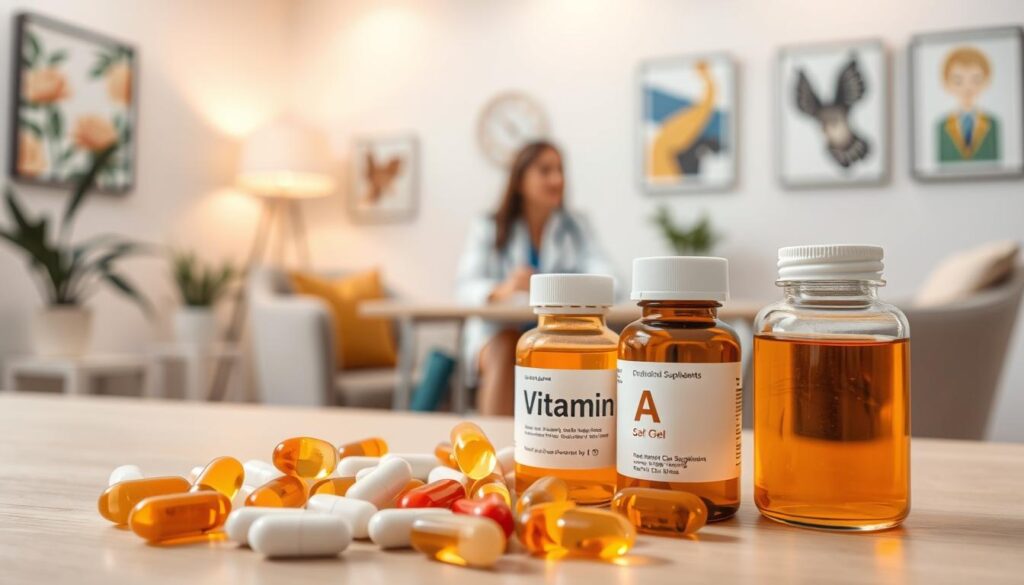
In many cases, healthcare providers recommend vitamin A supplements to restore healthy levels quickly. Follow the prescribed treatment exactly as your medical team directs. Do not copy doses from online case reports or anecdotal stories; too much vitamin A can cause severe toxicity.
“Clinical oversight is essential when managing nutrient deficiencies to ensure safety and efficacy while preventing the risks associated with hypervitaminosis A.”
Your doctor may suggest a regimen that meets immediate needs and long-term health goals. Report side effects or vision changes to your provider right away. Your provider may adjust the dose based on your response to the first therapy.
Managing malnutrition or absorption disorders
Some patients cannot process nutrients effectively. Conditions such as fat malabsorption, chronic bowel disease, or bariatric surgery complications can reduce dietary vitamin A absorption. When oral intake is insufficient, clinicians may use more direct methods.
For individuals struggling with severe absorption issues, the following strategies are often considered:
- Regular monitoring of liver enzymes and serum retinol levels.
- Use of parenteral vitamin A administered by a professional when oral options fail.
- Comprehensive nutritional support to address broader malnutrition.
- Management of underlying gastrointestinal disorders to improve natural nutrient uptake.
If you have fat malabsorption, your medical team will find its root cause. Follow a prescribed treatment plan suited to your digestive health to restore vision and prevent further complications.
Foods that help restore healthy vitamin A levels
Nature offers many foods that can help maintain healthy vitamin A levels. Eating a variety of dietary vitamin A sources supports eye health and overall well-being. Food helps prevent deficiency, but diet alone may not correct severe deficiency or absorption problems.
Animal foods with preformed vitamin A
Animal foods provide preformed vitamin A, also known as retinol. This form is highly bioavailable, so your body uses it for key functions, including clear vision in dim light.
Good sources include:
- Beef liver and other organ meats
- Fish, such as salmon and mackerel
- Dairy products like milk, cheese, and yogurt
- Eggs
Plant foods with beta-carotene
A plant-based diet offers many beta-carotene foods for your meals. Your body changes this pigment into vitamin A as needed. These colorful fruits and vegetables also contain other antioxidants that help protect your eyes.
Try adding these foods to your plate:
- Sweet potatoes and carrots
- Dark leafy greens like spinach and kale
- Orange fruits such as cantaloupe and apricots
- Pumpkin and winter squash
Discuss major diet changes with a qualified clinician or dietitian. They can create a personal plan to help you get enough vitamin A-rich foods for your health needs. Consistency is key for nutrition that supports recovery and healthy vision.
How long does it take night vision to improve?
Recovery from reversible night blindness differs significantly from person to person. Some people notice improved night vision recovery within just a few weeks of starting treatment, while others need longer.
Several factors affect how quickly your eyes respond to therapy. These include the severity of your initial deficiency, adherence to the prescribed supplement regimen, and underlying corneal damage. Together, these factors shape your visual recovery.
“Patience is essential when correcting nutritional deficiencies, as the body needs time to replenish its stores and repair delicate ocular tissues.”
If you have malabsorption disorders, your treatment response may be slower. Medical professionals may adjust dosages or address the absorption issue’s root cause, so your system receives the vitamin effectively.
Keep the following points in mind during your recovery process:
- Functional improvement often occurs before your blood levels return to the normal range.
- Consistent follow-up testing is necessary to monitor your progress and ensure long-term eye health.
- If symptoms persist despite treatment, your doctor may need to investigate other potential causes for your vision loss.
Do not be discouraged if progress feels slow at first. Your healthcare team will guide you and tailor your treatment plan to your specific needs and health history.
Why taking too much vitamin A can be dangerous
Vitamin A supports vision, but too much can cause serious health problems. Unlike water-soluble vitamins, fat-soluble vitamin A stays in your body and accumulates in the liver. Over time, this buildup can cause vitamin A toxicity when intake exceeds your needs.
Do not take high-dose supplements without medical guidance. With excessive vitamin A, the liver may become overwhelmed and suffer damage. Medical professionals choose the dose because treatment varies for children, pregnant individuals, and people with liver disease.

Good supplement safety starts with honest talks with your healthcare provider. Before a new regimen, list all multivitamins, fortified foods, and herbal products you use. This helps your doctor prevent an accidental overdose and keep your intake within safe, therapeutic limits.
If you suspect a deficiency, seek professional testing instead of trying high-dose pills. Hypervitaminosis A is preventable and occurs when your body receives more vitamin A than it can process. The table below explains why different groups need professional oversight.
| Patient Group | Risk Factor | Clinical Consideration |
|---|---|---|
| Pregnant Women | Birth defects | Strict dosage limits required |
| Liver Disease | Reduced storage capacity | High risk of toxicity |
| Children | Lower body weight | Precise dosing is critical |
| Malabsorption | Erratic absorption | Requires medical monitoring |
Your health depends on balanced nutrition, not high-dose experiments. Use blood tests and professional advice to guide your treatment. Working with a doctor can restore your vision health safely and effectively.
Other causes of night blindness besides vitamin A deficiency
Low-light vision problems can make simple nutritional answers seem appealing. However, a thorough differential diagnosis of night blindness is essential because many conditions resemble vitamin A deficiency. Supplements alone may delay needed care when structural or systemic problems cause symptoms.
Eye conditions that reduce vision in dim light
Several eye disorders can make it hard to move safely in the dark. Retinitis pigmentosa describes rare genetic disorders that damage retinal cells and often cause early night blindness. cataracts cloud the eye’s natural lens, scatter light, and reduce contrast, making night vision harder.
Other issues include glaucoma, which damages the optic nerve, and uncorrected refractive errors, such as severe nearsightedness. These conditions change how light enters or travels through the eye.
“The eye is a complex organ, and vision loss in dim light is often a signal that requires a professional evaluation rather than a quick fix,” notes a leading ophthalmologist.
Medicines and health conditions that affect night vision
Daily habits and health history can also affect night vision. Medication-related night blindness is a known side effect of some drugs, including glaucoma medicines and certain common antibiotics. If vision changes after a new prescription, discuss it with your healthcare provider immediately.
Chronic illnesses, such as diabetes, can damage nerves or the retina and affect night vision. Keep detailed records of your symptoms, current medicines, and past eye health. This information helps your clinician rule out other causes and choose the most effective treatment for your specific needs.
How to prevent vitamin A deficiency
We can protect our eyesight through steady nutrition and regular health checkups. A balanced diet provides the best foundation for vitamin A deficiency prevention. Varied, nutrient-rich foods provide both preformed vitamin A and essential beta-carotene.
Some people need specialized care to maintain healthy vitamin A levels. People with bowel resection, intestinal inflammation, or liver disease may absorb nutrients poorly. Nutritional screening can identify gaps before they cause vision issues.
Patients who have had weight-loss procedures should attend their bariatric surgery follow-up appointments. These visits help medical teams monitor vitamin levels and adjust supplements as needed. Absorption problems can continue despite a healthy diet, so professional oversight remains essential.
We recommend that the following groups consult a healthcare provider about personalized supplementation:
- Pregnant individuals who need to support fetal development.
- Caregivers managing the diets of young children.
- People following restrictive diets, such as strict veganism or specific medical protocols.
Effective vitamin A deficiency prevention requires finding the cause of any absorption problem. Simply increasing intake may not help if the body cannot process nutrients. A balanced diet, regular nutritional screening, and diligent bariatric surgery follow-up can protect long-term eye health from preventable complications.
Conclusion
Clear sight requires healthy habits and an understanding of your body’s nutritional needs. Vitamin A deficiency (Night blindness) warns that your body lacks fuel needed for proper function.
Prioritizing early diagnosis helps address underlying issues before they cause lasting damage. Consult medical professionals if you have trouble seeing in dim light.
Long-term eye health depends on consistent care and a balanced diet rich in vital nutrients. If you suspect a problem, seek supervised treatment for a safe and effective recovery plan.
We hope this guide empowers you to take charge of your wellness journey. Share your experiences or questions with your primary care physician to help keep your vision sharp for years.