
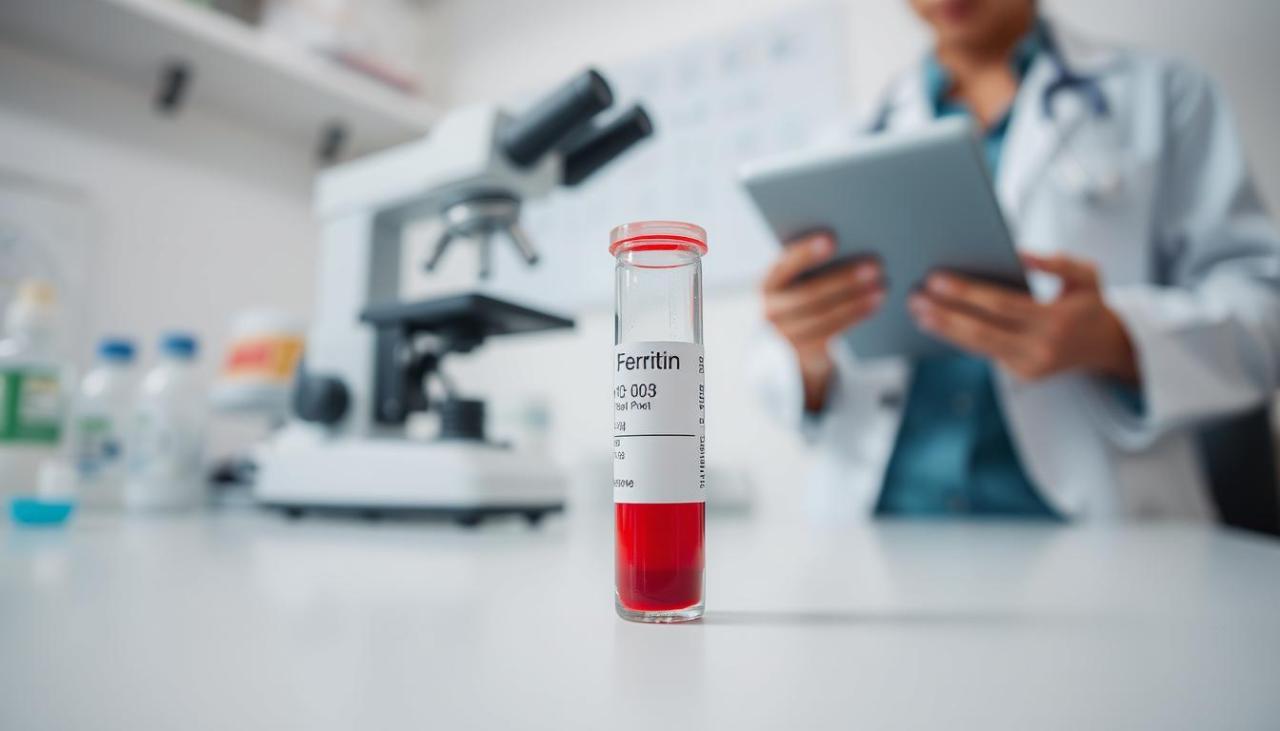
Nearly two billion people worldwide have hidden nutritional gaps. Fatigue and trouble focusing may seem like signs of a busy life, but they can signal iron and vitamin deficiency.
Patients often confuse low mineral stores with full-blown anemia. It is crucial to know that symptoms alone cannot confirm a health problem. Dizziness and weakness occur in many conditions, so self-diagnosis is unreliable.
This guide explains why these conditions occur and who faces the highest risk. It also explains why professional medical testing is necessary before starting any supplement routine. We will help you follow a clear path toward better health.
Key Takeaways
- Nutritional gaps often present as fatigue, dizziness, or poor concentration.
- Symptoms alone are not enough to diagnose a specific health condition.
- Distinguishing between low nutrient stores and clinical anemia is vital.
- Certain groups face a higher risk of developing these common health issues.
- Always consult a healthcare provider before beginning new supplement regimens.
What iron and vitamin deficiencies have in common
Many people wonder why an iron and vitamin deficiency can cause similar physical reactions. When bodies lack key nutrients, symptoms often overlap, making the exact cause hard to identify without medical guidance.
Whether iron is low or key vitamins are missing, your body struggles to meet daily energy needs. These deficiencies can affect your cognition, muscle strength, and overall vitality in ways that feel almost identical.
Iron is vital because it forms hemoglobin, the protein that carries oxygen through your bloodstream. When this process fails, your cells do not get the fuel they need to work properly. Other vitamins, including B12 and folate, also support blood cell production and cellular health.
“The body is a complex machine where every nutrient acts as a gear; when one is missing, the entire system begins to slow down.”
These symptoms are often vague, so self-diagnosis can mislead you. An iron and vitamin deficiency can resemble many other health conditions, so we recommend blood testing. Objective medical data is far more reliable than guessing from your symptoms.
Ultimately, identifying an iron and vitamin deficiency requires a clear look at your internal chemistry. A healthcare provider can help you move past guesswork and find the specific support your body needs to thrive again.
Which symptoms are linked to iron deficiency?
We may miss the quiet signs that appear when our iron levels start to fall. Iron carries oxygen through the bloodstream, so a small drop can lower our daily energy. Spotting these changes early helps us respond before they harm our long-term health.
Early signs of low iron
At first, we may feel unusually tired or sluggish during the day. This fatigue may continue even after a full night’s rest. Our hands and feet may also feel cold, whatever the room temperature.
A noticeable skin-tone change is another common sign. We may look paler than usual, especially around the inner eyelids, gums, or nail beds. These changes may signal trouble maintaining normal oxygen distribution.
Symptoms of iron-deficiency anemia
When iron levels fall greatly, the condition may become iron deficiency anemia. At this stage, red blood cells lack enough hemoglobin to work well. We may become short of breath during light activity, such as climbing stairs or walking short distances.
Some people crave non-food items, a condition called pica. Our nails may also become brittle or concave. If we visit a doctor, blood tests will likely show low hemoglobin and ferritin levels, confirming iron deficiency anemia.
| Symptom Category | Early Indicators | Advanced Anemia Signs |
|---|---|---|
| Energy Levels | Mild fatigue | Chronic exhaustion |
| Physical Signs | Cold extremities | Pale skin and brittle nails |
| Respiratory | Occasional tiredness | Shortness of breath |
| Clinical Status | Low iron stores | Iron deficiency anemia |
Which vitamin deficiencies can cause similar symptoms?
Low energy does not always result from low iron. Persistent fatigue or brain fog may point to a wider nutritional imbalance. For example, a vitamin B12 deficiency can cause exhaustion that resembles iron-related problems.
Vitamin B12 deficiency symptoms
This nutrient helps maintain healthy nerve cells and produce DNA. When levels fall, symptoms may extend beyond ordinary tiredness. Common signs include:
- Persistent fatigue and muscle weakness.
- Tingling or numbness in the hands and feet.
- Difficulty with balance or memory lapses.
Because these signs match other conditions, targeted tests may confirm whether vitamin B12 deficiency causes them. High-quality womens vitamins can sometimes help fill nutritional gaps before they become severe.
Folate deficiency symptoms
Folate, or vitamin B9, supports cell division and blood cell formation. A deficiency may cause megaloblastic anemia, with lethargy and irritability. This is especially critical during pregnancy, because enough folate supports healthy fetal development.
Unusual weakness or skin-tone changes may be worth discussing with a healthcare provider. Getting enough folate helps maintain overall vitality.
Vitamin C and vitamin D deficiency symptoms
These vitamins support immunity and bone health, but they also affect daily energy. Low vitamin C may cause fatigue and poor wound healing. Low vitamin D often causes muscle aches and bone pain.
These deficiencies can create a complex set of health concerns. A balanced diet and regular screenings can help manage wellness, identify vitamin B12 deficiency, and address symptom causes.
When fatigue and weakness may signal a deficiency
When does persistent exhaustion become a medical concern instead of a bad week? We often blame low energy on busy schedules or poor sleep, but fatigue and weakness may signal a nutrient deficiency. If your energy does not improve with rest, look closer at your health.

Notice how your body feels during daily activities. You may notice dizziness, frequent headaches, or breathlessness while climbing stairs. Other warning signs include pale skin, cold hands and feet, and a noticeable drop in exercise tolerance.
“The body is a complex system that often communicates its needs through subtle changes in how we function day to day.”
These symptoms of fatigue and weakness do not point to one condition. Many health issues can cause similar physical sensations, making self-diagnosis difficult. Since these signs are broad, clinicians use your medical history and specific blood tests to find the cause.
If these symptoms occur often, do not ignore them. A professional evaluation can show whether you have a deficiency or another health concern. Finding the cause early is the best way to restore your vitality and give your body needed nutrients.
Common causes of iron deficiency
Iron deficiency can result from biology and lifestyle choices. Risk rises when the body loses more iron than it takes in or cannot use what we consume.
Blood loss and increased iron needs
The most common cause of low iron is blood loss. Heavy menstrual periods can steadily reduce iron stores over time.
Ulcers or polyps can cause hidden gastrointestinal bleeding and significant blood loss. Frequent blood donation can also lower iron levels without enough replenishment.
Certain life stages need more iron than usual. Pregnancy, breastfeeding, and rapid growth spurts in children require extra iron for new tissues and increased blood volume.
Not getting enough iron from food
The body needs a steady supply of iron from food. Restrictive diets excluding meat, poultry, or iron-fortified grains may not provide enough.
Include diverse dietary iron sources in meals. Lean red meat, beans, lentils, and dark leafy greens help maintain healthy iron levels.
Problems absorbing iron
Even with a balanced diet, the body may not use all the iron we consume. This problem involves nutrient absorption, which several factors can hinder.
Calcium-rich foods, tea, coffee, and high-fiber meals can block nutrient absorption when eaten with iron-rich foods. Certain medications, such as antacids or proton pump inhibitors, may lower stomach acid and hinder iron absorption.
Why vitamin deficiencies develop
Vitamin deficiencies can result from both food choices and the body’s internal processes. Eating enough food does not always give the body what it needs to use nutrients. When these systems fail, nutrient absorption suffers and may cause long-term health problems.
Limited or restrictive diets
Food choices help maintain healthy vitamin levels. Highly restrictive diets may remove food groups that provide important vitamins. For example, diets excluding all animal products can cause a lack of B12, primarily found in meat, dairy, and eggs.
Avoiding fresh fruits and vegetables limits water-soluble vitamins, such as Vitamin C and folate. Consistency is key, because small daily gaps can build over time. Processed foods often provide fewer dense micronutrients than whole, natural sources.
Digestive conditions and absorption problems
Even with a balanced diet, the body must break down and use consumed nutrients. Inflammation from Celiac disease or Crohn’s disease can damage the intestinal lining. This damage reduces nutrient absorption and keeps vitamins from reaching the bloodstream.
Bariatric surgery and chronically low stomach acid can also disrupt digestion. Without enough acid, the body struggles to release vitamins from food particles. This mechanical or chemical barrier can leave us eating well yet suffering from hidden hunger.
Medicines and health conditions
Some medical treatments and chronic conditions can further harm our nutritional status. Many common prescription medications, including those for acid reflux or diabetes, can interfere with how the gut processes vitamins. These drugs may alter the pH of the stomach or speed up digestion, leaving less time for nutrient absorption.
Chronic illnesses also increase demands on our metabolic systems. While fighting inflammation or recovering from surgery, the body burns vitamins faster than usual. Staying proactive means recognizing that our internal environment matters as much as the food on our plates.
Who has a higher risk of iron and vitamin deficiencies?
Knowing who faces a higher risk of an iron and vitamin deficiency supports better health. Anyone can have low nutrient levels, but some life stages and health conditions raise vitamin and mineral needs. The body needs a careful balance of nutrient intake and absorption to work well.
Children and adolescents face higher risks because their bodies grow quickly. During these years, they need much more iron and essential vitamins. If their diets do not meet these needs, signs of deficiency may appear quickly.
Menstruating individuals and those who are pregnant or breastfeeding need close attention to nutrient levels. During pregnancy, the body supports both the parent and the developing baby. This higher need makes monitoring important and helps prevent common iron and vitamin deficiency during these critical times.
Diet also plays a major role in nutritional health. People on strict vegetarian or vegan diets may struggle to get enough B12 or heme iron. Heme iron is found mainly in animal products. Careful planning is essential for meeting daily needs through fortified foods or supplements.
Finally, people with digestive disorders, such as celiac disease or inflammatory bowel disease, may struggle to absorb nutrients. Even with a balanced diet, their bodies may not process or retain needed vitamins and minerals. Recognizing these risks helps people seek medical guidance early. This helps address any iron and vitamin deficiency before it affects long-term health.
How doctors test for iron and vitamin deficiencies
Doctors use specific lab tests to understand your health concerns. Symptoms offer clues but rarely confirm a diagnosis alone. Objective data shows your exact nutritional status.
Blood tests for iron status
Doctors often begin checking iron levels with a complete blood count. This test measures red blood cells, hemoglobin, and hematocrit to check for iron deficiency anemia. If results are low, your doctor may order more specific tests to find the cause.
Clinicians often use a ferritin blood test to measure stored iron. Ferritin stores iron for later use, and low levels often signal early depletion. Doctors may also check serum iron, transferrin, and total iron-binding capacity to assess iron transport.
After confirming iron deficiency anemia, your healthcare provider will search for its cause. They may investigate blood loss from menstrual cycles or gastrointestinal problems. They will also review your diet and current medications to plan treatment.
Tests for B12, folate, and other vitamins
Doctors use targeted blood tests when symptoms suggest a vitamin deficiency. A complete blood count can show unusually large red blood cells, a common sign of B12 or folate deficiency. Accurate testing is essential for separating different nutritional gaps.
Your doctor may order serum tests for vitamin B12 and folate. If results are unclear, they may check methylmalonic acid or homocysteine. These tests show how your body processes nutrients at the cellular level.
A ferritin blood test may accompany these vitamin panels to find overlapping problems. Reviewing all results helps your medical team identify one deficiency or several factors. This careful approach supports effective care for your needs.
What to do if you notice deficiency symptoms
When symptoms persist, move from observation to action. If you suspect iron deficiency anemia or a vitamin shortage, schedule a healthcare appointment. A professional diagnosis helps you receive the right treatment instead of guessing about fatigue.
During your visit, describe your symptoms in detail. Your doctor may order blood panels to check your levels. Never attempt to self-diagnose or take high-dose supplements without medical guidance, because too much iron can cause toxicity, hide bleeding, or interact with other medicines.
After confirming a deficiency, your doctor may suggest better nutrition. For mild cases, focusing on high-quality dietary iron sources is often the first defense. Add these foods to your daily meals:
- Lean red meats and poultry
- Leafy green vegetables like spinach and kale
- Fortified cereals and grains
- Legumes, such as lentils and chickpeas
“The body relies on a delicate balance of nutrients to function optimally; when that balance is disrupted, professional intervention is the safest path to restoration.”
If diet is not enough, your physician may prescribe oral supplements. For severe iron deficiency anemia or poor nutrient absorption, they may discuss intravenous iron therapy. Follow your doctor’s instructions for dosage and duration to protect your safety and long-term health.
Conclusion
Recognizing subtle signs of an iron and vitamin deficiency can help restore your energy and protect long-term wellness. Fatigue, dizziness, and trouble concentrating may warn that your body needs certain nutrients to work well.
Explore the comprehensive details regarding iron and vitamin to learn how these nutrients affect daily life. Proper diagnosis matters because many health conditions share similar symptoms. Professional blood work, including ferritin levels and complete blood counts, can identify the exact cause.
Self-diagnosis can cause ineffective treatment or hide underlying medical issues. Consult a healthcare provider before starting any new supplement regimen. Your doctor can review test results, create a personal plan, and help restore your health safely. Taking action today can help maintain your vitality for years.